Palantir Technologies Inc.

Search documents
Palantir's Co-Founder Just Dumped His Entire Nvidia Stake. Should Investors Follow Suit?
The Motley Fool· 2025-11-28 09:37
Core Insights - Peter Thiel, co-founder of Palantir, sold all his Nvidia shares in Q3 2025, raising concerns among Nvidia investors about the implications of this move [1][3][6] Company Overview - Nvidia has shown strong performance, reporting $57 billion in revenue for Q3, exceeding expectations of $54 billion, resulting in a 62% year-over-year growth rate, which is an acceleration from Q2's 56% [7][8] - The company is currently the largest by market capitalization, valued at approximately $4,380 billion [10] Market Position - Nvidia's gross margin stands at 70.05%, and it has a dividend yield of 0.02%, indicating a solid financial position [5] - Despite concerns about overvaluation, Nvidia's price-to-earnings ratio is competitive when compared to Microsoft and Apple, suggesting that its valuation aligns with other major tech companies considering future growth [9][12] Supply and Demand Dynamics - CEO Jensen Huang indicated that cloud GPUs are sold out, highlighting that supply is lagging behind demand, which positions Nvidia favorably for continued growth [8] - AI hyperscalers have announced increased capital expenditure expectations for 2026, further supporting Nvidia's growth trajectory [8] Investment Implications - Thiel's sale of Nvidia shares could indicate a shift in investment strategy, possibly towards new opportunities in AI or quantum computing, or a cautious outlook on the future of AI [6] - The strong performance and growth prospects of Nvidia suggest it remains a compelling investment opportunity despite Thiel's actions [12]


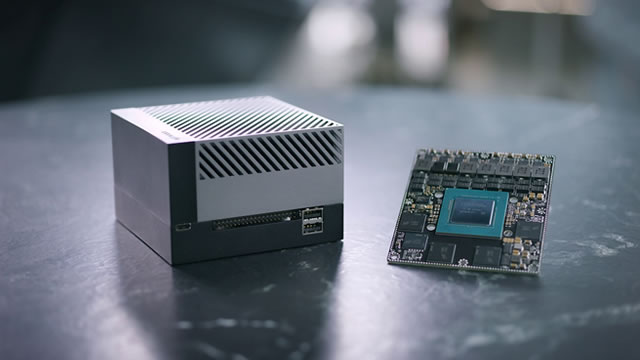
Dan Ives Says It Is 'Nvidia's World' And 'Everyone Else Is Paying Rent:' Predicts Massive Tech Rally Into 2026 - NVIDIA (NASDAQ:NVDA)
Benzinga· 2025-11-28 06:58
Core Viewpoint - The technology sector, particularly Nvidia Corp., is experiencing a significant AI-driven growth, with Nvidia being positioned as the dominant player in this space, according to Dan Ives from Wedbush Securities [1][2]. Group 1: Nvidia's Market Position - Nvidia's inventory is reportedly sold out through 2026, indicating strong demand and a supply-demand imbalance of 12-to-1 for its chips [2][3]. - Ives asserts that doubting Nvidia's dominance is a mistake, despite competition from companies like AMD and Google's TPU program [3]. Group 2: Market Outlook - Ives predicts that the current tech bull market will continue into 2026, with a "risk-on" market environment, dismissing concerns about the Federal Reserve's rate path [4]. - He metaphorically describes the ongoing AI cycle as a party that started at 9 p.m. and will last until 4 a.m., suggesting significant growth potential ahead [4]. Group 3: Investment Opportunities - Beyond Nvidia, Ives identifies other strong investment opportunities, including Palantir Technologies, which he believes could reach a $1 trillion market cap in two to three years, along with Microsoft, Oracle, and CrowdStrike as core holdings [5]. - On the consumer front, Tesla is highlighted with a projected $800 bull case, driven by its autonomous driving business valuation [6]. Group 4: Consumer AI Revolution - Ives forecasts a consumer AI revolution led by Apple, predicting an iPhone 17 supercycle that will ensure CEO Tim Cook's leadership for years [7]. Group 5: Nvidia's Stock Performance - Nvidia shares have increased by 30.33% year-to-date, outperforming the Nasdaq 100 index, which has returned 20.32% in the same period [8].

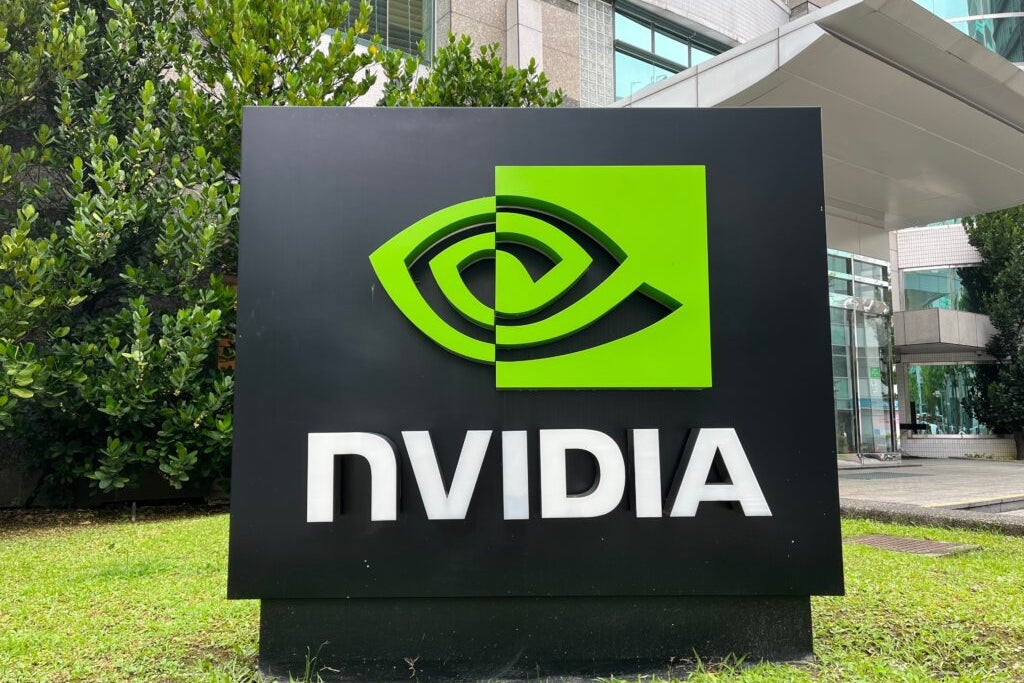
年底“捡便宜”!“大空头”力荐这些被错杀的股票
Jin Shi Shu Ju· 2025-11-28 06:12
Core Insights - Michael Burry, known for his role in "The Big Short," has closed his hedge fund to external capital and is now sharing his stock picks on a new Substack platform named "Cassandra Unchained" [1] - Burry highlights stocks such as Lululemon (LULU), Molina Healthcare (MOH), Shift4 Payments (FOUR), and Federal National Mortgage Association (FNMA) as his favorites, indicating a market capitalization range of $20 billion to $120 billion as fertile ground for investment [1][2] - He believes that the current market presents an excellent opportunity to find undervalued companies that have been oversold due to fund managers' performance management and tax-loss harvesting [1] Company Summaries - Lululemon is a high-end athletic apparel retailer known for its yoga pants, which has seen its stock price drop by 52% over the past year [2][3] - Molina Healthcare provides affordable healthcare insurance and services primarily for low-income and elderly Americans, with its stock down 49% in the same period [2][3] - Shift4 Payments is a fintech company offering payment processing and business tools for various sectors, experiencing a 32% decline in stock price [2][3] - Federal National Mortgage Association (FNMA) supports the U.S. housing market by providing credit loss guarantees for over $4 trillion in mortgages, with its stock not disclosed in Burry's filings due to being traded in the over-the-counter market [2] Market Context - The three highlighted stocks (Lululemon, Molina, Shift4 Payments) have market capitalizations below $25 billion and are trading at price-to-earnings ratios below 15 times expected earnings for the current fiscal year [3] - In contrast, FNMA's stock has tripled this year amid speculation about potential privatization by the Trump administration, which could pave the way for its market listing [3] Investment Strategy - Burry is known for his deep value investing approach, focusing on finding undervalued stocks, particularly smaller and beaten-down companies [3] - He has also engaged in short positions against companies like Palantir (PLTR) and Nvidia (NVDA), indicating a strategy that combines long positions in undervalued stocks with short positions in overvalued ones [4][5]
US stocks rise for a fifth straight day to close out a volatile month
Yahoo Finance· 2025-11-28 05:44
Market Performance - The S&P 500 rose 0.5% on the last trading day of November, closing the month with a slight gain of 0.1% [1] - The Dow Jones Industrial Average increased by 289 points, or 0.6%, while the Nasdaq gained 0.7% but ended November with a 1.5% decline due to losses in major tech stocks [1] Tech Sector Dynamics - Mid-month, stocks experienced a downturn as concerns grew over the high valuations of AI-driven companies like Nvidia, which lost 1.8% on the last trading day and ended the month with a double-digit loss [2] - Oracle's stock fell 23% in November, and Palantir Technologies dropped 16% [2] - Conversely, Alphabet saw a nearly 14% increase in its stock price, driven by excitement surrounding its new Gemini AI model [2] Federal Reserve Outlook - Market optimism was fueled by expectations that the Federal Reserve may cut interest rates at its upcoming meeting on December 10, with traders estimating a nearly 87% probability of a rate cut [3] - The Fed has already cut rates twice this year to support a slowing job market, but faces challenges as inflation rises [4] Retail Sector Insights - Retail stocks were under scrutiny as investors awaited consumer behavior during the Black Friday sales, with Macy's down 0.3% and Kohl's up 1.4% [5] - Specialty retailers like Abercrombie & Fitch and American Eagle Outfitters saw gains of 2.9% and 0.7%, respectively [5] Other Sector Movements - Amidst tech stock volatility, pharmaceutical companies like Eli Lilly and Merck each rose over 20% for the month [6] - Travel-related companies such as Marriott and Expedia also reported strong monthly gains [6]
大空头的观点解析
傅里叶的猫· 2025-11-28 03:32
Core Viewpoints - Michael Burry emphasizes that the primary indicator of a bubble is supply-side greed, which leads to over-expansion and ultimately market crashes, rather than demand shortages or profit deficiencies [7][11][12] - The current AI boom mirrors the 1990s internet bubble, with significant investments in AI infrastructure that may not align with actual demand [12][13] Group 1: Historical Analysis of Bubbles - The internet bubble of the 1990s was driven by excessive capital investment in data transmission infrastructure, leading to a supply-demand imbalance [7][8] - Major companies like AT&T and MCI invested heavily in infrastructure, but the actual demand for broadband was not met, resulting in a significant market crash by 2002 [8][11] - Similar patterns of over-investment leading to market corrections have been observed in the real estate bubble of the 2000s and the shale oil revolution of the 2010s [11] Group 2: Current AI Landscape - Major tech companies plan to invest nearly $3 trillion in AI infrastructure over the next three years, raising concerns about potential overcapacity [12] - OpenAI's projected spending of $1.4 trillion over eight years, with revenues not even close to covering this expenditure, highlights the unsustainable nature of current valuations [12] - The rapid pace of technological advancement in AI, particularly with companies like NVIDIA, raises questions about the longevity and economic viability of older chip models [22][23] Group 3: Financial Practices and Risks - Burry points out that major tech firms are extending the depreciation periods of their assets, which artificially inflates reported profits [20][21] - This accounting practice can lead to significant risks, as seen in the case of Baidu, which had to write down substantial asset values after extending depreciation periods [25] - The rapid obsolescence of technology, particularly in data centers, poses a risk of "zombie assets" that may not generate expected returns [24] Group 4: Clarifications on Misinterpretations - Burry clarifies that his positions in options against companies like Palantir and NVIDIA have been misrepresented in the media, emphasizing the importance of accurate reporting [26] - He distinguishes between criticizing accounting practices and directly accusing companies of fraud, asserting that his concerns are about industry-wide practices rather than specific companies [26]





This Thanksgiving's real drama may be Michael Burry versus Nvidia
TechCrunch· 2025-11-27 19:32
Core Viewpoint - Michael Burry is aggressively betting against Nvidia, claiming that the AI boom is a bubble and attempting to convince others of his bearish thesis [2][3][15]. Group 1: Burry's Allegations and Strategy - Burry holds over $1 billion in bearish put options on Nvidia and Palantir, indicating a strong belief that their stock prices will decline [3]. - He accuses Nvidia of costing shareholders $112.5 billion through stock-based compensation, which he claims reduces owners' earnings by 50% [3]. - Burry suggests that AI companies are manipulating financials by overstating the useful lives of Nvidia's GPUs, leading to inflated capital expenditures [3]. - He argues that the demand for AI products is misleading, as customers are allegedly funded through a circular financing scheme [3]. Group 2: Nvidia's Response - Nvidia has issued a seven-page memo to Wall Street analysts, countering Burry's claims and stating that his calculations are incorrect, particularly regarding stock buybacks [5]. - The company asserts that its employee compensation practices are consistent with industry peers and emphasizes that it is not comparable to Enron [5]. Group 3: Market Implications and Historical Context - Burry's warnings have gained traction, leading to speculation about whether he could influence investor sentiment and trigger a sell-off in Nvidia's stock [15][16]. - Historical examples show that prominent critics can accelerate the unraveling of companies with underlying issues, as seen with Enron and Lehman Brothers [15]. - Nvidia's market cap is currently at $4.5 trillion, having increased twelvefold since early 2023, making it the most valuable company in the world [8].
'Big Short' investor Michael Burry reveals 4 stock picks, including Lululemon and Fannie Mae
Business Insider· 2025-11-27 15:21
Core Insights - Michael Burry has shared his stock picks after closing his hedge fund to outside cash, expressing a desire to communicate freely without regulatory constraints [1] - Burry's selected stocks include Lululemon Athletica, Molina Healthcare, Shift4 Payments, and Fannie Mae, which he views as long-term holds [2][3] - The current market conditions are seen as favorable for finding undervalued companies due to seasonal selling pressures [1][4] Company Summaries - **Lululemon Athletica**: An athletic-apparel retailer known for premium yoga pants, has seen its shares decline by 52% year-to-date, trading at under 15 times projected earnings [4][5] - **Molina Healthcare**: Provides affordable health insurance and healthcare services, primarily to low-income and senior Americans, with shares down 49% this year, also trading at under 15 times projected earnings [4][5] - **Shift4 Payments**: A fintech company offering payment processing and commercial tools, has experienced a 32% drop in share price year-to-date [4] - **Fannie Mae**: A government-sponsored enterprise that guarantees over $4 trillion in mortgages, its shares have tripled this year amid speculation of privatization [3][5] Market Context - The selected stocks are characterized by their market capitalizations under $25 billion, indicating a focus on smaller, beaten-down stocks [4][5] - Burry's investment strategy emphasizes deep-value opportunities, particularly in the current environment where many managers are reluctant to hold losing positions at year-end [1][4]



4 Large-Cap Tech Stocks to Grab Now as December Rate Cut Hopes Brighten
ZACKS· 2025-11-27 14:21
Core Insights - Wall Street has rebounded after a period of volatility, with tech stocks leading the rally as investors anticipate a potential interest rate cut by the Federal Reserve in December [1][3][8] Economic Data - Positive economic data has improved investor sentiment, with the producer price index (PPI) rising less than expected in October, indicating slowing inflation [5][6] - The PPI rose 0.3% sequentially in September, with year-over-year increases of 2.7% for PPI and 2.6% for core PPI [6][7] - Retail sales increased by 0.2% sequentially in September, although below the expected 0.4% rise, suggesting a positive outlook for the retail sector ahead of the holiday season [7] Tech Stocks Recommendations - Four large-cap tech stocks are recommended for investment: Amazon.com, Inc. (AMZN), NVIDIA Corporation (NVDA), Palantir Technologies Inc. (PLTR), and Micron Technology, Inc. (MU), all showing strong potential for growth [2][4] - Each of these stocks has a Zacks Rank of 1 (Strong Buy) or 2, indicating strong earnings growth expectations [2][10][12][14][16] Company Highlights - **Amazon.com, Inc. (AMZN)**: Expected earnings growth rate of 29.7% for the current year, with a Zacks Consensus Estimate improvement of 4.8% over the last 60 days [10] - **NVIDIA Corporation (NVDA)**: Expected earnings growth rate of 54.5% for the current year, with a Zacks Consensus Estimate improvement of 3.8% over the last 60 days [12] - **Palantir Technologies Inc. (PLTR)**: Expected earnings growth rate of 78.1% for the current year, with a Zacks Consensus Estimate improvement of 10.6% over the last 60 days [14] - **Micron Technology, Inc. (MU)**: Expected earnings growth rate of over 100% for the current year, with a Zacks Consensus Estimate improvement of 5.9% over the last 60 days [16]

“大空头”狙击英伟达
财联社· 2025-11-27 13:40
Core Viewpoint - Michael Burry, known for his short-selling during the 2008 financial crisis, has recently criticized Nvidia and other AI companies, claiming they are in a bubble and expressing his intention to short these stocks [4][12]. Group 1: Criticism of Nvidia - Burry has intensified his criticism of Nvidia, stating that the company's recent memo to Wall Street analysts was disappointing and filled with "straw man fallacies" [5][11]. - He argues that Nvidia's response to allegations of fraud and accounting scandals lacks credibility, especially for a company with the highest market capitalization globally [5][9]. - Burry's main concern revolves around how AI companies handle depreciation accounting, suggesting that spreading costs over longer periods can artificially inflate profits and asset values [12][13]. Group 2: Market Position and Actions - Burry's Scion Asset Management reportedly holds put options against Nvidia and Palantir, with a nominal total value of $1.1 billion, although each option costs around $10 million [12][14]. - He has described the current AI hype as a "magnificent absurdity," comparing Nvidia to Cisco during the internet bubble, indicating a potential market correction ahead [14]. - Following Nvidia's recent earnings report, Burry warned that the actual demand for AI may be significantly lower than perceived, criticizing tech giants for potentially misleading revenue statements [15].

Black Friday 2025: 2 Retail Stocks That Louis Navellier Recommends This Holiday Season - Walmart (NYSE:WMT)
Benzinga· 2025-11-27 10:47
Core Insights - The article discusses the mixed macroeconomic environment as Black Friday approaches, highlighting a concentrated investment strategy in retail and technology sectors due to a "K-shaped" recovery [1][2]. Retail Sector Analysis - Louis Navellier recommends a focused investment in two major retailers, Costco Wholesale Corp. and Walmart Inc., citing their strong same-store sales growth amidst consumer spending constraints [3]. - The "trade-down" effect is emphasized, indicating that consumers are prioritizing value, which benefits discount retailers over luxury brands [3]. Holiday Spending Outlook - Despite predictions of record holiday revenue, the retail sector is viewed as risky due to consumer budget tightening, leading to a decline in overall shopping activity [4][9]. AI Sector Insights - The AI trade is evolving, with a shift in leadership towards companies that apply AI technology and those that build supporting infrastructure, rather than just hardware manufacturers [4][5]. - Specific companies identified as leaders in the AI application space include Applovin Corp. and Palantir Technologies Inc., while data center infrastructure firms like Vertiv Holdings Co. and Emcor Group Inc. are also highlighted [8]. Economic Context - Navellier argues that the U.S. is currently benefiting from China's economic slowdown, which is leading to imported deflation and alleviating pricing pressures from tariffs [6]. - The housing sector is facing challenges, with high ownership costs causing consumers to defer home improvement spending, negatively impacting companies like Home Depot and Lowe's [7][9]. Investment Strategy - The article concludes with a clear message for investors to avoid broad market indices and focus on concentrated opportunities in AI appliers, data center builders, and the two recommended retailers [10].