
银河航天

Search documents
商业航天大年来了 广东、山东、浙江等10多个地方争相布局
2 1 Shi Ji Jing Ji Bao Dao· 2026-02-03 23:49
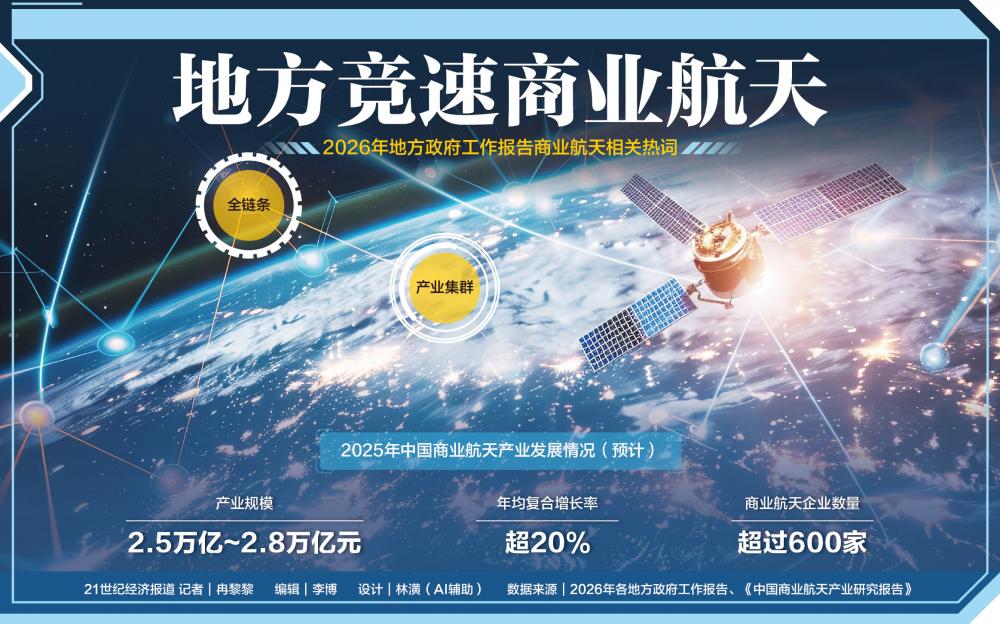
"十五五"规划建议中提出,加快建设航天强国,并提出加快航空航天等战略性新兴产业集群发展。"十五五"开局之年,全国工业和信息化工作 会议提出,2026年要打造航空航天等新兴支柱产业。1月底,人民日报刊文《2026,一个可期待的商业航天大年》。 接连释放出的信号,让2026年的商业航天发展备受关注与期待。如今,各地也争相布局。截至2月1日,超20个省份已召开地方两会,多地尚未 披露政府工作报告全文,从已披露的信息来看,其中约半数的省份在政府工作报告中直接或间接布局商业航天相关产业,广东、山东、浙江、 河南、北京、辽宁、天津等多地明确提及航空航天或商业航天。 在各地两会的部署中,"全链条"与"产业集群"是两大关键词。例如,广东提出,2026年,全链条推动低空与商业航天等领域关键核心技术攻关 取得突破。浙江提出,着力打造新兴支柱产业,支持航空航天等新兴产业集群发展。各地的部署,切中的正是我国商业航天产业协同尚显不 足、关键技术存在短板等痛点。 推进"全链条"布局 根据2025年12月底披露的《中国商业航天产业研究报告》,中国商业航天产业规模预计在2025年达到2.5万亿—2.8万亿元,年均复合增长率超 20%,商业航 ...

锚定空天新质生产力 亦庄百亿落子商业航天产业链
Zhong Guo Zheng Quan Bao· 2026-02-03 20:30
Core Insights - China's commercial aerospace industry is transitioning from a technology accumulation phase to a new stage focused on large-scale launches and building a commercial ecosystem [1] - Beijing E-Town has emerged as one of the highest concentration areas for the aerospace industry, with significant investments and projects underway [1][7] Industry Development - The National Civil Space Infrastructure Medium- and Long-Term Development Plan (2015-2025) initiated the exploration of market-oriented and commercial development mechanisms for China's commercial aerospace sector [2] - By 2025, commercial launches are expected to account for half of all space launches in China, with 311 commercial satellites launched in a year, representing 84% of the total [2] - 2026 is identified as a critical year for technological validation and business model development, with several reusable rockets set for key milestones [2] Investment and Market Dynamics - The Shanghai Stock Exchange has provided clear pathways for commercial rocket companies to list on the Sci-Tech Innovation Board, with reusable rockets being a key criterion [3] - Companies like Blue Arrow Aerospace and others are progressing towards IPOs, highlighting the importance of capital in driving technological advancements and commercialization [3] Regional Development Strategies - The growth of commercial aerospace is significantly influenced by regional conditions, with companies needing to consider various factors such as policy support and resource availability when selecting locations [4] - E-Town's development strategy reflects a response to these needs, having established a strong foundation with existing aerospace "national teams" and supporting industries [4][5] Ecosystem and Infrastructure - E-Town has attracted over 180 commercial aerospace-related companies, creating a comprehensive industrial ecosystem [7] - The newly completed Beijing Rocket Street project aims to foster a sustainable industrial ecosystem, potentially reducing R&D costs by over 30% for companies in the area [6][7]
锚定空天新质生产力亦庄百亿落子商业航天产业链
Zhong Guo Zheng Quan Bao· 2026-02-03 20:27
Core Insights - China's commercial aerospace industry is transitioning from a technology accumulation phase to a new stage focused on large-scale launches and building a commercial ecosystem [1] - Beijing E-Town has emerged as one of the highest concentration areas for the aerospace industry, with over 15 billion yuan invested in nine major capacity projects [1] - The year 2026 is identified as a critical year for technological validation and business model development in China's commercial aerospace sector [1] Industry Development - The National Civil Space Infrastructure Medium- and Long-term Development Plan (2015-2025) initiated the exploration of market-oriented and commercial development mechanisms for civil space infrastructure [1] - By 2025, commercial launches are expected to account for half of all space launches in China, with 311 commercial satellites launched, representing 84% of the total [1] - The shift from customized satellite manufacturing to industrialized mass production is underway, with companies like Galaxy Aerospace reducing production cycles by 80% [2] Capital Market Dynamics - The Shanghai Stock Exchange has provided clear pathways for commercial rocket companies to list on the Sci-Tech Innovation Board, with reusable rocket launches being a key requirement [2] - Several companies, including Blue Arrow Aerospace and Zhongke Aerospace, are progressing towards IPOs, highlighting the importance of capital in driving technological advancements and commercialization [2] Regional Development Strategies - The growth of commercial aerospace companies is significantly influenced by regional conditions, necessitating consideration of various factors such as industrial synergy, policy support, and resource availability [3] - A coordinated national planning approach is recommended to optimize resource allocation and avoid redundant construction in the aerospace sector [3] Ecosystem and Infrastructure - E-Town has developed a comprehensive industrial chain encompassing rocket and satellite manufacturing, aerospace electronics, and related fields [4] - The establishment of a sustainable industrial ecosystem is emphasized, with companies like Hongqing Technology planning to relocate their headquarters to E-Town to leverage its resources [4] - The Beijing Rocket Street project aims to create a collaborative research and production base, expected to reduce R&D costs by over 30% for companies in the area [5] Future Projections - In 2023, Beijing conducted 14 commercial rocket launches, with 13 originating from E-Town, and projections for 2024 include 13 launches and over 80 satellites in orbit [5] - By 2025, E-Town aims for 24 successful launches, carrying over 160 satellites, as part of its goal to create a thriving aerospace innovation cluster [5]
商业航天大年来了!广东、山东、浙江等已出手
2 1 Shi Ji Jing Ji Bao Dao· 2026-02-03 12:21
Core Insights - The Chinese government is accelerating the development of a strong aerospace industry, with a focus on commercial space by 2026, as highlighted in the "14th Five-Year Plan" and various local government reports [1][2] - Over 20 provinces have initiated discussions on commercial aerospace, with approximately half directly addressing related industries in their government work reports [2][3] - Key themes in local government plans include "full-chain" and "industry clusters," aiming to address existing challenges in the commercial aerospace sector [1][3] Full-Chain Development - Guangdong aims to achieve breakthroughs in key technologies across various fields, including commercial aerospace, by 2026, targeting a scale of 300 billion yuan for its aerospace and related industries [3] - Beijing has established over 210 commercial aerospace companies and plans to enhance its infrastructure, including a commercial space launch center, to support significant increases in launch activities by 2025 [3][4] - The need for a comprehensive policy framework and improved collaboration within the industry is emphasized to overcome existing challenges such as high costs and reliance on foreign technology [4][6] Industry Cluster Development - Zhejiang is focusing on developing emerging industries, including aerospace, with a goal for strategic emerging industries to account for 35% of industrial output by 2026 [8] - Shandong is promoting its commercial aerospace capabilities, particularly through the Dongfang Spaceport, which has launched 137 satellites, and aims to create a comprehensive aerospace industry chain [9] - Local governments are encouraged to leverage their unique resources and capabilities to foster innovation and avoid redundant developments in the aerospace sector [10] Company Initiatives - Companies like Tianbing Technology and Tianzhang Satellite are being supported by local governments to enhance their capabilities in the commercial aerospace sector [11] - Galaxy Aerospace is focusing on technological innovation, particularly in satellite technology that allows direct mobile connectivity, and aims to accelerate production and development [11][12] - Hongqing Technology is prioritizing innovation in satellite platforms and aims to integrate various systems to improve efficiency in satellite and rocket operations [12]
盛路通信(002446.SZ):目前与银河航天没有合作关系
Ge Long Hui· 2026-02-03 07:17
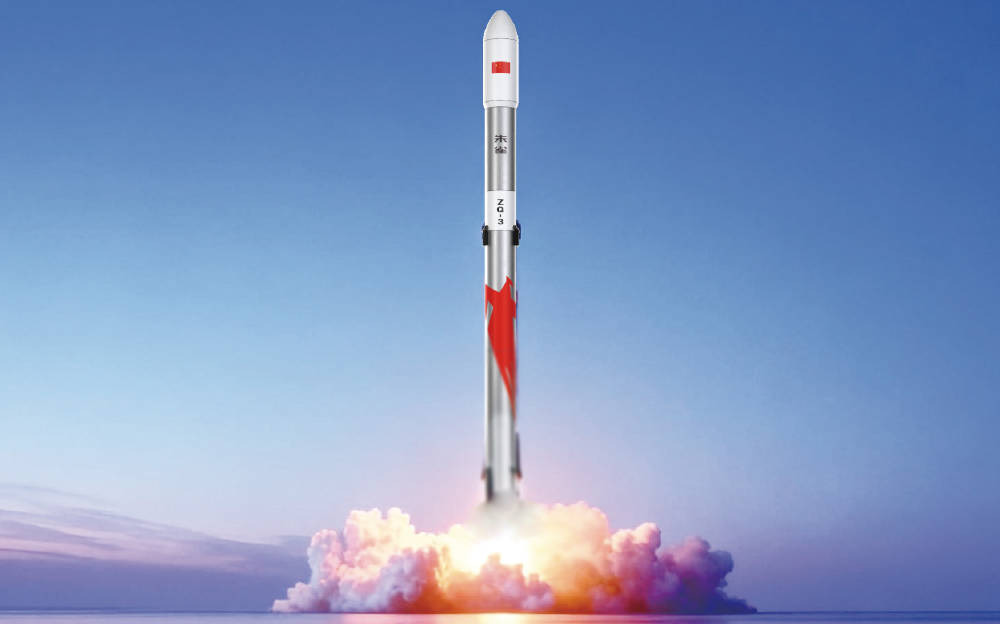
格隆汇2月3日丨盛路通信(002446.SZ)在投资者互动平台表示,公司目前与银河航天没有合作关系。 ...

领益智造“上天”记:深度绑定两大航天级标杆,如何卡位人形机器人新赛道?
Sou Hu Wang· 2026-02-02 01:49
Core Insights - The integration of commercial space technology and humanoid robotics in China has led to significant breakthroughs, including the first stable connection between a humanoid robot and low Earth orbit satellites, and plans to create the world's first humanoid astronaut [1] Group 1: Key Developments - The "Embodied Tiangong" robot successfully achieved real-time communication via a satellite, marking a global first in humanoid robot and satellite connectivity [1] - Shenzhen's ZhiYuan Robotics announced plans to develop a humanoid astronaut for future space station maintenance tasks [1] - Lingyi Zhizao, a key hardware supplier, is positioned strategically in the humanoid robotics industry due to its advanced manufacturing capabilities [1] Group 2: Technical Contributions - Lingyi Zhizao provides essential components such as a 16-degree-of-freedom dexterous hand and reliable joint modules, which are critical for the robot's precise operation and data transmission [2] - The collaboration extends to building a humanoid robot testing platform, indicating Lingyi Zhizao's involvement in the entire process from R&D to mass production [2] Group 3: Strategic Partnerships - The partnership with ZhiYuan Robotics focuses on developing a humanoid astronaut capable of operating in extreme space conditions, with Lingyi Zhizao supplying aerospace-grade components [3] - A joint venture named "Lingzhi Innovation" was established to create a comprehensive collaboration system from R&D to manufacturing, enhancing Lingyi Zhizao's role from a parts supplier to a key system manufacturer [3] Group 4: Competitive Advantages - Lingyi Zhizao's advantages include two decades of experience in precision manufacturing and a deep understanding of high-reliability requirements for aerospace applications [4] - The company has developed core hardware in-house and possesses full-chain mass production capabilities, ensuring rapid response and stable delivery of high-quality products [4] - Participation in landmark projects provides Lingyi Zhizao with significant industry credibility and a competitive edge in future commercialization efforts [5] Group 5: Industry Positioning - Lingyi Zhizao is redefining manufacturing standards in the humanoid robotics sector, emphasizing that competition will hinge on advanced precision manufacturing capabilities [6] - The company is transitioning from a consumer electronics leader to a core manufacturer of high-end intelligent equipment, positioning itself for future industry leadership [6]

商业航天“大年”已至,合肥如何下出先手棋?
AI研究所· 2026-01-30 11:01
Core Viewpoint - The article emphasizes the rapid development of commercial aerospace in China, particularly highlighting Hefei's strategic positioning and growth in the sector, which is expected to reach a scale of over 400 billion yuan by 2027 [6][16]. Group 1: Hefei's Development in Commercial Aerospace - Hefei has emerged as a benchmark city for commercial aerospace development in China, leveraging its unique industrial positioning and flexible ecosystem [3][4]. - The city has adopted a "dislocated competition" strategy, focusing on high-value segments like satellite data applications and in-orbit services, avoiding direct competition with traditional aerospace hubs like Beijing and Shanghai [5][6]. - By 2025, Hefei's aerospace industry is projected to exceed 100 billion yuan, with a significant increase in the number of enterprises to 165 [7][16]. Group 2: Key Players and Investments - The rise of Hefei's commercial aerospace sector is supported by leading companies and continuous capital investment, such as the listing of China Science and Technology's subsidiary on the Beijing Stock Exchange [6][7]. - Hefei has seen significant financing activities, including a 50 million yuan angel round for Anhui Xian Dao Ji Xing Technology Co., focusing on advanced semiconductor devices [6][7]. - The city has established a comprehensive industrial ecosystem covering satellite applications, operations, and manufacturing, with major projects like the "Giant Constellation Plan" underway [14][16]. Group 3: Policy Support and Future Outlook - Hefei's rapid growth is bolstered by supportive policies, including substantial subsidies for new rocket and satellite development [15][16]. - The city aims to create an international leading commercial aerospace innovation hub by 2027, with a target of over 300 enterprises [16]. - The competitive landscape of commercial aerospace is intensifying across various cities in China, driven by policy incentives and the strategic importance of the industry [18][19].

崧盛股份:公司与银河航天目前并无直接业务往来
Zheng Quan Ri Bao· 2026-01-29 11:09
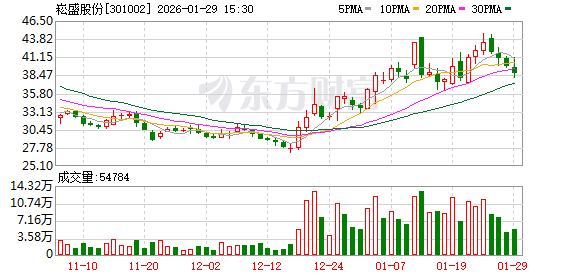
Group 1 - The core point of the article is that Congsheng Co., Ltd. clarified its business relationship with Galaxy Aerospace, stating that there is currently no direct business interaction between the two companies [2] - Galaxy Aerospace is identified as a major customer of Chongqing Jingang Transmission Technology Co., Ltd., which is a company in which Congsheng Co., Ltd. holds shares [2]
崧盛股份(301002.SZ):银河航天为参股公司重庆精刚传动科技主要客户
Ge Long Hui· 2026-01-29 08:15
Group 1 - The core point of the article is that Congsheng Co., Ltd. (301002.SZ) has clarified its business relationship with Galaxy Aerospace, stating that there is currently no direct business interaction between the two companies [1] - Galaxy Aerospace is identified as a major customer of Chongqing Jinggang Transmission Technology Co., Ltd., which is a company in which Congsheng holds shares [1]
太空基建不断加速-持续看好商业航天与卫星产业链
2026-01-29 02:43
Summary of Key Points from Conference Call Industry Overview - The conference call focuses on the commercial aerospace and satellite industry, highlighting rapid advancements and investment opportunities in this sector [1][2]. Core Insights and Arguments - **Rocket Reusability**: Breakthroughs in rocket reusability technology are expected by 2026, which will lower launch costs and enhance competitiveness in commercial aerospace [1][2]. - **Low Earth Orbit (LEO) Satellite Internet**: The development of LEO satellite internet is accelerating, with Starlink achieving near 5G speeds and increasing its user base from 2 million in 2022 to approximately 8-9 million currently [2][4]. - **Global Expansion of LEO Networks**: Companies like Blue Origin and OneWeb are expanding their LEO satellite networks, with OneWeb planning to deploy over 400 satellites [2][3]. - **China's Strategic Moves**: China has applied for frequency resources for 203,000 LEO and medium Earth orbit satellites, indicating a strategic push to secure limited resources in the satellite industry [3][4]. - **Technological Integration**: The integration of commercial aerospace with AI and other emerging technologies is expected to enhance data processing capabilities and improve applications in various sectors [5][6]. Investment Opportunities - **Space Infrastructure**: Investment opportunities include space computing, solar power, 3D printing, and satellite internet, particularly in the context of 6G technology [8][9]. - **LEO Satellites**: There is a significant demand for upgrading TR components and antenna sizes to improve signal quality and bandwidth [9][10]. - **Platform and Service Companies**: Companies providing production testing solutions and satellite asset management services are poised for growth as the industry expands [10][11]. Additional Important Insights - **Technological Innovations**: Key innovations include larger antenna arrays for better connectivity, advanced TR components to counteract Doppler frequency shifts, and upgrades in baseband payloads to meet higher bandwidth demands [12][13][14]. - **Market Dynamics**: The satellite industry is experiencing a shift from mere transmission capabilities to include space computing and solar power, driven by increasing demand and limited supply [7][8]. This summary encapsulates the essential points discussed in the conference call, providing a comprehensive overview of the commercial aerospace and satellite industry's current state and future prospects.