朗新集团

Search documents
香港RWA四大主题曝光!固定收益、绿色金融入选,你的资产符合吗
Sou Hu Cai Jing· 2025-10-11 16:01
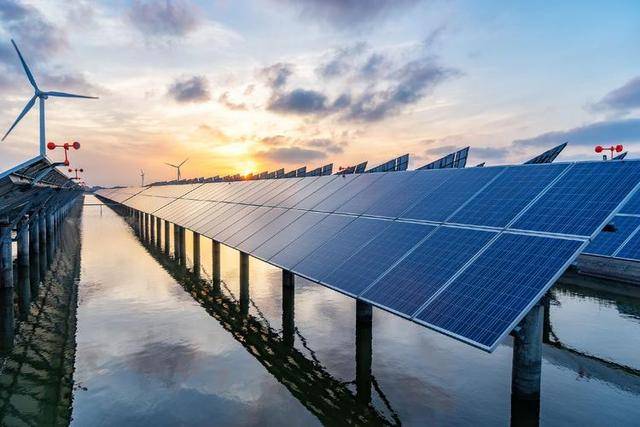
Core Insights - The recent trend of "Asset Tokenization" in Hong Kong is gaining traction, with companies like Longxin and Xiexin converting the revenue rights of charging stations and photovoltaic power plants into digital certificates for global investor financing [1][3] - The Hong Kong Monetary Authority has defined four key categories for Real World Assets (RWA): fixed income, green finance, liquidity management, and trade supply chain [4][6] Group 1: RWA Overview - RWA refers to the transformation of real assets into digital tokens, allowing for the trading of future income rights from properties, power plants, and charging stations on the blockchain [3][6] - The benefits of RWA include quick access to funds without the need for collateral or bank approvals, appealing to global investors [3][6] Group 2: Key Categories of RWA - Fixed Income: Includes bonds, loans, and revenue rights from charging stations, providing predictable future earnings for investors [6] - Green Finance: Encompasses assets like photovoltaic and wind power, supported by policies and stable cash flows, aligning with carbon neutrality trends [6] - Liquidity Management: Involves short-term financial products and accounts receivable, enabling quick cash conversion for businesses [6] - Trade Supply Chain: Allows exporters to convert cargo rights into tokens for early cash flow, enhancing operational efficiency [6] Group 3: Requirements for RWA - Assets must demonstrate consistent income generation, such as charging stations with stable revenue or photovoltaic plants with reliable output [6][8] - Ownership must be clear, with proper documentation like property deeds and operational licenses to avoid disputes [6][8] - Real-time monitoring is essential, utilizing IoT and big data to provide accurate performance data to investors [6][8] Group 4: Market Dynamics - The RWA market in Hong Kong is characterized by high entry barriers, targeting professional investors rather than retail investors, with fundraising amounts ranging from tens of millions to 200 million [3][4] - RWA serves as a tool for asset owners to unlock liquidity from underutilized assets, but it requires careful consideration of the underlying asset's stability and market conditions [8]

疯狂赴港!RWA 成企业新宠:是真融资还是 “炒热度”?
Sou Hu Cai Jing· 2025-10-11 07:59
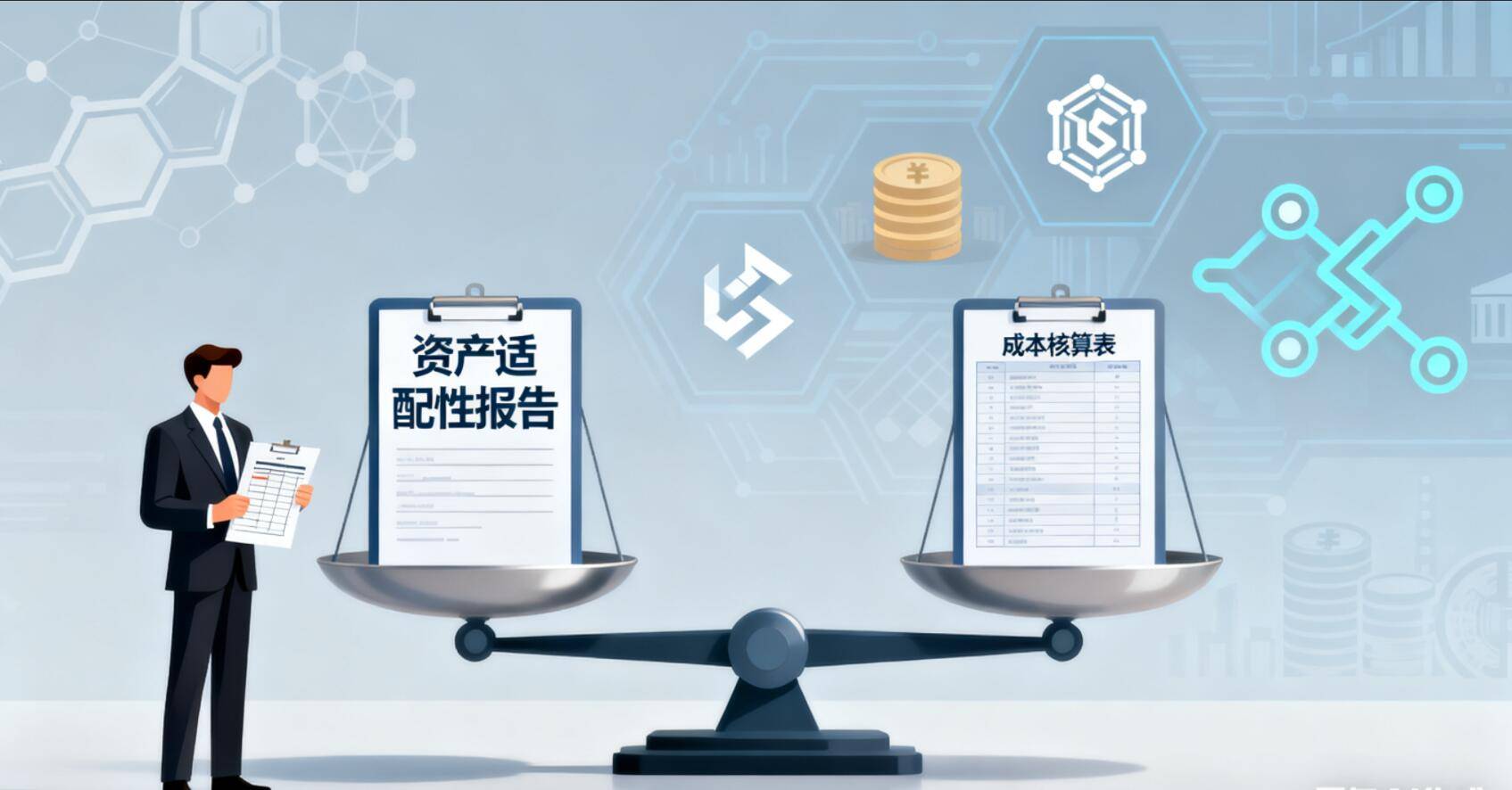
Core Insights - The discussion around "can projects go to Hong Kong for RWA" is gaining momentum in the Greater Bay Area, with various companies exploring the RWA (Real World Asset tokenization) sector, indicating a growing trend towards the tokenization of real-world assets [1][2]. Group 1: RWA Overview - RWA refers to the tokenization of real-world assets, transforming physical assets like charging stations and real estate into tradable digital tokens via blockchain technology, creating a new channel for asset circulation [2]. - As of July 2025, the total market value of global on-chain RWA assets has surpassed $25 billion, with projections suggesting it could reach $10 trillion by 2030 [2]. Group 2: Market Activity - Since the beginning of 2024, 13 institutions have successfully launched RWA projects in Hong Kong, with fundraising amounts ranging from tens of millions to 200 million yuan, covering a wide array of underlying assets [3]. - More companies are lining up to enter the market, including real estate firms and those in the tourism and renewable energy sectors, indicating a broad interest in RWA projects [3]. Group 3: Challenges and Costs - The total cost for issuing RWA in Hong Kong typically exceeds 2.5 million HKD, with additional advisory fees of 3%-5%, and companies must promise returns to investors, with non-standard assets needing to yield over 8% annually [4]. - There is a significant uncertainty in fundraising, with some companies aiming to raise 50 million but only securing 10 million, highlighting the rigorous scrutiny by professional investors [4]. Group 4: Advantages of RWA - RWA can activate "sleeping assets," as it streamlines the process of asset verification and revenue distribution through blockchain and smart contracts, significantly reducing the time and complexity compared to traditional bank loans [5]. Group 5: Asset Suitability - Not all assets are suitable for RWA; the Hong Kong Monetary Authority emphasizes that RWA should focus on fixed income, investment funds, and assets that generate stable cash flows [6]. - Successful RWA assets must meet three criteria: stable value, clear legal rights, and verifiable off-chain data, while also navigating regulatory challenges [6]. Group 6: Market Speculation - The rise of RWA has sparked speculation about its potential to facilitate the return of Chinese concept stocks to Hong Kong, as it may offer a faster and lower-barrier alternative to traditional secondary listings [7]. - However, challenges remain, including regulatory recognition and the need for reliable technology to ensure the correspondence between on-chain tokens and off-chain stocks [7]. Group 7: Market Impact - RWA can enhance international exposure for companies and serve as a foundation for overseas expansion, with notable stock price increases observed following RWA issuances [10]. - For instance, after the issuance of RWA, the stock price of Aorede surged by 10% the next day, and other companies have also seen significant stock price appreciation linked to their RWA activities [10].
8月光伏新增装机同比下降55.3%,组件、逆变器出口同比增长 | 投研报告
Zhong Guo Neng Yuan Wang· 2025-10-10 10:00
Core Insights - The report highlights a mixed performance in the photovoltaic (PV) industry, with significant growth in component exports but a decline in new installations in August 2025 [1][2][3] Group 1: Domestic PV Installations - In August 2025, domestic PV installations reached 7.4GW, showing a year-on-year decrease of 55.3% and a month-on-month decrease of 33.3% [2] - Cumulatively, from January to August 2025, new PV installations totaled 230.61GW, reflecting a year-on-year increase of 64.7% [2] Group 2: Component Exports - In August 2025, the export value of PV components was 20.95 billion yuan, marking a year-on-year increase of 20.4% and a month-on-month increase of 31.9% [1][2] - The cumulative export value from January to August 2025 was 132.21 billion yuan, which is a year-on-year decrease of 18.0% [1][2] - In July 2025, the domestic PV component export volume was 21.25GW, showing a year-on-year increase of 8% but a month-on-month decrease of 2% [1][2] Group 3: Inverter Exports - The export value of inverters in August 2025 was 6.29 billion yuan, with a year-on-year increase of 2.2% but a month-on-month decrease of 3.4% [3] - Cumulatively, from January to August 2025, the total export value of inverters was 43.4 billion yuan, reflecting a year-on-year increase of 8.0% [3] - Exports to different regions showed varied performance, with significant growth in Oceania (year-on-year increase of 245.9%) but declines in North America (year-on-year decrease of 24.1%) [3] Group 4: Solar Power Generation - In August 2025, solar power generation reached 53.82 billion kWh, representing a year-on-year growth of 15.9% [3] - Solar power accounted for 5.75% of the total industrial power generation in the country, with a slight month-on-month decrease of 0.29 percentage points [3] - The total power generation in August 2025 was 936.3 billion kWh, with various energy sources showing different growth rates [3] Group 5: Recommended Companies - Companies recommended for investment include Aiko Solar, Longi Green Energy, Daqo New Energy, and others focusing on various segments of the PV industry [4]
202509光伏行业月度报告:8月光伏新增装机同比下降55.3%,组件、逆变器出口同比增长-20251010
Shanxi Securities· 2025-10-10 05:59
Investment Rating - The report maintains a "Market Perform" rating for the solar industry [1] Core Insights - The solar industry has experienced a significant decline in new installations, with August 2025 showing a 55.3% year-on-year decrease, totaling 7.4 GW. However, cumulative installations from January to August 2025 reached 230.61 GW, reflecting a 64.7% increase year-on-year [3][12] - Solar module exports in August 2025 amounted to 20.4% year-on-year growth, with a total export value of 20.95 billion yuan, and a month-on-month increase of 31.9%. Cumulatively, from January to August 2025, exports totaled 132.21 billion yuan, down 18.0% year-on-year [3][14] - Inverter exports also showed a year-on-year increase of 2.2% in August 2025, with a total export value of 6.29 billion yuan, despite a month-on-month decline of 3.4%. Cumulative inverter exports from January to August 2025 reached 43.4 billion yuan, up 8.0% year-on-year [4][22] - Solar power generation in August 2025 increased by 15.9% year-on-year, contributing to 5.75% of the total national power generation, which was 936.3 billion kWh, reflecting a 1.6% year-on-year increase [5][35] Summary by Sections New Installations - In August 2025, new solar installations in China were 7.4 GW, down 55.3% year-on-year and 33.3% month-on-month. Cumulative installations from January to August reached 230.61 GW, up 64.7% year-on-year [3][12] Exports - Solar module exports in August 2025 were valued at 20.95 billion yuan, showing a year-on-year increase of 20.4% and a month-on-month increase of 31.9%. Cumulative exports from January to August totaled 132.21 billion yuan, down 18.0% year-on-year [3][14] - Inverter exports in August 2025 were valued at 6.29 billion yuan, with a year-on-year increase of 2.2% and a month-on-month decrease of 3.4%. Cumulative inverter exports from January to August reached 43.4 billion yuan, up 8.0% year-on-year [4][22] Power Generation - Solar power generation in August 2025 was 53.82 billion kWh, reflecting a year-on-year increase of 15.9% and accounting for 5.75% of the total national power generation [5][35] Investment Recommendations - Key recommendations include companies focused on new technologies such as Aikang Co. and Longi Green Energy, supply-side companies like Daqo New Energy and Flat Glass Group, and companies with overseas layouts such as Bowei Alloy and Hengdian East Magnet. Additionally, companies in energy storage like Sungrow Power Supply and Deye Technology are highlighted [40]





疯狂的赴港RWA:融资还是“融势”?
第一财经· 2025-10-09 13:55
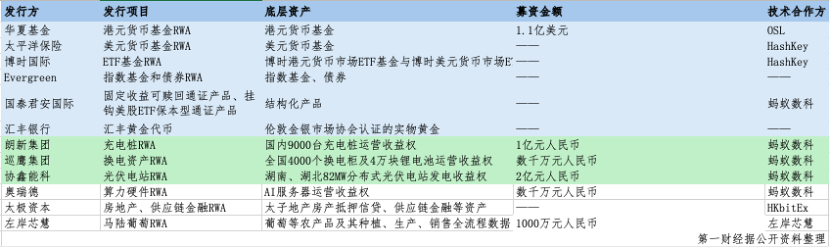
Core Viewpoint - The article discusses the rising trend of Real World Assets (RWA) tokenization in the Greater Bay Area, highlighting its potential benefits and challenges for companies seeking to leverage this new financing model [4][5]. Group 1: RWA Tokenization Overview - RWA refers to the tokenization of real-world assets into tradable digital asset certificates using blockchain technology, with over 13 institutions exploring this model in the past two years [4][7]. - Companies are increasingly interested in RWA not just for financing but also for brand exposure and potential stock price enhancement [4][13]. Group 2: Recent Developments and Case Studies - Since 2024, notable companies like Langxin Group and Huaxia Fund have successfully issued RWA projects, with underlying assets including funds, bonds, and real estate [7][8]. - The total market value of global on-chain RWA assets surpassed $25 billion by July 2025, with projections suggesting the market could exceed $10 trillion by 2030 [9]. Group 3: Challenges and Risks - The costs associated with issuing RWA projects in Hong Kong can be high, often exceeding HKD 2.5 million, which may deter some companies from pursuing this route [11][12]. - Not all assets are suitable for RWA; successful tokenization requires stable cash flows, clear legal rights, and verifiable off-chain data [18][19]. Group 4: Regulatory Environment - The regulatory landscape for RWA is still evolving, with a need for clear classification and compliance pathways based on asset characteristics [19][20]. - There are concerns about systemic risks if transparency and custodial measures are not adequately enforced [20][21]. Group 5: Future Prospects - RWA could provide a new avenue for Chinese companies to return to the Hong Kong market, offering a more flexible and faster alternative to traditional secondary listings [24][25]. - The development of RWA is expected to align with economic trends, with potential breakthroughs in cross-border financial products and limited trials for equity assets [25].





朗新集团:YUE QI减持1.00%
Xin Lang Cai Jing· 2025-10-09 12:54
Core Points - YUE QI CAPITAL LIMITED has completed its share reduction plan, selling a total of 10.7822 million shares from July 4, 2025, to September 30, 2025, at an average price of 21.83, which represents 1.00% of the company's total share capital [1] - After the reduction, YUE QI CAPITAL LIMITED holds 53.4523 million shares, accounting for 4.96% of the total shares outstanding [1]
朗新集团(300682) - 关于股东减持计划届满实施情况的公告
2025-10-09 12:44
朗新科技集团股份有限公司 证券代码:300682 证券简称:朗新集团 公告编号:2025-059 朗新科技集团股份有限公司 关于股东减持计划届满实施情况的公告 股东 YUE QI CAPITAL LIMITED 保证向本公司提供的信息内容真实、准确、 完整,没有虚假记载、误导性陈述或重大遗漏。 | 信息披露义务人 | YUE QI | CAPITAL | LIMITED | | --- | --- | --- | --- | | 住所 | | | 香港皇后大道中99号中环中心55楼5505室 | 2、股东减持股份情况 | YUE | 集中竞价 | 2025/7/4- | 21.83 | 10,782,162 | 1.00 | | --- | --- | --- | --- | --- | --- | | 股东 名称 QI | 减持方式 | 减持期间 2025/9/30 | 减持均价 | 减持股数(股) | 减持比例(%) | 朗新科技集团股份有限公司 | 股东 | 股份性质 | 本次减持前持有股份 股数 | 本次减持后持有股份 | | | --- | --- | --- | --- | --- | | 名称 ...
疯狂的赴港RWA:融资还是“融势”?
Di Yi Cai Jing· 2025-10-09 12:20
Core Insights - The article discusses the rising trend of Real World Assets (RWA) tokenization in the Greater Bay Area, highlighting its potential benefits and challenges for companies seeking to leverage this new financing model [1][2][4]. RWA Overview - RWA refers to the tokenization of real-world assets into tradable digital asset certificates using blockchain technology, with over 13 institutions exploring this model in the past two years [1][2]. - Major companies involved include Langxin Group, Huaxia Fund, and Pacific Insurance, with underlying assets ranging from renewable energy equipment to agricultural products [1][2]. Market Dynamics - The demand for RWA consulting services has surged, with companies increasingly recognizing the multifaceted value of RWA beyond mere financing, such as brand exposure and potential stock price enhancement [1][2][8]. - Successful RWA projects have raised between tens of millions to 200 million RMB, primarily targeting institutional or professional investors due to regulatory requirements [2][3]. Financial Implications - The total costs for issuing RWA projects in Hong Kong typically exceed 2.5 million HKD, with additional commitments to provide returns of over 8% for non-standard assets [6][7]. - Despite the high costs, companies are motivated by the potential for "market value management," where RWA initiatives can lead to significant stock price increases [8][9]. Regulatory Environment - The RWA market is still navigating a complex regulatory landscape, with ongoing discussions about the need for clearer guidelines and compliance frameworks [12][13][14]. - The Hong Kong Monetary Authority has identified specific asset categories suitable for RWA, emphasizing the importance of stable cash flows and clear legal rights [10][11]. Future Prospects - The global market for RWA is projected to exceed 10 trillion USD by 2030, with significant growth potential driven by advancements in blockchain technology and increasing interest from companies [4][5]. - RWA is seen as a potential avenue for Chinese companies to return to the Hong Kong market, offering a more flexible and faster alternative to traditional secondary listings [16][17].
【科技自立·产业自强】朗新集团:朗新九功AI大模型赋能能源产业,驱动绿色智能转型
Zheng Quan Shi Bao Wang· 2025-10-08 08:19
Core Insights - Longxin Group has developed the Longxin Nine Function AI Energy Model, integrating "time series prediction" and "AI agent" technologies to address key pain points in the energy sector [1] - The company leverages AI technology to enhance various scenarios including electric vehicle charging aggregation, market-based electricity trading, virtual power plants, photovoltaic cloud, and microgrids, promoting supply-demand interaction and resource optimization [1] Company Developments - The Longxin aggregation charging platform, New Electric Path, serves over 24 million new energy vehicle owners across 440 cities in China [1] - AI-driven market-based electricity trading has achieved a 100% contract fulfillment rate, helping energy-consuming enterprises reduce electricity costs [1] - The Longxin photovoltaic cloud platform has connected over 800,000 photovoltaic power stations with a total installed capacity exceeding 50 GW, generating over 70 billion kWh of green electricity [1] International Expansion - As one of the earliest companies to expand into the overseas electricity sector, Longxin has supported the digital transformation of power sectors in countries like Nepal, Zimbabwe, and Nigeria, benefiting 12 million users [1] - In the public utility platform operation sector, Longxin has partnered with Ant International to replicate its domestic experience overseas, creating the UBP payment platform in Bangladesh, which serves over 30% of the local population [1]
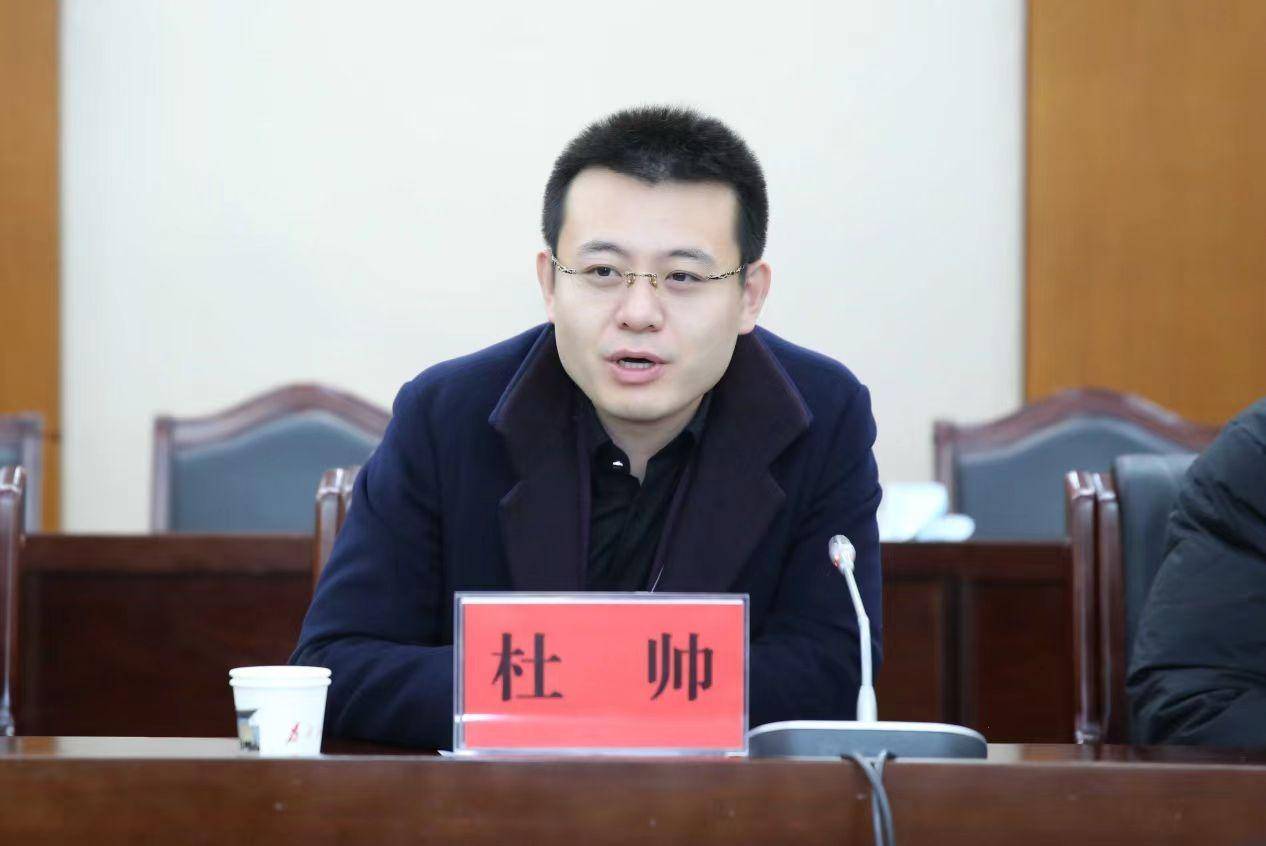
知名经济学家杜帅评论:区块链经济,筑牢香港金融新根基
Sou Hu Cai Jing· 2025-10-08 01:31
Core Insights - The core viewpoint of the articles is that Hong Kong is emerging as a key experimental ground for new financial order in the blockchain era, driven by the implementation of the Stablecoin Regulation and the exploration of Real World Asset (RWA) tokenization [1][3][8] Group 1: Stablecoin Development - Hong Kong's stablecoin development is based on a "regulatory-first" innovation paradigm, aiming to inject "trust backing" into digital assets through high standards and clear application scenarios [3][4] - The integration of stablecoins with the internationalization of the Renminbi and cross-border trade settlements is seen as a foundation for Hong Kong to compete for global digital financial rule-making [3][4] Group 2: RWA Tokenization - RWA is viewed as the "asset layer" supporting stablecoins, with tokenization of standard financial assets like bonds and funds being a feasible entry point that lowers investment barriers and enhances transaction efficiency [4][6] - The collaboration between companies like Langxin Technology and Ant Group on RWA projects exemplifies how traditional assets can be transformed into financing opportunities, addressing challenges in SME financing [4][6] Group 3: Risks and Challenges - There are warnings regarding the risks associated with RWA, particularly concerning the authenticity of on-chain and off-chain asset mapping, which could lead to speculative traps if not managed properly [6][7] - Regulatory differences across jurisdictions and issues related to tax accounting and data privacy are identified as potential barriers to the large-scale development of RWA [6][7] Group 4: Strategic Recommendations - Financial institutions in Hong Kong are advised to prioritize a systematic understanding of blockchain, stablecoins, and RWA, focusing on standard financial assets and building compliance experience through modular frameworks [7][8] - The unique advantages of Hong Kong, such as its institutional flexibility under "one country, two systems," position it favorably in the global digital finance competition [7][8] Group 5: Future Outlook - The success of Hong Kong's new financial landscape will depend on balancing innovation speed with risk management, with the potential to serve as a model for global blockchain finance [8]