赛诺菲

Search documents
速递|美国350种药物将继续涨价,特朗普政府施压未能阻止
GLP1减重宝典· 2026-01-08 15:41
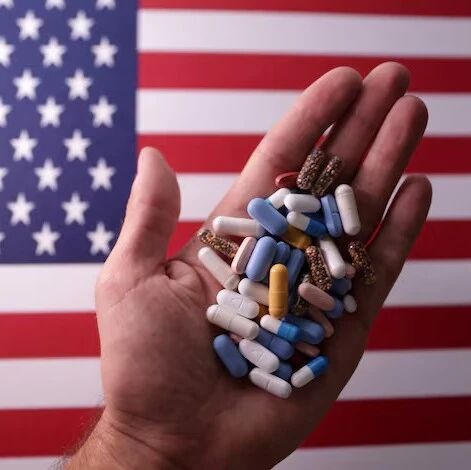
Core Viewpoint - The article discusses the planned price increases of prescription drugs by U.S. pharmaceutical companies in 2026, despite ongoing pressure from the Trump administration to lower drug prices. The number of drugs set for price increases has risen compared to the previous year, indicating a persistent issue with high drug costs in the U.S. [5][7] Price Increases - U.S. pharmaceutical companies plan to raise prices on at least 350 prescription drugs in 2026, including vaccines for COVID-19, respiratory syncytial virus (RSV), and shingles, as well as the cancer drug Ibrance [5] - The median price increase for these drugs is approximately 4%, consistent with the increase seen in 2025 [5] - In contrast, around 9 drugs will see price reductions, with the diabetes drug Jardiance and its related medications experiencing a price drop of over 40% [5] Comparison with Other Countries - Patients in the U.S. pay significantly higher prescription drug costs compared to other developed countries, often nearly three times as much [7] - Despite agreements reached by Trump with 14 pharmaceutical companies to lower some drug prices, companies still plan to increase prices starting January 1 [7] Specific Company Actions - Pfizer plans to adjust prices for about 80 drugs, including Ibrance, Nurtec, and Paxlovid, with most increases below 10%. However, the price of the COVID-19 vaccine Comirnaty will rise by 15%, and some hospital drugs will see increases exceeding four times their previous prices [7] - European pharmaceutical company GSK intends to raise prices on approximately 20 drugs and vaccines, with increases ranging from 2% to 8.9% [8] Legislative and Market Context - U.S. pharmaceutical companies have been reducing significant price hikes in recent years due to legislative scrutiny and government policies that penalize drug prices exceeding inflation rates [8] - More price adjustments are expected to be announced in early January, a traditional peak period for pharmaceutical price changes [8]


押注万亿AI医疗!OpenAI发布ChatGPT健康版,携手苹果,打造最强健康助手!
Xin Lang Cai Jing· 2026-01-08 11:43
Core Insights - OpenAI has launched its first AI healthcare product, "ChatGPT Health," aimed at enhancing understanding and attention to personal health, following a report indicating over 230 million weekly health-related inquiries on ChatGPT [1][10] - The development of ChatGPT Health took nearly two years, guided by over 260 doctors, and is designed to complement clinical care rather than replace it [1][12] - The product integrates with various health applications, including Apple Health, and will initially be available to a limited user base before expanding to all web and iOS users [1][12] Product Features - ChatGPT Health can interpret medical documents in layman's terms and organize user data to formulate specific questions for healthcare providers [4][15] - The product emphasizes privacy and security, ensuring that all interactions and connected applications are stored separately from other chat content [4][15] - The AI medical assessment framework, HealthBench, was established based on feedback from over 60,000 interactions across 30 key areas, outperforming human doctors in response accuracy by four times [4][15] Strategic Moves - OpenAI has recruited key executives from the healthcare sector, including Nate Gross, co-founder of Doximity, to lead its healthcare strategy [5][16] - The company reports that one in four of its over 800 million users submits health-related questions weekly, with more than 40 million daily inquiries [7][18] - OpenAI collaborates with b.well, a major real-time data company, to assist users in importing health records and other medical data, amidst competition from Google, which has also partnered with b.well [8][19] Industry Positioning - OpenAI is not solely relying on a general-purpose chatbot but is building vertical models on top of its core model, which is crucial in the current competitive landscape among AI giants [8][19] - The company has launched various initiatives in the healthcare sector, including partnerships with pharmaceutical companies for drug development and regulatory discussions with the FDA [9][20] - Sam Altman, CEO of OpenAI, has expressed strong belief in the potential of AI in biotechnology, investing in AI-driven pharmaceutical companies [9][20]

第十二批集采8个品种备战!千亿市场大跌,复方注射剂飙涨219%,这家南京药企起飞
Xin Lang Cai Jing· 2026-01-08 11:37
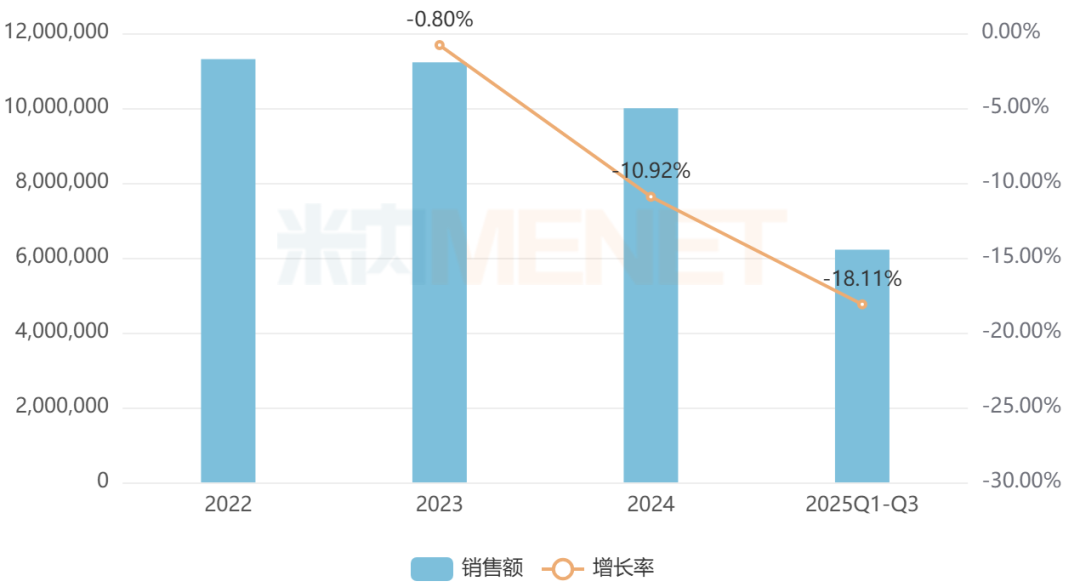
Core Viewpoint - The antibacterial drug market in China is under pressure, with sales expected to drop below 100 billion yuan in 2024 and continue declining by approximately 18% in the first three quarters of 2025, reaching over 60 billion yuan [1][14]. Market Performance - The total sales of systemic antibacterial drugs in public medical institutions in China have been declining, with a significant drop in sales from 2024 to 2025 [1][14]. - The market for systemic antibacterial drugs includes 12 major therapeutic categories, with cephalosporins leading but experiencing four consecutive years of sales decline from 2022 to the first three quarters of 2025 [3][16]. Company Rankings - In the ranking of major companies, Pfizer, China National Pharmaceutical Group, and North China Pharmaceutical Group hold the top three positions, with sales exceeding 6.2 billion yuan, 2.1 billion yuan, and 1.9 billion yuan respectively in the first three quarters of 2025 [5][18]. - Nanjing Youke Biological, ranked fifteenth, showed remarkable growth with a year-on-year increase of 137.17%, marking its first entry into the top 20 groups [5][18]. Product Performance - The top 20 systemic antibacterial drugs accounted for over 50% of the market share, with the leading product, injectable cefoperazone/sulbactam (2:1), achieving sales of over 4.5 billion yuan [21][22]. - Notably, the compound injection of cefoperazone/sulbactam saw a dramatic increase of 219.32%, marking a significant rise in its market presence [21][23]. National Procurement Impact - Among the top 20 products, 15 have been included in the national procurement program, with 13 experiencing double-digit declines in sales [21][23]. - The tenth batch of national procurement saw injectable piperacillin/tazobactam drop by 55.61%, while the eleventh batch saw injectable cefoperazone/sulbactam decline by 47.56% [21][23]. New Drug Development - Currently, there are no domestic class 1 new drugs among the top 20 systemic antibacterial products, although five class 1 new antibacterial drugs have been approved since 2021 [25][26]. - Eight products meet the criteria for national procurement inclusion, with seven being injectable forms and one oral formulation [25][26].

走进信达生物:一家创新药企的全球志向 | 跨越山海
Di Yi Cai Jing· 2026-01-08 08:36
Core Insights - The Suzhou Industrial Park has successfully nurtured the Suzhou Biopharmaceutical Industry Park (BioBAY), which has become a hub for over 620 biopharmaceutical high-tech innovation companies, including Innovent Biologics [2][3] - Innovent Biologics aims to develop high-quality biopharmaceuticals that are affordable for the public, with a focus on innovative drugs and biologics [3][4] - The company has seen significant revenue growth, with pharmaceutical sales projected to increase by 43.64% to 8.228 billion yuan in 2024 [4] Group 1: Company Development and Strategy - Innovent Biologics was founded in 2011 by Dr. Yu Dechao, who received substantial support from the Suzhou government, including land and funding for R&D facilities [3][5] - The company has categorized its growth into three phases: "in China, for China," "in China, for Global," and "in Global, for Global," with the current focus on global market expansion [5][6] - Innovent has established over 30 strategic partnerships with international firms, including Eli Lilly, with total collaboration amounts exceeding $2.5 billion [6][8] Group 2: Globalization and Market Entry - Innovent's first product to enter the overseas market was the biosimilar Bevacizumab, approved in Indonesia, marking a successful license-out strategy [10][11] - The company faces challenges in entering foreign markets, such as the need for local clinical trial data to satisfy regulatory requirements, as seen in the case of its PD-1 inhibitor [12][13] - Innovent emphasizes the importance of high-quality products and compliance with international standards to facilitate global partnerships [9][22] Group 3: Supply Chain and Risk Management - The company is increasingly aware of supply chain risks, particularly regarding the reliance on overseas materials and geopolitical factors affecting stability and costs [15][16] - Innovent is exploring domestic alternatives to reduce dependency on foreign suppliers, which can mitigate risks associated with international logistics and tariffs [16][22] - The firm is also focused on patent management to avoid infringement issues when entering international markets, conducting early assessments of overseas patent landscapes [19][22] Group 4: Future Outlook - Innovent aims to achieve two first-in-class products approved globally by 2030, with a clear strategy for international clinical trials and commercialization [18][19] - The company has invested heavily in R&D, with annual expenditures exceeding 1.5 billion yuan from 2020 to 2024, indicating a commitment to innovation and global competitiveness [17][22] - Innovent's global strategy includes establishing R&D centers in key locations, such as California, to leverage local talent and enhance its international presence [19]
坚持对外开放,推动多领域合作共赢——着力推进全年经济工作八大重点任务④
Ren Min Ri Bao· 2026-01-08 08:33
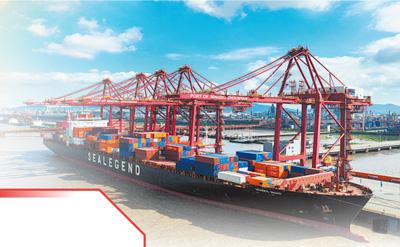
Group 1 - The core viewpoint emphasizes the importance of expanding high-level opening-up as a key strategy for reform and development in the context of changing global dynamics and international relations [7] - China aims to enhance trade and investment liberalization and facilitation, sharing development opportunities with the world to inject positive energy into global development [7] - The focus on "institutional opening-up" is highlighted as a critical direction for expanding openness, which involves aligning with international high-standard economic and trade rules [10][11] Group 2 - In 2025, China's total import and export value reached 41.21 trillion yuan, showing a year-on-year growth of 3.6%, indicating resilience in foreign trade despite external challenges [12] - The integration of trade and investment, as well as domestic and international markets, is emphasized as a strategic move to respond to profound changes in the global economic landscape [12][13] - The development of service trade is prioritized, with a focus on innovation and growth in sectors like cloud computing and artificial intelligence to create new growth points [14] Group 3 - The "Belt and Road" initiative is highlighted as a platform for enhancing international economic cooperation, with imports and exports to participating countries reaching 21.33 trillion yuan, a 6% increase year-on-year [17] - China is actively expanding its network of high-standard free trade agreements, having signed 24 agreements with 31 countries and regions, which is crucial for advancing higher levels of opening-up [18]
新版医保目录实施一周:创新药“首单”频现,患者用药门槛降低
Bei Jing Shang Bao· 2026-01-08 08:10
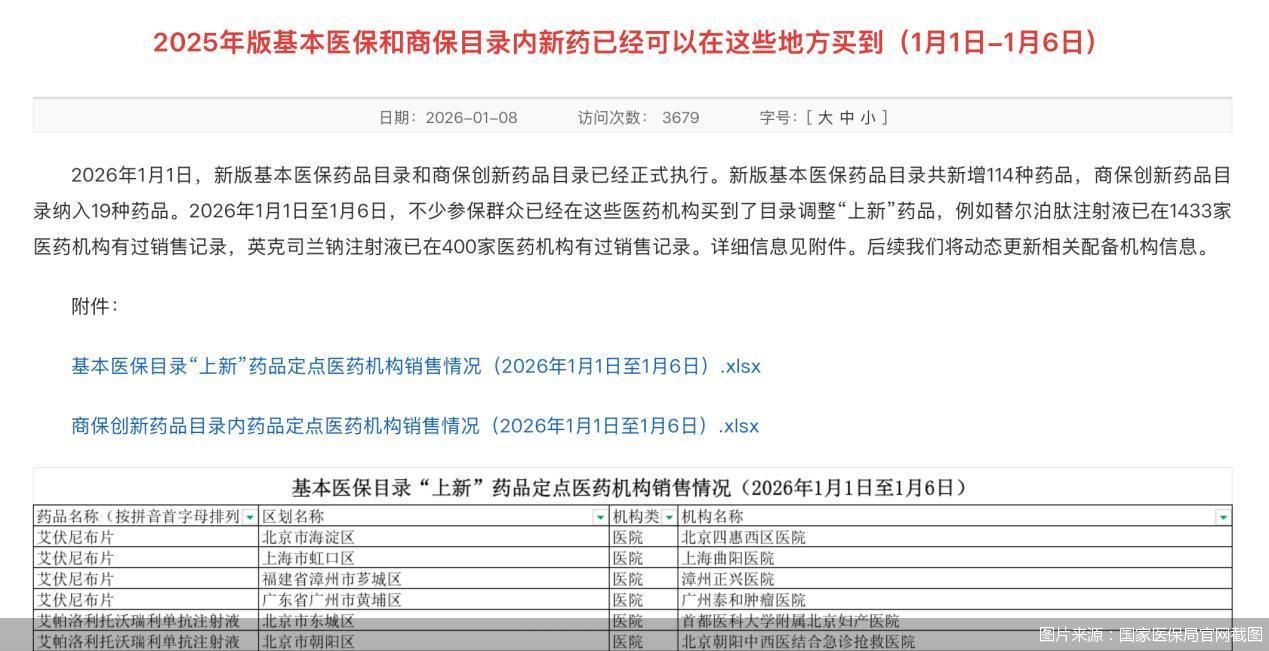
Core Insights - The new medical insurance directory has entered a substantial implementation phase, with several innovative drugs, including Tislelizumab and Fuzhengzhu, being prescribed under insurance in various hospitals, indicating a reduction in access barriers for patients [1] - The adjustment includes 114 new drugs and introduces a commercial health insurance directory for innovative drugs, marking a significant shift towards a multi-tiered insurance system [1][5] - The rapid inclusion of innovative drugs in the insurance directory reflects increased support for "true innovation" with high clinical value [5] Group 1: New Drug Inclusion - The new medical insurance directory has added 124 unique products, including Tislelizumab, the first targeted drug for thyroid eye disease, and Fuzhengzhu, a biological agent for psoriasis [5] - Heng Rui Medicine is a major beneficiary, with 20 products and indications adjusted, including 10 new drugs entering the directory for the first time [5][6] - Other biotech companies like BeiGene and Innovent Biologics have also benefited, with multiple products included in the new directory, enhancing their commercialization prospects [7] Group 2: Commercial Health Insurance Directory - The introduction of the commercial health insurance directory provides a secondary market for high-value innovative drugs, with price reductions ranging from 15% to 50%, which is less severe than the basic insurance cuts [9] - The directory aims to improve accessibility for high-priced drugs while ensuring adequate returns for pharmaceutical companies [9] - Notable CAR-T therapies have been included in the commercial directory, overcoming previous barriers to entry, with prices for these therapies exceeding 1 million yuan [8][10] Group 3: Market Dynamics and Drug Exits - The adjustment process has also seen the removal of 29 drugs from the insurance directory, including Benarutide, which faced competition from more effective alternatives [12][14] - The dynamic adjustment mechanism emphasizes the need for drugs to demonstrate clinical value, reinforcing a "can enter, can exit" policy [14] - Companies are encouraged to shift from "me-too" products to genuine innovations, focusing on high-value areas such as oncology and rare diseases [10][14]



北京计算机教授 拿下180亿医药大单
2 1 Shi Ji Jing Ji Bao Dao· 2026-01-08 05:57
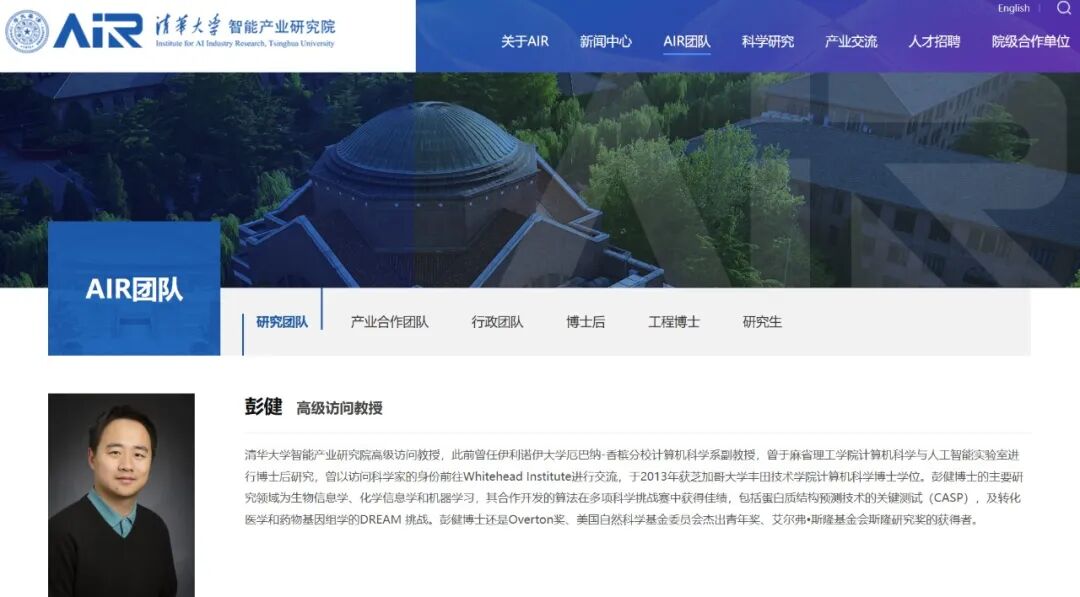
Core Insights - A Chinese biotech startup, Huasheng Zhiyao, has secured a strategic partnership with Sanofi, potentially worth up to $2.56 billion (approximately 180 billion RMB) for the development of innovative drugs targeting autoimmune and inflammatory diseases [1][5][4] Group 1: Partnership Details - The collaboration involves Huasheng Zhiyao's overseas entity, Earendil Labs, which will apply its discovery platform to a wide range of autoimmune disease targets [2] - The agreement includes an upfront payment of up to $160 million, along with milestone payments, with a total potential value reaching $2.56 billion [5] - This partnership marks a significant upgrade from a previous $1.845 billion agreement made nine months prior, which focused on two bispecific antibody drugs [3][5] Group 2: Company Background and Technology - Huasheng Zhiyao, incubated by Tsinghua University's AI Industry Research Institute, specializes in AI-driven biotherapy development [1][9] - The company has established two key technology platforms: protein prediction and high-throughput biology, aimed at enhancing drug discovery efficiency [11] - Earendil Labs has 19 projects in development, with 15 already advancing to the IND (Investigational New Drug) stage, indicating rapid progress in drug development [10] Group 3: Leadership and Vision - The CEO, Peng Jian, emphasizes the potential of AI in the biopharmaceutical field and believes in the integration of computational and experimental methods to model diseases and test drugs [8][13] - The co-CEO, Zhu Zhenping, has extensive experience in drug development and has previously held senior positions at major pharmaceutical companies, contributing to the credibility and expertise of the team [19][20][21] - The company aims to reshape protein therapy discovery using next-generation AI, accelerating the path from target identification to drug development [9]
坚持对外开放,推动多领域合作共赢
Ren Min Ri Bao· 2026-01-08 02:12
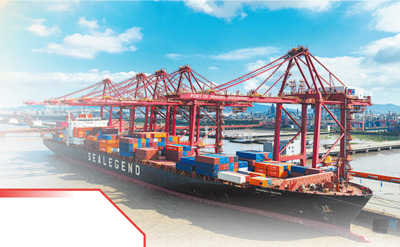
Core Viewpoint - China is committed to expanding high-level opening-up to promote trade and investment liberalization, aiming to share development opportunities with the world and inject positive energy into global development [8][9]. Group 1: High-Level Opening-Up - The current global situation is rapidly changing, and China emphasizes the importance of high-level opening-up as a strategic choice to navigate these changes [8]. - Xi Jinping highlighted China's role as a major contributor to global economic growth and stability, reinforcing the commitment to high-level opening-up [8]. - The 2025 Central Economic Work Conference stressed the need to better coordinate domestic economic work with international trade struggles [8]. Group 2: Institutional Opening-Up - Institutional opening-up focuses on aligning international rules and standards, which is essential for overcoming systemic barriers and creating new competitive advantages [9]. - The establishment of Free Trade Zones (FTZs) is a key initiative for testing institutional opening-up, contributing to about 20% of China's foreign investment and trade [9]. - The Hainan Free Trade Port is highlighted as a significant platform for high-standard trade rules and efficient customs models, supporting the development of a comprehensive industrial ecosystem [10]. Group 3: Foreign Trade Quality Improvement - China's foreign trade is a crucial engine for economic growth, with a total import and export value of 41.21 trillion yuan, reflecting a 3.6% year-on-year increase [11]. - The strategy for enhancing foreign trade quality includes promoting trade-investment integration and domestic-international market integration [12][14]. - There is a focus on developing service trade, digital trade, and green trade to foster new growth drivers in foreign trade [15]. Group 4: Comprehensive Cooperation - China is expanding its openness to promote cooperation and mutual benefits, with a notable example being the "China-Laos Railway" facilitating trade with Southeast Asian countries [16]. - The first China International Import Expo showcased products from global companies, emphasizing the importance of creating a transparent and stable investment environment [17]. - The Belt and Road Initiative is seen as a collaborative effort to enhance international economic cooperation, with trade with Belt and Road countries reaching 21.33 trillion yuan, a 6% increase [18]. Group 5: Trade Agreements Expansion - China is actively working to expand its network of high-standard free trade agreements, having signed 24 agreements with 31 countries and regions [19]. - The focus is on leveraging multilateral platforms to accelerate the signing of regional and bilateral trade agreements, enhancing economic partnerships [19].

坚持对外开放,推动多领域合作共赢——着力推进全年经济工作八大重点任务④(稳中求进、提质增效 实现“十五五”良好开局)
Ren Min Ri Bao· 2026-01-08 02:07
Core Viewpoint - China is committed to expanding high-level opening-up to promote trade and investment liberalization, aiming to share development opportunities with the world and inject positive energy into global development [8][10]. Group 1: High-Level Opening-Up - The central economic work meeting emphasizes the importance of better coordinating domestic economic work and international economic and trade struggles [8]. - Xi Jinping highlighted China's role as a major contributor to global economic growth and stability, reinforcing the commitment to high-level opening-up [8]. - By 2026, the international economic and trade landscape will undergo significant restructuring, necessitating a rational and dialectical analysis of the complex external environment [8]. Group 2: Institutional Opening-Up - Institutional opening-up focuses on aligning international rules, regulations, management, and standards, which is crucial for overcoming systemic barriers and creating new competitive advantages [10]. - The establishment of free trade pilot zones and free trade ports serves as key platforms for testing institutional opening-up initiatives [10]. - The Hainan Free Trade Port, launched in December 2025, is positioned as a significant gateway for high-level opening-up, providing a stable and efficient platform for cooperation [10][11]. Group 3: Foreign Trade Quality Improvement - In the first 11 months of 2025, China's total goods trade reached 41.21 trillion yuan, with a year-on-year growth of 3.6% [12]. - The central economic work meeting outlined strategies for promoting integrated development of trade and investment, as well as domestic and international markets [12]. - Emphasis is placed on enhancing service trade, digital trade, and green trade to cultivate new growth drivers in foreign trade [13][14]. Group 4: Comprehensive Cooperation - In November 2025, a special train carrying photovoltaic glass boards from Jiangsu to Laos demonstrated the efficiency of rail transport, reducing transit time by nearly half compared to traditional sea transport [15]. - China aims to expand its opening-up to promote cooperation and win-win outcomes across broader fields and deeper levels [15]. - The first China International Import Expo showcased innovative products, highlighting the importance of creating a transparent and stable environment for foreign investment [16]. Group 5: Belt and Road Initiative - In the first 11 months of 2025, China's trade with Belt and Road countries reached 21.33 trillion yuan, reflecting a year-on-year increase of 6% [17]. - Strengthening strategic alignment and enhancing infrastructure connectivity are essential for optimizing international economic cooperation [17]. - The focus is on signing more regional and bilateral trade and investment agreements to expand new spaces for win-win development [18].
稳中求进、提质增效 实现“十五五”良好开局|坚持对外开放,推动多领域合作共赢
Ren Min Ri Bao· 2026-01-08 01:47
Group 1: High-Level Opening Up - The core viewpoint emphasizes that expanding high-level opening up is crucial for promoting reform and development amidst changing global dynamics [1] - China aims to enhance trade and investment liberalization and facilitation, sharing development opportunities with the world [1] - The 2025 Central Economic Work Conference highlighted the need to better coordinate domestic economic work with international trade struggles [1] Group 2: Institutional Opening Up - Institutional opening up is identified as a key direction for expanding openness, focusing on aligning with international high-standard economic and trade rules [2] - The establishment of Free Trade Zones (FTZs) serves as a testing ground for institutional opening up, contributing significantly to foreign investment and trade [2] Group 3: Foreign Trade Quality Improvement - In 2025, China's total goods trade value reached 41.21 trillion yuan, reflecting a year-on-year growth of 3.6% [6] - The strategy for enhancing foreign trade quality includes promoting trade-investment integration and domestic-international trade integration [7][9] Group 4: Service Trade and New Growth Drivers - The development of service trade is emphasized, with a focus on innovation to increase its share in total foreign trade [11] - The government plans to support cities in the eastern and central regions to develop high-end service outsourcing businesses [11] Group 5: Belt and Road Initiative - In the first eleven months of 2025, trade with Belt and Road countries reached 21.33 trillion yuan, marking a 6% increase [14] - The strategy involves enhancing infrastructure connectivity and deepening cooperation with Belt and Road countries [14] Group 6: Trade Agreements Expansion - China is actively expanding its network of high-standard Free Trade Agreements (FTAs), having signed 24 agreements with 31 countries and regions [15] - The focus is on leveraging multilateral platforms to accelerate the signing of regional and bilateral trade investment agreements [15]