
vivo

Search documents
2026年成eSIM「爆发元年」:iPhone Air降价,联通强推,手机厂商集体入局
3 6 Ke· 2026-01-30 03:26
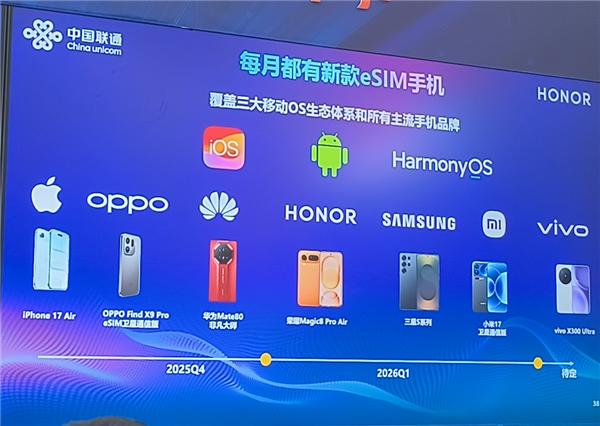
Core Insights - Apple unexpectedly announced a price drop for the iPhone Air, with the 256GB version reduced from 7999 yuan to 5499 yuan after discounts, leading to a rapid sell-out and delayed shipping dates [1] - The iPhone Air's sales were below expectations, with only around 200,000 activations, significantly lower than other models in the iPhone 17 series, primarily due to consumer resistance to eSIM technology [1] Group 1: eSIM Market Dynamics - China Unicom announced plans to launch at least one new eSIM-supported device each month in 2026, indicating a significant push for eSIM adoption [3][4] - The eSIM technology is expected to see a surge in user numbers in 2026, driven by the simultaneous readiness of key industry players, including manufacturers and carriers [6][10] - The first batch of eSIM-supported devices confirmed for release includes models from major brands like Samsung, Xiaomi, and Vivo, highlighting a collective industry shift towards eSIM [4][6] Group 2: Industry Challenges and Opportunities - The transition to eSIM is not merely a technical upgrade but involves significant changes in device design and user experience, which has made manufacturers cautious in the past [7] - The current competitive landscape among carriers is shifting, as traditional user acquisition strategies become less effective due to market saturation, making eSIM a potential new battleground for growth [10][13] - eSIM technology allows for more flexible device designs and reduces the risk of SIM card theft, which could enhance user convenience and attract tech-savvy consumers [12][13] Group 3: Future Outlook - The year 2026 is positioned as a turning point for the mobile communication market, with eSIM transitioning from a niche feature to a standard requirement in new devices [15] - The successful implementation of eSIM services will depend on how well carriers and manufacturers can streamline the user experience and support services [15]


Omdia:苹果手机2025年出货超2.4亿部创新高,vivo首次跻身全球第四
Feng Huang Wang· 2026-01-30 03:15
Group 1 - Apple achieved a record annual shipment of 240.6 million iPhones in 2025, marking a 7% year-on-year increase and maintaining its position as the global leader for the third consecutive year [5] - In Q4, Apple set a new quarterly shipment record, with a 26% year-on-year growth in the Chinese mainland market, driven primarily by demand for the iPhone 17 series [5] Group 2 - Xiaomi shipped 165.4 million units in 2025, retaining its position as the third-largest global smartphone manufacturer, although its Q4 shipments declined by 2% [6] - Vivo entered the global top four for the first time with shipments of 105.3 million units, reflecting a 4% year-on-year growth [6] - OPPO shipped 100.7 million units, experiencing a 3% year-on-year decline, but returned to growth in Q4 due to new product launches [6] Group 3 - The report indicates that rising costs of key components and memory chips at the end of the year have begun to suppress shipment expectations for 2026 [6] Group 4 - In 2025, the market share of the top ten global smartphone manufacturers was as follows: Apple 19%, Samsung 19%, Xiaomi 13%, Vivo 8%, OPPO 8%, Transsion 8%, Honor 6%, Lenovo 5%, Huawei 4%, and Realme 3% [7]
Omdia:2025年全球智能手机出货量增长2% 达到12.5亿部
Zhi Tong Cai Jing· 2026-01-30 01:41
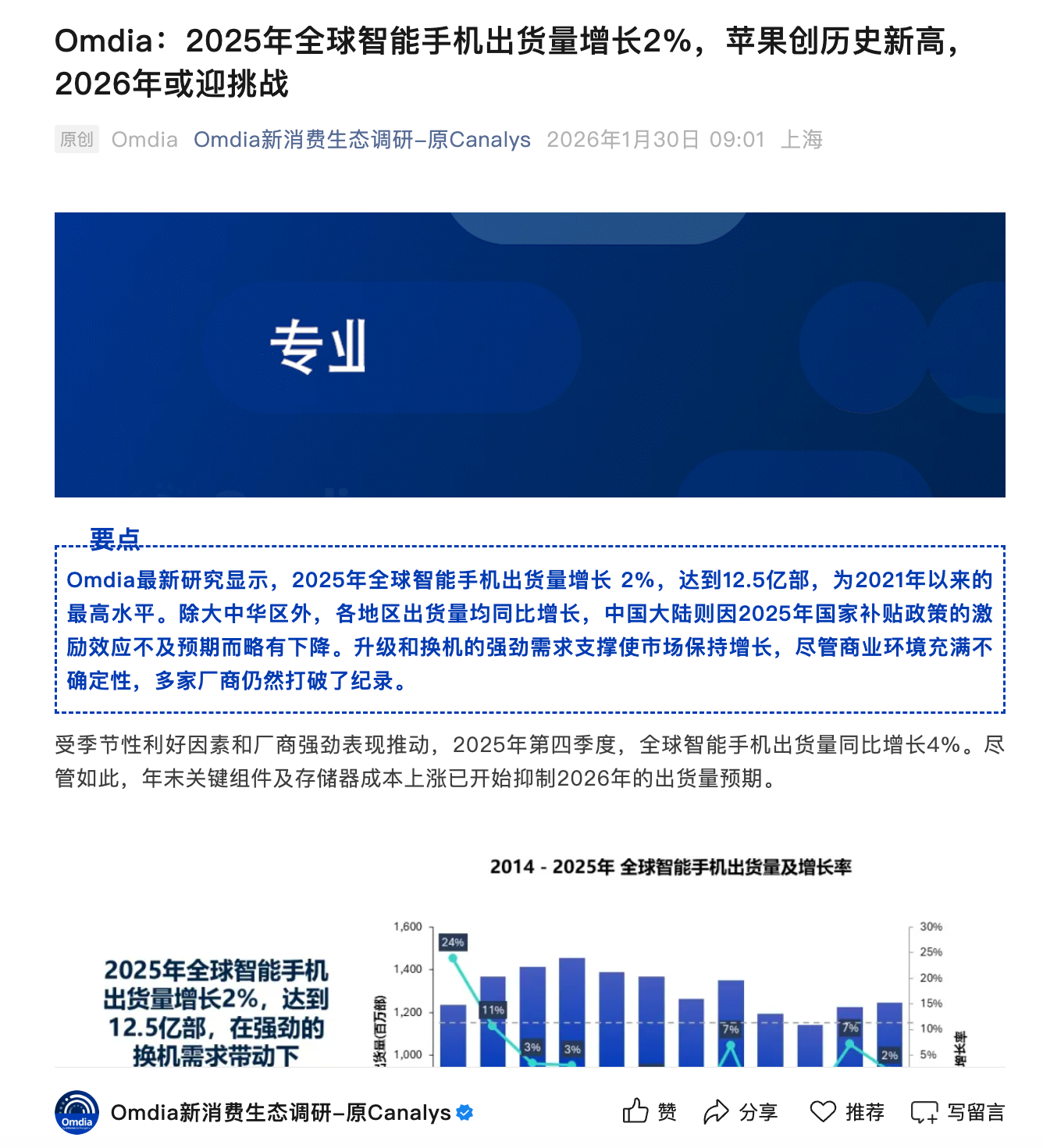
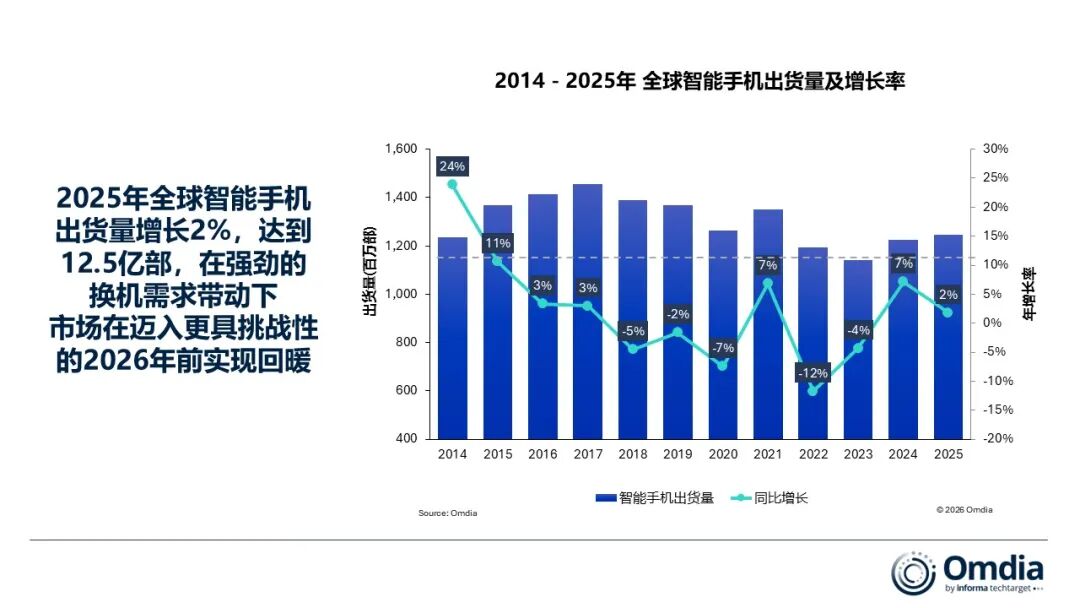
Core Insights - Global smartphone shipments are projected to grow by 2% in 2025, reaching 1.25 billion units, marking the highest level since 2021, with all regions except Greater China experiencing year-on-year growth [1] - The fourth quarter of 2025 saw a 4% year-on-year increase in global smartphone shipments, driven by seasonal factors and strong vendor performance, although rising costs of key components began to suppress expectations for 2026 [1] Group 1: Company Performance - Apple achieved a record annual shipment of 240.6 million iPhones in 2025, a 7% increase year-on-year, maintaining its position as the largest smartphone manufacturer for the third consecutive year [4] - Samsung rebounded in 2025 with a 7% year-on-year increase in shipments, closing the year with a strong fourth quarter, driven by resilient demand for flagship models and a recovery in the entry-level market [4] - Xiaomi defended its top three position despite a 2% decline in fourth-quarter shipments, impacted by weak entry-level demand and significant market contraction [5] Group 2: Market Dynamics - Vivo entered the fourth position for the first time, with a 4% year-on-year increase in shipments to 10.53 million units, supported by success in the Indian market and stable domestic performance [5] - OPPO ranked fifth, with annual shipments of 10.07 million units, experiencing a 3% year-on-year decline, but returning to growth in the fourth quarter with the launch of new models [5] - Despite challenges, several manufacturers outside the top five maintained positive growth, with Honor and Lenovo achieving year-on-year increases of 11% and 6%, respectively [5] Group 3: Future Outlook - Concerns for 2026 are emerging due to escalating supply-side pressures on DRAM, NAND, and other semiconductors, which may compress profit margins and force price adjustments [8] - Companies must effectively manage supply chain pressures and strengthen long-term partnerships to mitigate the impact of rising costs on consumer demand [8] - The focus for manufacturers will shift towards profitability and exploring alternative revenue sources, with a strategic opportunity to capture upgrade demand and ensure market share sustainability [11]

Omdia:2025年全球智能手机出货量增长2%,苹果创历史新高,2026年或迎挑战
Canalys· 2026-01-30 01:03
Core Insights - Omdia's latest research indicates that global smartphone shipments are expected to grow by 2% in 2025, reaching 1.25 billion units, marking the highest level since 2021. All regions except Greater China are projected to see year-on-year growth, while mainland China is expected to experience a slight decline due to underwhelming effects of national subsidy policies in 2025 [1][9] Group 1: Market Performance - In Q4 2025, global smartphone shipments increased by 4% year-on-year, driven by seasonal factors and strong performance from manufacturers. However, rising costs of key components and memory are beginning to suppress shipment forecasts for 2026 [2] - Apple achieved a record annual shipment high in 2025, with iPhone shipments growing by 7% to 240.6 million units, maintaining its position as the largest smartphone manufacturer globally for the third consecutive year. The fourth quarter saw the highest single-quarter iPhone shipments, with mainland China market growth of 26% driven by strong demand for the iPhone 17 series [5] - Samsung rebounded significantly in 2025 after three consecutive years of decline, with a 7% year-on-year increase in shipments, slightly below Apple's figures. The company ended the year strongly with a 16% increase in Q4 shipments, supported by resilient demand for flagship models and a recovery in the mass market [5] - Xiaomi maintained its top three position in 2025 despite facing challenges at year-end, with a 2% decline in Q4 shipments. The company's strategy of expanding its product range from entry-level to high-end models, along with AIoT products, is central to its value growth [6] - Vivo entered the fourth position for the first time, with a 4% year-on-year increase in shipments to 10.53 million units, benefiting from continued success in the Indian market and stable performance in the domestic market. OPPO ranked fifth, with annual shipments of 10.07 million units, down 3% year-on-year [6] Group 2: Emerging Trends and Challenges - Outside the top five, several manufacturers continued to show positive growth despite a challenging market environment. Honor and Lenovo grew by 11% and 6% respectively, achieving historical highs. Huawei regained the top position in mainland China for the first time in five years, while Nothing became the fastest-growing manufacturer in 2025, with shipments surging by 86% to over 3 million units [7] - Omdia's senior analyst highlighted that while 2025 was positive for most manufacturers, concerns about the outlook for 2026 have emerged. Supply-side pressures on DRAM, NAND, and other semiconductors are causing significant worry among manufacturers, potentially compressing profit margins and forcing price adjustments, which could ultimately suppress consumer demand [9][11] - As market contraction becomes increasingly inevitable in 2026, manufacturers will focus on profitability and explore alternative revenue sources. The current market volatility presents a competitive window for manufacturers, suppliers, and partners to quickly respond to challenges and capture opportunities among upgrade and replacement users [11][12]

折叠屏在东北变“碎碎冰”
第一财经· 2026-01-29 15:49
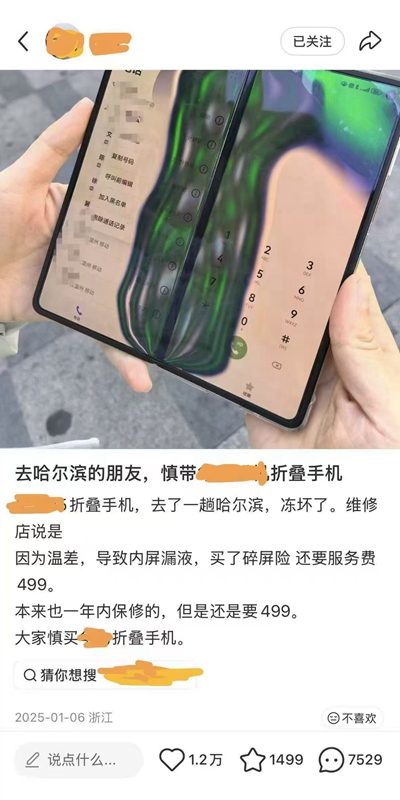
2026.01. 29 本文字数:2811,阅读时长大约4分钟 作者 | 第一财经 王珍 近日,折叠屏在东北变成"碎碎冰"的话题登上热搜榜。第一财经记者发现,其中一张热图是来自一位小 红书博主一年前的分享。 尽管折叠屏不抗冻的话题隔了一年"又火了",调研机构预测,受苹果将入市等因素影响,折叠屏手机今 年出货量仍将增长,全球、中国出货量有望分别达2500万部和1300万部左右。而折叠屏手机在极低温 下的耐久问题仍有待超薄玻璃等材料的进步。 极低温下的耐用问题待解 2025年1月6日,上述博主在小红书上配图提醒说,去哈尔滨的朋友慎带折叠屏手机。她透露,其折叠 屏手机冻坏了;维修店说是因为温差,导致内屏漏液,买了碎屏险,还要服务费499元。当时这条内容 分享引发了上万网友关注、7000多条评论。 "(这个话题)又火了",这位博主在1月28日告诉第一财经记者,她的折叠屏手机已修好,正常用没问 题。她是浙江人,去年到东北是参加别人的婚礼。她建议,折叠屏手机不要在那么低温的环境下拿出 来,回屋以后,暖和一下,再"掰开"用。 已关注 ) ( 品折叠手机 去哈尔滨的朋友,慎带 5折叠手机,去了一趟哈尔滨,冻坏了。维修 店说是 ...

折叠屏变“碎碎冰”难题待解,苹果“折叠大法”引领今年风向
Di Yi Cai Jing· 2026-01-29 13:46
极低温下的耐用问题待解 2025年1月6日,上述博主在小红书上配图提醒说,去哈尔滨的朋友慎带折叠屏手机。她透露,其折叠屏 手机冻坏了;维修店说是因为温差,导致内屏漏液,买了碎屏险,还要服务费499元。当时这条内容分 享引发了上万网友关注、7000多条评论。 折叠屏手机的全球出货量今年预计将达到2500万部左右。 近日,折叠屏在东北变成"碎碎冰"的话题登上热搜榜。第一财经记者发现,其中一张热图是来自一位小 红书博主一年前的分享。 尽管折叠屏不抗冻的话题隔了一年"又火了",调研机构预测,受苹果将入市等因素影响,折叠屏手机今 年出货量仍将增长,全球、中国出货量有望分别达2500万部和1300万部左右。而折叠屏手机在极低温下 的耐久问题仍有待超薄玻璃等材料的进步。 "(这个话题)又火了",这位博主在1月28日告诉第一财经记者,她的折叠屏手机已修好,正常用没问 题。她是浙江人,去年到东北是参加别人的婚礼。她建议,折叠屏手机不要在那么低温的环境下拿出 来,回屋以后,暖和一下,再"掰开"用。 至于多少摄氏度以下不能用,这位博主说,其实也有概率问题。她后来在评论区看到,说明书上是有写 的。对于说明书是否有写0摄氏度或者多少摄 ...
马化腾不看好的「豆包手机」,杀出「围剿」丨36氪独家
36氪· 2026-01-29 13:31
1月26日,在腾讯公司年会上,马化腾罕见评价了豆包手机—— 他直言腾讯反对将用户的手机屏幕传到云端,因为这"极其不安 全、不负责任"。 以下文章来源于智能涌现 ,作者邱晓芬 智能涌现 . 直击AI新时代下涌现的产业革命。36氪旗下账号。 文 | 邱晓芬 编辑 | 苏建勋 来源| 智能涌现(ID:AIEmergence) 封面来源 | IC photo 对此评价,豆包手机方面快速做出回应,称将严格遵守用户授权,云端处理遵循"不存储、不训练原则"。 马化腾的评价,也揭开了豆包手机此前的隐痛。2025年12月,字节旗下豆包手机在发布仅一天后,便经历了一场严重"围 剿"——其AI Agent由于触及了各大超级APP的流量和核心数据,引发了美团、微信、阿里系在内互联网厂商的联合封锁,AI功 能几近瘫痪。 尽管如此,豆包手机的故事尚未落幕。 据"智能涌现"独家获悉,字节已于去2025年底开启豆包手机助手正式版项目, 新机预计将于2026年Q2中晚期发布。 有供应链人士称,字节对新机的预期不低,比第一代的测试版大大提升。在模式方面,豆包二代手机依旧合作中兴努比亚,由 中兴负责硬件,豆包负责AI。 对此,字节方面暂无回复。 ...

最高降价4000元,华为官宣!多款旗舰产品参与
券商中国· 2026-01-29 12:08
Core Viewpoint - Huawei has initiated a significant promotional campaign ahead of the Spring Festival, offering substantial discounts on various flagship products to stimulate consumer demand in a challenging market environment [1][6]. Group 1: Promotional Activities - Huawei's "New Spring Discount" campaign runs from January 29 to February 28, featuring discounts on multiple flagship products, with the Smart Screen S6 Pro offering the highest discount of 4000 yuan [1][5]. - Discounts on smartphones include up to 1500 yuan off the Pura 80 series, 1800 yuan off the Mate 70 series, and 2000 yuan off the Mate X6 series. Additionally, consumers can receive up to 1000 yuan in extra subsidies for trade-ins and enjoy interest-free installment plans for up to 12 months [2][5]. - The promotion extends beyond smartphones to include a wide range of Huawei's ecosystem products, such as smartwatches, headphones, tablets, PCs, and smart routers, providing consumers with a comprehensive selection for the Spring Festival [5]. Group 2: Market Context - The global smartphone industry is currently facing growth challenges, with IDC predicting a slight decline in China's smartphone market shipments in 2025, estimated at approximately 284 million units, down 0.6% year-on-year [7]. - Despite the overall market contraction, Huawei has managed to reclaim the top position in China's smartphone market with a shipment volume of 46.7 million units in 2025, achieving a market share of 16.4%, surpassing Apple and Vivo, which both hold 16.2% [6][7]. - The competitive landscape among the top five smartphone manufacturers remains intense, with market shares highly concentrated [7]. Group 3: Supply Chain and Technology - Huawei's ability to navigate the current market challenges is supported by its enhanced self-sufficiency in core component supply chains, particularly with the recent public unveiling of the Kirin 9020 chip, marking a significant development after a four-year hiatus [8].
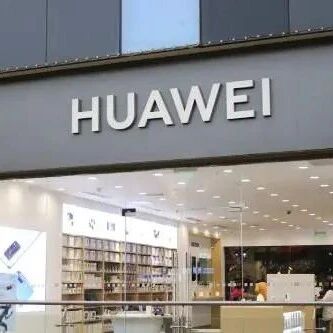
华为Mate80等最高降价4000元
Guan Cha Zhe Wang· 2026-01-29 10:23
Group 1 - Huawei Mall is launching a limited-time Spring Festival promotion from January 29 to February 28, offering discounts up to 4000 yuan for mobile phones, 1000 yuan for tablets, 800 yuan for wearables, 4000 yuan for smart screens, and 3625 yuan for headphones and speakers [1] - Specific models such as the Pura 80 series can receive discounts up to 1500 yuan, Mate 70 series up to 1800 yuan, and Mate X6 series up to 2000 yuan, with additional trade-in discounts of up to 1000 yuan and interest-free installment options for up to 12 months [1] - The promotion includes a wide range of products including Huawei Mate80 series, Pura80 series, Mate70 series, MateX6 series, Pura X series, nova15 series, Mate XTs, Huawei watches, headphones, tablets, PCs, smart screens, and routers [1] Group 2 - Huawei's terminal shipment volume is crucial for accelerating the HarmonyOS ecosystem, with over 40 million installations of the Xiaoyi input method indicating that HarmonyOS terminals have surpassed 40 million units [3] - According to IDC data, Huawei is projected to regain the top position in the Chinese smartphone market in 2025 with a shipment volume of 46.7 million units, capturing 16.4% market share, marking its return to the number one position since 2020 [3] - Apple and Vivo are closely following Huawei, both with shipment volumes of 46.2 million and 46.1 million units respectively, each holding a market share of 16.2%, while Xiaomi and OPPO rank fourth and fifth with approximately 43.8 million and 43.4 million units, both exceeding 15% market share [3]
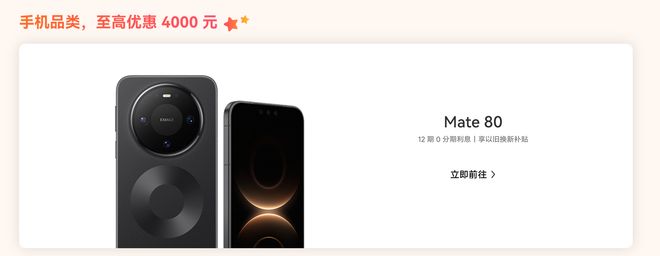
华为Mate80等最高优惠4000元
Guan Cha Zhe Wang· 2026-01-29 10:22
Group 1 - Huawei Mall is launching a limited-time Spring Festival promotion from January 29 to February 28, offering discounts up to 4000 yuan for mobile phones, 1000 yuan for tablets, 800 yuan for wearables, 4000 yuan for smart screens, and 3625 yuan for headphones and speakers [1] - Specific models such as the Pura 80 series can receive discounts up to 1500 yuan, Mate 70 series up to 1800 yuan, and Mate X6 series up to 2000 yuan, with trade-in offers providing an additional discount of up to 1000 yuan [1] - The promotion includes a wide range of products including Huawei Mate80 series, Pura80 series, Mate70 series, MateX6 series, Pura X series, nova15 series, Mate XTs, Huawei watches, headphones, tablets, PCs, smart screens, and routers [1] Group 2 - Huawei's terminal shipment volume is crucial for accelerating the HarmonyOS ecosystem, with over 40 million installations of the Xiao Yi input method indicating that HarmonyOS devices have surpassed 40 million units [4] - According to IDC data, Huawei is projected to regain the top position in the Chinese smartphone market in 2025 with a shipment volume of 46.7 million units, capturing a market share of 16.4%, marking its return to the number one spot since 2020 [4] - Apple and Vivo are closely following Huawei, with both having shipment volumes of 46.2 million and 46.1 million units respectively, each holding a market share of 16.2%, while Xiaomi and OPPO rank fourth and fifth with approximately 43.8 million and 43.4 million units, both exceeding 15% market share [4]
