XREAL

Search documents
XREAL新品One Pro迎来中国首秀 打造“下一代计算平台”
Zheng Quan Shi Bao Wang· 2025-07-26 13:28
Group 1 - XREAL showcased its latest flagship product, XREAL One Pro, at the WAIC 2025, featuring the world's first self-developed X Prism optical engine and a wide field of view of 57° [1] - The XREAL One Pro is designed to be a versatile "all-ecosystem spatial screen," compatible across devices and suitable for various scenarios, driven by self-developed chips and optics [1] - The product has already gained popularity in major global markets and is set to launch in China, responding to local user demand after its overseas success [1] Group 2 - XREAL's founder and CEO, Xu Chi, believes XR devices could replace smartphones as the next-generation terminal, with Chinese companies positioned to lead this transition [2] - The newly established AI exhibition area at WAIC integrates AI with AR, utilizing XREAL's 6DoF spatial positioning technology to create seamless digital and real-world interactions [2] - Founded in 2017, XREAL has become a leading company in the AR glasses sector, focusing on mixed reality technology and production [2] Group 3 - Since its establishment, XREAL has completed 10 rounds of financing, raising over $300 million, with notable investors including Alibaba, Kuaishou, and Sequoia China [3] - In May, Pudong Venture Capital Group made a strategic investment of 200 million yuan in XREAL, prompting the company to relocate its headquarters to Pudong [4] - The integration of AI and spatial computing is emerging as a strategic focal point in the tech revolution, with AR and AI becoming key trends at WAIC 2025 [4] Group 4 - The global AR market is undergoing a deep evolution driven by AI and spatial understanding, with the Chinese supply chain maturing and costs decreasing, facilitating the transition from concept validation to consumer adoption [4]
XREAL亮相WAIC 2025:One Pro旗舰首秀,引领AR+AI融合新时代
IPO早知道· 2025-07-26 12:58
Core Viewpoint - The article emphasizes the emergence of AR+AI as a new interface for daily life, showcasing XREAL's innovations in smart glasses and immersive experiences that integrate these technologies into everyday activities [2][11]. Product Launch and Features - XREAL showcased its flagship product, the XREAL One Pro, at WAIC 2025, featuring the world's first self-developed X Prism optical engine, achieving a 57° ultra-wide field of view and 3 milliseconds ultra-low latency [6][10]. - The X Prism optical solution significantly enhances visual clarity and eliminates common issues like ghosting and reflections, providing a pure imaging experience regardless of lighting conditions [8][10]. Market Reception and Strategy - The XREAL One Pro has gained popularity in major global markets, including Europe, Japan, and the U.S., and is now being launched in China, responding to local consumer demand [10]. - XREAL aims to establish itself as a core player in the AR industry by leveraging its self-developed chips and optical technologies, positioning itself as a key technology enterprise in Shanghai [21]. Integration of AI and AR - XREAL's AI exhibition area demonstrates the practical applications of AI in enhancing AR experiences, allowing users to interact with their environment in meaningful ways [11][13]. - The "AR+AI 6DoF Interactive Experience House" at WAIC serves as a prototype for future living, showcasing seamless integration of digital content with real-world environments [15][16]. Industry Trends - The convergence of AI and spatial computing is identified as a strategic focal point for the next technological revolution, with a new trillion-dollar market emerging [21]. - The article highlights the maturation of China's AR supply chain and the decreasing costs of core components, facilitating the transition of AR hardware from concept to consumer adoption [21].


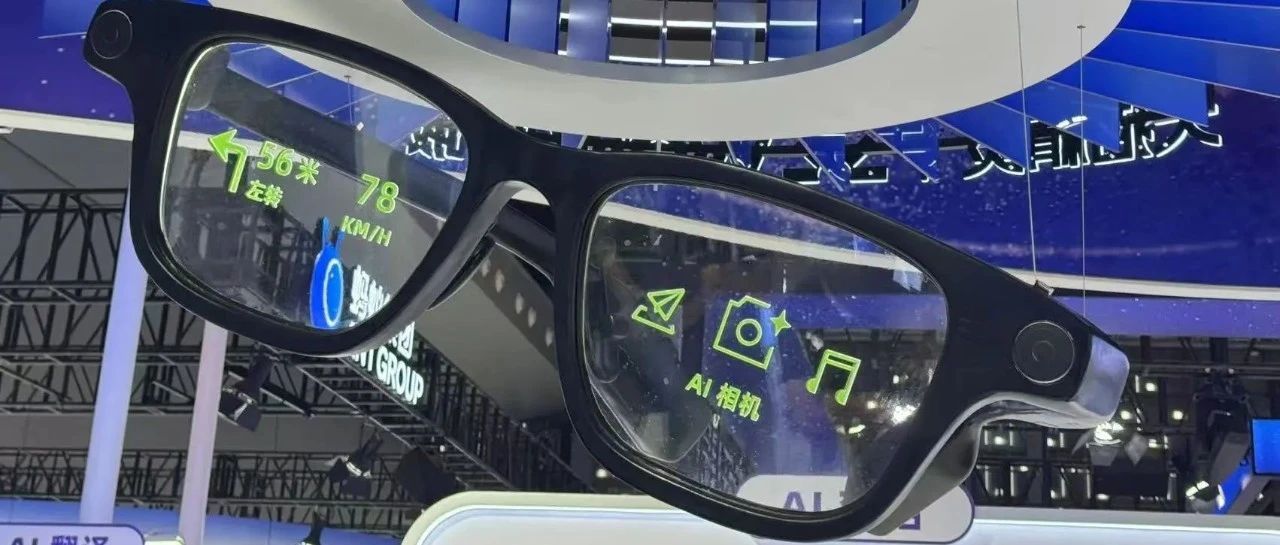
阿里将推出首款自研AI眼镜,“百镜大战”再添巨头
第一财经· 2025-07-26 12:44
Core Viewpoint - The competition in the AI glasses market is intensifying, with Alibaba announcing its self-developed Quark AI glasses, joining other major players like Xiaomi, Huawei, and Google in launching similar products this year [1][2]. Group 1: Product Launch and Features - Alibaba's Quark AI glasses are set to be officially released within the year, having completed their development phase [1]. - The glasses will integrate with Alibaba's ecosystem, supporting features such as Gaode navigation, Alipay payments, and travel reminders through Fliggy [2]. - The Quark AI glasses utilize Qualcomm's AR1 flagship design chip along with a low-power co-processor, addressing current ecological challenges in the AI glasses market [2]. Group 2: User Experience and Security - Users can initiate payments through the AI glasses by voice commands, with the system displaying QR codes for payment confirmation, eliminating the need to use a smartphone [3]. - Concerns regarding the security of payments made through smart glasses are prevalent among users, prompting Alipay to implement a multi-factor authentication system that includes voiceprint detection and wear detection [3]. - The AI glasses are anticipated to become a significant personal mobile entry point, potentially leading to a surge in personal data generation [3].

智能硬件2025年二季度投融市场报告
Wind万得· 2025-07-25 22:31
Core Insights - The smart hardware sector is experiencing explosive growth in Q2 2025, transitioning from "functional addition" to "intelligent native" stages, driven by technological breakthroughs, market expansion, and industry collaboration [7][8] - AI glasses have emerged as the most notable product category, with major companies like Xiaomi, Huawei, Lenovo, Google, and XREAL launching new models, moving from concept validation to large-scale commercialization [7][8] - The Chinese smart glasses market saw a shipment of 494,000 units in Q1 2025, a year-on-year increase of 116.1%, with expectations to exceed 2.9 million units for the entire year [7][8] Industry Overview - In Q2 2025, the smart hardware industry is marked by significant technological advancements, including lightweight large models and the integration of edge computing, enhancing the capabilities of smart devices from mere execution to autonomous decision-making [8] - The market for smart hardware is projected to grow, with the total financing cases in the sector decreasing by approximately 13% year-on-year to 41 cases, while the total financing amount increased by about 37% to 2.37 billion yuan [18][19] Investment Dynamics - The investment landscape in the smart hardware sector is shifting towards later-stage projects, with early-stage financing cases (seed to A rounds) accounting for 39% of total cases, while mid to late-stage financing (B rounds and beyond) represents 66% of the total financing amount [19][25] - The second quarter of 2025 saw a resurgence in investment activity, particularly in smart vehicle devices, driven by increasing consumer demand for intelligent driving and entertainment systems [18][24] Key Financing Events - Notable financing events include: - Cloud Whale Smart completing a $100 million round led by Tencent on April 14, 2025, for developing a household service robot [13] - JBD securing 30 million yuan in B round financing on May 27, 2025, for Micro LED technology development [14] - XREAL announcing 200 million yuan in strategic financing on May 15, 2025, for core technology iterations [16] Market Trends - The smart audio-visual hardware market is expected to grow significantly, with the handheld smart imaging device market projected to reach 59.2 billion yuan by 2027, maintaining a compound annual growth rate of approximately 12.9% from 2023 to 2027 [32][34] - The rise of short video platforms is driving demand for consumer-grade panoramic cameras, with the market for such devices expanding beyond sports to everyday life applications [33][36] Active Investors - In 2025, 18 investment institutions have participated in two or more financing rounds, with a focus on smart vehicle hardware and XR hardware, indicating a mature investment landscape [26][27]

智能硬件2025年二季度投融市场报告
Lai Mi Yan Jiu Yuan· 2025-07-25 11:10
Investment Rating - The report indicates a positive investment outlook for the smart hardware industry, highlighting a recovery in investment activity and a shift towards later-stage investments [16][23]. Core Insights - The smart hardware sector is experiencing explosive growth driven by technological breakthroughs, market expansion, and industry collaboration, marking a transition from "function stacking" to "intelligent native" products [7][8]. - AI glasses have emerged as a focal point in the second quarter of 2025, with major companies like Xiaomi, Huawei, Lenovo, Google, and XREAL launching new products, leading to a significant increase in market shipments [7][10]. - The integration of AI technologies is enhancing the capabilities of smart hardware, allowing devices to evolve from passive tools to autonomous intelligent agents capable of perception, reasoning, and decision-making [8][22]. Summary by Sections Industry Overview - The smart hardware industry is transitioning to a new phase characterized by the integration of lightweight large models and edge computing, enabling devices to perform complex tasks such as image recognition and natural language processing [8]. - The Chinese smart glasses market saw a shipment of 494,000 units in Q1 2025, representing a year-on-year growth of 116.1%, with expectations to exceed 2.9 million units for the entire year [7][10]. Q2 Industry Policies - Various regional policies have been introduced to support the development of AI-driven smart hardware, including funding for research and production of AI computers, smartphones, and wearable devices [11]. Q2 Timeline - Significant financing events occurred in Q2 2025, including a $100 million round for Yunji Intelligent and a strategic financing of 200 million RMB for XREAL, aimed at advancing core technologies [12][14]. Investment Dynamics - The smart hardware sector saw a total of 41 financing cases in Q2 2025, with a total amount of 2.37 billion RMB, reflecting a 37% year-on-year increase [16]. - Investment preferences are shifting towards later-stage projects, with 66% of financing amounts directed towards B-round and strategic financing, indicating a focus on projects with established market potential [17][23]. Active Investors - A total of 18 investment institutions have participated in multiple financing rounds in 2025, with a notable interest in smart vehicle hardware and XR hardware [27][28]. Key Financing Events - Notable financing events include a 600 million RMB Pre-A round for Xinshijia in XR hardware and a 1.01 billion RMB D round for Moshizhineng in automotive smart hardware [29]. Smart Audio-Visual Hardware - The handheld smart imaging device market is projected to grow at a compound annual growth rate of approximately 12.9% from 2023 to 2027, reaching a market size of 59.2 billion RMB by 2027 [32][36]. - The rise of short video platforms is driving demand for consumer-grade panoramic cameras, with significant sales growth expected in this segment [33][43]. Company Spotlight: Photon Leap - Photon Leap, established in March 2025, focuses on AI-driven consumer imaging innovations and has completed a significant angel round of financing to enhance its AI imaging algorithms and prepare for product launch [47][51].
智能眼镜领头羊,道出行业泡沫
虎嗅APP· 2025-07-25 10:36
Core Viewpoint - XREAl, a leading AR glasses brand, has chosen to observe the AI glasses market rather than participate, despite the current hype and competition in the sector [2][5][6]. Group 1: Market Position and Strategy - XREAl ranks first in the global AR glasses market for 2024, with a market share that surpasses the combined share of the second to fourth competitors [2]. - The company has partnered with Google on the AR glasses project "Project Aura," enhancing its ecosystem support [2]. - The founder, Xu Chi, emphasizes focusing on core module development rather than rushing into the AI glasses market, which he believes is still in its early stages [6][7]. Group 2: Industry Analysis - Xu Chi questions the logic behind the rapid growth of the AI glasses market in China, suggesting it may be a bubble rather than a sustainable trend [6][11]. - He believes the AI glasses industry is still in the "first half" of its development, indicating that significant challenges remain before it can reach maturity [7][10]. - The industry lacks a unified understanding of the path to its ultimate goals, which complicates the current landscape [7]. Group 3: Product Development and Challenges - XREAl has developed its own co-processor chip, X1, and an optical solution called "X Prism" for its latest product, XREAL One Pro [7]. - Xu Chi highlights that the current AI glasses technology is not yet mature, with issues in hardware and software integration that need to be resolved [12][14]. - The founder predicts that the AI glasses market will not see a true explosion until around 2027 or 2028, contingent on major players like Xiaomi committing significant resources to the sector [8][10]. Group 4: Ecosystem and Collaboration - XREAl aims to avoid building a standalone ecosystem and instead collaborates with established players like Google to leverage existing ecosystems [15]. - The company is focused on creating hardware that can function well without a robust ecosystem, while also working with partners to enhance its product offerings [15].

“百镜大战”悄然开打:XREAL如何征战上半场
2 1 Shi Ji Jing Ji Bao Dao· 2025-07-25 07:52
Core Insights - XREAL, a young Chinese company founded by Xu Chi, has formed a strategic partnership with Google to develop the Android XR ecosystem, marking a significant milestone in the AR industry [1][3] - XREAL has achieved global leadership in AR glasses sales for three consecutive years, with a market share in 2024 that surpasses the combined shares of its closest competitors [1][2] - The company has secured over $300 million in funding across 10 rounds, with notable investors including Sequoia China and Hillhouse Capital, as well as strategic investments from Alibaba and others [1][2] Company Overview - Founded in 2017 by Xu Chi, who previously worked at Nvidia and Magic Leap, XREAL has established a strong technical moat in AR glasses, including chip development and optical solutions [1][2] - The company aims to position XR as the next generation of smart terminals, potentially replacing smartphones, and sees significant growth opportunities in this sector [2][3] Market Dynamics - The AR/VR market is heating up, with increasing competition and a "battle of hundreds of glasses" underway, indicating that the industry is still in its early stages [2][7] - XREAL's collaboration with Google is seen as a strategic move to leverage Google's established ecosystem while providing lightweight and innovative products [5][6] Product Development - The upcoming Project Aura, set to launch in 2026, will feature a split architecture with an external computing unit and an upgraded self-developed X1S chip [6] - XREAL is focused on enhancing product competitiveness through ecosystem development, recognizing that only a few players like Apple and Google have significant ecosystem influence [4][5] Industry Challenges - The AR industry currently faces challenges such as an immature supply chain and a lack of unified product standards, which XREAL aims to address through its high investment in core technology [7][8] - Despite competition from established giants like Nvidia and Zeiss, XREAL believes its agility and focus on product experience will allow it to carve out a niche in the market [8]

SiC波导全彩AR/XR眼镜相继推出,苹果折叠机预计于2026年推出
Huafu Securities· 2025-07-25 06:48
Investment Rating - The industry rating is "Outperform the Market" [12] Core Insights - Apple's first foldable phone, iPhone Fold, is expected to launch in the second half of 2026 with a starting price of no less than $2000 [3] - The first mass-produced SiC waveguide XR glasses, Wigain Omnision, will be available by July 2025, featuring AI capabilities [4] - Tesla's Model Y L is set to be released in the fall of this year, with an estimated price of around 400,000 RMB [4] Summary by Sections Industry Dynamics - The iPhone Fold is anticipated to have a 7.8-inch inner screen and a 5.5-inch outer screen, with a thickness of 9mm to 9.5mm when folded and 4.5mm to 4.8mm when unfolded [3] - The new AR glasses from various manufacturers are expected to increase in the consumer market, leveraging SiC waveguide technology [4] Investment Recommendations - Suggested stocks to focus on in the consumer electronics sector include: Dalian Technology, OFILM, Sitaiwei, Guanghong Technology, Crystal Optoelectronics, Dongshan Precision, Pengding Holdings, Luxshare Precision, GoerTek, Changying Precision, Lingyi Technology, Lens Technology, Guoguang Electric, Kosen Technology, and Transsion Holdings [5]
智能眼镜领头羊,道出行业泡沫
Hu Xiu· 2025-07-25 02:12
Core Insights - XREAL has launched its new product "XREAL One Pro" amidst a booming interest in AI glasses, raising questions about its decision to not enter this segment [1][2] - The company holds a dominant position in the AR glasses market, with IDC reporting it has a market share greater than the combined total of its closest competitors [3] - XREAL's founder, Xu Chi, remains cautious about the AI glasses trend, questioning the sustainability and logic behind the rapid growth in this sector [5][10] Company Positioning - XREAL has partnered with Google on the "Project Aura," enhancing its ecosystem support [4] - The company has a strong user base and is focusing on refining core technologies rather than rushing into the AI glasses market [5][14] - Xu Chi emphasizes the importance of developing core modules and believes the AI glasses industry is still in its early stages, predicting significant developments around 2027-2028 [11][18] Industry Analysis - The current AI glasses market is characterized by a lack of consensus on its future direction, with many players entering the space without a clear path to profitability [12][20] - Xu Chi describes the current state of the industry as a "bubble," suggesting that many companies are chasing trends rather than focusing on sustainable growth [20][21] - The technological maturity of components, such as chips and sensors, is still lacking, which hinders the development of viable AI glasses [22][24] Future Outlook - Xu Chi believes that the industry will see a true competitive landscape when major players like Xiaomi commit significant resources to the sector [18] - The company is focused on building a robust ecosystem rather than competing directly with established giants, recognizing the challenges of creating a new ecosystem from scratch [25]
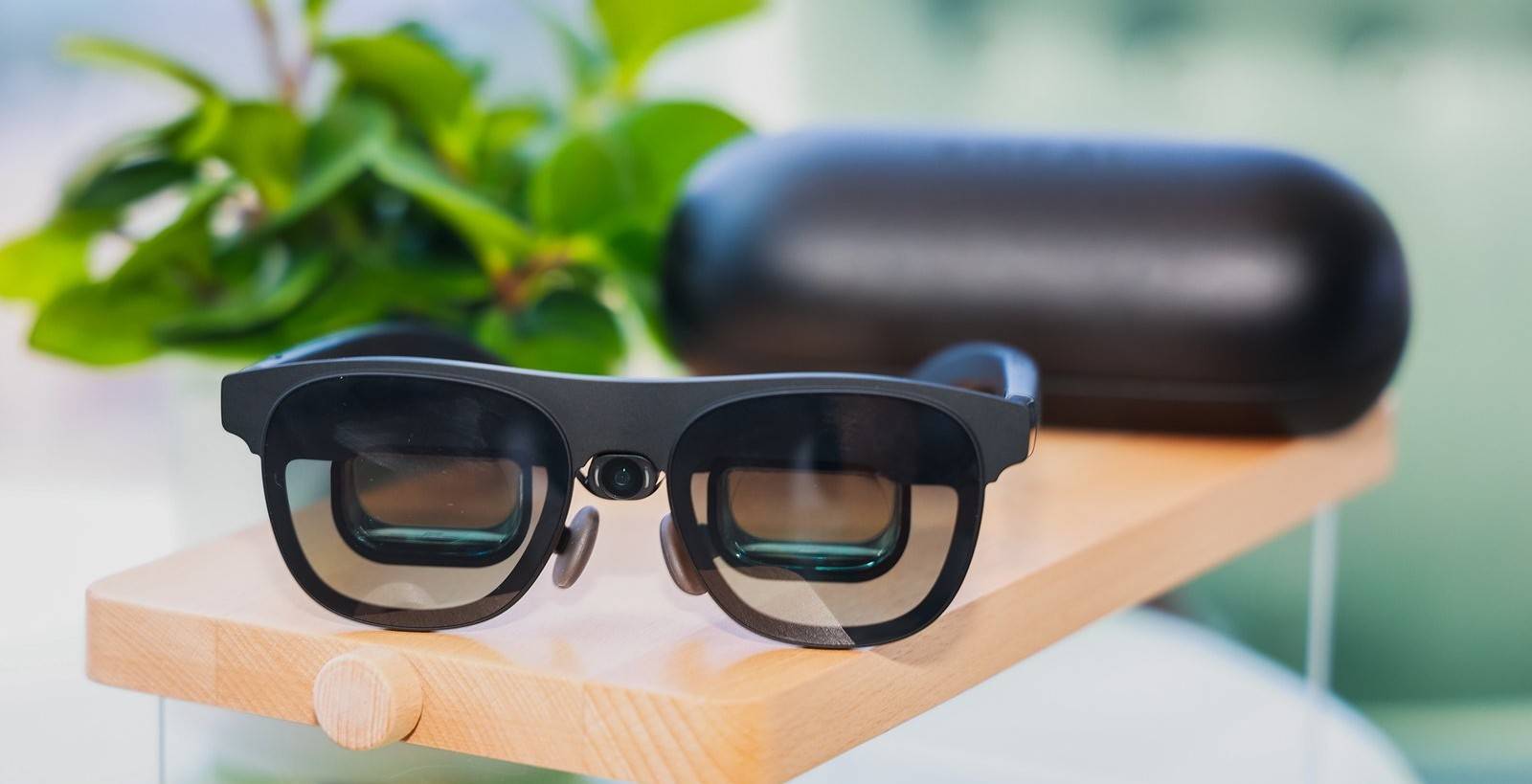
对话XREAL徐驰:当雷军投入七八成精力做AI眼镜,百镜大战才真正到来
Tai Mei Ti A P P· 2025-07-24 09:27
Core Viewpoint - The emergence of major players like Xiaomi in the AI glasses market indicates that the industry is maturing, but the current products still lack the sophistication needed for mass adoption [1][3]. Group 1: Industry Insights - The AI consumer electronics era is marked by a rush to integrate AI, yet many sectors are still unclear on practical applications [3]. - The current market for AI glasses is characterized by high return rates, suggesting that consumer experience is not yet satisfactory [1]. - The industry should focus on long-term development rather than short-term gains, with a vision for AI glasses to potentially replace smartphones in the future [3][6]. Group 2: Company Strategies - XREAL aims to sell its AR products in the millions, recently launching the One Pro model priced at 4,299 yuan, featuring advanced optical technology [4][6]. - The company is focused on creating lightweight glasses that provide 80% of the experience of traditional headsets at only 20% of the cost [6]. - XREAL recognizes the importance of ecosystem development but does not intend to create its own; instead, it plans to collaborate within existing ecosystems to enhance scalability [6]. Group 3: Market Dynamics - The XR industry is currently experiencing significant growth, led by major companies like Apple, Meta, Google, and Xiaomi, which is a departure from the previous hype surrounding the metaverse [6]. - The industry is not conducive to quick profits, with Qualcomm being the only company to have made substantial earnings in the past decade [7].