赛诺菲

Search documents
REGN Soars 41% in Six Months: Is There More Upside Potential in 2026?
ZACKS· 2026-01-02 14:40
Core Insights - Regeneron Pharmaceuticals (REGN) has experienced a strong performance over the past six months, with shares rising 41%, significantly outperforming the industry growth of 22.4% [1][9] - The stock reached a 52-week high of $792.77 on December 24, 2025, indicating robust investor sentiment [1][9] Pipeline and Regulatory Developments - Positive developments in Regeneron's pipeline, particularly the FDA approval of Eylea HD for treating macular edema following retinal vein occlusion (RVO), have bolstered investor confidence [5][9] - Eylea HD sales in the U.S. increased by 10% in Q3 2025, driven by higher volumes and demand, which is crucial as Eylea faces competition from Roche's Vabysmo [10][11] Oncology Portfolio Growth - Regeneron's oncology franchise, led by the PD-1 inhibitor Libtayo, generated $1.03 billion in sales during the first nine months of 2025, reflecting a 21% year-over-year increase [13] - Recent label expansions for Libtayo in Europe and the U.S. enhance its market position and support long-term growth in oncology [14][15] - The FDA's accelerated approval of linvoseltamab-gcpt for multiple myeloma and Ordspono for lymphoma further strengthens Regeneron's oncology portfolio [16][17] Dupixent Sales and Market Expansion - Dupixent continues to be a significant revenue driver for Regeneron, with ongoing label expansions contributing to strong sales growth [18][23] - The recent approval for Dupixent to treat chronic spontaneous urticaria in patients aged 12 and above highlights its expanding market potential [19] Financial Performance and Valuation - Regeneron's shares currently trade at a price/earnings ratio of 22.21X forward earnings, higher than its historical mean of 19X and the large-cap pharma industry's average of 19.26X [20] - The bottom-line estimate for 2025 has decreased, while the estimate for 2026 has increased by $1.97, indicating mixed expectations for future performance [21] Strategic Outlook - Regeneron is diversifying its revenue streams through its oncology portfolio and ongoing label expansions for Dupixent, which reduces reliance on any single product [23] - The company is also exploring opportunities in the obesity market, having entered into an in-licensing agreement to expand its pipeline [24] - Recent positive momentum in the pipeline and regulatory developments has improved the overall outlook for Regeneron, making it an attractive investment opportunity [25]



2026年美国超350种药品将涨价
第一财经· 2026-01-01 05:18
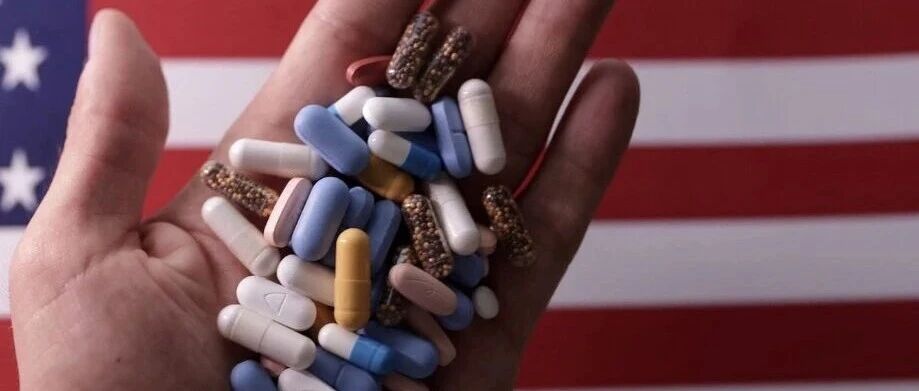
Core Viewpoint - In 2026, over 350 drug prices in the U.S. are expected to rise, despite pressure from the Trump administration for pharmaceutical companies to lower prices [3][4]. Group 1: Price Increases - Pharmaceutical companies plan to increase the prices of at least 350 brand-name drugs, including COVID-19 vaccines, respiratory syncytial virus vaccines, shingles vaccines, and some major cancer treatment drugs [3]. - The number of drugs with price increases in 2026 has risen compared to the previous year, while the increase rate remains stable [3]. - Pfizer is set to implement the largest price hikes, affecting around 80 different drugs, including cancer medications, migraine treatments, and commonly used hospital drugs like morphine and hydromorphone [3]. Group 2: Price Decreases - Fewer than ten drugs are expected to see price reductions, with diabetes-related therapies experiencing a decrease of over 40% [3]. Group 3: Specific Company Actions - Pfizer stated that the average price adjustment for innovative drugs and vaccines in 2026 will be below the overall inflation rate, emphasizing that small price increases are necessary to support ongoing investments in new drug development and to address rising costs [4]. - GlaxoSmithKline (GSK) plans to raise prices for about 20 drugs and vaccines by 2% to 8.9%, citing the need to support scientific innovation while maintaining reasonable drug prices [4].


2026年美国超350种药品将涨价
Di Yi Cai Jing· 2026-01-01 03:22
Group 1 - Pfizer's price increases for most drugs are below 10%, but the COVID-19 vaccine price has risen by approximately 15%, with some commonly used hospital drugs seeing price increases of over four times [1][4] - In 2026, over 350 drugs in the U.S. are expected to see price increases, including COVID-19 vaccines, respiratory syncytial virus vaccines, shingles vaccines, and some major cancer treatment drugs [2][4] - The number of drugs experiencing price increases in 2026 has increased compared to the previous year, while the magnitude of the increases remains largely consistent with last year [4] Group 2 - Pfizer has announced the largest price increases among pharmaceutical companies, affecting around 80 different drugs, including cancer medications, migraine treatments, COVID-19 drugs, and commonly used hospital pain medications like morphine and hydromorphone [4] - GSK plans to raise prices on about 20 drugs and vaccines by 2% to 8.9%, stating that the increases are necessary to support scientific innovation and maintain reasonable drug prices [4] - Pfizer stated that the average price adjustment for innovative drugs and vaccines in 2026 is set below the overall inflation rate, emphasizing that small price increases are necessary to support ongoing investments in new drug development and to address rising costs [4]
早报(01.01)| 全球交易收官!白银疯涨147%,美元创9年来最大年跌幅;巴菲特正式退休;OpenAI人均股权薪酬超千万!
Ge Long Hui· 2026-01-01 00:24
Market Performance - In 2025, global major stock indices achieved double-digit growth, driven by the AI wave, despite geopolitical uncertainties and US tariffs [2] - The US stock market saw the Dow Jones increase by 12.97%, the S&P 500 by 16.39%, and the Nasdaq by 20.36%, marking three consecutive years of record highs [2] - The Nasdaq China Golden Dragon Index rose by 11.33%, with notable performances from Alibaba (over 75% increase), NetEase (58.28%), and Baidu (nearly 55%) [2] Sector Highlights - The "Big Seven" tech companies had mixed results, with Nvidia and Google achieving cumulative gains of 38.92% and 65.42%, respectively, while the other five underperformed against benchmark indices [2][3] - The A-share ChiNext Index recorded a remarkable 49.57% increase, ranking third globally, while the Shenzhen Composite and Shanghai Composite indices rose by 29.87% and 18.41%, respectively [3] International Markets - The Hong Kong Hang Seng Index rose by 27.77%, marking its best annual performance since 2017, while the Hang Seng Tech Index increased by 23.45% [4] - South Korea's KOSPI index surged by 75.63%, the largest annual increase since 1999, while the Israeli TA35 index rose by 52.87% [4] - The UK stock market saw a 22% increase, the best performance since 2009, and France's CAC40 index rose by 10% [5] Commodity Performance - Precious metals experienced a bull market, with silver rising by 147.95% and gold by over 60% [7] - Crude oil prices fell significantly, with Brent crude down over 18% and WTI crude down about 20% [7] - The US dollar recorded its largest annual decline since 2017, dropping over 9%, while the euro rose over 13% [7] Company Developments - Nvidia and AMD are expected to raise GPU prices significantly in early 2026 due to soaring memory chip prices, with flagship models potentially reaching $5,000 [11] - OpenAI reported an average employee compensation of approximately $1.5 million, significantly higher than other tech companies [13] - Berkshire Hathaway's CEO Warren Buffett officially retired on December 31, 2025, but will remain as chairman [14]




无惧特朗普施压,美国350种处方药明年提价
Hua Er Jie Jian Wen· 2025-12-31 13:30
Core Insights - U.S. pharmaceutical companies plan to increase the prices of at least 350 brand-name drugs in 2026, despite pressure from the Trump administration to lower prices [1] - The scale of price increases has expanded from over 250 drugs in the previous year, with a median increase of approximately 4%, consistent with 2025 [1] - Major drugs affected include vaccines for COVID-19, respiratory syncytial virus, shingles, and the cancer drug Ibrance [1] Group 1: Price Increases - Pfizer leads with the highest number of price increases, planning to raise prices on about 80 different drugs, including Ibrance, Nurtec, and Paxlovid [2] - Most of Pfizer's price increases are below 10%, but the COVID-19 vaccine Comirnaty will see a 15% increase, while some hospital medications will increase by over four times [2] - GlaxoSmithKline plans to raise prices on approximately 20 drugs and vaccines by 2% to 8.9%, emphasizing that price increases are necessary to support scientific innovation [2] Group 2: Price Decreases - A small number of drugs will see price reductions, including Boehringer Ingelheim's diabetes drug Jardiance, which will decrease by over 40% [3] - Jardiance is one of the ten drugs targeted for price negotiations under the U.S. government's Medicare plan for individuals aged 65 and older, with a two-thirds price cut agreed upon by Boehringer Ingelheim and Eli Lilly [3] Group 3: Government Agreements and Trends - Despite agreements with 14 pharmaceutical companies regarding some drug prices under government programs, the trend of price increases continues [4] - Companies like Pfizer, Sanofi, Boehringer Ingelheim, Novartis, and GlaxoSmithKline still plan to raise prices on certain drugs, indicating a strategy to maximize list prices while negotiating discounts behind the scenes [4] - Historical data shows that January is typically the month with the highest number of price adjustments, suggesting more increases and decreases are expected in early January [3][4]
特朗普施压未阻涨价:药企拟上调至少350种药品在美价格
智通财经网· 2025-12-31 13:25
Core Insights - Pharmaceutical companies plan to increase prices for at least 350 brand-name drugs in the U.S., including vaccines for COVID, respiratory syncytial virus, and shingles, as well as the cancer treatment drug Ibrance, amid pressure from the Trump administration to lower prices [1][2] - The number of drugs planned for price increases in 2026 has risen compared to the previous year, with a median price increase of approximately 4%, consistent with 2025 [1] - Some pharmaceutical companies are also planning to lower prices for about 9 drugs, including Boehringer Ingelheim's diabetes drug Jardiance, which will see price reductions of over 40% [1] Price Trends - U.S. patients pay significantly higher prescription drug prices compared to other developed countries, often nearly three times as much [2] - Pfizer announced the most price increases, affecting around 80 different drugs, including Ibrance, Nurtec, and Paxlovid, with most increases below 10% [3] - The COVID vaccine Comirnaty will see a price increase of 15%, while some hospital medications have increased by over four times [3] Regulatory Context - The Trump administration has pressured pharmaceutical companies to align U.S. drug prices with those in wealthier countries, despite agreements with 14 companies to lower prices for certain drugs [2] - Legislative criticism and new government policies have led to a reduction in the magnitude of price increases by pharmaceutical companies [3] Future Expectations - More price increases and decreases are expected in early January, historically a significant month for pharmaceutical price adjustments [4] - 3 Axis Advisors, a consulting firm, collaborates with various stakeholders in the pharmaceutical industry regarding drug pricing and supply chain issues [4]


2023年中国白介素行业调研简报-20251231
Tou Bao Yan Jiu Yuan· 2025-12-31 12:19
Investment Rating - The report does not explicitly state an investment rating for the interleukin industry Core Insights - The interleukin family consists of various cytokines that play significant roles in immune regulation, inflammation, and cancer, with many related drugs and clinical pipelines in development [4][5] - The IL-12 and IL-23 cytokines are crucial in immune modulation and have become important therapeutic targets for autoimmune diseases such as psoriasis and Crohn's disease [9][10] - The market for IL-4Rα drugs in allergic diseases is expanding, with two main drugs approved in China for treating allergic asthma and other conditions [16] - IL-1β inhibitors are gaining traction in gout treatment, with a notable increase in patient numbers projected for high uric acid levels and gout by 2030 [23][25] - Artificial intelligence is enhancing drug development processes across various stages, significantly reducing the time required for drug discovery and optimization [31][32] Summary by Sections Interleukin Family Overview - The interleukin family includes multiple members categorized into several groups, each with distinct roles in immune response and disease [3][4] - Key interleukins such as IL-1, IL-2, IL-6, IL-10, and IL-17 are involved in autoimmune and inflammatory diseases, with existing drugs and clinical pipelines targeting these cytokines [5] Market Status of IL-12/IL-23 - Several drugs targeting IL-12 and IL-23 have been approved for treating autoimmune diseases, with notable examples including Ustekinumab and Guselkumab [8][10] - The first fully human monoclonal antibody targeting IL-12/IL-23, Iroquois, is set to launch in 2025 for moderate to severe plaque psoriasis [10] IL-4 in Allergic Diseases - Two IL-4Rα drugs have been approved in China for allergic diseases, with Dupilumab included in the national medical insurance list [16] - The report outlines ongoing clinical trials for additional IL-4Rα therapies targeting various allergic conditions [17] IL-1β Inhibitors in Gout Treatment - The report highlights the increasing prevalence of high uric acid and gout, with projections indicating significant growth in patient numbers by 2030 [21][23] - The first IL-1β monoclonal antibody, Canakinumab, has been approved for gout treatment, with a projected global sales figure of $1.5 billion by 2024 [25] Role of Artificial Intelligence in Drug Development - AI is transforming drug discovery by streamlining processes and improving efficiency, reducing the time for lead compound optimization from approximately 65 months to 30 months [32] - The integration of AI in drug development enhances the accuracy of personalized medicine and accelerates the identification of effective drug candidates [31][32]
AI制药企业英矽智能挂牌港交所
Jing Ji Guan Cha Wang· 2025-12-31 03:13
Core Insights - InSilico Medicine has become the first artificial intelligence biopharmaceutical company to list on the Hong Kong Stock Exchange under the main board listing rule 8.05, raising a total of HKD 2.277 billion, making it the highest fundraising biopharmaceutical IPO in Hong Kong for the year [1] - The IPO was co-sponsored by Morgan Stanley, CICC, and GF Securities, with a total issuance of 94.6905 million shares, of which 10% was allocated for public offering in Hong Kong, achieving an oversubscription rate of approximately 1,427.37 times, locking in subscription funds exceeding HKD 32.8349 billion [1] - The company plans to increase investment in its AI platform and innovative pipeline to accelerate the entry of more globally differentiated innovative projects into clinical trials [1] Company Collaborations - InSilico Medicine has established software licensing collaborations with 13 of the top 20 global pharmaceutical companies [2] - The company has also secured three pipeline licensing collaborations with Exelixis and Menarini, with a total collaboration potential of up to USD 2.1 billion, and has engaged in joint research collaborations with renowned pharmaceutical companies such as Fosun Pharma, Sanofi, and Eli Lilly [2] Key Asset - The core asset of InSilico Medicine is Rentosertib, a drug for treating idiopathic pulmonary fibrosis, which is the industry's most advanced first-in-class AI drug, having completed Phase IIa clinical trials domestically, marking a significant milestone in AI-driven drug development [1]
Jefferies Maintains Buy on Sanofi (SNY) Despite Regulatory Overhang
Yahoo Finance· 2025-12-30 17:27
Group 1 - Sanofi is considered a cheap stock to buy, with Jefferies reiterating its 'Buy' rating and maintaining a price target of €100 despite concerns regarding the FDA's Complete Response Letter for tolebrutinib [1] - The European Commission approved Sanofi's Wayrilz (rilzabrutinib) treatment for immune thrombocytopenia (ITP), based on the successful LUNA 3 phase 3 study that met both primary and secondary endpoints [2] - In the LUNA 3 study, Wayrilz patients showed a faster time to first platelet response at 36 days compared to the placebo group, which did not meet this endpoint, and maintained a platelet response for an additional 6.3 weeks [3] Group 2 - Sanofi, founded in 1994, is a French pharmaceutical company that provides medicines and vaccines for various indications, including immunology, inflammation, and oncology [3]
CORRECTING and REPLACING Dynavax Investor Alert: Kahn Swick & Foti, LLC Investigates Adequacy of Price and Process in Proposed Sale of Dynavax Technologies Corporation - DVAX
Businesswire· 2025-12-30 15:19
Core Viewpoint - The proposed sale of Dynavax Technologies Corporation to Sanofi is under investigation for its adequacy in price and process, with concerns that the offered price may undervalue the company [1]. Group 1: Proposed Transaction Details - Dynavax shareholders are set to receive $15.50 in cash for each share they own as part of the proposed sale to Sanofi [1]. - The transaction is structured as a tender offer, indicating that timing may be critical for shareholders [3]. Group 2: Legal Investigation - Kahn Swick & Foti, LLC, led by former Louisiana Attorney General Charles C. Foti, Jr., is investigating whether the sale price and the process leading to it are adequate [1]. - Shareholders who believe the transaction undervalues Dynavax are encouraged to discuss their legal rights with KSF [2].