吗啡

Search documents
行业洞察:国产新药迈入临床,癌痛治疗开辟新路径
Tou Bao Yan Jiu Yuan· 2026-01-13 12:13
Investment Rating - The report does not explicitly state an investment rating for the industry [1]. Core Insights - Adult cancer pain management is a systematic project aimed at achieving comprehensive pain control through standardized assessment, individualized treatment, and multidisciplinary collaboration [4]. - Cancer pain is a prevalent symptom among cancer patients, with a high incidence rate of 44.5%, and nearly one-third of patients suffer from moderate to severe pain [11]. - The adult cancer pain treatment market in China is expected to grow from 3.76 billion CNY in 2020 to 6.36 billion CNY by 2029, with a compound annual growth rate (CAGR) of 6.8% from 2020 to 2024 and 5.3% from 2025 to 2029 [20]. Summary by Sections Cancer Pain Management - Cancer pain management involves a comprehensive approach that includes pain screening, assessment, and management tailored to the patient's overall treatment goals [3][4]. - The management process is based on standardized screening and dynamic assessment, following principles of regularity, quantification, comprehensiveness, and dynamism [4]. Epidemiological Characteristics - Cancer pain has a high prevalence among patients, particularly in advanced stages, where over 80% experience pain [11]. - The main causes of cancer pain are tumor progression (over 90%) and treatment-related pain (approximately 20%) [11]. - Pain types include nociceptive pain (around 60%), neuropathic pain (19%), and mixed pain (20%) [11]. Treatment Medications - Common medications for cancer pain include weak opioids (e.g., codeine, tramadol), strong opioids (e.g., morphine, fentanyl), non-steroidal anti-inflammatory drugs (NSAIDs), and acetaminophen [15][16]. - There is a shift towards the development of non-opioid medications to provide safer and sustainable pain management options [16]. Market Outlook - The adult cancer pain treatment market is projected to expand significantly due to increasing clinical needs and the introduction of innovative non-opioid drugs [19][20]. - The treatment rate for cancer pain is expected to rise from approximately 70% to 90% by 2029, indicating a growing population receiving standardized treatment [20]. Innovation Trends - Treatment strategies are transitioning from reliance on opioids to a multimodal approach that includes NSAIDs and adjuvant analgesics [26]. - The focus on non-opioid innovative drugs is becoming a breakthrough direction in drug development [26]. - There is an emphasis on personalized medication management and the establishment of a comprehensive management network through medical alliances [26][27].
2026年美国超350种药品将涨价
第一财经· 2026-01-01 05:18
Core Viewpoint - In 2026, over 350 drug prices in the U.S. are expected to rise, despite pressure from the Trump administration for pharmaceutical companies to lower prices [3][4]. Group 1: Price Increases - Pharmaceutical companies plan to increase the prices of at least 350 brand-name drugs, including COVID-19 vaccines, respiratory syncytial virus vaccines, shingles vaccines, and some major cancer treatment drugs [3]. - The number of drugs with price increases in 2026 has risen compared to the previous year, while the increase rate remains stable [3]. - Pfizer is set to implement the largest price hikes, affecting around 80 different drugs, including cancer medications, migraine treatments, and commonly used hospital drugs like morphine and hydromorphone [3]. Group 2: Price Decreases - Fewer than ten drugs are expected to see price reductions, with diabetes-related therapies experiencing a decrease of over 40% [3]. Group 3: Specific Company Actions - Pfizer stated that the average price adjustment for innovative drugs and vaccines in 2026 will be below the overall inflation rate, emphasizing that small price increases are necessary to support ongoing investments in new drug development and to address rising costs [4]. - GlaxoSmithKline (GSK) plans to raise prices for about 20 drugs and vaccines by 2% to 8.9%, citing the need to support scientific innovation while maintaining reasonable drug prices [4].



2026年美国超350种药品将涨价
Di Yi Cai Jing· 2026-01-01 03:22
Group 1 - Pfizer's price increases for most drugs are below 10%, but the COVID-19 vaccine price has risen by approximately 15%, with some commonly used hospital drugs seeing price increases of over four times [1][4] - In 2026, over 350 drugs in the U.S. are expected to see price increases, including COVID-19 vaccines, respiratory syncytial virus vaccines, shingles vaccines, and some major cancer treatment drugs [2][4] - The number of drugs experiencing price increases in 2026 has increased compared to the previous year, while the magnitude of the increases remains largely consistent with last year [4] Group 2 - Pfizer has announced the largest price increases among pharmaceutical companies, affecting around 80 different drugs, including cancer medications, migraine treatments, COVID-19 drugs, and commonly used hospital pain medications like morphine and hydromorphone [4] - GSK plans to raise prices on about 20 drugs and vaccines by 2% to 8.9%, stating that the increases are necessary to support scientific innovation and maintain reasonable drug prices [4] - Pfizer stated that the average price adjustment for innovative drugs and vaccines in 2026 is set below the overall inflation rate, emphasizing that small price increases are necessary to support ongoing investments in new drug development and to address rising costs [4]
用错或耽误病情!专家提醒:止痛药不能随意吃
Sou Hu Cai Jing· 2025-12-20 06:37
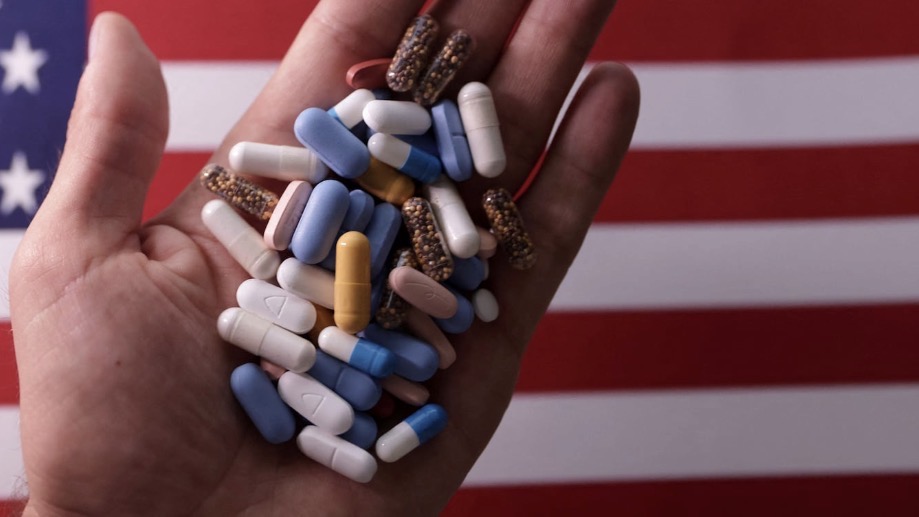
Core Viewpoint - Experts warn against the indiscriminate and long-term use of painkillers, emphasizing that while they can alleviate symptoms, they do not address the underlying causes of pain [1][3]. Group 1: Pain Management Guidelines - Different pain medications should be used based on the underlying cause of pain, such as non-steroidal anti-inflammatory drugs (NSAIDs) like celecoxib for muscle and joint pain [3]. - For neuropathic pain caused by conditions like shingles, medications such as pregabalin are recommended [3]. Group 2: Concerns About Addiction - The potential for addiction primarily relates to the long-term use of opioid painkillers, such as morphine and oxycodone, which are strictly regulated and should only be used under medical supervision [3]. - Common pain relievers like acetaminophen, ibuprofen, and celecoxib do not carry a risk of addiction [3]. Group 3: When to Seek Medical Attention - Sudden severe headaches or headaches accompanied by symptoms like fever, nausea, vomiting, confusion, or numbness require immediate medical attention [5]. - Any changes in the nature, location, or pattern of headaches should prompt a visit to a healthcare provider to avoid delaying treatment [5].

止痛药上瘾?国家卫健委答21:不能长期任意吃,以下药合理使用
2 1 Shi Ji Jing Ji Bao Dao· 2025-12-19 11:52
Core Viewpoint - The National Health Commission emphasizes the importance of proper use of painkillers, highlighting that long-term use can mask underlying conditions and may lead to dependency, particularly with opioid medications [1][2]. Group 1: Pain Management Guidelines - Painkillers should not be used arbitrarily over long periods as they may only control symptoms without addressing the root cause, potentially delaying necessary treatment [1] - Different types of pain require specific medications; for instance, non-steroidal anti-inflammatory drugs (NSAIDs) like celecoxib and diclofenac are recommended for muscle and joint pain, while medications like pregabalin and gabapentin are suitable for neuropathic pain [1] Group 2: Addiction Concerns - Long-term use of opioid painkillers such as morphine and oxycodone can lead to addiction, but strict regulations in China help mitigate this risk when used under medical supervision [2] - Common NSAIDs like ibuprofen and acetaminophen generally do not pose addiction risks, although increasing dosages does not enhance efficacy and may increase side effects [2] Group 3: Headache Management - Identifying and avoiding specific triggers can help reduce the frequency of migraines, such as sleep disturbances or certain foods [2] - Severe or sudden headaches, especially when accompanied by symptoms like fever, nausea, or altered consciousness, require immediate medical attention to prevent complications [2]
一头痛、关节痛就吃止痛药?专家建议
Ren Min Wang· 2025-12-19 10:33
Core Viewpoint - The use of painkillers should be regulated, as long-term use can mask underlying conditions and may lead to dependency, particularly with opioid medications [1][2] Group 1: Pain Management Insights - Painkillers primarily control symptoms rather than address the root cause of pain, which can delay necessary treatment [1] - Different types of pain require specific medications; for example, non-steroidal anti-inflammatory drugs (NSAIDs) like celecoxib and diclofenac are suitable for muscle and joint pain, while medications like pregabalin and gabapentin are used for neuropathic pain caused by conditions like shingles [1] Group 2: Dependency and Usage Guidelines - Opioid painkillers, such as morphine and oxycodone, carry a risk of addiction with long-term use, but strict regulations in China help mitigate this risk when used under medical supervision [2] - Common NSAIDs like ibuprofen and acetaminophen generally do not lead to addiction, but increasing their dosage does not enhance efficacy and may increase side effects [2] Group 3: Headache Management - Identifying and avoiding specific triggers can help reduce the frequency of migraines, such as lack of sleep or certain foods [2] - Severe headaches accompanied by symptoms like fever, nausea, or altered consciousness require immediate medical attention to prevent complications [2]
镇静药会让人变傻吗
Bei Jing Qing Nian Bao· 2025-09-01 00:54
Group 1 - The use of sedatives in ICU is essential to manage patients' anxiety, tension, and fear, which can hinder treatment and increase oxygen consumption, affecting recovery success rates [2][4] - Common sedatives used in ICU include Diazepam, Midazolam, Propofol, and Dexmedetomidine, which help patients through critical phases of illness by inducing a state similar to deep sleep, with full cognitive recovery after the drug effects wear off [3][4] - The administration of sedatives is strictly controlled in terms of dosage and duration to prevent dependency, with studies indicating that long-term cognitive impairment in critically ill patients is more related to the severity of illness rather than the sedatives themselves [4] Group 2 - Opioid analgesics such as Codeine, Hydrocodone, Oxycodone, Morphine, Sufentanil, and Remifentanil are also used in ICU, providing strong pain relief but with potential for addiction, necessitating careful monitoring by healthcare professionals [3][4] - Individualized sedation strategies are implemented based on patient-specific factors like weight and organ function, ensuring comfort during treatment while safeguarding long-term cognitive health [4]
警惕!易与司美格鲁肽发生相互作用的药物
GLP1减重宝典· 2025-06-18 07:53
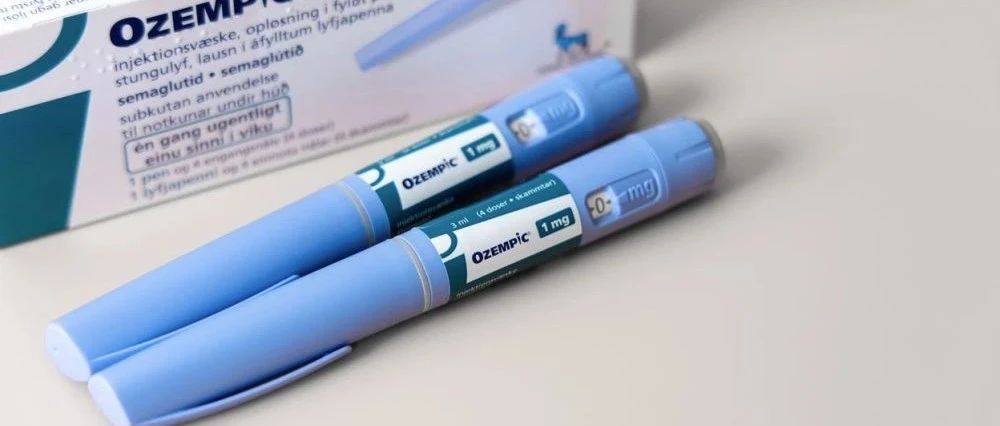
Core Viewpoint - The article discusses the potential drug interactions of Semaglutide, emphasizing the importance of understanding how it may interact with other commonly used medications, which could affect its efficacy or increase the risk of side effects [2][4]. Group 1: Severe Drug Interactions - Semaglutide has significant interactions with several classes of medications, particularly insulin and other diabetes drugs, which may lead to hypoglycemia if used together [5]. - Patients using anticoagulants and antiplatelet drugs, such as Warfarin and Aspirin, should be cautious as these can increase the risk of gastrointestinal bleeding and may alter the absorption and metabolism of Semaglutide [6][7]. - Opioid medications may have moderate interaction risks with Semaglutide, potentially affecting the absorption and elimination of these pain relievers due to delayed gastric emptying [8]. Group 2: Moderate Drug Interactions - Statins, such as Atorvastatin and Simvastatin, may have moderate interaction potential with Semaglutide, possibly affecting their absorption in the intestine [12]. - Hormonal contraceptives may be less effective when used with Semaglutide, increasing the risk of unintended pregnancy [15][16]. - Thyroid medications and certain antiepileptic drugs may require monitoring and potential dosage adjustments when used alongside Semaglutide due to absorption changes [17][18]. Group 3: Over-the-Counter Drug Interactions - Common over-the-counter medications, including NSAIDs and laxatives, may exacerbate gastrointestinal side effects associated with Semaglutide, such as diarrhea and nausea [20][21].
一个新的由生物技术驱动的科技时代,即将来临?
3 6 Ke· 2025-05-07 23:14
Group 1 - The article discusses the unprecedented era of rapid technological change, particularly in fields like artificial intelligence, computer science, and biotechnology, which are shaping the future of medicine [1][2] - Major tech companies such as Amazon, Google, and Microsoft are investing heavily in AI technologies to accelerate breakthroughs in healthcare, with a focus on cloud computing resources and strategic planning [1][2] - The integration of AI and data science is transforming traditional research methods in biology and chemistry, leading to new paradigms in the pharmaceutical industry [1][2] Group 2 - The biotechnology sector has seen impressive growth and innovation, moving from simple gene cloning to precise gene editing on the human genome, which aids in cancer treatment [2][3] - The article highlights the emergence of startups that combine AI and biotechnology, targeting traditional drug development processes to introduce innovative solutions [2][3] - Historical context is provided, tracing the evolution of the pharmaceutical industry from the industrial revolution to the present, emphasizing the role of technological advancements in drug development [3][5] Group 3 - The book explores the historical milestones in biological and computer science innovations that have impacted modern medicine, including the discovery of DNA's structure and the rise of recombinant DNA technology [4][5] - The FDA's approval of methotrexate in 1953 marked a significant advancement in cancer chemotherapy, influencing future research and clinical practices [6] - The narrative connects the historical development of biotechnology with current trends, emphasizing the importance of understanding past innovations to grasp the future of the pharmaceutical industry [7][8] Group 4 - The book outlines the development of AI and its milestones, discussing its applications in healthcare and the challenges faced in clinical settings [9][10] - It emphasizes the role of AI in drug discovery, detailing how computational methods and AI-assisted drug design are paving the way for innovation in the pharmaceutical sector [9][10] - The potential of AI in neuroscience and its implications for medical research are also explored, highlighting the intersection of technology and healthcare [10]