越疆科技

Search documents
中国工程科技发展战略行业研究院(中心)2025年第二期青年学者沙龙(科学猜想专题)通知
机器人圈· 2025-08-12 09:43
Group 1 - The article discusses the establishment of the China Engineering Technology Development Strategic Industry Research Institute and its initiatives to promote innovation among young scholars in the field of engineering technology, particularly focusing on humanoid robots [1] - The second session of the "Young Scholars Salon" will be held in 2025, focusing on the theme of "Exploring the Infinite Possibilities of Humanoid Robots," aiming to foster innovative ideas and collaboration among young talents [1] - The event will feature expert evaluations and guidance, with the goal of identifying and recommending outstanding young scholars to relevant departments and venture capital institutions [1] Group 2 - The event is scheduled from August 22 to August 27, 2025, at Beihang University, with participation limited to scholars aged 35 and below [2] - Activities will include keynote reports from senior experts, team presentations, and in-depth expert feedback to inspire innovation [2] - Participants are required to attend the entire event, and travel expenses will be self-funded [3] Group 3 - Contact information for event inquiries is provided, including two designated teachers for assistance [4] - Additional attachments related to the event, including participant profiles and a detailed agenda, are mentioned [5]

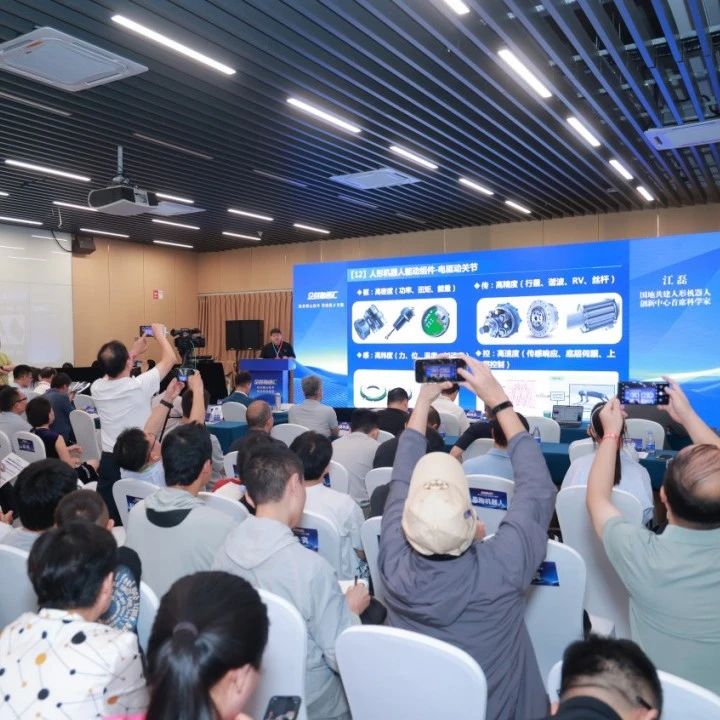
2025企创融通汇具身智能机器人核心部件专场活动圆满闭幕
机器人圈· 2025-08-12 09:43
Core Insights - The event focused on "core technology breakthroughs in embodied intelligence" and attracted over 135,000 online viewers, indicating strong interest in the field [4][29]. - The Chinese Association for Science and Technology aims to enhance the integration of embodied intelligence technology across various sectors, including manufacturing and healthcare, to foster new productive forces [7]. - The event highlighted the importance of autonomous breakthroughs in core components as foundational for building an embodied intelligence industry ecosystem [9]. Group 1: Key Presentations - Jiang Lei discussed the need for the robotics industry to move away from the old model of hardware and software separation, emphasizing the importance of low-cost solutions through digital infrastructure [12]. - Li Wei addressed the challenges faced by agricultural robots, particularly in unstructured environments, and the necessity for embodied intelligence to meet market demands [14]. - Wang Xihong presented on the advancements in high-power density motors, suggesting that innovations in core technologies could significantly enhance industrial competitiveness [18]. Group 2: Collaborative Efforts and Agreements - Experts reached a consensus on establishing a core component technology alliance to tackle key areas such as motors and sensors [34]. - The event facilitated the signing of contracts for 18 outstanding solutions, marking a significant step in transitioning embodied intelligence technology from laboratory settings to industrial applications [31]. - The emphasis was placed on creating a synthetic data sharing platform to reduce training costs for embodied intelligence systems [34]. Group 3: Future Outlook - The event underscored the potential of embodied intelligence to integrate deeply into various industries, becoming a crucial driver of new productive forces [35]. - The vision for the future includes breakthroughs in motor efficiency and seamless integration of physical and digital worlds, leading to a new era where machines better understand the world and humans [35].
具身智能,产业智变新引擎!「2025科技创变者大会」邀您共探产业变革浪潮
机器人圈· 2025-08-12 09:43
Core Viewpoint - The 2025 Technology Innovators Conference focuses on "Embodied Intelligence as a New Engine for Industrial Transformation," emphasizing the industrialization of hard technology and addressing the challenges of bringing technology to market [2][5]. Group 1: Conference Overview - The conference will feature a "three libraries and four chains" service system aimed at matching industry needs, selecting quality technologies, and gathering innovative talent [2]. - It aims to provide a full-chain service model from demand-driven technology matching to capital support and real-world application [2][7]. Group 2: Trends in Embodied Intelligence - Embodied intelligence is emerging as a critical driver for intelligent upgrades across various industries, with significant advancements in humanoid robots and brain-machine interfaces [5][6]. - The past year has shown a clear trajectory in the field, with the coupling of AI brains and physical bodies enabling robots to achieve human-like capabilities in specific environments [6]. - The application of embodied intelligence is expanding into trillion-dollar industries such as automotive manufacturing, medical rehabilitation, and home entertainment [6]. Group 3: Challenges and Opportunities - Despite advancements, challenges remain in technology convergence, vertical scene data, and commercial viability [6]. - China is transitioning from a "follower" to a "leader" in hardware technology and is accelerating in software technology, indicating a significant shift in the global technology race [6]. Group 4: Conference Activities - The conference will include a main forum covering topics like embodied intelligence, humanoid robots, computing power, and core components, with over 500 experts and leaders participating [8]. - A "Star Map" will be released to analyze the evolution of the embodied intelligence supply chain and identify strategic points in future industry landscapes [9]. - The event will facilitate collaboration between leading enterprises and innovators across various sectors, creating a closed-loop value system for scalable solutions [9]. Group 5: Ecosystem and Networking - The conference will bring together over 500 ecosystem partners from high-end manufacturing, consumer services, and top universities, fostering a collaborative environment [12]. - Participants will have opportunities to connect with potential partners, enhancing networking efficiency [13]. Group 6: Media and Public Engagement - The event will feature extensive media coverage, reaching a wide audience through various channels, including participation from over 80 leading global media outlets [14][17]. - Innovative technologies such as bionic hands, humanoid robots, and core components will be showcased, providing attendees with hands-on experiences [16].
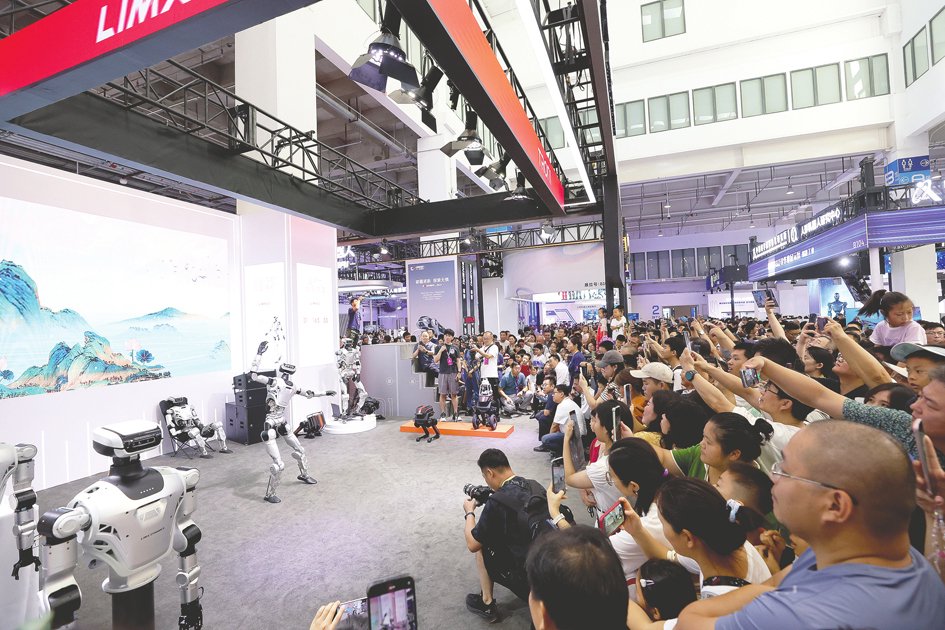
世界机器人大会洞察:机器人智能化进阶,应用场景持续拓展
Bei Ke Cai Jing· 2025-08-12 06:25
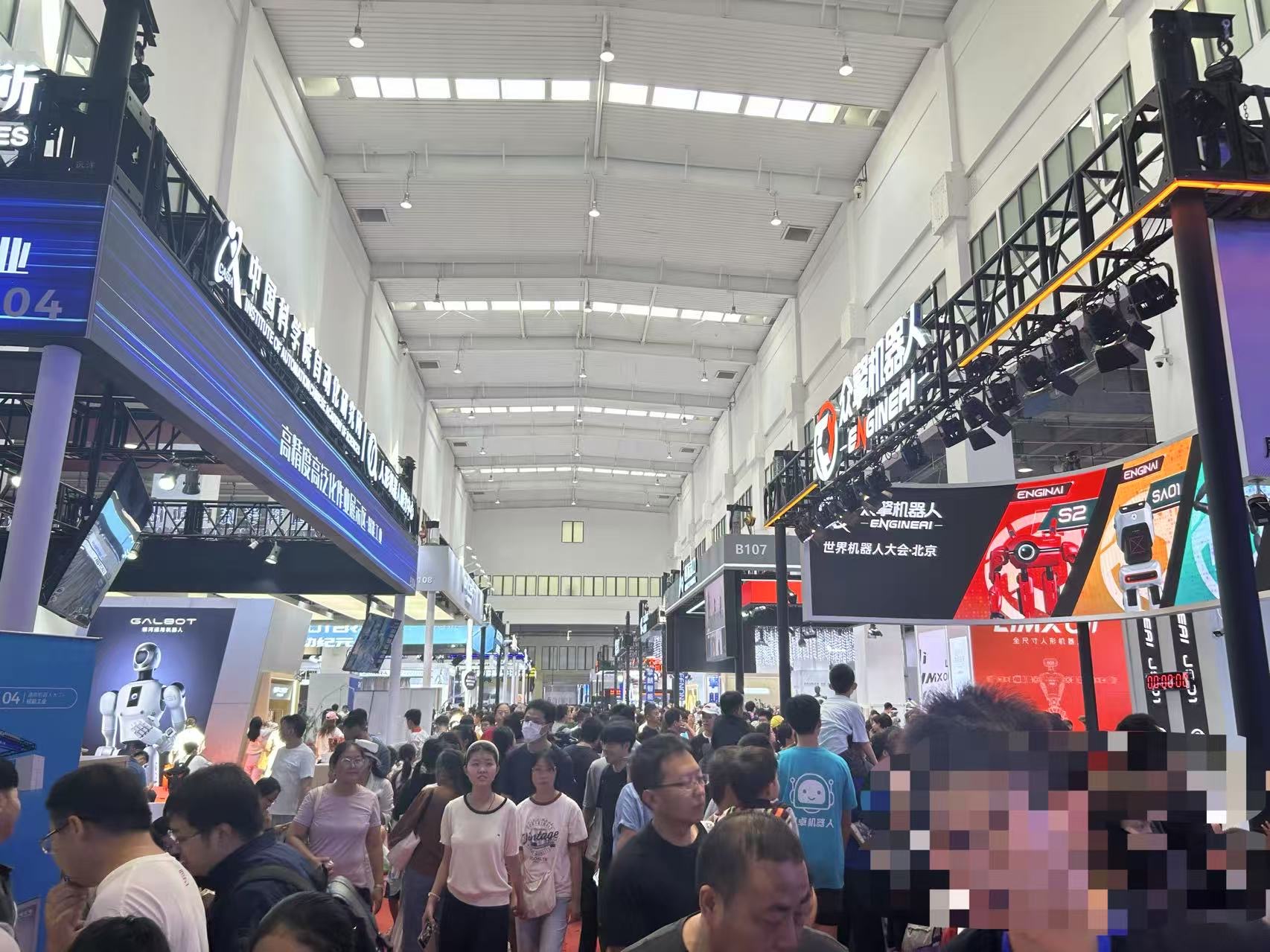
Core Insights - The 2025 World Robot Conference (WRC) held in Beijing focuses on enhancing robot intelligence and physical capabilities, highlighting the growing importance of humanoid robots in various sectors such as manufacturing, logistics, security, and healthcare [1][4][12] - The conference showcases advancements in embodied intelligence and the commercialization of humanoid robots, with companies emphasizing the need for suitable application scenarios to integrate technology and products effectively [4][11] Industry Trends - The application scenarios for humanoid robots are expanding, with companies like Zhiyuan and Qingbao Robotics demonstrating various robots capable of performing tasks in simulated environments, indicating a shift towards practical applications [4][5][10] - The market demand is evolving from experimental research to practical implementation, with a focus on robots solving specific industry pain points and adapting to complex environments [11][12] Technological Developments - Significant advancements in humanoid robot capabilities were showcased, including improved interaction features such as facial expressions and tactile sensing, which enhance user engagement [10][11] - Companies are addressing challenges such as battery life and operational stability, with innovations like automatic battery swapping and enhanced durability being introduced to improve robot reliability [10][11] Investment and Financing - Investment activity in the robotics sector is robust, with companies like Zhongqing Robotics securing nearly 1 billion yuan in funding, indicating strong investor confidence in the industry's growth potential [4][5] Future Outlook - The future of humanoid robots is expected to evolve into a platform-level ecosystem, similar to the development of smartphone ecosystems, emphasizing the importance of supply chain capabilities and customer willingness to pay [12]

8点1氪丨全球首个孕育机器人预计一年内面世;胖东来回应招聘服刑人员;英伟达同意向美国政府“上贡”15%收入
3 6 Ke· 2025-08-12 00:04
Group 1 - LuXiao Technology is planning to issue H-shares and list on the Hong Kong Stock Exchange, with details still under discussion [1] - The global first prototype of a "robot mother" is expected to be launched within a year, priced under 100,000 yuan [2] - The recruitment of ex-offenders by Pang Donglai is based on the belief in human kindness and the importance of reintegration into society [2] Group 2 - NVIDIA and AMD have agreed to pay 15% of their revenue from chip sales in China to the U.S. government in exchange for export licenses [3] - Shenzhen's health commission stated that non-marital births cannot receive childcare subsidies, pending further guidelines from Guangdong province [3] Group 3 - The animated film "Wang Wang Mountain Little Monster" has achieved a box office of over 574 million yuan, setting a record for domestic 2D animated films in China [4][5] - Baichuan Intelligent has released an open-source medical enhancement model Baichuan-M2, scoring 60.1 on HealthBench [18] Group 4 - Di'er Laser reported a net profit of 327 million yuan for the first half of the year, a year-on-year increase of 38.37% [20] - Rihou Optoelectronics achieved a net profit of 45.61 million yuan in the first half of the year, up 37.87% year-on-year [21] - WanHua Chemical's net profit for the first half of the year was 6.123 billion yuan, a decrease of 25.1% year-on-year [24] Group 5 - "New Sound Semiconductor" completed a B+ round financing of nearly 300 million yuan, led by Hongtai Fund [25] - "Gao Future" completed a B++ round financing of over 100 million yuan, focusing on the development of GaN power devices [27] Group 6 - Apple is reportedly preparing to launch a new low-cost MacBook, expected to be priced between $599 and $699 [28][29] - Hydrogen Source Intelligent has launched the world's first AI drone with L4-level autonomous flight capabilities [29]




剧透未来:机器人走向实用主义
Bei Jing Shang Bao· 2025-08-11 16:39
Group 1 - The core viewpoint of the articles emphasizes the transformation of the robotics industry from high-cost, limited-use cases to more accessible, cost-effective solutions for small and medium enterprises and households, driven by mass production and improved supply chains [1][6][8] - The evolution of robots is moving from mere technical demonstrations to reliable problem-solving capabilities, with a focus on user needs and sustainable business models [2][7] - The robotics industry is experiencing a shift in commercial logic, moving from a technology-driven approach to one that emphasizes value creation and specific industry applications [7][10] Group 2 - The cost of robots is decreasing significantly due to mass production, with examples such as the T1 robot priced at 199,000 yuan and the K1 at 88,000 yuan, making automation accessible to more businesses [6][10] - Different commercial scenarios are showing varied adoption rates, with standardized processes in factories leading the way, while complex environments like home services are still in exploratory phases [3][4] - The integration of hardware and software is crucial for the practical application of robotics, with companies focusing on iterative improvements and real-world testing to enhance reliability [5][6] Group 3 - The market for robotics is projected to grow significantly, with a focus on specific applications such as cooking robots that complement human chefs rather than replace them, achieving high efficiency and customer satisfaction [10][11] - The development of versatile robotic hands is highlighted as a key advancement, with companies exploring various forms and functionalities to meet diverse operational needs [11][12] - The overall trend indicates a shift towards a multi-faceted approach in robotics, where different forms and functionalities are tailored to specific tasks, enhancing operational efficiency and effectiveness [11][12]
技术蝶变:机器人当打之年不靠“花拳绣腿”
Bei Jing Shang Bao· 2025-08-11 14:11
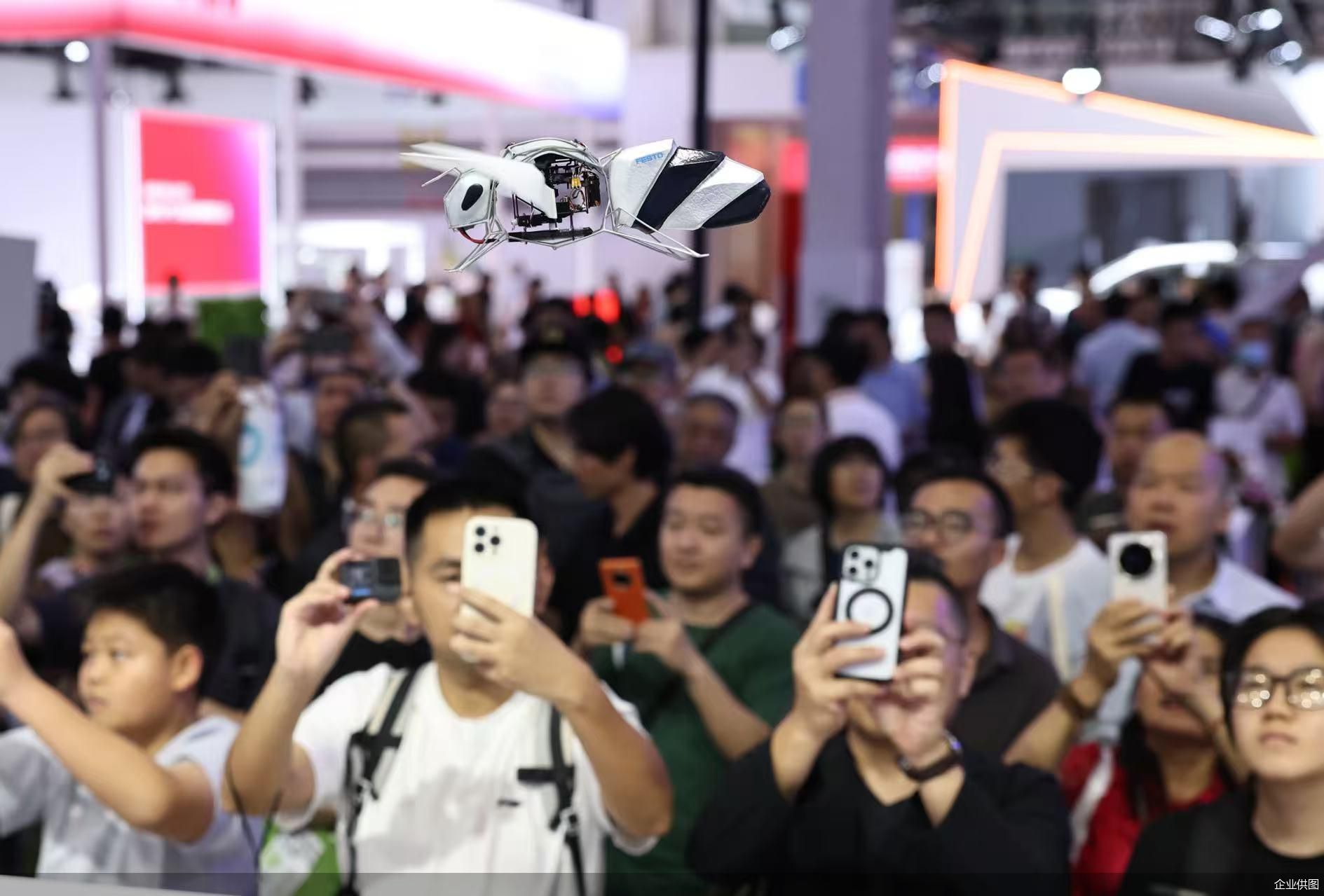
Group 1 - The core viewpoint of the articles highlights the evolution of the robotics industry, transitioning from mere technological demonstrations to practical applications that solve real-world problems [1][3][8] - The introduction of bionic robots, such as Festo's flying bees, showcases advancements in autonomous flight and obstacle avoidance, indicating a shift towards more sophisticated robotic capabilities [1][8] - The trend of robots evolving from tools to intelligent partners is emphasized, with companies focusing on understanding user needs and creating adaptable solutions [2][7] Group 2 - Cost reduction through mass production is making robots more accessible to small and medium enterprises, similar to the transition of mobile phones from luxury items to everyday products [2][6] - The robotics industry is experiencing a shift in commercial logic, moving from a technology-driven approach to one that emphasizes value creation and specific industry applications [6][7] - The development of robots is increasingly aligned with practical needs, with companies focusing on specific scenarios and user requirements rather than just advanced technology [2][7] Group 3 - The robotics market is witnessing a clear stratification in application scenarios, with standardized processes in factories leading the way for efficiency gains [4][5] - Complex environments, such as household tasks, present significant challenges, indicating that the industry is still in the exploratory phase for certain applications [5][6] - The integration of hardware and software, along with a focus on specific industry needs, is crucial for the successful deployment of robots in various settings [7][8] Group 4 - The pricing of humanoid robots is decreasing significantly, with examples such as the T1 robot priced at 199,000 yuan and the K1 at 88,000 yuan, making automation more affordable [6] - The maturity of the domestic supply chain is contributing to the reduction in production costs, allowing for more competitive pricing in the robotics market [6][7] - The industry is moving towards a model where robots are not just generalists but specialists tailored to specific applications, enhancing their effectiveness in targeted scenarios [7][8]
世界机器人大会|技术蝶变:机器人当打之年不靠“花拳绣腿”
Bei Jing Shang Bao· 2025-08-11 13:55
Core Insights - The robotics industry is experiencing a transformation from conceptualization to practical application, with advancements in technology, cost reduction through mass production, and innovative use cases driving this change [4][8][10] Technological Advancements - Breakthroughs in robotics are moving from laboratory demonstrations to real-world applications, with capabilities that were once considered "black technology" now becoming stable and usable [2][5] - The evolution of robots is shifting from mere tools to intelligent entities capable of complex tasks, requiring upgrades in algorithms, perception models, and motion planning [2][5] Cost Reduction and Accessibility - Mass production is leading to a decrease in costs, making robots more accessible to small and medium enterprises as well as households, similar to the transition of smartphones from luxury items to consumer goods [3][8] - The price of humanoid robots is significantly dropping, with examples such as the T1 model priced at 199,000 yuan and the K1 model at 88,000 yuan, making automation affordable for more businesses [8] Commercial Logic and Market Adaptation - The robotics industry is moving away from a focus solely on advanced technology to understanding actual user needs and sustainable profitability, allowing robots to adapt to specific scenarios and work alongside humans [3][9] - Companies are developing specialized robots for particular industries rather than aiming for a one-size-fits-all solution, indicating a shift towards creating value through tailored applications [9] Application in Various Scenarios - Standardized environments, such as factory assembly lines, are seeing rapid adoption of robotic solutions due to clear demands and the ability to match technology precisely [6] - Complex environments, like household tasks and outdoor operations, present challenges that require ongoing adaptation and testing, highlighting the need for iterative development [7] Future Market Potential - The convergence of technological breakthroughs, practical applications, and redefined business models is expected to unlock a trillion-dollar market, indicating significant growth potential for the robotics industry [10]
越疆郎需林:让具身智能机器人先“上岗位”再进生活
2 1 Shi Ji Jing Ji Bao Dao· 2025-08-11 13:16
Group 1 - The core viewpoint is that humanoid robots, like DOBOT Atom, are beginning to explore applications in industrial, commercial, and household scenarios, with a focus on low-speed, high-frequency, and essential commercial tasks [1][2] - The initial deployment of humanoid robots will be in clearly defined and controllable environments, such as pharmacy logistics, retail guidance, and park inspections, which are suitable for early-stage technology [1] - The transition from industrial to humanoid robots is seen as an evolution towards more complex systems, emphasizing flexibility and adaptability rather than rigid constraints [1] Group 2 - The industry is predicted to evolve into a platform-level ecosystem for humanoid robots, mirroring the development trajectory of smartphones, with hardware manufacturers igniting interest followed by differentiated AI models and applications [2] - The DOBOT platform is positioned as a "robotic Android system," allowing compatibility across various robot types through a unified algorithm base, which lowers development barriers for developers [2] - The expectation is that within the next decade, every household will have a robot, similar to common household appliances, emphasizing accessibility and usability [2]
撕掉“花瓶”标签! 人形机器人商业化元年来了
Mei Ri Jing Ji Xin Wen· 2025-08-11 12:46
Core Insights - The 2025 World Robot Conference held in Beijing showcased over 1,500 exhibits from more than 200 companies, emphasizing the theme of making robots smarter and more intelligent [1][3] - The commercial breakthrough of humanoid robots is evident as companies like UBTECH, ZhiYuan Robotics, and YuShu Technology secured significant contracts, indicating strong market demand in sectors like automotive and logistics [3][4] Industry Developments - Humanoid robots have transitioned from experimental applications to real industrial scenarios, with expectations of significant changes in shipment volumes and the emergence of large enterprises within 3 to 5 years [3][4] - The pricing of humanoid robots has become more transparent, with prices ranging from tens of thousands to nearly a million yuan, reflecting a shift from "no market" to actual sales [4][5] - The establishment of the world's first humanoid robot 4S store, featuring over 100 products from more than 40 manufacturers, marks a significant milestone in the commercialization of humanoid robots [4] Market Trends - There is a notable increase in smaller orders for service applications as prices decrease, with companies exploring various business models, including leasing [5][6] - The launch of a robot-operated restaurant during the conference highlights the growing integration of humanoid robots in service industries [6] Company Strategies - Different companies are targeting various market segments, with some focusing on industrial applications while others cater to service scenarios [7][8] - The path to household applications for humanoid robots is still seen as a long-term goal, with estimates suggesting it may take at least another decade due to the complexity of home environments [8][9] Challenges and Opportunities - The industry faces challenges related to AI development and data training, which are critical for advancing humanoid robot capabilities [13][14] - The potential for humanoid robots to fill labor gaps in factories is significant, especially in tasks that require flexibility and adaptability [9][10] - The need for a more optimized supply chain and cost reduction is essential for making humanoid robots more accessible to consumers [14]