
康诺亚

Search documents
创新药系列研究:自免疗法迈向双抗、多抗时代
Huachuang Securities· 2025-08-01 07:40
Investment Rating - The report indicates a positive outlook for the autoimmune therapy market, suggesting significant growth potential and investment opportunities in the sector [8]. Core Insights - The autoimmune market is the second largest after oncology, with a global market size of $132.3 billion in 2022, projected to reach $176.7 billion by 2030, reflecting a compound annual growth rate (CAGR) of 3.68% from 2022 to 2030 [8]. - The report highlights the potential for multi-target interventions to enhance treatment efficacy in autoimmune diseases, transitioning from monoclonal antibodies to bispecific and multispecific antibodies [19]. - The report emphasizes the significant market space for autoimmune therapies in China, where the autoimmune market size was only $2.9 billion in 2022, representing just 8% of the oncology market size of $34.7 billion, indicating substantial room for growth [8]. Market Overview - The global autoimmune drug market is expected to grow significantly, with the market size projected to increase from $1,323 million in 2022 to $1,767 million by 2030 [8]. - The report provides a detailed analysis of various autoimmune diseases, their prevalence, and the corresponding patient populations globally, including conditions like atopic dermatitis, chronic obstructive pulmonary disease, and rheumatoid arthritis [6][11]. Clinical Research Progress - The report outlines advancements in clinical research for dual-target and multi-target therapies, indicating a shift towards more effective treatment options for complex autoimmune diseases [19][22]. - It discusses the development of several blockbuster monoclonal antibody drugs in the autoimmune sector, with projected sales for top drugs in 2024, including Dupilumab at $14.15 billion and Risankizumab at $11.72 billion [9]. Key Companies to Watch - The report identifies key companies involved in the development of autoimmune therapies, including Sanofi, AbbVie, and Johnson & Johnson, highlighting their leading products and market positions [9][25].



创新药赛道一骑绝尘 多只“翻倍基”涌现 基金经理:超额收益并非短期现象
Zhong Guo Zheng Quan Bao· 2025-08-01 00:40
7月31日,多只前期表现强势的创新药ETF有所回调。拉长时间来看,创新药主题ETF仍然是近期全市 场回报率较高的一类ETF产品。Wind数据显示,截至7月31日,来自华泰柏瑞基金、万家基金、汇添富 基金旗下的港股创新药主题ETF今年以来回报率均超过100%。 有业内人士认为,下一阶段创新药领域有望迎来"1-10"的爆发阶段,更多创新药产品在国内上市放量, 同时海外市场会出现代表性新药。相关板块投资正经历从"防御性配置"向"进攻性赛道"的范式转换。但 是,创新药板块的普涨行情不可能持续,后续的超额收益取决于投资者的认知和对信息的解读能力,真 正有创新能力的创新药企才能吸引到资金的青睐。 多只创新药"翻倍基"涌现 医药板块在经过数年的调整之后,今年以来表现不俗。以7月29日的数据为例,创新药板块行情火热, 多只相关主题基金单日净值增长率超4%。Wind数据显示,当日已有6只ETF今年以来涨幅超过100%, 均为创新药主题产品。公开资料显示,这6只ETF来自汇添富基金、华泰柏瑞基金、景顺长城基金、广 发基金、银华基金、万家基金6家公募机构。 在7月30日和7月31日,创新药板块出现分化,部分创新药主题ETF出现一定 ...
创新药赛道一骑绝尘 基金经理:超额收益并非短期现象
Zhong Guo Zheng Quan Bao· 2025-07-31 21:13
Group 1 - The core viewpoint is that the innovative drug sector is experiencing a significant growth phase, with expectations for a "1-10" explosive stage as more innovative drugs are launched domestically and representative new drugs appear in overseas markets [1][3] - Innovative drug ETFs have shown strong performance, with several funds achieving over 100% returns this year, indicating a robust interest in this sector [1][2] - The investment landscape is shifting from defensive to offensive strategies, with innovative drugs being viewed as a growth line that can withstand market cycles [3][4] Group 2 - Fund managers express optimism about the potential for excess returns in the innovative drug sector, anticipating a long harvest period starting from 2025 [3][4] - The innovative drug sector is characterized by high investment, long cycles, and intense competition, which may lead to valuation bubbles if not carefully managed [5][6] - Evaluating innovative drug companies should focus on global competitiveness and domestic commercialization capabilities, with an emphasis on strategic partnerships and market positioning [7]
基金经理:超额收益并非短期现象
Zhong Guo Zheng Quan Bao· 2025-07-31 21:02
Group 1 - The core viewpoint of the articles highlights the strong performance of innovative drug ETFs, with several funds achieving over 100% returns this year, indicating a significant interest in the sector [1][2][3] - The innovative drug sector is transitioning from a defensive investment strategy to an offensive growth strategy, driven by policy support, international breakthroughs, and increased capital inflow [3][4] - Fund managers express optimism about the long-term growth potential of innovative drugs, anticipating a harvest period starting from 2025, following a decade of investment [2][4] Group 2 - Several innovative drug ETFs have shown remarkable performance, with three specific ETFs achieving over 100% returns as of July 31 [2] - The active equity funds focused on innovative drugs have also seen rapid growth, with one fund exceeding 140% returns since the beginning of the year [2] - Despite the positive outlook, there are concerns about potential valuation bubbles in the innovative drug sector, as increased funding may overlook the inherent risks and challenges of drug development [3][4] Group 3 - The innovative drug sector is expected to experience a "Davis Double Play" effect, benefiting from policy dividends and improved global competitiveness [3] - The assessment of innovative drug companies should focus on their global competitiveness and domestic commercialization capabilities, with a preference for products ranked among the top three globally [4] - Companies need to balance pipeline advancement with cash flow management and enhance their research efficiency to navigate the competitive landscape effectively [3][4]
麦济生物港股IPO豪赌:让出 MG-K10 商业化权,靠分成续命,现金仅够烧16个月
Sou Hu Cai Jing· 2025-07-31 02:08
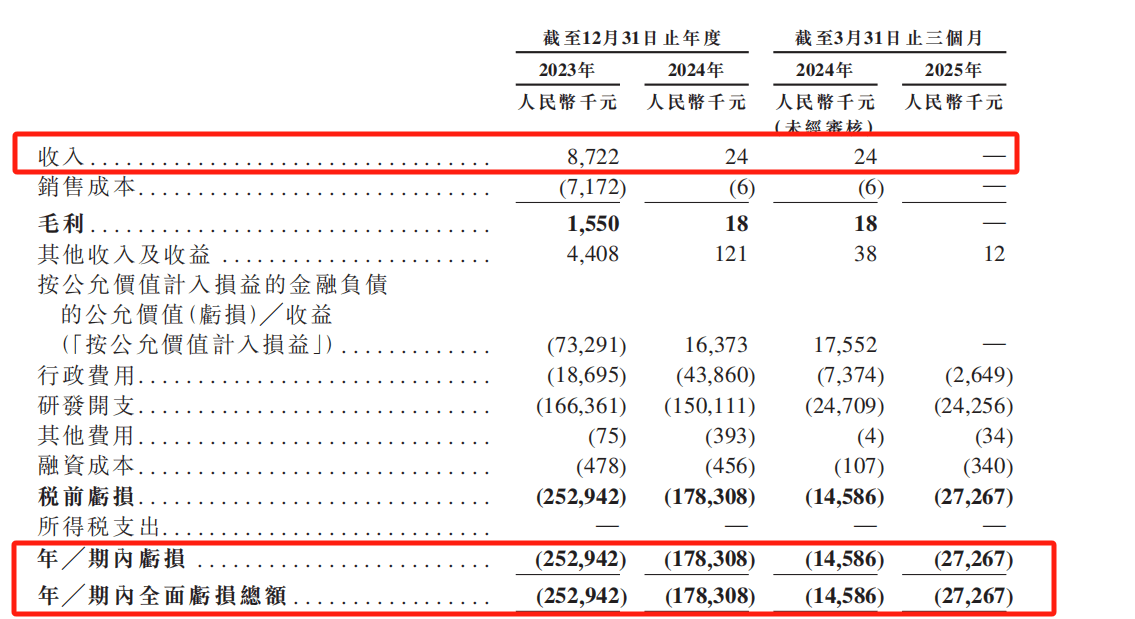
Core Viewpoint - Hunan Maijizhi Biotechnology Co., Ltd. (referred to as "Maijizhi") is seeking to go public on the Hong Kong Stock Exchange under the "18A" rule, with a valuation of 2.64 billion RMB, driven by its core product MG-K10's promising Phase III clinical data for atopic dermatitis and asthma, despite facing significant competition and financial challenges [1][8]. Financial Performance - Maijizhi reported revenues of 8.72 million RMB in 2023, 24,000 RMB in 2024, and no revenue in the first quarter of 2025, with net losses of 252.94 million RMB, 178.31 million RMB, and 27.27 million RMB respectively [2][3]. - The company has incurred a total of 316 million RMB in research and development expenses and 430 million RMB in cumulative losses [1][2]. - As of March 31, 2025, Maijizhi had cash and cash equivalents of 70.8 million RMB, which would sustain operations for approximately 16 months at the current burn rate [2]. Product Pipeline and Market Competition - Maijizhi's product pipeline includes eight candidate products, with three in clinical stages, but none have been commercially approved yet [5]. - MG-K10, a long-acting anti-IL-4Rα monoclonal antibody, is currently undergoing four Phase III clinical trials in China, with a potential market size of 23.8 billion RMB by 2032 if it captures a 25% market share [5][6]. - The competitive landscape is intense, with 62 similar drugs in clinical stages globally, including nine anti-IL-4R monoclonal antibodies, posing significant market entry challenges for MG-K10 [6]. Strategic Partnerships - To alleviate financial pressure, Maijizhi entered into an agreement with Kangzhe Pharmaceutical in January 2025, granting exclusive commercialization rights for MG-K10 in China and Singapore, with an upfront payment of "hundreds of millions" RMB [2][4]. - The partnership's revenue model is based on low upfront payments and significant milestone payments, indicating a reliance on Kangzhe's established distribution channels for long-term market returns [4]. IPO and Valuation Challenges - Maijizhi's valuation has surged from 5 million RMB at inception to 2.64 billion RMB, driven by seven rounds of financing totaling over 700 million RMB, but this growth is contingent on stringent performance clauses [8][9]. - The company faces a potential buyback obligation exceeding 300 million RMB if it fails to go public by the end of 2026, emphasizing the urgency of its IPO [8][9]. Management and Operational Concerns - The management team, primarily composed of individuals with technical backgrounds from Sanofi, lacks commercial experience, raising concerns about operational effectiveness [7]. - The reliance on Kangzhe for sales and marketing, combined with a lack of in-house sales capabilities, could limit future profit margins [7]. Conclusion - The future of Maijizhi hinges on the success of MG-K10's Phase III clinical trials, the competitive landscape, and market acceptance, making the upcoming IPO a critical step in securing necessary funding for continued operations and development [10].

7月30日中银创新医疗混合A净值下跌1.45%,近1个月累计上涨20.54%
Sou Hu Cai Jing· 2025-07-30 13:46
Core Insights - The latest net value of Zhongyin Innovation Medical Mixed A Fund (007718) is 2.2349 CNY, reflecting a decline of 1.45% [1] - The fund has shown a one-month return of 20.54%, ranking 164 out of 4631 in its category; a six-month return of 88.98%, ranking 20 out of 4484; and a year-to-date return of 85.73%, ranking 27 out of 4447 [1] Fund Holdings - The top ten stock holdings of Zhongyin Innovation Medical Mixed A Fund account for a total of 62.83%, with the following allocations: - Innovent Biologics (8.33%) - Kelun-Biotech (8.15%) - Hengrui Medicine (8.08%) - CanSino Biologics (8.07%) - Sinovac Biotech (6.13%) - Baillie Gifford (5.99%) - BeiGene (5.97%) - Hansoh Pharmaceutical (4.15%) - Rongchang Biologics (4.05%) - CanSino-B (3.91%) [1] Fund Manager Profile - Zheng Ning, the fund manager of Zhongyin Innovation Medical Mixed A Fund, has a background in finance with a master's degree and has held positions at various asset management companies, including as a stock research manager at Taikang Asset Management and a senior researcher at Zhonggeng Fund Management [2] - Zheng Ning has been managing the Zhongyin Innovation Medical Mixed A Fund since July 1, 2022, and has also taken on management roles for other funds within the company [2]

默沙东、GSK抢着买慢病新药,哪些公司还有BD机会?|焦点分析
3 6 Ke· 2025-07-30 09:05
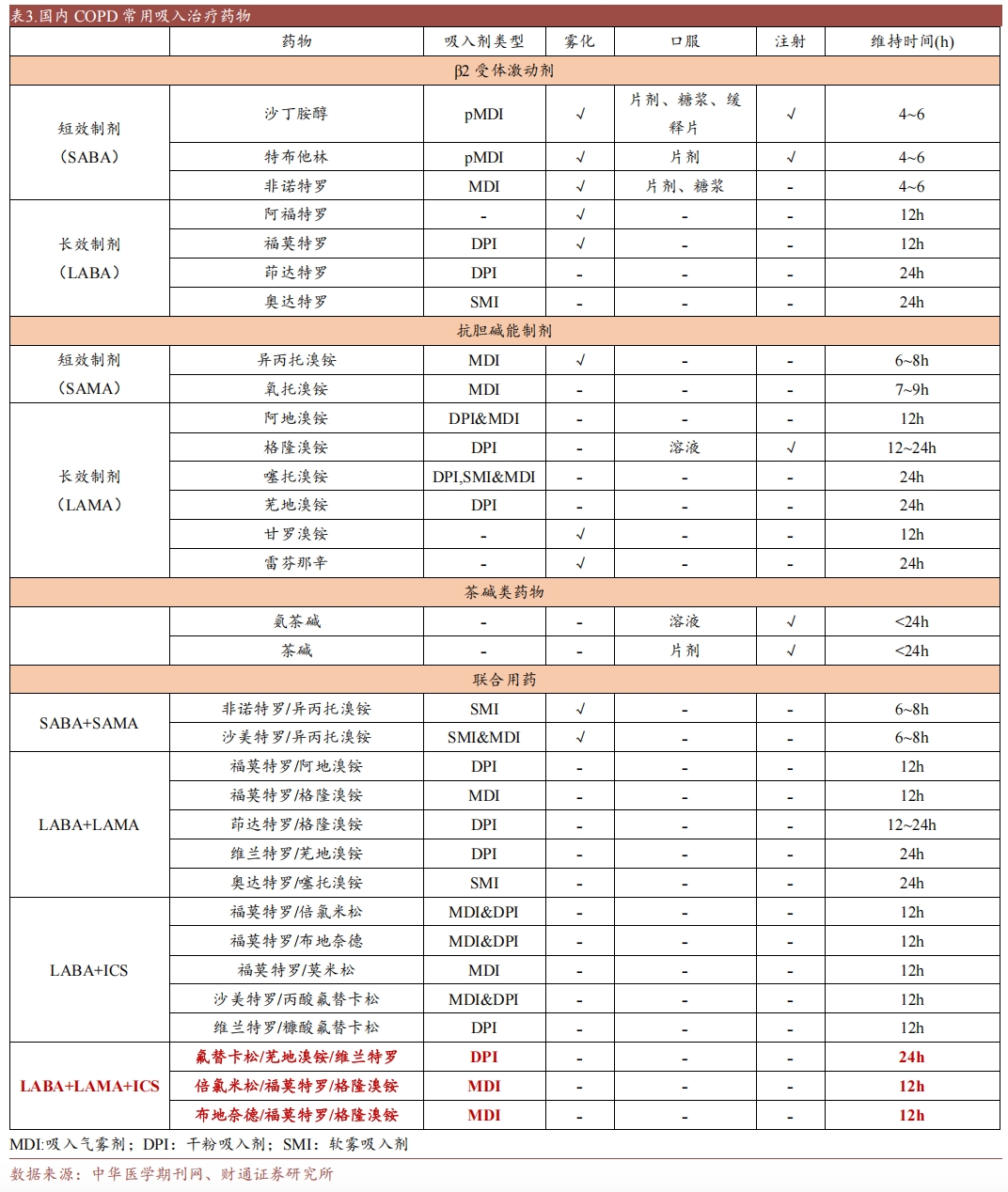
Core Viewpoint - The recent $5 billion upfront payment by GSK for the overseas rights of HRS-9821 and 11 innovative projects from Heng Rui Pharmaceutical highlights the growing interest and potential in the COPD treatment market, which has seen little innovation for over a decade [1][2]. Group 1: Market Dynamics - The global COPD market is projected to exceed $20 billion by 2024, with HRS-9821 being a significant new entrant after a long period without new mechanisms [1][5]. - The approval of Ensifentrine, a PDE3/4 inhibitor, has revitalized interest in COPD treatments, demonstrating a 36%-43% reduction in acute exacerbation rates [5][6]. - The transaction indicates a shift in focus for Chinese pharmaceutical companies towards common and chronic diseases, revealing untapped value in the respiratory drug market [2][3]. Group 2: Competitive Landscape - Major players in the COPD treatment market include AstraZeneca, GSK, and Boehringer Ingelheim, which have historically dominated with LABA, LAMA, and ICS therapies [3][5]. - The success of PDE3/4 inhibitors is expected to prompt other pharmaceutical companies to explore similar pathways, with companies like Zhengda Tianqing and Haisco making significant progress in their own PDE3/4 inhibitor developments [9][10]. - The market is witnessing a potential consolidation of opportunities, with Chinese companies likely to dominate the remaining PDE3/4 development space [7][9]. Group 3: Future Opportunities - The complexity of COPD's pathophysiology suggests that while PDE3/4 inhibitors are promising, they will not be the only future players, as biologics targeting different mechanisms are also emerging [10][11]. - New therapeutic approaches, including cell therapies and biologics targeting TSLP, are being explored, indicating a diversification in treatment options for COPD [12][14]. - The anticipated market for COPD treatments may evolve into a tiered selection model, where traditional therapies provide foundational care while innovative products address more challenging cases [14].



中国创新药:出海黄金时代,游到海水变蓝
2025-07-30 02:32
Summary of Key Points from the Conference Call Industry Overview - The Chinese innovative pharmaceutical industry is experiencing a significant enhancement in strength, with its share of global first-in-class drugs increasing to 19% [7] - Multinational corporations (MNCs) are facing a severe patent cliff, with major companies like Merck, AbbVie, and BMS having over 60%, 58%, and 69% of their 2024 revenues coming from drugs facing patent expiration within the next five years [8][9] - MNCs are actively seeking business development (BD) transactions to address these challenges, with strong cash reserves available for such activities [10] Business Development Trends - The trend of Chinese innovative drugs going global is robust, driven by the strengthening capabilities of Chinese companies and the impending patent cliffs faced by MNCs [2] - MNCs are expected to engage in more BD transactions, particularly in the second half of 2025 and into 2026, as they seek to replenish their pipelines [2] Oncology Sector Insights - The oncology field is shifting from PD-1 combined with chemotherapy to next-generation immuno-oncology (IO) and antibody-drug conjugates (ADC) [3] - Potential MNC buyers in this space include AstraZeneca, Pfizer, and Merck, all of which are looking to enhance their portfolios with next-generation IO and ADC assets [3] Metabolic Disease Developments - The metabolic field is evolving from merely focusing on weight loss to comprehensive metabolic management, including fat reduction and muscle preservation [4][5] - Companies like Novo Nordisk and AstraZeneca are exploring oral medications and multi-target approaches in this area [4] Immune and Inflammatory Disease Innovations - New directions in the immune and inflammation sector include novel targets and engineering innovations, with significant investments from companies like AbbVie and Sanofi [6] - Emerging targets such as TL1a are attracting substantial investments, indicating a strong interest in this area [20] Market Position of Chinese Innovative Drugs - Chinese innovative drug companies have made significant strides in global markets, with improved clinical data quality and increased academic recognition [7] - The presence of Chinese companies in the oncology sector is growing, with several projects in advanced stages of development [14] MNC Strategies for BD Transactions - MNCs are focusing on four main strategies for BD transactions: consolidating core areas, entering new fields, exploring opportunities, and investigating new technologies [11] - The willingness of MNCs to invest in promising assets at the preclinical stage is evident, particularly in high-potential areas like TL1a [20] ADC and TCE Technology Developments - The ADC field is characterized by a tiered approach, with MNCs diversifying their portfolios across various targets [15] - T-cell engagers (TCE) are being developed for blood cancers and autoimmune diseases, with ongoing clinical trials showing promising results [16] Conclusion - The ongoing trends in the Chinese pharmaceutical industry, coupled with the challenges faced by MNCs, are creating a fertile ground for increased collaboration and investment opportunities in the global market [29]

7月28日中银创新医疗混合C净值增长3.54%,近6个月累计上涨78.16%
Sou Hu Cai Jing· 2025-07-28 12:19
Group 1 - The core viewpoint of the news is the performance and holdings of the Zhongyin Innovation Medical Mixed Fund C, which has shown significant growth in recent months and year-to-date [1] - As of July 28, 2025, the latest net value of the fund is 2.1588 yuan, reflecting a growth of 3.54% [1] - The fund's one-month return is 10.73%, ranking 707 out of 4764 in its category, while its six-month return is 78.16%, ranking 26 out of 4579 [1] - Year-to-date, the fund has achieved a return of 75.89%, also ranking 26 out of 4542 in its category [1] Group 2 - The top ten stock holdings of the Zhongyin Innovation Medical Mixed Fund C account for a total of 62.83%, with significant positions in companies such as Innovent Biologics (8.33%), Kelun-Biotech (8.15%), and Hengrui Medicine (8.08%) [1] - The fund was established on October 30, 2020, and as of June 30, 2025, it has a total scale of 2.686 billion yuan [1] - The fund manager, Zheng Ning, has a background in stock research and has held various positions in asset management companies before joining Zhongyin Fund Management in 2022 [2]
7月28日汇添富医疗积极成长一年持有混合A净值增长4.14%,近6个月累计上涨64.72%
Sou Hu Cai Jing· 2025-07-28 11:56
Group 1 - The core viewpoint of the news is the performance and holdings of the Huatai-PineBridge Medical Active Growth One-Year Holding Mixed Fund A, which has shown significant growth in various time frames [1] - As of June 30, 2025, the fund's latest net value is 0.8101 yuan, reflecting a growth of 4.14% [1] - The fund has achieved a one-month return of 21.65%, a six-month return of 64.72%, and a year-to-date return of 63.33%, with respective rankings of 296 out of 4764, 63 out of 4579, and 72 out of 4542 in its category [1] Group 2 - The top ten stock holdings of the fund account for a total of 61.79%, with significant positions in companies such as Sanofi (10.07%), Innovent Biologics (8.94%), and Kelun-Biotech (8.71%) [1] - The fund was established on August 21, 2020, and as of June 30, 2025, it has a total scale of 1.922 billion yuan [1] - The fund manager is Zheng Lei, who has extensive experience in the medical and healthcare investment sector [2]
