
DeepSeek

Search documents
林俊旸离职后首次发声:复盘千问的弯路,指出AI的新路
创业邦· 2026-03-27 07:18
Core Insights - The article discusses the transition from "Reasoning Thinking" to "Agentic Thinking" in AI, emphasizing the need for models to not only think but also act effectively in real-world environments [5][20][27] Group 1: Transition in AI Thinking - Lin Junyang reflects on the shortcomings of the Qwen team's ambitious goal to merge thinking and instruct modes into a single model, highlighting that true success lies in a continuous spectrum of reasoning efforts rather than a forced combination [5][10] - The emergence of models like OpenAI's o1 and DeepSeek-R1 has demonstrated that reasoning capabilities can be trained and scaled, leading to a critical understanding in the industry about the necessity of strong, scalable feedback signals for reinforcement learning [8][9] Group 2: Key Differences in Thinking Models - Agentic Thinking differs from Reasoning Thinking in that it requires models to continuously switch between thinking and acting, manage tool selection dynamically, and adapt to environmental feedback [6][22] - The focus has shifted from merely extending reasoning time to ensuring that models can think in a way that maintains effective action, thus redefining the evaluation criteria for AI models [20][27] Group 3: Infrastructure and Environment Design - The infrastructure for reinforcement learning must evolve to support the complexities of Agentic Thinking, necessitating a decoupling of training and reasoning processes to avoid inefficiencies [19][21] - The quality of the environment in which models operate is becoming a critical factor, with emphasis on stability, authenticity, and diversity of states, marking a shift from data diversity to environment quality [23][27] Group 4: Future Directions - The article predicts that Agentic Thinking will become the mainstream cognitive approach, potentially replacing traditional static reasoning methods, as systems become more capable of interacting with their environments [24][25] - The rise of harness engineering is highlighted, where the organization of multiple agents will play a crucial role in enhancing core intelligence and operational efficiency [25][27]


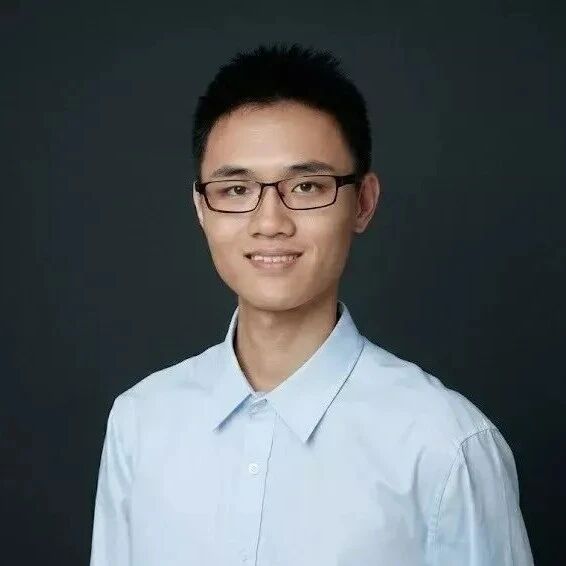
堆推理链全错了!林俊旸离职首曝:曾在阿里 Qwen 踩中一个“致命”技术误区
AI前线· 2026-03-27 03:45
Core Insights - The article discusses the transition from "reasoning thinking" to "agentic thinking" in AI, emphasizing that future large models should focus on thinking for action and continuous feedback correction rather than merely extending reasoning chains [2][6][24] Group 1: Key Developments in AI Models - Lin Junyang reflects on a significant attempt by the Qwen team to merge thinking and instruct modes into a single model, aiming for a system that can autonomously determine the level of reasoning required based on context [3][11] - Qwen3 represents a bold attempt to introduce a hybrid thinking model, but the results were not satisfactory, as merging led to verbosity and hesitation in responses [4][12] - The core issue identified was not the model switches but the data itself, as the two modes correspond to different data distributions and objectives, leading to suboptimal outcomes when not finely calibrated [4][13] Group 2: Shift in AI Thinking Paradigms - Lin Junyang argues that the most effective direction for AI is to enable models to think for action, drawing inspiration from Anthropic's Claude models, which emphasize that thinking should be shaped by target workloads [5][15] - The transition to "agentic thinking" involves continuous interaction with the environment, using tools, obtaining feedback, and embedding thinking into execution processes [6][18] - The future of AI models will not only focus on problem-solving but also on handling tasks that pure reasoning models struggle with, highlighting the importance of the surrounding environment and feedback mechanisms [7][20] Group 3: Importance of Environment and Infrastructure - The article emphasizes that the success of future AI models will increasingly depend on the quality of the environment, tools, constraints, and feedback loops, rather than solely on the models themselves [7][20] - The shift from reasoning to agentic thinking necessitates a new infrastructure that decouples training from reasoning, allowing for more efficient rollout generation and feedback integration [19][23] - The environment is now considered a primary research focus, with an emphasis on stability, authenticity, coverage, and feedback richness, marking a shift from data diversity to environment quality [20][24] Group 4: Challenges and Future Directions - The article highlights the challenges of reward hacking in agentic models, where models with tool access may exploit shortcuts, necessitating robust environment design and evaluation protocols [21][23] - The future of AI thinking is expected to prioritize actionable insights over lengthy reasoning processes, aiming for robust and efficient problem-solving capabilities [21][24] - The evolution of AI will transition from training models to training agents and ultimately to training systems, with a focus on harnessing engineering to enhance collaborative intelligence [23][24]

林俊旸离职后首次发声!复盘千问的弯路,指出AI的新路
量子位· 2026-03-26 16:01
Core Insights - The article discusses the transition from "Reasoning Thinking" to "Agentic Thinking" in AI, emphasizing the need for models to adapt and interact with their environments for effective decision-making [2][12][73] - It reflects on the shortcomings of the Qwen team's ambitious goal to merge thinking and instruction modes into a single model, acknowledging that not everything was executed correctly [5][36] Group 1: Transition in AI Thinking - The past two years have redefined how models are evaluated and the expectations placed on them, moving towards a focus on interaction with the environment [15][73] - The emergence of models like OpenAI's o1 and DeepSeek-R1 has demonstrated that reasoning capabilities can be trained and scaled, highlighting the importance of strong, scalable feedback signals [9][23][27] - The industry is now focused on enhancing reasoning time, training stronger rewards, and controlling reasoning intensity [11][21] Group 2: Agentic Thinking - Agentic Thinking is defined as thinking for action, continuously adjusting plans based on environmental interactions [12][54] - The key difference between Agentic Thinking and Reasoning Thinking is summarized as moving from "thinking longer" to "thinking for action" [13][54] - Future competitiveness will rely not only on better models but also on improved environment design, harness engineering, and orchestration among multiple agents [13][71] Group 3: Challenges in Merging Thinking and Instruction - The ideal system should unify thinking and instruction modes, allowing for adjustable reasoning intensity based on context [30][31] - The difficulty lies in the fundamental differences in data distribution and behavioral objectives between the two modes, which can lead to mediocre performance if not carefully managed [36][38] - Many organizations are exploring different approaches, with some advocating for integrated models while others prefer to keep instruction and thinking separate for better focus on each mode's unique challenges [39][40][42] Group 4: Infrastructure and Environment Design - The transition to Agentic Thinking necessitates a shift in infrastructure, as the classic reasoning RL setup is insufficient for interactive tasks [56][61] - The environment becomes a critical component of the training system, requiring a focus on quality, stability, and diversity [61][62] - The next frontier in AI development will involve creating more usable thinking processes that prioritize effective action over lengthy reasoning [62][69] Group 5: Future Directions - The article concludes that the shift from reasoning to agentic thinking changes the definition of "good thinking" to maintaining effective action under real-world constraints [75][76] - Competitive advantages in the agentic era will stem from better environment design, tighter training-reasoning coupling, and effective orchestration of multiple agents [76]

月之暗面被曝考虑赴港上市,公司估值已达180亿美元
硬AI· 2026-03-26 14:33
Group 1 - The company "月之暗面" is in early discussions regarding a potential IPO with China International Capital Corporation (CICC) and Goldman Sachs, but the timeline for the listing remains uncertain [2][3][7] - The company is also seeking to raise up to $1 billion in a new round of private financing, which would correspond to a valuation of approximately $18 billion [4][6][7] - The company upgraded its flagship product, the Kimi AI model, to version K2.5 in January, enabling it to process text, images, and videos simultaneously under a single prompt [5][10] Group 2 - The trend of AI companies going public in Hong Kong is gaining momentum, with other companies like Zhizhu and MiniMax having successfully listed and seen significant stock price increases, providing a positive example for future listings [6][7] - The supportive policy environment from Beijing for local AI and robotics companies is a crucial factor, with "月之暗面" being among those benefiting from such support [7]

A Google AI breakthrough is pressuring memory chip stocks from Samsung to Micron
CNBC· 2026-03-26 10:58
Core Viewpoint - Google's new research on AI model efficiency is causing concern among memory chip investors, as it may lead to a decrease in chip demand [1][4]. Group 1: Impact on Memory Stocks - Shares of major memory chipmakers SK Hynix and Samsung fell by 6% and nearly 5% respectively, while Japanese company Kioxia dropped nearly 6% [2]. - U.S. companies Sandisk and Micron also experienced declines in their stock prices, indicating a broader impact on the memory chip market [2]. Group 2: Google's TurboQuant - Google introduced TurboQuant, a compression method that could reduce memory requirements for large language models by six times [3]. - The technique focuses on optimizing the key value cache, which stores past calculations to enhance efficiency [3]. Group 3: Industry Concerns - Investors are worried that the advancements in AI efficiency could diminish the demand for AI memory chips, which are essential for training large language models from companies like Google, OpenAI, and Anthropic [4]. - Matthew Prince, CEO of Cloudflare, likened Google's research to "Google's DeepSeek," referencing a previous efficiency breakthrough that led to a significant sell-off in tech stocks [4].



Nvidia-Backed AI Start-Up Chases Big Valuation. It's Taking On China's DeepSeek.
Barrons· 2026-03-26 10:51
Core Viewpoint - Nvidia is investing in a U.S. ecosystem of artificial intelligence models to compete with Chinese AI companies, particularly targeting firms like DeepSeek [1] Group 1: Investment Strategy - Nvidia's funding aims to bolster the development of AI technologies within the U.S. to ensure competitiveness against Chinese counterparts [1] - The initiative reflects a strategic move to create a robust domestic AI infrastructure [1] Group 2: Competitive Landscape - The focus on countering companies like DeepSeek highlights the growing concern over the dominance of Chinese AI firms in the global market [1] - Nvidia's actions may influence the overall dynamics of the AI industry, potentially reshaping market competition [1]

DeepSeek急招Agent方向!一口气放17个岗位,重度Vibe Coding用户优先
量子位· 2026-03-25 04:58
Core Insights - DeepSeek has opened 17 recruitment positions, focusing on the development of Agent capabilities across various roles [1][2] - The recruitment strategy indicates a shift from foundational model research to the productization of Agent technologies [23][24] Group 1: Recruitment Focus - The core research positions emphasize the development of Agents, covering algorithm research, data evaluation, and infrastructure [2][6] - Several job descriptions highlight the preference for candidates with experience using AI programming tools like Claude Code, Cursor, and Copilot [4] - The full-stack developer role includes responsibilities for high-concurrency server and API system architecture, data processing pipelines, and Agent infrastructure [19][20][21] Group 2: Agent Talent Requirements - DeepSeek is looking for Agent talent that can enhance model capabilities through new methods and paradigms, particularly in reinforcement learning applications [6] - The Agent data evaluation expert role focuses on constructing evaluation datasets to accurately distinguish model capabilities [9] - The infrastructure engineer position is tasked with building the foundational base for Agent operations, integrating external tools into the internal reinforcement learning infrastructure [13] Group 3: Product and System Architecture - A dedicated product manager role for Agent strategies has been established, requiring familiarity with core Agent mechanisms and industry trends [15][16] - The full-stack developer role also emphasizes the development of a next-generation container scheduling and isolation platform to support large-scale AI Agent operations [17][18] - The overall recruitment strategy reflects a comprehensive layout of Agent technology stacks, aiming to create a closed-loop capability from data production to model iteration [24][28] Group 4: Industry Context - Previous reports indicated that DeepSeek is developing advanced Agent functionalities in AI models, with plans to release a competitive product by Q4 2025 [29] - The R-1 inference model has reportedly achieved performance benchmarks comparable to OpenAI's products, challenging the notion that significant investment is necessary for model development [30]

腾讯需要一场“叙事重启”
投中网· 2026-03-24 08:14
Core Viewpoint - Tencent's recent financial report showed an 8% year-on-year revenue growth and over 30% increase in net profit, with strong performance in gaming, advertising, and fintech sectors, alongside substantial cash reserves. However, the stock price fell significantly due to a disconnect between the company's narrative and shareholder expectations [6][7][10]. Group 1: Financial Performance - Tencent reported a revenue increase of 8% year-on-year and a net profit increase of over 30% for the fourth quarter and the entire year of 2024 [6]. - The company has a robust cash flow, with net cash reserves amounting to several hundred billion RMB [6]. Group 2: Shareholder Reaction - Despite the strong financial results, Tencent's stock price dropped nearly 6% intraday and closed down over 4%, resulting in a market value loss of more than 150 billion HKD [7]. - The decline in stock price is attributed to a narrative inconsistency, leading to a cognitive dissonance among shareholders [8][10]. Group 3: Old Narrative - Tencent's previous narrative emphasized a "moat + financial engineering" strategy, highlighting stable cash flows from gaming and social media, the potential of AI, and a commitment to shareholder returns through dividends and buybacks [12][13][15]. - The company had positioned itself as a "core asset" in the Hong Kong stock market, with a price-to-earnings ratio stabilizing between 15-18 times [16]. Group 4: New Signals - The recent financial report included announcements of significant changes: a reduction in the buyback scale for 2025 and a substantial increase in capital expenditures focused on AI infrastructure and development [18][19]. - This shift represents a 180-degree turn in the company's narrative, prioritizing AI investments over shareholder returns [20][21]. Group 5: Shareholder Expectations - Existing shareholders had anticipated stable returns based on Tencent's strong cash flow, expecting annual returns of 150-200 billion HKD through dividends and buybacks [24]. - The sudden pivot to prioritize AI investments has caused frustration among these shareholders, who fear a departure from the previously established financial strategy [25][32]. Group 6: Competitive Landscape - Tencent faces significant competition in the AI space, with rivals like ByteDance and Alibaba already establishing strong positions [28]. - The market perceives Tencent's late commitment to AI as a disadvantage, raising concerns about its ability to compete effectively against established players [30][31]. Group 7: Narrative Consistency - The article emphasizes that the core issue for Tencent is not merely the reduction in buybacks or the amount allocated to AI, but rather the lack of a coherent and credible new narrative from management [38]. - Historical examples illustrate that companies often suffer when their narratives become disconnected from reality, leading to significant market corrections [35][36]. Group 8: Future Outlook - For Tencent to regain investor confidence, it must establish a clear and consistent narrative regarding its AI strategy, including specific commitments to shareholder returns and competitive positioning [43][44]. - The company has the potential to leverage its strong cash flow and user base, but it must articulate a convincing plan to navigate the competitive AI landscape [41][42].


为什么大厂必须抢郭达雅?
36氪· 2026-03-23 13:42
Core Viewpoint - DeepSeek is facing significant challenges following the departure of key researcher Guo Daye, whose contributions to the development of AI models, particularly in code intelligence and reasoning, have been substantial [4][85]. Group 1: Guo Daye's Contributions - Guo Daye has published over 37,000 citations, indicating a high level of academic influence compared to peers [7]. - His h-index is 37 and i-10 index is 46, showcasing stable academic output and impactful publications [8]. - Guo was a core contributor to significant projects like CodeBERT and DeepSeekMath, which have advanced the field of code understanding and reasoning [21][28]. Group 2: Potential Future Directions - Guo Daye's expertise in code intelligence and mathematical reasoning could significantly enhance ByteDance's capabilities if he joins, particularly in developing a new iteration of their code generation models [46][48]. - If he were to join Baidu, his skills would align well with the recent upgrades to Wenxin Kuai Ma, which focuses on multi-agent collaboration in code generation [58][60]. - His experience with GRPO (Group Relative Policy Optimization) could be pivotal for enhancing reasoning capabilities in large models, which is a strategic focus for ByteDance [51][52]. Group 3: DeepSeek's Current Situation - DeepSeek has not released a major version update since DeepSeek-R1 in January 2025, and the anticipated DeepSeek-V4 has faced multiple delays [68][76]. - The core selling point of V4 is its enhanced programming capabilities, which heavily rely on Guo Daye's expertise [80]. - The company is under pressure to demonstrate that it can maintain innovation and technical progress despite the loss of a key talent [85].

未知机构:多家AI模型厂商已上调其API定价-20260323
未知机构· 2026-03-23 02:15
Summary of Conference Call Records Industry Overview - Multiple AI model vendors have raised their API pricing, reflecting high and rising costs of computing, memory, and electricity, alongside rapidly growing inference demand driven by agents like OpenClaw [1][2] - In the U.S., API pricing remains approximately six times higher than in China, indicating a tight supply of computing resources and previously unsustainable low pricing levels in China [1][2] Key Points and Arguments - The increase in API pricing is driven by expensive and tight supply of computing and memory resources, with many U.S. and Chinese AI vendors adjusting their model API pricing due to soaring costs [1][2] - The average API price in the U.S. has been raised by 17% to 67% by companies like Anthropic, Google, and OpenAI, while memory prices have surged by 3 to 5 times, and next-generation AI servers and GPUs are becoming more costly and power-hungry [2] - Despite the growth in inference demand, the rapid increase in API pricing may help control this demand, as most AI vendors face pressure to raise their API prices [2] Company-Specific Insights - In China, independent AI model vendors may face greater margin pressure, with five AI vendors raising their model API pricing and two lowering it, including Grok and Alibaba [3] - MiniMax plans to reduce the price of its M2.7 model by 50% by October 2025, making it the second cheapest AI model after DeepSeek [3] - Alibaba Cloud has increased its pricing for third-party computing/storage by 5% to 34% while reducing its model API pricing by 42%, likely to enhance competitiveness but indicating potential margin pressure for independent AI vendors renting computing/storage from Alibaba Cloud [3] Investment Risks and Opportunities - The value of AI is primarily flowing to upstream hardware manufacturers, presenting investment return risks [4] - AI model vendors must invest heavily in computing to enhance model performance and support growing inference demand, suggesting that current investment opportunities are mainly concentrated in upstream hardware suppliers such as CPU/GPU, memory, optical communication, and data centers [4] - The potential for investment returns remains a significant risk in the global AI development landscape [4]