Vivo

Search documents
Vivo X300 Pro review: It goes beyond cameras
The Economic Times· 2025-12-20 10:09
Core Insights - The Vivo X300 Pro was launched in India on December 2, 2025, priced at Rs 1,09,999, featuring a single configuration of 16 GB RAM and 512 GB storage [1][41] - The device aims to compete directly with flagship models like the iPhone 17 Pro Max and Galaxy S25 Ultra, showcasing significant improvements in camera technology and overall performance [35][40] Design and Build - The X300 Pro retains Vivo's circular camera design while modernizing the overall look with a flat frame, back, and display, available in Elite Black and Dune Gold [2][3] - The device weighs 226 grams and features an aluminum alloy frame with glass on both sides, achieving IP68 and IP69 ratings for water resistance [3] - The introduction of a shortcut button enhances user experience by allowing customizable quick actions [4] Display and Audio - The phone features a 6.78-inch LTPO AMOLED display with a 1.5K resolution and a 120 Hz adaptive refresh rate, offering improved brightness of up to 4,500 nits [7][8] - The audio experience is enhanced with loud and clear stereo speakers, providing a convincing media experience [10][42] Software and Performance - The X300 Pro runs on OriginOS 6 based on Android 16, promising five major Android upgrades and seven years of security updates, with smoother animations and improved user interface [11][12] - It is powered by MediaTek's Dimensity 9500 chip, showing significant performance improvements over the previous generation, with efficient multitasking capabilities [16][17] Battery and Charging - The device is equipped with a 6510 mAh silicon-carbon battery, providing around 8+ hours of screen-on time, and supports 90W wired and 40W wireless charging [20][21] - The improved battery chemistry is expected to enhance longevity and usability during travel [22] Camera System - The rear camera setup includes a 50 MP main camera, a 200 MP periscope telephoto lens with 3.7x optical zoom, and a 50 MP ultra-wide camera, while the front camera has been upgraded to 50 MP with autofocus [23][34] - The camera system benefits from a multi-chip pipeline for enhanced image processing, resulting in improved dynamic range and detail in various lighting conditions [24][26] - The X300 Pro excels in portrait and zoom photography, often outperforming competitors in terms of detail and subject separation [27][28] Conclusion - The Vivo X300 Pro represents a significant advancement in Vivo's flagship offerings, combining strong camera capabilities with a modern design and robust performance, making it a serious contender in the premium smartphone market [35][40]



X @𝘁𝗮𝗿𝗲𝘀𝗸𝘆
𝘁𝗮𝗿𝗲𝘀𝗸𝘆· 2025-12-20 08:18
2025/12/20 - 新增 Vivo X fold 5 16+512g 白色,使用 12 小时,5000 元 https://t.co/7ee23MEXLs ...
东南亚制造:泰国如何走出困境
GUOTAI HAITONG SECURITIES· 2025-12-18 12:49
Economic Overview - Thailand's GDP growth has been highly volatile, with an average annual growth rate of 8.2% from 1960-1970, but slowing to 2.5% by 2024, below the global average of 2.9%[6][7]. - Thailand's GDP was approximately $526.4 billion in 2024, down from a peak of around $540 billion in 2019, and its global GDP share has decreased to about 0.47%[7][12]. Economic Drivers - The economy is primarily driven by manufacturing and tourism, with the service sector contributing nearly 60% to GDP and tourism accounting for about 20%[14][29]. - Manufacturing, particularly in automotive and electronics, remains a key sector, with Thailand being the largest automotive producer and exporter in Southeast Asia[24][18]. Challenges and Opportunities - Thailand's economy is facing stagnation, with a reliance on low-value manufacturing and tourism, leading to a need for industrial upgrades[35][38]. - The tourism sector has not fully recovered post-pandemic, with visitor numbers at 290 million in 2025, down 17.8% from 2019 levels[38][39]. Policy Responses - The Thai government has introduced various policies to stimulate tourism and manufacturing, including tax incentives and promotional campaigns aimed at attracting international visitors[48][51]. - Efforts are being made to enhance the electric vehicle sector and promote high-tech investments, particularly from China, which has become a significant source of foreign direct investment (FDI) in Thailand[60][63]. Trade Relations - Thailand's trade with China has significantly increased, with total trade volume rising from around $10 billion to approximately $13 billion in 2025[56][61]. - The U.S.-Thailand trade framework has been updated, with Thailand eliminating tariffs on 99% of U.S. goods, while the U.S. maintains a 19% tariff on Thai products[55][56].





Snap, scroll, zoom - without breaking a sweat!
BusinessLine· 2025-12-17 15:26
Core Insights - Vivo has strengthened its position in the premium camera smartphone market with the launch of the X300 Pro, which builds on the success of the X200 Pro and aims to provide a comprehensive user experience with its display, camera capabilities, and performance [1] Design - The Vivo X300 Pro features a slim profile of 161.98 × 75.48 × 7.99 mm and weighs 226 g, with a design that includes a flat display and rounded edges for comfort [2] - The device has an armour glass front, an aluminium alloy frame, and a glass back, with a frosted glass finish that resists fingerprints [3] Display - The smartphone is equipped with a 6.78-inch AMOLED display with a resolution of 2800 × 1260 pixels and supports an adaptive LTPO refresh rate from 1 Hz to 120 Hz [4] - The display offers vibrant colors and excellent contrast, enhancing the viewing experience for videos and photos [5] Audio - The stereo speakers provide adequate volume and clarity, although they lack depth and layering, particularly in complex audio tracks [6] Camera - The X300 Pro features a triple rear camera setup, including a 50 MP primary sensor, a 50 MP ultra-wide camera, and a 200 MP telephoto lens, all of which deliver impressive image quality [8] - The camera system excels in low-light conditions, producing detailed night shots and accurate skin tones in selfies [10] Performance - Powered by MediaTek's Dimensity 9500 chipset, the X300 Pro includes 16 GB of RAM and 512 GB of storage, achieving high performance scores on Geekbench 6 [11][12] - The device runs on OriginOS 16 based on Android 16, providing a smooth user experience with minimal software bloat [13] AI Features - The smartphone includes various AI features across its applications, although the results can be inconsistent, indicating that the AI capabilities are still developing [14] Battery - The X300 Pro is equipped with a 6,510 mAh battery, supporting 90W FlashCharge, allowing for a full charge in around 60 minutes and lasting approximately 1.5 days under mixed usage [15] Verdict - The X300 Pro sets a high standard in the camera smartphone segment with its imaging capabilities, display quality, multimedia experience, and battery life, while facing minor drawbacks in weight and heat management [16] - The device is priced at ₹1,19,999, positioning it competitively against rivals like the Oppo Find X9 Pro and Samsung Galaxy S25 [17]

InterDigital (NasdaqGS:IDCC) FY Conference Transcript
2025-12-10 15:32
InterDigital FY Conference Summary Company Overview - **Company**: InterDigital (NasdaqGS:IDCC) - **Industry**: Technology, specifically in wireless communication and video technologies - **Core Business**: Primarily a research company focused on developing and licensing patents related to wireless standards, video compression, and AI technologies [5][31][34] Key Points and Arguments Company Evolution and Strategy - InterDigital has evolved from a focus on digital telephony to a broader range of technologies, including cellular, Wi-Fi, and video compression, especially after acquiring Technicolor's research team [5][6] - The current management team, led by Liren Chen and Rajesh Pankaj, has significantly contributed to the company's recent successes [6] Patent Portfolio and Licensing - The company holds a substantial number of standard essential patents (SEPs) that are critical for the deployment of technologies like 5G and Wi-Fi [9][11] - InterDigital is involved in licensing agreements with major smartphone manufacturers, achieving compensation for 85% of the 1.2 billion smartphones sold annually [9][52] Financial Goals and Progress - InterDigital aims to reach $1 billion in annual recurring revenue (ARR) by 2030, with a current ARR of approximately $588 million, up from $400 million in 2024 [12][13] - The revenue breakdown includes $500 million from smartphones, $200 million from consumer electronics and IoT, and over $300 million from streaming services [13][14] Market Dynamics and Geopolitical Considerations - The company operates on a global scale, successfully navigating geopolitical tensions while maintaining relationships with manufacturers across different regions [17] - InterDigital's strategy includes focusing on licensing agreements through negotiation, with litigation as a last resort [34][48] Emerging Markets and Technologies - The company is venturing into the gaming and streaming markets, targeting over $300 million in revenue from these sectors, although current revenue is zero [19][20] - AI technologies are being integrated into their research and operations, enhancing their capabilities in video and cellular technologies [29][30] Financial Performance and Margins - InterDigital enjoys strong operating margins, with adjusted EBITDA margins exceeding 60% [24] - The company anticipates that new licensing agreements will lead to non-linear revenue growth, characterized by "catch-up sales" from prior usage before formal licensing [41][42] Challenges and Risks - The company faces challenges related to patent expiration and obsolescence, but maintains that their investments in research and development mitigate these risks [44][45] - The competitive landscape requires continuous innovation and adaptation to maintain market position [55] Additional Important Insights - InterDigital emphasizes its identity as a research company rather than a patent litigation firm, with over 90% of licensing agreements resolved without litigation [34] - The company is focused on solving complex problems in wireless communication, which positions it for long-term growth and value creation [55][56] - Future growth opportunities are seen in expanding their technology applications beyond smartphones, including automotive and IoT markets [50][51] This summary encapsulates the key points discussed during the InterDigital FY Conference, highlighting the company's strategic direction, financial goals, and market positioning.

百度回应昆仑芯分拆上市传闻:评估中 不保证最终落地
Zheng Quan Ri Bao Zhi Sheng· 2025-12-08 17:08
Group 1 - Baidu's AI chip subsidiary Kunlun Core is preparing for a Hong Kong IPO with a post-financing valuation of approximately 21 billion RMB (about 3 billion USD) [1] - Baidu has clarified that it is evaluating the proposed spin-off and listing of Kunlun Core, which requires regulatory approval, and there is no guarantee that the spin-off will proceed [1] - Kunlun Core, which was established as an independent entity in April 2021, is currently 59.45% owned by Baidu and has launched two generations of AI chips, with the second generation achieving nearly three times the computing power of the first [1] Group 2 - Successful spin-off of Kunlun Core could enhance its technological iteration and market expansion, boosting the influence of domestic AI chips [2] - Baidu's smart cloud revenue reached 6.4 billion RMB in Q3 2025, a 12% year-on-year increase, indicating the profitability of the segment supported by Kunlun Core's self-developed chips [2] - Kunlun Core has made significant commercial progress, winning a major AI computing device procurement project from China Mobile and serving over a hundred clients, including major companies like China Merchants Bank and Vivo [2] Group 3 - Morgan Stanley predicts Kunlun Core's revenue could increase from approximately 1.3 billion RMB in 2025 to 8.3 billion RMB in 2026, representing a nearly sixfold growth [3] - The potential spin-off may allow Kunlun Core to secure independent financing and accelerate expansion, but it could also weaken Baidu's control over its core computing infrastructure [3] - Future developments will depend on regulatory attitudes and strategic considerations by the company [3]

苹果放下身段、华米攻入腹地,高端手机战场为何更焦灼了?
Xin Lang Cai Jing· 2025-12-08 01:32
Core Insights - The introduction of the "Doubao AI Assistant" by Nubia aims to revolutionize mobile interaction and system permissions, positioning itself as a potential supplier of smart driving systems for smartphones [2][39] - The competition in the high-end smartphone market is expected to intensify in 2024, with Apple accelerating its integration into China's social and content e-commerce ecosystem [2][24] Group 1: Market Dynamics - Domestic smartphone brands are actively positioning themselves in the high-end market, with a notable shift towards premium models priced above 6000 yuan, which is the only segment showing growth [7][42] - According to Counterpoint Research, the market share of high-end smartphones priced at $600 and above has increased from 11% in 2018 to 28% in 2024, driven primarily by Huawei's resurgence [8][43] - Huawei's market share in the high-end segment rose from 20% to 29% within a year, making it the fastest-growing domestic smartphone manufacturer [8][43] Group 2: Product Innovations - The Huawei Mate 80 series has successfully ended Apple's dominance in the high-end market, featuring significant technological advancements and achieving strong sales shortly after launch [12][47] - Xiaomi's 17 series has also gained traction, with a notable sales figure of 2.34 million units, and is positioned to compete directly with Apple's iPhone 17 [6][41][49] - OPPO and Vivo have introduced competitive models, such as the Find X9 series and X200 series, which have shown strong sales performance and contributed to the overall growth in the high-end market [52][54] Group 3: Competitive Landscape - Apple remains a significant competitor in the high-end smartphone market, with its iPhone 17 series experiencing a resurgence in sales, capturing 25% of the market share by October [20][59] - The introduction of the iPhone 17 series has prompted domestic brands to adjust their product strategies in response to Apple's aggressive market tactics [55][60] - The competition is expected to escalate further with the anticipated release of the iPhone 18 series, which aims for a production target of 95 million units, reflecting Apple's confidence in maintaining its market position [25][60] Group 4: Challenges and Future Outlook - The reduction in government subsidies and rising prices have negatively impacted the entry-level high-end market, leading to a 9% decline in sales in that segment [27][65] - The challenges faced by the Doubao AI phone highlight the broader difficulties in the high-end smartphone market, particularly regarding the integration of AI capabilities within existing app ecosystems [30][32][67] - The future of high-end smartphone competition will hinge on the ability of brands to navigate ecological barriers and establish a competitive edge through technological innovation and user experience [68][69]



每周观察 | 3Q25企业级SSD与NAND Flash营收预估;智能手机产量;11月NAND Flash wafer价格涨势…
TrendForce集邦· 2025-12-06 02:05
Group 1: NAND Flash Market Dynamics - The supply of NAND Flash wafers is tightening, with contract prices for some products increasing by over 60% in November 2025 due to strong demand from AI applications and enterprise SSD orders [2] - The top five NAND Flash brands reported a 16.5% quarter-over-quarter revenue increase in Q3 2025, approaching $17.1 billion, driven by robust demand for enterprise SSDs and improved average selling prices [3][4] - The average monthly price increase for various NAND Flash products reached between 20% to over 60%, indicating a rapid price surge across all capacity segments [2] Group 2: Smartphone Production Trends - Global smartphone production increased by 9% quarter-over-quarter in Q3 2025, reaching 328 million units, driven by the traditional peak season and new product launches [5][6] - Samsung led the smartphone market with a production of 63 million units, followed by Apple with 57 million units, reflecting a competitive landscape among major brands [6] Group 3: Enterprise SSD Market Growth - The enterprise SSD market experienced significant growth in Q3 2025, with the top five brands achieving a 28% quarter-over-quarter revenue increase, totaling $6.54 billion, marking a new high for the year [8] - The demand for enterprise SSDs surged due to the expansion of AI infrastructure and general server construction by North American cloud service providers [8] Group 4: Impact of Memory Prices on Consumer Electronics - Rising memory prices are significantly increasing the costs of consumer electronics, leading to higher end-product pricing and impacting the consumer market [9] - The forecast for game console shipments in 2026 has been revised down from a 3.5% decline to a 4.4% decline due to the impact of soaring memory prices [9][10]



2025年第三季度全球智能手机产量达3.28亿支
WitsView睿智显示· 2025-12-04 08:28
Core Viewpoint - The smartphone market is expected to see a seasonal increase in production in the second half of 2025, with a projected quarterly growth of 9% and an annual growth of 7%, reaching 328 million units. However, supply constraints in memory components may impact lower-tier smartphone profitability, potentially offsetting some growth momentum [2]. Group 1: Market Performance - The Chinese market is projected to see a slight annual sales increase of 2%, maintaining a 23% market share as the largest consumer market due to subsidy policies in the first quarter [3]. - India is expected to grow by 2% in annual sales, holding a 13% market share, benefiting from recovering demand [3]. - North America is forecasted to experience a 1% annual sales decline, with an 11% market share, as demand has slowed down in the second half of the year [3]. Group 2: Brand Production Rankings - Samsung leads the market with a production of approximately 63 million units, a quarterly increase of 8%, and a market share of 19% [4][6]. - Apple follows with a production of about 57 million units, achieving its highest third-quarter output ever, and holds a 17% market share [4][7]. - Xiaomi ranks third with nearly 45 million units produced, a quarterly increase of 6%, and a market share of 14% [4][8]. - OPPO produced around 40 million units, with an 8% quarterly increase, benefiting from sales recovery in India and Southeast Asia [4][9]. - Transsion reached a production of over 29 million units, a quarterly increase of 9%, primarily driven by emerging markets in Africa and Asia [4][10]. - Vivo produced approximately 28 million units, with a quarterly increase of over 8%, and its market share is closely trailing Transsion [4][11].

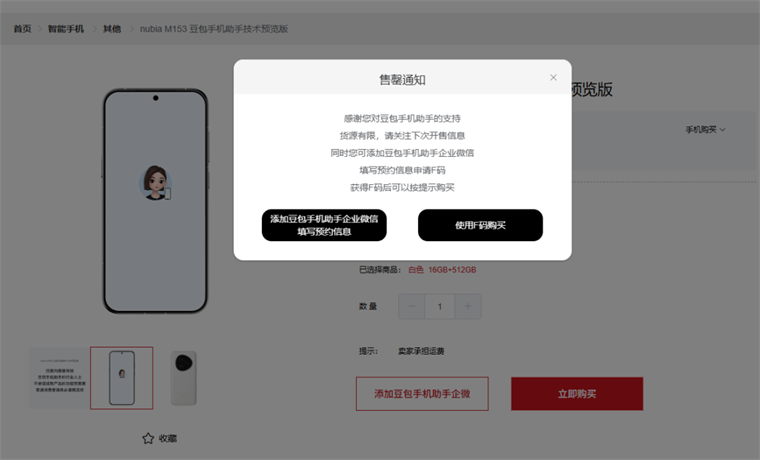
太抢手了!3499元“豆包助手”手机一天就卖光,闲鱼最高溢价超过6500元【附智能手机行业市场分析】
Qian Zhan Wang· 2025-12-04 06:40
Core Insights - The "Doubao Assistant" engineering prototype, developed by ByteDance and ZTE, sold out within a day of its release, indicating strong market demand for AI-integrated smartphones [1][6] - The device is not a mass-market product but an engineering sample aimed at developers and tech enthusiasts, featuring high-end specifications and a unique AI assistant [1][2] - The smartphone market in China is highly concentrated, with major players like Vivo and Huawei holding significant market shares [3][5] Group 1: Product Overview - The "Doubao Assistant" is priced at 3499 yuan and features flagship specifications, including a 6.78-inch screen and Qualcomm Snapdragon 8 Gen 2 platform, making it attractive to developers [1][2] - The AI assistant can perform tasks across applications, breaking down data barriers and enhancing user experience [2][6] Group 2: Market Dynamics - The Chinese smartphone market is dominated by a few key players, with Vivo holding a 17.2% market share and Huawei over 16% in 2024 [3] - The top five manufacturers (Vivo, Huawei, Honor, OPPO, Xiaomi) account for approximately 80.8% of the market share, indicating high market concentration [5] Group 3: Industry Implications - The success of the "Doubao Assistant" prototype highlights the potential for system-level AI integration in smartphones, which could reshape the industry [6][7] - Traditional smartphone manufacturers may need to adapt to this new model of AI-defined hardware, which could disrupt existing brand-user relationships [6][7]