
人保财险

Search documents
金融监管总局局长李云泽:寿险公司压降成本3500亿!全球第二大保险市场地位更加稳固!《保险法》修订也在加快推进...
13个精算师· 2025-09-22 14:07
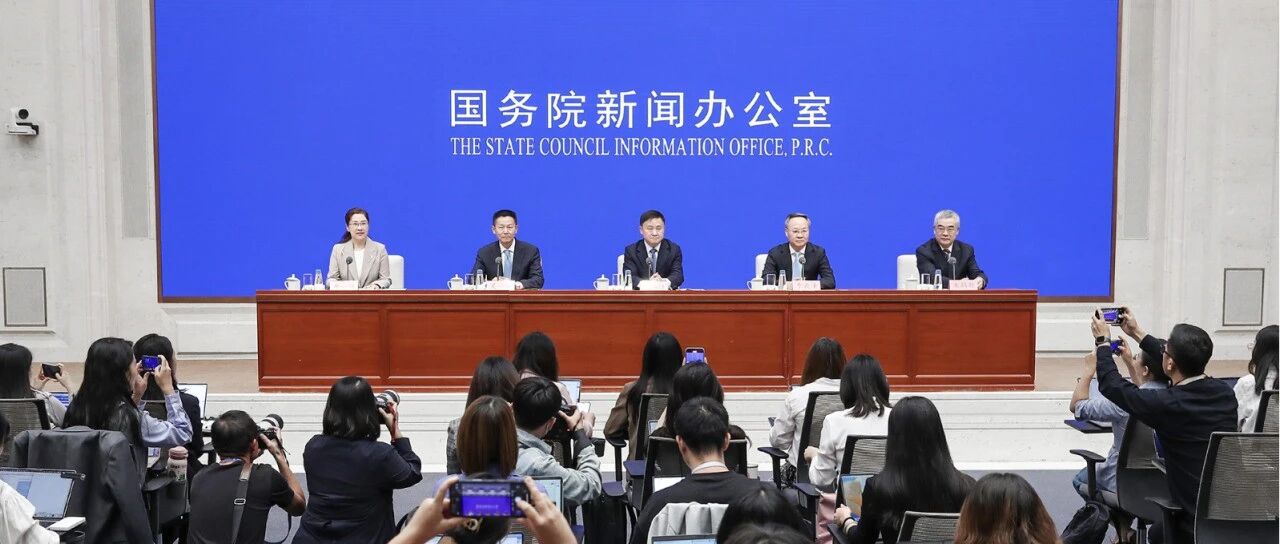
今日 国新办新闻发布会 介绍 近五年金融业发展成就 1 ① 全球 第二大保险市场 地位更加稳固 ,规模持续增长 "一行一局一会"齐聚 ②累计赔付9万亿 较上一个五年增长61.7% ③保险法修订在加快推进 5年来发布各类规制171件 ④寿险公司压降成本3500亿 财险公司综合成本率近十年最低 今日,国新办举行新闻发布会,人民银行行长潘功胜先生,金融监管总局局长李云泽先 生,证监会主席吴清先生等,介绍近五年金融业发展成就,并回答大家关心的问题。 人民银行行长潘功胜先生表示,近五年,朝着"加快建设金融强国"的战略目标,金融事 业取得新的重大成就,国际竞争力和影响力显著增强。 一是,金融体制改革全面深化,顶层设计更加完善;二是,种类齐全、竞争充分的金融 机构、市场、产品体系更加健全;三是,金融服务的质量、效率、普惠性大幅提升。 对于银行和保险业的发展情况,金融监管总局局长李云泽先生,从三方面进行了总结。 一是,行业高质量发展实现新跨越;二是,金融服务再上新台阶;三是,金融监管开创 新局面,详见上图。 总结近五年金融业发展情况 此外,关于保险机构分类监管、寿险业"报行合一"、保险资金投资情况等都有提及. . . | 方 ...

头部险企新能源车险率先盈利,行业整体扭亏还要等多久
Zhong Guo Zheng Quan Bao· 2025-09-12 01:27
Core Insights - The new energy vehicle insurance business, which previously caused losses for property insurance companies, is now turning profitable for some leading insurers [1][2] - Factors contributing to profitability include improved pricing from data accumulation, increased premium scale diluting costs, enhanced collaboration with automakers to reduce claims costs, and refined management practices [1][3] - The industry is expected to reach a turning point in profitability within the next three years as pricing capabilities improve, repair costs decrease, and claim rates decline [1][4] Company Performance - China Pacific Insurance reported over 5.3 million insured new energy vehicles and a premium income of 10.596 billion yuan, accounting for 19.8% of its total auto insurance premiums in the first half of 2025 [2] - Ping An Insurance achieved a premium income of 21.7 billion yuan from 5.75 million new energy vehicles, marking a 46.2% year-on-year increase and a market share of 27.6%, with positive underwriting profit [2] - BYD Insurance turned a profit in the first half of 2025, reporting a net profit of 31.35 million yuan, recovering from a loss of 169 million yuan in 2024 [2] Cost Structure and Trends - The comprehensive cost ratios for major insurers are declining, with China Life, Ping An, and China Pacific reporting ratios of 94.2%, 95.5%, and 95.3% respectively, down by 2.2, 2.6, and 1.8 percentage points year-on-year [3] - The rapid growth in the number of new energy vehicles is driving premium growth, while insurers are implementing detailed management strategies to enhance profitability [3][4] - The structure of new energy vehicle insurance is changing, with household vehicle premiums increasing significantly, leading to a lower overall claims ratio compared to commercial vehicles [3] Industry Challenges - Despite some leading insurers achieving profitability, commercial vehicle insurance remains unprofitable, with cost ratios exceeding 100% [4] - The overall industry still faces challenges, including high repair costs, high claim rates, and insufficient pricing strategies, which contribute to ongoing losses [4][5] - Smaller insurers are cautious in entering the new energy vehicle insurance market due to limited data and experience, impacting their ability to price and manage risks effectively [5] Future Outlook - Experts predict that the new energy vehicle insurance sector may achieve industry-wide profitability in about three years, driven by scale effects, reduced repair costs, and improved data accumulation for pricing [5][6] - Collaborative efforts among insurers, automakers, and regulatory bodies are essential to enhance pricing accuracy, optimize product offerings, and lower repair costs [6][7] - Innovations in insurance products, such as flexible pricing models and specialized coverage for unique risks associated with new energy vehicles, are being explored to meet market demands [7]
头部险企新能源车险率先盈利 行业整体扭亏还要等多久
Zhong Guo Zheng Quan Bao· 2025-09-11 20:36
Core Insights - The new energy vehicle insurance sector is experiencing a turnaround, with some leading insurance companies achieving underwriting profitability for the first time [1][2] - Factors contributing to this profitability include improved pricing from data accumulation, increased premium scale diluting costs, enhanced collaboration with automakers to reduce claims costs, and refined management practices [1][3] Group 1: Company Performance - China Pacific Insurance reported over 5.3 million insured new energy vehicles and a premium income of 10.596 billion yuan, accounting for 19.8% of its total auto insurance premiums [2] - Ping An Insurance achieved a premium income of 21.7 billion yuan from 5.75 million new energy vehicles, marking a 46.2% year-on-year increase and a market share of 27.6% [2] - BYD Insurance turned a profit in the first half of 2025, reporting a net profit of 31.35 million yuan, recovering from a loss of 169 million yuan in 2024 [2] Group 2: Industry Trends - The comprehensive cost ratios for major insurers are declining, with China Life, Ping An, and China Pacific reporting ratios of 94.2%, 95.5%, and 95.3% respectively, down by 2.2, 2.6, and 1.8 percentage points year-on-year [3] - The rapid growth in the number of new energy vehicles is driving premium income, with household vehicle premiums increasing from 42% in 2020 to 67% in 2024 [3][4] - Despite profitability in some segments, commercial vehicle insurance remains unprofitable, with cost ratios exceeding 100% [4] Group 3: Future Outlook - The new energy vehicle insurance industry is expected to achieve profitability within the next three years, driven by lower repair costs, reduced claim rates, and improved pricing capabilities as data accumulates [6] - Regulatory measures and collaborative efforts among insurers and automakers are essential for enhancing pricing accuracy and optimizing product offerings [7][8] - Innovations in insurance products, such as mileage-based pricing and specialized coverage for unique risks associated with new energy vehicles, are being explored to meet diverse market needs [8]


盈利曙光初现,国内新能源车险出海远征
Bei Jing Shang Bao· 2025-09-02 13:16
Group 1 - The core viewpoint of the articles highlights the rapid development of China's new energy vehicle (NEV) industry, which is increasingly focusing on overseas markets, leading to a new trend in NEV insurance expansion abroad [1][6] - The domestic insurance industry faced significant losses in the NEV insurance sector in 2024, with 31.05 million NEVs insured, generating premium income of 140.9 billion yuan, and incurring underwriting losses of 5.7 billion yuan [2][5] - In the first half of 2025, major insurers like China Pacific Insurance and Ping An Insurance reported profitability in their NEV insurance segments, with Ping An's premium income reaching 21.7 billion yuan, a 46.2% year-on-year increase [2][3] Group 2 - Factors contributing to the turnaround in profitability for some insurers include policy support for pricing optimization, collaboration with the industry to reduce costs, and an increase in premium scale to dilute costs [4][5] - The insurance industry is gradually identifying improvement paths for NEV insurance, with regulatory guidance issued to enhance quality and efficiency through data sharing and risk classification [5][6] - Major insurers are actively expanding their NEV insurance business overseas, with significant growth in NEV exports, which reached 1.06 million units in the first half of the year, a 75.2% increase [6][7] Group 3 - Challenges faced by insurers in the overseas market include differences in claims systems, regulatory environments, and risk characteristics compared to the domestic market [9][10] - Establishing a global supply network for parts and collaborating with local repair businesses are crucial for ensuring efficient and quality claims services in foreign markets [9][10] - The lack of historical data in local markets poses challenges for reasonable pricing and underwriting, necessitating the development of local data-driven pricing models [10]
中国人保中期业绩有8个“新高”
Jing Ji Guan Cha Wang· 2025-08-29 06:38
Core Viewpoint - China People's Insurance Group Co., Ltd. (China PIC) reported record-high mid-year performance metrics, indicating strong growth in both property and life insurance segments, with significant increases in profits and market share [2][4][5]. Financial Performance - The group's consolidated profit reached 35.9 billion yuan, a historical high [2] - Total assets amounted to 389.5 billion yuan, also a record [2] - Total investment income was 41.5 billion yuan, marking a historical peak for the same period [2] - The comprehensive cost ratio for property insurance was 95.30%, the best level in nearly a decade [2] Business Segments - Property insurance segment generated original premium income of 323.28 billion yuan, a year-on-year increase of 3.60%, holding a 33.50% market share [4] - Life insurance and health insurance segments achieved original premium income of 90.51 billion yuan and 40.65 billion yuan, respectively, with a combined market share of 4.70% [4] - Health insurance premium income grew by 12.20% year-on-year, with new business value increasing by 51% [4] - Life insurance first-year premium income rose by 25.60%, but net profit decreased to 6.86 billion yuan from 9.93 billion yuan year-on-year [5] Profitability and Cost Management - The property insurance segment's net profit increased by 32.30% to 24.45 billion yuan, driven by effective cost control [6] - The comprehensive cost ratio for property insurance improved to 94.80%, down 1.4 percentage points [6] - The auto insurance segment achieved a 3.50% increase in service income, with a significant rise in underwriting profit by 67.70% [7] Market Trends and Future Outlook - The comprehensive loss ratio for auto insurance rose to 73.1%, influenced by the increasing share of new energy vehicles and rising compensation standards [8] - The company is expanding its new energy vehicle insurance business in Hong Kong and Thailand, with plans for further international growth [8] - The non-auto insurance segment is facing challenges, with a high comprehensive cost ratio of 103.6% [9] - Regulatory changes regarding non-auto insurance are expected to improve profitability and operational efficiency in the sector [10]

财经眼丨巨灾险扩面提质
Ren Min Ri Bao· 2025-08-25 03:53
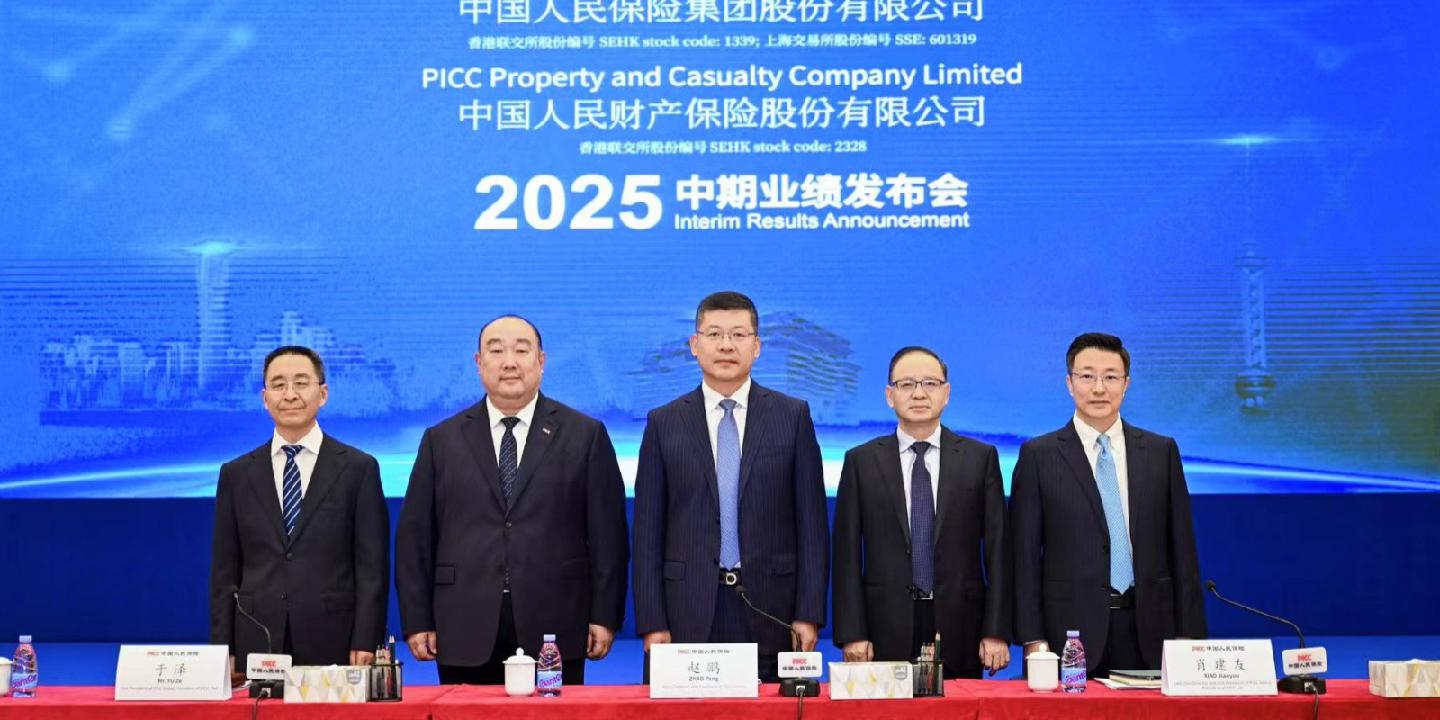
Core Viewpoint - The article emphasizes the importance of catastrophe insurance in providing financial support for disaster recovery and reconstruction, especially in the context of extreme weather events affecting various regions in China [1][2]. Group 1: Catastrophe Insurance Overview - Catastrophe insurance in Hubei province provides coverage for over 20 million households, with a premium funded by the government, offering compensation limits of 200,000 yuan for death, 100,000 yuan for urban housing, and 5,000 yuan for household belongings [2][3]. - The establishment of a catastrophe insurance system for urban and rural residential buildings began in 2016, with recent expansions to cover additional natural disasters such as typhoons and floods [3][6]. - As of 2024, the catastrophe insurance community covers 64.39 million households, providing 22.36 trillion yuan in risk protection, with over 20 provinces participating in pilot programs [3][6]. Group 2: Role in Disaster Recovery - Catastrophe insurance has played a crucial role in disaster recovery, with significant payouts during recent disasters, including 116 billion yuan for the 2021 Henan floods and 126 billion yuan for extreme rainfall in 2023 [5][10]. - In Hunan, the inclusion of ordinary road insurance within the catastrophe insurance framework aims to enhance funding for road repairs post-disaster, addressing traditional funding delays [5][10]. Group 3: Technological Integration and Risk Management - The integration of technology in catastrophe insurance is being explored, with initiatives like agricultural weather index insurance that provide compensation based on weather conditions, enhancing disaster response capabilities [7][8]. - Companies are developing digital platforms for real-time disaster monitoring and risk assessment, improving the efficiency of disaster response and recovery efforts [8][11]. Group 4: Financial Mechanisms and Market Development - The development of catastrophe bonds is highlighted as a means to provide additional funding for disaster risk management, with global issuance exceeding 7 billion USD in early 2025 [10][11]. - The Chinese insurance sector is encouraged to explore catastrophe bonds and other innovative risk transfer mechanisms to enhance the industry's capacity to manage large-scale disaster payouts [10][11].
暑期出游, 意外险能当旅游险用吗?
Jin Rong Shi Bao· 2025-08-08 07:05
Core Viewpoint - The article discusses the necessity and selection of travel insurance for families traveling with children, highlighting the differences between general accident insurance and travel accident insurance [1][2]. Group 1: Differences Between Insurance Types - Accident insurance typically covers daily life incidents with coverage amounts ranging from 100,000 to 1,000,000 yuan, while travel accident insurance is generally cheaper, costing a few to several tens of yuan, and offers higher coverage during travel [2]. - Travel accident insurance includes coverage for sudden illnesses, which is often not included in standard accident insurance, making it more comprehensive for travel-related risks [2]. Group 2: Recommendations for Parents - For short local trips, standard accident insurance may suffice, but for long-distance travel or activities with higher risks, it is advisable to purchase additional travel accident insurance that includes features like 24-hour emergency rescue and high-risk sports coverage [3]. - Parents should evaluate the insurance products carefully, focusing on the coverage details, including the amounts for medical expenses and accidental death [3]. Group 3: Purchasing Guidance - It is recommended to consider personal comprehensive accident insurance that provides up to 1 million yuan in coverage for various scenarios, including home, commuting, travel, and sports [4]. - When selecting travel insurance, it is important to assess the specific activities planned, such as diving or bungee jumping, and consider adding personal liability coverage for potential damages to others [4].
从“制造出口”到“体系出口” 新能源车出口迎保险保障护航
Jin Rong Shi Bao· 2025-08-08 07:04
Core Insights - The article highlights the challenges faced by Chinese electric vehicle (EV) manufacturers in overseas markets, particularly regarding insurance costs and services [1][2][3] - A significant breakthrough has been achieved with the launch of the first batch of EV insurance in Thailand, marking a key development in the internationalization of China's insurance services [2][3][5] Group 1: Insurance Collaboration and Market Entry - China Pacific Insurance (CPIC) has partnered with Mitsui Sumitomo Insurance and several domestic EV manufacturers to implement a comprehensive insurance solution for EVs exported to Thailand [2][3] - The insurance project covers nearly 1,000 EVs and includes vehicle damage insurance, third-party liability insurance, and local traffic compulsory insurance [2][3] - The collaboration aims to provide full risk protection for Chinese EV manufacturers as they expand into the Thai market, with plans for future local production and operations [2][4] Group 2: Growth of EV Exports and Insurance Demand - In the first half of the year, China's automobile exports reached 3.083 million units, a year-on-year increase of 10.4%, with EV exports growing significantly to 1.06 million units, up 75.2% [2][3] - The rising number of exported EVs has highlighted the need for corresponding insurance services, as evidenced by higher insurance premiums for Chinese EVs compared to traditional fuel vehicles in markets like Australia and the UK [2][3] Group 3: Challenges in Overseas Insurance Operations - High insurance premiums for EVs in Thailand are partly due to local insurers lacking pricing experience, which has dampened consumer enthusiasm for purchasing EVs [3][6] - The insurance industry faces multiple challenges in expanding overseas, including adapting to diverse regulatory environments, local driving habits, and establishing localized service networks [6][7] - Building operational capabilities in foreign markets is crucial for insurance companies, necessitating collaboration with local firms and the development of a comprehensive service network [7] Group 4: Strategic Importance of Overseas Insurance - The move to provide insurance for exported EVs is seen as a strategic necessity for domestic insurers, especially as competition in the domestic market intensifies [5][6] - The integration of insurance services with the export of EVs is essential for creating a complete industry chain, as the demand for insurance services grows alongside the increasing intelligence and localization of exported vehicles [4][5]
织密防汛“安全网” 全力迎战北京极端强降雨天气
Jin Rong Shi Bao· 2025-07-31 04:12
Core Viewpoint - The insurance industry has rapidly activated emergency response mechanisms in response to the severe rainstorm in northern Beijing, focusing on disaster relief and ensuring the safety of people's lives and property [1][2][3]. Group 1: Emergency Response and Support - Insurance companies have established working groups to coordinate disaster relief efforts and ensure adequate support for affected areas [2][3]. - China Life Insurance initiated a "pre-warning" flood emergency mechanism, disseminating weather alerts and safety guidelines to high-risk areas [2]. - Ping An Insurance deployed nearly 300 claims personnel and provided essential supplies to approximately 1,000 affected villagers [3]. Group 2: Claims and Compensation - The insurance industry emphasizes rapid claims processing, adhering to principles of "paying what is due, paying quickly, and reasonable pre-payment" [4]. - Taiping Insurance opened a 24-hour claims hotline and simplified claims procedures to facilitate quick compensation for policyholders [4]. - China Pacific Insurance responded promptly to claims, dispatching personnel to assess damages and reach compensation agreements on-site [5]. Group 3: Risk Monitoring and Coordination - The insurance sector is actively monitoring risks and utilizing technology to oversee critical infrastructure and agricultural areas [6][7]. - Companies are coordinating with local branches to streamline claims processes and enhance service efficiency [7]. - Continuous efforts are being made to ensure effective disaster response and recovery for affected communities [7].

深圳成立海洋金融联盟 助建全球海洋中心城市
Zhong Guo Xin Wen Wang· 2025-07-18 03:35
Core Insights - The establishment of the Shenzhen Marine Financial Alliance aims to accelerate the integration of finance and marine industries, supporting the construction of a global marine center city in Shenzhen [1][2] - The alliance emphasizes a development path of "policy guidance + market operation + ecological collaboration" to enhance the marine financial ecosystem [1] - The first investment and financing matchmaking event facilitated precise connections between financial supply and industry demand, showcasing marine-specific financial products [1] Group 1: Marine Economic Development - Shenzhen's marine production value is projected to reach 540.9 billion yuan in 2024, accounting for 14.7% of the city's GDP, with a year-on-year growth of 5.8% [2] - The city ranks 23rd in the world maritime city rankings and has over 740 licensed financial institutions, with a total market value of 8.66 trillion yuan among 419 A-share listed companies [2] Group 2: Financial Institutions' Role - Financial institutions in Shenzhen are actively supporting marine economic development, with the China Development Bank's Shenzhen branch having a marine financing balance exceeding 30 billion yuan [2] - The Construction Bank's Shenzhen branch has established a dedicated credit limit of 30 billion yuan for the marine sector, covering the entire marine fishery industry chain [2] - The Bank of China and Agricultural Bank jointly issued the first blue bond of 500 million yuan in the Guangdong-Hong Kong-Macao Greater Bay Area to support marine ecological protection and industrial upgrading [2] Group 3: Future Initiatives - The alliance plans to hold at least 1 to 2 investment and financing matchmaking events annually to continuously promote the implementation of credit, equity, and risk protection services for marine enterprises [1] - As the alliance deepens its operations, Shenzhen aims to integrate various financial resources and explore innovative marine financial products and risk protection systems [2]