星尘智能

Search documents
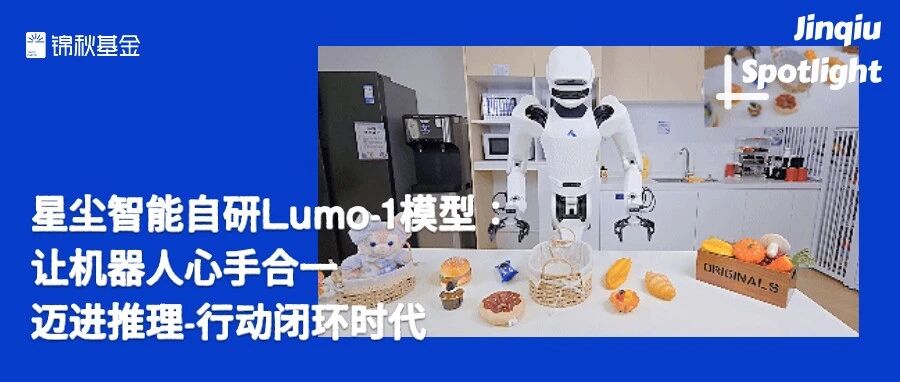
锦秋被投企业星尘智能自研Lumo-1模型:从推理-行动,看机器人如何秒变推理大师|Jinqiu Spotlight
锦秋集· 2025-12-11 06:20
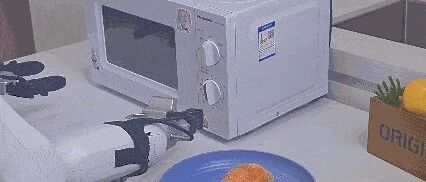
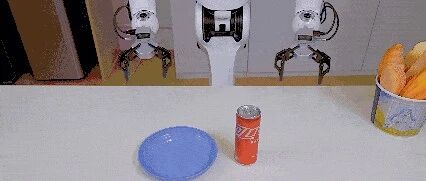
Core Insights - The article discusses the advancements of Jinqiu Fund's portfolio company, Stardust Intelligence, in developing the Lumo-1 model, which aims to enhance robotic capabilities through end-to-end full-body VLA (Vision-Language-Action) modeling [2][11]. Group 1: Lumo-1 Model Overview - Lumo-1 integrates embodied VLM (Vision-Language Model) with cross-domain joint training and reasoning-action training, enabling robots to perform complex tasks with a high degree of intelligence and adaptability [15][16]. - The model demonstrates superior operational intelligence and generalization capabilities, outperforming advanced models like π0 and π0.5 in multi-step long-sequence tasks and fine manipulation operations [11][16]. Group 2: Training Phases - The training process consists of three stages: 1. **Embodied VLM**: Pre-training on selected visual-language data to enhance spatial understanding and trajectory inference [21]. 2. **Cross-domain Joint Training**: Merging data from various robots and perspectives to improve instruction following and spatial reasoning [24]. 3. **Real-World Reasoning-Action Training**: Utilizing the Astribot S1 robot's trajectories for training, allowing the model to learn executable actions in real-world scenarios [30][42]. Group 3: Technical Innovations - Lumo-1 employs a Spatial Action Tokenizer (SAT) for action space modeling, converting action trajectories into reusable "action vocabulary" for more efficient execution [33]. - The model incorporates structured reasoning, allowing it to understand and execute tasks based on abstract concepts and contextual cues, enhancing its decision-making capabilities [35][41]. Group 4: Performance and Impact - Lumo-1 has shown remarkable generalization abilities in real-world environments, successfully adapting to various scenarios and accurately identifying objects despite changes in presentation [44]. - The model's performance in seven multimodal benchmark tests indicates a significant improvement over baseline models, demonstrating that reasoning and action capabilities can coexist without compromising each other [44].

全部超越了π0、π0.5!端到端全身VLA模型Lumo-1:迈进推理-行动闭环时代
具身智能之心· 2025-12-11 02:01
Core Insights - The article discusses the advancements in robotics, particularly focusing on the Lumo-1 model developed by Stardust Intelligence, which aims to enhance robots' reasoning and action capabilities in complex environments [7][9][11]. Group 1: Lumo-1 Model Overview - Lumo-1 is an end-to-end VLA model designed to enable robots to perform tasks by understanding the intent behind actions rather than merely mimicking them [7]. - The model demonstrates superior operational intelligence and generalization capabilities, outperforming previous models like π0 and π0.5 in multi-step tasks and abstract reasoning [9][11]. Group 2: Training Phases of Lumo-1 - The training of Lumo-1 consists of three phases: 1. Embodied VLM pre-training on visual-language data to develop spatial understanding and trajectory inference [15]. 2. Cross-ontology joint training to enhance instruction following and spatial reasoning [16]. 3. Real-world reasoning-action training using the Astribot S1 robot to learn executable action patterns [16][18]. Group 3: Technical Innovations - Lumo-1 employs a Spatial Action Tokenizer (SAT) to model action spaces, allowing for the combination and reuse of actions like constructing sentences [19]. - The model integrates structured reasoning to form a reasoning chain that prioritizes understanding the "why" before the "how" of actions [23]. Group 4: Performance and Validation - Lumo-1 has shown significant improvements in various multimodal benchmarks, surpassing specialized models like RoboBrain-7B and Robix-7B [29]. - The model's ability to adapt to different environments and tasks, such as adjusting arm positions for varying container heights, highlights its robust generalization capabilities [29]. Group 5: Implications for the Industry - The findings suggest that data diversity in training (covering various scenes, objects, and instructions) is more critical for generalization than merely increasing data volume [28]. - The integration of reasoning and action in Lumo-1 indicates that enhancing reasoning capabilities does not compromise the model's action execution, presenting a new direction for robotics development [29].
端到端全身VLA模型Lumo-1:让机器人心手合一,迈进推理-行动闭环时代
具身智能之心· 2025-12-10 10:00
Core Insights - The article discusses the advancements in robotics, particularly focusing on the Lumo-1 model developed by Stardust Intelligence, which aims to enhance robots' reasoning and action capabilities, allowing them to perform complex tasks without explicit programming [7][9][11]. Group 1: Lumo-1 Model Overview - Lumo-1 is an end-to-end VLA model designed to integrate reasoning and action in robotics, enabling robots to understand task intentions and execute them seamlessly [7][9]. - The model demonstrates superior performance in multi-step tasks, fine manipulation, and generalizable actions compared to previous models like π0 and π0.5, especially in out-of-distribution scenarios [9][11]. Group 2: Training Phases - The training of Lumo-1 consists of three phases: 1. Embodied VLM pre-training on selected visual-language data to develop spatial understanding and trajectory inference [15]. 2. Cross-ontology joint training to enhance instruction following and spatial reasoning capabilities [16]. 3. Real-world reasoning-action training using the Astribot S1 robot to learn executable action patterns [16][18]. Group 3: Reasoning and Action Alignment - Lumo-1 incorporates structured reasoning, allowing the robot to break down tasks into sub-tasks and understand the relationships between actions and instructions [22][30]. - The model employs reinforcement learning for reasoning-action alignment, calibrating the discrepancies between high-level reasoning and low-level actions, which significantly improves task success rates and generalization capabilities [27][28]. Group 4: Performance Metrics - Lumo-1 outperforms mainstream models in six out of seven multimodal benchmark tests, demonstrating its robust multimodal perception and reasoning abilities without compromising its core functionalities [29]. - The model's ability to adapt to various environments and tasks, such as adjusting arm positions for different container heights and recognizing handwritten menus, showcases its impressive generalization capabilities [29].
扒了一下今年各家具身公司的量产情况和订单金额......
具身智能之心· 2025-12-09 03:44
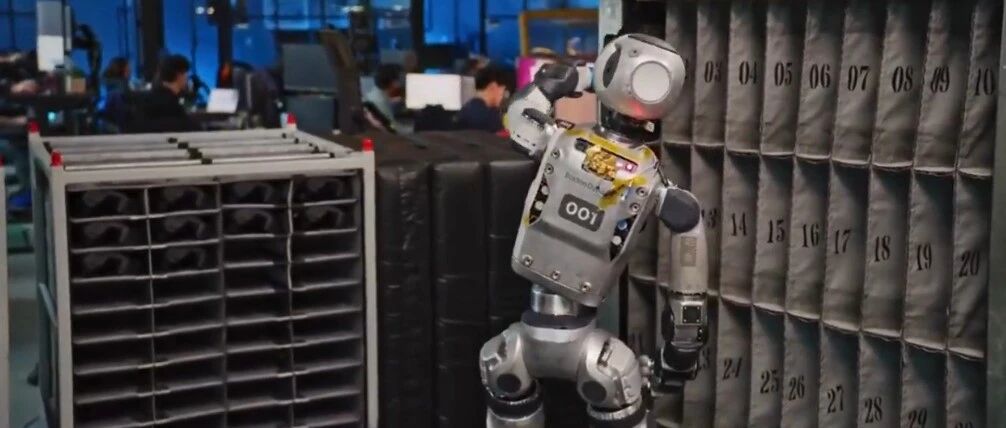
Core Insights - The article discusses the current state of mass production of embodied robots, highlighting the commitments and developments from various companies in the industry [1][5]. Group 1: Company Developments - Hyundai Motor has committed to deploying tens of thousands of Atlas robots in its manufacturing and logistics operations, addressing production capacity challenges by integrating automotive manufacturing expertise to support Boston Dynamics in scaling robot production [2][4]. - UTree Technology has not disclosed specific order volumes for the year but anticipates annual revenue exceeding 1.2 billion [7]. - ZhiYuan Robotics announced the cumulative production of 5,000 robots, with applications across entertainment, manufacturing, logistics, and scientific research [8]. - UBTECH Robotics secured a significant order worth 264 million yuan for its Walker S2 robot, which can autonomously change batteries, and has established contracts for various industrial applications [10][11]. - Tesla's Optimus robot is positioned as a core future asset, with a target of producing 5,000 units by the end of December 2025 and scaling up to 100,000 units by the end of 2026 [14]. Group 2: Order and Production Capacity - UBTECH's Walker series has achieved a cumulative order volume of 1.3 billion yuan, with a production capacity of 300 units per month, expecting to exceed 500 units in deliveries by 2025 [12]. - The partnership between Shenzhen Huizhi and ZhiPing aims to deploy over 1,000 embodied intelligent robots in logistics and manufacturing processes over three years [15]. - Star Dust Intelligent announced a strategic cooperation for a thousand-unit order of humanoid robots, focusing on industrial applications and leveraging AI technology for enhanced operational capabilities [17][19]. - Songyan Power expects to surpass 2,500 units in orders for bio-inspired and educational robots, with total order value exceeding 100 million yuan [20]. - Original Force Unlimited signed a strategic cooperation agreement worth 260 million yuan with a cultural tourism group [22]. Group 3: Market Trends and Future Outlook - The article indicates a growing trend in the deployment of humanoid robots across various sectors, including industrial, manufacturing, and logistics, with expectations for expansion into more niche markets such as 3C and automotive [19]. - The capital market performance of companies like Zhongqing Robotics shows significant investment interest, with plans to deliver 2,000 units over three years and collaborations with major firms like JD and NVIDIA [24]. - Leju Robotics has ramped up its delivery pace from hundreds to nearly a thousand units, with a target of 2,000 units for the year [25].

具身智能时代,谁将成为下一个“中国巴菲特”?
3 6 Ke· 2025-12-05 12:37
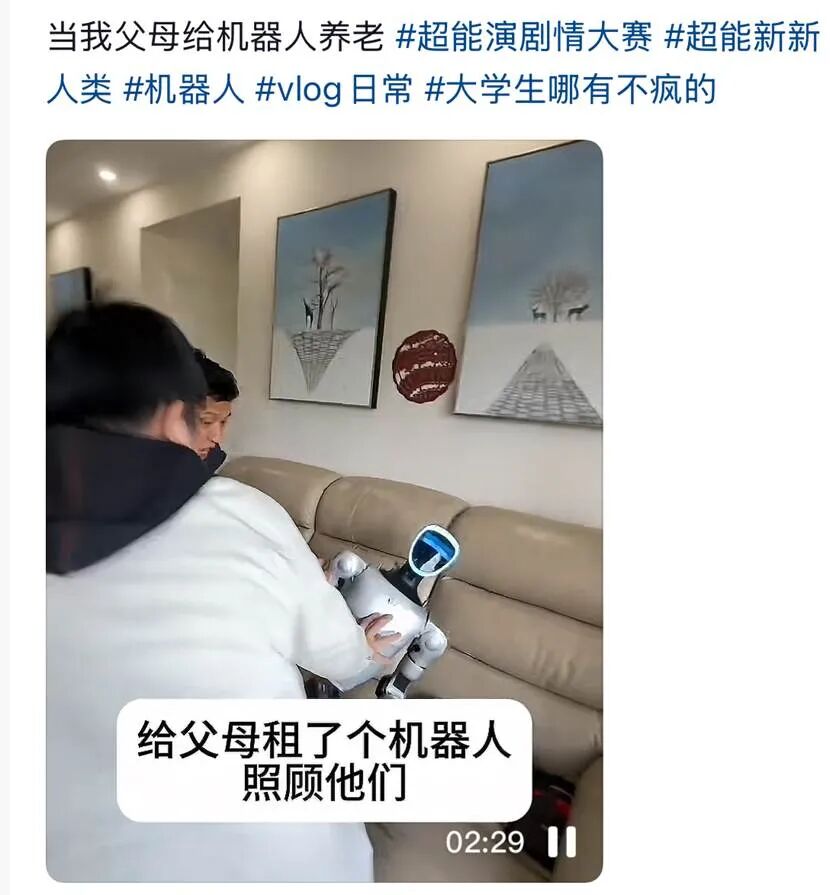
Core Insights - The initial successful application of humanoid robots is in the short video industry, showcasing their quirky and often clumsy behaviors, which have become a source of entertainment [1][4] - The humanoid robot industry is transitioning from experimental phases to real-world applications, with significant investment flowing into the sector, indicating a potential for substantial growth [4][10] Industry Development - In the first eight months of 2025, the financing amount in China's robotics sector reached 38.624 billion yuan, highlighting the increasing financial interest in humanoid robots [4] - Global consulting firm Bain predicts that humanoid robots will reshape industrial production and significantly impact commercial services and home life over the next decade [4] Technological Approaches - The U.S. focuses on creating advanced "super brains" for robots, emphasizing a technology-driven approach, while China adopts a more pragmatic strategy, prioritizing hardware development and real-world applications [5][7] - Chinese companies are rapidly developing the physical components of robots, such as advanced sensors and dexterous hands, to enhance their functionality and reduce costs [8][10] Investment Landscape - Venture capital firms like Sequoia Capital and Matrix Partners are strategically investing in various segments of the humanoid robot industry, aiming to capture value across the entire supply chain [11][12] - Major tech companies like Tencent and Alibaba are also investing in robotics, providing not only capital but also valuable application scenarios and resources [14] Government and Institutional Support - National investment entities are aligning their strategies with government initiatives, focusing on securing the supply chain and advancing critical technologies in the humanoid robot sector [15] - The involvement of over 3,331 investment institutions in humanoid robot projects indicates a robust interest in the industry, with significant contributions from state-backed funds [15] Market Challenges - Despite the excitement in the humanoid robot market, there are concerns about product redundancy and the potential for oversaturation, which could hinder innovation and development [17] - The industry faces challenges in achieving sustainable cash flow and viable commercialization paths, as highlighted by the closure of previously promising companies [17][19]
今年9家盈利最高的人形机器人公司......
具身智能之心· 2025-12-03 03:47
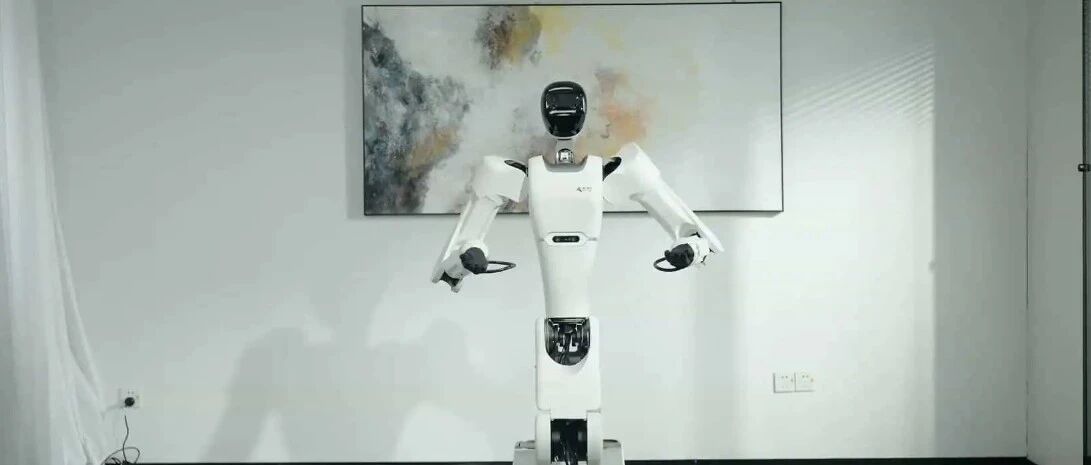
Core Insights - The article provides an overview of the order amounts and shipment volumes of leading robotics companies projected for 2025, highlighting the top nine companies in terms of revenue and their core clients [1]. Group 1: Company Orders and Shipments - Zhongqing Robotics: Order amount of 200 million yuan over three years, with a shipment volume of 2,000 units, collaborating with major firms like Multi-Tech and Amazon [2]. - Songyan Power: Order amount exceeding 100 million yuan, with annual shipments surpassing 2,500 units, focusing on education, research, and commercial performances [2]. - Stardust Intelligence: Approximately 500 million yuan in orders, with plans to deploy over 1,000 AI robots in industrial manufacturing and logistics over the next two years [2]. - Zhifang Technology: Order amount of 500 million yuan, with over 1,000 units to be delivered in three years, primarily for industrial applications [2]. - Leju Robotics: Order amount around 500 million yuan, with nearly 2,000 units shipped annually [2]. - Zhiyuan Robotics: Order amount approximately 700 million yuan, with thousands of units shipped, serving various industrial applications [2]. Group 2: Major Players and Their Orders - UBTECH Technology: Order amount exceeding 800 million yuan, with around 2,700 units shipped, primarily serving automotive manufacturers and data collection needs [3]. - Yuejiang Robotics: Order amount around 1.1 billion yuan, with annual shipments of about 20,000 units, projecting 80,000 units in 2024 and 100,000 units in 2025 [3]. - Yushu Technology: Order amount close to 1.2 billion yuan, with over 10,000 units shipped, collaborating with various educational institutions and companies for research and development [3].
人形机器人订单强劲,多方预警“浇冷水”
Nan Fang Du Shi Bao· 2025-12-02 17:20
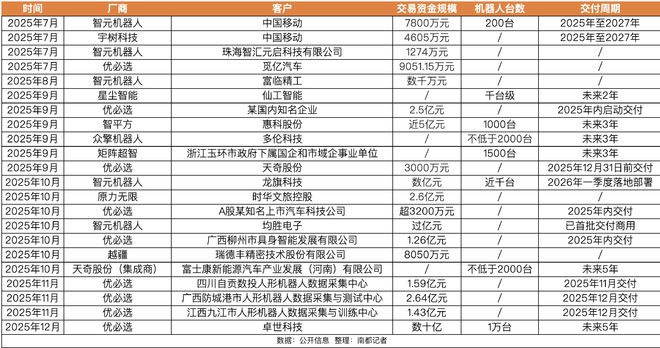
Core Viewpoint - Morgan Stanley issued a warning regarding the risks of the hype surrounding embodied intelligence, noting that while the total order value announced by Chinese robotic manufacturers has exceeded 2 billion yuan since the second half of 2025, many of these orders may not be fulfilled this year and include low-certainty framework agreements [1] Group 1: Market Orders and Delivery - Since the second half of 2025, the total order value for embodied intelligence robots announced by manufacturers in China has surpassed 2 billion yuan, primarily from industrial and commercial service sectors, as well as government-supported data collection centers [1] - A detailed table lists various orders, including a 780 million yuan order from Zhiyuan Robotics to China Mobile for 200 units, with delivery scheduled from 2025 to 2027 [2] - The orders include significant commitments, such as a 1 billion yuan order from Jiyuan Robotics for nearly 1,000 units, expected to be deployed in the first quarter of 2026 [2] Group 2: Industry Concerns and Real Demand - Industry insiders have raised concerns about whether the recent large orders from robotic manufacturers represent a genuine commercial closure and whether the created scenario value is real [3] - There is skepticism that the current mass production of robots is driven by real demand, with fears that if production is not based on actual needs, the industry may face a downturn once the initial excitement fades [3] - UBTECH has announced that its humanoid robot orders have reached 1.3 billion yuan for 2025, with a production capacity of 300 units per month and an expected delivery of over 500 units in 2025 [3] Group 3: Company Strategies and Market Dynamics - UBTECH's recent announcements of commercial orders are rooted in clear industrial needs, particularly in the context of the manufacturing sector's transformation and the pressing demand for intelligent upgrades [4] - Morgan Stanley highlighted that the limited capabilities of robots in open tasks and dexterous operations are reasons to lower short-term growth expectations, despite optimism for the long-term development of China's embodied intelligence industry due to strong government support and a well-established local supply chain [4] - The National Development and Reform Commission has also commented on the overheating issue in the embodied intelligence sector, emphasizing the need to balance speed and potential market bubbles, as the technology and commercialization models are not yet fully mature [5]

转具身最好的机会在昨天,其次是现在...
具身智能之心· 2025-12-01 10:00
Openarm是一款双臂任务框架,目前有几家公司开始生产相关本体,缺乏移动能力,一些叠衣服、pick and place也都能满足。但从数据采集来看,VR版本更舒服。 XLerobot存在一定的移动能力,但不多,适合一些入门科研&个人开发使用,可以适配移动操作的一些任 务。 最近在为大家收敛具身科研的几个重点模块:行业内容、本体形态、算法、还有部署的一些方案,已经汇 总在我们的社区内部。 目前为大家梳理了行业正在从事具身大脑、本体研发的公司(突然发现本体也卷不太动了......),以及一些 比较活跃的具身实验室。方便大家判断和升学,除此之外,还有很多行业的研报,供大家判断具身的发展 与周期。 本体方面,推荐几款适合科研的产品:SO-100系列、openarm系列、XLerobot系列等; SO100及升级版本,能上一些VA和VLA的算法,常见功能可以实现了; 其它开发平台,成本较高,需要一定的资金投入,可以参考方舟无限、星海图、宇树的几款本体。 算法层面,目前我们收拢了关于vla(训练、无需训练方式、vla+RL、vla+世界模型、vla轻量化、部署 等)、vln(时间语言、目标导航、点导航等)、运控(强化、 ...
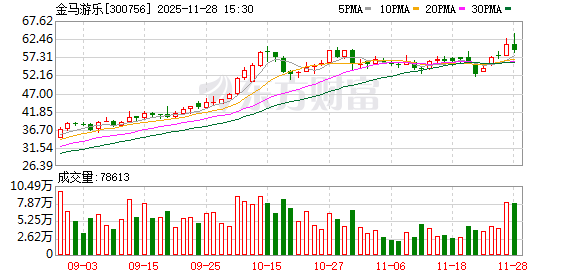
乘时代风潮 拓战略蓝海——金马游乐(300756.SZ)全面布局AI具身智能赛道,开启文旅文娱行业新纪元
智通财经网· 2025-11-28 08:43
Core Insights - The article highlights the strategic advancements of Jinma Amusement in the cultural and tourism industry, focusing on the launch of intelligent robots designed for various entertainment and tourism scenarios [1][3][10] Strategic Upgrade: From Equipment Development to AI Empowerment - Jinma Amusement is transitioning from traditional amusement equipment to AI-enabled products, emphasizing the importance of technology as a driving force for innovation in the cultural tourism sector [3] - The company has extensive experience in mechanical engineering, electrical control, virtual reality, and safety standards, which supports its entry into the AI field [3] Technological Advancement: Launch of Cultural Tourism Humanoid Robots - Jinma Amusement has made a strategic investment in Shanghai Matrix Super Intelligence System Integration Co., Ltd., establishing a joint venture named "Jinma Matrix" to explore innovative applications of AI and robotics in cultural tourism [4] - The first humanoid robot, designed for cultural tourism, was unveiled, featuring interactive capabilities and multilingual services [6] Market Expansion: From Domestic Leadership to Global Outreach - Jinma Amusement has signed cooperation agreements with leading companies in the cultural tourism sector and received orders for over a thousand robots during the launch event [7] - The company plans to implement a phased rollout of its products starting in December 2025, with a global expansion strategy set for 2026 [9] Future Outlook: AI and Cultural Tourism, Unlocking Infinite Possibilities - The company believes that AI technology is reshaping the cultural tourism industry across all operational aspects, from manufacturing to experience design [10] - Jinma Amusement aims to create a one-stop solution that integrates technology and culture, enhancing visitor experiences through innovative and intelligent products [10]

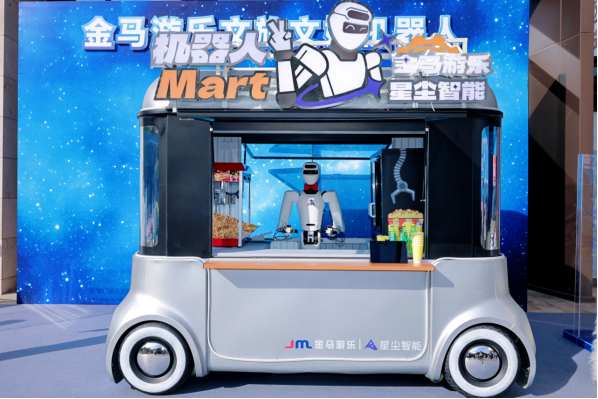
金马游乐全面布局AI具身智能赛道,开启文旅文娱行业新纪元
2 1 Shi Ji Jing Ji Bao Dao· 2025-11-28 07:32
Core Insights - The article highlights the strategic launch of intelligent robots by Jinma Amusement, aimed at enhancing the cultural and tourism sectors through innovative technology solutions [2][4][11] Strategic Upgrade - Jinma Amusement is transitioning from equipment development to AI empowerment, leveraging decades of experience in mechanical engineering, electrical control, and virtual reality to create personalized cultural tourism products [4][11] - The company emphasizes the integration of embodied intelligence technology with cultural tourism scenarios, promoting a "technology scene" concept [4][11] Technological Advancement - The company has officially launched its first "cultural tourism intelligent service humanoid robot," designed for theme parks and commercial complexes, featuring interactive capabilities and multilingual services [6][11] - This humanoid robot utilizes advanced multimodal interaction technology to recognize voice commands, expressions, and actions, enhancing visitor engagement [6][11] Market Expansion - Jinma Amusement has signed cooperation agreements with leading companies in the cultural tourism sector and has received orders for over a thousand robots during the launch event [8][9] - The company plans to accelerate partnerships with other robotics firms and aims for a phased rollout of products starting in December [9] Future Outlook - The company envisions a global expansion of its intelligent products by 2026, focusing on a dual-driven strategy of advanced manufacturing and modern service in the cultural tourism industry [9][11] - Jinma Amusement aims to create a comprehensive "cultural tourism +" platform, transforming the industry from a collection of amusement facilities to an interactive, evolving experience for visitors [9][11]