Blue Owl Capital

Search documents
Blue Owl Capital Is Getting Crushed - But The Discount Looks Way Mispriced
Seeking Alpha· 2026-02-20 15:49
Core Insights - The market is currently experiencing significant upheavals in the private credit sector, indicating a lack of preparedness among investors [1] Group 1: Investment Strategy - JR Research is characterized as an opportunistic investor focusing on identifying attractive risk/reward opportunities that can generate alpha above the S&P 500 [1] - The investment approach combines price action analysis with fundamental analysis, avoiding overhyped stocks while targeting undervalued stocks with recovery potential [1] - The investing group Ultimate Growth Investing specializes in identifying high-potential opportunities across various sectors, emphasizing stocks with strong growth potential and appealing turnaround plays [1]



Futures Drop As Iran Tensions Rise, Data Deluge Looms
ZeroHedge· 2026-02-20 13:29
Market Overview - US equity futures are lower as traders assess the potential market impact of war with Iran and await significant US economic data including GDP and core PCE [1] - The S&P and Nasdaq futures are down 0.1% after trading positively overnight, with the "Magnificent Seven" stocks showing mixed performance [3] - Bond yields have reversed and are lower, while the USD remains flat; commodities show mixed results with base metals declining and precious metals, particularly gold, rallying above $5000 [1][11] Company Earnings and Stock Movements - Akamai Technologies (AKAM) shares fell 11% after a weaker-than-expected earnings outlook [3] - Ardelyx (ARDX) dropped 6% due to a softer sales forecast for its Ibsrela drug [3] - Copart (CPRT) fell 8% after reporting operating income that missed analyst estimates [3] - Floor & Decor (FND) rose 4% after exceeding earnings expectations for the fourth quarter [3] - Grail (GRAL) tumbled 47% after its cancer detection test failed to meet primary endpoints [3] - Harmonic (HLIT) increased by 9% due to strong book-to-bill ratios indicating growth potential [3] - Newmont (NEM) dropped 4% as it expects lower gold production this year [3] - Opendoor Technologies (OPEN) surged 19% after reporting better-than-expected revenue [3] - RingCentral (RNG) rose 10% after beating expectations and providing a positive forecast [3] - Texas Roadhouse (TXRH) increased by 4% as it anticipates positive sales growth [3] - Workiva Inc. (WK) gained 12% after reporting strong fourth-quarter results and optimistic forecasts [3] Economic Data and Inflation - Core personal consumption expenditure (PCE) data is expected to show an increase, which may influence interest rate decisions and the economic outlook [4] - Bloomberg Economics anticipates core inflation to accelerate, with a month-on-month increase of 0.32% in the core PCE deflator for December, raising the annual rate to 2.9% from 2.8% [4] - Wider inflation concerns are heightened by oil prices nearing a six-month high amid geopolitical tensions [5][6] Geopolitical Impact - The US military is deploying forces in the Middle East, with President Trump warning Iran of a limited strike if negotiations do not progress [6][35] - Geopolitical tensions have led to a cautious market sentiment, impacting stock performance and investor behavior [6][39]

盘前:纳指期货现跌0.2% GDP与PCE将公布
Xin Lang Cai Jing· 2026-02-20 13:22
Economic Indicators - US stock index futures experienced a slight decline ahead of key economic data releases and a potential Supreme Court ruling on Trump's tariff policies [2][12] - The upcoming US Q4 GDP report is expected to show a growth of 2.5%, down from a previous 4.4% in Q3 [3][12] - The PCE price index is anticipated to rise by 2.8% year-over-year, with the core PCE expected to increase by 3% [3][12] - There is a division among Federal Reserve policymakers regarding concerns over the labor market and inflation, with inflation rates still above the Fed's 2% target [3][12] Market Reactions - The market is currently stagnant, awaiting catalysts such as the Supreme Court ruling and Nvidia's upcoming earnings report, which may induce volatility [4][13] - The S&P 500 index has remained flat year-to-date, while the Nasdaq index has seen a decline, indicating sector rotation and broadening market participation [4][13] Corporate Earnings and Performance - Grail's stock plummeted by 47% after its drug trial failed to meet primary endpoints [16] - Opendoor Technologies' stock surged by 19% following a Q4 revenue of $736 million, exceeding market expectations of $549 million [16] - Akamai Technologies' stock fell approximately 10% due to Q1 earnings guidance that did not meet expectations [16] - Comfort Systems reported a Q4 EPS of $9.37, surpassing expectations of $6.75, with revenue of $2.65 billion, significantly above the forecast of $2.34 billion [18] Tariff Impact on Businesses - JPMorgan's report indicates that US mid-sized businesses have been severely impacted by tariffs, with monthly tariff expenditures tripling since early 2025 [15] - Tariff expenditures account for about 10% of international spending for all mid-sized US businesses, rising to approximately 15% for those paying tariffs [15] - Research shows that US businesses and consumers bear 96% of the tariff costs, with 43% of these costs passed on to consumer prices [15][7] Commodity Prices - Goldman Sachs forecasts that gold prices will gradually rise to $5,400 per ounce by the end of 2026, driven by central bank demand and increased private investment [5][14]
PE危机的“贝尔斯登时刻”?Blue Owl限制赎回、抛售贷款,股价创两年半新低
华尔街见闻· 2026-02-20 12:53
Core Viewpoint - Blue Owl Capital's decision to limit redemptions from its private credit fund has raised concerns about the potential risks in the $1.8 trillion private credit market, leading to significant stock price declines for Blue Owl and its peers [1][3][12]. Group 1: Blue Owl Capital's Actions - Blue Owl Capital announced that investors in Blue Owl Capital Corp II (OBDC II) will no longer be able to redeem shares quarterly, instead opting for periodic distributions funded by loan recoveries, asset sales, or other transactions [3][4]. - The company has sold approximately $1.4 billion in direct loan investments at a face value of 99.7% to provide promised liquidity to investors [3][6]. - Blue Owl's stock price has dropped over 15% this month, reflecting growing investor concerns about the private credit industry amid market valuation issues and the quality of loans to highly leveraged companies [5][12]. Group 2: Market Reactions and Implications - The stock price decline of Blue Owl has negatively impacted the broader market, dragging down shares of other private equity firms such as Ares Management, Apollo Global Management, and Blackstone [1][3]. - Analysts have described the stock price drop as an overreaction, noting that OBDC II had already suspended redemptions since November [9][10]. - The sale of loans is seen as a positive step for liquidity, with analysts suggesting it establishes an efficient process for returning capital to investors [6][8]. Group 3: Broader Industry Context - Bank of America has committed $25 billion to private credit transactions, joining other major banks in increasing their involvement in this rapidly growing market [12][14]. - The private credit industry has seen significant expansion, with firms like Ares Management and Apollo Global Management heavily investing in this sector [13][14]. - The relationship between banks and alternative asset management firms is becoming increasingly complex, with banks sometimes viewing private credit growth with skepticism [14].

Blue Owl shopped debt for a CoreWeave data center. Lenders weren't sold.
Business Insider· 2026-02-20 10:52
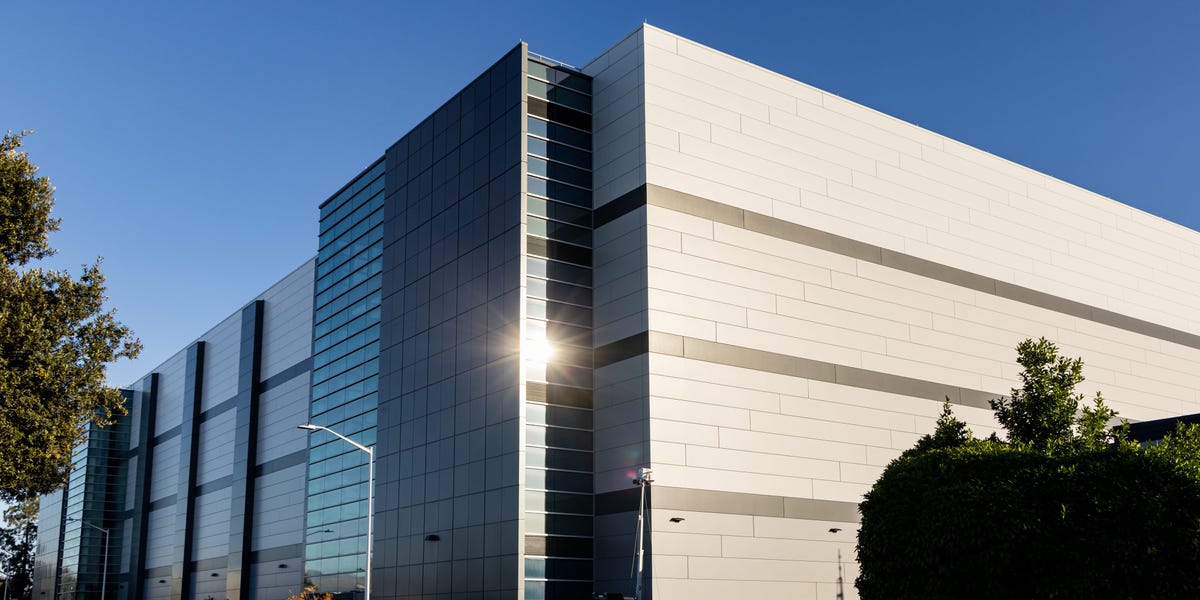
Core Insights - Blue Owl Capital is facing challenges in securing financing for a $4 billion data center project in Pennsylvania, which it is co-developing with CoreWeave, a rapidly expanding AI cloud computing service provider [1][2][3] Financing Challenges - The lack of lender interest in the Lancaster project is attributed to growing caution regarding AI companies with lower credit ratings, as CoreWeave holds a below-investment-grade rating of B+ from S&P Global Ratings [3] - A senior executive from a specialty lender indicated that they chose not to participate in the financing due to these concerns [3] Project Status - A spokesperson for Blue Owl stated that the Lancaster project is already under construction and is "fully funded, on time, and on budget," although it remains unclear if Blue Owl is solely funding the construction [7] - If Blue Owl cannot secure debt financing, it may face significant cash outlays for the project's construction [7] Market Context - The situation highlights the complexities and risks associated with financing infrastructure for AI computing, with analysts expressing concerns over the ability to raise debt for such projects [8] - Recent reports indicated that major banks struggled to sell off $38 billion of debt for two data center campuses anchored by Oracle, reflecting broader market hesitance [9][10] Strategic Partnerships - CoreWeave has committed to leasing 100 megawatts of capacity at the Lancaster data center, with potential expansion to 300 megawatts, and plans to invest up to $6 billion in the project [10] - In August, Chirisa Technology Parks announced a partnership with Blue Owl and Machine Investment Group to provide $4 billion in funding for the construction, separate from CoreWeave's investment [11] Innovative Financing Approaches - Blue Owl has been recognized for its creative financial strategies in the data center boom, including a previous partnership with Meta that raised $27.3 billion in investment-grade corporate bonds [12] - There are potential avenues for Blue Owl to explore alternative financing structures, such as leveraging the credit of investment-grade customers or pooling loans from institutional investors [13]
Blue Owl Halts Redemptions Amid Private Credit Stress: Will Crypto Feel the Impact?
Yahoo Finance· 2026-02-20 10:39
Private capital firm Blue Owl Capital, with over $307 billion in assets under management, has permanently halted investor redemptions at a retail-focused private debt fund. The suspension has triggered concerns among economists. Furthermore, it has raised a key question about whether the private credit market could impact the broader crypto market. Everything to Know About Blue Owl’s Redemption Changes According to Bloomberg, the private credit firm has seen a rise in withdrawal requests in recent month ...
'Canary in the coal mine': Blue Owl liquidity curbs fuel fears about private credit bubble
CNBC· 2026-02-20 05:34
Core Viewpoint - The private credit market is experiencing significant stress, highlighted by Blue Owl Capital's decision to restrict withdrawals from its retail-focused debt fund, indicating potential issues within this rapidly growing sector [1][2]. Group 1: Company Actions - Blue Owl Capital has permanently restricted withdrawals from one of its retail-focused debt funds, leading to a nearly 6% drop in its shares following the sale of $1.4 billion in loan assets from three private debt funds [1]. - The sale primarily involved the Blue Owl Capital Corporation II, a semi-liquid private credit fund, which will cease offering quarterly redemption options to investors [2]. Group 2: Market Concerns - The restriction on withdrawals has sparked discussions about the potential resurgence of stress in the private credit market, which has been one of the fastest-growing areas on Wall Street [2]. - Dan Rasmussen from Verdad Capital described the situation as a "canary in the coal mine," suggesting that the private markets bubble may be beginning to burst [2]. Group 3: Industry Trends - The private credit market has expanded to approximately $3 trillion globally, driven by years of ultra-low interest rates and narrow yield spreads that encouraged lenders to take on riskier loans [3]. - Investors have increasingly ventured into riskier credit territories, leading to what Rasmussen refers to as "fool's yield," where high yields do not equate to high returns due to the elevated risk of borrowers [3].

US-Iran Jitters Shake Asian Markets, Oil Surges | The Asia Trade 2/20/2026
Bloomberg Television· 2026-02-20 03:56
This is the issue of trade, I'm sure. Brianna in Tokyo. I'm April Hong in Singapore.Your top stories this hour. Growing fears of a US strike on Iran set to send Asian stocks lower while extending a surge in oil prices. The S&P 500 falling, while Treasuries and the dollar edged higher on haven demand.The US amasses an array of forces in the Middle East, with President Trump saying Iran has 15 days and most to strike a deal over its nuclear program. Also ahead, Blue Owl Capital restricts withdrawals from one ...

利空来袭!美股集体下跌!资产管理公司集体承压
Sou Hu Cai Jing· 2026-02-20 01:52
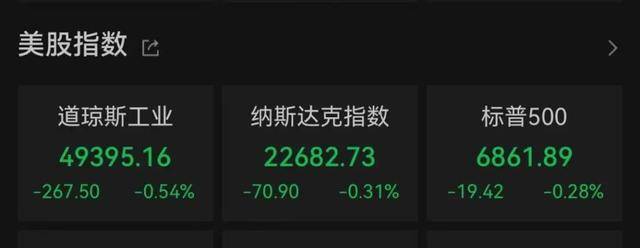
Market Overview - The U.S. stock market faced pressure from multiple factors, including concerns over artificial intelligence, private credit news, and the situation in the Middle East, leading to a collective decline in major indices [2] - As of the close, the Dow Jones index fell by 0.54% to 49395.16 points, the S&P 500 index decreased by 0.28% to 6861.89 points, and the Nasdaq Composite index dropped by 0.31% to 22682.73 points [2] Geopolitical Factors - Reports indicate that U.S. President Trump is considering a "limited scale" military strike against Iran to compel compliance with nuclear agreement demands, with potential actions targeting specific military or government facilities [2] - This military action is viewed as a phased approach rather than an immediate declaration of war [2] Economic Indicators - Federal Reserve Governor Stephen Milan has revised down his expectations for the extent of interest rate cuts this year, citing better-than-expected employment data and persistent commodity inflation [2] - Milan no longer believes that significant rate cuts, as previously predicted two months ago, are warranted [2] Technology Sector - In the tech sector, Facebook, Tesla, and Amazon saw slight gains, while Nvidia, Microsoft, and Google experienced minor declines, with Apple dropping by 1.43% [4] - Amazon surpassed Walmart to become the highest-grossing company globally, reporting sales of $717 billion for the year ending December 31, 2025, compared to Walmart's $713.2 billion for the year ending January 31, 2026 [4] Asset Management Sector - Blue Owl Capital announced a deal to sell $1.4 billion in direct loan investments at a face value of 99.7% to four North American public pension and insurance investors [6] - The asset management sector faced collective pressure, with Blue Owl Capital down nearly 6%, and other firms like Dutch Global Insurance, Blackstone Group, and Apollo Global Management also experiencing declines of 5.83%, 5.38%, and 5.21% respectively [6] Energy Sector - International oil prices have risen recently, influenced by geopolitical tensions, with NYMEX WTI crude futures closing above $66 per barrel [8] - The energy sector saw gains, with Occidental Petroleum and International Offshore Engineering rising over 9% [11] Gold Market - The international gold price has shown significant fluctuations, with COMEX gold futures trading above $5000 per ounce, supported by geopolitical factors [9][12]
昨夜,美股普跌!瑞典先买后付平台暴跌超26%
证券时报· 2026-02-20 00:52
Market Overview - On February 19, U.S. stock indices fell collectively due to multiple negative factors, including tightening liquidity in the private credit industry and escalating geopolitical tensions between the U.S. and Iran. The Dow Jones Industrial Average dropped by 267.5 points, a decline of 0.54%, while the S&P 500 and Nasdaq Composite fell by 0.28% and 0.31%, respectively, with the Nasdaq experiencing a cumulative decline of over 2% since 2026 [1][2]. Private Credit Industry - A liquidity crisis in the private credit sector was a core reason for the market's weakness. Blue Owl Capital announced the sale of $1.4 billion in loan assets and tightened investor liquidity, leading to a significant drop in its stock price by 1%. This triggered a collective decline in the private credit sector, with major firms like Blackstone and Apollo Global Management seeing their stock prices fall by over 5% [2][3]. Geopolitical Tensions - The geopolitical tension between the U.S. and Iran has become another major market disturbance. President Trump indicated a decision on potential military action against Iran would be made within ten days, which has heightened investor caution and led to a general sell-off of risk assets [3]. Corporate Earnings and Guidance - Discrepancies in corporate earnings and guidance have intensified market volatility. Walmart's fourth-quarter revenue and profit exceeded expectations, but its annual profit guidance fell short, resulting in a stock price drop of over 1%. In contrast, Amazon surpassed Walmart in projected net sales for 2025, reaching $716.9 billion [4]. Economic Data - Recent economic data showed initial jobless claims in the U.S. fell to 206,000, significantly below expectations, indicating resilience in the labor market. The Philadelphia Fed Manufacturing Index rose to 16.3, the highest since September of the previous year. However, the trade deficit unexpectedly widened to $70.3 billion in December 2025, with the annual goods trade deficit reaching a record $1.2409 trillion, an increase of $25.5 billion or 2.1% from the previous year [4]. Market Sentiment - According to a recent survey by the American Association of Individual Investors, the proportion of bearish retail investors has exceeded bullish investors for the first time since November of the previous year, with bearish, bullish, and neutral sentiments at 36.9%, 34.5%, and 28.5%, respectively. This reflects a growing caution among investors [5]. Sector Rotation - The U.S. stock market is undergoing a rotation in leading sectors. Excluding the top companies, other stocks in the S&P 500 are in urgent need of earnings momentum. Despite a decline in valuations for the "Magnificent Seven," their price-to-sales ratios remain at historical highs, indicating they are not in undervalued territory [5].