乐聚机器人

Search documents
专访乐聚机器人创始人、董事长冷晓琨:人形机器人“进厂打工”有其必然性,“大脑”与“小脑”融合还处于发展中
Mei Ri Jing Ji Xin Wen· 2025-05-20 09:29
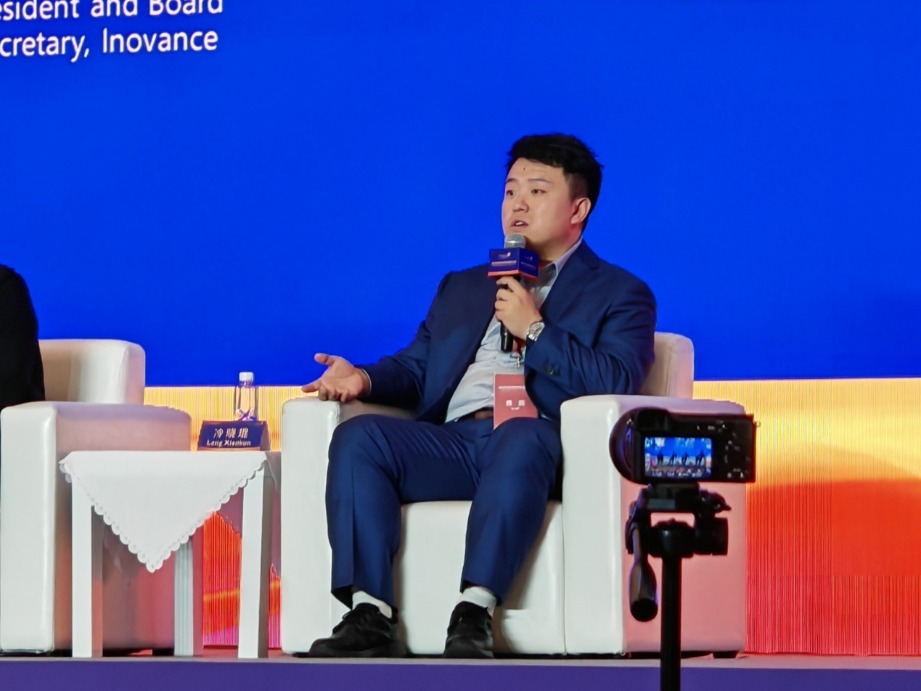
5月19日至20日,由深圳证券交易所主办的2025全球投资者大会在深圳举行,大会主题为"新质生产力:投资中国新机遇——开放创 新的深圳市场"。 人形机器人除了各种动作吸引眼球外,"进厂打工"同样引人注目,近期乐聚已批量交付人形机器人至部分制造业企业如车企等。值 得注意的是,此前冷晓琨却曾对人形机器人进工厂"存疑"。 据冷晓琨介绍,一是工厂确实需要人形机器人,二是工厂场景对机器人智能性要求没有家庭场景高,可以先用来对产品进行打磨, 并逐渐进入到下一个阶段。 冷晓琨表示,"人形机器人在工业场景应用方面,很多时候大家都在质疑并否定,包括在早期的时候我也持否定态度。但真正走进 工厂去调研后,就会发现工场里有大量的场景用工业机器人解决不了,并且这些只能由人来做,但现在已经没有人去做了。" 究其原因,冷晓琨表示这是种结构性失业问题。"工人宁可送外卖,也不会经常做这些复杂的活,这时候对工厂来讲,就只能用人 形机器人来解决问题,这是人形机器人在工厂里面必然会出现的一个原因。"冷晓琨称,目前公司也会和国家以及部分大型国企联 合发布一些解决工业场景问题的方案。 记者注意到,近段时间人形机器人持续引发关注。如宇树科技机器人展示功夫 ...


十大高管热议新质生产力:人形机器人有望超越新能源车成为万亿级市场,机器人手部灵活性越来越高
Xin Lang Cai Jing· 2025-05-20 04:58
专题:专题|深交所2025全球投资者大会:投资中国就是投资未来 5月19日至20日,深交所2025全球投资者大会在深圳举行。在20日的活动中,多家上市公司高管、机构 投资者等热议新质生产力,参会嘉宾认为,AI是一种生产力,它像电一样没有国界。人形机器人有望 超越新能源车成为万亿级市场,机器人手部灵活性越来越高。 推动交易所互联网络做大做强 光源资本合伙人 刘佳宁:AI是一种生产力,它像电一样。这种AI的生产力是没有国界的,它是全球化 的。中国的AI企业上市的过程可能会比原来的企业要快很多。 浙江强脑科技合伙人 何熙昱锦:针对脑机接口来讲,AI是非常核心的驱动引擎。脑机接口很大一部分 算法是用来解析人体的神经信号,随着AI不同的升级迭代,对于信号的读取和理解越来越强。 人形机器人有望超越新能源车成为万亿级市场 汇川技术董事、副总裁、董事会秘书 宋君恩:人形机器人概念火爆,且未来有望成为超越新能源汽车 的万亿级市场,但目前仍面临诸多难点。从行业研究角度来看,主要集中在三个方面:其一为模型问 题,其二是数据问题,其三是硬件问题。 兆威机电董事、总经理 叶曙兵:目前,机器人研发更多关注下身的平衡与运动能力,未来将逐步 ...
美银证券李明勋主持圆桌讨论:人形机器人产业有望成为超越新能源汽车的万亿级市场
Xin Lang Cai Jing· 2025-05-20 04:14
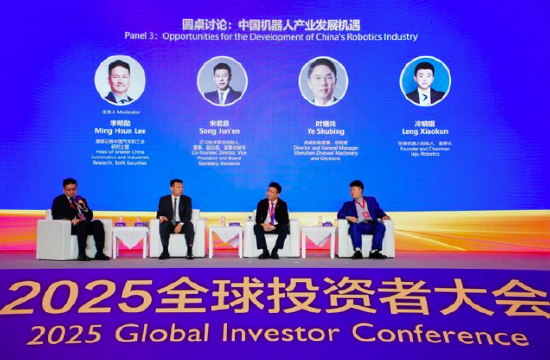
宋君恩还提到,尽管当下人形机器人概念火爆,且有望成为未来超越新能源汽车的万亿级市场,但目前 仍面临诸多难点。从行业研究角度来看,主要集中在三个方面:其一为模型问题,全球众多科研人员都 在致力于解决大脑模型以及小脑模型,尤其是小脑 + 运动控制模型。因为机器人在作业时,不仅需要 语言和视觉,还需依靠运动,特别是上肢运动来完成任务,这使得模型构建变得极为复杂,目前全球多 种技术路线仍在探索,尚未出现能将眼睛、脑和手完美结合的成熟模型。其二是数据问题,构建模型离 不开数据训练,然而当前现实数据较为匮乏,数据积累尚需时日。其三是硬件问题,硬件直接决定了产 品成本和可靠性,例如仿生手,在成本和可靠性方面仍有待突破。 专题:专题|深交所2025全球投资者大会:投资中国就是投资未来 5月19日至20日,深交所2025全球投资者大会在深圳举行。美银证券中国汽车和工业研究主管李明勋主 持圆桌讨论,汇川技术董事、副总裁、董事会秘书宋君恩,兆威机电董事、总经理叶曙兵 ,乐聚机器 人创始人、董事长冷晓琨,分享主题《中国机器人产业发展机遇》。 宋君恩:人形机器人有望成为超越新能源汽车的万亿级市场 宋君恩指出,如今谈及的人形机器人与以往 ...

乐聚机器人冷晓琨:国产化率突破90%,人形机器人交付量对标新能源汽车2018年爆发期
Xin Lang Cai Jing· 2025-05-20 04:09
Core Viewpoint - The Shenzhen Stock Exchange 2025 Global Investor Conference highlighted the investment value of Chinese assets and the A-share market, focusing on the theme of "New Productive Forces: New Opportunities for Investment in China" [1] Group 1: Company Insights - Leju Robotics' Chairman, Leng Xiaokun, announced the completion of the 100th large humanoid robot by the end of 2024, demonstrating the industrial value of humanoid robots [1] - In the first quarter of this year, Leju Robotics delivered approximately 300 humanoid robots, comparable to the delivery volumes of new energy vehicles around 2018 [1] - The company has achieved a 90% localization rate for its humanoid robots, significantly reducing the cost from 3 million yuan for the first robot in 2018 to only several hundred thousand yuan for the current model [2] Group 2: Industry Trends - The reduction in hardware costs is primarily driven by increased production volumes and advancements in large model skills, indicating a trend towards more affordable humanoid robots in the future [2]
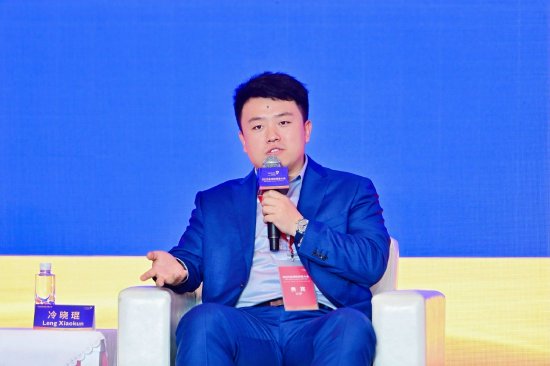
乐聚机器人冷晓琨:人形机器人产业化需突破"大脑+小脑"融合瓶颈,加速场景落地
Xin Lang Cai Jing· 2025-05-20 04:02
随着具身智能大模型足够的泛化性、通用性,到了我们真正想象的人形机器人进入千行百业,进入到服 务陪伴的时候,这也是他认为社会国家要做人形机器人的目标,它像手机一样进入到每个人的家庭。但 到第三个阶段他认为时间会很长,5年到10年都有可能,但工业场景相对简单的服务场景会成为打磨人 形机器人过程的场景,并且对整个社会影响不会很大,但它对于整个产业的发展是个至关重要的。 责任编辑:彭紫晨 都说大脑、小脑、本体三者融合才算是具身智能产业真正的爆发,今年关于小脑+本体的路线开始逐渐 统一,随着产业化成熟,小脑和本体不是大的挑战。他认为更大的挑战是在大脑上,不管是大语言模型 还是小数据大任务的模型,大家都没有实际应用,更多在论文里。具身智能模型还没有经过产业界实际 应用的磨合。 最大的挑战其实不是在模型上,冷晓琨认为真正的挑战是大脑+小脑中间的这个"+",这会是接下来产 业的最大挑战。在此之前,硬件和人工智能是割裂的,研究硬件都是以机械控制为主,很少碰人工智 能。这一次具身智能是两种业态的深度融合,出现了一种新的产业业态、新的消费业态,该怎么融合, 硬件融合软件还是软件融合硬件,这是新的挑战。每家都想挑头来做这件事,但任何 ...
人形机器人行业成熟“进度条”仅5%—10%
Zhong Guo Jing Ying Bao· 2025-05-19 07:47
Core Viewpoint - The discussion at the 2025 Sohu Technology Annual Forum centered around whether the humanoid robot industry is in a bubble and the pace of commercialization, with industry representatives providing insights on the current state and future expectations of the sector [1][2]. Group 1: Industry Sentiment and Investment Trends - Investment sentiment in the humanoid robot sector has become more confident, a trend that began in the second half of 2024, driven by government support and recognition of humanoid robots as a next-generation disruptive product [2][3]. - The number of investment institutions interested in the humanoid robot sector has increased significantly, reflecting a deeper understanding of the phenomena and underlying principles rather than mere enthusiasm [2][3]. - The humanoid robot industry is still in its early stages, with maturity levels estimated between 5% and 10%, indicating a long road ahead for development and public expectations [3]. Group 2: Technological Development and Challenges - The current challenges in humanoid robotics include achieving embodied intelligence and improving the precision of the robot's body and end-effector capabilities [5][6]. - The foundational motion control capabilities, such as walking, running, and balancing, are essential for executing complex tasks, and advancements in these areas have been demonstrated through various performances and competitions [4][6]. - Humanoid robots are categorized into two types: bipedal and wheeled upper-body robots, with the former currently focusing on basic motion control [3][4]. Group 3: Company Performance and Market Position - Yushutech has reported continuous profitability over the past several years, with financial statements from 2020 to 2024 indicating a stable profit status [6]. - Yushutech, founded in 2016, initially focused on quadrupedal robots and has since expanded into the humanoid robot market with products like the H1 and G1 series, the latter gaining attention for its competitive pricing [6]. - The company emphasizes the need for interdisciplinary talent in areas such as AI algorithms, perception, and new materials to drive innovation in humanoid robotics [7].
2025搜狐科技年度论坛在京举办
Zhong Zheng Wang· 2025-05-18 09:25
Group 1 - The 2025 Sohu Technology Annual Forum highlighted the rapid advancement of AI since 2024, emphasizing both opportunities and challenges presented by technological progress [1] - Key characteristics of AI development in 2025 include multimodality and its application in industries closely related to GDP, with China showing significant advantages in AI implementation [1] - The lifecycle of AI large models consists of five stages: data acquisition, preprocessing, model training, fine-tuning, and inference, with major tech companies handling the first three stages [1] Group 2 - Experts at the "Wenda Intelligent" roundtable forum discussed the cognitive capabilities of machines and the future of humanoid robots, agreeing that AI serves as an extension of human cognition rather than a replacement [2] - The discussion highlighted that AI excels in structured and clearly defined problems but struggles with ambiguous content [2] - The commercialization and challenges of humanoid robots were debated, with a consensus that the industry is still in an exploratory phase and requires a long-term perspective for development [2]

多城密集出手!机器人跑马拉松刷屏了,背后信息量很大
21世纪经济报道· 2025-05-15 02:18
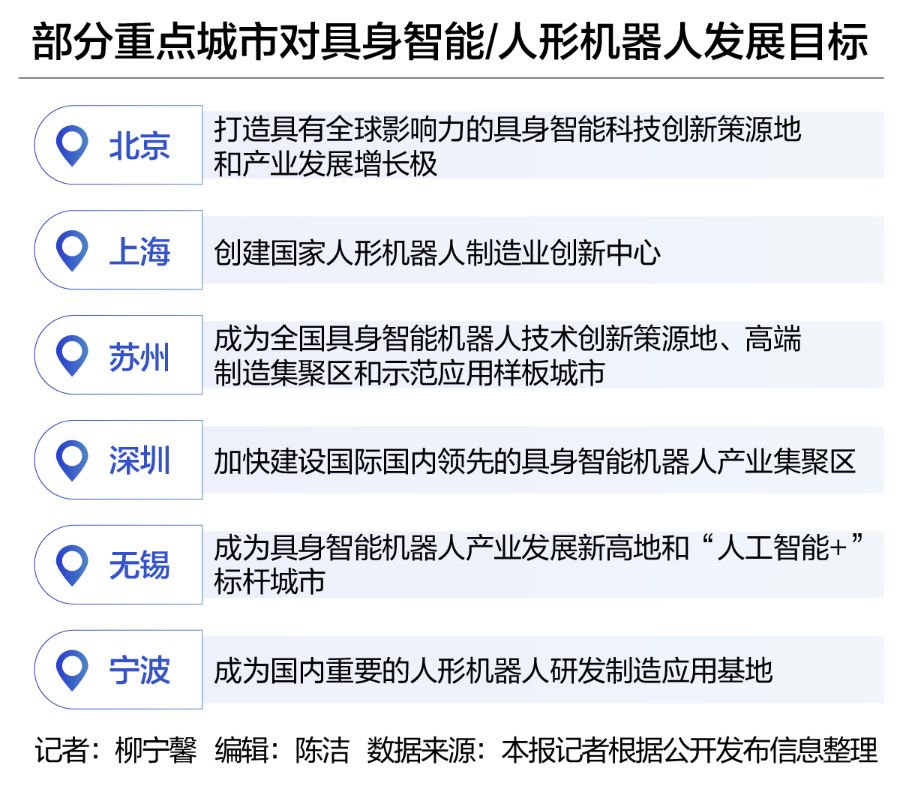
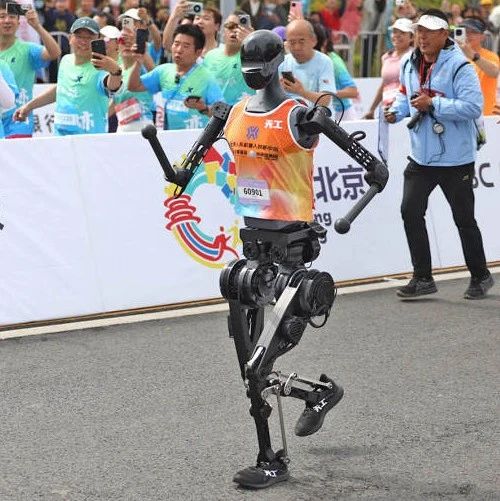
Core Viewpoint - The humanoid robot industry is facing challenges due to a lack of application scenarios, despite significant interest and investment from various cities and regions in China [2][9]. Industry Development - Various cities have initiated humanoid robot competitions and events to test the intelligence of humanoid robots in complex scenarios, with notable events such as the first humanoid robot half marathon in Beijing and the first embodied intelligent robot sports meeting in Wuxi [1][11]. - The Ministry of Industry and Information Technology has set ambitious goals for the humanoid robot industry, aiming for a preliminary innovation system by 2025 and a competitive industrial ecosystem by 2027 [5][9]. Regional Plans - Shenzhen aims to achieve an industry scale exceeding 100 billion yuan within three years, with plans to cultivate over 10 companies valued at over 10 billion yuan by 2027 [5][6]. - Beijing's plan includes producing over 10,000 humanoid robots and establishing at least 50 scalable applications across various sectors by 2027 [6]. - Suzhou targets a core industry scale of 10 billion yuan and aims to support a total robot industry scale of 200 billion yuan by 2027 [7]. - Wuxi plans to develop a new highland for humanoid robot industry, with a target of exceeding 300 billion yuan in AI industry scale within three years [7][8]. - Ningbo aims to become a significant R&D and manufacturing base for humanoid robots by 2027, expanding its application scenarios [8]. Application Scenarios - The humanoid robot industry is currently focused on applications in industrial, commercial, and household settings, with a need for long-term optimization of application scenarios [2][11]. - Recent competitions have showcased humanoid robots in various tasks, including athletics, soccer, and interactive activities, highlighting their potential in real-world applications [11][12]. - Current commercial applications are primarily in sectors like food service, tourism, and education, with a focus on intelligent interaction and task automation [12][14]. Collaborations and Innovations - Companies are increasingly collaborating with local manufacturing firms to explore more industrial and service scenarios [13]. - Notable partnerships include Huawei's collaboration with UBTECH to advance humanoid robot applications in various sectors [13]. - The industry is witnessing the introduction of humanoid robots in factories, with companies like Dongfeng Liuzhou Auto purchasing humanoid robots for batch operations [13][14]. Future Outlook - The humanoid robot sector is viewed as a trillion-yuan industry, but it faces challenges that require breakthroughs in technology and market adaptation [14]. - The industry is at a critical juncture, transitioning from experimental phases to real-world applications, necessitating ongoing technological advancements [9][14].
深圳产业链优势推动具身智能加速跑
Zhong Guo Zheng Quan Bao· 2025-05-14 21:31
Core Viewpoint - The humanoid robot industry in Shenzhen is experiencing rapid growth, with multiple companies actively developing and deploying humanoid robots in various industrial applications, showcasing the region's unique advantages in the robotics sector [1][2][3]. Group 1: Industry Development - Shenzhen is home to 34 listed robotics companies, highlighting its unique advantages in developing humanoid robots and continuous innovation [1]. - The humanoid robot industry is at a turning point, driven by advancements in artificial intelligence, AI chips, sensors, and other technologies, creating vast opportunities in manufacturing sectors like new energy vehicles [3][4]. - The total output value of Shenzhen's robotics industry is projected to reach 201.2 billion yuan in 2024, marking a 12.58% increase from 178.7 billion yuan in 2023 [4]. Group 2: Company Initiatives - SUTENG Juchuang is accelerating its deployment in the humanoid robot sector, showcasing products like the digital laser radar that empowers the robotics industry [2]. - UBTECH's humanoid robot Walker S1 is being utilized in multiple factories, with plans to produce 1,000 units by 2025, aiming to deliver hundreds of units [2]. - LEJU Robotics is undergoing industrial upgrades, with plans to deliver 300 units of its humanoid robot Kuafu in the first quarter of 2025, targeting a total delivery of 1,000 units this year [3]. - Companies like Bawei Storage and Longying Precision are actively expanding their capabilities in the humanoid robot sector, focusing on high-bandwidth storage solutions and increasing production capacity [5].
人形机器人竞速:城市的野心与一场技术长跑
2 1 Shi Ji Jing Ji Bao Dao· 2025-05-14 13:17
21世纪经济研究院研究员柳宁馨 实习生王梓欣 人形机器人如何破解应用场景匮乏的挑战? 今年以来,多城市举行人形机器人运动会和马拉松,测试人形机器人在复杂场景中的智能化水平,同时,支持人形机器人企业 和本地制造业企业合作,关注工厂、商业场景下的作业场景以及复杂任务。 比如,4月19日,全球首个人形机器人半程马拉松赛在北京亦庄举行。4月24—26日,无锡举办了首届具身智能机器人运动会。 而在8月15—17日,2025世界人形机器人运动会将在北京举办。 人形机器人上赛道、进工厂的背后,是行业的多路径测试,但应用场景匮乏成为当前人形机器人产业面临的挑战。 21世纪经济研究院分析认为,当前,各地抢抓人形机器人产业发展机遇,出台相关产业规划,积极推动人形机器人落地应用。 从产业规划落地过程看,工业和泛工业场景、商业和家庭场景的人形机器人应用仍需逐步推进。面对人形机器人智能化水平和 实际需求的差距,行业需要长时间优化应用场景适配。 城市开启人形机器人"竞速" 人形机器人行业火热,城市的"竞速"也不断展开。2024年以来,深圳市、无锡市、苏州市、重庆市、浙江省、河南省、北京 市、上海市、安徽省、山东省等多个省份和城市已出台具 ...