
华住集团

Search documents
华住集团创始人季琦:酒店业迎来机遇叠加期 县域市场发展潜力巨大
Zheng Quan Shi Bao Wang· 2025-11-02 12:29
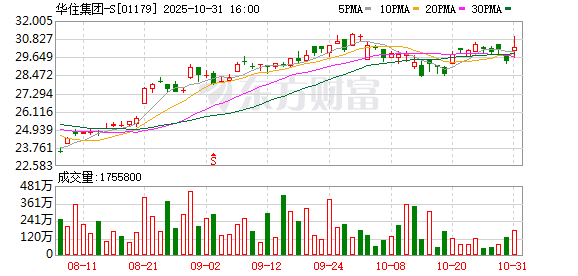
Core Insights - The hotel industry is experiencing unprecedented opportunities driven by market pressures, supply-side reforms, AI technology, and the potential of county markets [1] - The founder of Huazhu Group, Ji Qi, introduced the concept of "three markets" in the Chinese hotel industry, highlighting the distinct characteristics of developed markets, provincial cities, and county markets [1] - The middle-income group, exceeding 400 million people, is driving high-quality development in the hotel sector due to their pursuit of quality living [1] Market Dynamics - The increasing pressure in the stock market is prompting a return to the essence of investment, creating favorable conditions for rational investment [1] - Franchise investments are becoming a significant trend in the industry, with a focus on supply-side transformation [1] - The county market shows significant potential for growth, with a low chain rate compared to the national average, and improving infrastructure and consumption upgrades creating a conducive environment for hotel investment [1] Consumer Behavior - The hotel industry is witnessing parallel development across three consumer segments: luxury, middle-class, and budget consumers [1] - Younger consumers, who have grown up in affluent environments and possess a strong educational background, are demanding higher aesthetic standards in hotel products, significantly altering the competitive landscape [1] Company Milestones - Huazhu Group celebrated its 20th anniversary, having hosted over 2 billion guests and driven nearly 300 billion yuan in industry chain investments [2] - The company has established a comprehensive brand matrix covering various hotel categories, including national hotels, select services, lifestyle, high-end brands, and serviced apartments [2] Performance Metrics - The repurchase rate for franchisees of the All Seasons Hotel exceeds 30% [4] - The RevPAR (Revenue per Available Room) of Orange Crystal Hotels continues to lead the industry [4] - Intercity Hotels have achieved an annual growth rate of 155% [4]

华住季琦:掘金三大细分市场,让“中国服务”走向全球
Sou Hu Cai Jing· 2025-11-02 04:57
Core Insights - The core viewpoint of the article emphasizes the need for structural reforms in the Chinese hotel industry, focusing on three market dimensions and adhering to two sets of principles for high-quality development [1][4]. Group 1: Market Opportunities - The Chinese hotel industry benefits from a complete industrial system and excellent infrastructure, alongside a growing demand for quality living from the population [3]. - The hotel market should be understood through three dimensions: geographic (developed markets, provincial cities, and county markets), consumer segments (luxury, middle-class, and budget), and age demographics (youth, middle-aged, and seniors) [3][4]. - The county market shows significant potential due to lower chain rates compared to national averages, rapid infrastructure improvements, and notable consumption upgrades [3]. Group 2: Strategic Focus - The current state of the hotel industry reveals over 20 million rooms, ranking first globally, but faces challenges such as fragmentation and homogenization, with only 25% of hotels having over 40 rooms and a chain rate of 40% [4]. - New opportunities arise from existing pressures, including a return to investment fundamentals, brand-driven supply-side reforms, AI technology enhancements, and strong manufacturing support for cost-effective supply chains [4]. - The company emphasizes the importance of adhering to two sets of "three goods": investment aspects (good location, good rent, good product) and product aspects (good brand, good property, good quality) [4]. Group 3: Brand Development - The company has launched a new brand, "All Seasons Grand View," integrating Eastern aesthetics into travel experiences, aiming to elevate from hotels to lifestyle offerings [3]. - According to the 2025 ranking by HOTELS, the company ranks fourth globally, with its HanTing brand being the largest in scale and All Seasons ranked fourth [4]. - The company aims to lead with its brand strategy, promoting "Chinese service" globally and positioning hotels as essential spaces for a better life [4].


华住创始人季琦:供给侧改革是中国酒店行业最大的机会
Guo Ji Jin Rong Bao· 2025-11-02 02:01
Core Viewpoint - The largest hotel group is expected to emerge from China, with significant opportunities in the supply-side reform of the hotel industry [1]. Group 1: Market Potential - As of 2024, the chain rate of hotels in China is projected to be 40%, compared to 72% in the U.S. and 44% in the EU, indicating substantial room for growth in China's hotel chain market [2]. - The hotel industry in China has considerable potential for growth, particularly in third and fourth-tier cities, despite a decrease in business travel and an increase in inbound tourism [3]. Group 2: Industry Dynamics - The current market pressure is increasing due to a growing stock market, but the county-level tourism market presents significant opportunities [3]. - Competition within the industry is seen as a norm, with appropriate competition driving continuous supply-side improvements [3]. Group 3: Company Strategy - Huazhu Group is enhancing its product matrix, recently launching the Haiyou fully self-service hotel, which has a construction cost of 57,100 yuan per room and a total investment of 3 million yuan for 45 rooms [3]. - The company aims to establish itself as a brand-centric organization, aspiring to become the foundational infrastructure of China's accommodation industry [3].
华住集团季琦:酒店业增长空间在连锁化、品牌化、县域市场
Jing Ji Guan Cha Wang· 2025-11-01 14:43
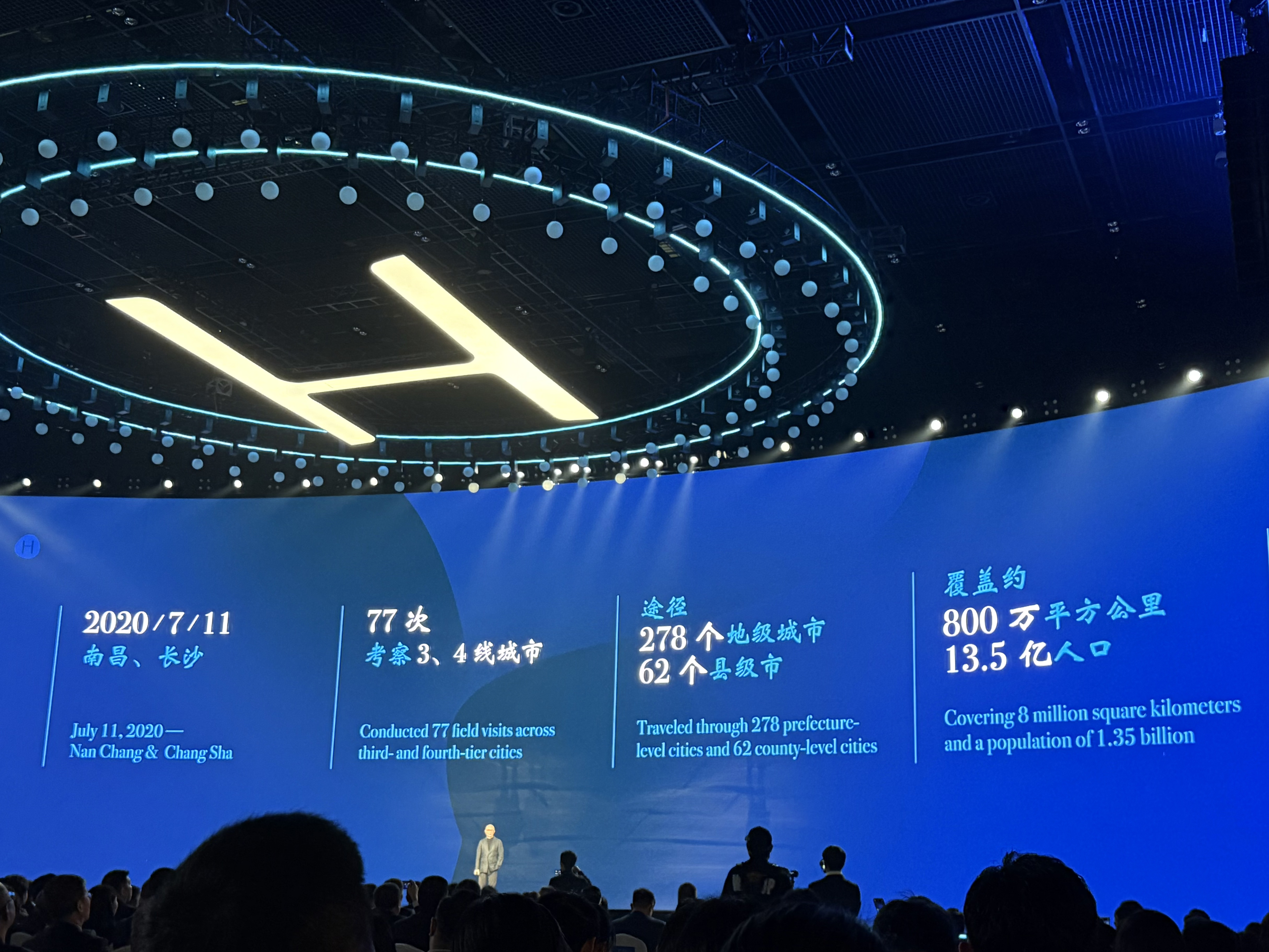
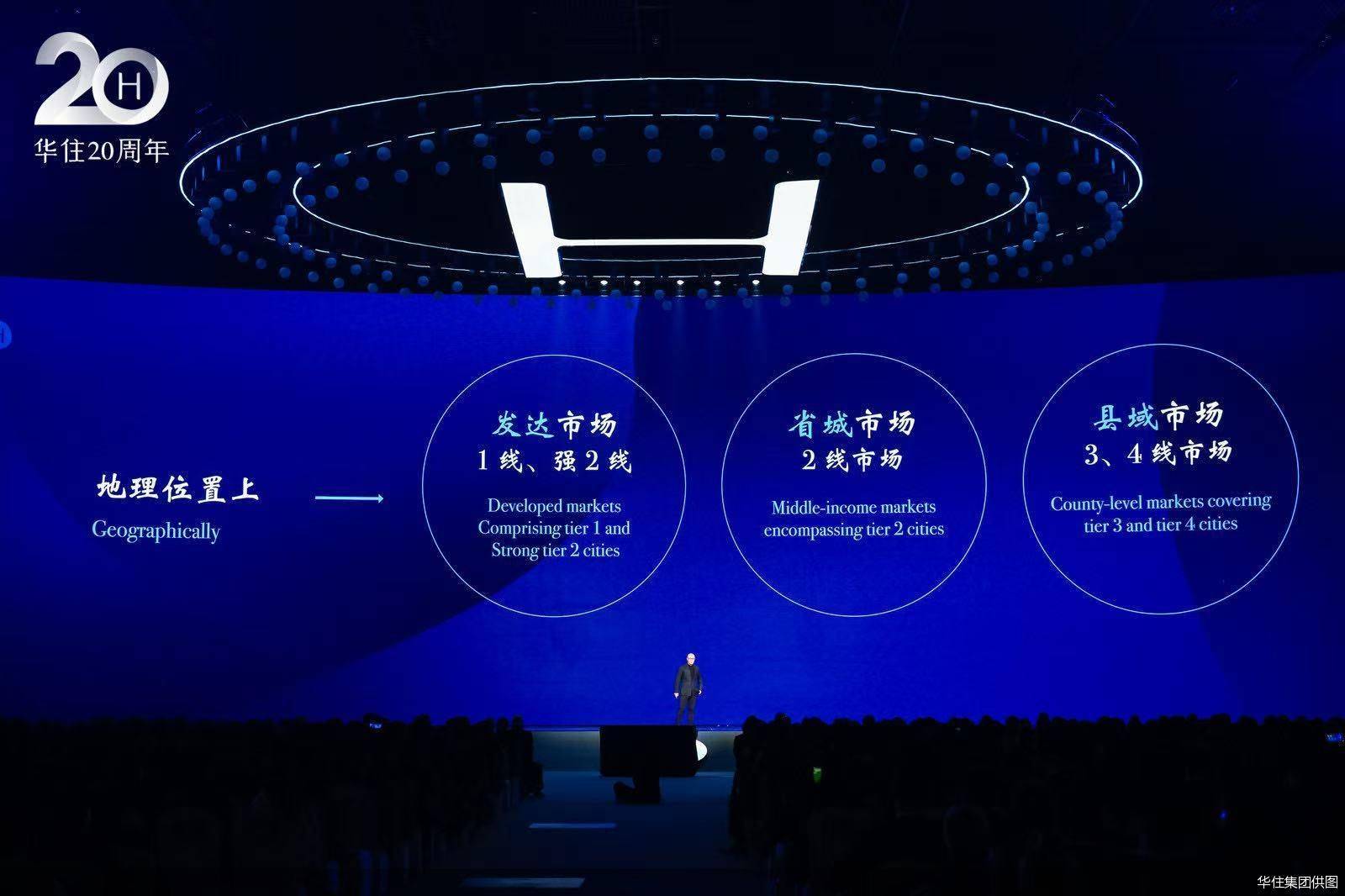
Core Insights - The founder and chairman of Huazhu Group, Ji Qi, expressed a strong bullish outlook on China's hotel industry, predicting that the largest hotel group will emerge from China in the future [2] - Ji Qi emphasized the need for supply-side reforms in the hotel industry, focusing on chain development, brand enhancement, and expansion into lower-tier markets [2] Industry Overview - The Chinese hotel industry faces a "large but weak" issue, characterized by a vast number of hotel rooms but a low percentage of large, chain hotels. As of December 31, 2024, there are over 340,000 hotels and more than 17.64 million rooms in China, with small hotels (fewer than 70 rooms) making up 48.09% of the total [2] - The chain hotel rate in China is 40.09%, significantly lower than the over 70% rate in the United States [2] Market Segmentation - Ji Qi categorized the Chinese market into three tiers: developed markets (first-tier and strong second-tier cities), provincial markets (second-tier cities), and county markets (third and fourth-tier cities), highlighting the significant growth potential in county markets due to low chain hotel rates [3] - The market is also segmented by consumer spending power into luxury, middle-class, and budget segments, with over 400 million middle-income individuals driving high-quality development in the hotel industry [3] - Age demographics are another segmentation factor, with distinct consumption characteristics among youth (18-35 years), middle-aged (36-59 years), and seniors (60 years and above), particularly noting the higher aesthetic demands of younger consumers [3] Opportunities and Trends - The industry is entering a period of overlapping opportunities, driven by increased market pressure, the return of assets to their investment essence, and the rise of franchise models [3] - AI technology is expected to enhance customer experience and operational efficiency, while a strong manufacturing base can provide high-quality, cost-effective supply chains [3] - The potential of county markets is significant, with lower reset costs for franchise hotels due to deflation and the new normal [3] Business Developments - Huazhu Group recently launched a new brand, "All Seasons Grand View," featuring a design that incorporates Eastern aesthetics [4] - The company introduced the "Haiyou Fully Self-Service Hotel," with a construction cost of 57,100 yuan per room and a total investment of approximately 3 million yuan for 45 rooms, achieving a human-to-room ratio of 0.1 [4] - Ji Qi previously indicated that the future growth of the hotel industry lies in the franchise model, moving away from traditional developer and landmark models [4] Company Performance - In the first half of 2025, Huazhu Group reported total revenue of 11.8 billion yuan, a year-on-year increase of 3.5%, and a net profit of approximately 2.4 billion yuan, up 41.2% [6] - Adjusted EBITDA for the same period was 3.8 billion yuan, reflecting a 9% year-on-year growth [6]

华住推出新品牌“全季大观”
Sou Hu Cai Jing· 2025-11-01 14:25
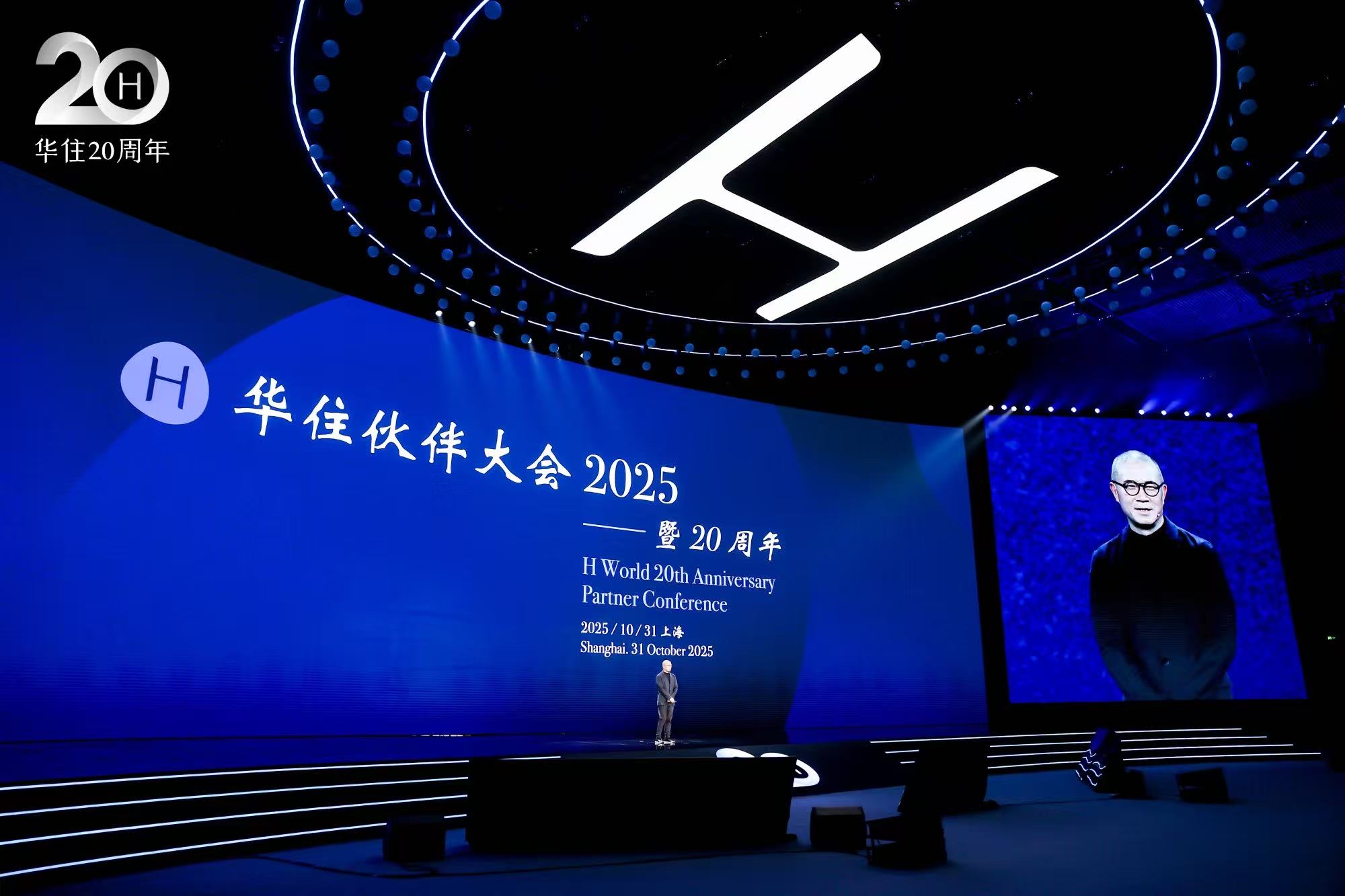
Core Insights - Huazhu Group launched a new brand "All Seasons Grand" at the 2025 Huazhu Partners Conference, integrating Eastern aesthetic travel experiences into its existing All Seasons hotel framework [2] - The founder and chairman, Ji Qi, introduced the concept of three markets in the Chinese hotel industry, highlighting distinct characteristics of developed markets, provincial capital markets, and county markets [2][3] Market Analysis - From a regional perspective, the Chinese hotel market exhibits clear gradient characteristics, with the county market showing a low chain hotel penetration rate below the national average, indicating significant growth potential [2] - Infrastructure in these markets is rapidly improving, and there is a noticeable trend of consumption upgrading, creating a favorable external environment for hotel investments [2] Consumer Behavior - The analysis of consumer capacity reveals three parallel markets: luxury consumption, middle-class consumption, and budget consumption, with the middle-income group driving high-quality development in the hotel industry [2] - The new generation of consumers has diverse and personalized demands, focusing not only on basic accommodation functions but also on experiential and aesthetic values [2] Demographic Insights - Observing age demographics, the youth market (18-35 years), middle-aged market (36-59 years), and senior market (60 years and above) display distinctly different consumption characteristics [3] - The younger generation, raised in affluent environments with good education and international exposure, has higher aesthetic demands for hotel products, significantly altering the competitive landscape of the hotel industry [3] Future Goals - Huazhu aims to lead with its brands over the next 20 years, aspiring to be a top player in each market segment and to make "Chinese service" resonate globally [3] - The vision is to transform hotels into significant "beautiful spaces" that enhance travel experiences, rather than merely serving as places to stay when away from home [3]
华住集团创始人季琦:中国酒店三四线增长空间巨大
Sou Hu Cai Jing· 2025-11-01 13:50
Core Insights - The hotel industry in China is shifting focus towards third and fourth-tier cities, similar to retail companies like Hema Fresh, indicating significant growth potential in these markets [1][3] - The hotel market's chain rate is projected to reach approximately 40% by 2024, highlighting ongoing opportunities for expansion across various city tiers [1][3] Company Overview - Huazhu Group, founded 20 years ago, has grown to become the fourth-largest hotel group globally, with its HanTing brand leading in room count at 359,475, and its All Seasons brand ranking fourth with 325,999 rooms [3] - The company has diversified its offerings across various hotel types, including economy, midscale, upscale, and serviced apartments, which supports its growth strategy [3] Market Dynamics - Despite having over 20 million hotel rooms, the chain rate in first-tier cities is only 40%, with even lower rates of 25% in third-tier cities and 14% in fourth-tier and below, indicating a fragmented market with significant room for improvement [3][4] - The demand side is experiencing changes, with a decrease in business travel but an increase in inbound tourism and leisure travel, driven by a growing middle-income group exceeding 400 million people [3][4] Industry Trends - The necessity for supply-side reform in the hotel industry is emphasized, focusing on transitioning from single units to chains, enhancing brand value, and improving cost efficiency [4] - The competitive landscape is shifting towards high-cost performance hotels that offer emotional value and service at reasonable prices, rather than solely luxury or low-cost options [4] - Huazhu is adopting modular design and integrated construction to reduce costs for new builds and renovations, while also incorporating technology like robots and self-service machines to enhance guest experience without increasing labor costs [4]

华住季琦:中国酒店业未来最大的机会在于供给侧改革
Di Yi Cai Jing· 2025-10-31 10:49
Core Insights - The Chinese county-level hotel market has significant potential, driven by factors such as a large population base, infrastructure development, and a growing tourism market, with supply-side reform being the biggest opportunity for the hotel industry in the future [1][3] Industry Overview - The chain rate of the Chinese hotel market is projected to be around 40% in 2024, indicating substantial opportunities for growth in the chain hotel sector, particularly in third and fourth-tier cities [3] - The hotel industry is experiencing a shift from simple expansion to focusing on high-cost performance hotels, including mid-range and tech-integrated self-service hotels, to provide better emotional value and service to customers [5] Company Developments - Huazhu Group plans to launch a new brand called "Huazhu Daguan" and expand its self-service hotel brand "Haiyou," which operates with a low staff-to-room ratio, significantly reducing labor costs [4] - The investment return for self-service hotels is relatively short, with new construction costs starting at approximately 57,000 yuan per room and renovation costs at around 25,000 yuan per room, making it a low-cost investment option [4] Market Dynamics - The hotel industry is transitioning into a stock competition era, where key operational metrics such as occupancy rates and average room rates are increasingly linked to city tiers, necessitating a focus on both revenue enhancement and cost optimization [5] - The rise of AI technology is expected to further enhance customer experience and operational efficiency in the hotel sector [3][5]
奢牌酒店放下身段掘金双十一 飞猪能否笑到最后?
2 1 Shi Ji Jing Ji Bao Dao· 2025-10-31 06:04
Core Insights - The travel industry is experiencing a significant promotional event for the Double Eleven shopping festival, with platforms like Fliggy offering unprecedented hotel package deals that have attracted a large number of consumers [3][4][5] - Major hotel brands, including Marriott, Wanda, and Hilton, have reported record sales during this promotional period, with some packages selling tens of thousands of units [5][6] - The competition among travel platforms has intensified, with Fliggy, Ctrip, Meituan, and others aggressively marketing their offerings, leading to price wars and increased consumer interest [7][8] Group 1: Promotional Strategies - Fliggy launched its promotional campaign on October 20, showcasing a wide variety of travel products and significant discounts, resulting in record sales figures [4][5] - Many hotels are offering low prices and additional benefits, such as no price hikes during holidays, to encourage immediate bookings and increase redemption rates [6][8] - The number of participating hotels and travel products has doubled compared to last year, indicating a robust response from the industry [5] Group 2: Competitive Landscape - The competition for hotel bookings has become fierce, with platforms like Meituan and Ctrip also entering the fray, offering similar or lower-priced packages [7][8] - High-end hotels, traditionally priced at over 10,000 yuan per night, are now offering discounted packages to attract consumers during this promotional period [8] - The overall hotel market is facing pressure due to increased competition and a rise in the number of new hotel openings, with over 2,173 new hotels launched in the first half of the year [9] Group 3: Market Performance - Major hotel groups have reported declines in key performance indicators in the Greater China region, with RevPAR and average daily rates showing negative growth for several brands [8][9] - The need for hotels to boost sales and cash flow has led to a greater emphasis on promotional events like Double Eleven, which is seen as a critical opportunity for performance recovery [9][10] - Fliggy, having been integrated into Alibaba's e-commerce group, is under pressure to deliver strong results during this promotional period to validate its market position [10][11]




首旅酒店(600258):Q3RP降幅环比持续收窄
HTSC· 2025-10-30 06:39
Investment Rating - The investment rating for the company is maintained at "Buy" [6] Core Views - The company reported a revenue of 5.782 billion RMB for Q1-Q3, a year-on-year decrease of 1.8%, while the net profit attributable to the parent company was 755 million RMB, an increase of 4.4% year-on-year [1][6] - The company is experiencing pressure on revenue per available room (RP), but the decline is narrowing compared to the previous quarter, indicating resilience in the hotel operations [2][3] - The company is focusing on long-term growth by transforming its core brand to appeal to younger consumers and enhancing product offerings, which is expected to revitalize its growth trajectory [1][2] Revenue and Profitability - For Q3, the company achieved a revenue of 2.121 billion RMB, down 1.6% year-on-year, with a net profit of 358 million RMB, down 2.2% year-on-year [1][2] - The adjusted net profit for Q3 was 340 million RMB, reflecting a year-on-year increase of 0.6%, with a net profit margin of 16.0%, up 0.4 percentage points year-on-year [1][2] Market Performance - The overall RP for the company in Q3 was 191 RMB, a decrease of 2.4% year-on-year, while the average daily rate (ADR) was 259 RMB, down 2.0% year-on-year [2] - The occupancy rate (OCC) stood at 73.6%, a slight decrease of 0.3 percentage points year-on-year [2] Expansion and Store Management - As of Q3, the company had a total of 7,501 stores, with economic and mid-to-high-end hotels accounting for 26.9% and 29.6% of the total, respectively [3] - The company opened 387 new stores in Q3, a year-on-year increase of 0.5%, with a net addition of 233 stores, down 14.7% year-on-year [3] Financial Forecast and Valuation - The net profit forecast for the company has been adjusted to 858 million RMB, 980 million RMB, and 1.094 billion RMB for the years 2025, 2026, and 2027, respectively [4] - The target price has been adjusted to 17.07 RMB, based on a price-to-earnings (PE) ratio of 22.2 times for 2025 [4]
美股三大指数收盘涨跌不一,英伟达总市值站上5万亿美元大关
Ge Long Hui A P P· 2025-10-29 22:31
Core Viewpoint - The Federal Reserve has lowered interest rates by 25 basis points for the second consecutive time and announced the cessation of quantitative tightening (QT) starting in December, leading to mixed performance in U.S. stock indices [1] Group 1: U.S. Stock Market Performance - The three major U.S. stock indices closed with mixed results: Nasdaq increased by 0.55%, S&P 500 remained flat, and Dow Jones decreased by 0.16% [1] - Nvidia's stock rose approximately 3%, pushing its total market capitalization above $5 trillion [1] - Apple saw a slight increase, marking its first closing market capitalization exceeding $4 trillion [1] - Google experienced a rise of over 2%, continuing to reach new highs [1] - Other notable movements included Amazon, Meta, and Tesla with slight increases, while Intel, Microsoft, and Netflix saw minor declines [1] - Caterpillar's stock surged by 12%, marking its largest single-day increase since 2009 [1] Group 2: Chinese Stocks Performance - The Nasdaq Golden Dragon China Index fell by 0.03% [1] - Among popular Chinese stocks, Canadian Solar (阿特斯太阳能) rose by 15.90%, Alibaba increased by 1.84%, and Bilibili (B站) and Boss Zhipin (Boss直聘) saw increases of up to 1.39% [1] - NIO, Baidu, Yum China, Trip.com, Huazhu, and Zeekr experienced increases of up to 0.71% [1] - On the downside, Atour (亚朵) fell by 1.08%, New Oriental (新东方) dropped by 1.30%, Li Auto (理想) decreased by 1.64%, Vipshop (唯品会) fell by 1.93%, and WeRide (文远知行) declined by 5.29% [1]
