罗氏

Search documents
辉瑞再次起诉诺和诺德
第一财经· 2025-11-04 08:14
Core Viewpoint - Pfizer has filed a second lawsuit against Novo Nordisk, accusing it of anti-competitive behavior in its attempt to acquire weight-loss drug manufacturer Metsera, claiming that the bid is aimed at maintaining market share rather than genuine acquisition interests [2][6]. Group 1: Legal Actions and Accusations - Pfizer has submitted a lawsuit to the U.S. District Court in Delaware, alleging that Metsera's controlling shareholders colluded with Novo Nordisk to influence the development of new drugs [3]. - Pfizer has requested a temporary restraining order to prevent Metsera from terminating its agreement with Pfizer [5]. - The lawsuit claims that Novo Nordisk offered $6.5 billion in prepayment to Metsera's shareholders before regulatory review, including restrictive clauses that could delay or obstruct new drug clinical progress [7]. Group 2: Market Dynamics and Competitive Landscape - The ongoing legal battle highlights the intense competition between Pfizer and Novo Nordisk over Metsera, which has a promising weight-loss drug pipeline projected to generate $5 billion in annual revenue [10]. - Metsera has received seven acquisition offers this year, with Novo Nordisk's final bid valuing the company at $9 billion, exceeding Pfizer's offer by over $1 billion [10]. - Novo Nordisk's market dominance in weight-loss drugs is under threat, especially with the expiration of its core product GLP-1 drug semaglutide's patent in China by 2026, which is expected to lead to the entry of numerous generics [10]. Group 3: Industry Trends and Competitor Performance - The weight-loss drug market is seeing significant investments from major players like Novo Nordisk and Eli Lilly, with Eli Lilly currently outperforming Novo Nordisk in recent data, leading to a nearly 40% drop in Novo Nordisk's stock price this year [11]. - Eli Lilly's GLP-1 drug tirzepatide generated $24.837 billion in revenue in the first three quarters, surpassing Merck's blockbuster cancer drug Keytruda [11]. - Other competitors in the weight-loss drug sector include Roche, Amgen, AstraZeneca, and Merck, all of which are entering the market through self-research and acquisition strategies [11]. Group 4: Emerging Players in China - In the Chinese market, Innovent Biologics' weight-loss drug product, mazhidutide, is in the early stages of growth, with several other companies like Heng Rui Medicine, Shijiazhuang Pharmaceutical Group, and East China Pharmaceutical actively investing in this field [12].


九州通:总代品牌业务稳步推进,前三季度销售收入超147亿元
Quan Jing Wang· 2025-11-04 07:57
Core Viewpoint - 九州通's total brand promotion business (CSO) achieved a sales revenue of 14.728 billion yuan in the first three quarters of 2025, demonstrating steady growth [1] Group 1: Pharmaceutical CSO Business - The pharmaceutical CSO business generated a sales revenue of 8.740 billion yuan, reflecting a year-on-year growth of 15.26%, primarily driven by the strong performance of core products such as 可威 and 弥可保 [1] - The company has introduced 81 new product specifications during the period, including 9 high-value products, and has secured the distribution rights for 8 specifications of 卡泊三醇 in retail channels through collaboration with 利奥中国 [1] - 九州通's platforms, including 全擎健康, currently represent 783 product specifications, with 32 products achieving annual sales exceeding 100 million yuan, covering chronic diseases and anti-infection areas [1] Group 2: Medical Device CSO Business - The medical device CSO business recorded a sales revenue of 5.987 billion yuan, facing challenges due to the impact of medical consumables procurement policies on certain products like ultrasound knives and staplers [1] - The company represents 1,386 product specifications from 11 major manufacturers, including brands like 强生, 罗氏, and 雅培, across 15 product lines [1] - New product introductions, such as 登士柏 (dental) and 加奇, have shown rapid growth, with sales revenue exceeding 180 million yuan in the first three quarters [1]

辉瑞再次起诉诺和诺德,减重药群雄混战启幕
Di Yi Cai Jing· 2025-11-04 07:28
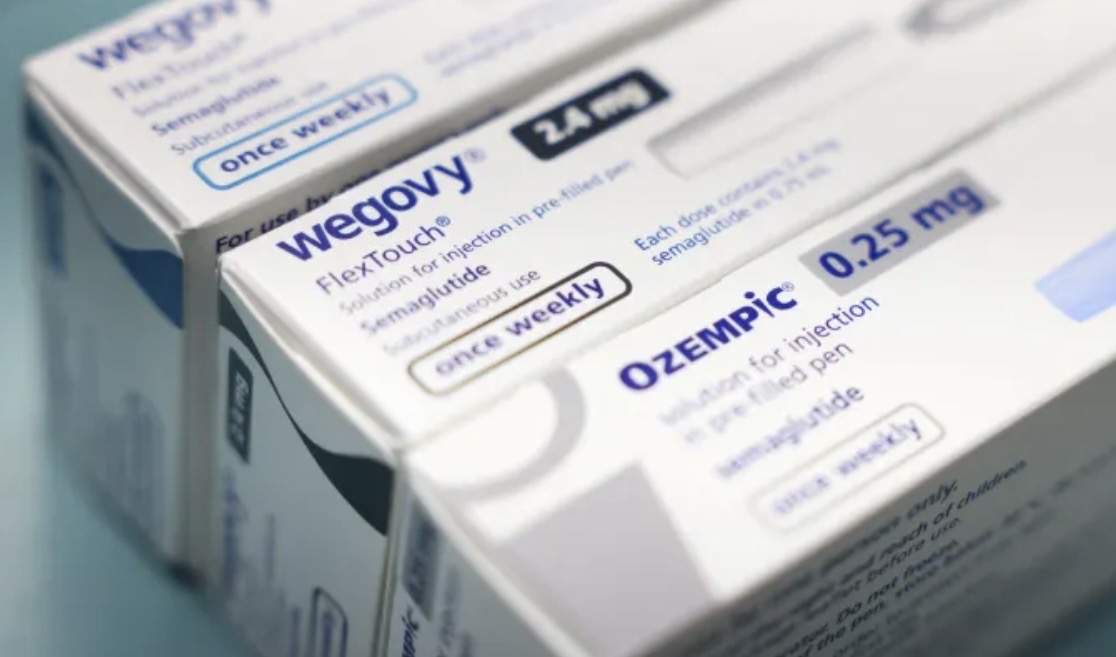
Core Viewpoint - Novo Nordisk's dominance in the weight loss drug market is being challenged by Pfizer's legal actions, which allege anti-competitive behavior related to the acquisition of Metsera [1][3][5]. Group 1: Legal Actions and Allegations - Pfizer has filed a second lawsuit against Novo Nordisk, accusing it of attempting to acquire Metsera at a price higher than Pfizer's offer, which constitutes anti-competitive behavior [1]. - Pfizer claims that Novo Nordisk's offer is a strategic move to maintain its market share of semaglutide rather than a genuine interest in Metsera's drug pipeline [3]. - The lawsuit includes allegations that Novo Nordisk provided $6.5 billion in upfront payments to Metsera's shareholders before regulatory review, with restrictive clauses that could delay or obstruct new drug development [4]. Group 2: Market Dynamics and Financial Implications - The ongoing legal battle intensifies competition between Pfizer and Novo Nordisk over Metsera, which has a promising weight loss drug pipeline projected to generate $5 billion in annual revenue [5]. - Metsera has received seven acquisition offers since the beginning of the year, with Novo Nordisk's final bid valuing the company at $9 billion, exceeding Pfizer's offer by over $1 billion [5]. - Novo Nordisk's market position is expected to face further challenges as its core product, GLP-1 drug semaglutide, will lose patent protection in China by 2026, leading to the entry of numerous generics [5]. Group 3: Competitive Landscape - The weight loss drug market is becoming increasingly competitive, with major players like Eli Lilly, Roche, Amgen, and AstraZeneca also entering the field through research and acquisitions [7]. - In China, companies such as Innovent Biologics are beginning to establish their weight loss drug products, while several domestic firms are actively investing in this sector [7]. - Eli Lilly has reported strong performance in the weight loss drug market, with its GLP-1 drug contributing $24.837 billion in revenue in the first three quarters, surpassing Merck's leading cancer drug Keytruda [6].
2025年国谈落幕:双目录同步 创新药目录降价建议区间或为15%~50%
Di Yi Cai Jing· 2025-11-04 02:49
Core Insights - The national medical insurance negotiation for 2025 has introduced a dual-directory system, marking a significant change in the negotiation process for innovative drugs and commercial insurance [1][2][15] - The negotiation process for innovative drugs has seen a price reduction range suggested by the National Medical Insurance Administration (NMIA) of 15% to 50%, with a focus on the CAR-T drugs [3][4] - The introduction of the innovative drug directory is expected to create a more sustainable market payment mechanism for new drugs, with companies needing to reassess their product positioning and market strategies [15] Summary by Sections National Medical Insurance Negotiation - The negotiation took place from October 30 to November 3, 2025, with the first three days dedicated to the national medical insurance directory and the last two days for the commercial insurance innovative drug directory [1] - This year marks the first introduction of an innovative drug directory, which has altered the negotiation dynamics for drug pricing [1][15] Price Negotiation Mechanism - The NMIA has introduced a new price negotiation mechanism for innovative drugs, allowing for price discussions between drug companies and commercial insurance [1][3] - Companies have been advised to consider a price reduction of 15% to 50% during negotiations, with some expressing skepticism about achieving reductions below 15% [3][4] CAR-T Drugs - CAR-T drugs have been a focal point in the negotiations, with successful negotiations reported for some products, such as the CAR-T drug from HeYuan Biotech priced at 999,000 yuan [3][4] - A limited number of CAR-T drugs are expected to be included in the innovative drug directory, with estimates suggesting around 20 drugs may be approved [1][3] Commercial Insurance Dynamics - The dual-directory negotiation allows companies to choose between reporting to the basic medical insurance directory, the innovative drug directory, or both, creating strategic options for different companies [2][10] - The commercial insurance market has shown limited interest in covering rare disease drugs due to their high costs and small patient populations, which may affect their inclusion in the innovative drug directory [14][15] Focus on ADC and Bispecific Antibodies - ADC (Antibody-Drug Conjugates) and bispecific antibodies remain key focus areas in the negotiations, with several innovative drugs vying for inclusion in the directories [8][10] - Companies are adopting varied strategies based on their market positioning, with some prioritizing the basic medical insurance directory for broader market access, while others focus on maintaining high-end product positioning through the innovative drug directory [10][11]
2025年国谈落幕:双目录同步,创新药目录降价建议区间或为15%~50%
Di Yi Cai Jing· 2025-11-04 02:45
Core Insights - The national medical insurance negotiation concluded with significant changes, including the introduction of an innovative drug directory and a new price negotiation mechanism involving both domestic and foreign pharmaceutical companies [1][15] - The negotiation focused on price reductions ranging from 15% to 50%, with a particular emphasis on CAR-T therapies, which are expected to have a limited number of entries in the innovative drug directory [1][3][15] Group 1: Innovative Drug Directory - The innovative drug directory negotiation was a first, allowing for a new pricing negotiation mechanism between pharmaceutical companies and commercial insurance [1][15] - The number of drugs entering the innovative drug directory is expected to be limited, with estimates suggesting around 20 drugs may be included [1][3] - CAR-T therapies are a focal point, with successful negotiations reported for some products, indicating a competitive landscape for pricing [3][4] Group 2: Pricing Strategies - Pharmaceutical companies are presented with options to report under different categories, influencing their pricing strategies and negotiation approaches [2][10] - The negotiation dynamics reveal a split in strategies, with some companies prioritizing market share through price reductions, while others aim to maintain premium pricing for innovative products [10][11] - The expected price reductions for CAR-T therapies are under scrutiny, with some companies indicating that achieving a reduction below 15% may be challenging [3][4] Group 3: Commercial Insurance Impact - The introduction of the innovative drug directory is seen as a potential game-changer for how CAR-T therapies are covered under commercial insurance, although the actual impact remains to be seen [5][15] - There is skepticism regarding the inclusion of rare disease drugs in the commercial insurance directory, as insurers are less inclined to cover high-cost, low-volume medications [14][15] - The overall goal of the negotiations is to establish a sustainable market-based payment mechanism for innovative drugs, leveraging both public and commercial insurance [15]
创新出海节奏恢复,关注复苏细分领域
Huaxin Securities· 2025-11-03 08:49
Investment Rating - The report maintains a "Recommended" investment rating for the pharmaceutical industry [1] Core Insights - The rhythm of innovative drug licensing-out transactions has recovered, with a total of 103 transactions and a total amount of $92.03 billion in the first three quarters of 2025, representing a 77% increase compared to the total amount for 2024 [2] - The research and CXO sectors continue to lead the recovery in the pharmaceutical industry, with significant profit growth in these areas [4] - The medical device bidding market has shown a steady recovery, with a year-on-year growth of 29.8% in the third quarter of 2025 [5] - The self-immune field has seen breakthroughs in overseas licensing, indicating a growing alignment with global R&D trends [6] - The weight loss market is experiencing competitive mergers and acquisitions, highlighting its attractiveness and potential impact on Chinese companies [7] - Trends in respiratory infectious diseases are expected to influence the demand for detection and treatment medications [8] Summary by Sections 1. Pharmaceutical Market Tracking - The pharmaceutical industry outperformed the CSI 300 index by 1.74 percentage points in the last week, ranking 9th among 31 primary industry indices [21] - In the last month, the pharmaceutical industry underperformed the CSI 300 index by 1.83 percentage points, ranking 24th [25] 2. Pharmaceutical Sector Trends and Valuation - The pharmaceutical industry index has a current PE (TTM) of 38.80, above the five-year historical average of 31.26 [42] 3. Recent Research Achievements - The report highlights various recent research outputs, including weekly industry reports and insights on innovative drug licensing trends [48] 4. Recent Industry Policies and News - The National Healthcare Security Administration has initiated reforms for immediate settlement of medical insurance funds, aiming for 80% coverage by the end of 2025 [50] - Recent news includes significant breakthroughs in GLP-1 therapies and the approval of new drugs for chronic hepatitis B [51][52] 5. Recommended Companies and Profit Forecasts - The report provides a list of recommended companies with their respective EPS and PE ratios, indicating a positive outlook for several firms in the pharmaceutical sector [10]


关税影响微乎其微?欧洲企业反借美国市场高歌猛进,明年利润或实现两位数增长
Hua Er Jie Jian Wen· 2025-11-03 07:41
Group 1 - European companies are demonstrating remarkable adaptability to U.S. tariff barriers, with a Goldman Sachs portfolio of affected European stocks outperforming the market by approximately 6% in October, double the gain of the Stoxx Europe 600 index [1] - Major European firms like Hermès, Unilever, and Galderma Group AG attribute their better-than-expected performance and raised guidance to strong demand in the U.S. market [1][2] - The frequency of the term "tariff" in earnings calls is decreasing, indicating that corporate management's concerns about tariffs are diminishing [1] Group 2 - The U.S. market has become a key growth driver for many European companies, with Hermès reporting a 14.1% sales increase in its regional markets, and Unilever crediting strong North American demand for its sales performance [2] - Galderma raised its full-year guidance based on strong U.S. sales, while other companies like Haleon Plc and Stellantis also reported unexpected sales growth in North America [2] Group 3 - Companies are adapting to tariff challenges by cutting costs, adjusting production layouts, and increasing investments in the U.S. [3] - Pharmaceutical companies like Novartis and GSK are negotiating with the U.S. government for price reductions in exchange for future tariff exemptions, with AstraZeneca reaching an agreement in October [3] Group 4 - Despite overall optimism, the impact of tariffs is not uniform, with some companies like Rémy Cointreau and Pernod Ricard warning of weaker-than-expected recovery in specific markets [4] - Market sentiment is shifting towards the view that tariffs are manageable, although some analysts caution against premature conclusions regarding their impact [4][5]


港股异动 | 荃信生物-B(02509)盘中涨超11% 旗下QX031N授权罗氏 机构称本次交易具备一定稀缺性
智通财经网· 2025-11-03 06:33
Core Viewpoint - Zai Lab Limited (荃信生物-B) has entered into a global exclusive collaboration and licensing agreement with Roche for its self-developed long-acting dual antibody QX031N, which has led to a significant increase in its stock price [1] Group 1: Financial Aspects - Zai Lab will receive an upfront payment of $75 million and up to $995 million in milestone payments, along with potential tiered royalties from future product sales [1] - The stock price of Zai Lab increased by over 11% during trading, with a current price of HKD 22.82 and a trading volume of HKD 12.29 million [1] Group 2: Product and Market Potential - QX031N is a long-acting dual antibody targeting TSLP and IL-33, currently in the preclinical pipeline and has not yet entered clinical stages [1] - The agreement with Roche is seen as a validation of the company's innovative early research capabilities and recognition of the market potential in the autoimmune respiratory sector [1] - The transaction is considered rare due to the significant upfront payment and the clinical value of QX031N, which is comparable to TL1A dual antibodies in the IBD field, indicating a leading position and market potential globally for this target combination [1]

荃信生物-B盘中涨超11% 旗下QX031N授权罗氏 机构称本次交易具备一定稀缺性
Zhi Tong Cai Jing· 2025-11-03 06:29
Core Viewpoint - The announcement of a global exclusive collaboration and licensing agreement between the company and Roche for the self-developed long-acting dual antibody QX031N has positively impacted the stock price, reflecting investor confidence in the company's innovation capabilities and market potential in the autoimmune sector [1][1]. Group 1: Collaboration Agreement - The company has entered into a global exclusive collaboration and licensing agreement with Roche for QX031N, granting Roche rights for research, development, registration, production, and commercialization [1][1]. - The agreement includes an upfront payment of $75 million and up to $995 million in milestone payments, along with potential future sales royalties [1][1]. Group 2: Product Details - QX031N is a long-acting dual antibody injection targeting TSLP and IL-33, currently in the preclinical pipeline and has not yet entered clinical stages [1][1]. - The collaboration is seen as a validation of the company's early-stage innovation capabilities and recognition of the market potential in the autoimmune respiratory sector [1][1]. Group 3: Market Implications - The transaction is considered rare due to the significant upfront payment and the collaboration with a major multinational corporation (MNC), indicating the clinical value of QX031N is comparable to TL1A dual antibodies in the inflammatory bowel disease (IBD) field [1][1]. - The combination of targets for QX031N is viewed as having a leading position and market potential globally [1][1].
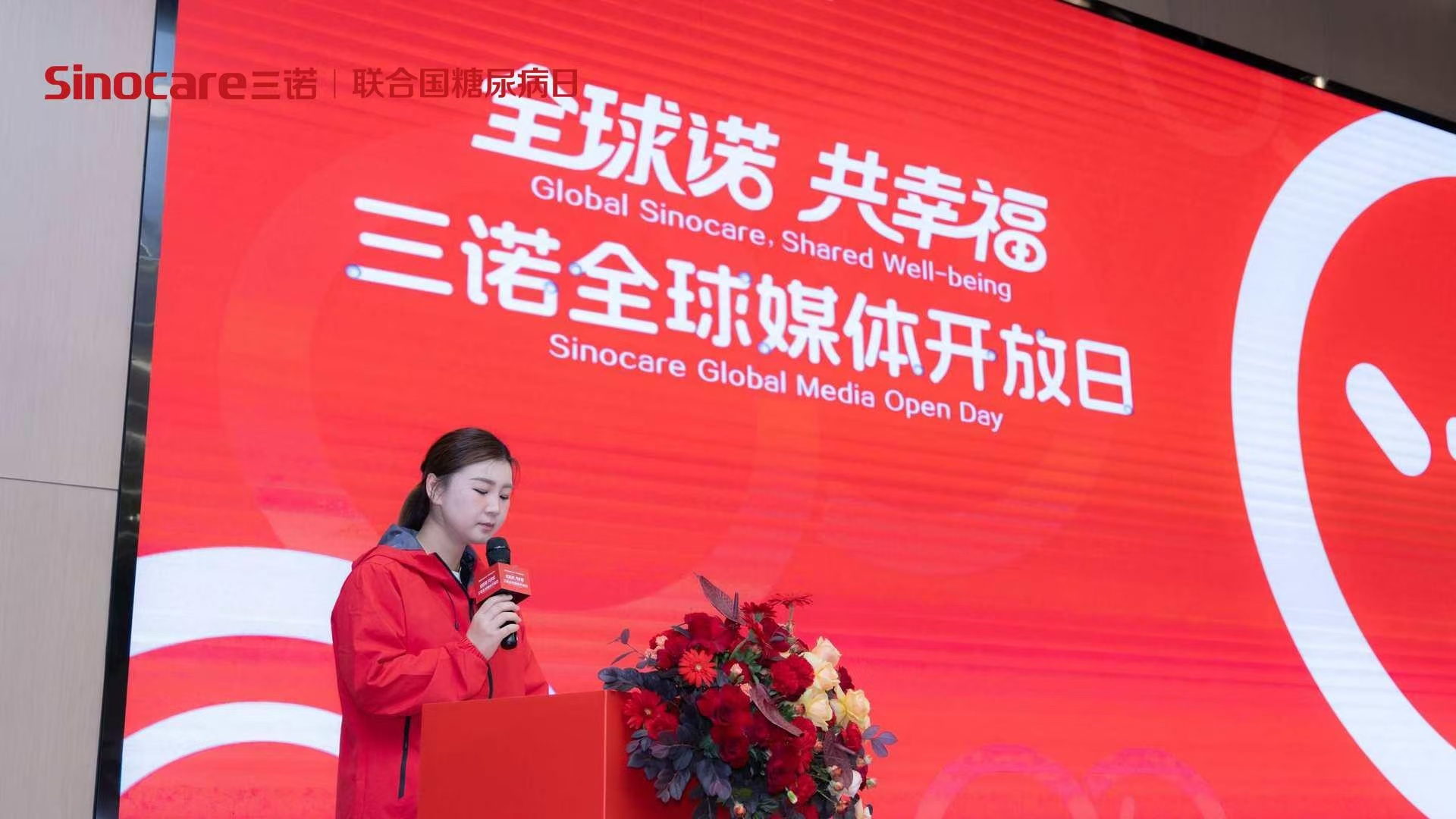
国产CGM突围战 三诺生物“卷”创新
Zheng Quan Shi Bao Wang· 2025-11-02 08:58
Core Insights - The company Sanofi Biotech is showcasing its advancements in continuous glucose monitoring (CGM), chronic disease digital management, artificial intelligence, globalization strategy, and diabetes public welfare practices ahead of World Diabetes Day [1][4] Group 1: CGM Market Dynamics - The CGM market is experiencing a shift from intermittent to continuous monitoring, with CGM products providing real-time data for diabetes management, representing a significant growth opportunity [4] - Intense price competition is evident in the domestic CGM market, with prices dropping significantly; for instance, during the "Double 11" shopping event, CGM prices fell to around 100 yuan per unit, a substantial decrease from two years ago [4] - The company emphasizes a strategy focused on "technology-driven and reasonable pricing," aiming to enhance sensor performance and optimize production processes to lower costs while increasing service value [4][5] Group 2: Innovation and Healthcare Integration - The introduction of large models for data interpretation aims to enhance data collection accuracy, with capabilities such as precise food recognition [5] - The company has supported over 500 grassroots medical institutions nationwide, improving chronic disease management through equipment empowerment, talent training, and data platform development [6] Group 3: International Expansion and Challenges - The company is pursuing a dual strategy of maintaining domestic market share while expanding internationally, with overseas revenue reaching 999.7 million yuan, accounting for 44% of total revenue by mid-2025 [7] - In Africa, the company exports 40,000 glucose monitoring devices monthly, with projected sales in the region expected to exceed 160 million yuan by 2026 [7] - The company faces patent challenges, including a lawsuit with Roche that impacted quarterly net profit by 136 million yuan, but continues to see double-digit growth in both traditional and CGM business segments [7][8]