俄罗斯天然气工业股份公司

Search documents
匈牙利彻底慌了!美俄峰会泡汤,86%石油来自俄罗斯,能源遭卡脖
Sou Hu Cai Jing· 2025-11-08 11:39
事情的转折发生在10月下旬。特朗普突然宣布对俄罗斯石油公司和卢克石油公司实施制裁,这直接戳中 了匈牙利的"命门"。 要知道,匈牙利86%的原油都来自俄罗斯,天然气更是长期依赖俄罗斯供应。10月27日,一向对美态度 温和的欧尔班罕见发声,直言特朗普这步"走得太远了",言语间满是不满。 本指望靠特朗普在美俄之间左右逢源,没想到对方政策突然"急转弯",不仅取消了布达佩斯峰会,还挥 起制裁大棒,让他陷入能源断供的绝境。 匈牙利总理欧尔班这回彻底慌了! 11月初发生的一件事,让欧尔班的处境更尴尬。匈牙利石油天然气公司MOL旗下的一家炼油厂,因为 美国制裁导致俄罗斯原油供应受阻,被迫减产30%。 这家炼油厂承担着匈牙利40%的燃油供应,减产消息一出,国内加油站立刻出现排队现象,部分地区甚 至出现燃油涨价。民众纷纷在社交平台吐槽,原本指望欧尔班靠俄能源维持低价,现在反而要面临油 荒。 其实欧尔班早就跟俄罗斯绑在了能源战车上。2021年,他就和俄罗斯天然气工业股份公司签了15年的天 然气供应协议,通过"土耳其溪"输气管道进口。 俄乌冲突爆发后,其他欧盟国家都在减少对俄能源依赖,匈牙利反而把俄原油依赖度从64%提到了 86%。 ...


特朗普摊牌:制裁时间到了,拉黑俄罗斯石油巨头,如何影响中国
Sou Hu Cai Jing· 2025-11-04 11:08
Group 1 - The U.S. Treasury announced new sanctions against two major Russian oil companies, Rosneft and Lukoil, due to Russia's lack of sincerity in promoting peace in the Ukraine conflict [1][3] - The sanctions target not only the parent companies but also dozens of affiliated subsidiaries, covering the entire oil industry supply chain from exploration to sales [4][8] - Rosneft holds a 40% share of Russia's domestic crude oil production and contributes over one-third of the country's energy export revenue, while Lukoil has nearly 40% of its business overseas, primarily in Romania, Bulgaria, and the Middle East [6] Group 2 - Previous sanctions by the U.S. included a ban on importing Russian crude oil and setting a price cap of $60 per barrel for Russian oil, but the current sanctions are broader, affecting the entire oil supply chain [8][10] - The sanctions may prohibit U.S. companies from engaging in new transactions with the Russian oil companies, freeze their assets in the U.S., and restrict their use of the SWIFT international payment system [10] - The timing of the sanctions coincides with a slight recovery in Russian oil exports, indicating a strategic move by the U.S. to exert pressure on Russia during a critical period [10] Group 3 - The impact of the sanctions on the Russian economy could be significant, as energy exports account for a substantial portion of the country's revenue, potentially leading to a decline in foreign exchange income and increased inflation [12] - Russia may respond to the sanctions by reducing oil supplies to the U.S. and its allies, and accelerating energy cooperation with China, including the construction of the Power of Siberia 2 pipeline [14][15] - The international energy market may experience volatility, with potential price increases due to concerns over reduced supply, while U.S. shale oil companies might benefit from expanded production opportunities [17] Group 4 - The core objective of the U.S. sanctions is to pressure Russia into making concessions in the Ukraine peace talks, although the effectiveness of these sanctions remains uncertain [19] - Long-term reliance on sanctions as a solution is challenging, as they can also impact the sanctioning party's market, particularly if oil prices rise, affecting domestic consumers [21]
《新能源时代》:中国将成引领锂电能源革命关键力量
Bei Jing Ri Bao Ke Hu Duan· 2025-11-02 12:27
Core Insights - Lithium is redefining energy thinking in the 21st century, being a crucial element in renewable energy storage solutions [2] - The emergence of lithium batteries has addressed the storage bottleneck of renewable energy, enabling large-scale utilization [3] - The transition from fossil fuels to lithium-ion batteries represents the most significant change in transportation since the invention of the gasoline engine [4] Industry Trends - Approximately 79% of global oil consumption is for transportation, and technology exists to replace 50% of oil demand with electric vehicles [4] - The demand for lithium has grown over 30 times from 2000 to 2015, with expectations of a further tenfold increase by 2025 [6] - The lithium industry is shifting its focus from Western and Middle Eastern dominance to Asian and Latin American leadership, with China playing a pivotal role [7] Market Dynamics - China's "Made in China 2025" strategy emphasizes electric vehicles, batteries, and lithium as national development priorities [5] - The entire lithium battery supply chain is established in China, from raw material extraction to battery production, under strict regulatory oversight [8] - China is rapidly expanding its electric vehicle infrastructure, adding 1,000 charging stations daily in 2019 [9] Future Outlook - The book aims to explore the ongoing and upcoming changes in the lithium industry, providing insights into the future landscape over the next 30 years [4] - The industry's ability to turn crises into opportunities is highlighted, with a focus on strategic planning by major players [7] - The development of battery recycling and repurposing initiatives in China is crucial for sustainability and consumer needs [9]

俄罗斯经济命脉被掐!不料普京出奇招,中国送上的大礼成最大变数
Sou Hu Cai Jing· 2025-11-01 09:44
Core Points - The EU and the US announced new sanctions against Russia on October 23, 2025, focusing on the energy sector, which is crucial for Russia's economy [1] - The EU's 19th sanctions package includes a complete ban on Russian liquefied natural gas (LNG) imports effective January 1, 2027, and sets a price cap of $47.6 per barrel on Russian crude oil [1][2] - The US Treasury imposed sanctions on two major Russian oil companies, Rosneft and Lukoil, which account for nearly half of Russia's total oil exports, freezing their assets in the US [1][2] Energy Sector Impact - The EU's ban on LNG imports will significantly affect Russia's LNG trade, which generated over €15 billion in revenue in 2024 [2] - Slovakia initially opposed the sanctions due to its heavy reliance on Russian energy but eventually agreed after receiving EU commitments for energy price subsidies and support for its automotive industry [2] - In 2024, Russia's LNG exports reached 54.45 billion cubic meters, making it the second-largest gas supplier to Europe, despite a drop in pipeline gas exports to the EU [2][9] Market Reactions - Following the US sanctions on Rosneft and Lukoil, global oil prices surged by 5%, reaching a two-week high, impacting oil trade in Africa and Asia [7] - The EU's natural gas wholesale prices are now nearly five times higher than those in the US, significantly affecting the competitiveness of EU industries [7] - The sanctions are expected to push Russia to seek alternative markets, particularly in Asia, as it adjusts its energy sector to cope with Western sanctions [3][9] Future Developments - Russia is enhancing its energy cooperation with China, including a binding memorandum for the Power of Siberia 2 gas pipeline project, which will transport 50 billion cubic meters of gas annually [5] - The EU has been reducing its dependence on Russian gas since 2021, decreasing from 45% to 18% by 2024, while also increasing its LNG imports from Russia to a record 16.5 million tons in 2024 [9]
【环球财经】俄诺瓦泰克公司董事长:排挤俄液化天然气将致气价飙升
Xin Hua Cai Jing· 2025-10-30 14:03
Core Viewpoint - The chairman of Novatek, Leonid Mikhelson, stated that it is unrealistic for the West to exclude Russian liquefied natural gas (LNG) from the global gas supply-demand balance, despite the EU's new sanctions prohibiting imports of Russian LNG starting in 2027 [1] Group 1: Impact of Sanctions - The EU's 19th round of sanctions against Russia includes a ban on importing Russian LNG, marking the first direct attack on Russia's gas industry, which is a core pillar of its economy [1] - Mikhelson emphasized that even if Russian LNG is redirected to other markets, its removal from the global supply-demand balance would lead to significant price increases, impacting European consumers the most [1] Group 2: Market Position and Supply Dynamics - Russia accounts for over 10% of global LNG production, making it a significant player in the market [1] - Novatek is the second-largest gas producer in Russia, following Gazprom, and operates as a private company [1] - The U.S. LNG projects are unable to meet the rapidly growing demand in Europe, despite a 60% increase in U.S. LNG exports to Europe in the first three quarters of the year, which now constitute 60% of Europe's total LNG imports [1]
“高市早苗当面拒绝美国”
中国基金报· 2025-10-30 00:40
Core Viewpoint - Japan's Prime Minister Kishi Nobuo has rejected the U.S. request to stop importing Russian energy, citing significant challenges in halting liquefied natural gas (LNG) imports from Russia, which account for nearly 9% of Japan's total LNG imports [2][3]. Group 1 - Japan's LNG imports from Russia are significant, with major Japanese companies like Mitsui & Co. and Mitsubishi Corporation holding stakes in the Sakhalin-2 project, which is a joint venture involving Russian and international partners [2][3]. - The Sakhalin-2 project is crucial for Japan's energy supply, with most of its contracts set to expire between 2028 and 2033, leading to concerns about rising costs and electricity prices if alternative supplies are sought [3]. - Japan currently imports less than 1% of its oil from Russia, with the majority of its oil supply sourced from the Middle East [4].

日本首相高市早苗告诉美国总统特朗普:禁止进口俄罗斯液化天然气将存在困难
Ge Long Hui· 2025-10-29 07:56
【免责声明】本文仅代表作者本人观点,与和讯网无关。和讯网站对文中陈述、观点判断保持中立,不对所包含内容 的准确性、可靠性或完整性提供任何明示或暗示的保证。请读者仅作参考,并请自行承担全部责任。邮箱: news_center@staff.hexun.com (责任编辑:宋政 HN002) 格隆汇10月29日|日本首相高市早苗告诉美国总统特朗普,禁止进口俄罗斯液化天然气将存在困难。 ...

波兰总理痛批:北溪非事故而是战略有错,欧洲正在自食苦果
Sou Hu Cai Jing· 2025-10-29 01:30
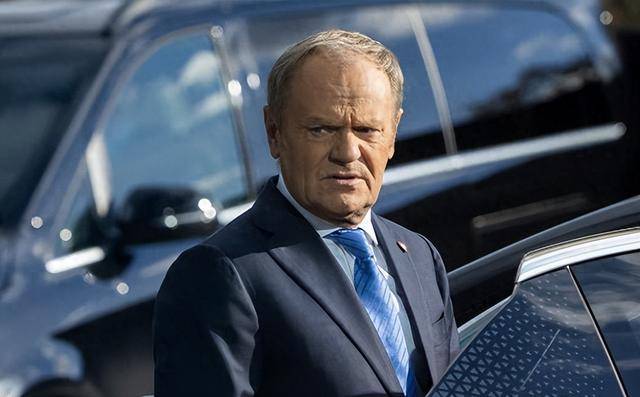
Core Viewpoint - Polish Prime Minister Donald Tusk warns that the end of military actions in the Russia-Ukraine war may not signify the end of European security, but rather the beginning of new controversies, particularly regarding economic relations with Russia and the potential revival of the "Nord Stream 2" gas pipeline project [1][12]. Group 1: Nord Stream Project Controversy - The "Nord Stream" pipeline was initially designed to bypass Ukraine and Poland, providing a direct gas supply route from Russia to Germany, reducing political interference and transportation costs [3]. - Germany has been a strong proponent of the project, viewing cheap Russian gas as crucial for its manufacturing competitiveness, with "Nord Stream 1" costing Germany and Russia a combined €7.4 billion [3][4]. - Tusk argues that the "Nord Stream 2" project should never have been built, as it represents a strategic compromise with Russia, increasing Europe's energy dependence and sending dangerous signals to the Kremlin [6][10]. Group 2: Security and Economic Dilemmas - Tusk highlights the potential pressure on Europe to re-establish economic ties with Russia post-war, with the "Nord Stream 2" project symbolizing this dilemma [12][14]. - The desire for cheap Russian energy to revive the economy may lead to a dangerous compromise on security, as Tusk emphasizes that economic cooperation with Russia is not merely a commercial decision but a strategic choice affecting national security [15]. - The ongoing internal conflicts within Europe regarding the investigation into the "Nord Stream" explosion reveal the fragility of the collective security consensus, as countries prioritize national interests over collaborative efforts [10][12]. Group 3: European Unity and Strategic Choices - Tusk's statement that "the era of European illusions has ended" reflects the underestimation of the threat posed by Putin, with many countries still hoping for compromise despite the clear dangers [17]. - The Brexit situation has exacerbated the crisis of unity within Europe, as the departure of the UK has weakened the EU's overall strength in diplomacy and defense [19]. - The ongoing struggle between economic interests and security principles, particularly highlighted by the "Nord Stream" project, underscores the need for Europe to find a balance and rebuild strategic consensus [21].
军工熄火、财政爆雷,俄罗斯这仗打出了大问题,普京骑虎难下
Sou Hu Cai Jing· 2025-10-28 09:11
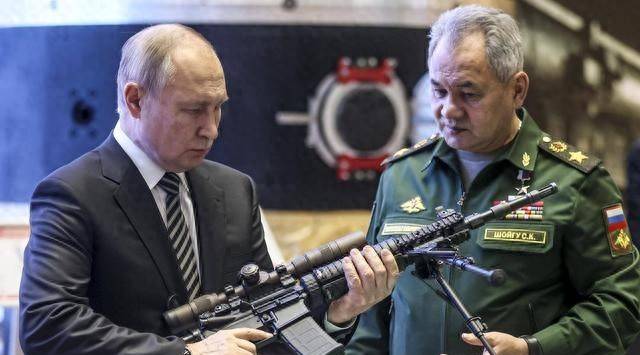
Economic Overview - The prolonged conflict has exposed significant economic issues in Russia, which was previously buoyed by its military-industrial complex [1][3] - President Putin faces critical decisions as the economy shows signs of distress [1][3] Military-Industrial Sector - Initially, the military-industrial sector was a strong growth driver, supported by a multi-trillion ruble defense budget [5] - By September 2025, production capacity for metal products saw a year-on-year decline of 1.6%, marking the first negative growth since the war began [5][7] - The growth rate for military products plummeted to 6% in September, down from 61.2% the previous month, indicating a severe slowdown in production [7] Industrial Output - Overall industrial output grew by only 0.3% in September, a significant drop from 5.6% the previous year [9] - Manufacturing growth was even lower at 0.4%, the lowest rate recorded in 2023 [9] Energy Sector - The energy sector showed a slight improvement with a 1.2% year-on-year growth in September, attributed to a minor rebound in oil prices [11] - However, this growth is threatened by U.S. sanctions on major Russian oil companies and India's plans to reduce reliance on Russian oil [11] Fiscal Challenges - Russia's fiscal situation is dire, with raw material export revenues down by 21% and the fiscal deficit reaching five times the original plan [13][15] - The government announced significant spending cuts starting in Q4, which will directly impact military orders and industrial production [15] Consumer and Investment Trends - Consumer spending and business investments have been declining since Q2, with retail growth dropping from 7.2% last year to just 2.4% in April [16] - Adjusted for inflation, real retail sales have contracted by over 7%, indicating a decrease in consumer purchasing power [16] Economic Outlook - Russia's economy is entering a "technical recession," with previous growth rates of over 4% now unsustainable without military expansion and government spending [17][19] - The International Monetary Fund (IMF) has revised Russia's 2025 growth forecast down to 0.9%, while the Russian government has lowered its target from 2.5% to 1.5% [19] Political Implications - The ongoing war has led to a critical juncture for Russia, with potential choices between continuing the conflict or seeking a resolution, each carrying significant political consequences [26][28] - The future direction of Russia's economy and political landscape hinges on the decisions made by President Putin in the coming months [28]
突发特讯!欧盟正式通告全球:欧盟正式通过对俄罗斯第19轮制裁,引发全球高度关注
Sou Hu Cai Jing· 2025-10-23 10:11
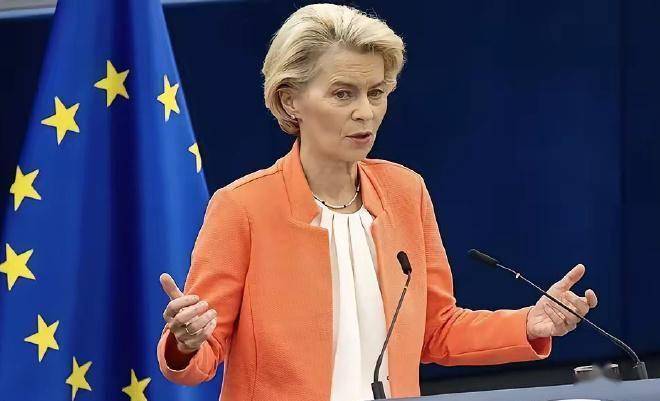
这不再是过去小打小闹的扩大名单,而是一次质的飞跃。欧盟委员会主席冯德莱恩亲自定调,直言不讳地指出,这是首次触及俄罗斯天然气行业。这个 词,"首次",背后是长达两年多的犹豫、博弈与最终下定的决心。 了解这两年制裁历程的人都清楚,欧盟对俄罗斯的能源制裁,一直遵循着一条清晰的"先易后难"路径:先是煤炭,然后是大部分石油,但天然气,始终是那 个不敢轻易触碰的"禁区"。 为什么?因为牵一发而动全身。欧洲,尤其是德国这样的工业巨头,曾深度依赖俄罗斯的天然气。尽管冲突后欧洲极力寻找替代源,但"断气"的痛,记忆犹 新。更重要的是,全球液化天然气市场是一个紧绷的弦,任何对俄气的大规模限制,都可能引发价格海啸,反噬欧洲自身经济。 但如今,欧盟迈出了这一步。虽然目前的措施还留有余地——主要针对通过欧盟港口向第三国的转运业务和技术服务,而非直接禁止进口——但其象征意义 和战略意图已昭然若揭。这标志着欧盟的战略目标已从"限制俄罗斯获得战争资金"升级为"系统性削弱俄罗斯未来的能源出口能力"。他们不仅要掐断今天的 现金流,更要砸掉俄罗斯明天吃饭的锅。 二、 美欧"神同步",唱的是哪出双簧? 一、 为何说这次是"禁区"突破?天然气是最后的脸 ...