SHEIN

Search documents
全球跨境电商交易博览会7月在杭举办
Hang Zhou Ri Bao· 2025-05-08 02:16
五大特色优势引领新跨境电商时代 今年在杭举办的全球跨境电商交易博览会,将呈现五大特色优势。 7月10日-12日,在浙江省商务厅、杭州市商务局支持下,上海扩展集团、杭州日报、都市快报、海 圈网、跨境百人荟组织举办全球跨境电商交易博览会,为传统外贸转型赋能。 十年规模由1.2亿元增长到超1500亿元 2015年,国务院批复同意在杭州设立全国首个跨境电商综合试验区,今年迎来10周年,我国跨境电 商从星星之火成长为中国外贸发展中举足轻重的力量。 10年来,杭州跨境电商进出口规模由获批之初的不足1.2亿元增长到1519.95亿元,增长了1267倍, 跨境电商卖家数由获批之初的200余家,增长到2024年的6.5万家,增长了325倍,交易额2000万元以上 的跨境电商企业1586家,杭州成为全国的跨境电商枢纽。 2025年全球跨境电商交易博览会将在杭州大会展中心举办,本次展会以"甄选源头精品 链接跨境人 才"为主题,以"直播出海、品牌出海、新兴市场"为抓手,坚持市场化、专业化、国际化、规模化、特 色化办展,打造集品牌展示、贸易洽谈、采购对接、资源共享为一体的高端展会合作交流平台。 本次展会展览面积预计达到60000平方米 ...
从优衣库到 Temu:中国电商用数月追平欧美巨头10年布局
Huan Qiu Wang· 2025-05-07 08:28
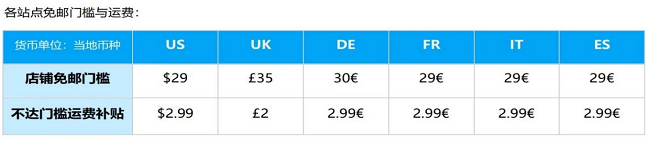
Group 1 - The Japanese market, known for its price sensitivity, is becoming a new battleground for Chinese e-commerce platforms like Temu and SHEIN, which are dominating shopping rankings with ultra-low prices [1][5] - Temu offers products at significantly lower prices, such as a dress priced at 1,500 yen (approximately 70 RMB), which is one-third the price of similar products from Uniqlo, directly impacting local retailers [5] - The rise of Chinese e-commerce is also attributed to generational changes in Japanese consumer preferences, with a decline in the belief that domestic brands are superior, dropping from 56% in 2010 to 37% in 2020 among the 18-29 age group [5] Group 2 - Chinese products are shedding the "low price, low quality" label, gaining a reputation for quality, which is further supported by the economic downturn in Japan and generational shifts in consumer behavior [6] - The rapid success of Chinese platforms in Japan contrasts with foreign companies like Rakuten, which has taken decades to adapt to the local market, while Chinese platforms achieved significant market penetration in just months [5][6] - By July 2023, Temu had over 15 million users in Japan within six months of entry, and over 50% of new sellers on Amazon Japan are now Chinese merchants, indicating a deepening presence in the world's third-largest economy [5]

SHEIN上线半托管运费补贴功能,准时达跨境助力商家新机遇
Jin Tou Wang· 2025-05-07 07:04
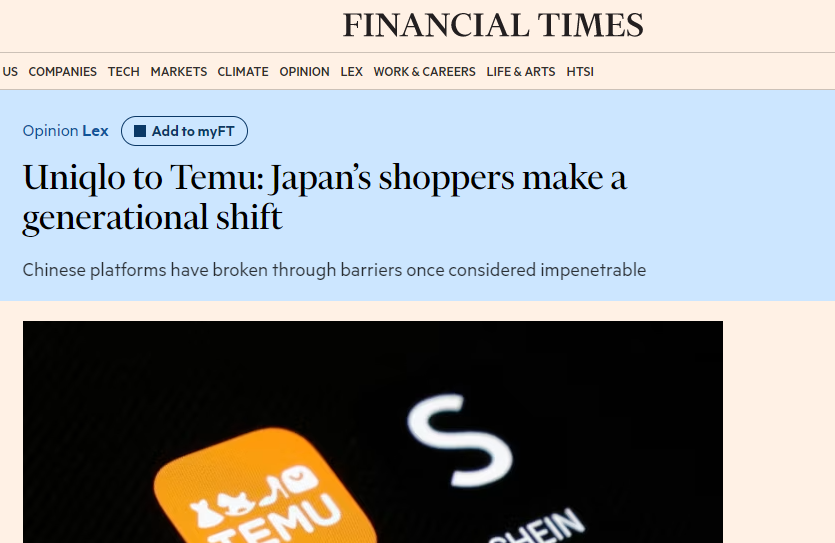
近日,全球领先的时尚与生活方式零售商SHEIN上线一项利好功能 ——面向半托管模式卖家推出非包 邮订单的运费补贴,以进一步降低商品出海的物流成本,提升履约效率与服务体验。 在该补贴规则下,如买家下单的订单购买金额满足包邮条件,买家无需承担运费;若买家下单时的购买 金额未达到包邮条件,平台将向卖家提供运费补贴。 注:刚上线时,该功能是默认关闭的,大家根据需求手动开启。选择【启用】后,按照下方配置内容向 买家收取运费 。开启后 3 - 5 分钟,免邮条件就会在前台显示。不过目前暂不支持咱们自行设置免邮条 件或收费金额哦。 2.查看运费补贴金额: | 货币单位:当地币种 | US | UK | DE | FR | ITT | ES | | --- | --- | --- | --- | --- | --- | --- | | 店铺免邮门槛 | $29 | દર્ડ | 30€ | 29€ | 29€ | 29€ | | 不达门槛运费补贴 | $2.99 | £2 | 2.99€ | 2.99€ | 2.99€ | 2.99€ | 在当前的跨境电商环境下,物流成本一直是商家们面临的一大挑战。SHEIN 此次推出的物流 ...
“泼天流量”缘何涌向中国跨境电商
Xin Hua Ri Bao· 2025-05-06 20:59
Core Insights - The rise of Chinese cross-border e-commerce platforms like Dunhuang.com reflects a deep integration of Chinese manufacturing and digital trade systems, showcasing the recognition of Chinese manufacturing capabilities [1][2] - The surge in traffic towards Chinese e-commerce platforms is driven by China's comprehensive industrial chain advantage, covering 510 industrial categories, and the high cost-performance ratio of Chinese products [1][2] - The efficiency and integrity of Chinese enterprises are highlighted, with innovations such as the "digital trade corridor" reducing logistics time significantly, enhancing the fulfillment efficiency for small traders [2] Industry Trends - The transformation of Chinese enterprises from low-cost producers to high-tech manufacturers is evident, with products redefining lifestyles and gaining international acclaim [2] - The innovative business models of platforms like Dunhuang.com, Taobao, and SHEIN are not only attracting massive traffic but also demonstrating the strength and confidence of Chinese manufacturing [2] - The integration of logistics, finance, and data in the cross-border trade ecosystem has drastically improved operational efficiency, exemplified by the reduction of cross-border payment cycles from 14 days to 3 hours [2]
华山论剑与商海征途:中国企业进军东南亚市场的战略三部曲
Sou Hu Cai Jing· 2025-05-06 11:30
Group 1 - The core idea emphasizes the importance of ideological output and brand belief in the Southeast Asian market, where Chinese companies must not only export products but also a widely recognized business philosophy [1] - Major Chinese companies like Alibaba, Tencent, and TikTok have successfully integrated local cultures into their business models, creating a unique ecosystem that resonates with consumers [1] - Successful ideological output requires blending Chinese commercial wisdom with local cultural elements, as seen in marketing strategies tailored to specific countries like Indonesia, Vietnam, and Thailand [1] Group 2 - The concept of a "New Five Absolutes Alliance" is proposed for businesses in Southeast Asia, focusing on building relationships with governments, local conglomerates, Chinese partners, consumer communities, and competitors [2] - Xiaomi's approach in overseas markets serves as a model for localization, establishing a manufacturing ecosystem and local decision-making structures while maintaining control over core technologies [2] Group 3 - The competition in modern business is likened to a martial arts contest, where control over supply chains, data flows, and payment systems is crucial for success [3] - Companies like CATL and SHEIN exemplify this by establishing significant barriers in the electric vehicle battery market and utilizing flexible supply chains to meet fragmented market demands [3] Group 4 - The long-term strategy for businesses in Southeast Asia involves creating "three fortresses": talent development, compliance systems, and innovation tailored to local markets [4] - The ultimate goal for Chinese enterprises is to establish a new business paradigm rather than merely competing for market share [5] Group 5 - Malaysia is positioned as a strategic hub for Chinese companies aiming for global expansion, benefiting from its unique cultural diversity and strategic location [8] - The "Business Chain Global · Malaysia" initiative aims to connect Chinese enterprises with local resources and opportunities, facilitating deeper engagement with the ASEAN market [8][11]

美财长着急了!突然断货,美国人炸锅了:一刀砍断的不只是快递线
Xin Lang Cai Jing· 2025-05-06 11:24
Core Viewpoint - The sudden suspension of direct shipments from China to the US by Temu has caused significant disruption in the cross-border e-commerce landscape, impacting both Chinese suppliers and American consumers [1][7][13]. Group 1: Impact on E-commerce Operations - Temu's abrupt announcement led to the immediate cessation of all direct shipments from China, effectively cutting off a vital supply line for many e-commerce businesses [1][2]. - The US Customs and Border Protection (CBP) has revoked the expedited clearance codes that previously allowed Temu to process a high volume of packages daily, indicating a significant regulatory shift [2][15]. - Many logistics companies and workers in China were left confused and unprepared, as they were accustomed to high-volume shipping operations [5][21]. Group 2: Economic Consequences - The closure of Temu's shipping routes has resulted in increased costs for American consumers, with reports indicating that the price of goods has surged, sometimes tripling due to new tariffs and customs fees [21][39]. - Local American retailers, particularly small wholesalers, are facing severe challenges as the cost of importing goods has skyrocketed, leading to potential inventory issues and financial losses [21][25]. - The overall economic impact extends to American consumers, who are now experiencing higher prices and reduced access to affordable goods that were previously available through platforms like Temu [15][39]. Group 3: Market Reactions - Following the announcement, stock prices for competing platforms like SHEIN and Pinduoduo plummeted, reflecting investor concerns over the future of cross-border e-commerce [17][19]. - Some American retailers are attempting to capitalize on the situation by promoting sales of similar products, but the long-term sustainability of this strategy remains uncertain [19][39]. - The situation has sparked a broader debate about the implications of US trade policies on consumer rights and the availability of affordable goods [33][39].
36氪出海·关注|加大广告投放力度,跨境电商平台“激战”欧洲
3 6 Ke· 2025-05-06 10:59
Group 1 - The European market is becoming a new battleground for cross-border e-commerce platforms due to changes in global trade dynamics and tariff fluctuations [3][4] - SHEIN and Temu have significantly increased their advertising spending in Europe, with SHEIN's monthly ad spend in France and the UK rising by 35%, while Temu's increased by 40% and 20% respectively [3] - SHEIN's sales in Europe grew by 68% in 2023, reaching €7.684 billion [3] - Temu is accelerating its localization efforts in Europe, partnering with DHL to support its local-to-local business model, which is expected to contribute 80% of its European sales [3] Group 2 - AliExpress has a strong presence in Europe, ranking fourth and fifth in traffic contributions from Spain and France, respectively, and recently signed two celebrity endorsements in Spain [4] - Alibaba's B2B platform, Ali International Station, saw a more than 45% year-on-year increase in European orders and seller payments in March, with France, Italy, Spain, the UK, and Germany being the fastest-growing markets [4] - JD.com has launched its "Joybuy" brand in the UK and is testing operations, while its "ochama" brand has established self-operated warehouses in several European countries [4] Group 3 - The European e-commerce market is the third largest globally, with a market size of $631.9 billion in 2023, indicating significant potential [5] Group 4 - The complexity of the European market is highlighted by geographical and linguistic divisions, varying economic development levels, consumer habits, and e-commerce penetration rates across countries [7] - Many companies previously viewed Europe as a strategic branding opportunity rather than a core growth engine, but the current trade volatility has made it a crucial choice for cross-border businesses seeking stability and growth [7]
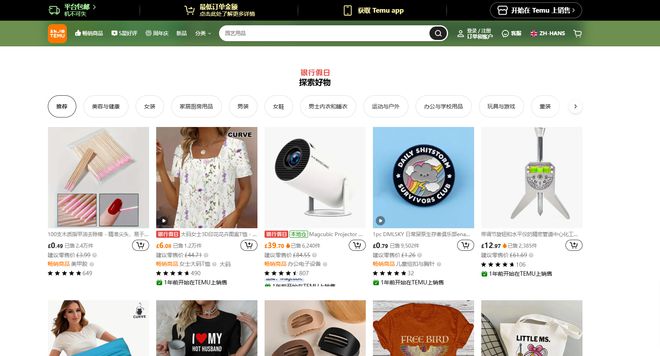
Temu停止中国直发美国业务,全面转向美国本土仓库销售
Guan Cha Zhe Wang· 2025-05-06 06:56
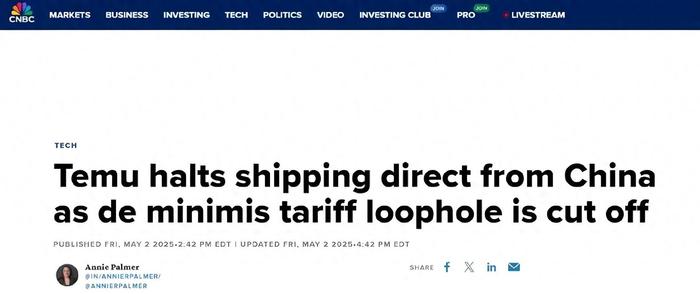
Core Viewpoint - Temu, a cross-border e-commerce platform under Pinduoduo, will cease direct sales of goods imported from China to U.S. customers, shifting to local sellers for U.S. market sales [1][3] Group 1: Business Model Changes - Temu will no longer allow U.S. consumers to purchase directly from China, instead offering products stored in U.S. warehouses [1] - The new model eliminates additional import duties and customs fees, helping Temu maintain competitive pricing [1][3] - Temu is actively recruiting U.S. local sellers to enhance its platform and expand business reach [1][3] Group 2: Regulatory Impact - The change was prompted by a new policy from U.S. Customs and Border Protection (CBP) that ended the duty exemption for small packages from mainland China and Hong Kong, effective May 2 [1][3] - All goods imported from China must now go through formal customs procedures and pay full duties, with tariffs potentially reaching up to 145% [3] Group 3: Operational Adjustments - To ensure sufficient local inventory, Temu is accelerating the recruitment of U.S. sellers and has expanded its warehouse coverage from 15 to 40 cities [3][4] - Temu is investing in local operations by hiring talent from major U.S. e-commerce companies, offering salaries 40%-60% higher to attract executives [4] Group 4: Financial Performance and Market Pressure - Pinduoduo's revenue growth is slowing, with Q4 2024 revenue reported at 110.61 billion yuan, a 24% year-over-year increase, below market expectations [5] - Temu is projected to contribute over half of Pinduoduo's nearly 200 billion yuan commission revenue in 2024, but it is still unprofitable, with losses estimated at around $3.5 billion [5] - In response to market pressures, Temu significantly reduced its advertising spending in the U.S. in April, indicating a strategy to lower costs [5] Group 5: Industry Trends - Similar to Temu, SHEIN has announced price increases to cope with the new tariff pressures and is shifting production from China to other countries to avoid high tariffs [6] - The cross-border e-commerce sector is entering a more complex and competitive phase due to increased tariffs and the cancellation of duty exemptions, necessitating a balance between price competition and compliance costs [6]

中国女CEO在美国爆火,只是个意外?
创业邦· 2025-05-06 03:41
Core Viewpoint - DHgate, a B2B online trading platform, has experienced a surge in popularity due to TikTok's viral marketing, but its growth may not be sustainable due to inherent business model challenges and market competition [2][13][19]. Group 1: Company Overview - DHgate was founded in 2004 and differentiates itself from Alibaba's international platform by allowing free seller registration and charging commissions based on transaction amounts [5][11]. - The platform has over 2.78 million registered suppliers and more than 100 million cumulative registered buyers, covering over 225 countries and regions [5][16]. - The founder, Wang Shutong, has a rich professional background, having worked at Microsoft and Cisco before starting DHgate [6][11]. Group 2: Recent Performance - DHgate's app saw a significant rise in rankings on the App Store, reaching second place overall and first in the shopping category by April 15, 2023, but subsequently fell out of the top 200 by May 1 [3][5]. - The app's downloads increased by 56% in a short period, with nearly half of the downloads coming from the U.S. market [15][16]. Group 3: Market Dynamics - The recent surge in DHgate's popularity is attributed to rising consumer demand for affordable products amid inflation and increased tariffs on Chinese imports [15][19]. - The platform's growth was also supported by a significant increase in daily GMV, averaging around $40 million during a peak period [16]. Group 4: Challenges and Risks - Despite the initial success, DHgate faces challenges in user retention and product quality, with reports of negative reviews and potential infringement issues [19][22]. - The platform's business model primarily targets B2B transactions, which may limit its ability to sustain consumer interest and growth in a competitive market [19][23]. Group 5: Strategic Adjustments - DHgate is attempting to adapt by forming an ecosystem that includes DHgate (centralized platform), MyyShop (social e-commerce), and DHLink (logistics) to better serve small and micro businesses [25][26]. - The company is exploring partnerships with other cross-border e-commerce platforms to enhance its market presence and adapt to changing industry dynamics [24][26].

中方考虑接受谈判请求,不到24小时,美国取消小额包裹关税豁免
Sou Hu Cai Jing· 2025-05-05 16:09
Core Viewpoint - The recent back-and-forth between China and the U.S. regarding tariffs highlights a complex negotiation strategy, where the U.S. appears to extend an olive branch while simultaneously implementing punitive measures, creating confusion about the sincerity of their negotiation intentions [1][3][5]. Group 1: U.S. Tariff Policy Changes - The U.S. Customs and Border Protection announced the cancellation of the tax exemption policy for cross-border packages valued under $800, affecting a significant volume of Chinese goods entering the U.S. daily [5][7]. - This policy change is expected to impact numerous Chinese e-commerce platforms, such as TEMU and SHEIN, which handle millions of packages daily, leading to increased costs for consumers and businesses alike [12][14]. Group 2: Implications for E-commerce - The cancellation of the $800 exemption is particularly targeted at the fast-moving consumer goods sector, which has seen a 34% increase in exports from China to the U.S. in 2023, with 70% of these goods valued under $800 [25][27]. - The new policy could raise the end prices of goods by 20-30%, significantly affecting the business models of platforms like SHEIN, which relies heavily on low-cost, high-volume sales [14][16]. Group 3: Strategic Responses - The timing of the U.S. policy change, occurring shortly after China's diplomatic overtures, suggests a calculated strategy to test China's response while maintaining a façade of negotiation [16][19]. - China's response has been measured, focusing on maintaining dialogue without committing to specific timelines, indicating a strategic approach to avoid escalating tensions [19][21]. Group 4: Broader Economic Context - The ongoing tariff battle reflects a shift in focus from traditional goods to the burgeoning cross-border e-commerce sector, indicating a new battleground in U.S.-China trade relations [23][29]. - The complexities of the current trade dynamics suggest that both nations are navigating a delicate balance of cooperation and competition, with potential implications for global trade patterns [31][33].