vivo

Search documents
业内预测:今年手机、电脑将迎来涨价
Mei Ri Shang Bao· 2026-01-05 23:21
Group 1 - The core viewpoint of the articles highlights a significant increase in the prices of storage products, particularly memory modules and solid-state drives, driven by the growing demand in the market due to the AI boom [1][4]. - The price of memory modules has seen a dramatic rise, with reports indicating that prices have surged from around 200 yuan to over 700 yuan within three years, leading to consumers delaying purchases [2][3]. - Major manufacturers like ASUS, Lenovo, and Dell are adjusting their product prices due to structural fluctuations in the global supply chain and rising costs of key components, with 2026 predicted to be a challenging year for memory shortages [3][5]. Group 2 - The prices of mobile solid-state drives have also increased significantly, with a 1TB SanDisk drive rising from over 300 yuan to nearly 700 yuan in a year, and many brands experiencing similar price hikes [4]. - Online platforms are facing stock shortages for 1TB and larger mobile solid-state drives, with prices for some brands reaching as high as 1200 yuan, comparable to the prices of 2TB drives [4]. - The rising costs of storage products are impacting the pricing strategies of consumer electronics, with brands like Xiaomi and Vivo increasing their product prices by 500-700 yuan and 200-300 yuan respectively due to higher memory costs [5].
豆包AI眼镜即将出货 2000元以内?回应来了
Nan Fang Du Shi Bao· 2026-01-05 13:54
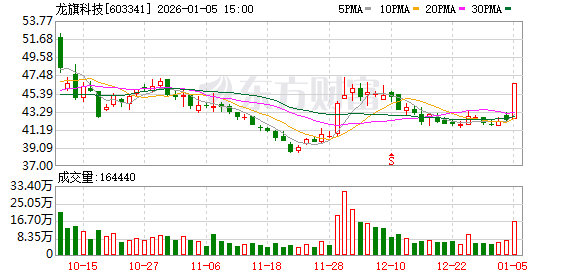
Group 1 - The "Doubao" AI glasses, developed by ByteDance and Longqi Technology, are set to enter the shipping phase with a starting price expected to be under 2000 yuan [2] - Longqi Technology's stock surged to a closing price of 46.49 yuan on January 5, following the news about the AI glasses [2] - Longqi Technology is a comprehensive technology enterprise engaged in the research, design, and manufacturing of smart products, covering a wide range of categories including smartphones, AI PCs, automotive electronics, tablets, smartwatches, and smart glasses [2] Group 2 - Longqi Technology is the second-largest consumer electronics ODM manufacturer globally, holding a 22.4% market share based on 2024 shipment volume, and the largest smartphone ODM manufacturer with a 32.6% market share [2] - The company has passed the Hong Kong Stock Exchange's main board listing hearing and has notable clients including Xiaomi, Samsung, Lenovo, Honor, OPPO, and vivo [2] - The global AI glasses market saw a shipment of 4.065 million units in the first half of 2025, representing a year-on-year growth of 64.2%, with Chinese manufacturers accounting for over 1 million units, capturing 24.6% of the global market share [3]

vivo新旗舰X300s曝光:天玑9500+、2K屏、2亿像素与硅基电池
Xin Lang Cai Jing· 2026-01-05 11:50
综合来看,搭载天玑9500(+)的新机型在核心性能、影像系统及续航能力等方面均展现出旗舰级水 准。作为一款兼顾大屏与全能体验的高端产品,其有望进一步提升品牌在竞争激烈市场中的影响力。若 磁吸无线充电功能最终实现量产应用,整机的科技属性和用户体验也将随之增强,值得持续关注。 1月4日,有消息显示一款搭载天玑9500(+)芯片的新机型配置信息被披露。该机型定位为小幅度迭代 升级产品,配备一块1.5K分辨率的OLED直屏,屏幕边框采用接近四等边的设计,机身背部设有大尺寸 圆形镜头模组。影像系统方面,设备延续使用2亿像素大底主摄,并搭配一颗中等尺寸的潜望式长焦镜 头,整体拍摄能力有望保持高水平表现。同时,新机将支持3D超声波指纹识别,并具备防水功能,外 围配置较为齐全。 1月4日,有消息显示一款搭载天玑9500(+)芯片的新机型配置信息被披露。该机型定位为小幅度迭代 升级产品,配备一块1.5K分辨率的OLED直屏,屏幕边框采用接近四等边的设计,机身背部设有大尺寸 圆形镜头模组。影像系统方面,设备延续使用2亿像素大底主摄,并搭配一颗中等尺寸的潜望式长焦镜 头,整体拍摄能力有望保持高水平表现。同时,新机将支持3D超声波指 ...
vivo S30 5G手机直降补贴低至1741元
Xin Lang Cai Jing· 2026-01-05 11:45
vivo S30 5G手机搭载了第四代骁龙7处理器,在性能表 现上可圈可点,能为用户带来流畅的使用体验。 现在天猫精选这款手机有优惠活动,它目前活动售价 2699元,参与立减650元优惠活动,还有政府补贴15%, 下单1件,原价2699元的手机实付低至1741.65元,喜欢 的朋友不要错过。 vivo S30 5G手机搭载了第四代骁龙7处理器,在性能表现上可圈可点,能为用户带来流畅的使用体验。 现在天猫精选这款手机有优惠活动,它目前活动售价2699元,参与立减650元优惠活动,还有政府补贴 15%,下单1件,原价2699元的手机实付低至1741.65元,喜欢的朋友不要错过。 ...
旗舰手机“芯”格局生变:联发科天玑上位 高通面临份额挤压
Ju Chao Zi Xun· 2026-01-05 08:43
Core Viewpoint - Major Chinese smartphone manufacturers, including Huawei, Xiaomi, OPPO, vivo, and Honor, are planning to adjust their chip strategies between 2026 and 2027 by gradually reducing or even stopping the use of Qualcomm Snapdragon platforms in favor of increasing the adoption of MediaTek Dimensity series processors [1][4]. Group 1: Chip Strategy Transition - Chinese smartphone manufacturers are shifting from reliance on a single supplier to a dual-track parallel chip strategy, driven by risk mitigation and cost control [4]. - Currently, Huawei has largely transitioned to its own Kirin chip solutions, while Xiaomi, OPPO, vivo, and Honor are adopting a "Qualcomm + MediaTek" dual-supplier strategy to effectively disperse supply chain risks [4]. - OPPO's Find X series flagship models are available with both Snapdragon and Dimensity chip versions, allowing market performance and user feedback to guide future product directions [4]. Group 2: Cost Pressures - The direct driver for smartphone manufacturers adjusting their chip strategies is the ongoing rise in costs, particularly the increasing prices of Qualcomm's flagship chips [5]. - The latest Snapdragon 8 Gen 2 chip has a procurement cost of $280, accounting for 25% to 35% of the material costs of high-end smartphones, significantly squeezing overall profit margins [6]. - Storage chip prices are also rising, with industry analysts estimating that the material costs for high-end smartphones could increase by over 40% by 2026 compared to three years ago, while terminal prices may not rise correspondingly [7]. Group 3: MediaTek's Competitive Position - MediaTek's ability to gain favor among manufacturers is primarily due to its significant improvement in technical capabilities, with the Dimensity series now competing directly with Qualcomm's flagship chips in terms of performance and power consumption [8]. - Since the launch of the Dimensity 9000 series, MediaTek's sustained investment in high-end chip development has begun to yield results, with the latest Dimensity 9500 mobile platform receiving market recognition [9]. - OPPO Find X9, Find X9 Pro, and vivo X300, X300 Pro flagship models are now equipped with the Dimensity 9500 platform, indicating that MediaTek chips are no longer exclusive to mid-range models [9]. Group 4: Market Restructuring - The competitive landscape of the smartphone chip market is undergoing structural changes, with MediaTek's increasing market share in the high-end segment redefining the market dynamics [10]. - Industry forecasts suggest that by 2026, MediaTek's share in the global high-end smartphone chip market could rise from less than 20% to over 30%, posing more challenges to Qualcomm's market dominance [11]. - The dual-platform strategy is expected to become a standard configuration for mainstream smartphone manufacturers, allowing for flexible chip platform allocation across different product series and price points, maximizing market coverage while reducing supply chain risks [12]. Group 5: Consumer Impact - For consumers, this shift means a wider range of product choices, with smartphones featuring different chip platforms offering differentiated performance, pricing, and unique features, thereby driving technological innovation across the industry [13]. - As Huawei returns to self-developed chips and other manufacturers seek a balance between price and technology, flagship smartphones will increasingly feature MediaTek Dimensity chips, changing consumer selection criteria [13].

苹果官网没有“国补”了
Guan Cha Zhe Wang· 2026-01-05 06:37
Group 1 - The new round of "national subsidies" policy has been implemented for 2026, with subsidy rates similar to last year, including smart glasses for the first time [1] - The subsidy is set at 15% of the selling price, with a maximum of 500 RMB for products priced under 6000 RMB [1] - Apple's official website has not updated its support for national subsidies beyond 2025, and the subsidy activity interface is no longer visible [1][5] Group 2 - In JD and Taobao platforms, certain regions still offer national subsidies for the iPhone 17, with specific provinces confirmed to be eligible [5] - There has been ongoing debate about whether Apple should benefit from national subsidies, with criticisms regarding its pricing strategies to meet subsidy thresholds [7] - As of December 21, the iPhone 17 series sold approximately 14.86 million units in the Chinese market, dominating sales compared to local brands [7]


手机市场再无“小而美”?华硕暂停手机业务,小众品牌集体逼近「斩杀线」
3 6 Ke· 2026-01-05 00:05
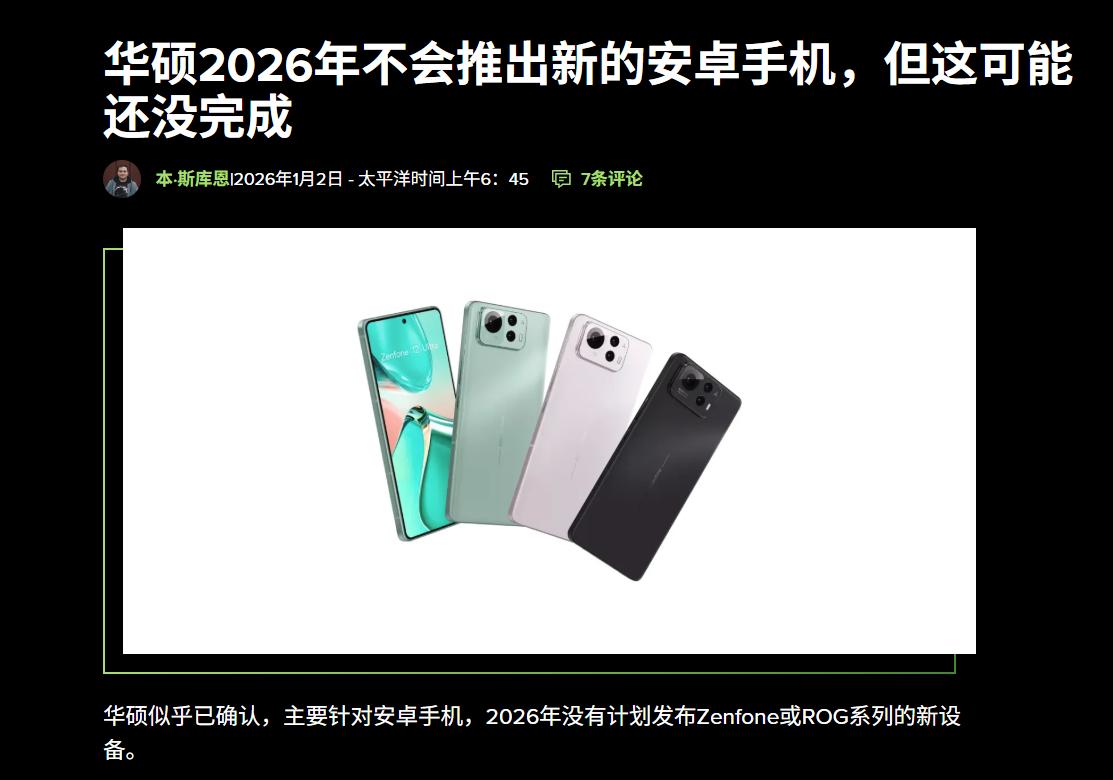
Core Viewpoint - ASUS has announced that it will suspend the launch of new smartphones, including the Zenfone and ROG Phone series, in 2026, marking a significant shift in the smartphone market and signaling the end of an era for small-sized flagship devices [1][3][15]. Company Overview - ASUS has historically focused on unique innovations rather than following mainstream trends, exemplified by products like the Padfone and ZenFone Zoom, which showcased its commitment to creativity [5][8]. - The Zenfone series targeted small-sized smartphone enthusiasts, with models like ZenFone 8, 9, and 10 receiving positive reviews for their compact design and flagship specifications [10][14]. - The ROG Phone series was designed specifically for gamers, featuring unique functionalities such as side charging ports and AirTriggers, catering to a niche market [11][13]. Market Challenges - The smartphone industry is facing rising costs, with a projected 25% increase in material costs by 2026 due to supply chain dependencies, which disproportionately affects smaller brands like ASUS [16][18]. - The competitive landscape is dominated by giants like Apple and Samsung at the high end, and Chinese brands like Xiaomi and OPPO at the mid to low end, leaving ASUS in a challenging position [19][22]. - ASUS's smartphone business has been a financial burden, with significant losses reported in previous years, and its market share in Taiwan dwindling to approximately 1.2% by 2025 [23][25]. Industry Implications - The exit of ASUS from the smartphone market reflects a broader trend where unique, niche products struggle to survive in an increasingly saturated and mature market [26][28]. - The success in the smartphone industry now hinges on supply chain management, cost control, and extensive distribution channels, rather than solely on product uniqueness [28].
买手机最高省500元、买家电最高补贴1500元、AI眼镜首次入选!新一轮“国补”将持续激活产业和市场
Mei Ri Jing Ji Xin Wen· 2026-01-04 23:36
2026年,国家继续向消费者发"大红包"。 元旦前夕,国家发展改革委、财政部联合发布《关于2026年实施大规模设备更新和消费品以旧换新政策的通知》,明确了 2026年消费品以旧换新政策。与此同时,2026年第一批625亿元超长期特别国债支持消费品以旧换新资金计划已提前下达。 根据政策,本次以旧换新全国统一覆盖四大领域,包括汽车报废与置换更新、6类家电以旧换新及4类数码智能产品购新。其 中,个人消费者购买手机、平板、智能手表手环、智能眼镜等4类产品(单价不超过6000元),按产品销售价格的15%给予补 贴,每人每类产品可补贴1件,每件补贴不超过500元。 个人消费者购买冰箱、洗衣机、电视、空调等6类家电中1级能效或水效标准的产品,按产品销售价格的15%给予补贴,每人 每类产品可补贴1件,每件补贴不超过1500元。 对消费者而言,有真金白银的补贴,无疑又是一个入手的好机会。 "AI(人工智能)眼镜正式纳入'国补'目录,肯定对AI眼镜的推广有着非常大的积极作用。这不仅能直接降低用户的尝试门 槛,还会加速市场教育,推动整个产业链的成熟升级。"界环方面对《每日经济新闻》记者(以下简称每经记者)分析。 奥维云网(AVC) ...
网传又一个玩家离场,华硕为何搞不定手机?
凤凰网财经· 2026-01-04 13:46
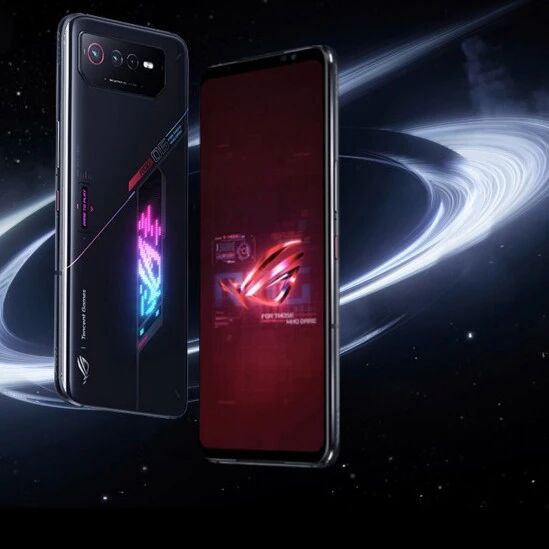
Core Viewpoint - ASUS is reportedly planning to exit the smartphone market, with no new smartphone releases planned for 2026, although the company has not officially confirmed this decision [1][3][4]. Group 1: ASUS's Smartphone History - ASUS entered the mobile phone market as early as 2002, initially focusing on ODM for European operators [3]. - The company launched its first self-branded phone, the J101, in 2003, marking the beginning of its brand recognition efforts [4]. - In 2008, ASUS acquired Garmin's smartphone business, launching the "Garmin-Asus" brand, but this partnership ended unsuccessfully due to the rise of the iPhone [4][5]. - The ZenFone series was introduced in 2014, targeting the budget market with high specifications, achieving significant popularity in emerging markets [5]. Group 2: Challenges and Decline - After 2018, the smartphone market became increasingly competitive, with Chinese brands like Huawei and Xiaomi dominating [7]. - ASUS struggled to compete in both the budget and innovation segments, leading to a decline in market presence and product iteration [7][9]. - The company faced significant losses in its mobile division, which accounted for less than 10% of total revenue and had been a financial burden for years [8][9]. Group 3: Current Situation and Future Outlook - ASUS's mobile division has been in a state of decline, with no new products planned and a focus on its core PC business [7][12]. - The company is shifting its strategy towards AI, cloud computing, and smart ecosystems, with plans to enter the memory module production sector in 2026 [12]. - The global PC market is showing growth, with ASUS ranking fifth in market share, indicating a stronger focus on its primary business [12].
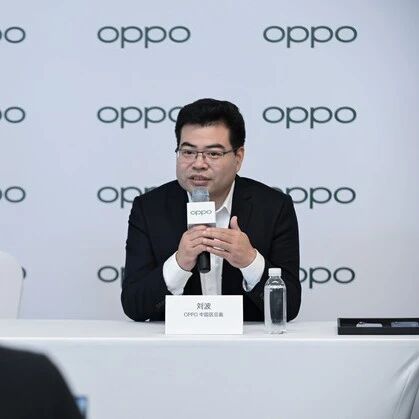
独家丨OPPO前中国区总裁刘波赴印,或涉合资股权布局
雷峰网· 2026-01-04 11:28
Core Viewpoint - OPPO is making strategic adjustments in response to market contraction, particularly focusing on enhancing its presence in the Indian market through high-level personnel changes and potential partnerships with local entities [2][3]. Group 1: Personnel Changes - Liu Bo, former president of OPPO China, has ended his executive training early to lead efforts in India, marking the second high-level personnel adjustment in three months aimed at overseas markets [2]. - Liu Bo has a long history with OPPO, having joined in 2005 and held various key positions, including Chief Procurement Officer and President of the Emerging Mobile Terminal Division [3]. Group 2: Market Strategy - OPPO aims to strengthen its market position in India, where it currently holds a 13.9% market share, surpassing Samsung to become the second-largest player as of Q3 2025 [2]. - The Indian government has specific requirements for joint ventures with Chinese mobile companies, mandating that local partners hold at least 51% of the shares and that local executives are appointed [3]. Group 3: Future Prospects - Liu Bo's trip to India is seen as a critical move to negotiate potential capital investments from the Indian government in OPPO's joint ventures, which could help navigate regulatory challenges [2][3].