国家电网

Search documents
11月电价有新变动?农民用电上涨商用下降,今后空调舍不得开了
Sou Hu Cai Jing· 2025-10-21 03:44
Core Insights - The article discusses the recent increase in electricity bills for rural users while some commercial users experience a decrease, highlighting the structural changes in electricity pricing and consumption patterns [1][3][8] Electricity Supply and Demand - In the first three quarters of 2025, national electricity generation reached 6.8 trillion kWh, a year-on-year increase of 4.2%, while total electricity consumption was 6.7 trillion kWh, up 5.1%, indicating a tightening supply-demand situation [1] - The growth in electricity consumption varies by sector, with agricultural electricity usage increasing by 6.3%, industrial by 3.8%, service by 6.5%, and residential by 7.1% [3] Pricing Adjustments - The recent electricity price adjustments include an expansion of the peak-to-valley price difference from approximately 3:1 to about 4:1, leading to higher costs during peak hours for rural users who cannot shift their usage [3][4] - Residential tiered pricing has been adjusted, with the first tier's upper limit reduced from 230 kWh to 210 kWh, resulting in more households paying higher rates [4][5] Renewable Energy and Additional Fees - The renewable energy development fund fee has been adjusted, with renewable energy generation accounting for 31.2% of total generation in the first three quarters of 2025, up 1.8 percentage points from the previous year [6] - Rural users face increased overall costs due to high electricity consumption in agricultural production, while commercial users with distributed solar systems can reduce their electricity costs [6] Demand Response Mechanism - A demand response program has been introduced to encourage users to reduce consumption during peak hours, benefiting commercial users more than rural users due to their greater flexibility [7][8] - Approximately 25% of commercial users participate in this program, receiving an average discount of 5% on their electricity bills, while participation among agricultural users is below 5% [8] Recommendations for Users - Agricultural users are advised to optimize electricity usage by scheduling high-power equipment during low-rate periods and considering the installation of energy-efficient systems [9][10][11] - Residential users should manage their consumption to avoid higher pricing tiers and consider using appliances during off-peak hours [12][13] - Commercial users are encouraged to engage in demand response programs and invest in energy management systems to optimize their electricity usage [14][15][16]

“中国企业500强”见证经济活力(人民时评)
Ren Min Ri Bao· 2025-10-20 21:48
Group 1 - The threshold for entering the "2025 China Top 500 Enterprises" list has increased for 23 consecutive years, with the number of enterprises exceeding 100 billion yuan reaching 267, and 15 enterprises reporting revenues over 1 trillion yuan, indicating a dual leap in scale and quality of large enterprises in China [1] - State-owned enterprises (SOEs) and private enterprises (PEs) are driving market vitality, with 251 SOEs and 249 PEs in the top 500, reflecting a balanced contribution from both ownership types and the implementation of the "two unwavering" principles [1][2] - The manufacturing sector contributed 40.48% to the revenue of the top 500 enterprises, while the service sector contributed 40.29%, showcasing a balanced development that challenges the notion that strong manufacturing must come at the expense of services [2] Group 2 - The "2025 China Top 100 Multinational Corporations" list has seen an 11.76% increase in the entry threshold, with overseas assets totaling 11.96 trillion yuan, indicating a steady improvement in the average multinational index [3] - Chinese enterprises are not merely exporting products but are achieving "value export" through global industrial chain restructuring, with companies like vivo and Transsion capturing significant shares in emerging markets [3] - The synergy between SOEs and PEs, the integration of manufacturing and services, and the local-global linkage are injecting new vitality into economic development, positioning Chinese enterprises for continued growth and transformation [3]
电网“破墙”!两大电网首次跨区现货交易,全国统一电力大市场启幕
Sou Hu Cai Jing· 2025-10-20 14:20
Core Insights - The article highlights a significant milestone in China's electricity market reform, marked by the first cross-regional electricity trading between the State Grid and Southern Grid, enabling efficient power flow across regions [2][10]. Group 1: Market Dynamics - The transition from a segmented regional electricity system to a unified market allows for more efficient allocation of resources, addressing the long-standing issue of regional power imbalances [3][5]. - The recent electricity demand surge in Zhejiang, driven by high temperatures, necessitated urgent support from Southern Grid, showcasing the need for flexible and responsive electricity supply mechanisms [3][9]. Group 2: Trading Mechanism - The innovative use of spot trading instead of traditional planned dispatch allows for real-time demand aggregation and precise electricity delivery, enhancing market efficiency [4][8]. - The spot price for electricity in Zhejiang reached 0.8 yuan/kWh, reflecting a 20% increase over the benchmark price, while the price in Guangdong was only 0.5 yuan/kWh, demonstrating the effectiveness of price signals in resource allocation [8]. Group 3: Policy and Infrastructure - The successful implementation of this trading mechanism is attributed to supportive policies and technological advancements, including the operationalization of the Yunxiao DC transmission line, which facilitates real-time data exchange [6][7]. - The establishment of a unified electricity market is part of a broader strategy to achieve energy transition goals, with a target to build a comprehensive market system by 2030 [6][10]. Group 4: Long-term Implications - The unified market not only addresses immediate supply challenges but also promotes long-term energy transition by enabling greater participation of renewable energy sources and reducing reliance on coal [9][10]. - The increase in cross-regional spot trading of clean energy, which accounted for 41% of total transactions in the first nine months of 2023, indicates a growing trend towards sustainable energy consumption [9].
“特高压技术”美日俄全失败,中国突破核心科技,还定下世界标准
Sou Hu Cai Jing· 2025-10-20 13:58
Core Viewpoint - The article emphasizes the significance of China's ultra-high voltage (UHV) transmission technology, which has transformed the country's energy landscape and established it as a global leader in this field [3][5][64]. Group 1: Energy Distribution Challenges - China's energy distribution is characterized by a significant imbalance, with over 80% of wind energy, 90% of solar energy, and 76% of coal located in the western and northern regions, while over 70% of electricity consumption occurs in the industrially developed eastern regions [7][9]. - The previous reliance on coal transportation to meet electricity demand was inefficient and contributed to severe air pollution, particularly during peak electricity usage [11][13]. - The urgent need to develop renewable energy resources in the west, coupled with the challenge of efficient long-distance transmission, highlighted the necessity for UHV technology [15][19]. Group 2: Development of UHV Technology - In response to the challenges, China initiated the development of UHV technology in 2000 to facilitate the "West-East Power Transmission" strategy, aiming to transport large-scale hydropower from the west to the east [21][23]. - Initial conventional transmission technologies were inadequate, necessitating the development of UHV technology to avoid high costs and energy losses associated with building multiple lines [25][29]. - Despite facing skepticism and opposition, extensive collaboration among research institutions and manufacturers led to breakthroughs in over 310 key technologies, including the development of a 6-inch thyristor with a current capacity of 6000 amperes [31][33]. Group 3: Impact and Significance of UHV Technology - UHV technology has evolved beyond mere electricity transmission, becoming a crucial element in China's energy transition, energy security, and international competitiveness [38][40]. - The technology has effectively replaced coal-fired power generation in regions like Beijing, contributing to improved air quality and environmental benefits [41][43]. - UHV networks have established a robust energy configuration in China, ensuring stability and rapid supply-demand balance across regions, making it the only major power grid globally without large-scale blackout incidents [45][49]. Group 4: Global Leadership and Future Prospects - China has constructed over 50,000 kilometers of UHV lines, enough to circle the Earth, and continues to plan for more UHV corridors to support large-scale renewable energy development [66][69]. - The success of UHV technology has positioned China as a global benchmark, with its standards being adopted internationally, and has enhanced its influence in the global energy transition [51][55]. - The ongoing advancements in UHV technology signify a commitment to continuous innovation and the potential for further breakthroughs in the energy sector [71].
新能源行业周报:六氟磷酸锂景气度超预期,光伏供给侧改革持续推进-20251018
Guohai Securities· 2025-10-18 14:42
Investment Rating - The industry investment rating is "Recommended" (maintained) [1] Core Views - The lithium hexafluorophosphate market is experiencing unexpected prosperity, and the supply-side reform in the photovoltaic sector is continuously advancing [1] - The report highlights significant improvements in the supply-demand dynamics of the lithium hexafluorophosphate market, with prices rising sharply due to the end of the oversupply situation [8] - The photovoltaic industry is seeing a notable recovery, with the average external price of granular silicon increasing by 27.9% quarter-on-quarter, indicating a positive trend in the sector [5] Summary by Relevant Sections Photovoltaics - The photovoltaic sector is in a "de-involution" phase, with significant effects from supply-side reforms. The average external price of granular silicon reached 42.12 RMB/kg, up 27.9% from Q2, while cash costs decreased by 4.5% [5] - The price of silicon materials has stabilized around 50 RMB/kg, and there are expectations for new policies to further support the industry [5] - Companies to watch include GCL-Poly Energy, Tongwei Co., and high-efficiency battery technology firms such as BAK Power, Aiko Solar, and LONGi Green Energy [5] Wind Power - The offshore wind sector is entering a bidding peak, with significant projects being approved and orders being won by companies like Orient Cable and Zhongtian Technology [6] - The onshore wind market remains robust, with a high level of bidding activity and increasing average prices for wind turbines [7] Energy Storage - Hebei Province has released a list of independent energy storage pilot projects totaling 13.82 GW/47.03 GWh, indicating a push for diverse energy storage technologies [7] - The SNEC ES+2025 International Energy Storage Exhibition showcased advancements in large-scale energy storage systems [7] Lithium Battery - Companies in the lithium battery supply chain are advancing solid-state battery technologies, with significant deliveries of semi-solid batteries reported [7] - The price of lithium hexafluorophosphate has surged over 20% in less than a month, reflecting a substantial improvement in the supply-demand balance [8] Power Equipment - The State Grid's fixed asset investment increased by 8.1% year-on-year, with expectations for continued growth in power infrastructure [9] - The first cross-grid electricity spot trading between Southern and State Grid marks a significant step towards a unified electricity market in China [10]





“联合国全球契约组织走进国家电网”举办
Su Zhou Ri Bao· 2025-10-18 00:21
"哇,这个很棒!""令人惊叹!"昨天(10月17日)上午,位于苏州三香路的"全电共享"充电机器人地 下车库内,一群外国嘉宾开启了一场"上天入地"的电力探秘之旅。 当天,联合国全球契约组织走进国家电网活动在苏州举办。联合国全球契约组织驻华代表,斐济、 菲律宾等国家驻上海总领事,以及来自国家电网、学术机构与中外企业的代表齐聚一堂,围绕绿色发展 议题展开深度对话,凝聚共识,为推进全球绿色、低碳和可持续发展目标贡献智慧与力量。据悉,这也 是联合国全球契约组织首次走进中国国有企业。 联合国全球契约组织(UNGC)作为全球规模最大的推进企业社会责任和可持续发展的国际组织, 长期致力于动员全球企业与利益相关方,通过负责任的商业实践,共同落实联合国可持续发展目标,推 动构建更加包容、可持续的全球经济。目前,该组织已覆盖180多个国家,拥有2.5万多家企业及其他利 益相关方成员。国家电网作为特大型国有重点骨干企业,自2006年加入联合国全球契约组织以来,始终 积极履行会员责任,持续推动绿色能源转型与气候行动,成为推动全球可持续现代能源体系建设的重要 力量。 在联合国全球契约组织成立25周年、国家电网成为UNGC会员单位20周年 ...
桩数全球第一的中国,还在“叫号充电”
汽车商业评论· 2025-10-17 23:08
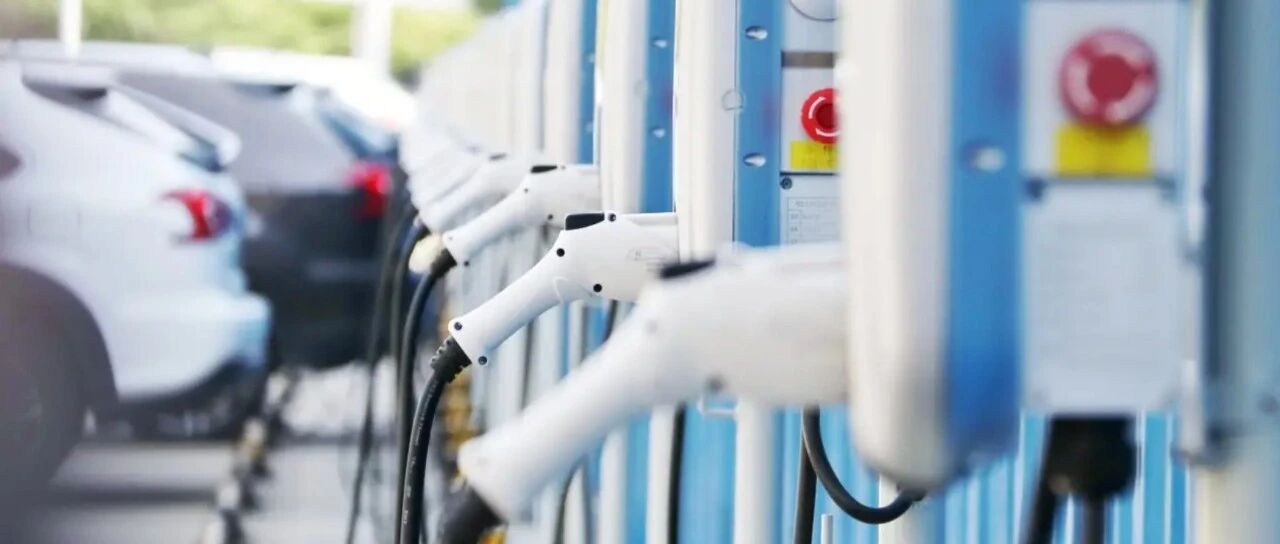
Core Viewpoint - The article discusses the evolving anxieties of electric vehicle (EV) owners, particularly focusing on the "charging anxiety" experienced during peak travel times, such as holidays, despite significant advancements in charging infrastructure in China [4][7][10]. Infrastructure and Demand - As of August 2025, China has 17.348 million electric vehicle charging points, a 53.5% increase year-on-year, with public charging facilities reaching 4.316 million, up 37.8% [10][11]. - The coverage rate of charging points in highway service areas reached 98% by the end of 2024, indicating a robust infrastructure [10]. - Despite the high number of charging points, the average ratio of EVs to charging points is approximately 2.5:1, which suggests a sufficient supply under normal conditions [10][11]. Holiday Charging Demand - During the 2025 National Day and Mid-Autumn Festival, there were 5.169 million charging sessions, with a total charging volume of 12.28732 million kWh, marking a 2.59 times increase compared to regular days [13]. - The proportion of EVs in daily traffic during the holiday reached 20%, a 30% increase from the previous year, leading to a surge in charging demand [13][15]. Supply-Demand Imbalance - The number of charging points in highway service areas is only 66,000, which is insufficient to meet the needs of 12.4 million EVs, resulting in a staggering ratio of 186:1 [15]. - The average utilization rate of highway charging points is only 5.44%, indicating a significant mismatch between peak demand and everyday usage [20][23]. Operational Challenges - The high demand during holidays leads to average waiting times of 1.5 hours for charging, compared to just 15 minutes for traditional fuel vehicles [20]. - The operational model of charging stations faces challenges due to the "tidal" usage pattern, where demand spikes during holidays but remains low during regular days, complicating investment and profitability [20][23]. Technical and Infrastructure Issues - Many existing service areas were designed for traditional fuel needs, limiting their capacity to support high-power charging stations [24]. - The cost of upgrading electrical infrastructure to support high-capacity charging is significant, often requiring extensive modifications [24][26]. Solutions and Innovations - Short-term measures such as "number calling" systems and charging efficiency improvements have been implemented to alleviate congestion [28][30]. - The government plans to build over 100,000 high-power charging stations by the end of 2027, aiming to reduce charging times significantly [31][33]. - The article highlights the potential of battery swapping technology as a viable solution for long-distance travel, with NIO providing over 1.9 million battery swap services during the holiday [35]. Conclusion - The article emphasizes the need for a multi-faceted approach to address the charging infrastructure challenges, including technological advancements, policy support, and consumer education to fully realize the potential of electric vehicles in transforming transportation [35][39].
联合国全球契约组织首次走进国家电网共商绿色发展之路
Jiang Nan Shi Bao· 2025-10-17 08:05
10月17日,联合国全球契约组织成立25周年走进国家电网活动在国网苏州供电公司举办。 为深化可持续发展领域交流、凝聚全球企业行动共识,在联合国全球契约组织成立25周年,以及国家电 网正式成为UNGC会员单位20周年之际,联合国全球契约组织首次举办走进国家电网活动,邀请UNGC 会员企业及国际友人走进国网苏州供电公司,聚焦"共探绿色能源助力绿色生活,创新实现可持续发 展"主题,通过圆桌沙龙与实地参访的形式,深度对话了解国家电网在保障能源电力安全、推动绿色转 型等方面的可持续实践与经验,呼吁更多中国企业投身可持续发展行动。 联合国全球契约组织驻华代表,斐济、菲律宾等国家驻上海总领事,以及来自国家电网、学术机构、中 外企业代表齐聚一堂,共话绿色发展,为推进全球绿色、低碳和可持续发展目标凝聚智慧与力量。 联合国全球契约组织(UNGC)作为全球最大的推进企业社会责任和可持续发展的国际组织,致力于动 员全球企业与利益相关方,通过负责任的商业实践,共同落实联合国可持续发展目标,推动构建更加包 容、可持续的全球经济。目前,该组织已覆盖180多个国家,拥有超过2.5万家企业及其他利益相关方参 与者。国家电网作为特大型国有重点骨 ...
结束孤岛运行!魏桥集团接入国家电网
中国能源报· 2025-10-17 06:32
Core Viewpoint - Shandong Weiqiao Group has successfully connected to the State Grid, ending its history of operating in isolation and exploring a new model of self-built power plants combined with public green electricity consumption, termed the "Weiqiao Model" [1][5]. Group 1 - The meeting between the State Grid Shandong Electric Power Chairman Lin Yifan and Weiqiao Group Chairman Zhang Bo marks a significant milestone in their cooperation, aiming to deepen collaboration and create a win-win development scenario [1][3]. - Lin Yifan emphasized the importance of this connection in promoting energy transition and reducing coal consumption while enhancing the consumption of green electricity in Shandong province [3][5]. - The completion of the connection project involved overcoming significant challenges and was achieved ahead of schedule, with three units of 660,000 kilowatts officially connected to the grid by July 9, and a total load of 1 million kilowatts connected by August 4 [5][3]. Group 2 - Zhang Bo expressed gratitude for the support from State Grid Shandong Electric Power, highlighting the transformative significance of accessing more green electricity for Weiqiao Group's development [5][3]. - The collaboration aims to create a model for high-level green electricity consumption and enhance the reliability of the power grid, showcasing a cooperative example for high-quality development [3][5]. - The initiative is seen as a response to changing domestic and international economic conditions, with Weiqiao Group committed to leveraging its strengths in partnership with the State Grid [5][3].
探路全国“电力大超市” 跨省电力“闪送”请签收!
Zhong Guo Jing Ji Wang· 2025-10-17 05:47
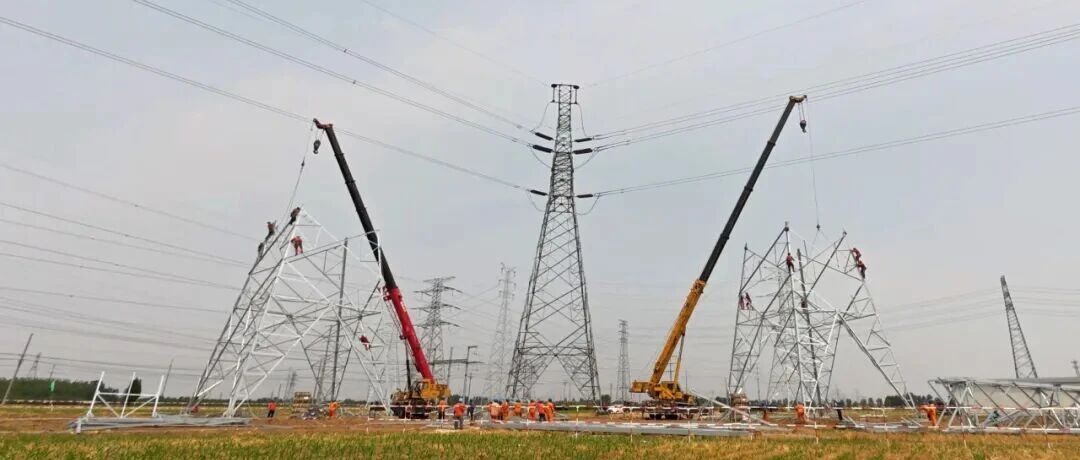
Core Insights - The article highlights the initiation of a normalized cross-grid electricity trading mechanism in China, marking the first cross-grid spot trading between Southern Power Grid and State Grid, with 42.3 million kilowatt-hours of electricity sent to regions like Zhejiang and Shanghai [1][3]. Group 1: Market Transformation - China's electricity resource allocation is evolving from a fragmented model to a unified "electricity supermarket," allowing for better integration of resources such as green hydropower from Yunnan and nighttime wind power from Guangxi [1][3]. - The cumulative electricity market trading volume from January to August reached 43,442 billion kilowatt-hours, a year-on-year increase of 7.0%, with cross-provincial trading accounting for 10,294 billion kilowatt-hours, up 9.4% [3][7]. Group 2: Regulatory Framework - Recent reforms in China's electricity market have established a solid institutional foundation, including the breakthrough in the Energy Law and the revision of the Electricity Market Supervision Measures [3][4]. - The Southern Regional Electricity Market, which includes five provinces, has successfully initiated continuous settlement trials, breaking down provincial barriers and creating a unified spot market [4][5]. Group 3: Resource Optimization - The Southern Region's electricity market utilizes a competitive model that allows for dynamic pricing signals, optimizing resource allocation and enhancing the efficiency of electricity flow [4][9]. - The market's design enables the integration of various energy sources, allowing for a competitive environment where clean energy can be consumed more effectively [4][9]. Group 4: Seasonal Demand Management - During peak summer months, the market mechanism has effectively addressed electricity shortages caused by spatial and temporal mismatches, allowing for real-time resource allocation based on price signals [7][8]. - From January to August, the West-to-East electricity transmission reached 1,665 billion kilowatt-hours, a 4.1% increase year-on-year, with significant contributions from Yunnan and Guangdong [7][8]. Group 5: Renewable Energy Integration - The regional spot market has facilitated the absorption of renewable energy, with strategies like "price for volume" allowing for greater market flexibility and increased transmission of clean energy [9]. - The total electricity transmitted from the West to the East during the continuous settlement trial reached 698.1 billion kilowatt-hours, exceeding planned deliveries by 84.2 billion kilowatt-hours [9].