ABB

Search documents
人工智能热潮使欧洲四大传统工业集团市值增加1500亿欧元
Shang Wu Bu Wang Zhan· 2025-06-03 14:31
Core Insights - The rapid growth of artificial intelligence is driving a surge in demand for data centers, leading to a significant increase in market capitalization for four major European industrial groups: ABB, Legrand, Schneider, and Siemens, which collectively gained over €150 billion in value, with Siemens experiencing a growth of over 60% [1] Group 1: Company Developments - Schneider is a leading power supplier in the data center sector, currently valued at €127.9 billion, and anticipates that data center orders will account for approximately 24% of its total orders by 2024 [2] - Legrand has shifted its business focus towards data centers, expecting data center orders to represent 20% of its sales by 2024, which is double the figure from 2019 [2] - ABB has transitioned its sales focus towards data centers, projecting that data center orders will constitute 15% of its electrification division's $16.4 billion orders by 2024, with electrification accounting for nearly half of ABB's $33 billion annual revenue [2] Group 2: Industry Trends - The demand for data processing is identified as a long-term trend, with Dell'Oro analysts forecasting that total capital expenditures for data centers will rise from nearly $600 billion in 2025 to over $1 trillion by 2028 [1] - The annual growth rate of data center orders for ABB from 2019 to 2023 was 24%, with an acceleration in growth over the past year due to the intensifying AI competition [2]

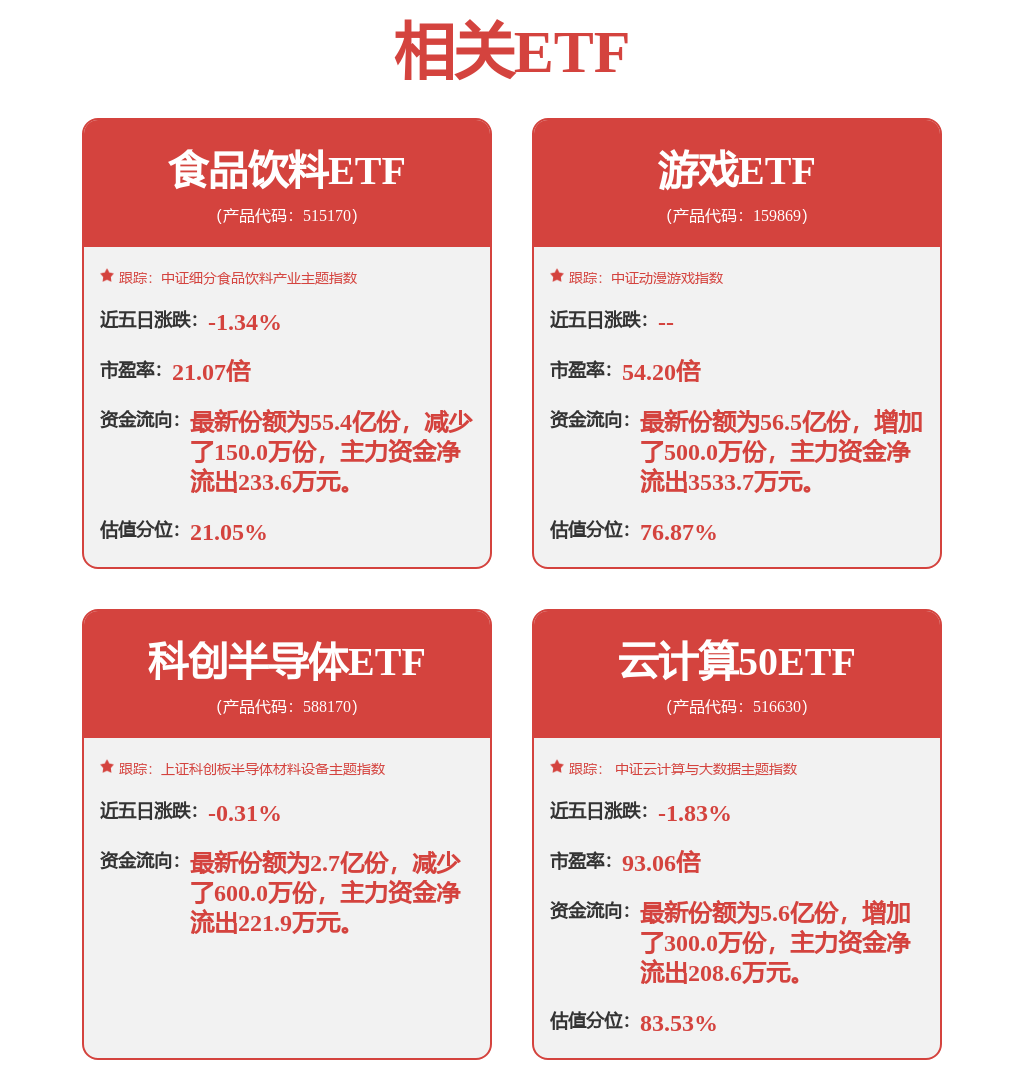
ABB acquires Bel Products Inc. to expand enclosures portfolio in North America
Globenewswire· 2025-06-02 20:11
Core Insights - ABB Electrification Canada Inc. has completed the acquisition of Bel Products Inc., enhancing its market presence in Canada and the U.S. and expanding its product portfolio [1][8] - The enclosures market is experiencing strong growth due to rising demand in data centers, OEM applications, and the electrical industry [2] - The acquisition reflects ABB's commitment to strategic growth and aims to deliver greater value to customers and partners [3] Company Overview - Bel Products, founded in 1964 and headquartered in Montreal, Quebec, is recognized for its custom-built enclosures, serving key industries such as commercial, industrial, data centers, and utilities [4] - Bel Products will continue operations from its current manufacturing facility in Montreal and warehouse in Terrebonne, Quebec [4] - The acquisition allows ABB to leverage Bel Products' industry expertise and local manufacturing capabilities to drive further growth [4][5] Market Dynamics - The demand for safe, reliable, high-performance enclosure solutions is increasing as digital infrastructure expands and electrification accelerates [2] - ABB's Installation Products Division creates solutions to connect and protect electrical systems, with over 200,000 products under 38 premium brand names [5] - The acquisition positions ABB to better meet growing customer demand in the enclosures market [1][8]
思泉新材(301489) - 2025年05月12日-29日投资者关系活动记录表
2025-06-02 08:06
Company Overview - The company specializes in the research, production, and sales of electronic and electrical functional materials, focusing on thermal management and waterproof sealing innovations to enhance product reliability [2]. - Key products include graphite heat sinks, thermal pads, thermal gels, phase change materials, and various cooling devices, applicable in consumer electronics, new energy vehicles, and data centers [2]. Financial Performance - In 2024, the company achieved a revenue of CNY 656 million, a year-on-year increase of 51.10%, while net profit attributable to shareholders was CNY 52.46 million, a decrease of 3.88% [2]. - In Q1 2025, revenue reached CNY 183 million, up 93.59% year-on-year, with net profit of CNY 17.72 million, an increase of 79.57% [2][3]. Market Drivers - Growth is driven by market demand expansion and favorable industrial policies, particularly in consumer electronics and automotive sectors [3]. - Increased orders from major North American clients and improved operational capabilities of subsidiaries are also contributing factors [3]. - Ongoing capacity release from fundraising projects and the establishment of a factory in Vietnam will enable the company to handle more orders [3]. Product Applications - The company’s products are applicable in various fields, including robotics, where thermal management solutions are critical for performance and safety [4][5]. - In data centers, the company addresses cooling challenges with a range of products, including liquid cooling and heat pipes [6]. Strategic Initiatives - The company plans to enhance its market share in graphite products and expand into AI server markets while continuing to innovate in product development [6]. - Key projects for 2025 include expanding production capacity for graphite films and liquid cooling products, as well as developing high-performance thermal interface materials [6][7]. Future Outlook - The company aims to become a leader in electronic and electrical product protection and thermal control technologies, focusing on integrated failure solutions across various industries [7]. - There is confidence in achieving growth in 2025 through market expansion, innovation, and improved management practices [7].
50万-80万一台!第一批人形机器人“进厂”了
2 1 Shi Ji Jing Ji Bao Dao· 2025-05-30 10:16
Group 1 - The core viewpoint of the articles is that humanoid robots are beginning to enter factories to perform tasks traditionally done by human workers, marking a shift in their application from research and education to industrial settings [1][5][6] - Major companies like Midea and Xiaopeng are actively developing and deploying humanoid robots for various tasks in manufacturing, indicating a growing trend in the industry [1][9] - Humanoid robots are designed to handle a wider range of tasks in diverse industrial environments compared to traditional industrial and collaborative robots, which are typically limited to specific functions [1][4][5] Group 2 - Humanoid robots are expected to complement existing industrial and collaborative robots by performing complex operations that require flexibility and adaptability in non-standardized environments [4][6][10] - The current limitations of humanoid robots include challenges in motion control, material recognition, and battery technology, which need to be addressed for effective industrial application [2][8] - The integration of humanoid robots into factory workflows is seen as a solution to labor shortages in traditional manufacturing roles, particularly in complex assembly tasks [5][9] Group 3 - Companies are exploring the use of humanoid robots in various tasks such as material handling, sorting, and packaging, particularly in automotive manufacturing [4][9] - The collaboration between humanoid robots and traditional robots can enhance operational efficiency, as demonstrated by successful trials in factories [7][9] - The economic feasibility of deploying humanoid robots in factories remains a concern, with current costs ranging from 500,000 to 1,000,000 yuan per unit, necessitating cost reductions for widespread adoption [11]

上海加速布局具身智能产业 加快机器人软硬件协同攻关
Huan Qiu Wang· 2025-05-30 04:00
Core Insights - The Shanghai government is actively promoting the development of embodied intelligence and humanoid robotics, aiming to create an industrial cluster and innovation hub in Pudong [1][2] - A comprehensive policy framework has been established to support the growth of the embodied intelligence industry, focusing on technology innovation, application promotion, and talent support [1] - The international humanoid robot skills competition has been launched, along with the establishment of unified standards for the humanoid robotics industry, which will facilitate industry development [2] Group 1 - Pudong has attracted major companies like Zhiyuan, Fourier, and Kepler, along with over 50 related enterprises, to accelerate the development of embodied intelligence and humanoid robotics [1] - The Pudong New Area has officially released policies for the robot components cluster and high-quality development of the embodied intelligence industry, with 16 supporting measures [1] - The government aims to enhance the application of embodied intelligence across various sectors, including manufacturing, services, and social governance [1] Group 2 - The humanoid robot skills competition is officially launched, and a mutual recognition plan for industry standards has been initiated across several provinces [2] - Shanghai is focusing on building integrated training grounds for embodied intelligence and optimizing the layout of the industry to expand its scale [2] - The Zhangjiang area in Shanghai has entered an accelerated development phase, with over 90 robotics-related companies gathered in the Zhangjiang Robot Valley [2]
摩根大通:中国智能电网-2025 年全球中国峰会关于海外扩张、数据中心机遇及国内需求的要点
摩根· 2025-05-29 14:12
Investment Rating - The report assigns an "Overweight" (OW) rating to several companies, including Huaming Equipment, Xuji Electric, and Goldcup Electric, indicating a positive outlook for their performance [7][18]. Core Insights - Chinese power equipment companies are experiencing significant overseas market share gains, with Huaming projecting over 30-35% revenue growth from international markets and Sanxing Medical reporting a 38% year-over-year increase in overseas revenue [2][4]. - The demand for power equipment is strong from both developed markets (DMs) like the US and EU, as well as emerging markets (EMs), with companies like Huaming and Sanxing planning to establish manufacturing facilities abroad to mitigate geopolitical risks [2][4]. - Local manufacturers are gradually increasing their market share in the data center sector, although foreign companies still dominate due to their established reputations for quality [6][4]. Summary by Sections Overseas Market Expansion - Huaming anticipates continued tightness in high voltage transformer supply, benefiting tap changer manufacturers, and expects overseas revenue growth of approximately 30-35% [4]. - Sanxing Medical Electric has seen a 38% increase in overseas revenue and a 27% growth in order backlog, with significant new orders for advanced metering infrastructure (AMI) [4][5]. Competitive Advantages of Chinese Manufacturers - Chinese manufacturers like Huaming stand out due to shorter lead times (4-6 weeks compared to over 12 months for competitors) and significantly lower average selling prices (ASP) [4][5]. - High levels of automation in manufacturing processes, with Sanxing achieving around 90% automation in its power meter plants, enhance efficiency and competitiveness [5]. Data Center Equipment Demand - Liangxin Electrical is witnessing rising demand for its products in the data center sector, although foreign brands still dominate due to their reliability [6]. - The company is optimistic about increasing acceptance of local products among state-owned enterprises (SOEs), which could lead to greater market share for domestic manufacturers [6]. Domestic Demand for Power Equipment - Huaming is optimistic about domestic demand for tap changers, projecting over 10% revenue growth, while Sanxing acknowledges competitive pressures in the domestic market [6]. - Liangxin Electrical expects a 20% revenue growth overall, driven by strong demand from the renewable energy sector and data centers, despite caution regarding the property sector [6].
浦东“青创15条”实施满月,“两个100万”受青年人才热捧
Guo Ji Jin Rong Bao· 2025-05-28 12:55
Core Points - The Shanghai Pudong New Area has launched the "15 Measures to Support Youth Talent Innovation and Entrepreneurship" on April 18, coinciding with the 35th anniversary of its development and opening-up [1] - The measures aim to create a high-quality environment for young talents to innovate and start businesses, focusing on providing affordable workspaces and living accommodations [2][3] Group 1: Youth Talent Support Measures - The "15 Measures" include five main areas: providing first-stop services for innovation and entrepreneurship, gathering young tech talents, comprehensive support for entrepreneurial development, creating high-quality living environments, and offering quality and convenient services [2] - The initiative includes the provision of 1 million square meters of low-rent entrepreneurial space at a daily rent of no more than 1 yuan per square meter, with 30,000 square meters planned for this year [2] - The second part of the initiative involves offering 1 million square meters of youth apartments with a monthly rent not exceeding 2000 yuan, with over 8000 units planned for this year [3] Group 2: Community and Service Enhancements - The "Pudong International Talent Station" has been strengthened to provide short-term free accommodation and up to 6 months of free entrepreneurial space for young talents wishing to innovate in Pudong [4] - A mobile application called "Pudong Mingzhu Online" has been launched to facilitate access to various policies and services for young talents, with over 70,000 visits recorded since its launch [4] - The Pudong New Area has developed a talent policy system that includes global talent attraction initiatives, with over 2 million talent resources currently available in the region [5] Group 3: Community Engagement and Collaboration - The Zhangjiang Pharmaceutical Valley has been actively involved in supporting young talent innovation and entrepreneurship, having incubated 550 biopharmaceutical companies, with 16 achieving IPOs [6][7] - The Zhangjiang International Community has attracted over 4500 residents, including more than 100 foreign nationals and over 500 key talents from various industries [7][8] - The community offers free accommodation for recent graduates and entrepreneurial teams, along with a range of integrated services such as policy consultation and employment matching [8]
ABB:2025年全球矿业调研报告-采矿进行时
Sou Hu Cai Jing· 2025-05-28 12:37
今天分享的是:ABB:2025年全球矿业调研报告-采矿进行时 报告共计:30页 ABB《2025年全球矿业调研报告-采矿进行时》核心内容总结 一、采矿业可持续发展的现状与挑战 传统采矿业在环境、社会和治理(ESG)方面面临严峻挑战,如高碳排放、社区关系紧张、技术转型压力等。尽管全球设定了2030年减排和2050年净零排放 目标,但调研显示,仅15%的受访者对达成2030年净零目标"非常有信心",30%的受访者承认脱碳进度滞后。行业面临的主要障碍包括资本投资不足 (57%)、基础设施匮乏(53%)和商品价格波动(50%),同时公众对行业的信任度较低,52%的受访者"很少或根本不相信"矿业公司会追求社会最大利 益。 二、转型的核心驱动力与关键路径 报告指出,采矿业转型的核心在于人才、技术和流程三大支柱,同时需通过合作加速变革: 1. 人才:变革的核心驱动力 人才是可持续发展的基础,48%的受访者将"安全"列为转型主要动机,超过40%的Z世代和千禧一代因气候问题选择职业或跳槽。然而,44%的受访者认 为"技能不足"是脱碳的重大障碍,70%的企业正通过再培训提升员工技能,同时需通过技术创新(如自动化)减少高危岗位依赖 ...

中国机械自动化,从“低端搬运”到工厂的“心脏”
Xin Lang Cai Jing· 2025-05-27 10:53
Group 1 - The article highlights the transformation of China's logistics and automation industry, showcasing the advanced use of robots in sorting packages during the Double Eleven shopping festival [1][3] - The scene of robots charging in an orderly manner is described, emphasizing their efficiency and social-like behavior, which impressed visiting logistics experts [3] - A historical comparison is made, illustrating the shift from manual labor in warehouses to robotic automation, marking a significant evolution in the industry [5][6] Group 2 - The article discusses the challenges faced by Chinese manufacturers in the early 2000s, including high costs of imported robots and the dominance of foreign brands in the automation market [6][8] - It details the efforts of Chinese engineers and entrepreneurs who developed domestic automation solutions, leading to significant advancements in technology and cost reduction [8][10] - The introduction of competitive products, such as AGV carts and SCARA robots, allowed Chinese companies to capture market share in lower-end segments and gradually move into higher precision manufacturing [12][14] Group 3 - By 2013, China became the largest industrial robot market, although foreign brands still held a significant market share, prompting local companies to adopt strategies to penetrate the market [12][14] - The article notes the rapid growth of the Chinese automation industry, with a notable increase in domestic robot sales and a rise in the localization rate of components [19] - The success of Chinese automation products is highlighted, with examples of their application in various industries, showcasing their competitiveness on a global scale [21][23]


A股“充电模块第一股”来了:股权“换”订单、研发投入偏低受质疑
3 6 Ke· 2025-05-27 03:46
Core Viewpoint - Yoyo Green Energy Co., Ltd. is facing significant challenges despite its initial success in the rapidly growing electric vehicle charging equipment sector, with declining profit margins and increasing scrutiny over its business practices and R&D investments [1][2][4]. Company Overview - Yoyo Green Energy was established in 2015 and specializes in the research, production, and sales of core components for DC charging equipment for electric vehicles, including charging modules of various capacities [1]. - The company is recognized as the "first stock of charging modules" in the A-share market [1]. IPO Details - The company launched its IPO on May 26, with an issue price of 89.60 yuan per share and a total issuance of 10.5 million shares, aiming to raise approximately 700 million yuan [1]. - The IPO price is the second highest in the A-share market for the year, following Tianyouwei [1]. Financial Performance - Revenue growth from 2021 to 2024 shows a significant increase from 431 million yuan to 1.497 billion yuan, nearly 3.5 times growth [2]. - However, revenue growth rates have declined sharply, with increases of 129.23%, 39.27%, and only 8.86% projected for 2024 [2]. - Net profit figures for the same period show a rise from 46.11 million yuan to 256 million yuan, but the growth rate fell from 325.30% in 2022 to a negative growth of -4.73% in 2024 [2]. Customer Base and Sales - Major clients include well-known companies such as Wanbang Digital and ABB, which have significantly contributed to Yoyo Green's early success [5][6]. - Sales to the top five customers accounted for 69.63% of total revenue in 2021, decreasing to 35.21% by mid-2024 [5]. - The proportion of foreign sales, which peaked at 51.72% in 2022, has been declining, dropping to 28.32% in 2024 [4]. R&D Investment - Yoyo Green's R&D expenditures from 2021 to 2024 were 21.49 million yuan, 40.18 million yuan, 79.09 million yuan, and 49.14 million yuan, with R&D expense ratios of 4.99%, 4.07%, 5.75%, and 6.81% respectively [10]. - The company's R&D investment is significantly lower than that of its peers, raising concerns about its ability to maintain a competitive edge [10][11]. Production Model - The company relies heavily on outsourcing for production processes, which has raised questions about its competitive strength [12][13]. - Yoyo Green claims to maintain quality control through various measures, including regular assessments of outsourcing partners [13].