极飞科技

Search documents
大疆,进攻还是防守?
3 6 Ke· 2025-10-23 03:34
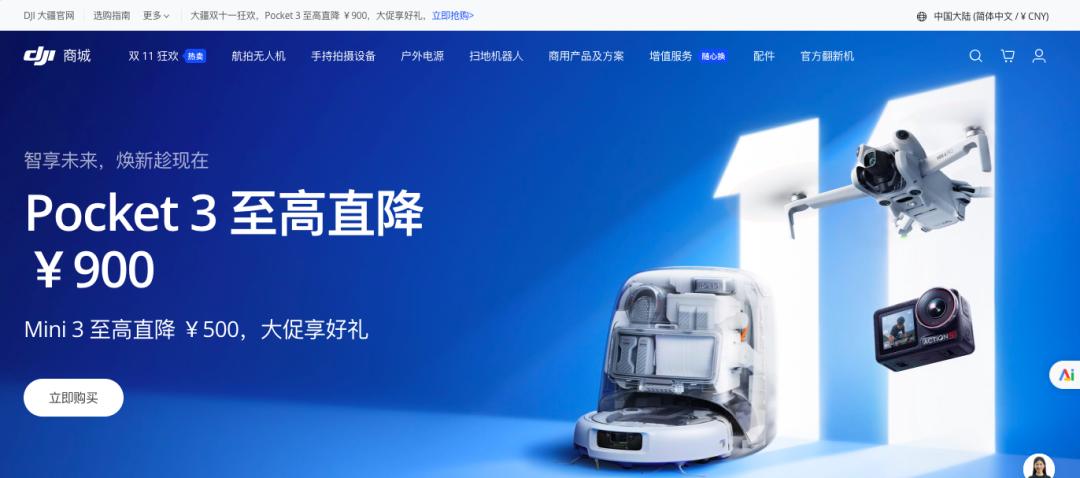
Core Insights - DJI's recent price cuts on multiple products ahead of the 2025 "Double Eleven" event did not generate the expected surge in consumer demand, leading to market controversies and consumer dissatisfaction [1][5][6] - The price reduction is part of DJI's regular promotional strategy, but inconsistencies in price protection policies between online and offline channels have caused frustration among consumers [1][5] - DJI's core business, particularly in consumer drones and handheld imaging devices, is facing increasing competition from various players, prompting the need for inventory clearance and new product introductions [3][10] Market Overview - The global drone market is projected to reach approximately $54.6 billion in 2024, with DJI maintaining over 70% market share, although it has declined from a peak of 85% [2][15] - The consumer drone segment is valued at around $10 billion, with competitors like XAG and brands from Xiaomi and Huawei entering the market with lower-priced alternatives [2][15] - The handheld imaging device market is smaller, with a projected global market size of approximately 42.4 billion yuan in 2024, where DJI's market share has decreased from 19.1% to 13.2% [2][16] Competitive Landscape - DJI's price cuts have triggered reactions from competitors, with companies like Insta360 and GoPro launching their own promotions to counter DJI's pricing strategy [6][20] - The competitive environment in the smart hardware sector is becoming increasingly chaotic, with companies crossing traditional boundaries to capture market share [3][19] - New entrants, including smartphone manufacturers like Vivo and OPPO, are also entering the handheld imaging market, intensifying competition [17][20] Product Strategy - DJI's recent price cuts included significant reductions on popular products, such as the Mini 4 PRO drone and Osmo Action 4 camera, with discounts exceeding 1,000 yuan [4][5] - The company is also diversifying its product offerings, including the launch of a new sweeping robot, leveraging its existing technology in visual perception and motion control [21][22] - DJI's historical pricing strategies have often involved adjustments for older models and entry-level products, with recent promotions being more aggressive than usual [8][10] Consumer Response - Following the price cuts, many consumers expressed dissatisfaction on social media, particularly regarding inconsistent price protection policies across different sales channels [5][6] - Retailers like Sam's Club have had to implement special subsidies to address the backlash from customers who felt misled by the price changes [5][6] Future Outlook - The ongoing competition and market dynamics suggest that DJI's position as a market leader is being challenged, necessitating strategic adaptations to maintain its competitive edge [19][23] - The blurring of boundaries between different product categories indicates a shift towards an ecosystem-based competition, where companies must innovate continuously to stay relevant [22][23]

大疆降价风暴背后:顶流也有增长焦虑
3 6 Ke· 2025-10-22 02:21
Core Viewpoint - DJI's significant price cuts on various products, including the newly launched Osmo Pocket 3, have sparked consumer backlash and raised questions about pricing policies and compensation measures [1][3][4] Group 1: Price Cuts and Consumer Reaction - DJI has initiated substantial price reductions on multiple products ahead of the "Double 11" shopping festival, with the Osmo Pocket 3 seeing a price drop of up to 900 yuan [1][3] - The price cuts have led to a public outcry, with consumers feeling misled by previous assurances that prices would not drop [3][4] - A refund and rights protection movement has emerged on social media, with consumers seeking clarity on compensation for the price drops [3][4] Group 2: Sales Channels and Policies - DJI's price protection policy is only applicable to purchases made through its official website, leaving consumers who bought through other channels without clear guidance [4][5] - Different sales channels offer varying levels of customer service and price protection, leading to inconsistencies in consumer experiences [4][5] - The lack of a unified policy across different sales channels has contributed to the ongoing consumer dissatisfaction [5] Group 3: Market Dynamics and Competition - DJI's consumer drone business, which accounts for over 70% of its revenue, is nearing market saturation, with growth rates declining significantly [7][12] - The company faces increasing competition from rivals like XAG and emerging players like YingShi, which are expanding their market presence [7][8][12] - DJI's recent price cuts may be a strategic move to maintain market share and disrupt competitors' pricing strategies [11] Group 4: Future Outlook and Product Strategy - DJI is diversifying its product offerings beyond drones, venturing into action cameras and robotic vacuums, but faces stiff competition in these new markets [13][15][16] - The company aims to leverage its established brand reputation in the drone sector to capture market share in consumer electronics [16] - Despite the challenges, DJI's revenue growth remains robust, with projections indicating continued expansion in the coming years [12][13]
同大疆开打价格战,农业无人机行业「老二」冲击港股|IPO观察
36氪· 2025-10-21 00:10
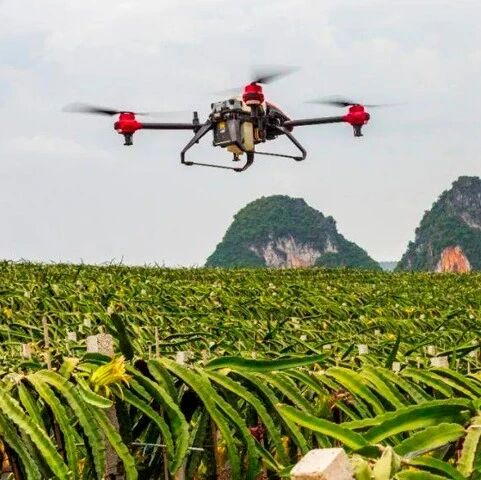
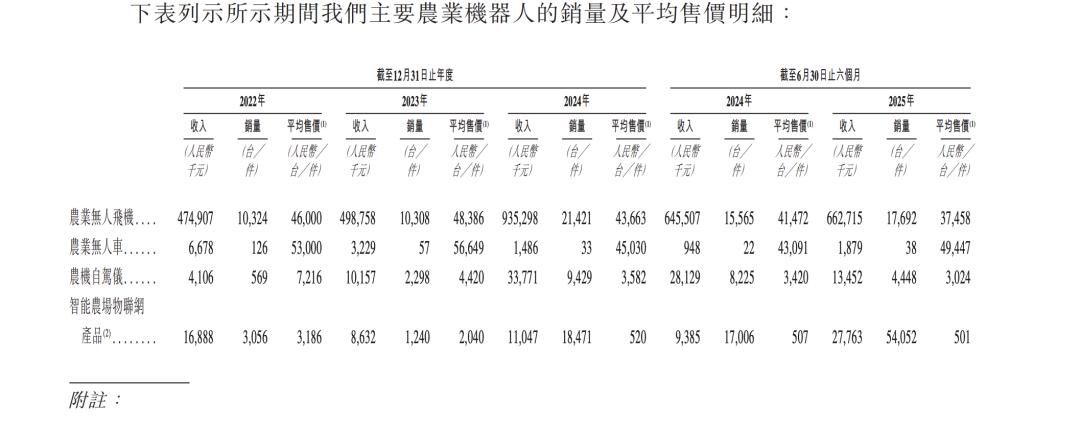
Core Viewpoint - The article discusses the growth and competitive landscape of the agricultural drone industry in China, highlighting the significant market share held by DJI and XAG Technology, as well as XAG's recent financial performance and IPO ambitions [4][10][12]. Industry Overview - The agricultural drone market in China is mature, with sales expected to reach nearly 3 billion yuan in 2024, making it the largest single market globally [4]. - The number of agricultural protection drones in China reached 251,000, with a treatment area of 2.67 billion acres, both showing nearly 25% growth year-on-year [4]. Company Analysis: XAG Technology - XAG Technology, founded in 2012, initially explored various drone applications before focusing on agricultural drones after identifying market demand for their flight control systems [8][9]. - In 2023, XAG's market share in agricultural drone subsidies was 15.8%, while DJI held 80.54% [9]. - XAG is nearing its IPO, having submitted a prospectus in September 2023, and has achieved profitability with a projected net profit of 70.4 million yuan in 2024 [10][12]. Financial Performance - XAG's revenue from agricultural drones has been increasing, with figures of 475 million yuan in 2022, 499 million yuan in 2023, and projected 935 million yuan in 2024 [20]. - The average selling price of XAG's agricultural drones has decreased from 46,000 yuan in 2022 to 37,458 yuan in the first half of 2025, reflecting a strategy of gaining market share through lower prices [21][22]. Competitive Landscape - The agricultural drone industry has seen a "arms race" between DJI and XAG, with both companies continuously improving their products' payload and endurance [25]. - XAG has established a loyal customer base through significant R&D investments, which have contributed to its competitive positioning against DJI [27]. - The overseas market presents a significant growth opportunity for XAG, with international revenue increasing from 146 million yuan in 2022 to 371 million yuan in 2024 [28]. Market Challenges - Despite the growth potential, XAG faces challenges in the competitive landscape, particularly from DJI, which dominates the overseas market with over 70% market share in regions like Japan and Southeast Asia [29][30]. - The agricultural sector's complexity and fragmentation in rural China pose additional challenges for XAG's expansion efforts [11].
极飞科技“对决”大疆:二次IPO,“农业无人机老二”有啥新故事?
3 6 Ke· 2025-10-20 03:04
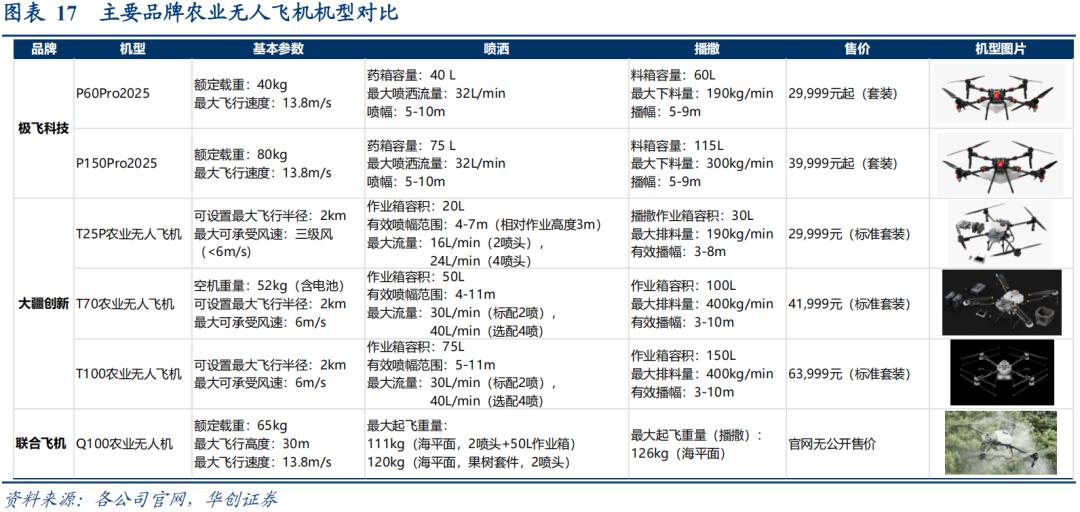
Core Insights - DJI Agriculture holds a global market share of 59% in agricultural drones, maintaining its leading position, while XAG Technology ranks second with a market share of 17.1% [1][4] - The revenue gap between the two companies is significant, with DJI's estimated revenue around 3.5 times that of XAG Technology [4] - The global agricultural drone market is projected to reach 24.8 billion yuan by 2029, with a growth potential exceeding 19 billion yuan [5] Market Position - DJI's market share in China's agricultural drone market reached 63.9% in 2024, while XAG Technology's share was 20.8% [9] - XAG Technology's revenue for 2024 is reported at 1.066 billion yuan, with a net profit of 70.4 million yuan [4][13] Product and Technology Comparison - XAG Technology's P60Pro 2025 model has a rated load of 40 kg and a spray capacity of 40 liters, while DJI's T25P model has a maximum load of 25 kg and a spray capacity of 20 liters [9] - DJI has over 10,000 invention patents globally, compared to XAG Technology's 1,000+ invention patents [7] International Expansion - XAG Technology's overseas revenue has shown significant growth, increasing from 146 million yuan in 2022 to 371 million yuan in 2024, a growth of 154% [14] - However, in the first half of 2025, XAG Technology's overseas revenue growth slowed to 7.1%, raising concerns about sustaining international growth [14][16] Research and Development - XAG Technology's R&D expenses have been declining, with a drop from 1.94 billion yuan in 2022 to 1.59 billion yuan in 2024, indicating a decrease in R&D intensity [18] - Quality issues have been reported with XAG Technology's drones, affecting customer satisfaction and potentially impacting its market position [22][25] Competitive Landscape - The competition between DJI and XAG Technology is intensifying, especially in international markets where DJI holds a significant market share in countries like Brazil and Thailand [16] - XAG Technology aims to differentiate itself through a multi-product strategy and international partnerships, but faces challenges in overcoming DJI's established dominance [5][14]
同大疆开打价格战,农业无人机行业“老二”冲击港股|IPO观察
3 6 Ke· 2025-10-17 01:04
Core Viewpoint - The agricultural drone industry in China is mature, with sales expected to approach 3 billion yuan in 2024, making it the largest single market for agricultural drones globally [1][4]. Group 1: Industry Overview - In 2023, the number of agricultural protection drones in China reached 251,000, covering an area of 2.67 billion acres, marking a nearly 25% increase from the previous year [1]. - The market is primarily dominated by DJI and XAG, with DJI holding an 80.54% share of the agricultural drone subsidies in 2023 [3]. - The agricultural drone sector is characterized by high barriers to entry due to its technology and capital intensity, with a development cycle of 3-5 years from prototype to mass production [15]. Group 2: Company Performance - XAG is nearing an IPO, having submitted its prospectus in September 2023, and has achieved profitability with a net profit of 70.41 million yuan in 2024 [4][10]. - XAG's revenue from agricultural drones has been increasing, with projected revenues of 493 million yuan in 2023 and 935 million yuan in 2024, accounting for 87.8% of total revenue [12]. - The company has completed seven rounds of financing, attracting notable investors such as Baidu Capital and SoftBank [9]. Group 3: Market Dynamics - The competition between DJI and XAG has led to significant advancements in drone capabilities, with payloads increasing from 5 kg in 2017 to over 85 kg by 2024 [15]. - XAG's international revenue has grown from 146 million yuan in 2022 to 371 million yuan in 2024, indicating a focus on expanding into overseas markets [15]. - Despite the competitive landscape, XAG aims to develop localized products for different international markets to tap into their potential [16].
低空经济10月上旬,融资动态,一文掌握
Sou Hu Cai Jing· 2025-10-16 08:43
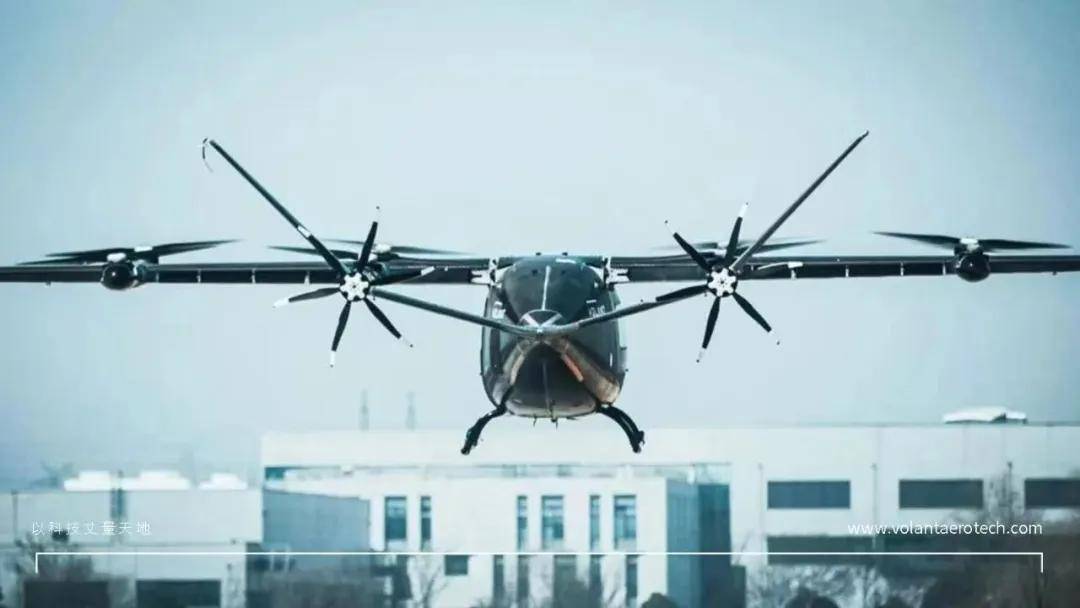
10月13日,上海沃兰特航空技术有限责任公司完成了数亿元B 轮融资。由华映资本领投,上汽创投等新投资方参与投资,现有股东君联资本、鼎晖百孚、 自贡创发持续追加投资。(VOLANT沃兰特) 9月28日,北京航星传动科技有限公司完成数千万元A++轮融资,投资方为湖北科投(光谷产业投资)、广州产投、广州数科集团旗下平云资本。(企查 查) 9月26日,浙江航兴动能科技有限公司宣布完成天使轮融资,投资方为容亿投资、平湖鼎晟实业有限公司。(企查查) 10月2日,广州中科云图智能科技有限公司完成C轮融资。本轮融资由海珠数字经济创投和广州产投基金联合投资。(企查查) 9月26日,深圳市千帆智能航空有限公司宣布完成天使轮融资,投资方为梅花创投。(企查查) 9月30日,北京卫蓝新能源科技股份有限公司宣布完成D+轮融资。本轮融资中,北京市绿色能源和低碳产业投资基金、北京市新材料产业投资基金以增资 形式战略投资卫蓝新能源。(北京卫蓝新能源) 9月25日,极飞科技在港交所递表。若极飞成功闯关港交所,中国农业科技也将讲出更多故事,但行业竞争以及国际贸易环境不确定等因素,仍构成其未 来发展的主要挑战。(第一财经) 9月30日,杭州雷擎电子 ...
全球农业机器人龙头极飞科技递表港交所,产品+技术+渠道重塑农业管理范式
Ge Long Hui· 2025-10-16 00:59
Core Insights - The article highlights the challenges faced by China's agriculture sector due to urbanization and an aging rural population, leading to a significant decline in rural workforce and an increase in the aging rate [1] - The global trend of labor shortage in agriculture is driving the adoption of agricultural robotics, presenting new growth opportunities for agri-tech companies [1] - The company XAG Technology is positioned as a leader in the agricultural robotics market, particularly in the post-planting management segment, which has low mechanization rates [1][3] Industry Overview - China's rural population is projected to decrease from 510 million in 2020 to 460 million by 2024, with an aging rate rising from 17.7% to 18.7% during the same period [1] - The mechanization rates for tillage, sowing, and harvesting in China are expected to reach 87%, 65%, and 70% respectively by 2024, while the post-planting management mechanization is only at 12% [1] - The OECD forecasts a 2.0% annual decline in agricultural workforce among its member countries from 2020 to 2030, indicating a global trend towards automation in agriculture [1] Company Positioning - XAG Technology has achieved a revenue growth of 73.40% year-on-year, reaching 1.066 billion yuan in 2024, and holds a market share of 10.7% globally and 18.0% in China [3] - The company has developed a comprehensive smart agricultural ecosystem, integrating aerial and ground robotics, IoT systems, and mobile applications for remote management [3][4] - XAG's innovation is supported by a robust supply chain and a strong technical foundation, with over 420 R&D personnel and more than 2,600 patents [4] Market Strategy - XAG has established a "knowledge-intensive network" to penetrate the fragmented farmer market, utilizing a dealer system for sales, training, and maintenance [6] - The company has built a dealer network covering over 900 counties in China, enhancing market reach and service capabilities [6][7] - XAG's international expansion is supported by partnerships with major organizations, allowing for a broad market presence across nearly 60 countries [7] Future Outlook - The upcoming IPO in Hong Kong is expected to provide XAG with new capital and industry momentum, positioning the company for a new growth phase as demand for agricultural automation continues to rise [8]

南非农业:在挑战中谋转型,于多元中求发展
人民网-国际频道 原创稿· 2025-10-15 02:30
Core Insights - South Africa's agricultural sector is experiencing a complex yet positive development trend, driven by strong crop production in Q3 and a push for market diversification amid international trade barriers [1] Group 1: Production Dynamics - The agricultural sector contributes 3% to South Africa's GDP, with strong linkages to processing and logistics, enhancing its economic impact [2] - Summer grains and oilseeds have seen a remarkable 28% year-on-year increase in production, reaching nearly 20 million tons, although price pressures exist due to ample supply [2] - The horticulture sector is performing well, with citrus, deciduous fruits, and wine grapes showing increased yields, and a record citrus harvest of 180 million boxes is expected by 2025 [2] Group 2: Trade Adaptation - South Africa's agricultural sector is adapting to a 30% tariff imposed by the US on certain agricultural products, which has impacted exports of citrus and wine, potentially affecting up to 80,000 jobs [3] - The US accounts for only 4%-6.5% of South Africa's agricultural exports, with the Southern African Development Community (SADC) and the EU being more significant markets, comprising 39% and 25% respectively [3] - South Africa is successfully diversifying its markets, having opened the Philippine fresh grape market and increasing exports of citrus to Vietnam and avocados to China [3] Group 3: Policy and Innovation - The South African government is focusing on inclusivity and technological innovation as key strategies for growth and competitiveness in agriculture [4] - The small drone market is expected to grow at an annual rate of 22.35% from 2020 to 2025, reaching a size of $138 million by 2025 [4] - Agricultural technology cooperation with China has shown significant results, enhancing efficiency and connecting South Africa to the global digital agriculture network [4] Group 4: Challenges and Resilience - Despite positive trends, the agricultural sector faces challenges such as market friction with the US and slow diversification of exports [5] - Young people in rural areas show a strong preference for non-agricultural employment, hindered by education and skill shortages [5] - The government and industry are collaborating to address these challenges, with initiatives like the "Farmer Field School" program adding 260 agricultural technicians [6]
广州版“大疆”、广州版“泡泡玛特”,都要去香港上市了
Sou Hu Cai Jing· 2025-10-14 18:03
Group 1 - The core viewpoint of the articles highlights the emerging strength of Guangzhou's industries, with companies like XAG Technology and TOP TOY preparing for IPOs in Hong Kong, indicating a growing entrepreneurial ecosystem in the region [1][2] - XAG Technology, a leading agricultural robotics company based in Guangzhou, has filed for an IPO on the Hong Kong Stock Exchange, boasting a global market share of 10.7% in agricultural robots and 17.1% in agricultural drones, ranking second worldwide [1] - XAG Technology is projected to achieve revenue exceeding 1 billion yuan in 2024, reflecting a year-on-year increase of 73.4%, and has an estimated valuation of 7.3 billion yuan according to Hurun Research Institute [1] - TOP TOY, a notable player in the trendy toy sector, has also submitted its listing application to the Hong Kong Stock Exchange, with a current valuation of 10.2 billion HKD following a successful A-round financing of 59.426 million USD [1] - The parent company of TOP TOY, Miniso, is a well-known retail enterprise in Guangzhou, with a market capitalization of approximately 55 billion HKD [1] Group 2 - The articles suggest that while Guangzhou has a broad industrial ecosystem with several promising companies, it often lacks a dominant player in each sector [2] - Many successful companies in Guangzhou tend to be acquired by larger corporations once they reach a certain scale, indicating a potential challenge for local firms to grow independently [2]


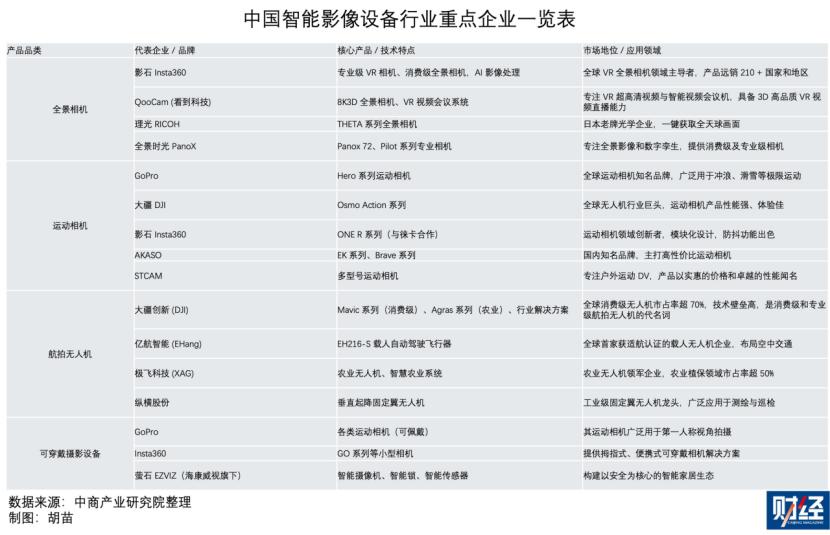
企业竞争图谱:2025年商用无人机,头豹词条报告系列
Tou Bao Yan Jiu Yuan· 2025-10-14 13:57
Investment Rating - The report rates the commercial drone industry with a strong growth outlook, projecting a market size increase from 131.44 billion RMB in 2025 to 306.97 billion RMB by 2029, with a compound annual growth rate (CAGR) of 23.62% [46]. Core Insights - The commercial drone industry focuses on creating commercial value and enhancing operational efficiency through specialized equipment and integrated solutions [4][5]. - The market growth is driven by technological advancements, cost-effectiveness, and the emergence of new application scenarios such as low-altitude logistics and cultural tourism [4][49]. - The industry is characterized by high technical barriers compared to consumer drones, with a focus on long-term service cooperation rather than one-time sales [11][14]. Industry Definition - Commercial drones are defined as unmanned aerial vehicles designed to provide specialized services to enterprises and institutions, focusing on commercial value creation rather than personal entertainment [5]. Industry Classification - The commercial drone industry can be categorized into various application scenarios, including aerial photography, logistics delivery, agricultural protection, inspection and surveying, medical rescue, commercial performances, and derived commercial services [6]. Industry Features - The core demand of commercial drones is centered on "commercial value transformation," with a focus on addressing customer pain points [12]. - The technology requirements are higher than those for consumer drones, necessitating customized configurations and integrated solutions [13]. - The transaction model leans towards long-term service agreements, enhancing customer retention and profitability through ongoing service fees [14]. Development History - The industry has evolved through three main phases: the nascent phase (1990-2011), the startup phase (2012-2017), and the rapid development phase (2018-present), with significant technological advancements and market validation occurring in each stage [15][19]. Industry Chain Analysis - The industry chain consists of three segments: upstream (core components and key technology supply), midstream (drone manufacturing), and downstream (industry applications and operational services) [21][22]. - Upstream developments include advancements in materials and energy sources, such as carbon fiber and hydrogen technology, which enhance drone performance and reduce costs [23][30]. - Midstream challenges include limitations in battery energy density and signal transmission technology, which affect operational efficiency [24][38]. - Downstream applications are primarily in agricultural protection and surveying, with logistics delivery showing significant growth potential [43][44]. Market Size and Growth Drivers - The commercial drone market is expected to grow significantly, with agricultural protection projected to reach 30.93 billion RMB by 2025, accounting for 25% of the overall market [48]. - New application scenarios, such as low-altitude logistics and environmental monitoring, are expected to inject vitality into the market [49]. - The rise of the "Drone as a Service" (DaaS) model is lowering entry barriers for small and medium enterprises, further expanding the market [50].