
农业无人机

Search documents
市场洞察中国低空飞行应用在农林植保各场景下的经济性如何?
Tou Bao Yan Jiu Yuan· 2026-03-07 00:30
Investment Rating - The report provides a positive investment outlook for the agricultural drone industry, highlighting its economic advantages over traditional farming methods [2][5][10][15][18]. Core Insights - Agricultural drones significantly reduce operational costs and improve efficiency in various farming scenarios, including pest control, sowing, crop monitoring, pollination, and material transportation [2][5][10][15][18]. - The economic benefits of using drones include lower costs per acre, increased productivity, and enhanced resource utilization, leading to higher net profits and shorter payback periods for investments [2][5][10][15][18]. Summary by Relevant Sections Pest Control - Traditional methods involve manual labor or tractors, with costs of 25 CNY/acre for manual and 18 CNY/acre for tractors, while drones reduce costs to 8 CNY/acre, saving 10-17 CNY per acre [2]. - Drones can cover 2,000 acres annually, with a payback period of approximately 1.71 years, significantly improving pesticide utilization rates and reducing crop damage [2][5]. Sowing and Fertilization - Traditional sowing costs range from 10-18 CNY/acre, while drones can operate at 6 CNY/acre, saving 4-12 CNY per acre [5][6]. - Drones enhance fertilizer utilization rates from 35% to 65%, with a payback period of about 2.8 years for a 2,000-acre operation [5][6]. Crop Monitoring - Traditional monitoring methods have a cost of 12 CNY/acre for manual labor and 6 CNY/acre for satellite, while drones reduce costs to 4 CNY/acre [10][11]. - Drones provide a higher accuracy in pest detection (92%) and can cover 2,000 acres annually, but the payback period is longer at approximately 7.78 years without additional services [10][11]. Pollination - Traditional pollination methods cost 40 CNY/acre for manual and 18 CNY/acre for mechanical, while drones operate at 10 CNY/acre, saving 8-30 CNY per acre [15]. - Drones can enhance fruit set rates by 20-30% and have a payback period of about 2.12 years for a 2,000-acre operation [15]. Material Transportation - Traditional transportation methods cost 25 CNY/ton for manual and 12 CNY/ton for three-wheelers, while drones can operate at 6 CNY/ton, saving 6-19 CNY per ton [18][19]. - Drones can transport 10-20 tons daily, with a payback period of approximately 1.32 years, making it the fastest return on investment scenario [18][19].
市场洞察:中国低空飞行应用在农林植保各场景下的经济性如何?
Tou Bao Yan Jiu Yuan· 2026-03-06 12:08
Investment Rating - The report provides a positive investment outlook for the agricultural drone industry, highlighting its economic advantages over traditional farming methods [2][5][10][15][18]. Core Insights - Agricultural drones significantly reduce operational costs and improve efficiency in various farming scenarios, including crop spraying, sowing, fertilization, crop monitoring, and pollination [2][5][10][15][18]. - The economic benefits of using drones include lower costs per acre, increased productivity, and enhanced resource utilization, such as reduced pesticide and fertilizer waste [2][5][10][15][18]. Summary by Sections Crop Spraying - Traditional methods (manual and tractor) have higher costs and lower efficiency compared to drones, which can cover 2,000 acres per year at a cost of 8 CNY per acre, saving 10-17 CNY per acre [2]. - Drones increase pesticide utilization rates to 58.9% and reduce crop damage rates to less than 1% [2]. Sowing and Fertilization - Drones can operate on 2,000 acres per year at a cost of 6 CNY per acre, compared to traditional methods costing 10-18 CNY per acre [5]. - The fertilizer utilization rate improves to 65%, and seed waste is reduced to less than 3% [5][6]. Crop Monitoring - Drones can monitor 2,000 acres per year at a cost of 4 CNY per acre, significantly lower than traditional methods [10]. - The accuracy of pest and disease detection is improved to 92%, allowing for timely interventions [10][11]. Pollination - Drones can cover 2,000 acres per year at a cost of 10 CNY per acre, with a significant reduction in pollen waste and an increase in fruit set rates [15]. - The economic benefits include increased yields and higher market prices for fruits due to improved quality [15]. Material Transport - Drones can transport materials over 2,000 acres per year at a cost of 6 CNY per ton, significantly reducing transport losses and improving efficiency in challenging terrains [18][19]. - The return on investment for drone transport is the fastest among all scenarios, with a payback period of approximately 1.32 years [18][19].
【研选行业】SpaceX百万颗算力卫星计划曝光,催生100GW太空光伏年需求,设备商迎订单拐点,机构建议关注三条主线
第一财经· 2026-02-04 10:41
Group 1: Space-Based Photovoltaics and AI Computing - SpaceX's plan to deploy one million computing satellites is expected to create an annual demand of 100GW for space-based photovoltaics, marking a turning point for equipment suppliers [2] - The demand for space photovoltaics is anticipated to grow significantly, with early orders for equipment likely to materialize on a large scale [2] - Key companies to watch include photovoltaic equipment suppliers Maiwei (300751.SZ), Jiejia Weichuang (300724.SZ), and others, as well as high-efficiency heat exchanger suppliers and photovoltaic battery manufacturers [2] Group 2: Copper Industry and Strategic Reserves - Copper concentrate may be included in the national strategic reserve, enhancing the security of the supply chain [5] - The global decline in copper ore grades is expected to continue, which may elevate the importance of copper as a key metal [5] - Companies to focus on include Zijin Mining (601899.SH) for copper mining and Tongling Nonferrous Metals (000630.SZ) for copper smelting, as they are positioned to benefit from profit recovery [5] Group 3: Hydrogen Energy Development - Hydrogen energy is set to be a key focus during the 14th Five-Year Plan, with significant investments expected to drive the industry forward [7] - By the end of 2025, China's renewable energy hydrogen production capacity is projected to exceed 250,000 tons per year, doubling from the previous year [7] - Companies involved in hydrogen energy, such as Kewell and Huadian Technology, are expected to benefit from the growing emphasis on hydrogen as a critical component of the national energy system [10] Group 4: Agricultural Drones and Technology - The Chinese government is promoting agricultural modernization, emphasizing the integration of technology in agriculture, including the use of drones [12] - The agricultural drone market is experiencing rapid growth, with over 300,000 drones in operation and an annual operational area exceeding 46 million acres [12] - Key players in the agricultural drone sector, such as Haowei Group and Zhaoyi Innovation, are positioned to capitalize on this trend [14]


博时市场点评2月4日:两市涨跌不一,沪指重返4100点
Xin Lang Cai Jing· 2026-02-04 08:13
Market Overview - The Shanghai Composite Index closed at 4102.20 points, up 0.85%, while the Shenzhen Component Index rose 0.21% to 14156.27 points. The ChiNext Index fell 0.40% to 3311.51 points, and the Sci-Tech Innovation 100 Index decreased by 0.92% to 1620.23 points [4][11] - The total market turnover was 25,034.79 billion, a decrease from the previous trading day [6][12] - In the Shenwan first-level industry classification, coal, building materials, and real estate sectors led the gains, increasing by 7.58%, 3.48%, and 2.97% respectively, while media, communication, and computer sectors saw declines of 3.12%, 2.73%, and 1.70% respectively [4][11] Economic Indicators - The ISM Manufacturing Index in the U.S. unexpectedly rose from 47.9 to 52.6 in January, marking the first time in nearly a year that it entered the expansion zone, significantly exceeding market expectations [3][9] - This strong rebound may reflect a combination of inventory replenishment, demand recovery, and supply chain improvements, although its sustainability requires further data validation [3][9] Policy Developments - The Central Committee of the Communist Party of China and the State Council released the 2026 Central No. 1 Document, emphasizing the importance of food security and agricultural technology, with a target of stabilizing grain production at around 1.4 trillion jin [2][8] - The document highlights the integration of artificial intelligence with agriculture, promoting applications such as drones, IoT, and robotics, which is expected to benefit traditional agricultural sectors and open growth opportunities in agricultural technology and smart machinery [2][8] Monetary Policy - The People's Bank of China conducted a 3-month reverse repurchase operation of 800 billion, resulting in a net injection of 100 billion, marking the first increase in four months [2][9] - This action aims to maintain ample liquidity in the banking system and signals a continued supportive monetary policy stance, which may stabilize market expectations and encourage financial institutions to increase credit issuance [3][9]
一天喷洒1500亩!宙望M150智能无人机破解农业生产痛点
Nan Fang Nong Cun Bao· 2025-12-31 09:01
Core Insights - The article discusses the launch of the M150 agricultural drone by StarFront, which aims to enhance agricultural productivity and address challenges such as labor aging and insufficient mechanization in farming [2][3][4]. Group 1: Product Features - The M150 drone can spray up to 1,500 acres in a day, significantly improving efficiency compared to traditional manual methods [22]. - It has a maximum payload of 80 kilograms and a spray capacity of 120 liters, making it suitable for various terrains including large fields, orchards, and mountainous areas [9][10]. - The drone is equipped with a 12 kW smart charging system that allows the battery to be fully charged in 9 minutes, supporting 24-hour continuous operation [11]. Group 2: Safety and Technology - Safety is a primary concern for agricultural drone operations; the M150 features an RTK centimeter-level positioning system and a self-developed laser radar for obstacle detection [13][14][18]. - The drone's dynamic circulation mixing device ensures uniform mixing of different pesticide formulations, preventing sedimentation and ensuring effective spraying [19][20]. - It integrates laser and millimeter-wave radar for comprehensive environmental perception, achieving a distance measurement accuracy of 0.1 meters [21]. Group 3: Market Trends and Strategy - Approximately 70% of domestic users purchase drones for self-operation, indicating a shift from reliance on professional pilots [25][26]. - The agricultural drone industry is transitioning from a focus on payload and endurance to a more integrated approach that includes intelligent perception and full-cycle support [27]. - The company plans to expand into overseas markets such as North America and Southeast Asia, where there is a strong demand for agricultural mechanization [29][30][32]. Group 4: Initiatives and Support - The "Guardian Plan" was announced to provide support for 1 million agricultural practitioners over the next five years through channel cooperation, entrepreneurial support, and technical training [34][35]. - This initiative aims to address after-sales service challenges and establish a team of agronomists to offer comprehensive solutions for crop management [36][37].

从关键词读懂2025丨锚定新质生产力 产业发展开启多元“融合”
Xin Hua She· 2025-12-30 02:30
Core Insights - The article emphasizes the acceleration of new productive forces and the deepening of industrial transformation and upgrading, with "integration" becoming a prominent theme in industrial development [1] Group 1: Industrial Growth and Trends - The expected growth rate of industrial added value for the year is 5.9%, while digital industry revenue is projected to increase by 9% [1] - The core scale of the artificial intelligence industry is anticipated to exceed 1 trillion yuan [1] - The integration of traditional and emerging industries is breaking down barriers and fostering a more resilient and vibrant modern industrial system [1] Group 2: Cross-Industry Collaboration - Companies like ByteDance and ZTE are collaborating to launch new products, such as the "Doubao phone," reflecting a trend of cross-industry terminal creation [2] - In agriculture, traditional practices are evolving into smart agriculture through partnerships with emerging industries, enhancing efficiency and reducing costs [2] - In the automotive sector, companies like Dongfeng Motor are collaborating with tech firms like Huawei to innovate in areas such as intelligent driving systems and semiconductor production [3] Group 3: Digital and Real Economy Integration - Ulanqab in Inner Mongolia is becoming a key node in the "East Data West Computing" project, with significant investments in data centers and computing power [5] - National data shows a 10.2% year-on-year increase in enterprise spending on digital technologies, indicating a strong push towards digital integration in traditional industries [6] - The establishment of leading smart factories marks a significant leap towards intelligent manufacturing, with high application rates of AI technologies [6] Group 4: Innovation and Policy Support - The integration of technological and industrial innovation is being prioritized in national policy, with a focus on enhancing productivity and fostering new growth spaces [8] - Collaborative efforts between research institutions and industries are driving a comprehensive "two-innovation integration" practice across various sectors [8] - The rapid development of technology in areas like low-frequency technology for air conditioning and autonomous driving platforms showcases the vibrant innovation landscape in China [9]
西南证券:中国农业无人机行业加速智能驾驶转型 积极开拓海外市场
Zhi Tong Cai Jing· 2025-12-24 02:51
Group 1 - The core viewpoint is that China is actively promoting agricultural mechanization through subsidies, with the comprehensive mechanization rate expected to exceed 75% by 2024, achieving the goals set for the 14th Five-Year Plan ahead of schedule [2][3] - Agricultural drones are a key technology in this transformation, with China leading the global market and holding a significant share of the agricultural drone industry [2][3] - The industry is experiencing three major trends: a slowdown in domestic market competition, a shift towards smart driving technology in agricultural drones, and an acceleration of overseas market expansion by companies seeking new growth [3] Group 2 - The domestic market competition is expected to ease, with prices stabilizing around 30,000 to 40,000 yuan per unit [3] - The transition to smart driving technology is anticipated to lower operational barriers and enhance safety, leading to a rapid increase in the proportion of end consumers [3] - As domestic market penetration increases and prices drop significantly, overseas markets are becoming a target for Chinese agricultural drone companies seeking additional growth [3]

资本赋能硬科技 金融筑基实体经济——工银投资科技金融服务实践
Sou Hu Cai Jing· 2025-12-22 12:46
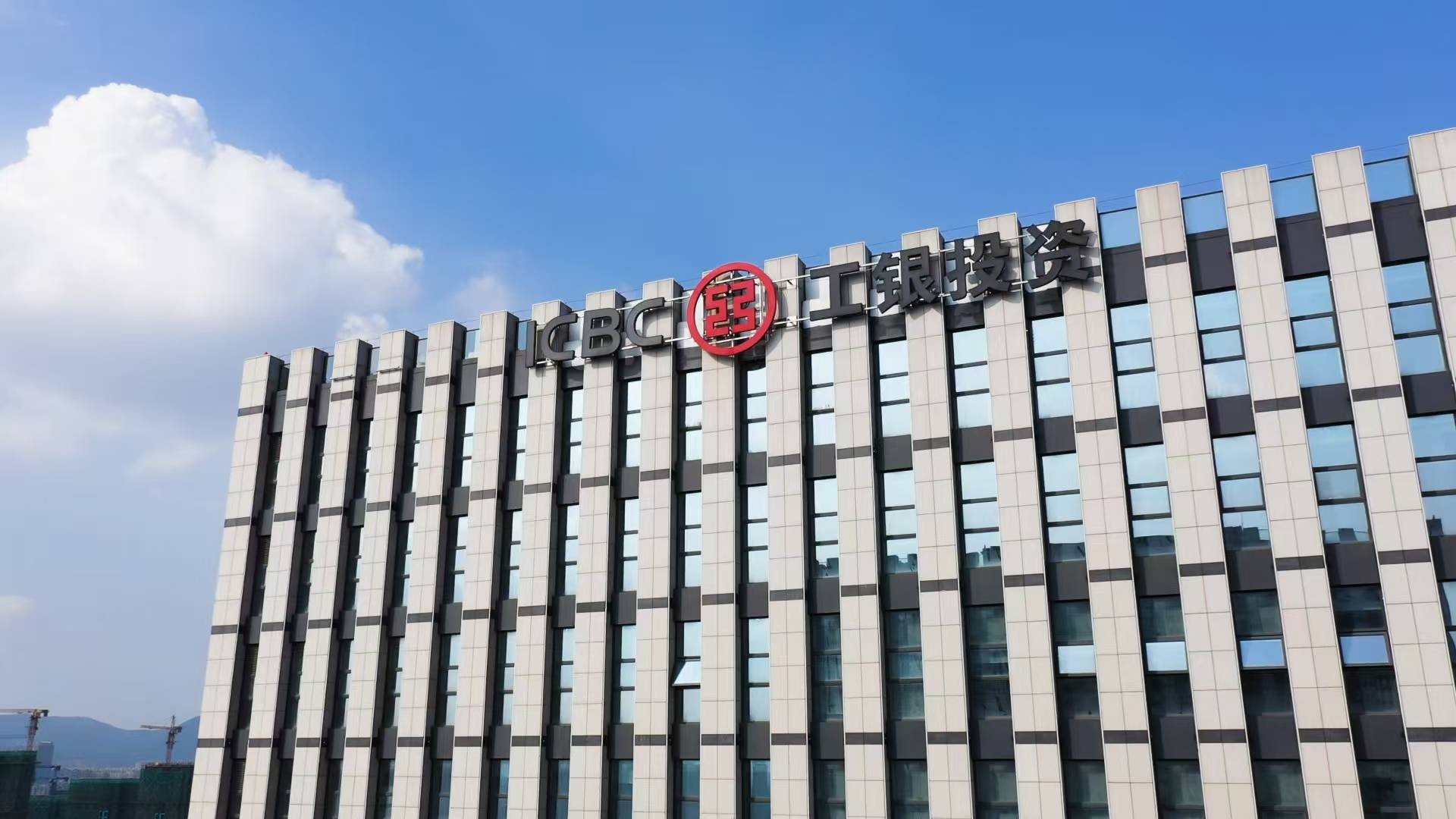
Core Viewpoint - ICBC Investment is committed to supporting national strategies for technological finance, focusing on long-term, value, strategic, and stable investments while optimizing its approach to technology finance through various principles and dimensions [1][3]. Group 1: Investment Strategy - ICBC Investment emphasizes a full-chain support for technological innovation, integrating funding sources, asset allocation, governance empowerment, and exit strategies to enhance the growth of technology enterprises [3]. - The company has achieved over 410 billion yuan in market-oriented debt-to-equity swaps and equity investment pilot projects, with signed fund intention scales exceeding 200 billion yuan and fund establishment surpassing 90 billion yuan, leading the industry [1][3]. Group 2: Sector Focus - The company is actively addressing the reliance on imported third-generation semiconductor materials by injecting capital into a leading global silicon carbide epitaxy manufacturer, facilitating production process optimization and market expansion [3]. - ICBC Investment supports the domestic operating system sector by investing in a leading enterprise, breaking foreign monopolies and fostering a complete ecosystem for digital transformation in key industries [4]. Group 3: Comprehensive Financial Solutions - ICBC Investment integrates various financial tools, including debt-to-equity swaps, equity investments, and credit support, to provide comprehensive financial solutions for technology enterprises throughout their development stages [5][6]. - The company focuses on "specialized, sophisticated, and innovative" sectors, leading investments in domestic power semiconductor manufacturers to enhance capital strength and accelerate production line construction [6]. Group 4: Risk Management and Governance - ICBC Investment has established a "six-special" investment system to ensure stable progress in technology investments, including specialized teams and risk control mechanisms [7]. - The company has innovated an approval model to accurately identify quality technology enterprises and has built a comprehensive risk control system to balance efficiency and safety [7]. Group 5: Collaborative Ecosystem - ICBC Investment plays a strategic role in leveraging national and local funds, industry capital, and financial institutions to mobilize more resources for hard technology investments [8]. - The company has adopted a combination model of debt-to-equity funds and equity investment funds to create an investment ecosystem that supports technological innovation throughout its lifecycle [8]. Group 6: Future Outlook - ICBC Investment aims to continue gathering patient capital to support hard technology development, from laboratory innovations to industrial upgrades, contributing to the construction of a financial powerhouse [9].
低空耕者:农业无人机重塑智慧农耕的新范式与未来图景,头豹词条报告系列
Tou Bao Yan Jiu Yuan· 2025-11-19 13:15
Investment Rating - The report rates the agricultural drone industry positively, indicating a strong growth potential with a projected market size increase from 250.7 billion RMB in 2024 to 325.54 billion RMB by 2029, reflecting a compound annual growth rate (CAGR) of 5.47% [42][45]. Core Insights - Agricultural drones are transforming smart farming practices, driven by technological advancements, policy support, and a concentrated market structure dominated by leading companies like DJI and XAG, which together hold 70%-80% of the global market share [5][20]. - The industry is characterized by a shift from traditional pest control applications to a broader range of functions, including precision seeding and monitoring, facilitated by advancements in AI and sensor technology [18][40]. - The market is expected to benefit from labor shortages in agriculture, increasing demand for precision management, and ongoing technological improvements [5][43]. Industry Overview - Agricultural drones are defined as unmanned aerial vehicles that operate without human pilots, utilizing remote control or autonomous systems for various agricultural tasks [6]. - The industry has seen significant growth from 231.2 billion RMB in 2020 to 250.7 billion RMB in 2024, with expectations of further expansion due to labor shortages and policy support [42][43]. Market Dynamics - The agricultural drone market is highly concentrated, with DJI and XAG leading the competition, which is characterized by a duopoly [20][52]. - The report highlights the importance of technological innovation, with companies investing heavily in R&D to enhance product capabilities and maintain competitive advantages [54][55]. Policy Support - Government policies are increasingly supportive of the agricultural drone sector, with subsidies reaching up to 40% for drone purchases, which is expected to further stimulate market growth [19][44]. - The "14th Five-Year Plan" emphasizes the development of smart agricultural machinery, providing a framework for the industry's future [45]. Technological Advancements - Continuous technological upgrades are expanding the application scenarios for agricultural drones, moving beyond pest control to include precision seeding and real-time monitoring [18][40]. - The integration of AI and advanced sensors is enhancing operational efficiency, with significant improvements in data collection and analysis capabilities [27][40]. Competitive Landscape - The competitive landscape is marked by a few dominant players, with DJI holding a significant market share and a strong patent portfolio, while XAG excels in precision spraying algorithms [20][53]. - New entrants are emerging, leveraging innovative technologies to carve out niche markets, indicating a dynamic competitive environment [56][57].
发动现代农业“低空引擎”
Jing Ji Ri Bao· 2025-11-13 22:20
Core Insights - The integration of low-altitude economy and modern agriculture is enhancing agricultural efficiency and productivity, contributing to food security and rural revitalization [1][2] - The Chinese government is actively promoting the application of smart agriculture and low-altitude technologies through supportive policies and resource allocation [1][2] - The development of low-altitude economic activities in agriculture is expected to stimulate related industries, creating a "low-altitude industrial chain" [2] Group 1: Technological Integration - Low-altitude equipment can overcome various limitations, enabling precise and standardized operations in monitoring, sowing, and fertilization, significantly improving agricultural production efficiency [2] - The integration of IoT, big data, and AI with agricultural operations is being emphasized to expand the application of smart agriculture and accelerate the establishment of unmanned smart farms [2] Group 2: Service and Infrastructure Development - There is a need to establish comprehensive agricultural low-altitude flight service stations, maintenance points, and battery exchange stations to address operational challenges [3] - A well-defined low-altitude flight management mechanism is essential to balance safety regulations with operational efficiency in agricultural tasks [3] Group 3: Talent Development - Training programs for farmers on low-altitude equipment operation and maintenance are crucial to cultivate a new generation of skilled agricultural workers [3] - Support for vocational schools to offer relevant programs will help develop a stable talent pool for the growth of the agricultural low-altitude economy [3]