腾讯云

Search documents
英伟达800V架构重塑AI数据中心:31家产业链核心企业大起底
中关村储能产业技术联盟· 2025-11-25 06:22
Core Insights - The article discusses the significant energy demands of AI data centers, which can consume as much electricity as a small city, and highlights the need for advanced energy storage systems to manage power fluctuations effectively [2][4] - NVIDIA's recent release of the 800V DC architecture white paper indicates a shift towards integrating rapid-response energy storage systems in AI data centers, suggesting a potential explosive growth opportunity for the energy storage industry driven by AI [4][10] Group 1: Energy Architecture Evolution - The industry leaders, led by NVIDIA, have outlined a clear three-step evolution plan towards the 800V DC architecture for AI data centers [6] - The first step involves a transitional solution using "side-mounted power cabinets" to physically separate power modules from core computing areas [6] - The second step focuses on transitioning from a "distributed" to a "centralized" architecture [7] - The final step aims for a direct conversion from 10kV medium voltage AC to 800V DC using Solid State Transformers (SST) [9] Group 2: Hybrid Energy Storage Systems - To effectively manage power fluctuations, "hybrid energy storage" is identified as a necessary technological core, combining supercapacitors, high-rate batteries, and large-scale energy storage systems [10] - The new architecture requires advanced semiconductor technologies, such as silicon carbide (SiC) and gallium nitride (GaN), to meet the stringent demands of 800V high voltage [11] Group 3: Market Dynamics and Key Players - The surge in energy demand from AI and data centers has led to strategic competition among energy storage companies, including UPS suppliers and thermal management solution providers [16] - Major players in the energy storage market include: - **Sungrow Power Supply**: Actively developing power solutions for AI data centers, with plans to launch products by 2026 [19] - **Huawei**: Emphasizing energy digitalization for AI data centers, aiming for a secure, reliable, and low-carbon future [20] - **Kehua Data**: Focused on building data centers and HVDC solutions, with significant market presence [21][23] - **DuanDeng Co.**: Recognized as a "hidden champion" in data center energy storage, leading in battery shipments [24] - **Zhongtian Technology**: Engaged in lithium battery storage systems, with a strong production capacity [25] Group 4: Technological Innovations - The introduction of Solid State Transformers (SST) is highlighted as a revolutionary product that efficiently converts medium voltage AC to 800V DC, significantly reducing energy loss and saving substantial electricity annually for large data centers [11][12] - SSTs improve power quality and reduce the footprint of power systems, allowing for better space utilization in data centers [15] Group 5: Future Trends and Strategic Directions - The competition in the energy storage sector is shifting from hardware specifications to the intelligence of energy management systems, emphasizing the need for predictive capabilities and smart coordination among different energy storage units [15] - The article anticipates a transformation in business models, where the winners will be those who can provide integrated smart energy solutions rather than just hardware [15]


2025年中国身份认证行业研究:从安全到信任,解码千亿级数字身份新赛道?
Tou Bao Yan Jiu Yuan· 2025-11-18 14:14
Investment Rating - The report does not explicitly state an investment rating for the identity verification industry [1]. Core Insights - The identity verification industry in China is evolving towards a multi-faceted approach, integrating various technologies such as biometric recognition, behavioral analysis, and decentralized identity systems to enhance security and user experience [11][19]. - The industry is projected to grow significantly, driven by increasing regulatory requirements and the demand for secure digital identities across various sectors [15][19]. Summary by Sections Global and Chinese Identity Verification Industry Overview - Identity verification is a security process that validates the authenticity of individuals, organizations, and devices based on authoritative data sources [5][6]. - The current technology framework includes biometric features, element comparison, behavioral characteristics, and decentralized identity, each serving different verification needs [8][10]. Verification Technology Classification - Biometric verification relies on unique physiological or behavioral traits, while element comparison uses static information for validation. Behavioral verification analyzes user actions, and decentralized identity utilizes blockchain for trust [10][11]. Technical Principles - The evolution of identity verification technology is moving towards integration, security enhancement, and user control, with a focus on multi-factor authentication systems [13][14]. Application Scenarios and Customer Groups - Identity verification is expanding from high-compliance scenarios to diverse applications, balancing security, flexibility, privacy, and cost efficiency [15][19]. - Key application scenarios include financial compliance, enterprise identity management, e-commerce, government services, and industrial IoT [16][19]. Application Scenario Demand Characteristics - Different industries exhibit varying demands for identity verification, with finance and government emphasizing authority and compliance, while consumer internet focuses on usability and speed [18][19]. Major Participants - The identity verification industry features a multi-layered structure with licensed certification agencies, IDaaS platforms, risk control technology vendors, hardware security firms, and decentralized identity service providers [23][24].
AI落地加速中,底层架构却成最大绊脚石?丨ToB产业观察
Tai Mei Ti A P P· 2025-11-17 03:09
Group 1 - The core viewpoint of the articles highlights the rapid growth of China's AI infrastructure service market, which reached 19.87 billion yuan in the first half of 2025, a year-on-year increase of 122.4%, with projections nearing 150 billion yuan by 2029 [2] - Despite 83% of enterprises prioritizing AI as a strategic focus, the actual success rate of implementation is only 29%, indicating significant challenges in AI project execution [3] - The systemic architectural imbalance, characterized by issues in computing power supply, data governance, system collaboration, and security compliance, is identified as a root cause of AI implementation failures [3] Group 2 - The CEO of Qingyun Technology outlines three phases of digital transformation since the emergence of ChatGPT, with the first phase focusing on the scarcity of computing power as a major obstacle for AI applications [4] - The second phase sees an increase in customer willingness to experiment with AI, but diverse industry needs remain inadequately addressed [4] - The third phase marks a shift in enterprises' attitudes towards serious consideration of AI integration, facing historical IT architecture issues that lead to fragmented computing resources [5] Group 3 - A significant 53% of enterprises adopt tightly coupled AI architectures, which bind model training and inference directly to business systems, leading to challenges during the iteration phase [6] - Enterprises face a triad of core challenges: maintaining legacy IT investments while embracing AI innovation, balancing diverse business demands with simplified IT architecture, and ensuring business stability during technological iterations [6] - AI Infra is proposed as a critical engine to resolve these implementation challenges, emphasizing the need for a bridge that connects historical IT assets with future requirements [7][8] Group 4 - AI Infra is defined as a platform that can achieve cost reduction, efficiency improvement, safety, and controllability through capabilities like computing power coordination, storage innovation, architecture integration, and ecological openness [9] - The deployment of AI Infra has shown to increase AI project success rates from 29% to 78%, with a 120% improvement in return on investment [11] - The global AI Infra market is projected to exceed $80 billion by 2025, with a compound annual growth rate of 58%, indicating intense competition among domestic and international players [12] Group 5 - Domestic players focus on local pain points, while international firms emphasize technological barriers, leading to a competitive landscape characterized by full-stack, vertical technology, and ecological integration players [12][13] - Companies like Qingyun Technology and Huawei are addressing historical compatibility issues and enhancing training efficiency through their AI Infra solutions [12] - The competition has evolved from product-based to a comprehensive contest involving technology, ecology, and application scenarios, with a need for domestic firms to overcome core technology bottlenecks [15]


中科软:公司第一大股东北京科软创源软件技术有限公司持有中科弧光股权
Zheng Quan Ri Bao Wang· 2025-11-10 14:13
Core Viewpoint - Zhongke Soft (603927) is actively monitoring technological advancements and their application prospects across various industries, particularly in intelligent computing solutions [1] Group 1: Company Overview - The largest shareholder of Zhongke Soft is Beijing Kesoft Chuangyuan Software Technology Co., Ltd., which holds equity in Zhongke Arc Light [1] - The company focuses on the development of industry application software and operates in the downstream of the computing power industry chain [1] Group 2: Industry Collaboration - Zhongke Soft has established ecological partnerships with major intelligent computing platforms and computing infrastructure manufacturers, including Huawei, Alibaba Cloud, and Tencent Cloud [1] - The company aims to deliver digital intelligence solutions to downstream industry clients, driven by the demand for intelligent computing from sectors such as insurance, government, and healthcare [1]

腾讯研究院AI每周关键词Top50
腾讯研究院· 2025-11-08 02:33
Group 1: Core Insights - The article highlights the top 50 keywords in AI for the week, providing a comprehensive overview of the latest developments in the industry [2][3][4]. Group 2: Computing Power - Key developments in computing power include collaborations between Cambricon and NeuWare, OpenAI and AWS, and the introduction of space AI servers by NVIDIA and Google's space AI initiatives [3][4]. Group 3: Models - Significant model advancements include the release of Composer-1 by Cursor, linear attention by Kimi, and the preview of Gemini 3 Pro by Google, among others [3][4]. Group 4: Applications - Various applications are emerging, such as OpenAI's Bug agent, Canva's creative operating system, and AI smart glasses by Rokid, showcasing the diverse use cases of AI technology [3][4]. Group 5: Opinions - Notable opinions expressed include Elon Musk's views on intelligence elevation, Stanford University's insights on speech therapy, and discussions on AI's impact on labor by Geoffrey Hinton [4].

2025年中国基础云服务行业数据报告
艾瑞咨询· 2025-11-06 00:02
Core Insights - The overall cloud service market in China is projected to reach 544.54 billion yuan in 2024, with a growth rate of 15%. The rapid development of artificial intelligence is driving upgrades in cloud infrastructure and capability platforms, which are key factors for market growth [1][8]. Market Overview - The IaaS market in China is expected to grow to 371.86 billion yuan in 2024, with a growth rate of 19.1%. The PaaS market is projected to reach 101.86 billion yuan, growing at 35.8% [11]. - The public cloud service market is anticipated to reach 387.87 billion yuan in 2024, with an 18% growth rate. The non-public cloud service market is expected to be 163.58 billion yuan, growing at 11.2% [13][16]. Market Characteristics - AI has become a focal point for cloud service industry construction and business layout. Participants are expanding investments in intelligent computing infrastructure and improving AI development tools [8]. - The public cloud service market is experiencing new opportunities due to the rapid development of AI, with various cloud vendors focusing on building intelligent computing infrastructure and platforms [13]. Competitive Landscape - In the public cloud IaaS market, Alibaba Cloud, Huawei Cloud, and Tianyi Cloud rank as the top three providers, with Tencent Cloud and Mobile Cloud tied for fourth place [19]. - Operator-backed cloud vendors are enhancing their competitiveness by improving infrastructure and investing in AI, while internet-based cloud vendors are focusing on business streamlining and capability concentration to alleviate competitive pressure [19]. Development Trends - The cloud computing sector is expected to continue supporting the development of the AI industry by providing foundational resources and platform tools. The integration of intelligence into cloud services will further enhance the capabilities of intelligent computing [8]. - In the short term, the competition in the public cloud market is primarily driven by price wars, but long-term growth will be fueled by the rapid iteration of AI technology and the expansion of cloud service applications across various industries [13][19].

2025年智慧养老产业发展白皮书
Tou Bao Yan Jiu Yuan· 2025-11-04 12:04
Investment Rating - The report does not explicitly state an investment rating for the smart elderly care industry Core Insights - The smart elderly care industry in China is rapidly evolving through technological integration and innovative models to address the challenges posed by an aging population, which is expected to reach 30% by 2050, significantly higher than the global average [5][18] - The industry is focusing on creating a comprehensive health management ecosystem that covers the entire life cycle of elderly care, showcasing significant breakthroughs from technology application to system construction [5] Summary by Sections Overview of the Smart Elderly Care Industry - The aging population in China is accelerating, with the proportion of individuals aged 65 and above expected to reach 30% by 2050, indicating a severe challenge for social and economic development [18][20] - The report highlights the structural challenges in the current elderly care service supply system, including insufficient total supply, uneven resource distribution, and a shortage of professional caregivers [6] Demand Environment - The acceptance of smart products among the elderly is steadily increasing, with 43.08% of users spending 1-3 hours daily using these products [6][39] - The demand for personalized leisure and entertainment services is significantly higher among elderly individuals living with family compared to those living alone, indicating a strong expectation for functionality in multi-generational households [6] Supply Situation - Smart elderly care products are evolving from single-function devices to comprehensive solutions, with wearable devices forming a health management loop covering prevention, diagnosis, and rehabilitation [7] - The report emphasizes the need for a smart transformation in elderly care services to enhance sustainability and meet the growing demand [6] Policy Environment - The report outlines a systematic approach to policy development in the smart elderly care sector, emphasizing the integration of technology and the enhancement of service quality to improve the well-being of the elderly [33] Economic Environment - Investment strategies in the elderly care sector are shifting from quantity to quality, focusing on high-quality projects in areas such as artificial intelligence, robotics, and digital platforms [35] - The report notes significant investment activity in the elderly care robot sector, with a notable increase in funding for companies developing companion and rehabilitation robots [37] Technological Environment - The health IoT is driving the development of automated and intelligent health services, with technologies such as blockchain enhancing data security and sharing [45][47] - The integration of various technologies is crucial for creating a seamless health management ecosystem that meets the needs of the elderly [47] Industry Chain Analysis - The smart elderly care industry chain consists of upstream technology support, midstream product and service integration, and downstream application scenarios, forming a collaborative ecosystem [51][53] - The report highlights the importance of integrating resources from various sectors to create a comprehensive elderly care solution that includes home care, community support, and institutional care [52]
飞络24小时前沿AI快报|10月31日:AI被重新定义为“虚拟人类”
Sou Hu Cai Jing· 2025-10-31 08:29
AI Industry Insights - Industry leaders, including NVIDIA's founder Jensen Huang and 360 Group's founder Zhou Hongyi, suggest that AI has transcended its role as a mere tool and should be viewed as a "virtual human" with labor value, indicating a fundamental shift in human-machine collaboration [2] - The global AI regulatory landscape is evolving, with China emphasizing its "Artificial Intelligence +" strategy and building a data market, the EU advancing the implementation of the AI Act, and the UK launching innovation support projects [2] - The digital human industry is undergoing a transformation driven by the explosion of large model technologies, with companies lacking AI R&D capabilities facing elimination, and the trend shifting towards platform development [2] - The AI wearable device market is transitioning from simple monitoring to proactive health management, with an expected market size of $304.8 billion by 2033, integrating AI analysis with digital healthcare services [2] - Chinese large models are gaining traction in Silicon Valley, with several prominent AI companies publicly acknowledging the cost-effectiveness of Alibaba's Qwen and Zhiyuan's Glm, marking China's AI technology system as a significant force in global AI development [2] AI Startup Valuations - AI companies are reportedly caught in a "burn rate cycle," raising concerns about potential over-investment, with OpenAI leading at an estimated valuation of $500 billion, primarily due to substantial expenditures aimed at maintaining its technological moat [3] Cloud Services Updates - Alibaba Cloud has officially launched services in Malaysia, becoming the first international cloud provider to offer cloud computing and AI services in the region, aimed at supporting digital transformation for SMEs and Chinese enterprises [4] - AI is reshaping cloud infrastructure in four key areas: heterogeneous computing demands, AI-enabled operations, enhanced security, and optimized resource allocation [4] - Amazon Web Services (AWS) has been recognized as the leader in the global public cloud IaaS market, with advantages in infrastructure coverage, self-developed chips, network innovation, and high security standards [4] - Amazon plans to invest $100 billion in AI infrastructure by 2025, focusing on data center innovations and self-developed chips [4] - Competition in the cloud market is shifting towards ecosystem building, with leading cloud providers moving beyond mere technology or pricing competition to enhance customer loyalty through strategic partnerships [4] - The Chinese AI cloud market is characterized by differentiated competition, with major cloud providers pursuing various strategies, such as Alibaba Cloud emphasizing overall scale and Volcano Engine leading in large model services [4] Cybersecurity Developments - Over 60 countries signed the first global convention on combating cybercrime in Vietnam, aimed at establishing an international framework for collecting and sharing electronic evidence to combat phishing and ransomware [5] - State-sponsored hackers infiltrated the internal network of U.S. telecom supplier Ribbon Communications, remaining undetected for over a year [6] - OpenAI launched the AI security analysis agent Aardvark, powered by GPT-5, which can autonomously analyze codebases, identify vulnerabilities, verify exploitability, and generate patches, currently in private testing [6] - Social engineering has emerged as the primary threat in the cryptocurrency sector, accounting for 40.8% of all security incidents projected for 2025 [6] - Australian Federal Police successfully decrypted a cryptocurrency wallet containing $6.4 million during operations against criminal groups using encrypted communication networks [6] - Singapore's revised Cybersecurity Act has come into effect, introducing regulations for third-party critical infrastructure and establishing a temporary regulatory framework for critical systems [6]
中东AI迎来中国力量 华为腾讯云万兴科技等深度赋能区域数字化升级
智通财经网· 2025-10-24 04:58
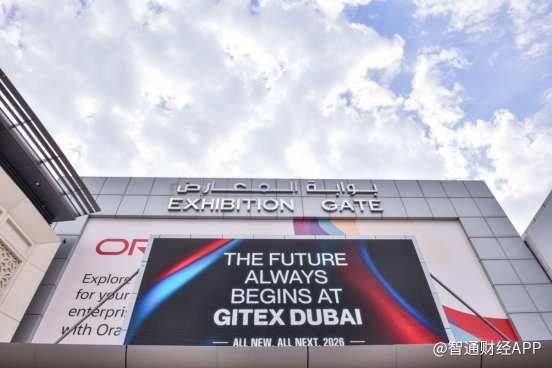
Group 1 - GITEX GLOBAL 2025 showcased over 6,800 tech companies from more than 180 countries, highlighting advancements in artificial intelligence and commercialization achievements [1] - Approximately 300 Chinese tech companies participated, demonstrating China's rapid rise in the global tech sector [1] - The event focused on AI infrastructure development, global innovation acceleration, and AI-driven sustainable economic growth, reflecting the Middle East's commitment to becoming an AI-native society [2] Group 2 - OpenAI's CEO Sam Altman discussed the convergence of AI costs with energy costs, suggesting that the Middle East's rich energy resources will provide a unique advantage in the AI era [2] - UAE telecom operator Du announced the launch of the AI Park project, aiming to build a data center with a total capacity of 1 gigawatt to support sovereign AI applications [2] Group 3 - Over 6,000 Chinese companies have established operations in the UAE, expanding from traditional sectors to emerging fields like finance, information technology, and e-commerce [4] - Huawei, as a platinum sponsor, showcased its 5G-A innovations and AI-driven solutions for smart cities and intelligent transportation [4] - The GovTech 1.0 framework was introduced by Huawei, focusing on application intelligence, data coordination, platform standardization, and broadband networking to support government modernization [4] Group 4 - Wankey Technology, representing "domestic AI + creative software," highlighted its AIGC video creation platform ToMoviee AI, which ranked third globally in a model evaluation [5] - The company also presented various digital creative software solutions aimed at enhancing office efficiency and accelerating digital transformation in the Middle East [5] Group 5 - New H3C Group introduced flagship technology products and solutions focused on data security and AI acceleration, showcasing its global ecological influence [7] - Kingsoft Office signed a strategic cooperation agreement with Oman Telecom to promote WPS 365 in Oman, enhancing customer experience in the GCC region [7] Group 6 - Chinese tech companies like Huawei and Wankey Technology are transitioning from technology output to ecosystem co-construction, injecting new momentum into regional and global digitalization processes [8]

全面拥抱全球化!OceanBase CEO,最新发声!
券商中国· 2025-10-22 05:30
Core Viewpoint - A group of Chinese companies with core technologies in cloud computing and distributed databases is beginning to seek a more significant role in international markets [1]. Group 1: OceanBase's Globalization Strategy - On October 22, Ant Group's domestic database company OceanBase announced an accelerated globalization strategy, launching the "GO GLOBAL GO Program" [2]. - CEO Yang Bing emphasized that globalization is a necessary path for OceanBase, stating that the company will continue to deepen its presence in the Chinese market while expanding overseas [3]. - OceanBase has already established a presence in key overseas markets, including Hong Kong, Macau, and Southeast Asia, and plans to enter the technologically advanced Japanese market by September 2025 [3]. Group 2: Challenges and Responses in Global Expansion - Yang Bing acknowledged the challenges of going global, including language and cultural differences, and the need to adapt quickly to new business environments [4]. - The challenges for technology companies in international markets include technical adaptability, market competition, and cultural and talent management [4]. - The "GO GLOBAL GO Program" includes organizational support and welfare guarantees to address employees' concerns about cultural adaptation, language communication, career development, and living costs [4]. Group 3: Broader Context of Chinese Technology Going Global - The global digitalization wave presents a vast market space for databases as a core component of IT infrastructure [5]. - OceanBase's accelerated globalization reflects a broader trend of Chinese technology companies, such as Alibaba Cloud, Tencent Cloud, and Huawei Cloud, expanding into international markets through local data centers and services [6]. - Unlike traditional manufacturing, technology exports carry higher added value and influence, potentially granting Chinese companies greater voice in global technology governance [6]. - The competition in the global technology market is fundamentally about ecosystems, requiring Chinese companies to navigate strong international competitors and complex geopolitical environments [6].