
Neuralink

Search documents
马斯克放话:人类20年内或实现“数字永生”,是科技狂想还是未来已来?
Sou Hu Cai Jing· 2025-11-19 10:43
Core Insights - Elon Musk predicts that humanity may achieve "digital immortality" within 20 years through Neuralink's technology, which involves creating a "snapshot" of consciousness and uploading it to Tesla's humanoid robot, Optimus [1] - The concept of digital immortality integrates advanced technologies from Neuralink and Optimus, emphasizing that this form of immortality is not a perfect copy of the original self [1] Technical Pathway Analysis - The process of achieving digital immortality involves several key technological challenges, starting with breakthroughs in brain-computer interface (BCI) signal acquisition [3] - Current Neuralink devices can capture signals through 256 channels, but to fully simulate the human brain, this needs to increase to a million channels, necessitating revolutionary advancements in electrode materials [3] - Consciousness modeling is categorized into four progressive levels, with current digital immortality products only reaching Level 1, while true consciousness uploading requires advancements to Level 3 or 4 [5] Clinical Breakthroughs - Brain-computer interfaces have shown significant value in medical applications, exemplified by a clinical study in China that enabled a paralyzed patient to control a robotic arm using thought [6] Global BCI Competition - The race for brain-computer interface technology is primarily led by the US and China, with implications for future industry leadership [8] - In the US, Neuralink is at the forefront, planning to achieve multi-region implants by 2027 and increase signal channels to 25,000 by 2028, supported by innovations in flexible electrode materials and AI algorithms [9] - In China, government policies are driving BCI development, with significant breakthroughs from companies like Brain Tiger Technology and collaborations with academic institutions [10] Industry Ecosystem Development - The global BCI industry is projected to generate economic value between $70 billion and $200 billion over the next 10 to 20 years, prompting increased investment and strategic planning [11] - The industry is evolving with a focus on high-end medical devices, consumer applications, and supporting technologies, fostering a comprehensive technological ecosystem [21] Ethical and Philosophical Challenges - Digital immortality faces significant technical bottlenecks, including limitations in signal acquisition precision and hardware compatibility, as well as challenges in consciousness modeling [12] - Ethical dilemmas arise regarding identity, social equity, data security, and the fundamental nature of consciousness, questioning whether a digital copy can truly represent the original self [14][15] Future Outlook - Despite the challenges, BCI technology is making strides in medical rehabilitation, enhancing patient quality of life and treatment efficacy [18][19] - The diversification of technological approaches is evident, with innovations in human-machine collaboration and materials science paving the way for new applications [20] - Ethical guidelines are being established alongside technological advancements to ensure responsible development and implementation of BCI technologies [22]

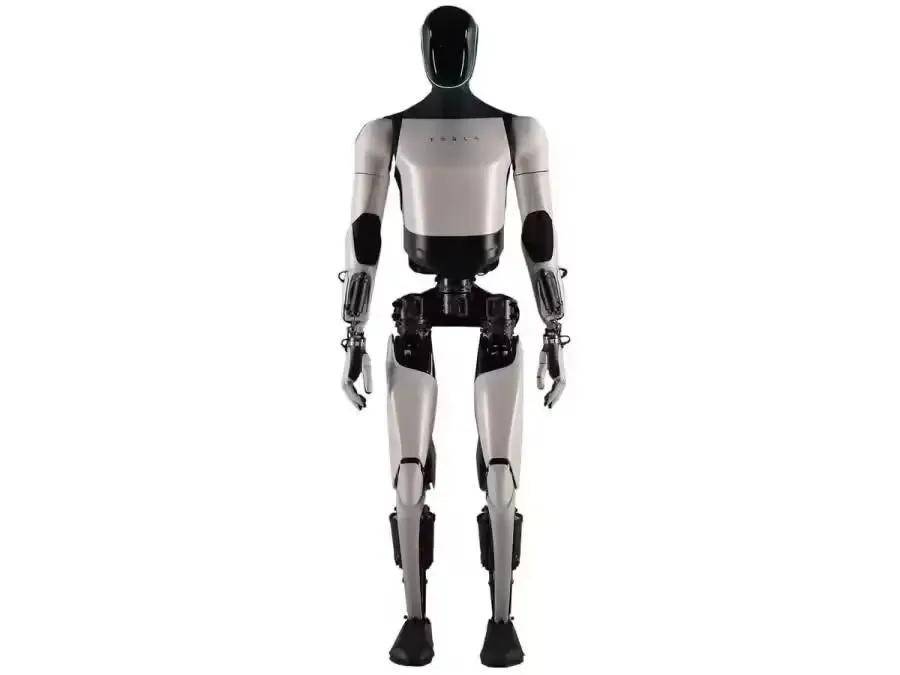
机器人里的“你”还是你吗?马斯克:借助脑机接口技术,20年内人类意识有望上传至机器人实现数字永生【附脑机接口行业前景分析】
Qian Zhan Wang· 2025-11-19 10:35
Core Insights - Brain-computer interface (BCI) technology is seen as a revolutionary field that could enable paralyzed individuals to walk again, restore vision for the visually impaired, and treat various neurological diseases, offering hope to many patients [2][6] - Elon Musk predicts that within 20 years, Neuralink's technology could allow humans to create a "snapshot" of their minds and upload it to Tesla's humanoid robot, Optimus, potentially achieving a form of digital immortality [2] - The global BCI industry is rapidly developing, with major countries implementing policies to seize leadership in this emerging technology [3][6] Industry Development - The U.S. has introduced the "Neural Engineering System Design Program," Japan has launched the "Brain/Heart Function Utilization Technology Promotion Strategy," and the EU has initiated the "Human Brain Project" [3] - China is also prioritizing BCI development, with a national policy aiming for key technological breakthroughs by 2027 and the cultivation of 2-3 global leading companies by 2030 [6] - The BCI industry in China has established a comprehensive supply chain, with the medical field currently accounting for 56% of downstream applications [6][8] Clinical Progress - Clinical advancements are evident, with Shanghai Huashan Hospital completing its first BCI implantation surgery, and several products from Aipeng Medical already generating sales [8] - China has conducted 30 clinical trials for BCIs, surpassing Neuralink's 7 trials, indicating a competitive edge in clinical applications [8] Market Potential - The BCI technology is expected to create a trillion-dollar market, driving growth across materials, chips, and medical devices, and becoming a significant new productive force [8] - The global BCI market is projected to reach $7.63 billion by 2029, although predictions vary due to ethical and social acceptance challenges [9]


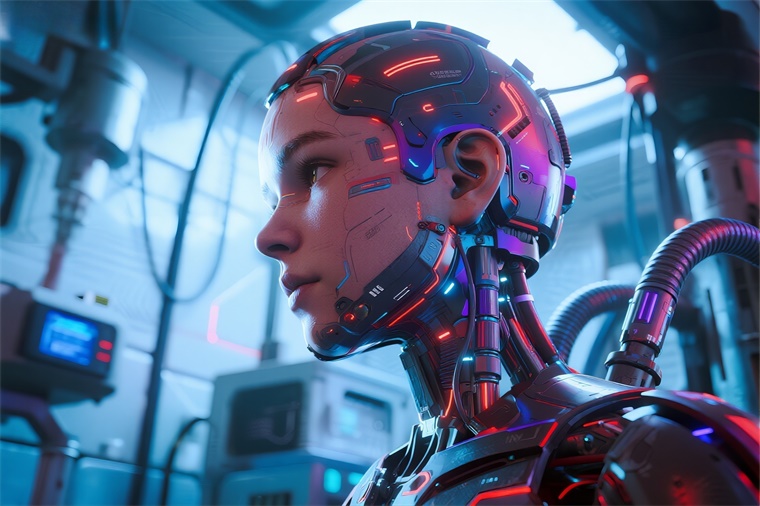
马斯克放话:人类20年内或实现“数字永生”,是科技狂想还是未来已来?
机器人大讲堂· 2025-11-19 09:06
Core Viewpoint - Elon Musk predicts that humanity may achieve "digital immortality" within 20 years through the technologies of his companies Neuralink and Tesla's humanoid robot Optimus, which involves creating a "snapshot" of consciousness and uploading it to a robotic platform [1]. Technical Path Analysis - The process of achieving digital immortality involves several key stages, starting with breakthroughs in brain-computer interface (BCI) signal acquisition, which currently has a maximum of 256 channels but needs to reach millions to fully simulate the human brain [3][6]. - Consciousness modeling is categorized into four progressive levels, with current products only achieving Level 1, while true consciousness uploading requires advancements to Level 3 or 4 [6][8]. - Clinical trials have shown significant progress, such as a 72-year-old patient controlling a robotic arm through thought, laying the groundwork for more complex consciousness signal acquisition [7]. Global BCI Competition - The global race for BCI technology is primarily led by the US and China, focusing on technological leadership and future industrial dominance [9]. - In the US, Neuralink has made strides in allowing patients to control devices with their thoughts and has a roadmap to enhance its technology significantly by 2028 [10]. - China is also advancing rapidly, with government policies supporting BCI development and companies achieving breakthroughs in high-throughput flexible BCIs [11][12]. Industry Ecosystem Development - The global BCI industry is projected to generate economic value between $70 billion and $200 billion over the next 10 to 20 years, prompting increased investment and strategic planning [13]. - As technology matures, the BCI ecosystem is forming, with investments focusing on high-end medical devices, consumer applications, and supporting technologies [23]. Ethical and Technical Challenges - Significant technical challenges remain, including the precision of signal acquisition and hardware compatibility, which hinder the full simulation of brain activity [14]. - Ethical dilemmas arise regarding identity, social equity, and data security, particularly concerning the implications of consciousness uploading and potential societal divides [16][17]. Future Outlook - BCI technology is already making strides in medical rehabilitation, improving patient quality of life and treatment outcomes [20]. - The diversification of technical routes is evident, with innovations combining biological signals and AI to enhance applications in various fields [21]. - Ethical standards are being developed alongside technological advancements to ensure responsible innovation and address potential societal impacts [24].
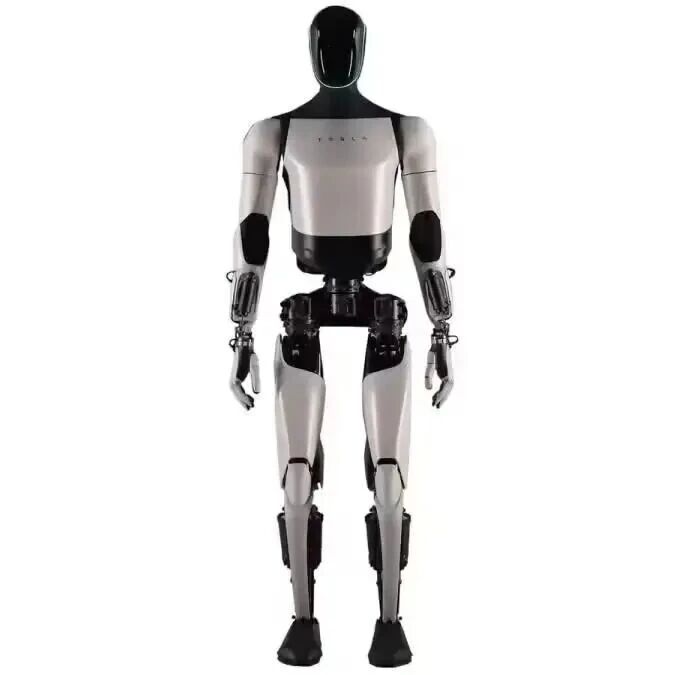
X @Elon Musk
Elon Musk· 2025-11-18 18:54
Company Focus - Neuralink invited RockyNoHands to share his story and discuss brain interfaces for paralysis and unmet medical needs [1] - Neuralink aims to explore the possibilities of brain interfaces for paralysis and other unmet medical needs [1] Assistive Technology & Rehabilitation - RockyNoHands, paralyzed from the neck down, tested assistive technologies to reconnect with the world [1] - RockyNoHands relearned video games with a mouth-operated controller and became a pro gamer [1]
脑机接口走向消费级产品,从业者称缺标准、人才及数据共享平台
Di Yi Cai Jing· 2025-11-18 06:27
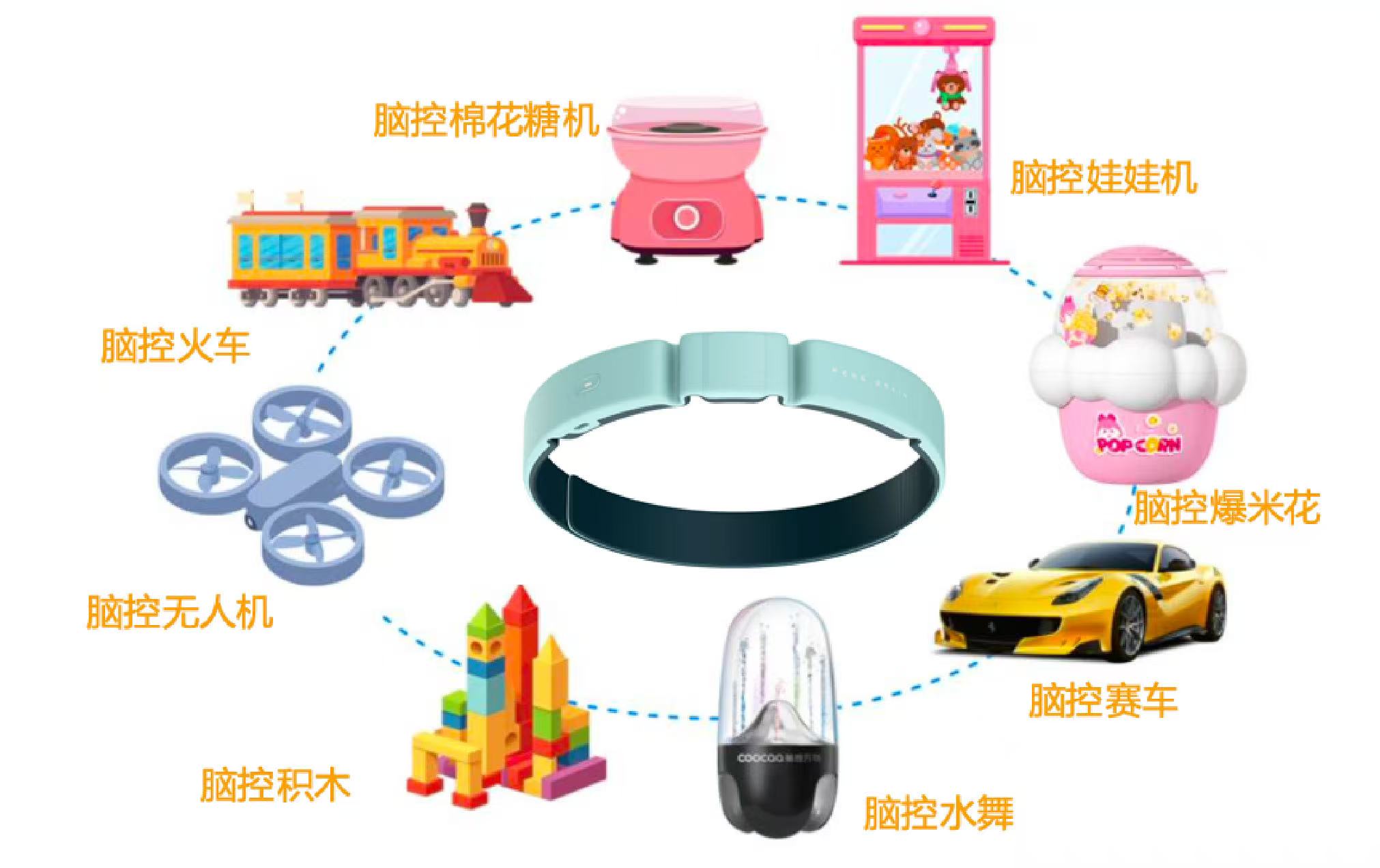
今年被视为脑机接口产业化元年,目前脑机接口技术开始走向消费级产品。鹏脑科技总经理马帅近日向第一财经记者透露,接下来将有应用脑机接口技术的 普惠型消费级产品上市,其中包括脑电助眠仪和双通道脑电采集头环。 鹏脑科技是创维集团及旗下酷开网络孵化的脑机接口企业,今年10月获得同创伟业数千万元的天使轮融资。马帅说,双通道脑电采集头环将适用于儿童专注 力提升、老年人认知康复等场景,还可用于科普,预计明年年初上市。 今年中国"十五五"规划提出前瞻布局未来产业,推动脑机接口等六个产业成为新的经济增长点。政策正促进脑机接口技术从实验室迈向规模化发展。除了鹏 脑科技、盈趣科技,把脑机接口技术应用于假肢领域的强脑科技近期也有动作。强脑科技已落户香港数码港,将加快在民用市场的发展。 目前脑机接口消费级产品在精准度、体验改善、成本优化上还有很大提升空间。 不过,脑机接口技术产业化仍面临不少挑战。马帅说,目前缺乏生物医学、神经工程学、脑科学、计算机、AI等跨学科复合型人才,缺少脑电数据共享平 台,脑电传感器的精准度有待提高,行业标准有待完善,脑电接口消费级产品的审核流程较长。 不久前,盈趣科技参股的北洋瑞恒展示了脑电波仪,可实时捕捉脑电 ...
颠覆生死观!马斯克的20年豪赌:意识有望上传机器,从而实现永生
Sou Hu Cai Jing· 2025-11-17 11:35
Core Concept - Elon Musk's assertion of achieving digital immortality within 20 years reflects a bold inquiry into humanity's ultimate questions, combining technology with deep philosophical considerations [2] Group 1: Digital Immortality Concept - Musk's digital immortality blueprint involves a sophisticated technological collaboration, where Neuralink's brain-machine interface captures human consciousness and transfers it to Optimus humanoid robots [3] - As of 2025, Neuralink has seven human subjects, including patients with spinal injuries and ALS, who use the device for over 50 hours weekly, with plans to connect to Optimus for complex tasks [5] - The design of Optimus aims to integrate digital consciousness into the real world, avoiding the pitfalls of purely virtual existence [6] Group 2: Technological Progress and Challenges - Musk's ability to break down seemingly distant technological goals into actionable steps distinguishes him from other ambitious plans lacking clear pathways, such as Russia's "2045 plan" [8] - The challenge of accurately capturing consciousness remains significant, as the complexity of the human brain's 86 billion neurons cannot be easily replicated, which is why Musk emphasizes the notion of "imperfect replication" [8] Group 3: Identity and Consciousness - Musk's analogy about the evolving nature of identity highlights that digital consciousness may differ from the original self, reflecting a dynamic process rather than a static entity [9] - The concept of imperfect replication challenges traditional notions of immortality, suggesting that digital immortality creates a "new self" that evolves while retaining original memories and traits [11] - This redefinition of identity emphasizes the importance of growth and evolution in consciousness, questioning whether physical form or fluid consciousness defines the self [13] Group 4: Ethical and Legal Considerations - The pursuit of digital immortality raises ethical concerns, including potential social inequalities if the technology is controlled by a select few, leading to a "digital divide" [15] - Legal questions regarding the rights of digital consciousness and the relationship between copies and originals remain unresolved, indicating the need for ongoing exploration and regulation [15] Group 5: Broader Implications - The ability to separate memory and thought from physical existence could enhance the transmission of human civilization, knowledge, and creativity [17] - The discussion surrounding digital immortality prompts a reevaluation of the essence of life, suggesting that the value of life lies in its finiteness and the growth it fosters [19] - Ultimately, the exploration of digital consciousness represents a courageous inquiry into the boundaries of self and existence, pushing humanity to rethink life, identity, and the nature of being [19]
X @Tesla Owners Silicon Valley
Tesla Owners Silicon Valley· 2025-11-17 08:20
Elon Musk brought all the past 30 years2025: Grok 42025: Grok 32025: Grokipedia2024: Cybercab2024: Robovan2024: Grok 22024: DOGE2023: Grok 12023: xAI2022: 𝕏2021: Dojo2020: Model S Plaid2021: Optimus2019: Megapack2019: Model Y2015: Starlink2019: Cybertruck2018: Starship2017: Falcon Heavy2017: Roadster 2.02017: Tesla Semi2016: Boring Company2016: Model 32016: Neuralink2016: SolarCity2015: OpenAI2015: Powerwall2012: Model X2014: Tesla Autopilot2009: Model S2012: Falcon 92012: Supercharger2010: Dragon2008: Falc ...
一条短信,7年恩怨,奥特曼与马斯克决裂曝出新隐情
3 6 Ke· 2025-11-17 03:05
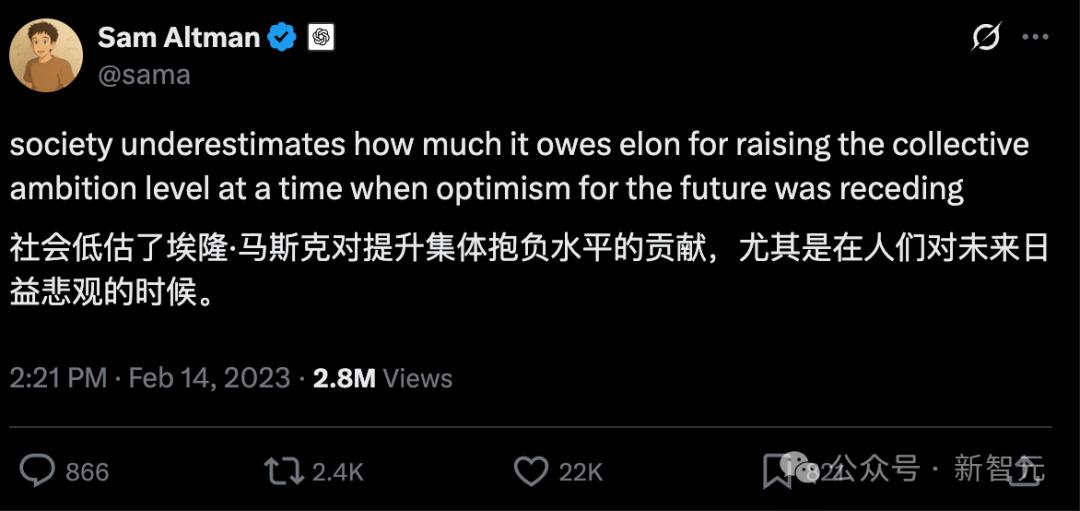
Core Points - The relationship between Sam Altman and Elon Musk has deteriorated into a legal battle, revealing underlying tensions from their time co-founding OpenAI [1][29] - Altman attempted to mend his relationship with Musk by seeking advice from Shivon Zilis on whether to publicly praise Musk, which later became evidence in Musk's lawsuit against Altman and OpenAI [1][2][25] Group 1: Background of the Conflict - Musk and Altman co-founded OpenAI in 2015, but Musk left the organization in 2018 due to disagreements over its direction [2][21] - Musk accused Altman and OpenAI of straying from their original non-profit mission, leading to ongoing public disputes [2][10] - The conflict escalated when Musk proposed to take control of OpenAI, which was rejected by Altman and other core members [5][6] Group 2: Legal Proceedings - Musk filed a lawsuit against Altman and other OpenAI founders in February 2024, claiming they deviated from the founding principles and violated fiduciary duties [14][15] - OpenAI has publicly denied Musk's allegations, asserting that there was no "founder's agreement" as Musk claimed [15][32] - The ongoing litigation has seen Musk's communications, including the text message to Zilis, used as evidence to support his claims against OpenAI [17][16] Group 3: Attempts at Reconciliation - Altman's text message to Zilis indicated his desire to publicly acknowledge Musk's contributions to OpenAI in an effort to repair their relationship [1][25] - Despite Altman's attempts to reach out, the situation has only intensified, with Musk's legal actions further complicating their interactions [26][27] - The case highlights the deep-seated animosity that has developed over the years, with both parties preparing for a prolonged legal battle [33][30]
What Neuralink has accomplished so far
Neura Pod – Neuralink· 2025-11-17 02:43
Neuralink Accomplishments & Current Status - Neuralink's N1 device, a wireless high-bandwidth brain-computer interface (BCI), is being used by at least 13 human patients [2] - Trial participants have accumulated over 15,000 hours of independent use of the BCI at home [2] - Patients are averaging around 50 hours per week of BCI usage, with peak usage exceeding 100 hours per week in some cases [7] - Neuralink received FDA approval for human trials in 2023, focusing on patients with paralysis and ALS [5] - The company has solved the thread retraction problem by updating brain signal decoding algorithms and shallower thread insertion [12] Expansion & Regulatory Approvals - Neuralink is now conducting studies in four countries: the United States, Canada, the UK, and the UAE [13][14] - International trials are a crucial step toward market readiness for treating paralysis, blindness, and other conditions [15] Future Products & Research - Neuralink plans to launch a thought-to-speech clinical trial in the US for patients who have lost the ability to speak [22] - Blind sight technology is expected to reach human trials next year, aiming to restore basic navigation and eventually full vision [25] - Neuralink is exploring hearing restoration and accessing deeper brain regions for helping with pain, mood, and memory regulation [26] - The company expects to work on helping with epilepsy and tinnitus in 2028 [27] Scaling & Technology - Engineers are working to increase electrode count from 1,000 channels to 10,000 and then 25,000 and beyond [28] - Neuralink aims to perform thousands of surgeries every month using the R1 surgical robot and dedicated clinics [29]
马斯克最新专访:明年Q1发Grok 5,亲自主抓A15芯片,考虑自建晶圆厂
3 6 Ke· 2025-11-17 00:56
Group 1: Optimus Robot Production and Cost - The company aims to achieve stable production of 1 million units of the Optimus robot annually, with material and labor costs potentially reduced to $20,000 to $30,000 after reaching this production level [1][2][3] - The production process for robots is expected to be simpler than that of cars, allowing for precise cost management with suppliers [3] Group 2: Hand Design and Functionality - The Optimus robot's hand design includes approximately 50 actuators, which are essential for achieving human-like dexterity and precision in tasks [4][5] - The goal is to enable the robot to perform complex medical procedures, potentially providing top-tier surgical services to everyone [5][6] Group 3: Neuralink and Optimus Integration - Neuralink has successfully implanted devices in over 10 paralyzed patients, allowing them to communicate in real-time [6][7] - The integration of Neuralink with Optimus could enable individuals to regain mobility and perform tasks at superhuman speeds, with costs estimated around $60,000 [7] Group 4: AI Developments and Grok 5 - The company plans to release Grok 5 in Q1 2026, featuring 6 trillion parameters and a 10% probability of achieving artificial general intelligence (AGI) [1][2][16] - Grok 5 will be a multimodal AI capable of processing text, images, video, and audio, significantly enhancing its functionality [18] Group 5: Chip Manufacturing and Future Plans - The company is considering building its own large-scale wafer fabrication plant to meet the demand for AI chips, aiming for completion within 1-2 years [1][25] - The AI5 chip is expected to outperform Nvidia's offerings by 2-3 times while being significantly cheaper, playing a crucial role in the company's future endeavors [24][25] Group 6: Tesla's Manufacturing Efficiency - The company is working towards reducing the production cycle time for vehicles to as low as 5 seconds, which would dramatically increase output [21][22] - The focus on improving factory efficiency and reducing logistics paths is seen as a key differentiator from traditional automotive manufacturers [23] Group 7: Vision for Humanity and Space Exploration - The company emphasizes the importance of expanding human consciousness and exploring the universe, aiming to ensure the survival and prosperity of civilization [2][20][27] - The long-term vision includes using AI and robotics to create a world of abundance, where material needs are met sustainably [5][27]