
创想三维

Search documents
从3D打印到桌面CNC,中国创客硬件集体破圈|硬氪直击CES
3 6 Ke· 2026-01-06 02:51
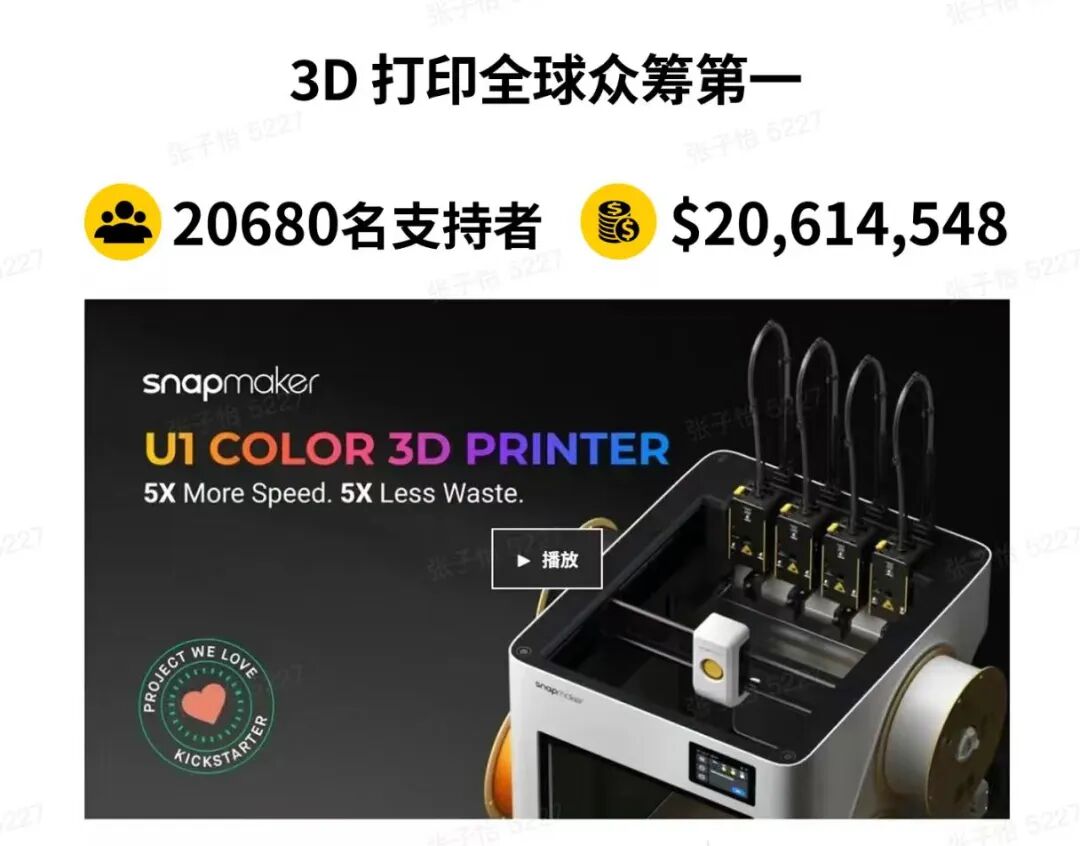
Core Insights - The CES event showcases a significant presence of Chinese companies, highlighting the competitive landscape in the hardware industry, particularly in the Maker sector [1] - The Maker tools market has rapidly evolved from niche products to mainstream offerings, with companies achieving impressive crowdfunding results [2][3] - The introduction of innovative products, such as xTool's desktop UV printer and Snapmaker's 3D printer, reflects a shift towards user-friendly designs and enhanced functionalities [6][10] Group 1: Product Innovations - xTool's new desktop UV printer utilizes UV-LED curing technology, allowing for high-precision color printing on various materials [6] - Snapmaker U1, a 3D printer, achieved over $20 million in crowdfunding, emphasizing its rapid development and market acceptance [10][13] - The introduction of features like multi-color printing and waste reduction technologies is becoming standard among new products, enhancing their appeal [14][20] Group 2: Market Dynamics - The Maker tools market is experiencing increased competition, with companies like xTool and Snapmaker pushing the boundaries of product capabilities [5][6] - Crowdfunding successes indicate a growing consumer interest and market potential for Maker tools, with some products achieving over $10 million in funding [2][17] - The shift from industrial-grade CNC machines to more accessible desktop versions is expanding the user base and redefining productivity in creative fields [4][15] Group 3: User Engagement and Community - Companies are adopting co-creation strategies, inviting community input in product development to enhance user engagement and meet market demands [8][9] - The social aspect of Maker tools is becoming more pronounced, with features that allow users to share their creative processes on social media [18][19] - The demographic of users is shifting from niche enthusiasts to small business owners, indicating a broader acceptance and utilization of Maker technologies [21][22]

3D打印机、无人机、运动相机,成了“吃灰三件套”
Xin Lang Cai Jing· 2026-01-05 03:52
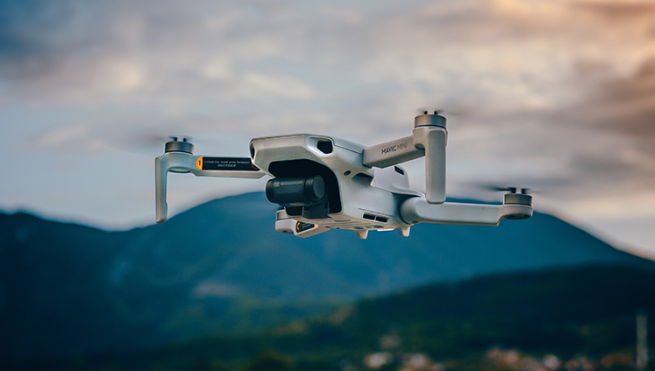
Core Insights - The article discusses the decline in popularity and rapid depreciation of certain electronic consumer products, specifically 3D printers, action cameras, and drones, referred to as the "dust-collecting trio" [2][10][11] - It highlights the phenomenon of "emotional consumption," where initial excitement quickly fades, leading to regret over the rapid loss of value in these products [10][36] Group 1: Market Trends - The market for consumer-grade 3D printers has seen significant growth, with companies like拓竹科技 (Tuozhu Technology) projected to achieve revenues of 55-60 billion RMB in 2024 and a valuation of 100 billion USD [5][19][49] - The average price of consumer-grade 3D printers has decreased by 60% over the past three years due to domestic alternatives and supply chain optimization [43][50] - The Chinese 3D printing market is expected to exceed 630 billion RMB, reflecting a 30-fold growth over the past decade, indicating strong industry potential [50] Group 2: Consumer Behavior - Young consumers often purchase these products impulsively, leading to a cycle of buying and quickly reselling them on second-hand platforms like闲鱼 (Xianyu) [10][42] - The depreciation of these products is rapid, with examples showing significant price drops, such as a 3D printer originally priced at 2300 RMB now selling for around 1900 RMB on second-hand markets [2][11] - Many consumers express frustration with customer service and product reliability, which further discourages long-term use and leads to products being left unused [4][32] Group 3: Competitive Landscape - Major companies in the industry, such as DJI and影石创新 (Yingshi Innovation), are increasingly competing in overlapping markets, leading to price wars and innovation [51] - The competitive dynamics are shifting, with companies like影石 (Yingshi) entering the drone market, while DJI expands into action cameras, indicating a blurring of product lines [51] - The second-hand market is becoming a significant activation tool for these companies, helping to circulate products and maintain consumer interest in new releases [42][51]
深圳3D打印企业,围剿了全球品牌 | 海斌访谈
Di Yi Cai Jing· 2026-01-04 11:27
从速度和性能来看,国内几家头部制造商已经整体超过海外企业 "美国没有具备竞争力的(消费级3D打印)企业,全球市场几乎已经被中国品牌给围剿了。"智能派科技有限公司的联合创始人陈波近日对第一财经记者 表示。 尽管中国只有全球一成左右市场,但制造了全球绝大多数3D打印机。 消费级3D打印行业与其他硬件行业类似,底层架构往往来自于海外,但做成消费级产品推向全球的则是中国企业。而且,这些中国企业集中在以深圳为 代表的珠三角。 陈波认为,国内头部企业能做到一年迭代两次新品,而海外企业要两年才能发一款新机器。从速度和性能来看,国内几家头部制造商已经整体超过海外企 业。 一成市场,九成产能 "3D打印的消费级市场,主力还是在海外,至少80%市场是由海外贡献。"陈波表示。 智能派是一家深圳的3D打印机企业。2024年,智能派营收约16亿元,其中九成来自中国之外。 美国是全球最大单一市场。陈波认为,美国应该也是所有3D打印机企业的最大市场,智能派三成以上收入来自美国。 欧洲大陆再加英国市场,消费级3D打印机的体量跟美国不相上下。这意味着美国和欧洲占据了总体七成以上市场,而中国市场规模在全球占比10%左 右。 这凸显了消费级3D打 ...
36氪首发 | 消费科技品牌「xTool」递表港交所,腾讯领投 2 亿美元 Pre-IPO 融资
3 6 Ke· 2026-01-01 13:04
Core Viewpoint - xTool is preparing for an IPO on the Hong Kong Stock Exchange, aiming to raise funds for R&D, brand building, and international expansion, following significant growth in the personal creative tools market driven by AI technology [1][4] Company Overview - xTool submitted its prospectus for an IPO on January 1, 2026, with Morgan Stanley and Huatai Securities as joint sponsors [1] - The company completed a Pre-IPO financing round in 2025, raising approximately $200 million, led by Tencent [1] - xTool specializes in laser-based personal creative tools and material printers, targeting individual consumers, small and medium-sized businesses (SMBs), and brand retail stores [1] Market Position - xTool holds the leading position in the global market for laser personal creative tools, with a market share of 37% in the first nine months of 2025 [2] - In the laser engraving machine segment, xTool's market share is 47%, significantly higher than its closest competitor [2] Financial Performance - Revenue is projected to grow from RMB 1.46 billion in 2023 to RMB 2.48 billion in 2024, representing a year-on-year increase of 70% [2] - The company reported a gross margin of 59.2% in 2023, which is expected to be 54.4% in 2024 and 56.0% in the first nine months of 2025 [2] Product Pricing and Technology - xTool's average product price is 10%-30% higher than the industry average, with the average selling price of its core products increasing from approximately RMB 12,000 in 2023 to RMB 21,000 in the first nine months of 2025 [3] - The company has developed a unified software platform, xTool Studio, integrating optical, CNC control, and AI algorithms [3] User Engagement and Community - Approximately 80% of users engage with their devices monthly, with 40% using them daily [3] - xTool has established a community of over 210,000 active users across 32 countries, with 470 local communities [3] Industry Growth Potential - The global market for technology-enabled personal creative tools is expected to grow from $6.8 billion in 2024 to $39.1 billion by 2030, with a CAGR of 33.8% [4] - The search volume for the xTool brand has surpassed that of "laser engraving machine" since 2023, indicating strong brand recognition and growth potential [4]
高瓴美团,投一个深圳团队
3 6 Ke· 2025-12-31 09:33
Core Insights - Snapmaker, a 3D printing startup, recently completed a multi-billion RMB Series B financing led by Hillhouse Capital and Meituan, highlighting the booming hardware entrepreneurship in Shenzhen [1][6]. Company Overview - Snapmaker was founded by Chen Xuedong and his team, who aimed to create a versatile tool for creative needs, leading to the development of a multifunctional printer that integrates 3D printing, laser engraving, and CNC cutting [2][3]. - The company faced a revenue bottleneck in 2023, prompting a strategic shift from a "three-in-one" product to focusing solely on 3D printing, resulting in the launch of the U1 printer, which became the highest crowdfunded 3D printing project on Kickstarter, raising over 150 million RMB [5][6]. Financing and Growth - Snapmaker's B round financing, amounting to several hundred million RMB, was noted as a significant event in the 3D printing sector, with expectations of several-fold revenue growth in the coming year as the company transitions from product development to ecosystem building [6]. - The company has attracted a surge of investor interest, with dozens of investors approaching them in just the second half of the year [7]. Industry Landscape - The 3D printing industry has seen a dramatic rise, particularly after the emergence of companies like拓竹, which has become a unicorn valued over 10 billion USD, prompting investors to seek the next big opportunity in this space [7][9]. - The competitive landscape has evolved, with major players like拓竹, 创想三维, and others forming a new tier in the consumer-grade 3D printing market, while Snapmaker and other emerging companies are also gaining traction [9][10]. Shenzhen as a Hub - Shenzhen is recognized as a global center for consumer hardware and 3D printing, offering a rich talent pool and robust supply chain, making it an attractive location for hardware startups [12][13]. - The city has been actively promoting hardware entrepreneurship through initiatives like the "X-Day" event, which has facilitated significant funding and support for numerous startups [13].

全球入门级3D打印机,几乎被这4家深圳公司承包了
第一财经· 2025-12-31 08:21
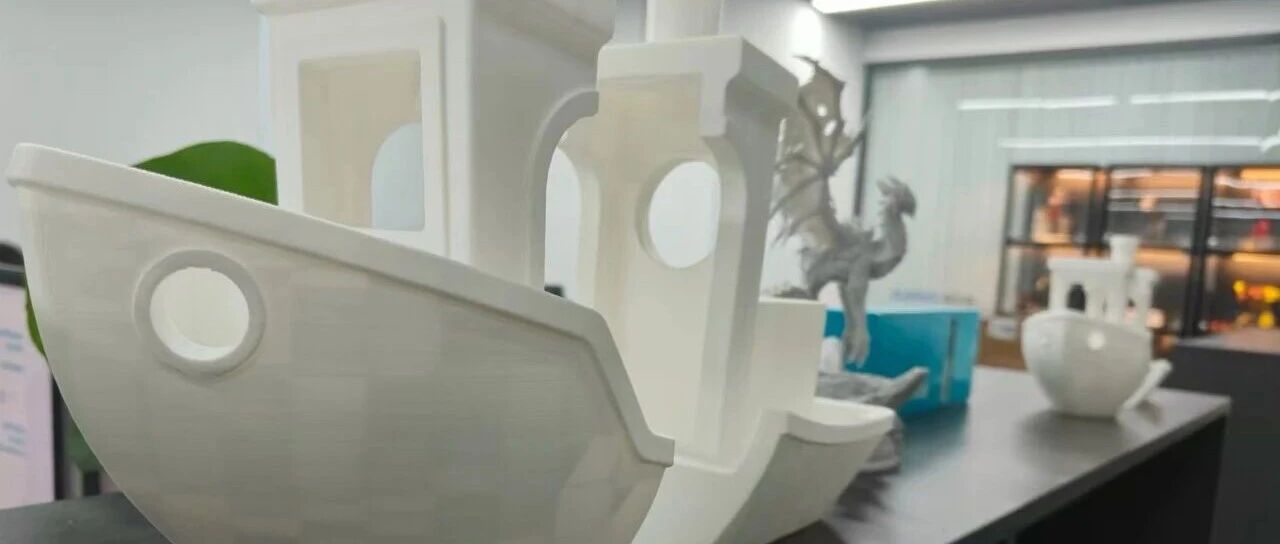
2025.12. 31 本文字数:4152,阅读时长大约7分钟 作者 | 第一财经 郑栩彤 距离深圳北站500多米,是消费级3D打印厂商智能派位于深圳龙华的办公室。记者站在办公室玻璃 窗前往外望,往北大约2公里的地方,是另一家3D打印厂商创想三维。拓竹科技位于深圳南山区,纵 维立方在深圳龙岗区。 3D打印厂商在深圳的密度非常高。据市场研究机构CONTEXT的数据,这四家厂商,去年第二季度 占据了全球2500美元以下价位入门级3D打印机市场94%的份额。 大厂入局则让消费级3D打印赛道的"火"在2025年底彻底点燃。美团投资了快造科技,大疆投资了智 能派,获得了腾讯创投投资的创想三维则正筹备港股上市。随着3D打印向大众普及的速度加快,越 来越多人嗅到了战火临近的气息。 消费级3D打印是一个年轻的市场。2010年起,源自海外高校等实验室的3D打印核心专利陆续过 期,2015年前后在大洋彼岸的中国激起了一波创业潮。 创想三维成立于2014年,随后一年,纵维立方成立,潮汕人洪英盛创立智能派。2016年,原本主要 销售STEM教育套件的智能派切入3D打印市场。这一年,福建人陈学栋也成立了快造科技,随后以 3D打印、激光 ...
高瓴美团,投一个深圳团队
投资界· 2025-12-31 07:31
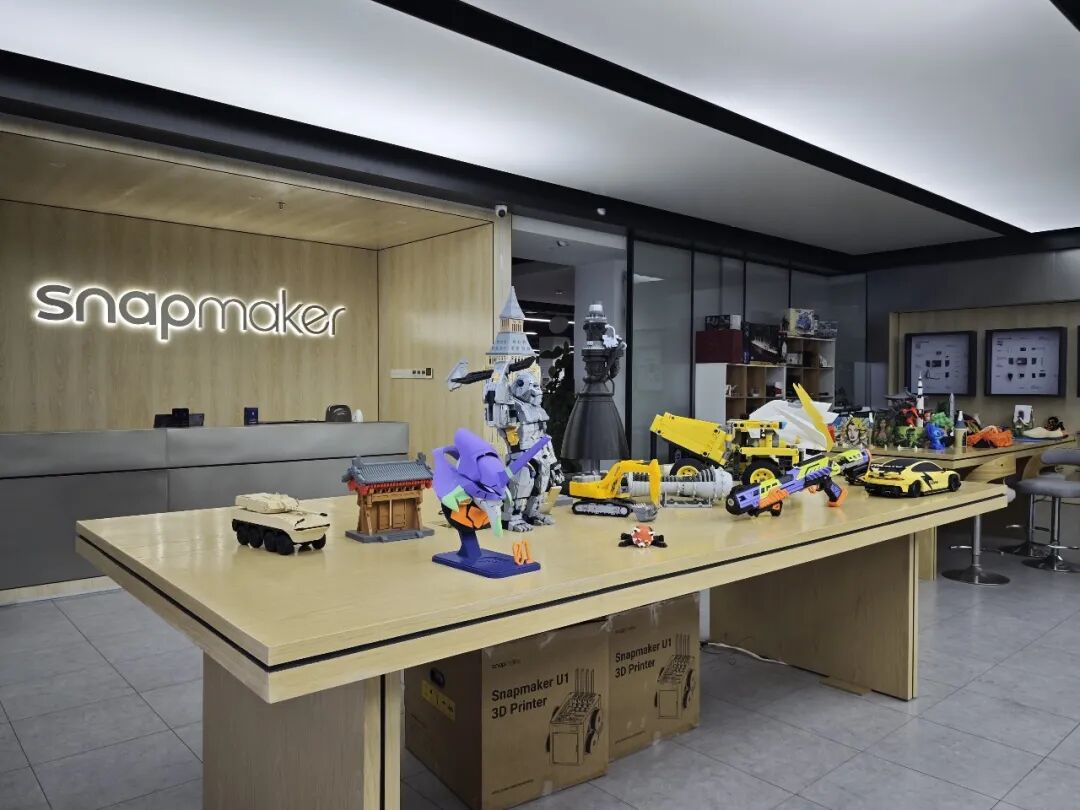
寻找下一个拓竹。 作者/杨文静 报道/投资界PEdaily 深 圳 南 山 大 学 城 附 近 , 电 梯 直 达 4 楼 , 映 入 眼 帘 的 是 一 个 约 1 0 0 平 米 的 展 厅 , 摆 满 了 各 色3D打印和激光雕刻作品。从展厅往里走,角落工位上是一位黑色短袖的男子,与暗 色背景融为一体。 投 资 界 见 到 了 S n a pma k e r 创 始 人 、 CEO 陈 学 栋 —— 腼 腆 、 沉 浸 、 桌 子 上 摆 放 着 各 种 研 发样品和打印模型。 这也是S n a pma k e r(快造科技)创始团队留给我们的粗略印象,跟脑海里的极客形象相 差无几。而形成反差的是,这个3D打印创业团队风头正劲,不久前完成由高瓴和美团 联合领投的数亿元B轮融资。 这一幕也成了深圳硬件创业火爆的最新写照。 一个3D打印团队爆红 "他是INTJ——建筑师人格,不善言辞,但知道自己想要什么,一旦确定就不会轻易妥 协。" S n a pma k e r联合创始人柯淑强聊起陈学栋。 陈学栋是柯淑强的泉州同乡,也是高中学长,两人均毕业于泉州七中。早在学生时代, 陈学栋就开始参加机器人竞赛,开始萌发创 ...

科技独角兽竞相“入股”广东
21世纪经济报道· 2025-12-29 03:58
记者|杨期鑫 编辑丨蒋韵 独角兽企业通常是指成立十年以内,估值超过10亿美元,拥有独创性、颠覆性技术或难以复 制商业模式的公司。如今,全球独角兽数量已经成为衡量一个国家或地区创新生态和经济发 展活力的重要指标。 近日,独角兽工程院联合中国人民大学、清华大学等机构发布了《2025全球独角兽企业500强 报告》。报告显示,2025全球独角兽企业500强总估值达39.14万亿元,同比增长30.71%,规 模远超全球第三大经济体德国。其中,中国共有150家独角兽上榜,总估值12.83万亿元,位 居全球第二。 研究这些独角兽,大家一定会发现一些有意思的现象:独角兽集聚效应明显。在全球独角兽 企业数量排名前20的城市中,中国占据5席,依次为北京(39家)、上海(28家)、深圳(16 家)、杭州(16家)以及今年新晋上榜的广州(5家)。 广东凭借21家全球独角兽,表现亮眼。 值得注意的是,这一格局仍在动态演进。今年以来, 从科大讯飞、抖音集团,到宇树科技、智元机器人,一批科技独角兽与头部企业相继南下, 在深圳、广州、珠海等地加速布局。 当前,广东的创新生态展现出哪些独特吸引力,能够持续吸引头部科技企业纷纷南下布局? 这一轮 ...

科技独角兽竞相“入股”广东
2 1 Shi Ji Jing Ji Bao Dao· 2025-12-29 03:45
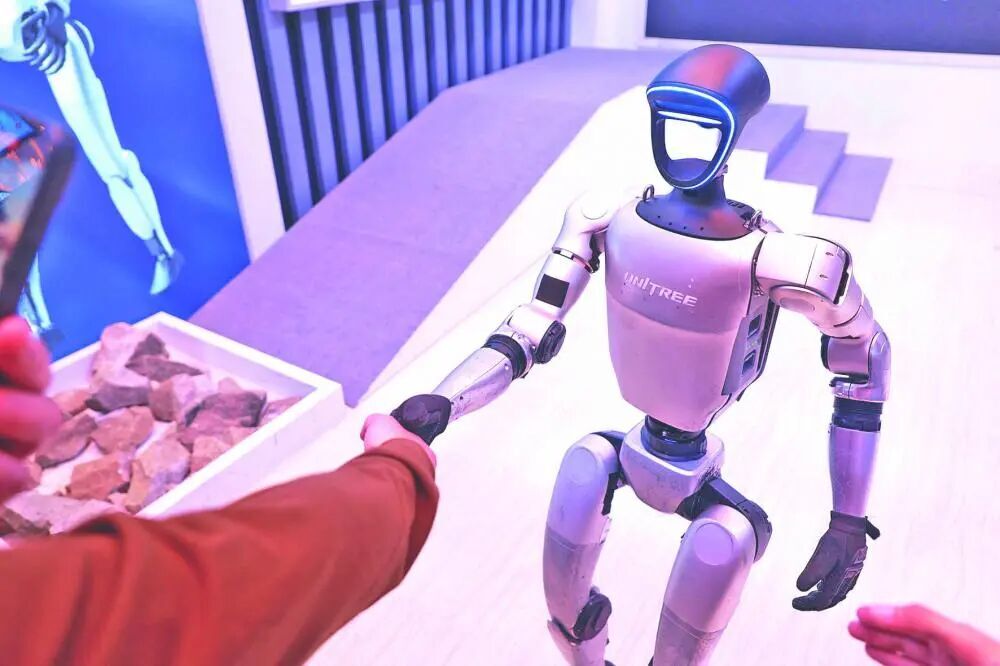
记者|杨期鑫 编辑丨蒋韵 宇树机器人在深圳设立子公司。本报记者 梁远浩 摄 AI与机器人企业成"南下主力" 独角兽企业通常是指成立十年以内,估值超过10亿美元,拥有独创性、颠覆性技术或难以复制商业模式的公司。如今,全球独角兽数量已经成 为衡量一个国家或地区创新生态和经济发展活力的重要指标。 近日,独角兽工程院联合中国人民大学、清华大学等机构发布了《2025全球独角兽企业500强报告》。报告显示,2025全球独角兽企业500强总 估值达39.14万亿元,同比增长30.71%,规模远超全球第三大经济体德国。其中,中国共有150家独角兽上榜,总估值12.83万亿元,位居全球 第二。 研究这些独角兽,大家一定会发现一些有意思的现象:独角兽集聚效应明显。在全球独角兽企业数量排名前20的城市中,中国占据5席,依次 为北京(39家)、上海(28家)、深圳(16家)、杭州(16家)以及今年新晋上榜的广州(5家)。 广东凭借21家全球独角兽,表现亮眼。值得注意的是,这一格局仍在动态演进。今年以来,从科大讯飞、抖音集团,到宇树科技、智元机器 人,一批科技独角兽与头部企业相继南下,在深圳、广州、珠海等地加速布局。 当前,广东的创新 ...
单家企业最高奖300万元 深圳为何给这些跨境大卖发钱
Shen Zhen Shang Bao· 2025-12-23 23:31
Group 1 - Shenzhen has announced rewards for 21 cross-border e-commerce companies, totaling 32.319 million yuan for 36 projects, with notable companies like Saiwei and Chuangxiang Sanwei receiving significant amounts [1] - Six companies, including Xing Shang Chuang Xin and Yun Ji Zhi Neng, received the maximum reward of 3 million yuan each, while others received 2 million and 1 million yuan [1] - Shenzhen is recognized as a core hub for cross-border e-commerce, with policies supporting the development of independent sites to enhance international market competitiveness [1][2] Group 2 - The Shenzhen Municipal Bureau of Commerce has outlined support policies for 2025, encouraging cross-border e-commerce companies to build their own brands and independent sites, with a maximum reward of 1 million yuan per site [2] - Over 100 independent brand sites have been established in Shenzhen, which are becoming crucial for the international expansion of Shenzhen brands [2] - The awarded projects exhibit three characteristics: focus on niche markets, multi-market strategies, and strong technological R&D capabilities [2] Group 3 - Shenzhen's cross-border e-commerce is transitioning from platform dependency to brand building, as traditional sellers seek new growth avenues amid rising platform costs and stricter compliance [3] - The shift from "platform dependency" to "brand creation" marks a new era for Shenzhen's cross-border e-commerce, emphasizing the importance of independent sites [3] - The integration of independent sites and platforms is seen as a strategy to enhance customer acquisition and brand value, positioning brand expansion as a key growth driver for cross-border e-commerce [3]