科大讯飞

Search documents
软件对全市人工智能应用规模贡献率超四成
Chang Jiang Ri Bao· 2026-01-15 12:53
Group 1 - In 2025, Wuhan's software industry is expected to achieve significant growth, with software business revenue reaching 373.1 billion yuan from January to November, a year-on-year increase of 17.1%, marking its entry into the top ten cities in the country for the first time, and is projected to exceed 400 billion yuan for the entire year [1] - The software industry demonstrates strong profitability, with net tax revenue from the software information sector increasing by 22.9% year-on-year in the first three quarters, leading all industries in the city, and is expected to reach a scale of 10 billion yuan for the year [1] - The number of newly registered software companies reached 37,000 from January to November, accounting for nearly one-sixth of all new registered enterprises in the city, highlighting the vibrant entrepreneurial activity in Wuhan [1] Group 2 - The introduction of measures to promote AI empowerment in the software industry has accelerated the application of innovative models and intelligent agents, contributing over 40% to the city's AI application scale [2] - Major projects such as the headquarters of Kingsoft in Wuhan and the Dream Database Industry Base have been launched, adding over 900,000 square meters of software industry space, which supports the expansion and quality improvement of the software industry [2] - The establishment of the largest and most comprehensive HarmonyOS laboratory in the country and the formation of open-source alliances in smart healthcare and intelligent connected vehicles have created a collaborative ecosystem for industry, academia, and research [2]
AI搜索时代的流量新范式与计算机行业投资机会梳理:GEO: AI搜索时代的流量新范式-20260115
GUOTAI HAITONG SECURITIES· 2026-01-15 11:05
Investment Rating - The report assigns an "Overweight" rating for the industry [4]. Core Insights - The transition from traditional SEO to GEO (Generative Engine Optimization) represents a paradigm shift in how brands are perceived and trusted in AI-driven search environments. GEO focuses on enhancing the credibility and citation frequency of brands in AI-generated answers, moving beyond mere visibility to being actively referenced by AI [2][8]. - The market potential for GEO is projected to reach a "billion-dollar level," driven by the replacement of existing SEO budgets and new allocations for AI search [2][21]. Summary by Sections 1. Definition and Essence of GEO - GEO is defined as an optimization strategy that ensures brands and content are actively mentioned in AI-generated answers, contrasting with traditional SEO which focuses on ranking [8]. - The emergence of GEO is attributed to the rise of AI search, which bypasses traditional click-through processes, leading to a significant drop in natural click rates [10][11]. 2. Technical Principles: Trust Engineering on the RAG Link - The RAG (Retrieval-Augmented Generation) architecture is central to GEO, shifting the focus from keyword matching to semantic understanding and trust-building [14][15]. - GEO aims to enhance content visibility, retrievability, and trustworthiness, rather than simply improving rankings [15]. 3. Market Space: SEO Replacement and New AI Search Demand - The global SEO service market is estimated at approximately $80 billion in 2024, with GEO expected to capture 10-20% of this budget, alongside new AI search allocations, leading to a potential market size exceeding $100 billion by 2030 [16][19]. - In China, the GEO market is projected to grow from 2.9 billion yuan in 2025 to 24 billion yuan by 2030, reflecting a CAGR of about 52.4% [21]. 4. Business Model: Transition from Labor-Intensive Services to Technology Platforms - The current GEO service model is primarily project-based, but it is expected to evolve towards a subscription-based SaaS model combined with performance-based pricing [22][25]. - The anticipated gross margin for GEO services is expected to rise significantly, aligning with the characteristics of the high-tech, high-concentration software industry [25]. 5. Investment Recommendations: Mapping the Content-Knowledge-Retrieval-Computing Chain - The report identifies key investment targets across the GEO value chain, including companies like Mifus, Minglue Technology, and iFlytek, which are positioned to benefit from the shift towards AI-driven marketing and content creation [27][30].


1688 AI实验室负责人善择:所有智能体真正懂用户需求,才能真正帮用户做好生意
Xin Lang Cai Jing· 2026-01-15 10:58
Core Insights - The main theme of the discussion at the "2025 Technology Wind and Cloud List" annual event is the "Agent Collaborative New Paradigm" [1][4] Group 1: Cross-Border E-Commerce - The biggest barrier to successful cross-border e-commerce is not language, but the ability to deeply understand the real needs and pain points of overseas users, as well as local culture, climate, religion, customs, and shopping habits [3][6] - Understanding the true needs of users and whether the platform can provide the necessary products and services is more important than just language [3][6] Group 2: 1688 B2B Platform - 1688 is a B2B platform where most buyers and sellers are business people, with buyers sourcing goods for various downstream businesses, including cross-border trade and offline retail [3][6] - The diversity of buyer categories and business models leads to complex demands, necessitating the development of intelligent systems that truly understand three key aspects: business, demand, and supply [3][6]

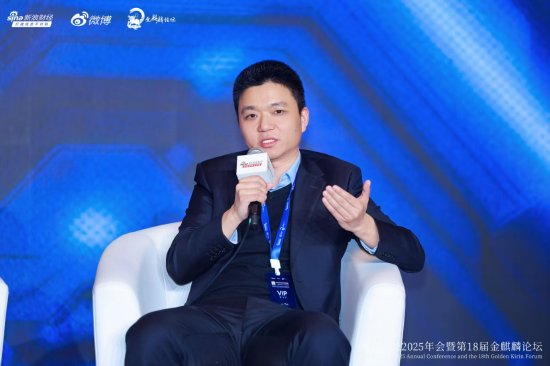
1688 AI实验室负责人善择:未来的购物场会同时存在超级中心化和去中心化的场
Xin Lang Cai Jing· 2026-01-15 10:58
Core Viewpoint - The rapid advancement of AI technology is expected to significantly transform the e-commerce industry, particularly in the areas of product sourcing, pricing, and transaction processes, leading to both centralized and decentralized shopping experiences [3][4]. Group 1: AI Development and Impact - Research indicates that AI models currently complete tasks equivalent to human work in about half the time, with performance doubling approximately every 7 months, leading to a potential 10-fold increase in 2 years [3][7]. - If this exponential growth continues, AI's intelligence level could reach 100 times that of current capabilities within 3-5 years, profoundly affecting the three key elements of e-commerce: people, goods, and platforms [3][7]. Group 2: Future of E-commerce - The shopping experience is expected to evolve towards a centralized AI super entrance, allowing consumers to simply state their needs and budget, with AI handling the search and comparison across the internet [3][7]. - A new decentralized network of Agent-to-Agent (A2A) interactions is anticipated, where large B2B buyers will have dedicated agents to assist in sourcing, negotiating, and fulfilling orders, potentially eliminating the need for multiple apps [3][7]. Group 3: Industry Transformation - The powerful capabilities of AI are projected to disrupt productivity and relationships within the B2B and e-commerce sectors, with expectations for continuous innovation from AI applications and products [4][8].
中关村科金喻友平:未来或以某种绝对真理为中心 逐步形成人机协同
Xin Lang Cai Jing· 2026-01-15 10:41
Core Insights - The annual "2025 Technology Wind and Cloud List" event was held on January 15, 2026, in Beijing, focusing on the theme "Inspiring New Intelligence, Embarking on a New Journey" [1][5] Group 1: Areas of Implementation for Intelligent Agents - The implementation of intelligent agents in enterprises is categorized into three core areas: marketing and sales services, enterprise knowledge management and office efficiency, and optimization of specific business processes [3][7] - The marketing and sales services area is already productizable, while the other two areas require deeper customization based on industry characteristics [3][7] - Intelligent agents in the marketing services sector have reached a stage of widespread implementation, which is a key focus for Zhongguancun KJ [3][7] Group 2: Challenges in Implementation - The key challenges in deploying intelligent agents include adherence to business rules or SOPs, accuracy requirements, and cost-effectiveness [3][7] - Addressing these challenges necessitates advancements in technology, integration of product design with implementation effectiveness, and careful management of customer expectations and deployment sequencing [3][7] Group 3: Industry Evolution Perspective - The evolution from information technology to digitalization and then to intelligence is a long-term trend, moving towards a model of human-machine collaboration [4][8] - The future may see a shift in focus from human-centered approaches to a model centered around an absolute truth, fostering better operational states within enterprises through human-machine collaboration [4][8]

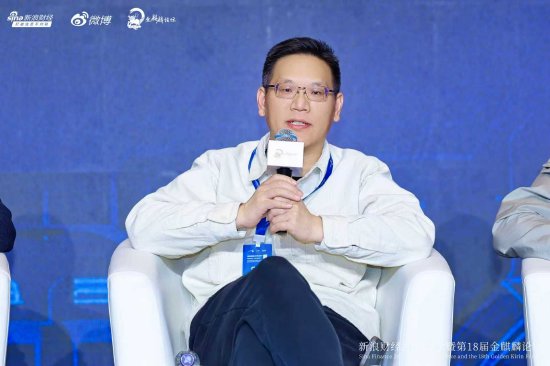
中关村科金喻友平:智能体在营销服务领域已进入普遍落地阶段
Xin Lang Cai Jing· 2026-01-15 10:41
Core Insights - The annual "2025 Technology Wind and Cloud List" event was held on January 15, 2026, in Beijing, with the theme "Inspiring New Intelligence, Embarking on a New Journey" [1][5] Group 1: Areas of Application for Intelligent Agents - The implementation of intelligent agents in enterprises is categorized into three core areas: marketing and sales services, enterprise knowledge management and office efficiency, and optimization of specific business processes [3][7] - The marketing and sales services area is already productized and shows good application results through real-time front-end teams, while the other two areas require deeper customization based on industry characteristics [3][7] - The optimization of business processes has the highest difficulty due to significant industry differences [3][7] Group 2: Challenges in Implementation - Key challenges in deploying intelligent agents include adherence to business rules or SOPs, accuracy requirements, and cost-effectiveness [3][7] - Addressing these challenges necessitates not only technological advancements and effective product design but also a focus on customer expectation management and planning for implementation order [3][7] Group 3: Industry Evolution Perspective - The long-term trend is the deepening integration of informatization, digitalization, and intelligence, moving from a human-centered approach to a human-machine collaborative model [4][8] - Future operations may evolve towards a model centered around an absolute truth, fostering better business operations through human-machine collaboration [4][8]
科大讯飞张永亮:AI面向企业,最忌讳的是把原系统推倒重来
Xin Lang Cai Jing· 2026-01-15 10:30
Core Insights - The "2025 Technology Wind List" annual event was held on January 15, 2026, in Beijing, with the theme "Inspiring New Intelligence, Embarking on a New Journey" [1][4] - Key participants in the roundtable discussion on "New Paradigm of Agent Collaboration" included CTOs from various companies, highlighting the importance of AI in different sectors [1][4] Group 1: AI Application Insights - Zhang Yongliang, CTO of iFLYTEK, emphasized the significance of identifying the right scenarios for AI application, particularly in sectors like education, finance, and healthcare, where efficiency can be improved or repetitive tasks can be automated [1][4] - The effectiveness of AI tools is paramount, and it should be validated through data to demonstrate their impact [5] Group 2: Integration and Cost Efficiency - A critical concern for enterprises is avoiding the complete overhaul of existing systems; instead, the focus should be on seamless integration of AI technologies with current systems to enhance efficiency and reduce development costs [5]
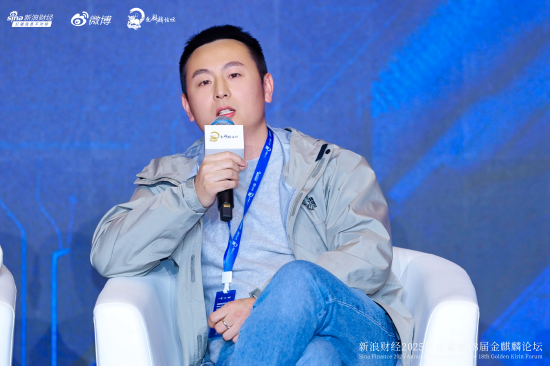
2026年手卓云AI拓客驱动TOB业务企业数字化转型
Jin Tou Wang· 2026-01-15 10:27
Core Insights - The article highlights the rapid growth of the digital economy, emphasizing the role of artificial intelligence and big data as key drivers for enterprise transformation [1] - Anhui Shouzhong Information Technology Co., Ltd. has emerged as a significant player in the digital service sector, providing efficient customer acquisition and conversion solutions for numerous B2B enterprises [1] Company Overview - Established on June 28, 2022, in Hefei, Anhui, the company is a technology-focused SME with a registered capital of 5 million yuan [1] - The company has a vibrant and ambitious professional team, primarily composed of young individuals, and has been steadily developing for three years [1] - Plans to expand with the establishment of a branch in Wuhan in 2024 [1] Core Business and Technology - The company's core business focuses on enterprise information data mining and AI algorithm recommendations, collaborating deeply with iFlytek in the intelligent voice industry [2] - The "Shouzhong Cloud AI Customer Acquisition System" is a key product that provides a comprehensive solution for customer acquisition and digital conversion, optimizing the entire marketing chain [2] - The company boasts a high voice recognition rate of 98.5% for its core product, enhancing communication professionalism and credibility [2] Service Philosophy - The company emphasizes a service philosophy of providing full-cycle operational support, not just selling systems, which includes 24/7 professional maintenance and rapid response to technical issues [2] - The mission is to drive sales performance through digitalization, aiming to become a trusted service provider for millions of enterprises [3] Future Outlook - The year 2026 is identified as a critical year for the application of AI technology, with increasing demand for digital transformation among enterprises [6] - The company plans to continue deepening its core technologies in AI and big data, optimizing products and services to help more enterprises overcome growth bottlenecks [6]
185.56亿元主力资金今日撤离计算机板块
Zheng Quan Shi Bao Wang· 2026-01-15 09:13
Market Overview - The Shanghai Composite Index fell by 0.33% on January 15, with 11 sectors rising, led by the electronics and basic chemicals sectors, which increased by 1.67% and 1.40% respectively. The sectors with the largest declines were comprehensive and defense industries, down by 3.35% and 2.80% respectively. The computer industry dropped by 2.40% [1] Fund Flow Analysis - The main funds in the two markets experienced a net outflow of 62.864 billion yuan, with six sectors seeing net inflows. The electronics sector led with a net inflow of 12.083 billion yuan, while the non-ferrous metals sector saw a 1.37% increase and a net inflow of 1.936 billion yuan [1] - A total of 25 sectors experienced net outflows, with the computer industry leading at a net outflow of 18.556 billion yuan, followed by the media sector with a net outflow of 10.642 billion yuan. Other sectors with significant outflows included defense, pharmaceuticals, and non-bank financials [1] Computer Industry Performance - The computer industry saw a decline of 2.40%, with a total of 336 stocks in the sector. Out of these, 56 stocks rose, including 2 that hit the daily limit, while 277 stocks fell, with 9 hitting the daily limit. There were 69 stocks with net inflows, with 13 stocks having inflows exceeding 50 million yuan. The top stock for net inflow was Huasheng Tiancheng, with an inflow of 594 million yuan, followed by Guanglian Da and Aerospace Information with inflows of 467 million yuan and 102 million yuan respectively [2] - The outflow list for the computer industry included 54 stocks with outflows exceeding 100 million yuan. The top three stocks for net outflow were Yanshan Technology, Weining Health, and Guiding Compass, with outflows of 1.784 billion yuan, 832 million yuan, and 774 million yuan respectively [3]




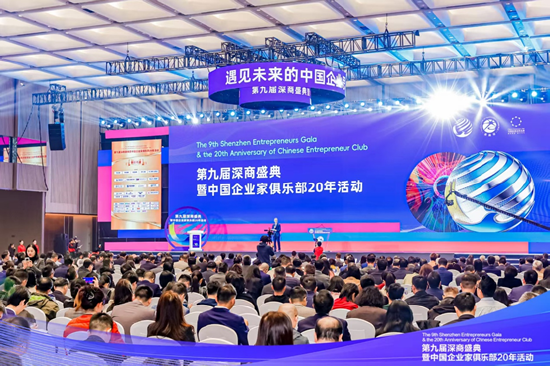
思想领航 共赴新程——第九届深商盛典暨中国企业家俱乐部20年活动书写中国企业高质量发展新篇
Xin Lang Cai Jing· 2026-01-15 09:10
Core Insights - The event, the 9th Shenzhen Business Convention and the 20th Anniversary of the China Entrepreneurs Club, gathered top Chinese entrepreneurs to discuss key topics such as industrial innovation, technological breakthroughs, ecological construction, and social responsibility, aiming to provide a clear path for high-quality economic development in China during the 14th Five-Year Plan period [1][22]. Group 1: Technology Empowerment and Industrial Innovation - TCL's founder, Li Dongsheng, emphasized the importance of AI in driving economic growth and highlighted the application of their Star Intelligence Model 3.0 in the semiconductor display industry, which significantly enhances product development and material research efficiency [4][24]. - iFlytek's founder, Liu Qingfeng, pointed out the accelerating arrival of the general artificial intelligence era, stressing the need for core technology autonomy and the company's focus on AI as a primary business, with over 3 million applications developed on their open AI platform [6][25]. - XPeng Motors' CEO, He Xiaopeng, discussed the transition of the Chinese automotive industry from electrification to intelligent competition, emphasizing breakthroughs in autonomous driving and smart cockpit technologies as key to gaining a global competitive edge [9][27]. Group 2: Financial Support and Industrial Synergy - Ping An Group's General Manager, Xie Yonglin, discussed the role of financial technology in upgrading industrial chain finance, providing targeted financial support for technology innovation and green development, aligning with the trend of steady growth in manufacturing loans [11][29]. - The CEO of Huada Group, Yin Ye, highlighted the importance of core technology in the life and health industry, advocating for the integration of cutting-edge technologies like gene technology into everyday life to enhance public health [17][35]. Group 3: Traditional Industry Transformation and Digitalization - Luzhou Laojiao's General Manager, Lin Feng, shared insights on the transformation of traditional enterprises, emphasizing the need to embrace digitalization while maintaining quality and cultural heritage [13][31]. - Wumart's founder, Zhang Wenzhong, discussed the digital transformation in the retail sector, which enhances operational efficiency and consumer experience through supply chain innovation and the integration of online and offline shopping [15][33]. Group 4: Social Responsibility and Sustainable Development - Lin Li, Chairman of Liyue Group, stressed the importance of balancing economic benefits with social responsibility, advocating for community development through public welfare and employment initiatives [19][37]. - Ma Weihua, former President of China Merchants Bank, highlighted the significance of ESG principles in guiding high-quality development, promoting green investments and social responsibility projects to achieve a win-win scenario for commercial and social values [21][39].