
赛诺菲

Search documents
特朗普宣布新关税最高达100%!谁最受伤?
第一财经· 2025-09-26 05:49
Group 1: Tariffs on Heavy Trucks - President Trump announced a 25% tariff on imported heavy trucks, which follows an investigation by the U.S. Department of Commerce to assess whether such imports pose a national security threat [4] - The tariffs aim to protect U.S. truck manufacturers like Peterbilt, Kenworth, and Freightliner from foreign competition, although previous tariffs on steel and aluminum have already increased production costs for U.S. manufacturers [4][5] - Mexico is the largest exporter of medium and heavy trucks to the U.S., with a significant increase in imports since 2019, raising concerns about the impact of tariffs on the supply chain [5][3] Group 2: Pharmaceutical Tariffs - A new 100% tariff on all imported brand and patented drugs will apply unless companies have already begun construction of manufacturing plants in the U.S. [7] - The pharmaceutical industry has seen a decline in stock prices in Asia following the announcement, with companies like Sumitomo Pharma and CSL experiencing significant drops [7] - Major pharmaceutical companies have committed to investing over $350 billion in U.S. manufacturing and R&D by the end of the century, indicating a shift towards domestic production in response to tariff threats [8][9] Group 3: Furniture Tariffs - Trump stated that tariffs on imported furniture are necessary to restore U.S. manufacturing strength, particularly in states like North Carolina and South Carolina [12] - The furniture and wood products manufacturing sector has seen a significant decline in jobs, with employment halved since 2000 [12] - Recent tariffs have led to a 4.7% increase in overall furniture prices, with living and dining room furniture prices rising by 9.5% over the past year [12][13]

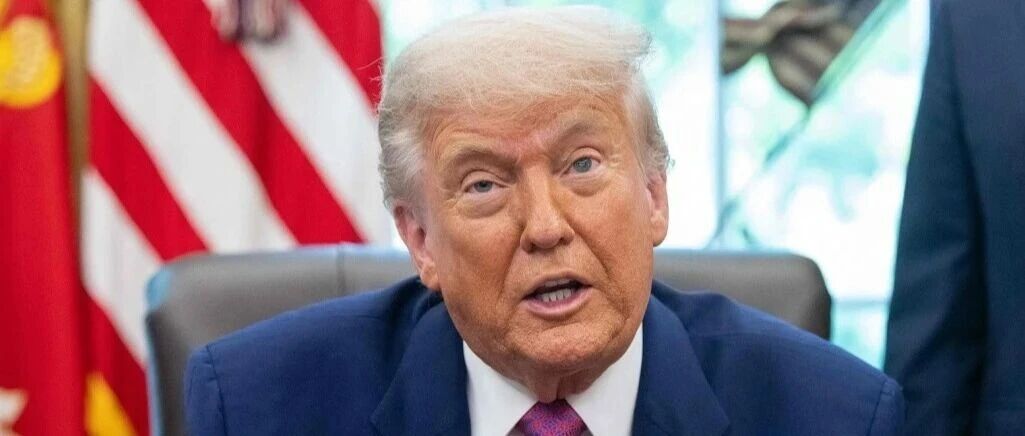
一文尽知|特朗普宣布新关税最高达100%!谁最受伤?
Di Yi Cai Jing· 2025-09-26 05:26
Group 1: Tariffs on Heavy Trucks and Furniture - President Trump announced a 25% tariff on all imported heavy trucks, effective from October 1, 2025, as part of a broader strategy to protect U.S. manufacturers [1][3] - The U.S. Department of Commerce had previously initiated an investigation into whether the import of medium and heavy trucks poses a national security threat [3] - The tariffs aim to bolster U.S. truck manufacturers like Peterbilt, Kenworth, and Freightliner, but previous tariffs on steel and aluminum have already increased production costs for American truck manufacturers [4][5] Group 2: Impact on the Mexican Truck Manufacturing Industry - Mexico is the largest exporter of medium and heavy trucks to the U.S., with 95% of its exports going to the U.S. market [5][6] - The U.S. imported nearly $128 billion worth of heavy vehicle parts from Mexico last year, indicating a significant reliance on Mexican manufacturing [5] - The tariffs may affect companies like Stellantis, which produces heavy Ram trucks in Mexico, and Volvo Group, which is investing $700 million in a new heavy truck factory in Monterrey, Mexico [4] Group 3: Pharmaceutical Industry Implications - Trump announced a 100% tariff on all imported brand-name and patented drugs unless companies have already begun construction of manufacturing plants in the U.S. [7] - The pharmaceutical industry has been responding to potential tariffs by announcing significant investments in U.S. manufacturing, with over $350 billion pledged by various companies [8][9] - The tariffs could hinder the development of new drugs in the U.S. due to increased costs, potentially leading to greater reliance on foreign research and development [9] Group 4: Furniture Industry and Inflation - Trump stated that tariffs on furniture are necessary to restore the strength of U.S. manufacturing, with previous tariffs already pushing furniture prices higher [10][11] - The furniture manufacturing sector has seen a significant decline in jobs, with employment halved since 2000, currently standing at approximately 340,000 [11] - The U.S. imported about $25.5 billion worth of furniture in 2024, a 7% increase from 2023, with around 60% of imports coming from countries like Vietnam [12]

中国创新药 出海黄金时代,游到海水变蓝
2025-09-26 02:29
Summary of Key Points from Conference Call Industry Overview - The conference call discusses the **Chinese innovative pharmaceutical industry** and its growing collaboration with **multinational corporations (MNCs)** due to the impending patent cliffs faced by these companies [1][2][4]. Core Insights and Arguments - MNCs are facing significant patent cliffs, with companies like **BMS** potentially losing up to **69%** of their revenue and **Merck** facing a **63%** patent cliff in the next five years, prompting them to seek partnerships with Chinese innovative drug companies [2][4]. - The quality of clinical data from Chinese innovative drug companies has significantly improved, gaining international recognition. For instance, at the **2025 ASCO conference**, Chinese LBA accounted for **20%** of the total, with **73** presentations, indicating a rise in academic standing [1][4][6]. - The oncology sector is shifting from PD-1 combined with chemotherapy to next-generation immuno-oncology (I/O) therapies and next-generation antibody-drug conjugates (ADCs). MNCs are focusing on these next-generation therapies, with potential buyers including **AstraZeneca**, **Pfizer**, and **Merck** [1][2][3][7]. - In the metabolic disease area, the focus is moving from merely weight loss to comprehensive management, including GLP-1 therapies and oral GLP-1 options. Recent data from **Eli Lilly** and **Amgen** show promising results for their calcitonin selective agonist, which has a safety profile comparable to GLP-1 [1][10]. - The autoimmune disease sector is seeing new targets like **STAR6** and innovations in engineering such as dual-antibody TCE Protect, with leading companies like **AbbVie**, **Johnson & Johnson**, and **Sanofi** continuing to invest in this area [1][11]. Additional Important Insights - The total upfront payment for Chinese innovative drug companies' business development (BD) in the first half of **2025** exceeded **$5 billion**, with total transaction amounts surpassing **$60 billion**, indicating a robust growth trajectory [2][3][6]. - The Chinese innovative drug sector's share of global first-in-class drugs has increased from single digits to **19%**, showcasing its competitive edge on the international stage [6][19]. - MNCs are exploring various strategies to cope with patent cliffs, including focusing on core areas, entering new fields like metabolic weight loss, and leveraging new technologies such as small nucleic acids and molecular glue [2][5]. - The oncology landscape is expected to see significant developments with new data releases from various companies, including PD-1, VEGFR, and others, indicating a continuous advancement in innovative drug capabilities [18][20]. This summary encapsulates the key points discussed in the conference call, highlighting the dynamics of the Chinese innovative pharmaceutical industry and its collaboration with multinational corporations amidst evolving market conditions.
特朗普再挥关税大棒!自10月1日起对专利及品牌药品加征100%关税
智通财经网· 2025-09-26 01:33
Core Points - The U.S. will impose a 100% tariff on imported patented and branded drugs starting October 1, unless pharmaceutical companies establish manufacturing plants in the U.S. [1] - President Trump has previously threatened to increase tariffs on imported drugs, with potential rates rising to 250% over the next year and a half [1] - The intention behind the tariffs is to lower drug prices in the U.S., but there are concerns that this could lead to drug shortages and increased costs for consumers [1] Group 1 - Pharmaceutical companies are increasing investments in the U.S., with Roche planning to invest $50 billion and Johnson & Johnson aiming to invest $55 billion over the next four years [2] - Building a pharmaceutical plant in the U.S. is costly and time-consuming, and even domestic production may not avoid tariffs on imported raw materials [2] - European pharmaceutical giants like Novartis, Roche, Sanofi, AstraZeneca, and Bayer may face significant challenges, having to choose between absorbing tariff costs or investing heavily to relocate production to the U.S. or its trade partners [2]


永金证券晨会纪要-20250926
永丰金证券· 2025-09-25 23:59
Market Overview - The US stock market reached new highs, with the three major indices hitting record levels on the "quadruple witching day" [9] - Global equity funds attracted $68.4 billion, the highest since December of the previous year, with $57.7 billion flowing into US equity funds [11] - Emerging market funds saw inflows of $7.6 billion, marking the highest since May [11] - The 10-year US Treasury yield rose to 4.147%, reflecting market concerns about inflation [9] - Gold prices strengthened, closing up 1.12% near the day's high [9] Investment Strategies - The report recommends prioritizing investments in leading companies within the "artificial intelligence and semiconductor" sectors due to the growing demand for AI [9] - For fixed income, it is suggested to reduce holdings in US Treasuries and shift towards investment-grade corporate bonds (IG) and floating-rate notes (FRN) [9] - A recommendation for structured products includes "dual-leverage linked notes" tied to major commodities (such as oil and copper) to capture price fluctuations [9] Company Highlights - Sanofi reported Q2 net sales of €9.994 billion, a year-on-year increase of 10.1%, with earnings per share rising by 8.3% to €1.59 [24] - FedEx Corporation announced an increase in revenue and profit guidance for FY2026, driven by higher volume in its priority delivery service and cost-saving measures [25] - The report highlights the strong performance of the company 创科实业 (Techtronic Industries), which achieved a record revenue of $7.833 billion in H1 2025, with net profit growing to $628 million and a gross margin improvement to 40.3% [21] - 京东 (JD.com) has formed a strategic partnership with China Resources to open its first physical store in Hong Kong by 2026, focusing on international and mainland tech brands [13] Economic Data Releases - Key economic data releases include the M3 money supply in Switzerland, unemployment rate in Taiwan, and consumer price index in Hong Kong, all scheduled for September 22, 2025 [19]
Geopolitical Tensions Escalate as Iran Nuclear Talks Collapse, Kurdistan Oil Flows Resume; Volkswagen Curbs EV Output Amid Market Shifts
Stock Market News· 2025-09-25 19:09
Geopolitical Developments - Diplomatic talks between E3 nations (France, Germany, and the UK) and Iran regarding its nuclear program have failed, leading to the activation of the "snapback" mechanism for UN sanctions due to Iran's alleged non-compliance with the JCPOA [2][6] - Iran's Supreme Leader has ruled out direct nuclear negotiations with the US, labeling them a "dead end," and has rejected E3 proposals, considering the snapback mechanism unlawful [2][6] Oil Market Dynamics - Oil supplies from Iraq's Kurdistan region to Turkey are set to resume, with approximately 230,000 barrels per day expected to flow through the pipeline, potentially alleviating global oil supply concerns [3][6] - The resumption of oil exports follows a deal between Iraq's federal and Kurdistan regional governments and oil firms, although formal signing and ratification by Baghdad are still required [3] Automotive Industry Trends - Volkswagen is implementing production cuts and temporary halts at several German electric vehicle plants due to slowing demand for light commercial vehicles and a slower-than-anticipated adoption of EVs [4][6] - The Hanover plant will pause production for one week in October, while the Zwickau plant will halt production for a week starting October 6, affecting models like the Audi Q4 e-tron [4] Pharmaceutical Industry Updates - The FDA has eliminated the Risk Evaluation and Mitigation Strategies (REMS) for Sanofi's cancer drug Caprelsa (vandetanib), streamlining its availability as healthcare providers are now deemed capable of managing associated risks [8][6] Currency and Economic Outlook - Barclays analysts assert that the US dollar's relative strength indicates that the fundamental underpinnings supporting the currency remain intact, despite economic headwinds and challenges to the Federal Reserve's autonomy [9] - Barclays' CEO expressed confidence that the US dollar will maintain its status as the world's reserve currency [9]
RIGL vs. FOLD: Which Biotech Stock Offers Better Growth Potential?
ZACKS· 2025-09-25 16:31
Core Insights - Rigel Pharmaceuticals (RIGL) and Amicus Therapeutics (FOLD) are focused on developing treatments for rare medical conditions, aiming to establish leadership in their respective fields [1][2] Rigel Pharmaceuticals (RIGL) - Rigel's lead drug, Tavalisse, is an oral spleen tyrosine kinase inhibitor approved for chronic immune thrombocytopenia (ITP), generating $68.5 million in sales in the first half of 2025, a 44% increase year over year [3][6] - The company is also progressing with Rezlidhia, approved for relapsed/refractory acute myeloid leukemia (AML), with sales increasing 31% year over year in the first half of 2025 [4] - Rigel added Gavreto to its portfolio in 2024, contributing to revenue growth in the first half of 2025 [5] - The company raised its total revenue guidance for 2025 to $270-$280 million, up from a previous estimate of $200-$210 million, due to strong sales performance [6] - Rigel has a pipeline product, R289, in early-stage studies for myelodysplastic syndrome (MDS) and is exploring Rezlidhia's use in other cancers [7] Amicus Therapeutics (FOLD) - Amicus' lead product, Galafold, generated $233.1 million in sales in the first half of 2025, an 11% year-over-year increase, with patent protection extending to 2038 [8][9] - The company’s two-component therapy, Pombiliti + Opfolda, approved for late-onset Pompe disease, generated $46.8 million in sales in the first half of 2025, a 74% increase year over year [10] - Amicus is experiencing a shift of patients from Sanofi's Pompe disease drugs to Pombiliti and Opfolda, with expectations for increased patient starts in new markets in the second half of 2025 [11] - Despite the growth of Galafold and Pombiliti + Opfolda, FOLD remains heavily reliant on Galafold for revenue, posing a risk to the company's overall growth [12] Financial Estimates and Performance - The Zacks Consensus Estimate for Rigel's 2025 sales and EPS indicates a year-over-year increase of approximately 57% and 415%, respectively [13] - In contrast, Amicus' 2025 sales and EPS estimates imply a year-over-year increase of around 18% and 29%, respectively, with EPS estimates for 2025 trending downward [17] - Year-to-date, RIGL shares have increased by 80.1%, while FOLD shares have decreased by 11.3%, compared to an industry return of 11.7% [19] - Amicus is valued higher than Rigel based on the price-to-sales (P/S) ratio, with FOLD trading at 4.51 times trailing sales compared to RIGL's 2.05 [20] Comparative Analysis - Rigel holds a Zacks Rank 1 (Strong Buy), indicating a more favorable investment outlook compared to Amicus, which has a Zacks Rank 3 (Hold) [24] - Rigel's strong performance and optimistic guidance for 2025, driven by Tavalisse and other products, suggest significant upside potential [25] - Amicus' reliance on Galafold and competition from established players like Sanofi present challenges for sustained growth [26] - Rigel's expanding portfolio, improving earnings estimates, and lower valuation position it as a more attractive investment compared to Amicus [27]


国产胰岛素龙头甘李药业拿下30亿海外大单
Guo Ji Jin Rong Bao· 2025-09-25 15:56
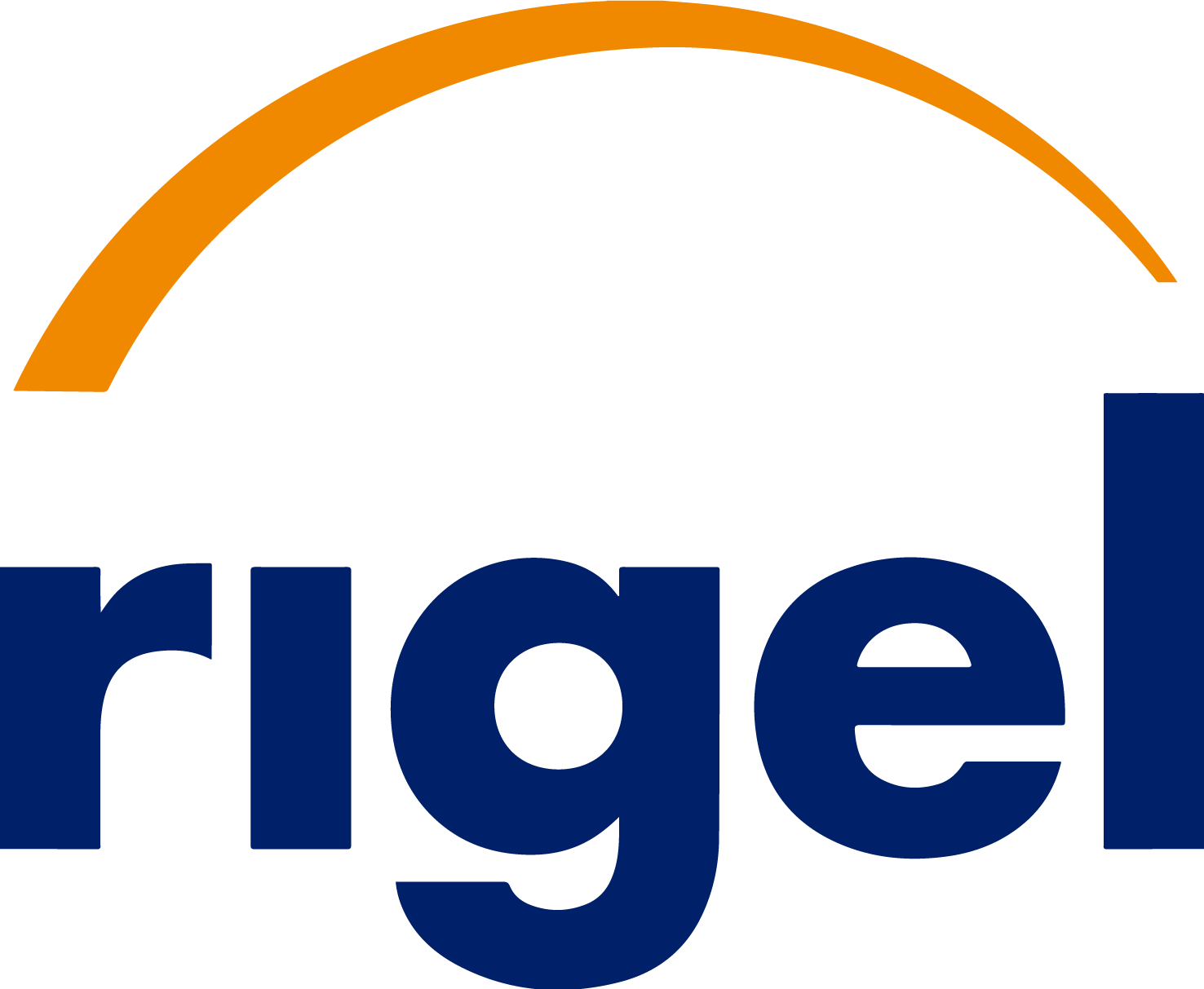
Core Viewpoint - 甘李药业 has signed a technology transfer and supply agreement with Brazil's Fiocruz and local biopharmaceutical company BIOMM, focusing on the production and development of insulin, which is expected to significantly impact the company's performance in 2025 and beyond [2][3]. Group 1: Partnership and Agreements - The agreements include a supply framework worth at least RMB 3 billion (including tax) and cover the transfer of technology related to insulin, raw materials, injection solutions, and syringes for a period of ten years [2]. - The PDP project aims to strengthen Brazil's public health system and ensure a stable supply of essential medicines through local production [2][4]. Group 2: Market Context and Demand - Brazil has faced insulin supply shortages, leading to an urgent tender for over a million insulin products in 2023, which 甘李药业 successfully supplied [3]. - The project is expected to generate a demand for at least 70 million units of insulin annually, with an initial focus on supplying insulin injection solutions to alleviate clinical shortages [3]. Group 3: Company Performance and Recovery - 甘李药业 has been recovering from the impact of national drug procurement policies, with a reported revenue of RMB 2.067 billion in the first half of 2025, a year-on-year increase of 57.18% [5][6]. - The company has successfully entered the national procurement process, with six products selected, and has achieved a market share of nearly 30% in the third-generation insulin market, ranking second in the industry [6]. Group 4: International Expansion - 甘李药业 is actively pursuing international markets, with a reported revenue of RMB 220 million from international sales in the first half of 2023, a 75.08% increase year-on-year [7]. - The company has established a local production facility in Brazil and is also seeking to penetrate the African market with successful local projects [7][8].

AbbVie's Rinvoq Gains Early Traction in Giant Cell Arteritis Market, Expanding Options for Rheumatologists
Globenewswire· 2025-09-25 15:53
Core Insights - Rheumatologists express high satisfaction with AbbVie's Rinvoq (upadacitinib) following its approval for giant cell arteritis (GCA), highlighting anticipated efficacy, steroid-sparing benefits, and convenient oral administration as key factors for adoption [1] - Nearly all specialists are aware of Rinvoq's approval, with 40% already prescribing it for GCA patients, indicating a favorable early adoption compared to previous launches in ankylosing spondylitis and psoriatic arthritis [1] - Rinvoq is being initiated in the first-line advanced therapy setting for nearly half of current patients, reflecting an unmet need for effective oral alternatives [1] Adoption and Market Dynamics - Most rheumatologists foresee expanding Rinvoq's use in GCA, projecting peak adoption could reach nearly one-third of patients once fully established [2] - Despite safety concerns and payer hurdles, early data suggest Rinvoq is on track to become a significant competitor in the GCA market and may influence treatment decisions in polymyalgia rheumatica (PMR) [2] - Rinvoq's introduction is shifting perceptions around Genentech's Actemra (tocilizumab), with Rinvoq rated higher on convenience, speed of onset, and patient preference for oral administration [1] Safety and Cost Considerations - Physicians cite cardiovascular and thromboembolic risks in older GCA patients as significant safety concerns, alongside challenges related to Medicare coverage and out-of-pocket costs [1] - Despite these concerns, the majority of physicians view Rinvoq's overall risk-benefit profile as favorable, with over half indicating they are likely to recommend the therapy to colleagues [1] Off-Label Use and Future Outlook - One-quarter of rheumatologists anticipate increasing off-label use of Rinvoq in PMR, particularly for patients needing steroid-sparing strategies [1] - Rinvoq's oral administration and JAK1 selectivity are seen as advantages for some patients, although it has not yet been approved for PMR [1]

甘李药业获30亿订单 破局巴西胰岛素想象力如何?
2 1 Shi Ji Jing Ji Bao Dao· 2025-09-25 10:42
Core Viewpoint - The partnership between Ganli Pharmaceutical and Brazil's public health sector marks a significant shift in the insulin market, breaking the long-standing monopoly of multinational companies and enhancing local production capabilities [1][4]. Group 1: Agreement Details - Ganli Pharmaceutical signed a technology transfer and supply agreement with Brazil's Funda??o Oswaldo Cruz-Bio-Manguinhos and BIOMM S.A., valued at no less than 30 billion RMB (approximately 4.2 billion USD) over a 10-year period [1]. - The agreement will cover 60% of Brazil's basic insulin demand, with a commitment from FZ to purchase at least 120 million doses at a price 35% lower than current imported products [3]. Group 2: Market Impact - The collaboration is expected to significantly improve the accessibility of insulin in Brazil, where there are approximately 16.8 million diabetes patients and a self-sufficiency rate of less than 20% [1][4]. - The Brazilian insulin market is valued at around 900 million USD, with Ganli expected to capture a market share of 30% by 2030, reshaping the competitive landscape [5]. Group 3: Financial Projections - If the agreement is executed smoothly, Ganli's net profit is projected to reach 1.8 billion RMB in 2026, aligning with industry average PE ratios [2]. - Ganli's international revenue reached 219 million RMB in the first half of 2025, a year-on-year increase of 74.68%, with expectations for overseas revenue to exceed 25% by 2026 [3]. Group 4: Strategic Considerations - Brazil's pharmaceutical market is the largest in Latin America, with a projected size of 42 billion USD by 2024, providing a strategic entry point for Ganli into other markets like Mexico and Argentina [4]. - The partnership is part of Brazil's broader initiative to enhance local production capabilities and reduce reliance on foreign pharmaceutical companies [6].