乐聚机器人

Search documents
宇树科技回应:未申请IPO“绿色通道”,上市工作正常推进
Sou Hu Cai Jing· 2026-01-04 13:18
Core Viewpoint - The news highlights the ongoing IPO process of Yushu Technology despite rumors of the suspension of its "green channel" for listing, emphasizing the company's commitment to transparency and compliance with regulations [2][5]. Group 1: Company Developments - Yushu Technology has denied involvement in the application for the "green channel" and stated that the reports misrepresent its listing progress, which is continuing normally [2]. - The company has been innovating in bionic robots, intelligent motion control, and AI perception since its establishment in 2016, evolving its product line from quadruped robots to humanoid robots [2]. - Yushu Technology gained significant public attention during the 2025 CCTV Spring Festival Gala with its humanoid robot performance, marking a pivotal moment in the industry [2]. Group 2: Industry Trends - The humanoid robotics sector has seen unprecedented investment activity, with notable financing events and IPO preparations from various companies, including Yushu Technology and others [3][4]. - As of August 2025, the primary market financing in the domestic robotics sector reached approximately 38.62 billion, significantly surpassing the previous year's total [4]. - The rapid influx of capital into humanoid robotics raises concerns about potential market bubbles and the maturity of technology and business models within the sector [4][5]. Group 3: Regulatory Environment - The rumors regarding the "green channel" reflect market sensitivity to regulatory changes, indicating a potential cooling of the overheated humanoid robotics sector [5]. - The National Development and Reform Commission has noted that the humanoid robotics industry is still developing, with over 150 companies in the field, many of which are startups or from other industries [5].


宇树科技上市绿色通道被叫停?知情人士:预计 1 月递表
3 6 Ke· 2026-01-04 12:42
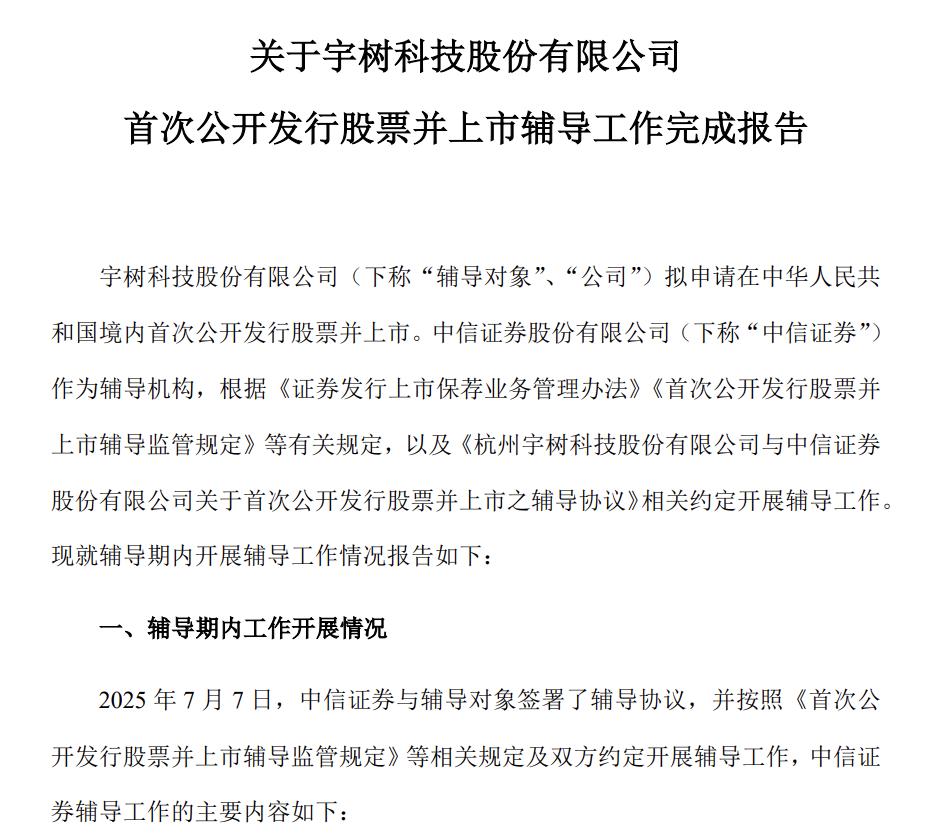
Core Viewpoint - Yushu Technology's IPO process is currently facing challenges, but the company is still progressing through the normal listing procedures, with expectations to submit its application in January 2026 [1][5]. Group 1: Company Overview - Yushu Technology was founded in 2016 and focuses on developing quadruped and humanoid robots, with its humanoid robot H1 featured in the 2025 Spring Festival Gala [1][3]. - The company has achieved profitability since 2020, with annual revenues exceeding 1 billion yuan and a workforce of approximately 1,000 employees [9][10]. Group 2: IPO Process - The "green channel" for Yushu Technology's A-share listing has been suspended, but the company is still on track to submit its IPO application between October and December 2025 [1][5]. - Yushu Technology completed its IPO counseling on November 15, 2025, with CITIC Securities as the counseling institution [4][5]. Group 3: Market Position and Strategy - Yushu Technology has completed 13 rounds of financing, achieving a valuation exceeding 10 billion yuan, with investments from both state-owned and private enterprises [10]. - The company is lowering product prices to accelerate market penetration, recently launching the R1 humanoid robot priced at 39,900 yuan [10][11]. Group 4: Competitive Landscape - The humanoid robot sector is experiencing heightened competition, with multiple companies, including Zhiyuan Robotics, also pursuing IPOs and significant market presence [2][13]. - Zhiyuan Robotics, established in 2023, has a valuation of approximately 15 billion yuan and is focusing on software development for embodied intelligence, contrasting with Yushu's hardware focus [13][15]. Group 5: Industry Trends - The embodied intelligence sector has seen a surge in activity, with 165 companies completing 303 financing rounds in 2025, raising nearly 37 billion yuan, marking a 260% increase from 2024 [17]. - The competition for IPOs among domestic humanoid robot companies is intensifying, with several firms actively seeking to establish themselves in the market [17].
传宇树科技A股上市绿色通道暂停
Sou Hu Cai Jing· 2026-01-04 08:41
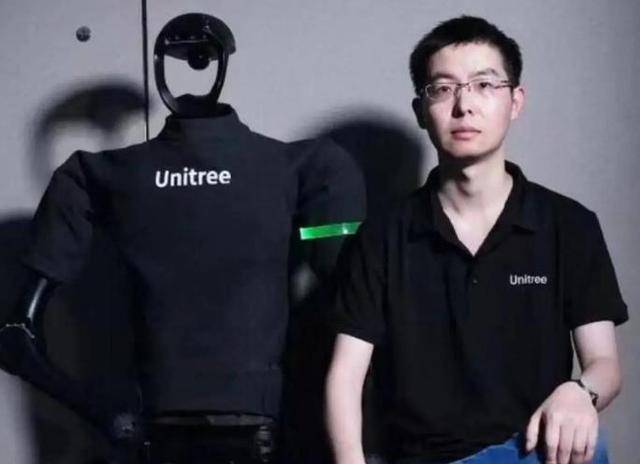
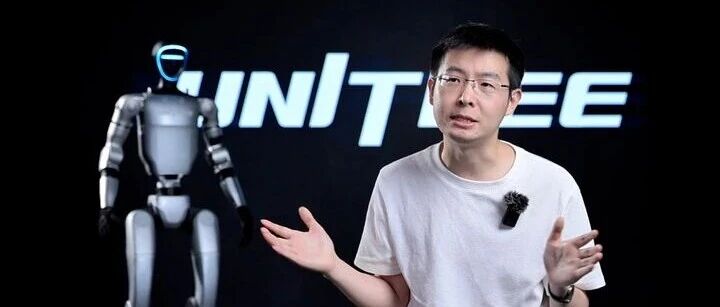
网易科技消息,宇树科技A股上市绿色通道被叫停,但上市进程未停止。据消息人士透露,此次叫停系 因行业热度较高,相关人士表示"国家希望机器人赛道降温",但宇树科技仍符合上市条件,将按常规流 程推进IPO。网易科技方面就绿色通道叫停一事向宇树科技求证,尚未获得回应。 根据中国证监会官网信息,宇树科技已于2025年11月完成IPO上市辅导工作,中信证券作为辅导机构, 公司拟申请境内IPO。而所谓上市"绿色通道"是优化审核流程、缩短上市周期的机制,通过优先处理与 程序简化提升效率。 行业数据显示,2025年具身智能领域已产生463起投资事件,机器人赛道融资活跃。除宇树科技外,云 深处、乐聚机器人等企业已陆续启动IPO进程。若宇树科技成功上市,将成为"A股人形机器人第一 股",推动机器人产业链发展。 ...
冲刺“A股人形机器人第一股”遇波折:宇树科技上市绿色通道暂停
Sou Hu Cai Jing· 2026-01-04 07:59
不过,此次叫停仅仅限于其上市的"绿色通道",即通过优先处理、简化程序等方式提升效率,优化审核流程缩短上市时间的一种机制。宇树科技的上市节 奏则并未被叫停。据了解,宇树科技完全符合上市资格,"排队上市,走自然流程就好了"。 目前来看,如果上市最终成行,宇树科技将会成为真正意义上的"A股人形机器人第一股"。除此以外,云深处、乐聚机器人等也已经陆续开始IPO进程。 1月4日,有消息称,宇树科技A股上市的绿色通道被叫停,但上市并未叫停。随后,宇树科技方面向记者确认了此消息。 如今,人形机器人已经从概念验证阶段,逐步进入到资本持续投入、方向不断收敛的发展阶段。据人形机器人场景应用联盟统计,截至目前,2025年人形 机器人领域累计融资已超过210起,融资总额超540亿元人民币。 据了解,宇树科技A股上市的绿色通道被叫停或是因为"目前机器人赛道泡沫太大了",管理层希望能降降温。 封面新闻记者 孟梅 欧阳宏宇 早在去年底,宇树科技就完成了IPO辅导。11月15日,中国证监会官网显示,宇树科技IPO上市辅导工作完成。公告显示,宇树科技拟申请在境内IPO,中 信证券为辅导机构。 继优必选、智元在二级市场积极布局之后,宇树科技也没 ...


宇树科技上市绿色通道被叫停
YOUNG财经 漾财经· 2026-01-04 06:38
资料图。本文来源 :网易科技 宇树科技上市绿色通道被叫停 宇树科技如果完成上市,将会成为"A股人形机器人第一股",整个机器人产业链将迎来新一轮发 展机遇。 目前,网易科技获悉,宇树科技A股上市的绿色通道被叫停。 "国家希望能够机器人赛道降降 温,泡沫太大了。"相关人士透露。 不过,这并不意味着宇树科技的上市节奏被叫停。该人士透露,宇树科技完全符合上市资格, 排队上市,走自然流程就好了。 对于绿色通道被叫停一事,网易科技向宇树科技求证,尚未得到回应。 据悉,除了宇树科技之外,机器人公司云深处、乐聚机器人等已经陆续开始IPO进程。 今年被称为具身智能量产元年,赛道异常活跃,融资频繁,IT桔子数据显示,截至12月1日,今 年具身智能产生了463件投资事件。 ■ 1月4日消息,网易科技独家获悉,宇树科技A股上市的绿色通道被叫停,但上市并未叫停。 所谓上市"绿色通道"是一种旨在优化审核流程、缩短上市时间的机制,通过优先处理、简化程 序等方式提升效率。 根据中国证监会官网显示,宇树科技11月份已经完成了IPO上市辅导工作。公告显示,宇树科技 拟申请在境内IPO,中信证券为辅导机构。 ...
具身智能,国产机器人为美好生活赋能
Xin Hua She· 2025-12-31 08:48
Core Insights - The article emphasizes the rapid integration of domestic robots into daily life by 2025, showcasing their diverse applications in various sectors such as entertainment, healthcare, and agriculture [1][12][21] Industry Developments - By 2025, domestic humanoid robots have achieved multiple breakthroughs, including the first human-like robot to perform a front flip and a marathon completion, indicating significant advancements in robotics technology [3][5] - The launch of the T800 humanoid robot by Zhongqing Robotics highlights the technological integration capabilities of domestic robots, featuring advanced materials and systems for enhanced performance [4][5] Technological Advancements - The core technological upgrades in humanoid robots are driven by the collaboration of their "brain," "small brain," and body design, which collectively enhance their operational capabilities [5][11] - The development of autonomous battery-swapping systems for humanoid robots by Youbixuan enables continuous operation without human intervention, significantly improving efficiency in industrial applications [9][10] Market Applications - The demand for humanoid robots in the elderly care sector is increasing due to the growing aging population in China, with robots being utilized for assistance in daily activities and health monitoring [12][13] - The industrial sector is identified as the primary training ground for humanoid robots, with significant orders and applications in assembly, transportation, and maintenance processes [10][11] Challenges and Opportunities - Despite the rapid growth, the industry faces challenges such as technological limitations, narrow application scopes, and the need for standardized practices across the sector [14][15][16] - The article suggests that policy support and market-driven initiatives are crucial for overcoming current obstacles and fostering high-quality development in the domestic robot industry [18][19] Future Outlook - The future of the domestic robot industry is projected to align with the growth of smart technologies, with expectations of significant advancements in the next 5 to 15 years [19][20] - The integration of robots into everyday life is anticipated to evolve gradually, starting with low-intelligence applications before expanding into more complex domestic roles [20][21]
中信建投:乐聚机器人有望在万亿级的具身智能市场中占据重要份额
Di Yi Cai Jing· 2025-12-31 00:07
Core Insights - Leju Robotics is a leader in the domestic humanoid robot industry, leveraging its strong technological foundation and clear commercialization path to secure a unique competitive position in the market [1] Group 1: Company Overview - Leju Robotics adheres to a "alignment-oriented" development strategy focused on industrial application, utilizing Model-Based motion control algorithms to ensure product stability and interpretability in industrial scenarios [1] - The company has delivered nearly 1,000 full-size humanoid robots, making it the largest domestic supplier in terms of delivery volume [1] Group 2: Technological Collaboration - Leju Robotics has established deep collaborations with major companies such as Huawei and China Mobile in areas like embodied intelligence large models and 5G-A communication technology, creating a technological advantage through a "brain + small brain + communication" collaborative evolution [1] Group 3: Market Strategy - The company's "humanoid robot +" ecosystem strategy, which involves close cooperation with upstream and downstream enterprises in the industry chain, is accelerating the commercialization process [1] - With further cost reductions and ongoing technological iterations, Leju Robotics is expected to capture a significant share of the trillion-level embodied intelligence market in the future [1]

“微”观行业之变|大场景 新应用 人形机器人产业2026年值得期待
Xin Hua She· 2025-12-29 05:21
Core Insights - The humanoid robot industry in China is expected to transition from technology validation to large-scale commercialization by 2025, driven by systematic policies that encourage and regulate the sector, leading to key breakthroughs in self-research algorithms and hardware [1] - The industry is supported by a multi-dimensional policy framework that includes national strategies and local government measures, creating a solid foundation for development [2] Policy Framework - In 2025, the national strategy will focus on establishing entry and exit mechanisms for the embodied intelligence industry to prevent market saturation and ensure fair competition [2] - Local governments are implementing targeted policies to address industry pain points, such as financial incentives for data collection and support for community development [2][3] Technological Advancements - The focus of humanoid robot technology has shifted from showcasing capabilities to scalable applications, with cost and reliability being the top priorities for enterprises [4] - The Beijing Humanoid Robot Innovation Center has developed a comprehensive intelligent platform that integrates perception, decision-making, and execution, facilitating multi-robot collaboration [4] Capital Investment - Significant capital investment is flowing into the humanoid robot sector, with companies like Xingdong Jiyuan and Leju Robotics securing substantial funding, indicating strong market confidence [5][6] - The recognition from local state-owned assets, industrial capital, and financial institutions highlights the solid groundwork laid by these companies in technology and market application [6] Market Trends and Future Outlook - By 2026, the humanoid robot industry is anticipated to experience a wave of large-scale deliveries, particularly in industrial, logistics, and commercial service sectors [7] - The industry is moving towards replicable and scalable applications, with humanoid robots set to replace humans in repetitive tasks, enhancing efficiency and safety [7] - Companies are also looking to expand into emerging markets, adapting products to meet local needs and participating in international standard-setting to enhance their global presence [8]
2026,最猛风口来了?
Ge Long Hui A P P· 2025-12-28 08:25
Core Insights - The article discusses the evolution of the humanoid robot industry in China, highlighting the transition from initial hype to a more stable valuation driven by technological advancements and market demand [2] - The financing landscape for the robotics sector has seen unprecedented growth, with a significant increase in investment events and amounts, indicating strong investor interest [3][6] - The year 2025 is identified as a pivotal point for the commercialization of robotics, with many companies achieving substantial order volumes and preparing for mass production [11][12] Financing Boom - The field of embodied intelligence has experienced a record number of financing events, with 610 new financing incidents in the Chinese robotics industry in the first three quarters of 2025, doubling from 294 in the same period last year [3] - Cumulatively, domestic robotics startups raised approximately 500 billion yuan in the first three quarters of 2025, 2.5 times more than the previous year, with Q3 alone accounting for 198.13 billion yuan, a 172% year-on-year increase [6] - The top 10 companies captured about 40% of the total financing amount, indicating a trend of capital concentration [6] IPO Surge - 2025 is referred to as the "securitization year" for humanoid robots, with over ten companies submitting IPO applications [7] - Companies like Extreme Intelligence and Cloud Trace Technology have successfully listed on the Hong Kong Stock Exchange, while Yushu Technology is expected to become the first humanoid robot stock in A-shares [7][8] Order Growth - The year 2025 marks a critical turning point for the Chinese robotics industry, with many companies achieving annual orders exceeding 1 billion yuan [11][12] - Notable companies include UBTECH with nearly 14 billion yuan in orders, Yushu Technology with close to 12 billion yuan, and Yuejiang Robotics with approximately 11 billion yuan [12][13] Mass Production Milestone - Both multinational and domestic companies are accelerating preparations for mass production, with a focus on achieving cost and scale milestones by 2026 [14] - Tesla plans to launch its third-generation Optimus in Q1 2026, with a dedicated production line aiming for an annual output of 1 million units [14] - Domestic players like Yushu and ZhiYuan are also initiating mass production plans, indicating a shift from technology competition to manufacturing and commercial competition [14] Supply Chain Revolution - The cost of manufacturing a humanoid robot using the Chinese supply chain is projected to be around $46,000 in 2025, significantly lower than the $131,000 cost without it [24][25] - The ongoing optimization of the Chinese supply chain is expected to reduce costs further, with projections of BOM costs dropping to $16,000 by 2034 [24] Conclusion - The acceleration of IPOs and order fulfillment in the robotics sector is expected to boost market sentiment [28] - The humanoid robot industry is at a critical juncture, akin to the early days of the electric vehicle market, with a focus shifting from emotional investment to tangible progress in orders, capacity, and technology breakthroughs [28]
2026,最猛风口?
格隆汇APP· 2025-12-28 07:26
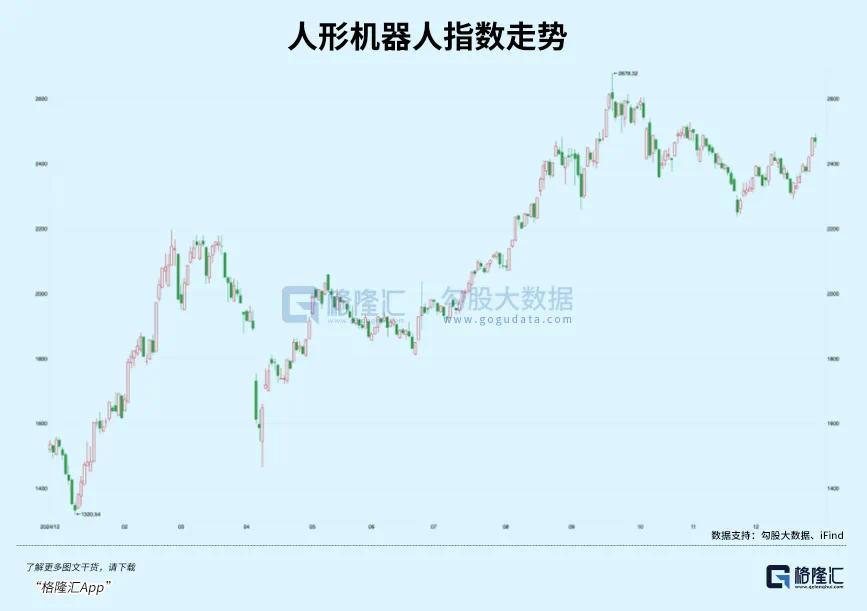
Core Viewpoint - The humanoid robot sector in A-shares and Hong Kong stocks experienced significant volatility in 2025, reflecting the market's transition from initial excitement over Tesla's Optimus production expectations to panic selling due to technical challenges, and finally to a reassessment of value driven by industry mergers and order fulfillment [4][5]. Financing and Investment Trends - The field of embodied intelligence saw unprecedented financing activity in 2025, with 610 new financing events in China's robot industry in the first three quarters, doubling from 294 in the same period last year, marking a three-year high [6]. - The total financing for domestic robot startups reached approximately 500 billion yuan in the first three quarters of 2025, 2.5 times that of the same period last year, with Q3 alone accounting for 198.13 billion yuan, a 172% year-on-year increase [9]. - A concentration of funding is evident, with the top 10 companies capturing about 40% of the total financing amount for the year [10]. IPO and Market Entry - 2025 is referred to as the "securitization year" for humanoid robots, with over ten companies submitting IPO applications, including successful listings of companies like Geek+ and Cloudwalk Technology on the Hong Kong stock exchange [12]. - Companies such as Yushun Technology are expected to become the first humanoid robot stock in A-shares, while ZhiYuan Robotics has completed a management overhaul to secure a listing platform [12][15]. Order Growth and Market Demand - 2025 is seen as a pivotal year for the commercialization of China's robot industry, with significant breakthroughs in orders. Several companies reported annual orders exceeding 1 billion yuan, with UBTECH leading at nearly 14 billion yuan [19]. - The top ten companies in the robot industry by order volume include UBTECH, Yushun Technology, and Yuejiang Robotics, with UBTECH's Walker series humanoid robot being a standout product [20]. Production and Cost Dynamics - The humanoid robot industry is transitioning from "technical competition" to "manufacturing competition" and "commercial competition," with a focus on scaling production and reducing costs [22]. - The cost of manufacturing a humanoid robot using the Chinese supply chain is projected to be approximately $46,000 in 2025, significantly lower than the $131,000 cost using non-Chinese supply chains [32][34]. Technological Advancements - The development of dexterous hands remains a critical challenge for the industry, with current solutions lacking in performance and cost-effectiveness. However, domestic advancements have reduced the cost of dexterous hands significantly, paving the way for mass commercialization [24][25]. - The integration of large models, particularly visual-language-action (VLA) models, is transforming how robots understand and execute tasks, moving away from traditional programming methods [27][30]. Supply Chain and Localization - The localization of the supply chain is driving down costs and enhancing the competitiveness of domestic humanoid robots, with key components achieving over 90% localization rates [36]. - Companies like Yushun Technology have introduced affordable humanoid robots, such as the Unitree R1AIR priced at 29,900 yuan, showcasing the impact of localized production on consumer pricing [35].