星尘智能

Search documents
模型战事未了,钱已流向别处:一场百人AI公司CEO闭门会后的资本真相
3 6 Ke· 2025-11-10 10:47
Core Insights - The article emphasizes that companies capable of creating AI products are more likely to generate profits than those solely focused on large models [2][3] Investment Landscape - Jinqiu Fund has invested in over 50 projects in the past year, positioning itself as a top player in the AI investment space [3] - The fund's investment distribution includes 56% in application layers, 25% in embodied intelligence, 10% in computing power, and nearly 8% in smart hardware [6] Industry Trends - The value of AI is shifting from model layers to specific products, scenarios, and solutions, indicating a maturation of the industry [6] - Models are viewed as commodities, while products that leverage these models, especially those that understand user needs, are considered scarce [6][10] Market Opportunities - The demand for inference chips is increasing, with three identified opportunities: the opening of the inference chip market, the positive feedback loop of chip software algorithms, and innovative teams using diverse technical solutions [7] - The robotics sector is anticipated to experience significant growth, with projections indicating that global market financing will reach five times the 2023 levels by 2025 [7] Paradigm Shift in AI - AI development is transitioning from pre-training reliant on computing power and data scale to post-training driven by reinforcement learning and experience [10] - The commercialization of AI is likened to the decline in internet bandwidth costs, suggesting that model capabilities will become more accessible [10] Content Creation Evolution - AI is reshaping content creation from merely recording reality to creating imaginative narratives, with a focus on interactive content [18] - The emergence of "reference live video" is seen as a new paradigm in video generation, allowing creators to upload subjects and direct them through language commands [11][14] Structural Risks in AI Companies - AI companies face a risk of being absorbed by foundational model companies if their products are not specialized enough [20] - The decline of AI companies is characterized by a "cliff-like drop," emphasizing the need for entrepreneurs to establish unique barriers in data, industry knowledge, or distribution channels [20]


锦秋基金被投企业星尘智能亮相进博会,机器人乐队奏出中国风未来|Jinqiu Spotlight
锦秋集· 2025-11-07 07:15
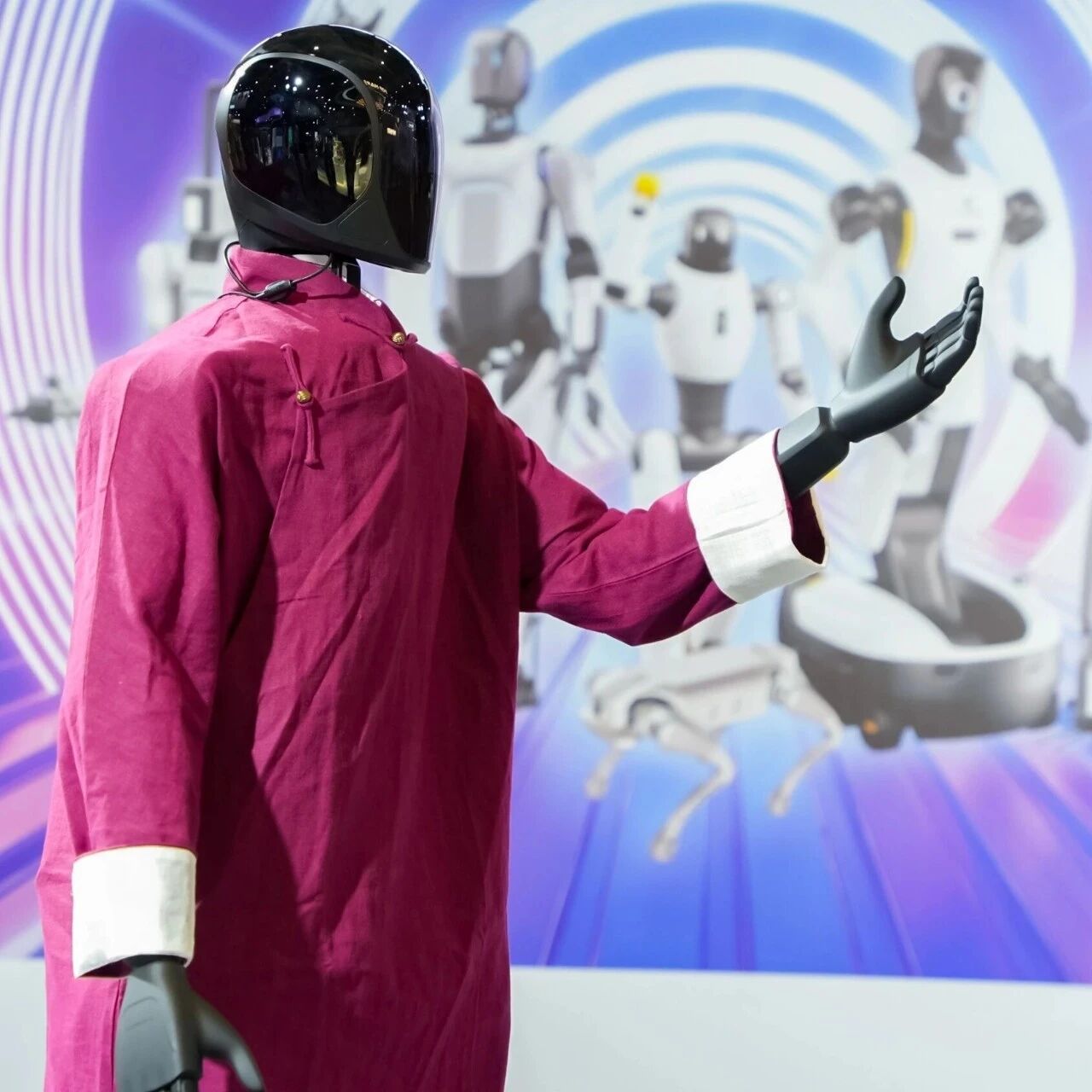
Core Insights - Jinqiu Fund leads Astribot's Series A and continues to invest in Series A+ round, focusing on breakthrough technologies and innovative business models in general artificial intelligence [3] - Astribot's "Little Central Robot Band" debuted at the 8th China International Import Expo, showcasing the integration of technology and culture through performances [3][6] - The robots demonstrated advanced capabilities in high-dynamic and high-load tasks, emphasizing the unique advantages of rope-driven transmission technology [4][6] Investment and Development - Jinqiu Fund, with a 12-year focus on AI investments, seeks long-term opportunities in AI startups with transformative technologies [3] - Astribot aims to become a leading AI robot assistant for billions, leveraging a combination of teaching learning and embodied intelligent models [14][16] Technological Advancements - The robots utilize a unique rope-driven transmission and humanoid design, achieving human-like performance in motion and rhythm [9][10] - The high-precision control and dynamic response of the robots allow for complex musical performances, showcasing their ability to mimic human emotional expression [7][10] Market Applications - The "Little Central Robot Band" has performed at various high-profile events, expanding the boundaries of entertainment and cultural expression [8] - Astribot's robots are being applied in diverse fields, including scientific research, commercial services, entertainment, and industrial applications, accelerating the commercialization of robotics [17] Future Outlook - The company is building a positive feedback loop of optimization, data accumulation, algorithm evolution, and industrial application to enhance the commercialization of embodied intelligence [16] - Astribot's vision includes enabling robots to autonomously master complex skills for various real-world applications, from household tasks to artistic creation [14][16]

人形机器人斩获多笔千台级订单,商业化进程超预期,人工智能AIETF(515070)规模近百亿
Mei Ri Jing Ji Xin Wen· 2025-11-07 02:53
Group 1 - The A-share market opened lower, with the Shanghai Composite Index down 0.34%, Shenzhen Component down 0.54%, and ChiNext down 0.72%. The technology sector experienced significant pullbacks, particularly in components, software development, humanoid robots, storage, and quantum technology [1] - The AI ETF (515070) saw a decline of 2.25% during the trading session, with key holdings such as Yansheng Electronics, Zhongke Shuguang, Chipone Technology, and Zhongji Xuchuang weakening. Over the past five days, the fund has attracted a net inflow of over 600 million yuan, bringing its total size to 9.932 billion yuan as of November 6 [1] - The humanoid robot industry has recently achieved a breakthrough with multiple "thousand-unit orders," indicating a shift from experimental phases to large-scale commercial applications. At least seven companies, including UBTECH, Zhiyuan Robotics, Yushu Technology, Stardust Intelligence, and Songyan Power, have secured significant orders exceeding 100 million yuan or 1,000 units, primarily in industrial manufacturing and logistics [1] Group 2 - According to Zheshang Securities, the humanoid robot industry is transitioning from the formation phase to the expansion phase, with commercial viability expected. Continuous breakthroughs in AGI technology, improved supply chain structures, and growing downstream application demands are anticipated to create significant investment opportunities in the humanoid robot sector by 2025 [1] - The AI ETF (515070) tracks the CS Artificial Intelligence Theme Index (930713), selecting stocks that provide technology, foundational resources, and applications in the AI sector, focusing on the midstream and upstream of the AI industry chain, often referred to as the "brain" creators of robots and the "foundation" of the Internet of Things [2] - The top ten weighted stocks in the AI ETF include leading domestic technology companies such as Zhongji Xuchuang, Xinyisheng, Cambricon Technologies, Zhongke Shuguang, iFlytek, OmniVision Technologies, Hikvision, Lianqi Technology, Kingsoft, and Unisplendour [2]

斩获数亿元意向订单,机器人“热舞”,科技企业进博会寻海外商机
第一财经· 2025-11-06 10:30
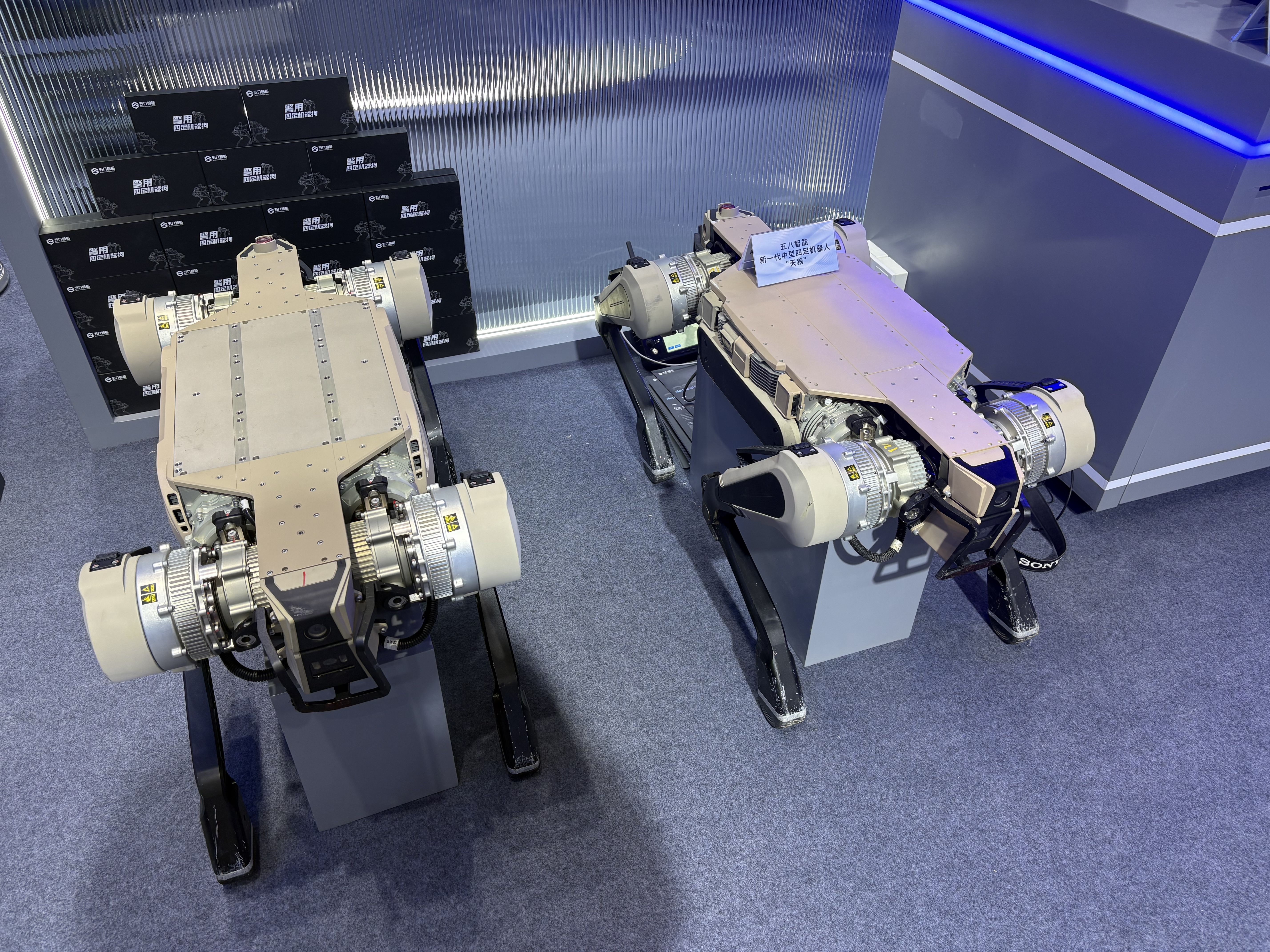
Core Viewpoint - The article highlights the significant business opportunities and technological advancements showcased at the 8th China International Import Expo (CIIE), particularly in the robotics and eVTOL sectors, indicating a strong demand for innovative solutions in various industries [3][4]. Group 1: Robotics Industry - The four-legged robot "Tianlang" from Wuba Intelligent has received around ten order inquiries from government agencies and industry applications during the expo, showcasing a targeted customer base [3]. - Multiple domestic robotics companies demonstrated their products at the expo, with performances from robots like Lingxi X2 and Yuanzheng A2, indicating the growing popularity of humanoid robots in cultural and tourism scenarios [5][8]. - Companies like Zhiyuan Robotics are focusing on building a global distribution system and expect overseas business revenue to exceed 30% by next year, reflecting a strategic push into international markets [11]. Group 2: eVTOL Sector - Yufeng Future's M1 series aircraft secured 200 intention orders from domestic and international clients, amounting to over 2 billion yuan, highlighting the strong market interest in eVTOL technology [4]. - The vice president of a leading eVTOL manufacturer emphasized the importance of low-cost manufacturing and rapid technological iteration, positioning Chinese eVTOLs favorably in the global market [4]. - The expo serves as a critical platform for eVTOL manufacturers to showcase their products to overseas clients, with a focus on expanding their market presence [4][10]. Group 3: Market Trends and Consumer Engagement - OSIM's brand vice president noted that the company typically receives several million yuan in intention orders during the expo, emphasizing the importance of the Chinese market, which accounts for over 60% of its global store count [4]. - The integration of AI technology in consumer products is becoming a key differentiator, enhancing user experience and engagement [4]. - The article illustrates the trend of using robots not just for marketing but also for providing service value, as seen in the interactive capabilities of the Yuanzheng A2 robot [8][10].
斩获数亿元意向订单,机器人“热舞” 科技企业进博会寻海外商机
Di Yi Cai Jing· 2025-11-06 09:42
Core Insights - The China International Import Expo (CIIE) has seen significant participation from technology companies, leading to numerous order inquiries and substantial potential sales [1][2][3] Group 1: Orders and Sales - Five Eight Intelligent's quadruped robot "Tianlang" received around ten order inquiries from government and industry applications during the expo [1] - Yufeng Future's M1 series aircraft garnered 200 intention orders from domestic and international clients, exceeding 2 billion yuan [1] - Shi's Technology secured a planned procurement order for 100 E20 eVTOLs from ICBC Financial Leasing [1] Group 2: Market Trends and Innovations - OSIM's brand vice president noted that the company typically receives several million yuan in intention orders during the expo, emphasizing the importance of the Chinese market, which accounts for over 60% of its global store count [2] - The integration of AI pressure monitoring technology in OSIM's products aims to enhance user experience, highlighting the trend of technological innovation in consumer products [2] - The expo showcased various robots performing popular dances, reflecting the growing application of humanoid robots in cultural and tourism scenarios [2][3] Group 3: Robotics and Global Expansion - The Far-reaching A2 robot can interact with customers and avoid obstacles, showcasing its service value beyond mere marketing [3] - Companies like Zhiyuan Robotics are building a global distribution system and expect overseas business revenue to exceed 30% by next year [4] - Current orders for robots are in the thousands, with shipments to leading overseas universities like MIT, indicating a push for advanced technology development [5]
斩获数亿元意向订单,机器人“热舞”,科技企业进博会寻海外商机
Di Yi Cai Jing· 2025-11-06 09:39
Group 1 - The China International Import Expo (CIIE) serves as a significant platform for technology companies to showcase their products and secure orders from both domestic and international clients [1][5] - Companies like Yufeng Future and Shike Technology have reported substantial interest, with Yufeng Future receiving 200 intent orders for its M1 series aircraft, exceeding 2 billion yuan [5] - The participation of brands such as OSIM highlights the importance of the Chinese market, with over 60% of its global store count located in Greater China [5] Group 2 - Robotics companies are leveraging the CIIE to demonstrate their capabilities, with products like the Lingxi X2 and Yuanzheng A2 being showcased in various applications, including cultural tourism and commercial performances [6][8] - The use of advanced robotics in interactive roles, such as the "smart bank manager" and performance robots, illustrates the growing integration of AI in service sectors [6][8] - Companies are exploring international collaborations, with a focus on utilizing robots for logistics and other applications in overseas markets, where robot prices are approximately 25% higher than in China [12] Group 3 - The global expansion strategy of companies like Zhiyuan Robotics aims for overseas business revenue to exceed 30% by next year, indicating a strong push into international markets [12] - Companies are not only focusing on sales but also on advancing technology through partnerships with leading institutions like MIT, enhancing their research and development capabilities [12]
人形机器人逼近产业化关口,谁在买?
3 6 Ke· 2025-11-05 12:11
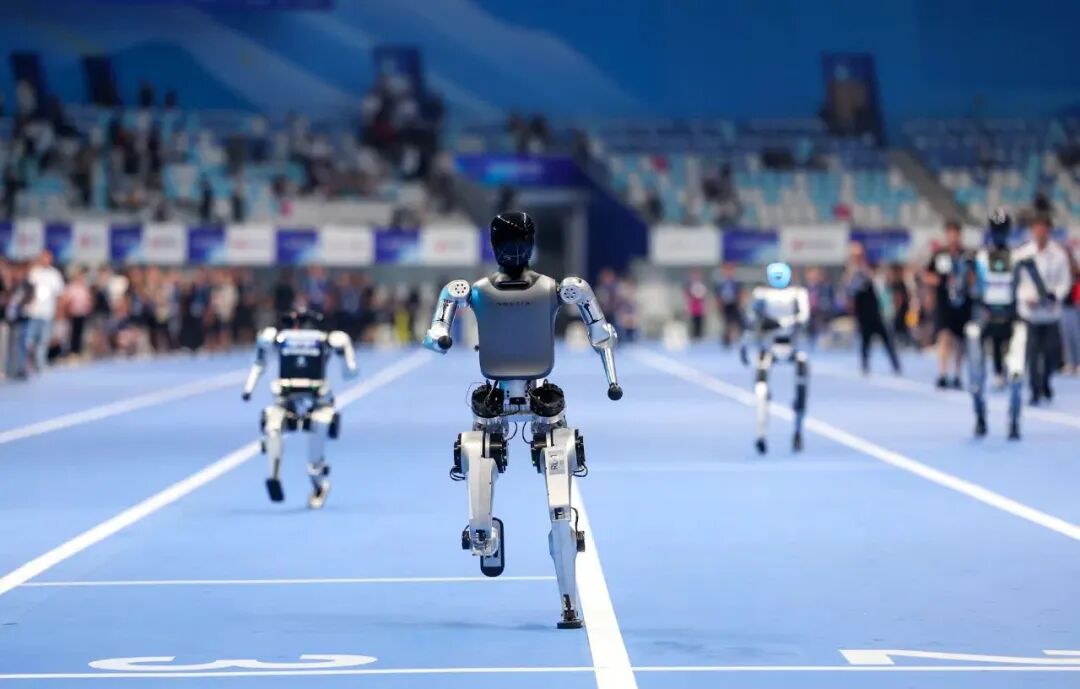
Core Viewpoint - The humanoid robot industry is transitioning from showcasing demos to securing substantial orders, marking a significant step towards industrialization with several companies achieving orders of over a thousand units, indicating a shift in focus towards real-world applications and sales [2][3][4]. Group 1: Market Dynamics - In the past two months, multiple companies have entered the "thousand-unit club," with eight firms reporting significant orders, reflecting a growing demand in the humanoid robot sector [2][3]. - The price range for humanoid robots varies, with educational and performance models priced between 20,000 to 100,000 yuan, while industrial models start at 200,000 yuan, suggesting that large orders often correspond to contracts worth hundreds of millions [3][4]. - The recent surge in orders is attributed to increased public awareness following high-profile appearances and the emergence of actual demand in sectors like manufacturing and education [3][4]. Group 2: Industrialization and Challenges - The shift to thousand-unit orders signifies a pivotal moment for the humanoid robot industry, moving from experimental models to real-world deployment, akin to the early days of electric vehicles [4][5]. - Key questions arise regarding the buyers and their intended applications, as the industry transitions from a focus on demos to a competitive landscape centered on delivery capabilities [5][6]. - Major clients in manufacturing and education are driving demand, with manufacturing firms facing challenges such as labor shortages and rising costs, making humanoid robots a viable solution for automation [6][7]. Group 3: Product Development and Feedback - Manufacturers are increasingly acting as "invisible product managers," providing feedback that drives product iterations and adaptations to meet diverse operational needs [10][12]. - Companies like Star Dust Intelligent are adjusting their product offerings based on client feedback, leading to modular solutions that enhance flexibility and adaptability in various industrial scenarios [10][12]. Group 4: Sales and Market Strategy - The sales landscape is evolving, with companies focusing on building robust sales teams and distribution networks to effectively market humanoid robots across different sectors [24][25]. - Competitive pricing strategies are emerging, with companies like Songyan Power introducing models priced below 10,000 yuan to explore new market segments and drive adoption [25][26]. - The industry is witnessing a shift towards a more sustainable business model, emphasizing delivery capabilities and customer satisfaction over merely securing large orders [18][21]. Group 5: Future Outlook - The humanoid robot industry is expected to accelerate in 2026, driven by ongoing projects and increased focus on delivery and customer engagement [27][28]. - Companies are also looking to expand their international presence, with expectations of significant revenue contributions from overseas markets in the near future [27].
经观头条|人形机器人站在产业化门口
Jing Ji Guan Cha Wang· 2025-11-05 11:38
Core Insights - The humanoid robot industry is transitioning from showcasing demos to focusing on actual orders, with several companies entering the "thousand-unit club" in recent months [3][4] - The surge in orders is attributed to increased public awareness and real demand in sectors like manufacturing and education, creating viable deployment scenarios [4][5] - The shift to "thousand-unit orders" marks a significant milestone in the industrialization of humanoid robots, indicating their movement from experimental models to real-world applications [5][6] Industry Demand - Major clients for humanoid robots are primarily from the manufacturing and education sectors, with manufacturing showing a more rigid demand due to labor shortages and rising costs [7][8] - The flexibility of humanoid robots allows for easier adaptation to changing production needs compared to traditional automation solutions [7][8] - Educational institutions are adopting humanoid robots through small pilot programs, focusing on their integration into teaching and learning environments [14][15] Sales and Delivery Challenges - The industry is experiencing a shift from securing orders to ensuring successful delivery, with companies facing challenges in product design and supply chain management [18][19] - Companies are increasingly focusing on building robust sales teams and distribution channels to effectively market humanoid robots [23][24] - Pricing strategies are evolving, with some companies introducing lower-priced models to stimulate demand and explore new market segments [24][25] Future Outlook - The humanoid robot industry is expected to accelerate in 2026, driven by ongoing projects and increased attention from potential investors [25][27] - Companies are also looking to expand their presence in international markets, with expectations of significant revenue contributions from overseas operations [25][27]
人形机器人逼近产业化关口,谁在买?
经济观察报· 2025-11-05 10:49
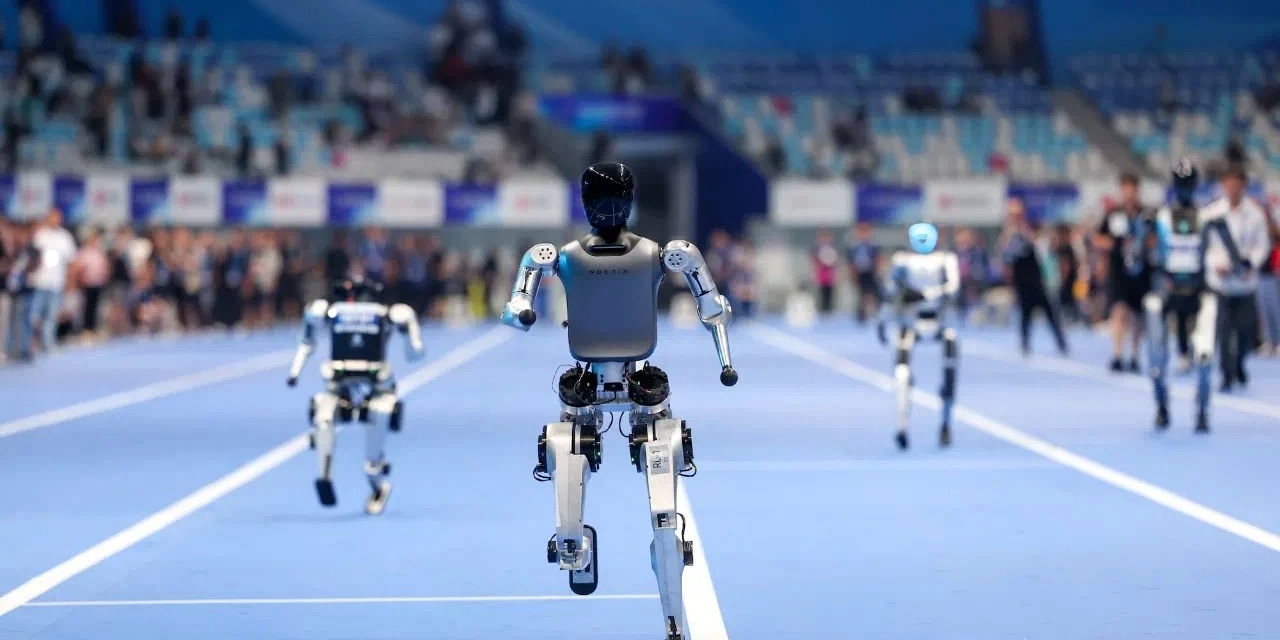
Core Insights - The humanoid robot industry is transitioning from showcasing demos to securing substantial orders, marking a significant step towards commercialization [3][4] - Recent months have seen multiple companies entering the "thousand-unit club," indicating a shift towards real sales and contracts worth billions [3][4] - The demand for humanoid robots is primarily driven by the manufacturing and education sectors, with specific needs emerging that robots can fulfill [6][11] Group 1: Market Dynamics - The recent surge in orders is attributed to increased public awareness and the emergence of practical applications in various industries [4][6] - Humanoid robots are no longer just prototypes; they are beginning to be deployed in real-world scenarios, similar to the early days of electric vehicles [4][6] - The industry is witnessing a shift from "demo-driven" sales to "delivery-driven" sales, altering the commercial logic of humanoid robots [4][27] Group 2: Customer Segments - Manufacturing clients are the largest orderers, driven by challenges such as labor shortages and rising costs, making robots a viable solution for repetitive tasks [6][10] - The education sector is adopting humanoid robots through small pilot programs, focusing on their adaptability for teaching and engagement [11][13] - Some orders are being placed by companies for promotional purposes, indicating a diverse range of applications for humanoid robots [13] Group 3: Delivery and Production Challenges - Successful delivery is becoming a critical measure of success, with companies needing to demonstrate their ability to fulfill orders [15][16] - Companies are facing challenges in production and supply chain management as order volumes increase, necessitating robust operational strategies [15][16] - The focus is shifting from merely securing orders to ensuring a complete delivery cycle, including customer engagement and cash flow management [16][17] Group 4: Pricing Strategies and Competition - Companies are exploring aggressive pricing strategies to capture new market segments, with some introducing robots at significantly lower price points [25][26] - The competition is intensifying, with firms investing in sales teams and channel development to effectively market humanoid robots [22][24] - Differentiation in product offerings is becoming essential, with companies developing various models to cater to different market needs [26] Group 5: Future Outlook - The humanoid robot industry is expected to accelerate in 2026, driven by ongoing projects and increased market attention [26][27] - Companies are also focusing on international markets, with plans to expand their distribution networks globally [26]

锦秋基金创始合伙人杨洁:应用、芯片、机器人的历史性机遇、跨越战场共同法则以及对2026的三个预判
锦秋集· 2025-11-05 07:04
Core Insights - The event "Experience with AI" hosted by Jinqiu Fund emphasizes the current opportunities in AI entrepreneurship and investment, highlighting that the AI revolution is already underway rather than forthcoming [4][10]. Group 1: AI Applications - The AI application layer is crucial, with models becoming commodities while understanding user needs becomes the competitive edge [18][21]. - The revenue and valuation of AI applications are expected to surge in the next two years, with successful entrepreneurs quickly gaining trust in specific verticals [21][24]. - AI applications are achieving $100 million ARR at an accelerated pace compared to traditional SaaS companies, indicating a rapid growth trajectory [24]. Group 2: Chip/Computing Power - The chip sector presents significant opportunities, particularly in inference chips and the development of a self-sufficient domestic supply chain in China [30][32]. - Companies like Dongfang Suanxin are innovating with domestic 3D stacking technology to compete with leading products like Nvidia's H100 [30]. - The demand for chips is expected to grow, with projections indicating a substantial increase in market size by 2030 [32]. Group 3: Robotics - The robotics industry is experiencing a transformative moment akin to the ChatGPT era, with significant capital influx and decreasing costs [35][36]. - The market for robotics is projected to reach $150 billion by 2025, with a fivefold increase in financing compared to 2023 [35]. - Each operational scenario accumulated today will contribute to the future operating systems in robotics [36]. Group 4: Common Principles Across Sectors - Three universal principles for success in applications, chips, and robotics include identifying asymmetric advantages, timing market opportunities, and effectively leveraging data to drive business metrics [37][40]. - Companies must focus on specific product definitions, innovative paths in chip development, and deep engagement with operational scenarios in robotics [37]. Group 5: Future Predictions - The competition in large models will remain intense, with differentiation shifting towards product experience and brand trust rather than model capabilities [54]. - The transition from personal assistant applications to an Agent Economy is anticipated, introducing new economic systems based on self-learning and memory capabilities [55][56]. - AI demand is expected to be underestimated, with significant increases in capital expenditures projected for technology giants [61].