
平安银行

Search documents
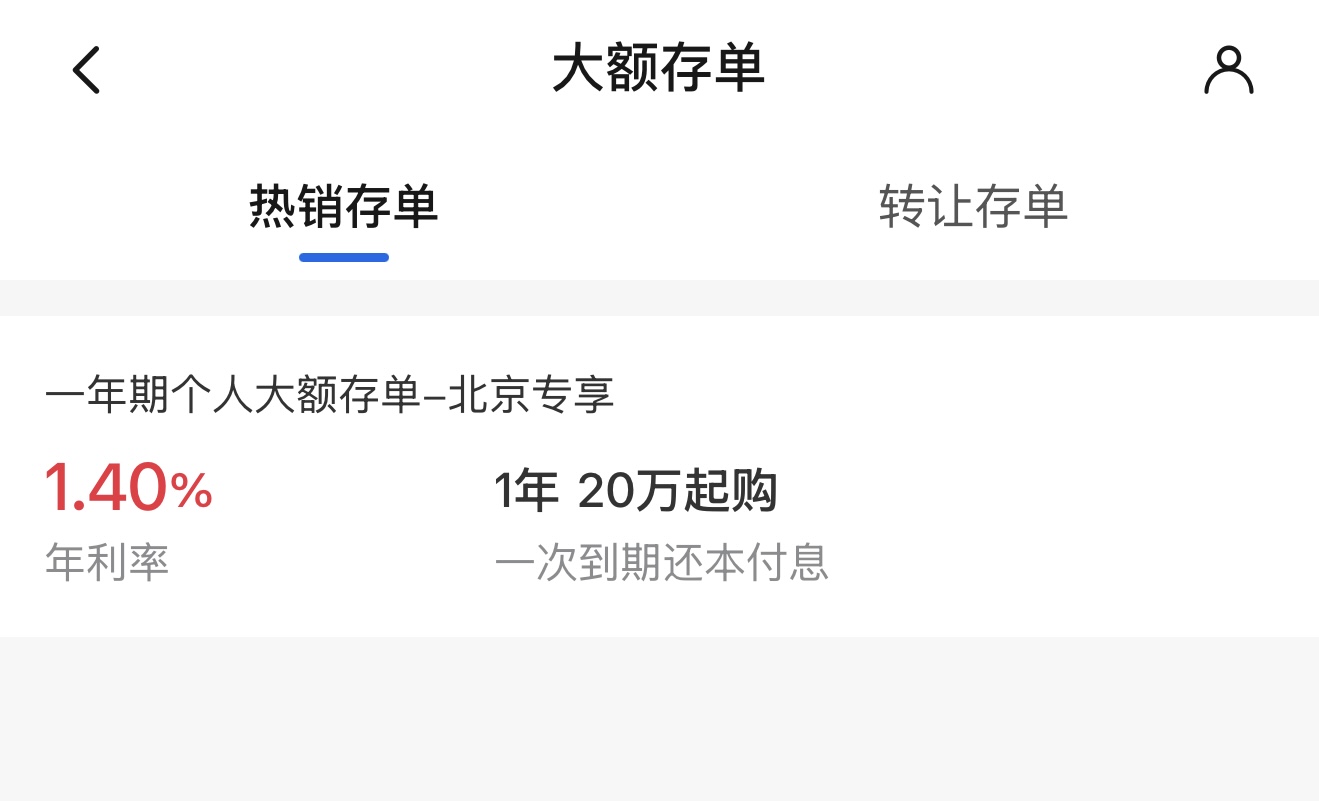
六大行集体下架五年期大额存单 低利率时代储户寻路多元配置
2 1 Shi Ji Jing Ji Bao Dao· 2025-12-03 13:31
Core Viewpoint - The recent collective removal of 5-year large denomination certificates of deposit (CDs) by major Chinese banks indicates a shift in banks' strategies towards more cautious interest margin management and a potential reduction in the supply of long-term fixed-rate deposits [1][11]. Group 1: Market Changes - Major state-owned banks have collectively removed 5-year large denomination CDs from their mobile banking platforms, with current offerings limited to terms of 3 years or less, and interest rates ranging from 1.20% to 1.55% [1][2]. - The trend of discontinuing 5-year large denomination CDs is not new, as some institutions had already begun this practice last year [1]. - The interest rates for 3-year large denomination CDs are approximately 1.55%, with minimum purchase amounts typically set at 200,000 yuan [2]. Group 2: Historical Context - The development of large denomination CDs spans nearly 40 years, with their initial issuance by the Bank of Communications in 1986, followed by a long hiatus until their reintroduction in 2015 [5][6]. - The popularity of large denomination CDs surged around 2018 due to changes in the banking landscape, including the relaxation of interest rate caps and increased demand for fixed-term deposits [6]. Group 3: Financial Implications - The discontinuation of long-term high-interest deposits is primarily driven by banks' need to manage net interest margins more effectively, as the current environment of low loan rates and high deposit costs creates pressure on profitability [11]. - As of the end of Q3, the net interest margin for commercial banks was reported at 1.42%, indicating a challenging environment for maintaining high-interest deposit products [11]. Group 4: Customer Behavior - The removal of 5-year large denomination CDs has prompted customers to reconsider their investment strategies, shifting from a focus on high-interest deposits to a more diversified asset allocation approach [12][15]. - A survey indicated that 18.5% of residents are inclined to invest more, with non-principal guaranteed bank wealth management products becoming increasingly popular [14].







六大行集体下架五年期大额存单,低利率时代储户寻路多元配置
2 1 Shi Ji Jing Ji Bao Dao· 2025-12-03 13:03
Core Viewpoint - The recent collective removal of five-year large denomination certificates of deposit (CDs) by major Chinese banks indicates a shift in banks' strategies towards more cautious interest margin management and a potential reduction in the supply of long-term fixed-rate deposits [2][7]. Group 1: Market Changes - Major state-owned banks have collectively removed five-year large denomination CDs from their mobile banking platforms, with current offerings limited to terms of three years or less, and interest rates ranging from 1.20% to 1.55% [1][3]. - This year's trend deviates from the traditional year-end practice of increasing the supply of high-interest deposit products, raising market concerns [2][3]. - The interest rates for three-year large denomination CDs are approximately 1.55%, with minimum purchase amounts typically set at 200,000 yuan [3]. Group 2: Historical Context - The five-year large denomination CD has been a significant product in the banking sector for nearly 40 years, initially gaining traction in 1986 but facing a long hiatus until its reintroduction in 2015 [4][5]. - The product saw a surge in popularity starting in 2018, with interest rates exceeding 3% and even reaching 4% in some smaller banks, making it attractive to conservative investors [5][6]. Group 3: Current Trends and Implications - The decline in the attractiveness of five-year large denomination CDs is attributed to narrowing net interest margins, with many banks controlling the issuance of long-term CDs and reducing interest rates [6][7]. - As of the third quarter, the net interest margin for commercial banks was reported at 1.42%, indicating ongoing pressure on banks' profitability due to high deposit costs amidst declining loan rates [7]. - The shift towards a "differentiated supply" model suggests that only a few banks with strong liability demands may continue to offer long-term deposits, while others will focus on shorter-term products [2][7]. Group 4: Investor Behavior - The changes in the availability and attractiveness of large denomination CDs are prompting investors to diversify their asset allocation strategies, moving away from a focus solely on high-interest deposits [9][10]. - A survey indicated that 18.5% of residents are inclined to invest more, with non-principal guaranteed bank wealth management products becoming increasingly popular [9]. - Investors are now considering a mix of investment options, including stable wealth management products and money market funds, reflecting a shift in financial strategies in response to the changing market landscape [10][11].
六大行集体下架5年期大额存单,部分3年期产品已售罄
21世纪经济报道· 2025-12-03 12:24
Core Viewpoint - The recent collective removal of 5-year large denomination time deposits by major banks indicates a strategic shift in banks' approach to interest margin management and a potential reduction in the supply of long-term fixed-rate deposits [1][15]. Group 1: Market Changes - Major state-owned banks have collectively removed 5-year large denomination time deposits from their mobile banking platforms, with current offerings limited to terms of 3 years or less, and interest rates ranging from 1.20% to 1.55% [1][3]. - Some banks have labeled their 3-year large denomination time deposits as "available," but many are already sold out, reflecting a significant departure from the traditional year-end deposit attraction strategies [1][13]. Group 2: Historical Context - The development of 5-year large denomination time deposits spans nearly 40 years, with their initial introduction in 1986 and a significant revival in 2015 after a long hiatus [6][7]. - The peak popularity of these deposits occurred around 2022, where they were highly sought after, often selling out quickly and leading to phenomena like "setting alarms to purchase" [7][9]. Group 3: Financial Implications - The decline in the attractiveness of 5-year large denomination time deposits is attributed to the narrowing net interest margins faced by banks, which have led to a reduction in the issuance of long-term deposits [8][15]. - As of the third quarter, the net interest margin for commercial banks was reported at 1.42%, indicating ongoing pressure on banks' profitability due to high deposit costs amidst declining loan rates [15]. Group 4: Strategic Adjustments - Banks are expected to adopt a differentiated supply model for long-term deposits, with only a few banks with strong liability demands likely to continue offering such products [1][15]. - The minimum investment thresholds for large denomination time deposits have changed, with current offerings showing minimal interest rate differences across various investment amounts, indicating a shift in product positioning [16]. Group 5: Investor Behavior - In response to the changing landscape, investors are shifting from a focus on high-interest deposits to a more diversified asset allocation strategy, with a notable increase in interest in non-principal guaranteed financial products [19][20]. - A significant portion of the population is now inclined to explore various investment options, reflecting a broader change in financial attitudes and strategies among retail investors [19].

五载共奋斗 感恩同路人——平安银行鞍山分行开业五周年纪实
Zhong Guo Jin Rong Xin Xi Wang· 2025-12-03 09:39
Core Viewpoint - Ping An Bank's Anshan Branch celebrates its fifth anniversary, emphasizing its commitment to local service and community engagement to drive regional economic development [1] Group 1: Financial Services and Community Engagement - The bank has focused on optimizing service processes and innovating financial products to enhance community connections [1] - Ping An Bank Anshan Branch aims to provide tailored financial services for the elderly, addressing their specific needs and risk tolerance [3] - The bank has implemented measures in consumer credit, such as lowering financing costs and increasing loan limits, to stimulate consumption and serve the public [3] Group 2: Business Growth and Market Strategy - Over the past five years, the bank has centered its operations on deposit and loan services, achieving steady growth in savings deposits [5] - The bank has prioritized lending to small and micro enterprises and the agricultural sector, addressing financing challenges faced by local businesses and farmers [5] - Ping An Bank Anshan Branch plans to continue its focus on local market development and innovation in products and services to support economic prosperity and rural revitalization strategies [5]

信用卡失速 三年间亿张离场
Jing Ji Guan Cha Wang· 2025-12-03 09:26
Core Insights - The credit card market in China is undergoing a significant contraction, with a reduction of 100 million cards from a peak of 807 million in June 2022 to 707 million by the end of Q3 2025, marking 12 consecutive quarters of decline [2] - This trend indicates rising precautionary savings among residents and weakened consumer demand, alongside banks' proactive measures to reduce ineffective card issuance under stringent regulations and asset quality pressures [2] - The average non-performing loan (NPL) rate for credit cards reached 2.40% by mid-2025, up from 2.33% at the end of 2024, highlighting increasing asset quality challenges [8] Credit Card Market Dynamics - As of mid-2025, the total credit card loan balance for state-owned and joint-stock banks was 7.5 trillion yuan, a decrease of nearly 600 billion yuan from the end of 2024, with a year-on-year decline in credit card consumption of 8% to 9.8 trillion yuan [5] - Some banks are actively reducing their card inventories, with Postal Savings Bank reducing its card count from 40 million to 38 million, while others like China Merchants Bank and CITIC Bank are increasing their card issuance through targeted marketing [5] - The industry is shifting from a volume-driven approach to a quality-driven strategy, as indicated by Deloitte's analysis [5] Asset Quality and Risk Management - The pressure on asset quality is intensifying, with major banks like ICBC, Industrial Bank, and Bank of Communications reporting high NPL rates of 3.75%, 3.28%, and 2.97% respectively [8] - Banks are accelerating the disposal of on-balance-sheet risks, with significant credit card NPL transfer projects being initiated, including a package from Minsheng Bank valued at approximately 5.14 billion yuan [11] - The market's capacity to absorb these assets is limited, as evidenced by a recent project that sold for only 9.3 million yuan against an original debt of 1.03 billion yuan, indicating a substantial discount [11] Future Outlook and Industry Transformation - The current wave of credit card NPL disposals reflects both cyclical consumer credit risks and a necessary correction in the banking sector's previous growth model [13] - This transformation is expected to lead to a healthier and more sustainable ecosystem, with banks focusing on prudent management and differentiated competition, while asset management firms enhance their professional capabilities [13] - The future competitiveness of credit card businesses will hinge on the ability to serve valuable customers and efficiently manage risks and bad debts, aligning more closely with the essence of finance [13]

解码货币经纪新价值 陆家嘴金融沙龙第39期即将开启
Di Yi Cai Jing· 2025-12-03 08:29
袁志刚,上海宏观经济学会副会长、复旦大学就业与社会保障研究中心主任、华东师范大学经济与管理 学部学术委员会主任,法国巴黎高等社会科学研究学校经济学博士,教育部长江学者特聘教授,国家教 学名师,博士生导师,享受国务院政府特殊津贴。 曹啸,上海财经大学讲席教授、博士生导师、金融学院副院长,量化金融研究中心主任,曾主持完成国 家社科重点以及财政部、发改委、中国人民银行、上海市等委托的课题研究,研究成果多次获得国家主 要领导和省部级领导的批示。 本期沙龙的主嘉宾薛宏立,浦发银行金融市场总监、总行首席经济学家、浦发研究院执行院长,经济学 博士,正高级经济师,在金融行业从业超20年,深入研究市场交易、债券投资、量化交易、衍生品对冲 套保、产业基金与PPP、流动性风险管理、市场风险管理、ALM、FTP等领域,获2019年上海市领军人 才等荣誉,并入选2023年东方英才计划领军项目。 本期沙龙圆桌对话的主持人由浦发银行金融市场部总经理彭松担任。他于2003年加入浦发银行,历任浦 发银行总行金融市场部总经理助理、副总经理,浦发银行伦敦分行筹备组副组长、副行长、行长,深耕 金融市场领域超20年,是极具国际视野的金融市场业务专家。 ...

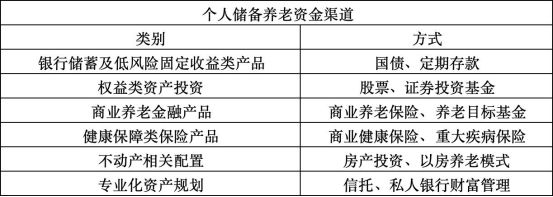
长寿时代遇上低利率,个人养老规划该如何做?
Mei Ri Jing Ji Xin Wen· 2025-12-03 07:59
Core Insights - The personal pension business is gaining momentum as individuals seek to take advantage of tax benefits before the end of the year, highlighting a growing awareness of the need for retirement planning [1][2] - The aging population in China is increasing, with the elderly population expected to rise from 145 million in 2015 to 220 million by 2024, leading to heightened concerns about retirement planning among younger generations [1][3] - The current low-interest-rate environment is putting pressure on the returns of pension financial products, making it more challenging for individuals to grow their retirement savings [2][4] Summary by Sections Personal Pension System - The personal pension system has been in trial since 2022, with various financial institutions offering products like pension savings, target pension funds, and commercial pension insurance [1] - The annual contribution limit of 12,000 yuan is increasingly seen as insufficient, indicating a shift towards proactive retirement planning among residents [1] Aging Population and Retirement Concerns - By 2023, the average life expectancy in China reached 78.6 years, and the elderly dependency ratio is projected to rise from 14.3% in 2015 to 22.8% in 2024, intensifying retirement anxiety among the younger population [1][3] - The report indicates that health issues and significant medical expenses are the primary concerns for residents regarding retirement, alongside the need for care as self-sufficiency declines [3][4] Financial Challenges and Product Offerings - The pension system in China is characterized by an imbalance, with the first pillar being dominant while the second and third pillars remain weak, leading to a low average pension replacement rate of about 45% [4][5] - The current low-interest-rate environment has led to a decline in the attractiveness of fixed-income products, pushing the market towards floating-return products [13][14] Product Development and Market Trends - The number of personal pension insurance products has significantly increased, with 140 products currently available, primarily in the form of annuity insurance [11][12] - The market is seeing a shift towards products that offer both guaranteed and floating returns, with 57.1% of available products falling into this category [13] Institutional Responses and Innovations - Financial institutions are increasingly focusing on comprehensive solutions to address the diverse needs of retirees, integrating financial products with services to create a holistic retirement ecosystem [16][18] - The introduction of long-term care insurance is seen as a critical step in addressing the care needs of the aging population, which is expected to grow significantly [16][17] Future Outlook - As the market evolves, there is a need for standardized assessment systems to improve service quality and ensure that consumers can make informed choices regarding their retirement planning [19][20]
多地银行“开门红”营销提前开打,息差压力下揽储需求有所减弱
Feng Huang Wang· 2025-12-03 06:25
Core Insights - The banking sector is experiencing a significant transformation from traditional deposit and loan services to comprehensive financial services, with the "New Year Opening" marketing campaign reflecting this shift in search of new growth points in a changing market environment [1][3] Group 1: Early Marketing Initiatives - Many banks have started their "New Year Opening" marketing campaigns earlier than usual, with some initiating efforts as early as late November to secure quality clients and boost middle-income business [2][3] - Banks are conducting internal meetings to set sales targets for asset management products, indicating a proactive approach to marketing [2][3] Group 2: Pressure on Net Interest Margin - As of the end of Q3, the banking industry's net interest margin has dropped to 1.42%, remaining at a historical low, prompting banks to adjust their product offerings to manage interest margins more effectively [3][4] - Some banks have begun to withdraw long-term deposit products to strengthen interest margin control, with expectations of further declines in deposit rates [3] Group 3: Shift in Marketing Focus - There is a noticeable reduction in the demand for deposit acquisition among some banks, leading them to focus more on wealth management services [4][5] - Marketing strategies have evolved from traditional giveaways to more pragmatic approaches, such as fee discounts and cash rebates, to attract clients [4][5] Group 4: Wealth Management as a Priority - Wealth management has become a key focus for many banks, with initiatives like the "Wealth Growth Plan" being introduced to incentivize client participation [5] - The emphasis on wealth management reflects the increasing importance of retaining and growing client assets in the context of declining interest rates and net interest margins [5]
多行业联合红利资产11月报:从红利年化10%看收益来源-20251203
Huachuang Securities· 2025-12-03 05:42
策略研究 证 券 研 究 报 告 【策略月报】 从红利年化 10%看收益来源 ——多行业联合红利资产 11 月报 策略月报 2025 年 12 月 03 日 华创证券研究所 证券分析师:姚佩 邮箱:yaopei@hcyjs.com 执业编号:S0360522120004 证券分析师:吴一凡 邮箱:wuyifan@hcyjs.com 执业编号:S0360516090002 证券分析师:徐康 电话:021-20572556 邮箱:xukang@hcyjs.com 执业编号:S0360518060005 证券分析师:杨晖 证券分析师:马野 邮箱:maye@hcyjs.com 执业编号:S0360523040003 相关研究报告 邮箱:yanghui@hcyjs.com 执业编号:S0360522050001 证券分析师:欧阳予 邮箱:ouyangyu@hcyjs.com 执业编号:S0360520070001 证券分析师:韩星雨 邮箱:hanxingyu@hcyjs.com 执业编号:S0360525050001 证券分析师:单戈 邮箱:shange@hcyjs.com 执业编号:S0360522110001 证券 ...
银华基金管理股份有限公司 关于终止北京微动利基金销售有限 公司办理旗下基金相关业务公告
Zhong Guo Zheng Quan Bao - Zhong Zheng Wang· 2025-12-03 03:17
投资者可以通过以下途径咨询有关详情: 为维护投资者利益,经与北京微动利基金销售有限公司(以下简称"微动利")协商一致,银华基金管理 股份有限公司(以下简称"本公司")自2025年12月3日起终止微动利办理本公司旗下基金相关销售业 务。 风险提示:本公司承诺依照诚实信用、勤勉尽责的原则管理和运用基金资产,但不保证基金一定盈利, 也不保证最低收益。投资有风险,决策需谨慎,投资者投资于本公司旗下基金前应认真阅读各基金的基 金合同和招募说明书等相关法律文件。 银华基金管理股份有限公司 银华基金管理股份有限公司 2025年12月3日 银华多利宝货币市场基金B类基金 份额恢复部分代销机构的机构投资者大额申购(含定期定额投资及转换 转入)业务的公告 公告送出日期:2025年12月3日 1 公告基本信息 ■ 客户服务电话:400-678-3333 网址:www.yhfund.com.cn 特此公告。 网址:www.yhfund.com.cn 注:1、银华基金管理股份有限公司决定2025年12月4日起(含2025年12月4日)恢复兴业银行股份有限 公司、中国邮政储蓄银行股份有限公司、中信银行股份有限公司、平安银行股份有限公司、 ...