蔚来

Search documents
珠海冠宇:公司动态研究报告:钢壳电池渗透率提升,低压电池加速导入-20260127
Huaxin Securities· 2026-01-27 10:24
Investment Rating - The report maintains a "Buy" investment rating for Zhuhai Guanyu (688772.SH) [1] Core Insights - The company is experiencing significant growth in its 3C battery business, with a successful expansion into steel shell batteries, which enhances energy density and space utilization [3][4] - The introduction of low-voltage lithium batteries is progressing smoothly, with substantial orders from leading electric vehicle manufacturers, indicating a strong market position [4] - The company's third-quarter performance is impressive, with a revenue of 4.22 billion yuan, a year-on-year increase of 33.2%, and a net profit of 270 million yuan, reflecting a 62.5% year-on-year growth [5] Summary by Sections Market Performance - The stock has shown a significant performance trend compared to the CSI 300 index, indicating a positive market reception [2] Business Growth - The 3C battery segment is benefiting from national subsidy policies, leading to increased shipments and collaborations with major clients like Apple, Xiaomi, and Huawei [3] - The company has invested 2 billion yuan to expand its steel shell battery production line, expected to be completed by Q3 2026, which will likely drive future sales growth [3] Financial Performance - For the first three quarters of 2025, the company reported a total revenue of 10.32 billion yuan, a 21.2% increase year-on-year, and a net profit of 387 million yuan, up 44.4% year-on-year [5] - The forecast for revenue from 2025 to 2027 is projected to grow from 14.37 billion yuan to 22.73 billion yuan, with corresponding EPS increasing from 0.55 yuan to 1.76 yuan [6][9]

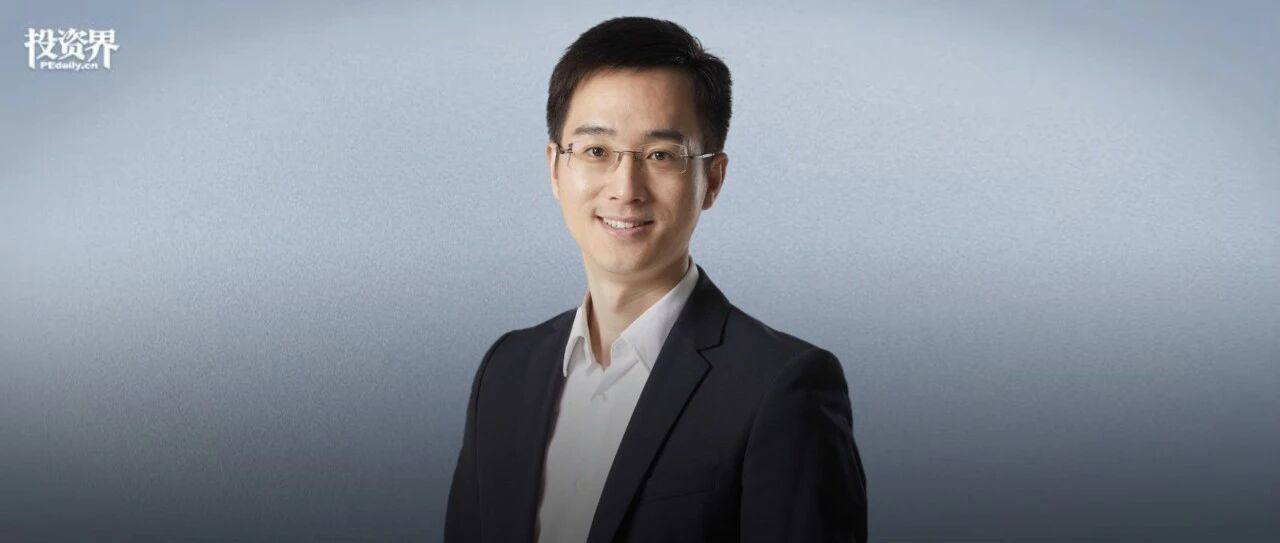
蔚来小米,投了一位海归博士
投资界· 2026-01-27 08:05
投资人开抢这条智驾赛道。 作者/周佳丽 报道/投资界PEdaily 2 0 2 2年末一天,上海虹桥一家酒店内,蔚来汽车创始人李斌做了一个关键的投资决策。 与李斌相对而坐的,正是赛恩领动创始人、8 0后海归博士李旭阳,刚刚投身4D成像雷达创业一年。这场对话持续至深夜,气氛并不 紧张,更像是两位技术信仰者之间的对话。会谈尾声,李斌当场拍板"要投"。 一个中国智能驾驶的进阶叙事拉开序幕。 一场拯救雷达的「时代革命」 技术理想的种子早已埋下。 李旭阳,浙江人,高中就读于有着"江南名校"之称的东阳中学,中国物理学奠基人严济慈、中国科学院院士潘建伟、知名企业家郭广 昌等杰出人物都来自这里。考入同济大学后,李旭阳进入电子信息工程学院,在大二开始学习德语。 几乎在同一时期,小米产投也循迹而来,对这家初露锋芒的初创公司表现出强烈兴趣。两家产业资本都抛来橄榄枝,如此便促成了赛 恩领动数亿元的A轮融资——蔚来资本与小米产投,双双占据领投位置。 当智能驾驶浪潮席卷而至,创投圈开始打听这位年轻创始人。李旭阳本科毕业于同济大学,之后赴德国历史最悠久的理工学府之一— 卡尔斯鲁厄理工学院(KIT)深造,专攻电磁场与电磁波。博士毕业后,他加 ...



珠海冠宇(688772):公司动态研究报告:钢壳电池渗透率提升,低压电池加速导入
Huaxin Securities· 2026-01-27 07:34
Investment Rating - The report maintains a "Buy" investment rating for Zhuhai Guanyu (688772.SH) [2][6] Core Insights - The company is experiencing significant growth in its 3C battery business, with a strong partnership with major clients like Apple, Xiaomi, and Huawei, and has begun mass production of steel-shell batteries, which are expected to increase shipment volumes in 2026 [3][5] - The introduction of low-voltage lithium batteries is progressing smoothly, with over 700,000 units shipped in the first half of 2025, and the development of sodium-ion batteries for low-temperature scenarios is enhancing the company's competitive edge [4] - The company's Q3 2025 performance showed impressive results, with revenue reaching 4.22 billion yuan, a year-on-year increase of 33.2%, and a net profit of 270 million yuan, up 62.5% year-on-year [5] Financial Projections - Revenue forecasts for 2025, 2026, and 2027 are 143.7 billion yuan, 183.7 billion yuan, and 227.3 billion yuan respectively, with corresponding EPS of 0.55 yuan, 1.31 yuan, and 1.76 yuan, indicating a strong growth trajectory [6][10]
问道“出路”:第十届中国汽车动力技术大会的产业思考
Zhong Guo Qi Che Bao Wang· 2026-01-27 07:11
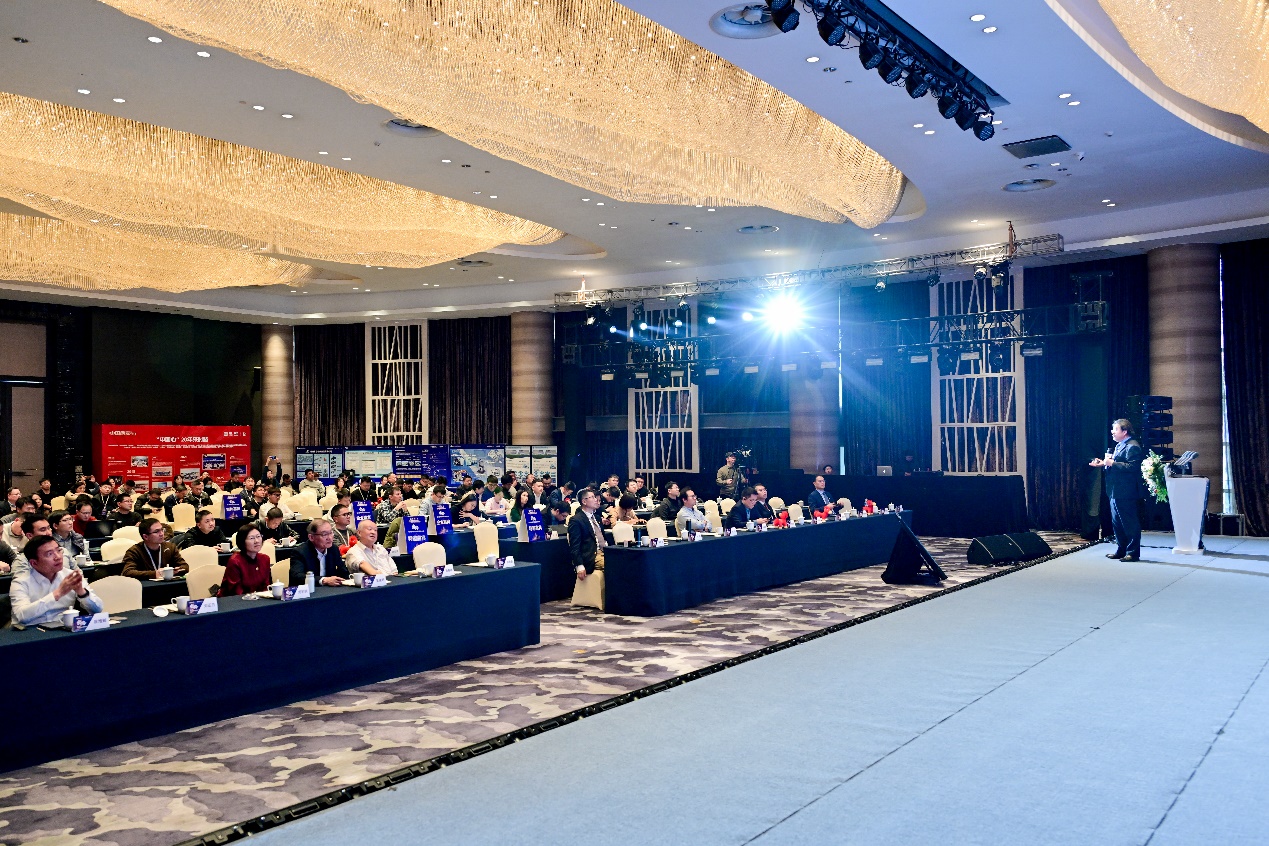
Core Insights - In 2025, China's automotive market achieved production and sales of 34.53 million and 34.40 million vehicles, marking a year-on-year increase of 10.4% and 9.4% respectively, maintaining its position as the world's largest market for 17 consecutive years [1] - However, concerns about slowing growth momentum have emerged, with predictions for 2026 indicating a production and sales scale of 34.75 million vehicles, representing only a 1% year-on-year increase, and a mere 0.5% growth in passenger vehicles [1] - The new energy vehicle segment is expected to reach 19 million units sold, with a 15.2% year-on-year growth, but this is a significant slowdown compared to the previous year's growth rates of 29% and 28.2% [1] - The industry faces critical questions regarding technological focus and competition strategies, as it stands at a crossroads between breakthrough growth and a shift to slower growth [1] Industry Developments - The 10th China Automotive Power Technology Conference was held in Wuxi, focusing on market changes and technological evolution, with participation from major automotive companies and research institutions [3] - The automotive power technology has transitioned from a focus on economic efficiency to performance evolution and demand adaptation, driven by the need for differentiated innovation [4] - Various companies are exploring unique technological paths based on user scenarios, such as Chery's Kunpeng CDM-O super hybrid system designed for luxury off-road scenarios, showcasing high power and low fuel consumption [6] - Great Wall Motors emphasizes energy-saving scenarios, proposing a mixed power route that balances power performance and energy efficiency [8] - BYD is innovating in the high-end sports car segment with an integrated powertrain solution that addresses common industry challenges [12] - The industry is witnessing a shift towards multi-dimensional power development, with a focus on matching user needs, particularly in the electric and hybrid vehicle markets [14] Technological Innovations - The fifth-generation super range extender system from Seres targets high-end market demands, emphasizing efficiency and quiet operation [16] - NIO is integrating AI technology into its power systems, showcasing advancements in power density and user experience [22] - SAIC-GM-Wuling's Lingxi Power 3.0 technology aims to meet consumer expectations for both economy and performance in family vehicles [24] - The conference highlighted the importance of collaboration between manufacturers and suppliers to build a self-sufficient and low-carbon industry chain [26] - The rise of new energy vehicles is presenting new technical challenges for the parts industry, particularly in fuel stability and compatibility with hybrid systems [28] - The integration of smart manufacturing and software technology is seen as crucial for overcoming technological barriers and achieving self-reliance in key materials [30]
A股三大指数集体低开
第一财经· 2026-01-27 01:50
Core Viewpoint - The article discusses the fluctuations in the commercial aerospace sector and the performance of various stocks in the market, highlighting both gains and losses across different indices and sectors. Group 1: Market Performance - The A-share market opened with all three major indices declining, with the Shanghai Composite Index down by 0.18%, the Shenzhen Component down by 0.23%, and the ChiNext Index down by 0.09% [4] - The Hong Kong stock market saw the Hang Seng Index increase by 0.36%, with notable gains in stocks like Zijin Mining, which opened up by 4.31% [5][6] Group 2: Sector Performance - The commercial aerospace concept saw a rebound, with stocks such as Electric Science and Technology reaching the daily limit, while West Materials also hit the limit [3] - The Beidou navigation sector experienced significant declines, leading the losses among various sectors [4]

滚动更新丨三大指数集体低开,北斗导航板块跌幅居前
Di Yi Cai Jing· 2026-01-27 01:45
Group 1 - The three major stock indices in A-shares opened lower, with the Shanghai Composite Index down 0.18%, the Shenzhen Component Index down 0.23%, and the ChiNext Index down 0.09% [1][2] - The commercial aerospace concept stocks showed a rebound, with notable gains in companies such as Electric Science and Technology's chips hitting the daily limit, and West Materials also reaching the daily limit [1] - The leading sectors included recombinant proteins, EDR concepts, and monoclonal antibody concepts, while the space station concept, spatiotemporal big data, and Beidou navigation sectors faced declines [2] Group 2 - The Hong Kong stock market opened with the Hang Seng Index up 0.36% and the Hang Seng Tech Index up 0.16%, with Zijin Mining opening 4.31% higher [3][4] - The People's Bank of China conducted a 7-day reverse repurchase operation of 402 billion yuan, with a bidding amount of 402 billion yuan and a winning amount of 402 billion yuan, at an operation rate of 1.40% [4] - The central parity rate of the RMB against the US dollar was reported at 6.9858, depreciating by 15 basis points from the previous trading day's rate of 6.9843 [4]

期指:震荡格局,关注地缘等驱动
Guo Tai Jun An Qi Huo· 2026-01-27 01:42
融 期 货 【期指期现数据跟踪】 期指数据 | | 收盘价 | 涨跌幅% | 基差 | 成交额-亿 | 成交量 | 变动 | 持仓量 | 变动 | | --- | --- | --- | --- | --- | --- | --- | --- | --- | | 沪深300 | 4707 | ↑0.10 | | 7968.3 | | | | | | IF2602 | 4713.8 | ↑0.10 | 6.84 | 469.7 | 33112 | ↑4297 | 41677 | ↓328 | | IF2603 | 4719.4 | ↑0.11 | 12.44 | 1605 | 112956 | ↑28482 | 191907 | ↑18020 | | IF2606 | 4701.6 | ↑0.24 | -5.36 | 443.5 | 31319 | ↑10613 | 77122 | ↑4614 | | IF2609 | 4653.4 | ↑0.34 | -53.56 | 170.7 | 12162 | ↑5675 | 17758 | ↑6428 | | 上证50 | 3049.6 | ↑0.57 | | 239 ...
2026年中国新能源汽车PTC控制器行业市场政策汇总、产业链图谱、市场规模、竞争格局及发展趋势分析:CR5市场占有率达59.6%[图]
Chan Ye Xin Xi Wang· 2026-01-27 01:22
Core Viewpoint - The PTC controller market in China is expected to grow rapidly, reaching a market size of 2.137 billion yuan by 2025, with a year-on-year growth of 15.3%, accounting for 48.08% of the global market [1][4]. Overview - PTC controllers are essential components in PTC heaters, which are crucial for the thermal management systems of electric vehicles [1][4]. - The high-voltage components of electric vehicles include various systems such as electric drive, power supply, battery, thermal management, range extender, and charging infrastructure [1]. Market Policies - The Chinese government has implemented several policies to support the development of the automotive parts industry, including PTC controllers, creating a favorable environment for growth [5][6]. Industry Chain - The upstream of the PTC controller industry includes suppliers of power devices, chips, capacitors, PCBs, and sensors, while the downstream consists of electric vehicle manufacturers and the aftermarket [6][7]. - Major electric vehicle manufacturers like BYD, Tesla, and NIO are the core demand drivers for PTC controllers [6]. Development Status - The PTC controller market in China is projected to expand significantly, driven by the rapid growth of the electric vehicle market and continuous upgrades in thermal management systems [1][4]. Competitive Landscape - The market for PTC controllers is characterized by significant customer barriers, with major manufacturers like Fudi Technology, Shanghai Jinmai, and Dongfang Electric showing strong competitive advantages [9]. - By 2024, the combined market share of the top five companies in the PTC controller sector is expected to reach 59.6%, with Fudi Technology holding the largest share at 20.12% [9]. Development Trends - The industry is moving towards high-voltage and integrated solutions, with ceramic PTCs becoming the mainstream technology due to their advantages in high voltage and thermal efficiency [11]. - The market is expected to see a shift towards third-party control suppliers, leading to increased market concentration and the need for differentiation among smaller firms [12]. - The dual carbon goals and energy efficiency standards are driving the demand for low-energy and high-reliability PTC controllers, with new growth opportunities emerging in commercial electric vehicles and international markets [13].


智通港股沽空统计|1月27日
智通财经网· 2026-01-27 00:24
Group 1 - The top short-selling ratios are recorded for China Resources Beer (100.00%), Anta Sports (100.00%), and Li Ning (100.00%) [1][2] - The highest short-selling amounts are for Pop Mart (1.209 billion), Xiaomi Group (1.075 billion), and Alibaba (0.974 billion) [1][2] - The highest deviation values are for CRRC (42.51%), Li Ning (38.82%), and Ping An Insurance (30.07%) [1][2] Group 2 - The top short-selling amounts list includes Pop Mart (1.209 billion), Xiaomi Group (1.075 billion), and Alibaba (0.974 billion) with respective short-selling ratios of 28.53%, 19.43%, and 8.66% [2] - The top short-selling ratio rankings show China Resources Beer, Anta Sports, and Li Ning all at 100.00% with short-selling amounts of 19.28 thousand, 9.50 thousand, and 10.09 thousand respectively [2] - The deviation values indicate that CRRC has a significant deviation of 42.51%, followed by Li Ning at 38.82% and Ping An at 30.07% [2][3]





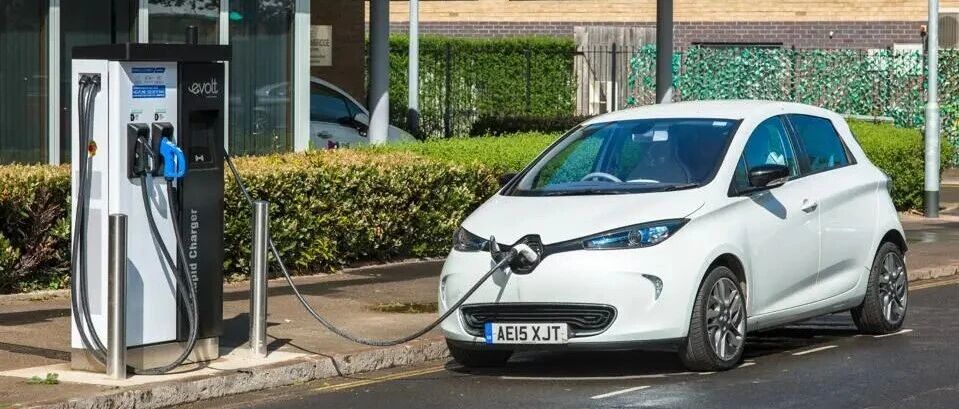
中欧谈判成功!对中国电动车“免税”!只有欧洲车主受伤的世界达成了?
电动车公社· 2026-01-26 16:06
Core Viewpoint - The EU's imposition of anti-subsidy tariffs on Chinese electric vehicles (EVs) has been resolved through negotiations, transitioning from a confrontational stance to a cooperative approach that benefits both parties [1][2][22]. Group 1: Tariff Negotiations and Outcomes - In October 2023, the EU initiated an anti-subsidy investigation against Chinese EVs, citing unfair competition due to subsidies [1]. - By January 2024, the EU announced progress in the tariff case, introducing guidelines for price commitments that would allow Chinese EVs to avoid tariffs by setting a minimum price recognized by the EU [3][4]. - The minimum price must eliminate the damaging effects of subsidies, meaning that prices can only increase, not decrease [9][12]. Group 2: Implications for Chinese Automakers - Chinese automakers must comply with strict monitoring requirements, including detailed reporting on vehicle models and sales channels in the EU [14][16]. - To improve their chances of passing EU scrutiny, Chinese companies may need to limit the number of EV imports and specify minimum prices for certain models [17]. - Establishing manufacturing plants in the EU is seen as a beneficial strategy for Chinese companies to enhance local production and employment [18]. Group 3: Competitive Landscape - Despite the added tariffs, Chinese EVs remain competitive in the European market due to their advantages in technology and cost-effectiveness [23][24]. - For instance, the BYD Yuan PLUS sells for over 100,000 yuan in China but is priced at around 40,000 euros (approximately 327,500 yuan) in Germany, still competing effectively against local brands [25]. - The introduction of minimum import prices has shifted the competitive strategy of Chinese automakers towards higher quality and service, rather than solely relying on lower prices [30][41]. Group 4: Challenges for European Automakers - European automakers face significant challenges, with high prices for their EVs making them less attractive to consumers compared to Chinese alternatives [43]. - In 2022, pure electric vehicles accounted for only 12.1% of new car registrations in the EU, with projections showing only a slight increase to 16.9% by 2025 [44]. - Major European manufacturers like Volkswagen are experiencing financial difficulties, with a reported net loss of 1.072 billion euros in Q3 2025 [47][49]. Group 5: Future Cooperation - The EU's approach to setting minimum import prices for Chinese EVs aims to balance market competition and support local manufacturers while allowing for potential collaboration [63][64]. - European automakers are increasingly looking to leverage Chinese production capabilities and technology to enhance their own offerings, as seen with Renault and Volkswagen's strategies [65][68]. - This cooperative framework could lead to a win-win situation for both Chinese and European companies in the EV sector [76].