
罗氏

Search documents
对外授权交易大单频现中国创新药闪耀全球舞台
Zheng Quan Shi Bao· 2025-06-23 18:44
Core Insights - Chinese innovative pharmaceutical companies are increasingly engaging in large-scale business development (BD) transactions, signaling a shift from being "followers" to "participants" and "contributors" in the global pharmaceutical landscape [1][6][10] Group 1: Major BD Transactions - Recently, major BD deals have been reported, including a $60 billion deal by 3SBio and a $53.3 billion strategic collaboration between CSPC and AstraZeneca [1][3] - In January, Innovent Biologics licensed its DLL3 ADC to Roche for $800 million upfront and potential milestone payments up to $1 billion [1][2] - In March, HAPO announced a global strategic partnership with AstraZeneca, receiving $175 million upfront and potential milestone payments up to $4.4 billion [2][3] Group 2: Market Trends and Growth - The total value of BD transactions for Chinese innovative drugs is projected to reach $52.3 billion in 2024, with an upfront payment of $4.1 billion, both setting historical records [3][5] - As of May 27, 2024, the total value of BD transactions for Chinese innovative drugs has already reached $45.5 billion, indicating a strong growth trajectory [3][5] Group 3: Policy and Regulatory Support - The Chinese government has implemented a series of reforms to support innovative drug development, including a significant reduction in drug approval times from an average of 3 years to 60 days [6][7] - The recent proposal to further reduce clinical trial approval times to 30 working days aims to enhance the efficiency of drug development [7][8] Group 4: Competitive Advantages - Chinese innovative drugs are becoming increasingly attractive to multinational pharmaceutical companies due to their cost-effectiveness and faster development timelines [10][11] - The average R&D cost for innovative drugs in China is significantly lower than in the U.S., with estimates suggesting costs are 20% to 30% of those in the U.S. [11][12] Group 5: Industry Positioning - China has emerged as a leader in the global pharmaceutical innovation landscape, with the number of innovative drugs entering clinical trials surpassing that of the U.S. [8][9] - The number of innovative drugs approved in China has increased dramatically, from 3 in 2015 to 39 in 2024, marking a twelvefold increase [7][8]
Analyst Flags Septerna As Undervalued Biotech Play With Significant Upside
Benzinga· 2025-06-23 18:30
Core Viewpoint - HC Wainwright has initiated coverage on Septerna, Inc., highlighting its innovative drug design platform targeting previously undruggable G protein-coupled receptors (GPCRs) [1][3] Company Overview - Septerna is focused on GPCR drug discovery through its proprietary Native Complex Platform, aiming to maximize the potential of GPCR therapies [1] - The company has a deep pipeline of oral small molecule product candidates targeting endocrinology, immunology and inflammation, and metabolic diseases [2] Financial Insights - Analyst Raghuram Selvaraju noted that Septerna trades at a discount to its cash position and recent partnership cash, presenting a risk-mitigated investment opportunity with multiple catalysts expected in the next 6 to 12 months [3][7] - HC Wainwright has set a Buy rating for Septerna with a price target of $26 [3] Drug Development - The leading drug candidate, SEP-631, is a selective oral small molecule MRGPRX2 negative allosteric modulator for mast cell diseases, including chronic spontaneous urticaria (CSU) [4] - SEP-631 could provide a unique treatment option for CSU patients due to its selective mast cell inhibition and potential for combination therapy [4] Market Potential - If SEP-631 can match the efficacy of Novartis and Roche's Xolair, which generated nearly $3.9 billion in sales in 2023, it could achieve blockbuster status [5] - Septerna has entered an exclusive global collaboration with Novo Nordisk for the development of oral small-molecule medicines for obesity, type 2 diabetes, and other cardiometabolic diseases, starting with four development programs [6] Valuation Perspective - HC Wainwright emphasized that the financial implications of the partnership suggest Septerna's implied enterprise value may be negligible or negative, indicating the company is undervalued [7]


NVO Reports New Positive Phase III Data on Mim8 in Hemophilia A
ZACKS· 2025-06-23 16:26
Core Insights - Novo Nordisk announced new data from the phase III FRONTIER clinical program for its investigational candidate, Mim8, as a prophylaxis treatment for hemophilia A, showing promising results in switching from Roche's Hemlibra treatment [1][2][4] Group 1: Study Results - The phase IIIb FRONTIER5 study indicated that switching from Hemlibra to Mim8 was well-tolerated with no safety issues reported in adults and adolescents, regardless of inhibitor status [2][4][7] - Patient-reported outcomes showed a strong preference for the Mim8 pen-injector, which was easier to use compared to the Hemlibra injection system, suggesting high potential for patient compliance [2][4] - Mim8 maintained clotting activity without adverse events or antibody detection, with no thromboembolic events or treatment-related adverse events leading to discontinuation [4][7] Group 2: Treatment Administration - Patients received their first Mim8 maintenance dose on the scheduled day of their next Hemlibra dose, with options for weekly, biweekly, or monthly dosing [6] - Steady-state levels of Mim8 were achieved by week 16, and Roche's Hemlibra was fully cleared by week 26, indicating a smooth transition [6] Group 3: Future Outlook - Novo Nordisk plans to submit Mim8 for regulatory review in 2025, with additional data from the phase III FRONTIER program expected in 2025 and 2026 [8] - Currently, Mim8 is not approved by regulatory authorities anywhere in the world [8] Group 4: Industry Context - Hemophilia A affects approximately 1.1 million people globally, with up to 30% of those with severe hemophilia A developing inhibitors that reduce the effectiveness of replacement therapies [9]


30亿新厂开建!跨国医疗巨头重仓中国
思宇MedTech· 2025-06-23 08:23
Core Viewpoint - Roche Diagnostics is significantly expanding its operations in China through a new investment project in Suzhou, aimed at enhancing local production and R&D capabilities for in vitro diagnostic (IVD) products, thereby addressing the growing healthcare needs in the Asia-Pacific region [1][4][6]. Group 1: Project Details - The new project is located in the Suzhou Industrial Park, covering a total planned area of 108 acres, with an initial investment area of 55 acres and a construction area of approximately 120,000 square meters, including new factories, offices, quality inspection buildings, and warehouses [2][4]. - The initial investment is set at 3 billion RMB (approximately 383 million Swiss Francs), with a total investment expected to reach 10 billion Swiss Francs [2][4]. Group 2: Strategic Importance - This project represents Roche Diagnostics' strategic commitment to the Chinese market, aiming to introduce more internationally leading IVD product lines that cover disease prevention, early diagnosis, and treatment monitoring [4][6]. - The new facility will enhance Roche's production capacity in the Asia-Pacific region, improve supply chain efficiency, and shorten the time for innovative products to enter the market [4][6]. Group 3: Market Trends and Opportunities - The global IVD market is projected to show strong growth, with an estimated valuation of 108 to 116.7 billion USD in 2024, and a compound annual growth rate (CAGR) of 3.61% to 8.4% expected from 2025 to 2030/2035, potentially reaching 1200 to 1900 billion USD [12]. - The Asia-Pacific region, particularly China, is anticipated to be the fastest-growing market, with a CAGR of 6.64% from 2025 to 2034, driven by rising incidences of chronic and infectious diseases, increased healthcare infrastructure investment, and a growing middle-class population [12]. Group 4: Technological Innovations - Roche is positioned as a leader in technological innovations in molecular diagnostics, next-generation sequencing (NGS), artificial intelligence (AI), and point-of-care (POC) testing, with ongoing high R&D investments to continuously launch innovative products [12][13]. - The new project will support the local production of POC products, enhancing Roche's rapid diagnostic product line, particularly in the management of infectious and chronic diseases [13]. Group 5: Historical Context and Future Outlook - Roche Diagnostics has a long-standing presence in China, dating back to 1997, and has progressively expanded its operations, with the Suzhou base established in 2015 as its first production and R&D center in the Asia-Pacific region [9][11]. - The new investment project is expected to be completed by 2027 and operational by 2028, further solidifying Roche's role in the local healthcare landscape [8].


Early data suggest Roche’s NXT007 may have the potential to provide haemostatic normalisation in people with haemophilia A
Globenewswire· 2025-06-23 05:00
Core Insights - Roche announced positive phase I/II data for NXT007, a next-generation bispecific antibody for haemophilia A, supporting its progression to phase III clinical development [1][2] - NXT007 demonstrated a tolerable safety profile with no thromboembolic events reported, indicating its potential for haemostatic normalization in patients without factor VIII inhibitors [1][4] Company Overview - Roche has over 25 years of experience in developing medicines for blood diseases and is committed to advancing care for patients with haemophilia A [9] - The company aims to provide innovative treatment options, including NXT007, to enhance therapeutic choices and reduce treatment burdens for patients [2][6] Clinical Development - NXT007 is currently undergoing a robust clinical development program, with ongoing phase I/II trials and additional phase II data expected later this year [3] - Three phase III studies are planned for 2026, including a head-to-head study with Hemlibra, Roche's existing prophylactic treatment for haemophilia A [3][4] Product Details - NXT007 is engineered to optimize factor VIII-mimetic activity and enhance potency, efficacy, and administration convenience, aiming for sustained elevated bleed protection [6][5] - The clinical trials for NXT007 involve participants aged 12 to 65, with no treated bleeds observed in the highest dose cohorts [4][7] Market Context - Haemophilia A affects approximately 900,000 people globally, leading to significant health concerns due to uncontrolled bleeding [8][7] - The development of inhibitors to factor VIII replacement therapies presents a serious complication, highlighting the need for innovative treatments like NXT007 [8]

脑内药物递送技术研发进入快车道
Ke Ji Ri Bao· 2025-06-23 01:20
Core Insights - The blood-brain barrier (BBB) presents significant challenges for delivering drugs to the central nervous system, particularly for neurodegenerative diseases and brain cancers [1][2] - Scientists are developing "shuttles" that can effectively transport biological drugs, such as antibodies and gene therapies, across the BBB [1][3] Group 1: Blood-Brain Barrier Challenges - The BBB acts as a protective barrier between the bloodstream and brain tissue, preventing harmful substances from entering the brain [2] - Small, lipophilic molecules can cross the BBB, but large biological drugs face significant obstacles, with less than 0.1% of certain antibody drugs reaching the brain after intravenous injection [2][3] - High doses of drugs are often required due to the low penetration rate, leading to potential waste and severe side effects [2] Group 2: Advances in Drug Delivery Technologies - Recent advancements in drug delivery systems are inspired by the brain's iron supply system, utilizing transferrin receptors to facilitate the transport of large molecules across the BBB [3][4] - Clinical projects are underway, with notable successes such as the enzyme replacement therapy for Hunter syndrome and the trontinemab antibody for Alzheimer's disease, which showed a threefold increase in amyloid clearance efficiency [3][4] - The range of deliverable "cargo" is expanding, including oligonucleotides for gene expression regulation and engineered viruses for gene therapy [4][5] Group 3: Future Prospects - The development of exosomes as natural "nanopackages" for delivering gene editing tools like CRISPR-Cas9 is gaining traction, indicating a promising future for brain-targeted therapies [5] - These innovative delivery technologies are expected to transform the medical landscape, offering new hope for patients with previously untreatable conditions [5]
FDA细胞与基因治疗监管层集体停职 基因编辑股再遭冲击
智通财经网· 2025-06-20 14:00
Core Insights - The recent personnel changes at the FDA's CBER have caused fluctuations in the stock prices of gene editing companies, with a notable decline in Capricor Therapeutics due to its association with the suspended officials [1][2] Group 1: Personnel Changes - The CBER's cell and gene therapy department experienced significant personnel changes, with the director Nicole Weldon and her deputy Rachel Anatol being placed on administrative leave [1] - These changes occurred shortly after the appointment of the new CBER director, Vinay Prasad, who replaced the previously departed Peter Marks [1] - The HHS spokesperson indicated that there were management philosophy disagreements between the suspended officials and Prasad [1] Group 2: Market Reactions - Despite the turmoil at CBER, leading gene editing companies such as Editas Medicine, Intellia Therapeutics, Beam Therapeutics, and CRISPR Therapeutics saw their stock prices rise initially [2] - Conversely, Capricor Therapeutics, which is advancing the cell therapy deramiocel for Duchenne muscular dystrophy, experienced a stock price drop of over 10% due to the involvement of the suspended officials in its drug application process [2]




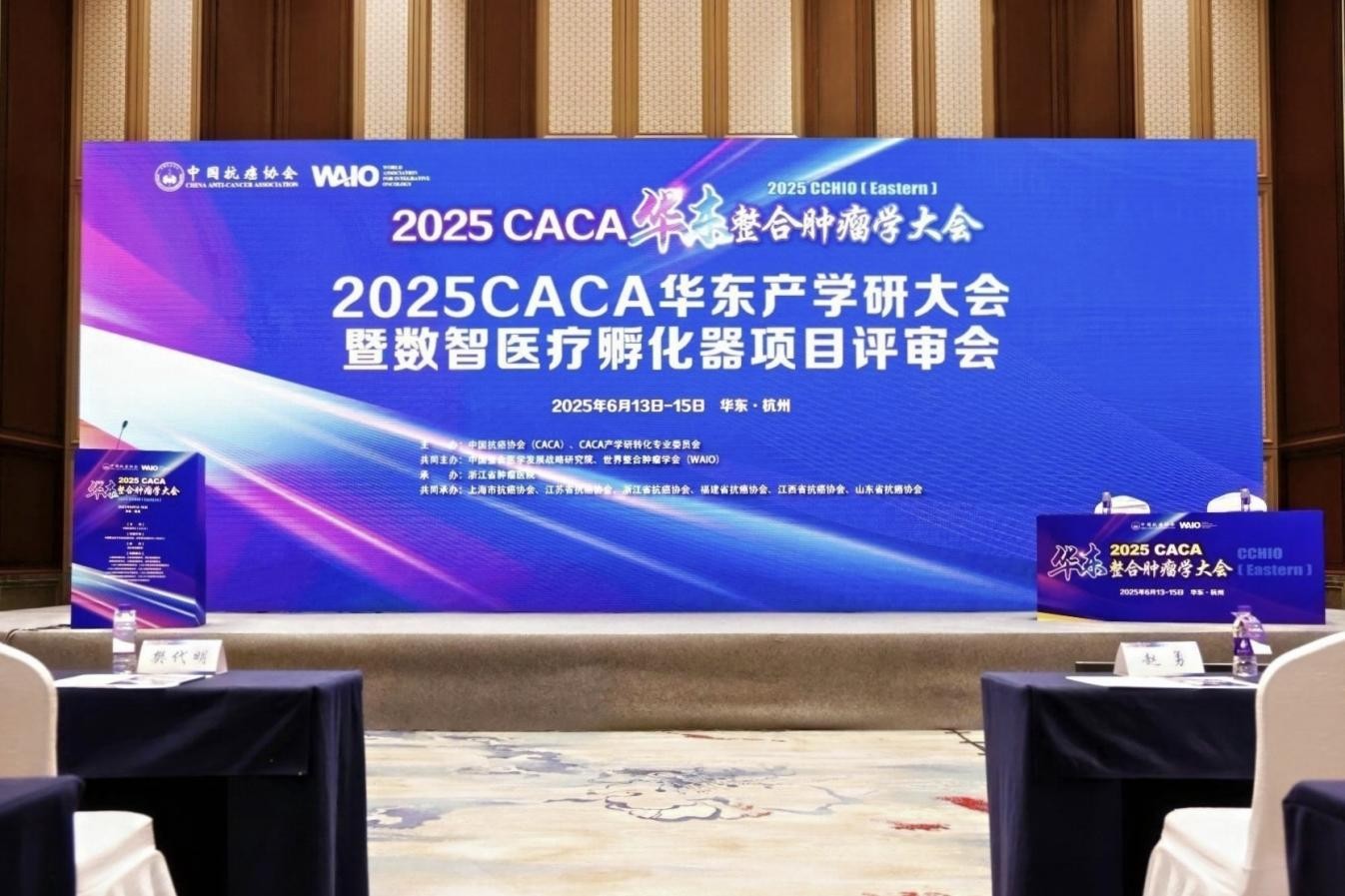
专家热议:促进“产学研医资政”深度融合 加速创新科研成果落地转化
Ren Min Wang· 2025-06-20 09:02
Core Viewpoint - The 2025 CACA East China Integrated Oncology Conference highlighted the importance of deep integration of "industry, academia, research, medical, finance, and government" resources to accelerate the translation of cancer prevention and treatment research into clinical applications [1][2] Group 1: Innovation and Research - Eight innovative research projects in fields such as liver cancer, breast cancer, lung cancer, and lymphoma were presented at the conference [1] - The director of the China Anti-Cancer Association's Industry-Academia-Research Transformation Committee emphasized the need to streamline the entire chain of "industry, academia, research, medical, finance, and government" to promote digital medical innovation and research results [2] Group 2: AI Technology in Clinical Applications - AI technology is recognized as a key driver for new productivity and an important tool for promoting precision medicine [3] - AI can integrate various data types, such as pathological images and genetic information, to assist clinicians in improving diagnostic efficiency and providing personalized treatment plans [3][4] Group 3: Clinical Decision Support and Patient Management - The "Smart Medical Incubator" project aims to discover valuable clinical innovations and research data to address public health needs [5] - Clinical Decision Support Systems (CDSS) are being developed to integrate patient imaging data and drug efficacy prediction models, enhancing patient benefit rates [5]
380亿豪赌背后,跨国大厂抱紧中国药神
Hu Xiu· 2025-06-20 06:55
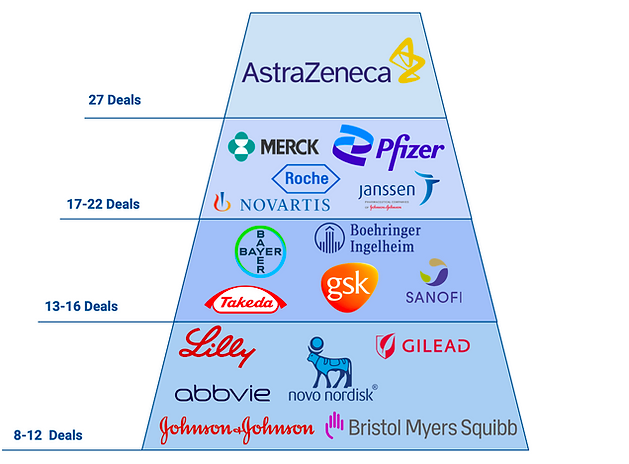
Core Insights - A significant AI pharmaceutical deal valued at over $5 billion has emerged, marking a strong endorsement for China's domestic drug industry from multinational pharmaceutical companies [1][2] - AstraZeneca has partnered with Shijiazhuang Pharmaceutical Group to utilize its AI drug discovery platform for developing potential small molecule oral drugs targeting multiple indications, including therapies for immune diseases [1][5] - The deal includes an upfront payment of $110 million, with potential milestone payments reaching up to $1.62 billion, and sales milestone payments up to $3.6 billion, totaling approximately $5.33 billion [1][2] Industry Trends - AstraZeneca has become a leader in AI collaborations, having established 27 partnerships in 2023, although typical upfront payments in the industry have been below $50 million [2][3] - The pharmaceutical industry is increasingly leveraging AI to enhance drug discovery efficiency, with AI applications projected to save companies approximately $54 billion annually in R&D costs [6][7] - The urgency for pharmaceutical companies to find breakthrough drugs is heightened as traditional drug discovery methods face challenges, leading to a shift towards AI-driven approaches [14][20] Company Performance - AstraZeneca has shown remarkable improvement in drug development efficiency, with a success rate of 31% for new drug candidates from 2016 to 2020, compared to just 4% from 2005 to 2010 [9][21] - The company reported global revenues of $45 billion in 2023, doubling its revenue from a decade ago, with projections to exceed $54 billion in 2024 [10][21] - AstraZeneca's stock performance has been under scrutiny, as despite strong operational results, the CEO faced a salary reduction due to stock price performance not meeting expectations [22][24] Future Outlook - The collaboration with Shijiazhuang Pharmaceutical Group is part of AstraZeneca's broader strategy to identify potential blockbuster drugs that can significantly impact its market valuation [20][22] - The pharmaceutical industry is expected to continue investing heavily in AI technologies to improve drug discovery and clinical trial processes, aiming to reduce failure rates and accelerate time-to-market for new therapies [18][19] - AstraZeneca's ongoing partnerships and investments in AI are critical for maintaining competitive advantage in a rapidly evolving pharmaceutical landscape [15][16]

开源证券:MNC加速布局减重降糖千亿美金赛道 开启BD黄金窗口期
Zhi Tong Cai Jing· 2025-06-20 03:48
Group 1 - The core viewpoint is that improving patient compliance and high-quality weight loss will become the new direction for the development of next-generation weight loss and diabetes drugs, with Chinese companies leading globally in pipeline quantity and quality in oral, ultra-long-acting, multi-target, and combination therapies [1] - Multinational corporations (MNCs) are accelerating their layout in the weight loss and diabetes market, which is projected to exceed $100 billion, creating a golden opportunity for business development (BD) [1] - GLP-1 receptor agonists (GLP-1RA), represented by semaglutide and tirzepatide, are transforming the treatment paradigm for diabetes and obesity, with global sales expected to exceed $150 billion by 2031 [1] Group 2 - To enhance patient compliance, the focus is on oral GLP-1RA drugs and ultra-long-acting medications, with several promising pipelines in development [2] - Oral pipelines include small molecules and peptide drugs, with notable progress from companies like Eli Lilly and Novo Nordisk, while ultra-long-acting formulations are being developed to reduce dosing frequency and simplify treatment [2] - Current ultra-long-acting weight loss drugs in development include Amgen's MariTide and Metsera's MET-097i and MET-233i, which aim for dosing intervals of every 4 weeks [2] Group 3 - High-quality weight loss drugs are being developed through multi-target approaches and special target combination therapies, which can overcome the limitations of single-target therapies [3] - Multi-target weight loss drugs activate or inhibit multiple metabolic receptors, enhancing weight loss effects, metabolic improvement, and patient compliance [3] - Popular targets for development include GIPR, GCGR, and AMYR, with the potential for combination therapies to set new standards in weight loss by improving metabolic health and preserving lean body mass [3]