Workflow
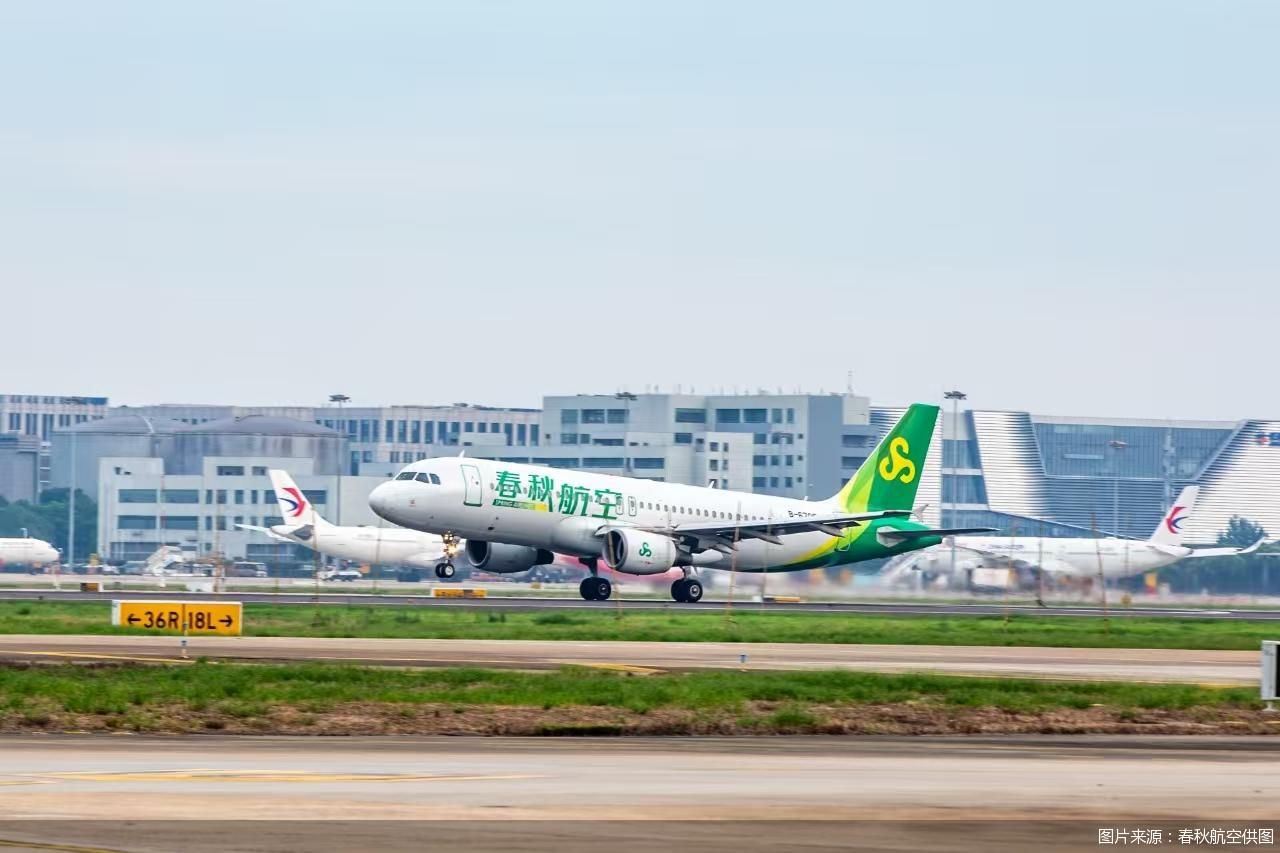
春秋航空
icon
Search documents
万联晨会-20250728
Wanlian Securities· 2025-07-28 00:47
Core Insights - The A-share market experienced a collective decline last Friday, with the Shanghai Composite Index down by 0.33%, the Shenzhen Component down by 0.22%, and the ChiNext Index down by 0.23%. The total trading volume in the Shanghai and Shenzhen markets was 1,786.98 billion yuan [2][6] - In terms of industry performance, the electronics, computer, and real estate sectors led the gains, while the construction decoration, building materials, and food and beverage sectors lagged behind. Concept sectors such as Sora, photolithography machines, and multimodal AI saw significant increases, while the Hainan Free Trade Zone, Yaxia Hydropower concept, and pumped storage experienced declines [2][6] - The Hang Seng Index fell by 1.09%, and the Hang Seng Technology Index dropped by 1.13%. In overseas markets, the three major U.S. indices collectively rose, with the Dow Jones up by 0.47%, the S&P 500 up by 0.4%, and the Nasdaq up by 0.24% [2][6] Industry News - According to the National Bureau of Statistics, profits of industrial enterprises above designated size fell by 4.3% year-on-year in June, with the decline narrowing compared to May. The new momentum industries, represented by equipment manufacturing, showed rapid profit growth, indicating the sustained effect of the "two new" policies. From January to June, the total profit of industrial enterprises was 34,365 billion yuan, a year-on-year decrease of 1.8%. The black metal smelting and rolling processing industry saw profits increase by 13.7 times, while the mining industry experienced a 30.3% decline [3][7] - The U.S. and the EU reached a 15% tariff agreement, which will impose tariffs on most European goods exported to the U.S., including automobiles. The EU is expected to increase investments in the U.S. by 600 billion dollars and purchase 150 billion dollars worth of U.S. energy products. Some products will be exempt from tariffs, including aircraft and certain chemicals and pharmaceuticals [3][7] Transportation Industry Insights - Public fund holdings in the transportation industry saw a rebound in Q2 2025 after three consecutive quarters of decline, with the total market value of public fund holdings in the transportation sector reaching 48.252 billion yuan, accounting for 13.3% of the fund's heavy positions, which is still below the benchmark allocation by 1.86 percentage points [8][9] - The transportation industry index rose by 2.71% in Q2 2025, achieving a relative return of 2.17% compared to the Shanghai and Shenzhen 300 Index [9] - Within the sub-industries, the aviation and logistics sectors saw an increase in holdings, while the shipping ports and railway-highway sectors experienced a decrease. The express delivery sector is expected to benefit from reduced competition and improved profitability [8][10] Gaming Industry Insights - In July 2025, the National Press and Publication Administration announced the approval of 127 domestic games and 7 imported games, maintaining a high volume of game license issuance [11][12] - The approval of several major titles, including "Kingshot" by Diandian Interactive, indicates a robust supply side and a steady trend towards normalization in game licensing, suggesting ongoing recovery in the industry [12][15] - The gaming market is expected to see significant contributions from established companies with diverse product offerings and strong R&D capabilities, as evidenced by the successful approval of high-profile titles [12][15]
交运行业2025Q2基金持仓分析:持仓比例回升,顺丰显著增配
Changjiang Securities· 2025-07-27 12:36
Investment Rating - The report maintains a "Positive" investment rating for the transportation industry [8]. Core Insights - In Q2 2025, the transportation industry saw a 0.32 percentage point increase in the proportion of public fund heavy holdings, reaching 2.01%, primarily driven by the logistics and supply chain sector [2][5]. - The number of heavily held stocks in the transportation sector increased to 66, with a total market value of 25.93 billion yuan, reflecting a 16.1% quarter-on-quarter increase [5]. - The logistics and supply chain sector's allocation increased significantly, while other sub-sectors experienced a decrease in allocation [5][6]. Summary by Sections Public Fund Holdings - The transportation sector's heavy holding ratio is 2.01%, up from the previous period, and ranks 14th among 32 primary industries, indicating a low allocation status [5]. - The logistics and supply chain sector saw a significant increase in allocation, while the aviation, railway, and maritime sectors experienced reductions [5][6]. Heavy Holdings - The top five heavily held stocks in the transportation sector accounted for 67.5% of the total market value of heavy holdings, up from 54.5% in Q1 2025 [6]. - SF Express continues to attract significant institutional interest, with the number of funds holding it increasing to 163, reflecting a strong upward trend in its business performance [6][25]. Northbound Capital - Northbound capital holdings in the transportation sector increased to 5.91%, with express delivery being the largest segment at 190 billion yuan, accounting for 33.9% of the sector [7][31]. - The airport, railway, and shipping sectors saw the highest increases in northbound capital holdings, indicating a positive sentiment towards these segments [7][34].
航空行业2025年6月数据跟踪:供需增速放缓,客座率维持高位
CMS· 2025-07-27 10:34
Investment Rating - The investment rating for the aviation industry is "Maintain" with a recommendation to "Increase Holdings" for specific companies such as China Southern Airlines and Air China [3][7]. Core Insights - The aviation industry is experiencing a slight narrowing of supply-demand differences due to normalization and increased base figures, yet passenger load factors remain high and continue to improve year-on-year. Domestic routes show low growth, while international routes support supply-demand growth [1][7]. - Key financial indicators for major airlines indicate a mixed performance, with significant improvements in passenger load factors for the three major airlines. Spring Airlines has shown a leading capacity deployment in June [1][3][7]. Industry Overview - As of June 2025, the civil aviation passenger transport volume reached 61.22 million, a year-on-year increase of 14.6% compared to 2019 and 4.4% compared to 2024. Domestic routes accounted for 54.64 million passengers, while international routes saw 658,000 passengers, reflecting a recovery trend [7][22]. - The number of flights executed in June was 448,000, up 5% from 2019 and 2.9% from 2024. Domestic flights totaled 384,000, while international flights reached 64,200, recovering to 81.7% of 2019 levels [7][22]. - The average ticket price for domestic routes decreased by 4.9% year-on-year, while the base ticket price increased by 0.7% [7][22]. Company Performance - Major airlines' operational data for June 2025 shows that China Southern Airlines had an ASK (Available Seat Kilometers) growth of 4.4% and an RPK (Revenue Passenger Kilometers) growth of 6.7%, with a passenger load factor increase of 1.8 percentage points [41][45]. - Air China's ASK grew by 2.5% and RPK by 3.9%, with a load factor increase of 1.1 percentage points. Eastern Airlines reported an ASK growth of 6.5% and RPK growth of 10.0% [41][45]. - The overall performance of listed airlines indicates a combined ASK growth of 5.1% and RPK growth of 6.9%, with domestic ASK growth at 1.1% and RPK growth at 3.1% [45]. Market Trends - The aviation industry index showed a performance of 6.1% over one month, 12.2% over six months, and 26.5% over twelve months, indicating a positive trend compared to the Shanghai Composite Index [5][11]. - The total market capitalization of the aviation industry reached 319.95 billion, with a circulating market capitalization of 295.20 billion [3][11]. Investment Recommendations - Recommended stocks include China Southern Airlines, Air China, Spring Airlines, and others, with a focus on maintaining a watch on China Eastern Airlines [7].
为什么上海周边喜欢去日本?
首席商业评论· 2025-07-27 03:29
Core Viewpoint - The article highlights the increasing popularity of travel from Shanghai to Japan, driven by a surge in flight routes, competitive pricing, and favorable travel conditions, making Japan a preferred destination for Shanghai residents [3][12][46]. Group 1: Flight Connectivity - Shanghai now has direct flights to 20 cities in Japan, with Eastern Airlines leading the expansion by operating 37 routes and approximately 50 daily flights [8][12]. - The recent addition of routes such as Shanghai to Kumamoto and Matsuyama reflects the growing demand for travel to Japan [8][35]. - The article humorously notes that Eastern Airlines is treating route expansion like a "carpet bombing" strategy, aiming to cover every possible airport in Japan [8]. Group 2: Travel Demand and Visa Statistics - In 2024, Japan issued over 7.19 million visas to foreigners, with more than 5.24 million granted to Chinese nationals, of which Shanghai residents accounted for 2.47 million, representing 47% of the total [14][40]. - The high volume of visa issuances indicates a strong and persistent interest among Shanghai residents in traveling to Japan [14]. Group 3: Factors Driving Travel Popularity - Proximity plays a significant role, with flight times from Shanghai to Tokyo being comparable to domestic flights, making travel to Japan highly convenient [18][22]. - Competitive pricing has led to a situation where last-minute tickets can be cheaper than those purchased in advance, exemplified by the phenomenon of "8 yuan flights" to Osaka [23][27]. - The overall travel experience in Japan, characterized by orderliness, reasonable pricing, and safety, enhances its appeal to Shanghai tourists [29][30]. Group 4: Future Prospects - There is still potential for further expansion of flight routes from Shanghai to Japan, as evidenced by the comparison with Taipei, which has more direct connections [31][35]. - The easing of visa requirements for Shanghai residents, such as reduced financial thresholds for multiple-entry visas, is expected to boost travel further [38][40]. - The depreciation of the Japanese yen against the Chinese yuan has made travel to Japan more affordable, contributing to sustained interest among Shanghai residents [41][42].
申万宏源交运一周天地汇(20250720-20250725):申通收购丹鸟快递预期扭转高弹性,反内卷商品驱动航运资产共振
Investment Rating - The report maintains a positive outlook on the express delivery and shipping industries, particularly highlighting the potential for significant elasticity in the market following the acquisition of Daniao Express by Shentong [2][25]. Core Insights - The express delivery industry is expected to continue its high growth rate in 2025, with the market currently pricing in pessimistic expectations due to price wars. A reversal in these expectations could lead to substantial market elasticity [2]. - The acquisition of Daniao by Shentong is seen as a catalyst for further consolidation in the supply side, which may shift market focus from transaction expectations to actual transactions, benefiting quality companies like YTO Express and Shentong Express [2]. - The shipping sector is highlighted as a crucial part of commodity trade, with high mineral prices driving active shipments. The report recommends China Merchants Energy Shipping and notes the performance of various shipping companies in the Hong Kong and US markets [2][25]. - The report emphasizes the resilience of railway freight and highway truck traffic, with steady growth expected in these sectors [2]. Summary by Sections Express Delivery - The express delivery sector is projected to maintain a high growth rate, with institutional holdings in major players at low levels. The market is currently pricing in a pessimistic outlook due to ongoing price wars, but a potential reversal could lead to significant market elasticity [2]. - The acquisition of Daniao by Shentong is expected to draw attention to further supply-side consolidation, with quality companies like YTO Express and Shentong Express likely to gain market share [2]. Shipping - Shipping is identified as a vital link in commodity trade, with high mineral prices leading to increased shipments. The report recommends China Merchants Energy Shipping and highlights the performance of various shipping companies in the Hong Kong and US markets [2][25]. - New ship prices have stabilized, and the performance of Chinese shipyards is expected to outperform their Japanese and Korean counterparts [2][25]. Railway and Highway - Railway freight volume and highway truck traffic are showing resilience, with steady growth anticipated. Data from the Ministry of Transport indicates a slight increase in freight volume [2]. - The report suggests that the highway sector has two main investment themes for 2025: high dividend yield investments and potential value management catalysts for undervalued stocks [2]. Aviation - The aviation sector is expected to benefit from a recovery in supply chains and an increase in wide-body aircraft utilization, with a positive long-term outlook for airline profitability [2]. - The report recommends several airlines, including China Eastern Airlines and Cathay Pacific, as potential investment opportunities [2]. Overall Market Performance - The transportation index increased by 2.95%, outperforming the Shanghai Composite Index by 1.26 percentage points, with the aviation sector showing the highest growth at 4.84% [3][11]. - The report notes that the shipping and aviation sectors are experiencing fluctuations in freight rates, with specific indices reflecting these changes [3][11].
交通运输行业跟踪报告:交运行业25Q2公募基金持仓跟踪报告
Wanlian Securities· 2025-07-25 09:14
Investment Rating - The transportation industry is rated as "stronger than the market," indicating an expected relative increase in the industry index of over 10% compared to the broader market within the next six months [30]. Core Insights - After three consecutive quarters of decline, the public fund holdings in the transportation industry saw a rebound in Q2 2025, although it remains underweight. The total market value of public fund holdings in the SW transportation industry reached 48.252 billion yuan, a 13.3% increase from Q1 2025, accounting for 1.57% of the total market value of public fund holdings in A-shares, which is still below the benchmark ratio by 1.86 percentage points [2][10]. - The performance of the SW transportation industry index increased by 2.71% in Q2 2025, achieving a relative return of 2.17% compared to the CSI 300 index [2][10]. - There is a divergence in the changes in holdings across sub-industries, with the aviation and logistics sectors seeing an increase in holdings, while the shipping ports and railway-highway sectors experienced a decline [3][23]. Summary by Sections Overall Industry - The public fund's heavy allocation ratio in the transportation industry has increased for the first time in nearly a year, with a total market value of 48.252 billion yuan as of Q2 2025, marking a 13.3% increase from the previous quarter [10][2]. - The industry remains underweight compared to the benchmark, with a slight recovery in the allocation ratio [10][2]. Sub-Industries and Individual Stocks - The logistics sector, particularly the express delivery industry, has seen significant increases in holdings, with major stocks like SF Holding experiencing a market value increase of 6.163 billion yuan [3][23]. - The aviation sector has benefited from domestic demand expansion policies, leading to a recovery in aviation demand and improved performance in the sector [23][26]. - Conversely, the shipping ports and railway-highway sectors have seen a reduction in holdings, with a general trend of decreased investment in these areas [3][23]. Investment Recommendations - High-dividend sectors such as highways are expected to benefit from long-term capital inflows and are recommended for continued attention [29].
“替185男乘客抬行李、强制要求穿短裙丝袜”,空姐无法拒绝的「过度服务」比海底捞的还离谱?
3 6 Ke· 2025-07-25 08:18
Core Viewpoint - The movement to allow female flight attendants to wear flat shoes instead of mandatory high heels is seen as a small but significant step towards addressing gender-related issues in the airline industry, although it is not sufficient to resolve the broader challenges faced by female crew members [1][3]. Group 1: Dress Code Changes - In April, a social media campaign led to a significant response, prompting airlines like Spring Airlines to allow female attendants to wear flat shoes during duty [1][6]. - A widely circulated template for improving female flight attendants' dress code includes five key points: freedom to choose between pants and skirts, replacing high heels with professional flat shoes, autonomy in eyewear choices, abolishing mandatory makeup, and eliminating the requirement for stockings [6][10]. - The initial cancellation of the high heel requirement by airlines like Spring Airlines reflects a growing recognition of the safety risks associated with high heels, especially during boarding and emergency situations [10][12]. Group 2: Safety Concerns - High heels pose safety risks for flight attendants, particularly during boarding and emergency evacuations, where the potential for accidents increases [8][10]. - The mandatory wearing of stockings has been criticized for being unsafe, as they are flammable and can pose additional risks during emergencies [10][12]. - The dress code has historically prioritized aesthetics over practicality, with many airlines still enforcing outdated standards that do not align with modern safety protocols [14][19]. Group 3: Gender Dynamics and Service Expectations - Female flight attendants often face unrealistic service expectations, being perceived as "universal service providers" responsible for addressing a wide range of passenger needs, which can lead to overburdening [3][26]. - The industry has a history of sexualizing female flight attendants, with some airlines using their appearance as a marketing tool, which contributes to inappropriate behavior from passengers [17][19]. - The pressure to conform to traditional gender roles in the workplace continues to affect female flight attendants, who often feel compelled to provide excessive service to avoid complaints [26][39]. Group 4: Historical Context and Industry Evolution - The push for change in the airline industry is not new; female flight attendants have historically organized against gender discrimination, leading to significant changes in workplace policies [20][22]. - Despite the increase in workload and responsibilities for flight attendants, the dress code has remained largely unchanged since the 1970s, highlighting a disconnect between evolving job demands and outdated appearance standards [22][24]. - The airline industry is currently facing financial pressures, leading to a focus on cost-cutting measures that often compromise service quality and employee well-being [41][42].
策略对话交运:交运反内卷行情展望
2025-07-23 14:35
Summary of Conference Call Notes Industry Overview - **Aviation Industry**: The aviation sector has experienced significant losses since 2020, totaling nearly 500 billion. This has led to a drastic decline in supply, with the compound annual growth rate dropping from 12% to less than 3% [1][4]. - **Express Delivery Industry**: The express delivery sector has seen an escalation in price wars since 2024, with both single ticket prices and profitability entering a downward trend [3][8]. Key Insights and Arguments Aviation Industry - **Price Dynamics**: Airline ticket prices are increasingly reflecting supply and demand realities rather than expectations. As of May 2024, ticket prices have shown signs of recovery, primarily driven by supply-demand relationships [1][2]. - **Demand Recovery**: Although demand has rebounded quickly, business travel remains weak, with a 10% month-on-month decline in June due to factors like the alcohol ban [1][4]. - **Profitability Outlook**: The aviation sector is expected to return to profitability in 2024 after five years of significant losses. Current expectations for profitability are low, indicating limited risk in buying airline stocks with a high probability of upside [1][5][6]. - **Recommended Stocks**: High-elasticity airline stocks are recommended, including major Hong Kong carriers (Air China, China Eastern, China Southern) and A-share companies (HNA, Spring Airlines, and Juneyao Airlines) [1][5]. Express Delivery Industry - **Regulatory Environment**: The National Postal Administration has initiated anti-involution measures, with expectations for specific details to be implemented soon. Key production areas like Yiwu and Guangdong are already taking steps to stabilize prices [1][7]. - **Market Dynamics**: The express delivery market is currently facing intense competition, with a significant impact on franchise operations. The first quarter of 2024 showed mixed results, and the second quarter is expected to see a decline across the board [3][8]. - **Recommended Companies**: Leading express delivery companies such as YTO and ZTO are recommended due to their ability to regain market share amid price wars. Companies like Jitu and Shentong are also highlighted for their potential to improve governance and performance [3][10]. Additional Important Points - **Historical Context**: The aviation industry has never faced large-scale supply issues before, with the current situation being unprecedented. The historical context suggests that supply-side reforms can lead to improved stock performance [4]. - **Previous Anti-Involution Success**: The express delivery sector previously experienced a successful anti-involution campaign in 2021, which stabilized prices and improved profitability. The current environment shows similarities, but the competitive landscape has shifted [9][10]. - **Future Projections**: The express delivery sector may see a repeat of past recovery patterns if regulatory measures are effectively implemented and if companies can enhance their core capabilities [9][10].
Q2机构持仓分析+反内卷下交运机会讨论
2025-07-23 14:35
Summary of Key Points from the Conference Call Industry Overview - The conference call discusses the transportation industry, specifically focusing on the performance of various segments including express delivery, shipping, and aviation in Q2 2025 [1][3][4]. Core Insights and Arguments - **Overall Fund Holdings**: In Q2 2025, the total market value of fund holdings in the transportation industry reached 25.8 billion, a 17% increase quarter-over-quarter. Despite a decline in overall market fund allocations, the transportation sector ranked 14th among 31 industries, with a fund holding ratio of 1.97%, up by 0.32 percentage points from Q1, but still underweight by 1.08% [1][4]. - **Express Delivery Segment**: The express delivery sector showed significant growth, particularly with SF Holding, whose institutional holdings doubled. The company benefited from strong fundamentals, a recovery in timely delivery growth, and contributions from e-commerce and fresh produce businesses. Cost reduction and efficiency improvements were also noted [1][5]. - **Shipping Sector Recovery**: The shipping sector saw a rebound in Q2 2025, with notable increases in holdings for China Shipbuilding Industry Corporation and China State Shipbuilding Corporation, with the latter's holdings doubling and the former increasing by 2000% [1][6]. - **Aviation Sector Performance**: The aviation sector's holdings reached 9.5 billion, a 9% decrease from the previous quarter. However, it remains a core allocation within the transportation sector, with private airlines gaining market share. The sector is expected to benefit from a reduction in oil prices, improving cost structures [1][9][10]. - **Impact of Anti-Competition Measures**: The concept of "anti-involution" is reshaping the competitive landscape in the transportation industry, particularly in express delivery and aviation. This shift is expected to enhance long-term valuation and profitability across various segments, including rail and shipping [2][21]. Additional Important Insights - **Market Sentiment on Price Wars**: There are concerns regarding excessive expectations of price wars in the express delivery sector, leading to conservative profit forecasts. However, the market is viewed as having a clean slate for institutional holdings, suggesting potential for significant price and profit elasticity [1][7]. - **Airport Sector Developments**: The airport sector is experiencing stable passenger flow and pricing, with Meilan Airport positioned to benefit from policy changes related to the Hainan Free Trade Port, which is expected to enhance profitability [1][11]. - **Rail and Road Transport Trends**: The rail transport sector is projected to see a 10.6% increase in passenger volume for the year, with expectations of recovery in ticket prices and volumes following the end of price wars. The highway sector faces challenges due to slowing vehicle ownership growth and trade constraints [12][13]. - **Commodity Market Influence**: The high levels of commodity prices are positively impacting the freight sector, with expectations of increased transport volumes and prices if the anti-involution trend leads to normalized pricing [16][18]. - **Future Outlook for Shipping**: The shipping market is expected to benefit from improved profitability across the supply chain, with recommendations for specific stocks in the sector due to anticipated positive developments following restructuring efforts [19][20]. This summary encapsulates the key points discussed in the conference call, highlighting the performance and outlook of the transportation industry in Q2 2025.
为什么上海人喜欢去日本旅行?
虎嗅APP· 2025-07-23 10:25
Core Viewpoint - The article discusses the increasing popularity of travel from Shanghai to Japan, highlighting the convenience, affordability, and positive experiences that drive this trend. Group 1: Flight Connectivity - Shanghai now has direct flights to 20 cities in Japan, with Eastern Airlines leading in expanding routes, operating 37 routes and approximately 50 flights daily [5][4][21] - The recent addition of the Kumamoto route and the revival of the Matsuyama route demonstrate the growing demand for travel to Japan [5][22] - The article notes that the flight time from Shanghai to various Japanese cities is often shorter than domestic travel times within China [11][12] Group 2: Travel Experience and Costs - The article emphasizes the affordability of flights, with prices dropping significantly, sometimes even lower than domestic travel costs [13][14] - The experience of traveling in Japan is highlighted as being more pleasant due to factors like uniform pricing and a sense of safety, which contrasts with domestic travel experiences [17][18] - The article mentions that the cost of travel to Japan has become more attractive due to the depreciation of the Japanese yen against the Chinese yuan, making it feel like a discount for travelers [27][28] Group 3: Visa Policies and Economic Factors - Recent changes in Japan's visa policies have made it easier for Shanghai residents to obtain visas, further encouraging travel [24][26] - The article suggests that as long as economic conditions remain stable, the trend of "weekend trips to Japan" will continue [30][31] - The competition from South Korea, which is also easing visa restrictions and promoting low-cost travel, could impact the travel preferences of Shanghai residents [32][33]