
大疆

Search documents
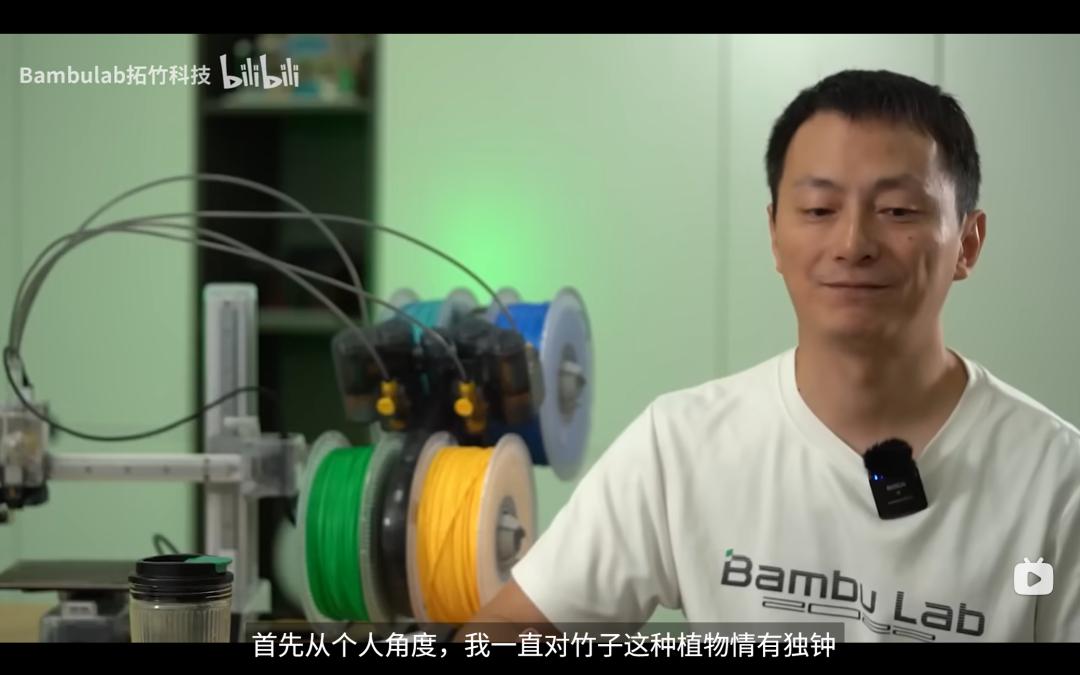
大疆离职员工,「打印」出一个百亿独角兽
3 6 Ke· 2025-11-03 10:45
Core Insights - Bambu Lab, a Shenzhen-based tech unicorn, has rapidly captured nearly 30% of the global consumer 3D printing market within four years, with a valuation exceeding 100 billion RMB [1][2][3] - The company was founded by former DJI core team member Tao Ye, who aimed to revolutionize the 3D printing industry by making it more accessible and user-friendly [5][12] - Bambu Lab's products have gained significant recognition, including being named one of Time magazine's best inventions of the year [7][12] Company Overview - Bambu Lab was established in November 2020 by a team of former DJI employees, including Tao Ye, who previously held various leadership roles at DJI [5][13] - The company focuses on consumer-grade 3D printers, with its first product, the Bambu Lab X1, launched in 2022, achieving remarkable sales and popularity [7][12] - The company has expanded its product line to include models aimed at beginners, such as the P1S and A1 series, priced between 2000 to 4000 RMB [9][11] Market Performance - In 2024, the global consumer 3D printing market reached a size of 4.1 billion USD, with Bambu Lab contributing significantly to this growth [2][11] - Bambu Lab's revenue surged from 2.7 billion RMB in 2023 to 6 billion RMB in 2024, marking a year-on-year increase of approximately 33 billion RMB [2][11] - The company achieved a market share of 29% in 2024, with total shipments of around 1.2 million units, surpassing the global annual growth in consumer 3D printer shipments [11][12] Competitive Landscape - Bambu Lab is often compared to DJI due to its innovative approach and strong leadership team, which includes several former DJI executives [12][13] - The company faces increasing competition from other 3D printing firms, which have begun launching similar products at competitive prices [22][23] - Legal challenges have emerged, including a lawsuit from Stratasys over patent infringements, which could impact Bambu Lab's revenue in the U.S. market [23][24] Innovation and Technology - Bambu Lab emphasizes a user-centric approach, focusing on product perfection before market release, and has developed proprietary technology to enhance user experience [15][16] - The company has maintained a strong technical edge through rigorous hiring practices, ensuring a highly skilled workforce [16][18] - Bambu Lab's manufacturing facilities are strategically located in Shenzhen, benefiting from the region's advanced supply chain and manufacturing capabilities [18][20]

“什么值得买”“11.11”开门红:品质消费持续领跑,兴趣赛道快速增长
Zhong Guo Zhi Liang Xin Wen Wang· 2025-11-03 05:23
Core Insights - The 2025 "11.11" shopping festival by "What Worth Buying" emphasizes a consumer trend driven by interests and AI technology, aiming to enhance user experience and satisfaction during the shopping event [1][12] Consumer Trends - The top five categories by GMV during the opening period were major appliances, mobile communications, kitchen appliances, home furniture, and household electricals, indicating a strong preference for larger items [3] - Fastest-growing categories with GMV over one million included pet daily necessities, gaming hardware, outdoor apparel, kitchen tools, and automotive maintenance, with year-on-year growth rates of 90.35%, 55.28%, 43.33%, 36.26%, and 36.24% respectively [3] Interest-Driven Consumption - Interest-driven consumption is becoming a new norm, with significant performance in categories like sports equipment, travel, and home renovation, reflecting a shift from traditional consumption patterns [3][5] - The platform's upgraded "Interest Square" features over a hundred dedicated interest scenarios, enhancing the consumer experience from interest content to interest-based purchases [5] High-Value Products - High-value products such as large-capacity appliances and premium electronics are leading the market, with brands like Midea and Xiaomi dominating sales in their respective categories [4][5] - The smartphone category is witnessing a trend towards high-end and smart devices, with the new iPhone 17 series capturing the top three GMV spots [5] Health and Wellness - Health-related products are experiencing significant growth, with functional health products and smart devices becoming essential for consumers, particularly among working professionals [10] - The trend of "active health management" is driving demand for health products that focus on precise interventions rather than basic protection [10] Travel and Outdoor Activities - Travel-related consumption is on the rise, with international travel gaining popularity, particularly to destinations like Europe and Japan [8] - Outdoor sports categories, including footwear and apparel, are also seeing substantial sales, driven by both professional and amateur consumers [7] Future Outlook - The company aims to deepen its understanding of consumer interests and enhance operational strategies using AI technology, focusing on creating a more interconnected shopping experience [12]


智驾软硬件持续迭代,robotaxi未来已来
2025-11-03 02:35
Summary of Key Points from the Conference Call Industry Overview - The conference call discusses the autonomous driving (AD) industry, focusing on various companies and their technological advancements in the sector. Key Companies and Market Share - **Momenta** holds a leading position in the third-party autonomous driving market with a market share of 55%, while **Huawei** has a 25% share [1][3]. - **DJI** excels in low-computing power chip solutions but is shifting towards mid-to-high computing power solutions due to market demand [1][5]. - **Horizon Robotics** has developed self-researched hardware-software integrated solutions, currently in mass production with Chery's models, but faces challenges in NPU computing power and algorithm upgrades [1][6]. Technological Routes and Developments - The AD industry is divided into three main technological routes: 1. **End-to-End Algorithms**: Gaining traction since Tesla's AI Day in 2021, with companies like Momenta and Tesla implementing these algorithms in production vehicles [2]. 2. **Vision Language Action (VLA) Models**: Used by companies like Li Auto and XPeng, requiring high computing power (minimum 500 TOPS) and significant resources for training [2]. 3. **World Models**: Developed by companies like Huawei and Momenta, capable of understanding and predicting environmental changes [2]. Performance and Capabilities of Key Players - **Momenta** offers two product lines: a cost-effective single Orin X solution and a high-end dual Orin X solution, showcasing strong engineering capabilities [3]. - **DJI** has strong engineering capabilities but relatively weaker algorithm capabilities, allowing it to effectively implement complex algorithms in practical scenarios [3]. - **Horizon Robotics** is in the second tier of the industry, with its HSD and G6P series solutions providing decent user experience but needing more vehicle validation [6]. Market Trends and Shifts - The market is shifting from low-computing power chips to mid-to-high computing power solutions, prompting companies like DJI to develop new chip solutions [4][5]. - The demand for **fusion perception** routes combining Lidar and other sensors is expected to grow due to regulatory requirements and the need for handling complex scenarios [12]. Challenges and Future Outlook - The differences in autonomous driving capabilities among companies are primarily determined by data, computing power, and algorithms [8][9]. - Long-term, the accumulation of data will be crucial for competitive advantage, with a critical mass of road testing data needed to trigger significant improvements [10]. - The **Robot Taxi** market is seen as a positive growth area, with profitability dependent on vehicle efficiency, cost management, and competitive pricing [18][19]. Conclusion - Companies transitioning from L2+ to L4 levels of autonomous driving have a natural advantage due to lower resource investment and existing experience in mass production [20].
中国APEC第三城,为什么是深圳
Sou Hu Cai Jing· 2025-11-02 03:26
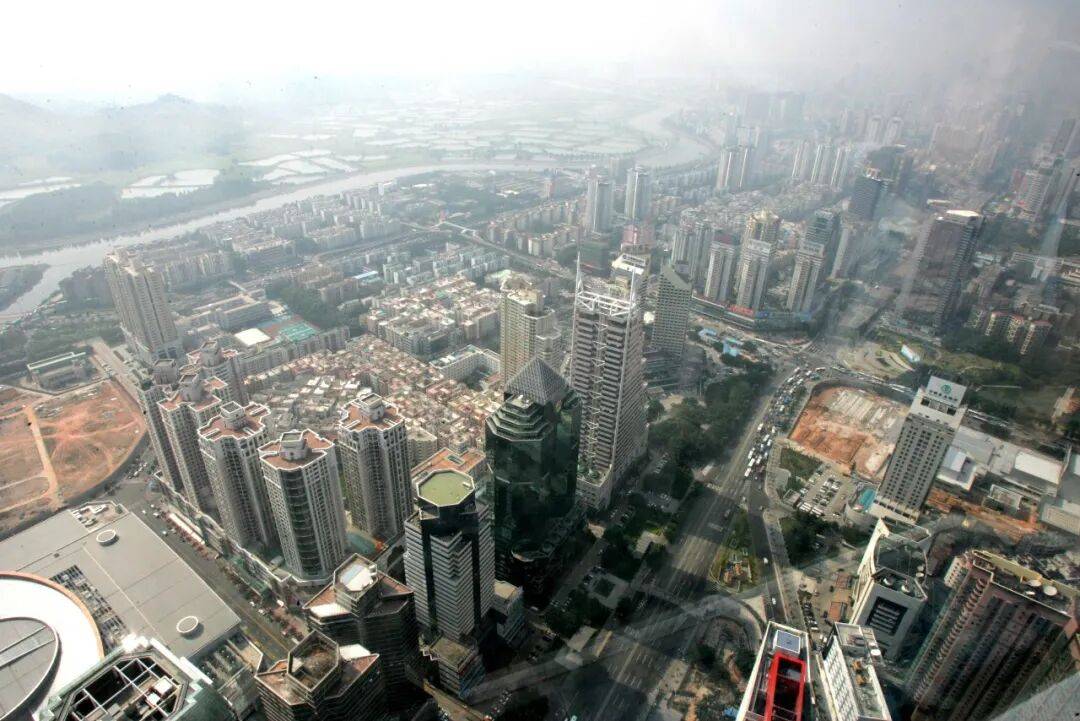
Core Points - The APEC informal leaders' meeting will be hosted by Shenzhen in November next year, marking it as the third Chinese city to host such a high-profile international summit after Shanghai and Beijing [2][3][4] - This event is significant for Shenzhen, a relatively young city, as it aims to enhance its global presence and solidify its status as an international metropolis [3][4] Group 1: APEC Meeting Significance - The APEC meeting is one of the most influential economic cooperation mechanisms in the Asia-Pacific region, with its first meeting held in 1993 [3] - Previous APEC meeting locations have typically been major capitals or renowned international cities, highlighting the importance of Shenzhen's selection [3][4] - The last APEC meeting in China was in 2014 in Beijing, focusing on regional economic integration and innovation [3] Group 2: Shenzhen's Qualifications - Shenzhen has been recognized as a national economic center and an innovative city, ranking 30th globally according to the GaWC 2024 world city rankings [5] - The city has a strong economic foundation, being the third-largest in China, and is home to major tech companies like Huawei and Tencent, enhancing its international image [5][6] - Recent government policies have aimed to increase Shenzhen's international engagement and capability to host significant diplomatic events [6][7] Group 3: Economic Impact and Opportunities - Hosting the APEC meeting is expected to boost Shenzhen's city image, influence, and attractiveness for investment, similar to past successful cases in other cities [8] - The event comes at a critical time for Shenzhen, which is facing economic challenges, and it presents an opportunity to stimulate investment and expand trade [8] - The global visibility gained from hosting the APEC meeting is anticipated to significantly enhance Shenzhen's competitiveness in the future [8]
大疆、影石对决,全景相机迎来变局
21世纪经济报道· 2025-11-01 23:45
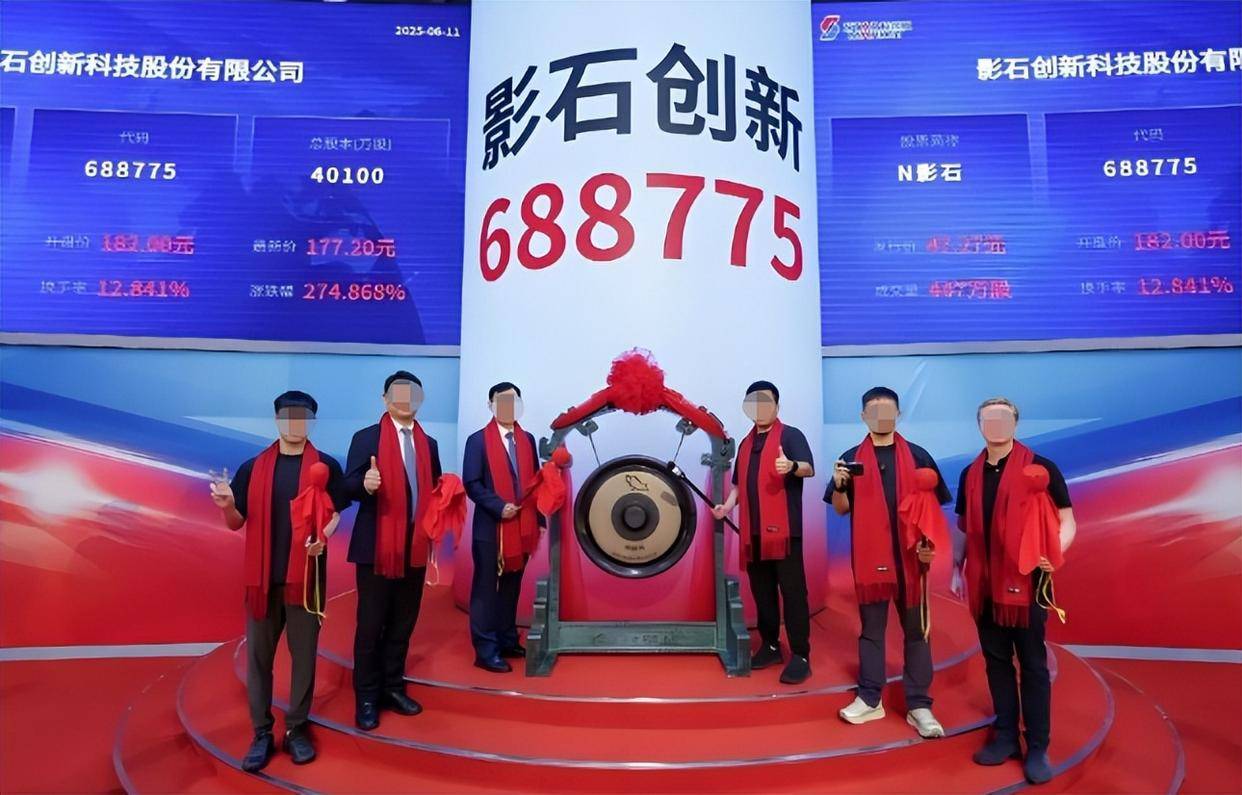
Core Viewpoint - The entry of DJI into the panoramic camera market with its Osmo 360 has significantly altered the competitive landscape, leading to a dramatic shift in market shares between DJI and Insta360 [1][11]. Market Share Dynamics - By Q3 2025, DJI captured approximately 43% of the global panoramic camera market, while Insta360's market share plummeted from 85%-92% to 49% [1][5]. - A contrasting report from another source indicated that Insta360 maintained a 75% global market share, with DJI holding 37.1% of the Chinese market and 17.1% globally, surpassing GoPro [7][11]. Financial Performance - Despite the competitive pressure, Insta360 reported a revenue of 29.40 billion yuan in Q3, marking a 92.64% year-on-year increase, attributed to market expansion and new product launches [5][11]. - In contrast, DJI's revenue for 2024 is projected to be 800 billion yuan, significantly overshadowing Insta360's expected revenue of 55.74 billion yuan [14]. Competitive Strategies - DJI's strategy includes aggressive pricing, launching products like the Osmo 360 at a lower price point than Insta360's offerings, which has intensified competition in the market [12][18]. - Both companies are continuously innovating and releasing new products to maintain their market positions, with Insta360 investing over 10 billion yuan in R&D in the first three quarters of the year [14][12]. Market Growth Projections - The global handheld smart imaging device market is expected to grow at a compound annual growth rate (CAGR) of 15.9% from 2020 to 2030, reaching a market size of 799.3 billion yuan by 2030 [12].


90后小伙30万起家,硬刚大疆干出千亿帝国!
Sou Hu Cai Jing· 2025-11-01 17:41
Core Insights - Liu Jingkang, born in 1991, founded Insta360, which has become a leading company in the panoramic camera market with a market share exceeding 60% [1][11] - The company has successfully outperformed traditional giants like GoPro, showcasing significant growth and innovation in the tech industry [1][11] Company Background - Liu Jingkang gained attention as a university student for his technical skills, notably hacking a phone number, which laid the groundwork for his future entrepreneurial endeavors [3] - His passion for technology began in elementary school, leading to early achievements in programming and competitions [3][5] Entrepreneurial Journey - Liu started his first entrepreneurial attempt in 2013 with a live streaming project, which provided valuable experience despite low initial salaries [5] - The pivotal moment came in 2014 when he was inspired by Google’s VR glasses, prompting him to raise 300,000 yuan to start Insta360 [5][6] Product Development and Innovation - The company launched its first product, Insta360 Nano, in 2016, which featured innovative design and competitive pricing, significantly undercutting similar products [6][9] - Subsequent innovations included FlowState stabilization technology in 2017 and 5K quality enhancements in 2018, further establishing the brand's reputation [6][9] Financial Performance - Insta360's revenue surpassed 1 billion yuan in 2021, and by the first three quarters of 2025, revenue exceeded 6 billion yuan with profits over 1 billion yuan [9][11] - The company went public in June 2025, with an initial stock price of 47.37 yuan, which surged 285% on the first day, leading to a market capitalization exceeding 700 billion yuan [11] Competitive Landscape - Insta360 competes with DJI in the panoramic camera market, with both companies offering products at competitive prices but differing in performance and ecosystem [13] - The presence of strong competitors like DJI serves as both a challenge and a motivation for Insta360 to innovate and expand its market reach [13] Future Outlook - The company aims to continue its growth trajectory by exploring new markets and overcoming the limitations of the panoramic camera segment [13] - With a strong foundation in innovation and market demand, Insta360's future prospects appear promising [14]
北京朝阳区双井街道发布13社区粉丝节暨数码电子消费季福利
Sou Hu Cai Jing· 2025-11-01 15:37
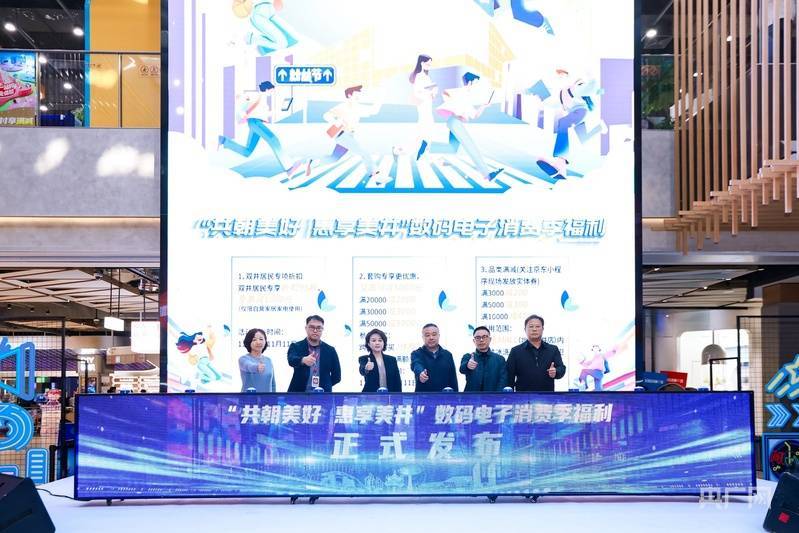
Core Points - The event "Together Towards a Better Future" was launched in Chaoyang District, Beijing, focusing on community engagement and digital consumerism [1][2] - The event coincides with the "Double Eleven" shopping festival, offering exclusive benefits for residents and fans in the Shuangjing community, including discounts on various electronic products [2][4] - The establishment of the JD Mall Party Branch aims to enhance communication between the government, businesses, and residents, facilitating better service delivery and policy implementation [4][5] Group 1 - The event features interactive experiences and games for residents to unlock exclusive benefits and customized gifts [2][4] - The initiative aligns with Beijing's goal of becoming an international consumption center and supports the development of new employment-friendly cities [2][5] - The JD Mall will collaborate with local businesses to create a vibrant consumer experience, enhancing community integration and economic vitality [5][6] Group 2 - The establishment of the "Zhixing New Edge" studio aims to support new employment groups by providing training, rights protection, and conflict mediation [5] - The studio's core philosophy focuses on integrating services, governance, and development for the new employment demographic [5][6] - Future initiatives will aim to create a more diverse and trendy consumer experience in the Shuangjing area, contributing to the capital's international consumption center development [5]

中国APEC第三城,为什么是深圳
第一财经· 2025-11-01 14:32
Core Viewpoint - The announcement of Shenzhen hosting the APEC meeting in November 2024 marks a significant milestone for the city, enhancing its international status and showcasing its development from a fishing village to a modern metropolis [3][4][5]. Group 1: APEC Meeting Significance - The APEC meeting is one of the most influential economic cooperation mechanisms in the Asia-Pacific region, with a history dating back to 1993 [3][4]. - Shenzhen becomes the third Chinese city to host the APEC meeting, following Shanghai and Beijing, reflecting its growing importance as a national economic center [5][6]. Group 2: Shenzhen's Qualifications - Shenzhen is recognized as a national economic center, an innovative city, and an international transportation hub, ranking 30th globally in the GaWC 2024 world city rankings [5][6]. - The city has a strong image as a hub for technology companies like Huawei and Tencent, contributing to its positive international reputation [5][6]. Group 3: International Engagement and Soft Power - Historically, Shenzhen was seen primarily as an economic hub, but recent policies have aimed to increase its international engagement and diplomatic activities [6][7]. - The city has hosted numerous international delegations, with significant increases in foreign visits in recent years, indicating a growing international presence [6][7]. Group 4: Economic Implications - Hosting the APEC meeting is expected to enhance Shenzhen's city image, attract investment, and stimulate economic growth, similar to the positive outcomes seen in other cities that have hosted major international events [8]. - The meeting comes at a critical time for Shenzhen, as it faces economic challenges, and the event could serve as a catalyst for investment and market expansion [8].
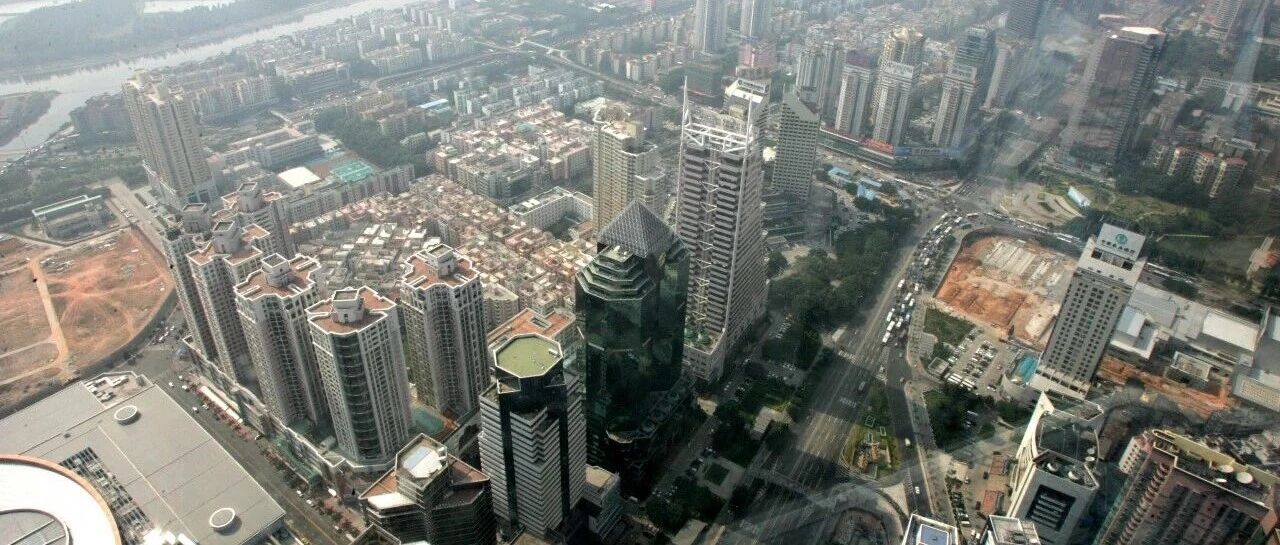
中国APEC第三城,为什么是深圳|湾区观察
Di Yi Cai Jing· 2025-11-01 14:06
Core Points - The hosting of the APEC meeting in Shenzhen is expected to significantly enhance the city's future competitiveness [1][6] - Shenzhen is the third Chinese city to host an APEC meeting, following Shanghai and Beijing, marking a milestone for the city [1][2] - The APEC meeting is a high-level economic cooperation mechanism in the Asia-Pacific region, with a history dating back to 1993 [1][2] Summary by Sections APEC Meeting Significance - The APEC meeting will provide Shenzhen with an opportunity to showcase its international status and enhance its global image [1][6] - The event is expected to attract investment and boost economic growth through infrastructure development and increased international engagement [6] Shenzhen's Qualifications - Shenzhen has been recognized as a national economic center and an innovative city, ranking 30th globally among world cities [3] - The city has a strong economic foundation, being the third largest in China, and is home to major tech companies like Huawei and Tencent [3][4] International Engagement - Historically, Shenzhen has been less involved in international diplomatic activities, but recent policies have aimed to increase its global presence [4][5] - The city has seen a significant increase in international visits, with over 1,000 important foreign delegations visiting in the first half of 2023 [4][5] Economic Context - The hosting of the APEC meeting comes at a critical time for Shenzhen, as it faces economic challenges due to external factors like trade tensions [6] - The event is viewed as both a test and an opportunity for Shenzhen to stimulate investment and expand its trade markets, potentially enhancing its global influence [6]
大疆3月“砍半”影石市占率? 两份报告迷雾背后的全景相机变局
2 1 Shi Ji Jing Ji Bao Dao· 2025-11-01 13:51
Core Viewpoint - The entry of DJI into the panoramic camera market with its Osmo 360 has significantly altered the competitive landscape, leading to a sharp decline in the market share of the previous leader, Insta360, while DJI quickly gained a substantial share [1][8]. Market Share Dynamics - According to a report from Jiuxian Zhongtai, by Q3 2025, Insta360's market share plummeted from 85%-92% to 49%, while DJI captured 43% of the market [1]. - Another report from Sullivan indicates that by Q3 2025, Insta360 is projected to hold a 75% global market share, with DJI at 37.1% in China and 17.1% globally, surpassing GoPro [5]. Financial Performance - Despite the competitive pressure, Insta360 reported a revenue of 2.94 billion yuan in Q3, a year-on-year increase of 92.64%, attributed to market expansion and new product launches [4]. - In contrast, DJI's revenue for 2024 is projected to be 80 billion yuan, significantly outpacing Insta360's expected revenue of 5.574 billion yuan [13]. Competitive Strategies - DJI has adopted a price-competitive strategy, launching products like the Osmo 360 at lower prices than Insta360's offerings, which has intensified competition in the market [10]. - Both companies are actively innovating and releasing new products to maintain their market positions, with DJI recently launching the Neo2 drone, which directly competes with HoverAir's offerings [10][16]. Industry Growth Projections - The global handheld smart imaging device market is expected to grow at a compound annual growth rate (CAGR) of 15.9% from 2020 to 2030, reaching a market size of 79.93 billion yuan by 2030 [11]. Research and Development Investments - Insta360 has significantly increased its R&D investment, exceeding 1 billion yuan in the first three quarters of the year, which is more than its total net profit for the previous year [14].