
Dren Bio

Search documents
90亿+美金押注MCE赛道:巨头抢滩,为何Biotech寥寥?
Tai Mei Ti A P P· 2026-02-09 08:47
Core Insights - The global MCE (Myeloid Cell Engager) market has surpassed $9 billion in cumulative transaction value from 2022 to 2025, with major pharmaceutical companies like Novartis, Eli Lilly, and GSK actively entering the field through collaborations and acquisitions [1][20] - The year 2025 is anticipated to be a pivotal year for MCE, with significant deals such as Sanofi's $1.9 billion acquisition of Dren Bio and GSK's collaboration with LTZ Therapeutics valued at over $1.5 billion [1][19][12] - Despite the enthusiasm from large pharmaceutical companies, there are only a handful of biotech firms with a clear focus on MCE, raising questions about the early-stage technology and the limited number of players in the field [1][20] Industry Dynamics - The bottleneck in immunotherapy has led to a renewed focus on myeloid cell therapies, as traditional T-cell therapies face limitations in solid tumors [2][22] - Research indicates that myeloid cells, such as macrophages and dendritic cells, play a crucial role in the immune response within the tumor microenvironment, prompting a shift towards targeting these cells for therapeutic purposes [2][3] - The MCE approach utilizes bispecific antibodies to bridge tumor cells and myeloid cells, enhancing the immune response against tumors while addressing the limitations of T-cell therapies [5][7] Competitive Landscape - The MCE market is characterized by a three-tier structure: core biotech firms with proprietary technology, multinational corporations (MNCs) accelerating development through partnerships, and companies with foundational immunology expertise poised to enter the market [9][10] - Key players in the biotech sector include Dren Bio, which focuses on Dectin-1 activation, and LTZ Therapeutics, which employs a dual-pathway activation strategy involving myeloid and NK cells [10][11] - Companies like Elpiscience and Glenmark are also exploring innovative approaches to enhance myeloid cell engagement, indicating a diverse range of strategies within the MCE landscape [14][17] Market Potential - The demand for MCE therapies is driven by the substantial market size in oncology and autoimmune diseases, with the global solid tumor treatment market projected to reach $272 billion by 2032 [22] - MCE therapies are expected to address unmet needs in solid tumors, offering a differentiated mechanism compared to traditional therapies, which often face safety and efficacy challenges [22][23] - The potential for MCE to complement existing therapies like CAR-T and PD-1 inhibitors highlights its strategic importance in the evolving landscape of immunotherapy [23][24] Future Outlook - The success of MCE as a next-generation immunotherapy will depend on clinical trial outcomes and the ability to overcome technical challenges related to safety and efficacy [22][24] - The next 3-5 years will be critical for MCE, as clinical data will determine its viability and potential to reshape treatment paradigms in oncology and beyond [24]


收回海外权益 宜明昂科战略纠偏打开新空间
Zhi Tong Cai Jing· 2026-01-07 00:36
Core Viewpoint - The company has reclaimed global rights for IMM2510 (PD-L1/VEGF) and IMM27M (CTLA-4 ADCC+) from Instil Bio, indicating a strategic correction in its licensing approach. This decision allows the company to regain control over its development strategy and clinical progress [1]. Group 1 - The return of overseas rights for IMM2510 and IMM27M allows the company to seek new partnerships and regain full global rights, enhancing its strategic flexibility [1]. - Instil Bio's slow progress in the 15 months following the licensing agreement raised market concerns about its execution capabilities, making the company's decision to terminate the agreement a prudent move [1]. - The company now has the opportunity to re-establish its development strategy and clinical timelines for these assets [1]. Group 2 - The IMM27M (CTLA-4 ADCC+) asset has gained renewed attention due to its potential in combination therapies, especially following positive data from BioNTech/OncoC4's new CTLA-4 antibody, Gotistobart [2]. - The combination of VEGF/PD-L1 and CTLA-4 offers significant potential for future therapies, with CTLA-4 providing flexibility in dosing and administration, potentially reducing safety risks [2]. Group 3 - The company's core focus includes the CD47 pipeline, particularly IMM01 (sirpα-Fc fusion protein), which is advancing in Phase III clinical trials for chronic myelomonocytic leukemia (CMML) [3]. - IMM0306 (CD47/CD20), developed from IMM01, is gaining attention as one of the fastest progressing MCE molecules, with strategic value demonstrated by recent collaborations in the field [3]. Group 4 - In the autoimmune sector, IMM0306 has shown promising Phase Ib data for systemic lupus erythematosus, with response rates of 71.4% and 80.0% at different dosages, highlighting its convenience and efficacy [4]. - In oncology, Phase II data presented at the 2025 ASH meeting showed an overall response rate (ORR) of 91.2% and a complete response (CR) rate of 67.6% for relapsed refractory follicular lymphoma, with plans for a Phase III trial to start in Q1 2026 [4]. - The reclamation of key assets and the differentiated pipeline in oncology and autoimmune diseases position the company favorably for future clinical advancements and business development collaborations [4].
收回海外权益 宜明昂科(01541)战略纠偏打开新空间
智通财经网· 2026-01-07 00:05
Core Viewpoint - The company, Yiming Oncology, has reclaimed global rights for IMM2510 (PD-L1/VEGF) and IMM27M (CTLA-4 ADCC+) from Instil Bio, indicating a strategic correction in its licensing approach. This decision allows the company to regain control over its assets and explore new partnerships while managing its development strategy and clinical progress more effectively [1][4]. Group 1: Asset Reclamation - The company has retrieved global rights for IMM2510 and IMM27M, which were previously licensed to Instil Bio for a $50 million upfront payment and additional milestone payments totaling $2 billion. This move is seen as a timely decision to mitigate potential losses due to Instil's slow progress in development [1]. - Instil Bio's slow advancement, with the first patient enrollment in the U.S. not expected until November 2025, raised concerns about its execution capabilities [1]. Group 2: CTLA-4 and Combination Therapy Potential - The IMM27M asset, targeting CTLA-4, has gained renewed attention due to its potential in combination therapies, especially following positive data from BioNTech/OncoC4's new CTLA-4 antibody, Gotistobart. This highlights the significant future potential for combination therapies involving both VEGF/PD-L1 and CTLA-4 [2]. - CTLA-4 as a monoclonal antibody offers flexibility in dosing and administration frequency, which may help reduce safety risks associated with its use [2]. Group 3: CD47 Pipeline and Clinical Progress - The company's core focus includes the CD47 pipeline, particularly the lead product IMM01 (sirpα-Fc fusion protein), which is advancing in Phase III clinical trials for chronic myelomonocytic leukemia (CMML). A mid-term analysis is expected within the year, with promising efficacy and safety data accumulated so far [3]. - The IMM0306 molecule, based on IMM01, is one of the fastest-developing MCE molecules, indicating strategic value in the CD47 space, especially following significant partnerships in the field [3]. Group 4: Autoimmune and Oncology Developments - In the autoimmune sector, IMM0306 has shown promising results in treating systemic lupus erythematosus, with response rates of 71.4% and 80.0% at different dosages, demonstrating its convenience with a dosing schedule of once weekly for four weeks [4]. - In oncology, data presented at the 2025 ASH conference showed a 91.2% overall response rate (ORR) and a 67.6% complete response (CR) rate for IMM0306 in combination with lenalidomide for relapsed refractory follicular lymphoma, with plans for a Phase III trial to start in Q1 2026 [4].
AI概念股继续承压,美股三大指数集体收跌,热门中概股普跌
Feng Huang Wang· 2025-12-15 22:23
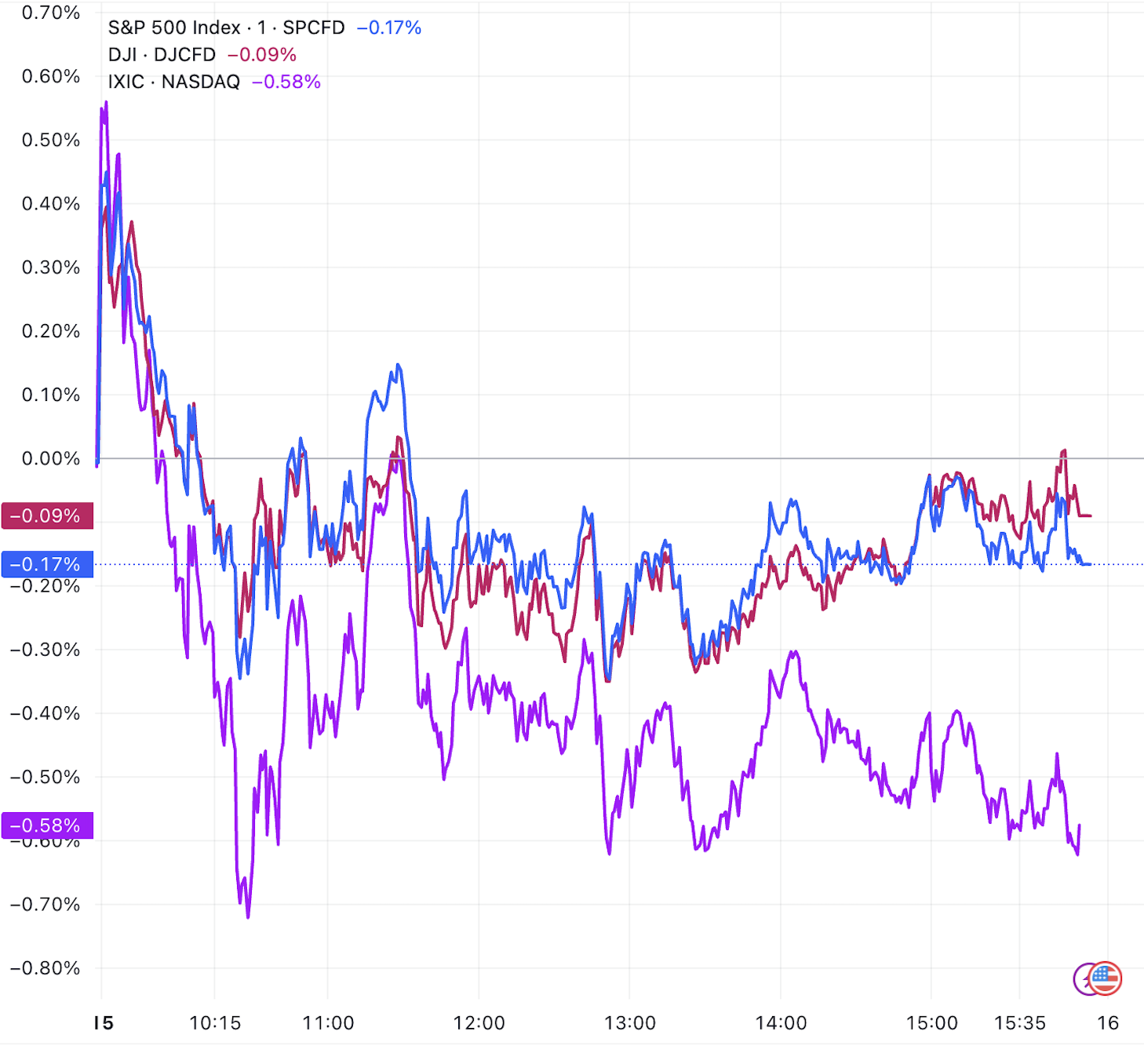
Market Performance - The Dow Jones index closed down 0.09% at 48,416.56 points, the S&P 500 index fell 0.16% to 6,816.51 points, and the Nasdaq index decreased by 0.59% to 23,057.41 points, influenced by declines in AI-related stocks such as Broadcom and Oracle, which dropped over 5% and 2% respectively [2] - Investors shifted focus to economically sensitive sectors like consumer discretionary and industrials, while heavily buying healthcare stocks [2] Analyst Insights - Aptus Capital Advisors' stock chief David Wagner noted a prevailing sentiment of aversion towards AI trades, but believes that the market will continue to be dominated by leading companies, referred to as the "Seven Giants," due to their underestimated operational leverage [3] - Wagner expressed that as long as revenue maintains growth, these companies will continue to expand profit margins and become high-return beneficiaries in the coming year [3] Economic Data and Market Outlook - Wagner is not overly concerned about the current market performance, describing the pullback as "healthy" and "normal," suggesting that there is still potential for upward movement despite the partial realization of the "Santa Claus rally" [4] - Upcoming economic data, including November non-farm payrolls and October retail sales, is expected to set the market tone, having been delayed due to the U.S. government shutdown [4] Stock Performance - Major tech stocks mostly declined, with Nvidia up 0.73%, Apple down 1.50%, Microsoft down 0.78%, Google down 0.35%, Amazon down 1.61%, Meta up 0.59%, and Tesla up 3.52% [5] - Chinese concept stocks saw a widespread decline, with the Nasdaq Golden Dragon China Index down 2.17%, Alibaba down 3.59%, JD down 2.00%, and Pinduoduo down 1.39% [5] Company News - Nasdaq has submitted a proposal to the SEC to extend trading hours from 16 hours to 23 hours on weekdays, aiming to implement a "23/5" trading model [6][7] - Nvidia announced the release of the Nemotron 3 series open-source models, which include Nano, Super, and Ultra versions featuring a hybrid Mamba-Transformer architecture [8] - Elon Musk's net worth surged to $677 billion, primarily due to the increased valuation of SpaceX, which reportedly reached $800 billion, doubling from $400 billion in August [9] - Strategy, a major Bitcoin holder, purchased 10,645 Bitcoins for $9.8 billion, raising its total holdings to 671,268 Bitcoins with an average purchase price of $74,972 [10] - Sanofi has expanded its collaboration with Dren Bio to jointly develop next-generation B-cell depletion therapies for various autoimmune diseases, with Dren Bio receiving an upfront payment of $100 million and potential future payments of up to $1.7 billion [11]
Sanofi Expands Dren Bio Partnership With Potential $1.7 Billion Autoimmune Disease Collaboration
Benzinga· 2025-12-15 18:10
Core Insights - Dren Bio has entered a new collaboration with Sanofi SA, building on their existing relationship following Sanofi's acquisition of Dren Bio's DR-0201 program for deep B-cell depletion [1][2] Collaboration Details - The collaboration focuses on the discovery and development of a next-generation B-cell depleting therapy for autoimmune diseases [2] - Dren Bio will receive an upfront payment of $100 million and could earn up to $1.7 billion in development, regulatory, and commercial milestone payments [3] - The companies will work together on discovery and preclinical development, utilizing Dren Bio's proprietary platform [3] Development Responsibilities - After selecting a development candidate, Sanofi will take over the responsibilities for development, manufacturing, regulatory, and commercialization efforts [4] - Dren Bio has the option to enter a U.S. profit/loss sharing arrangement, co-funding 40% of ongoing global development costs in exchange for U.S. co-promotion rights and a 50/50 share of U.S. profits and losses [4] Financial Incentives - Dren Bio will also be eligible for milestones and tiered royalties on net sales outside the U.S. [5] - Sanofi's stock is currently down 2.87% at $47.29 [5]

X @Bloomberg
Bloomberg· 2025-12-15 14:15
Sanofi agreed to pay US biotech Dren Bio as much as $1.8 billion as the French company expands a push to develop medicines for immune-system diseases https://t.co/MJnMSKZVXV ...
Dren Bio to collaborate with Sanofi to develop autoimmune disease therapies for up to $1.7 billion
Reuters· 2025-12-15 13:21
Core Insights - Dren Bio has entered into a strategic collaboration with Sanofi to develop therapies for autoimmune diseases, with a deal valued at up to $1.7 billion [1] Company Summary - Dren Bio is a private biotech company focused on developing therapies for autoimmune diseases [1] - Sanofi is a global healthcare leader collaborating with Dren Bio for the development of these therapies [1] Financial Summary - The collaboration deal is worth up to $1.7 billion, indicating significant financial commitment from both companies [1]

Dren Bio Expands Strategic Collaboration with Sanofi to Develop Next-Generation B-Cell Depletion Therapy
Businesswire· 2025-12-15 13:05
Core Insights - Dren Bio has entered a strategic collaboration with Sanofi to develop a next-generation B-cell depleting therapy for autoimmune diseases [1][2] - The collaboration builds on Sanofi's earlier acquisition of Dren Bio's DR-0201 program, now known as SAR448501, which is currently in phase 1 studies showing robust B-cell depletion [2][4] Company Overview - Dren Bio is a clinical-stage biopharmaceutical company focused on developing first-in-class antibody therapeutics for cancer and autoimmune diseases [4] - The company's proprietary Targeted Myeloid Engager and Phagocytosis Platform is designed to induce potent depletion of disease-causing agents through multispecific antibodies [4] Financial Terms of the Agreement - Dren Bio will receive an upfront payment of $100 million and is eligible for up to $1.7 billion in milestone payments related to development, regulatory, and commercial achievements [3] - The agreement includes a U.S. profit/loss sharing option, allowing Dren Bio to co-fund 40% of global development costs in exchange for U.S. co-promotion rights and a 50/50 share of U.S. profits and losses [3]

创新药下一个风口浮现
3 6 Ke· 2025-11-24 23:19
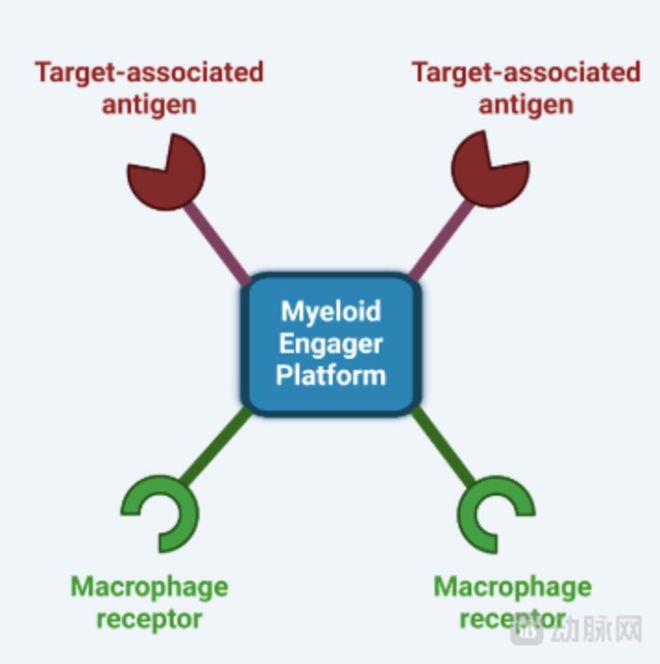
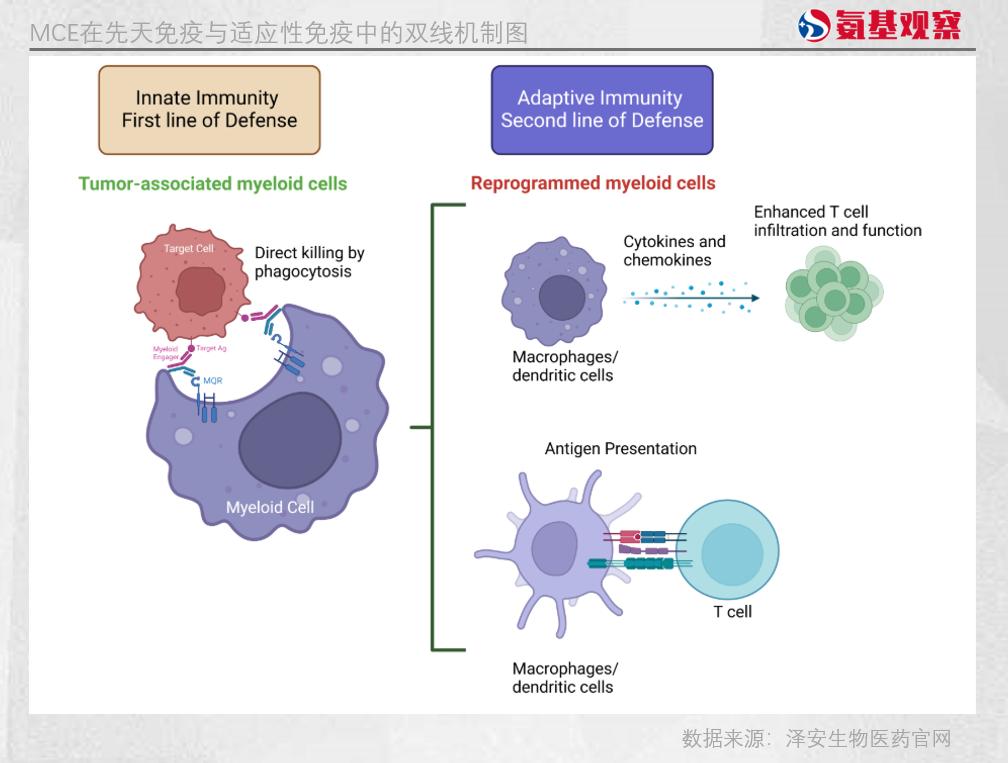
Core Insights - The MCE (myeloid cell engager) technology is rapidly gaining attention in the immunotherapy sector, with significant transactions indicating its strategic value among major pharmaceutical companies [1][4][6] - MCE's mechanism targets myeloid cells, potentially offering broader applications and reduced risks compared to TCE (T cell engager) therapies, which is a key factor in its appeal to large pharmaceutical firms [2][10] Group 1: Major Transactions and Collaborations - Novartis initiated interest in MCE by partnering with Dren Bio for $3 billion, aiming to develop a new class of bispecific antibodies using Dren's myeloid cell engager platform [4][5] - Sanofi followed by acquiring Dren Bio's promising CD20-targeting MCE, DR-0201, for an upfront payment of $600 million, with total milestone payments potentially reaching $1.9 billion [4][11] - GSK has also entered the MCE space by signing agreements for four MCE projects with Zealand Bio, integrating MCE into its broader ADC+IO Engager strategy [5][11] Group 2: Mechanism and Advantages of MCE - MCE operates through a "bind-activate-kill" mechanism, connecting myeloid cells with target cells, which enhances the immune response against tumors [7][10] - The targeting of tumor-associated myeloid cells (TAMCs) allows MCE to modulate the immune system more effectively, potentially overcoming limitations faced by TCE therapies in solid tumors [8][10] - MCE's ability to safely release pro-inflammatory factors reduces the risk of cytokine release syndrome (CRS), presenting a significant safety advantage over TCE [10][12] Group 3: Clinical Development and Future Potential - MCE is not merely a derivative of TCE but represents a new approach to harnessing innate immunity, with the potential to complement existing therapies like PD-1 and CAR-T [13][14] - The ongoing clinical trials and pipeline developments from companies like Dren Bio and Zeal Bio indicate a strong focus on both oncology and autoimmune diseases, showcasing MCE's versatility [11][14] - The growing interest from major pharmaceutical companies reflects the belief that MCE could fill critical gaps in the current immunotherapy landscape, leading to innovative treatment options [14]
赛诺菲(SNY.US)豪掷91亿美元收购Blueprint(BPMC.US) 强化免疫疾病布局
Zhi Tong Cai Jing· 2025-06-02 07:49
Group 1 - Sanofi is acquiring Blueprint Medicines Corp for $9.1 billion in equity value, enhancing its pipeline in rare immune diseases [1][2] - The acquisition price is set at $129 per share, representing a 27% premium over Blueprint's closing price last Friday [1] - Blueprint shareholders will receive a contingent value right (CVR) worth an additional $2 to $4 per share if the BLU-808 drug meets certain development and regulatory milestones [1] Group 2 - This acquisition reflects Sanofi's ambition to establish a leadership position in immunology, following a previous announcement to acquire Dren Bio, Inc. for up to $1.9 billion [1] - Blueprint Medicines has a strong clinical network among specialists and a pipeline that includes several immunotherapy candidates [2] - The total value of the transaction, including potential CVR payments, is approximately $9.5 billion, with Sanofi expecting the deal to close in the third quarter without significant impact on its 2025 financial guidance [2]
