LegalZoom

Search documents
硅谷的这个春节,也难熬了
吴晓波频道· 2026-02-12 00:29
Core Viewpoint - The article discusses the intense competition and significant capital expenditures among major tech companies in the AI sector, highlighting the risks and uncertainties associated with their aggressive investments and marketing strategies [3][4][6]. Group 1: AI Investment Landscape - In 2026, major tech companies like Microsoft, Amazon, Google, and Meta are projected to spend $660 billion (approximately 4.58 trillion RMB) on AI, marking a 60% increase from 2025 and a staggering 165% increase from 2024 [7][8]. - This level of spending represents about 2.1% of GDP, surpassing historical investments in infrastructure projects like the interstate highway system and the Apollo moon landing [8]. - Microsoft plans to allocate $140 billion for capital expenditures by June, while Amazon aims to invest $200 billion in AI-related workloads, significantly exceeding market expectations [10][11]. Group 2: Market Reactions and Concerns - Despite strong financial reports, investor concerns are rising due to the massive capital expenditures, leading to significant stock price drops for companies like Microsoft and Amazon [10][11]. - Analysts predict a drastic decline in free cash flow for Google and Meta, with estimates suggesting a nearly 90% drop for both companies, while Amazon's cash flow may turn negative [13]. - The interconnected nature of AI investments raises concerns about potential distortions in incentives and the risks of over-reliance on single clients, as seen with Microsoft's dependence on OpenAI [11][12]. Group 3: Competitive Dynamics - Google is regaining momentum in the AI space with its Gemini model, which has shown superior performance compared to ChatGPT, leading to increased interest in Google Cloud services [16][20]. - The article highlights the competitive landscape where companies like OpenAI are exploring various monetization strategies, including subscription fees and API services, to sustain their operations amid high costs [21][22]. - The emergence of new AI platforms, such as Moltbook, reflects the public's complex attitudes towards AI, oscillating between fascination and skepticism [30][32].






超级碗广告大战:Anthropic攻击OpenAI,Sam Altman怒斥"不诚实",软件股崩盘进行时
3 6 Ke· 2026-02-11 02:11
Core Insights - The market is undergoing a significant shift as AI agents are perceived not just as tools to assist human work but as potential replacements for traditional software, leading to a massive loss of nearly $1 trillion in tech stock market value within a week [1][2][32] - The release of a legal document review plugin by Anthropic triggered a sell-off in legal software stocks, indicating a broader recognition that AI could replace existing software solutions [1][2][32] Market Reaction - Major legal information companies experienced drastic stock declines: Wolters Kluwer down 13%, RELX down 15.8%, LegalZoom down 18%, and Thomson Reuters down 19% [2] - The software sector's forward 12-month P/E ratio dropped from 33.1 to 23.2, a 30% contraction, nearing the lows of the 2022 bear market [2][32] AI Agent Revolution - The AI agent revolution is just beginning, with implications for the software industry that could lead to the obsolescence of traditional software solutions [3] Super Bowl Advertising Battle - Anthropic launched a Super Bowl ad contrasting its ad-free AI assistant Claude with competitors that incorporate ads, targeting enterprise decision-makers rather than general consumers [5][6] - OpenAI's CEO Sam Altman responded aggressively to Anthropic's claims, framing the debate as a philosophical conflict over the future of AI [6][8][28] Market Share Dynamics - ChatGPT's market share plummeted from 69% in January 2025 to 45.3% in January 2026, while Gemini's share rose from 14.7% to 25.1%, and Grok's from 1.6% to 15.2% [8][28] Software Industry Disruption - The traditional view that AI would enhance software is being challenged; instead, AI is seen as a force that could eliminate the need for existing software [11][12] - The four levels of disruption include: 1. Functionality replacement, where AI can create user interfaces and databases tailored to individual needs [11][12] 2. Process reengineering, where AI can automate task management, rendering tools like Asana obsolete [12][14] 3. Pricing collapse, as AI reduces the cost of services, leading to renegotiation of software pricing [15][16] 4. Valuation compression, with software companies facing reduced future cash flow expectations [16] High-Risk Software Types - High-risk categories include: 1. Interface-driven software like monday.com and Asana, which lack unique data or algorithms [19][20] 2. Vertical industry information intermediaries, such as legal databases, which may be rendered unnecessary by AI's capabilities [20][21] 3. RPA tools that rely on manual configuration, which AI can automate without pre-programmed workflows [21][22] Value Capture in AI Era - Potential beneficiaries of the AI shift include foundational model companies (OpenAI, Anthropic), cloud infrastructure providers (AWS, Azure), chip manufacturers (Nvidia), and AI-native development studios [23][24][26] - The AI revolution may not yield clear winners, as traditional software companies face erosion of revenue and profits while foundational model companies engage in intense competition [27][28] Philosophical Divide - The advertising battle between Anthropic and OpenAI highlights a deeper philosophical divide regarding the future of AI: rapid commercialization versus responsible deployment [28][30] - The outcome of this conflict could significantly impact the software industry, with potential for both rapid disruption and the establishment of protective barriers for existing companies [30][31]

Workday's CEO is stepping down as its cofounder resumes the job
Business Insider· 2026-02-09 18:16
Core Insights - Workday's CEO Carl Eschenbach is stepping down, with cofounder Aneel Bhusri taking over the role, marking Bhusri's return to leadership after previously serving as CEO multiple times [1][3] - The company recently laid off approximately 400 employees, representing about 2% of its workforce, to realign resources with its priorities [1][3] - Workday's shares have declined roughly 6% on the day of the announcement and are down about 43% compared to a year ago [2] Leadership Transition - Aneel Bhusri has a long history with Workday, having served as co-CEO and CEO in various capacities from 2009 to 2024 [3] - Bhusri's leadership is expected to guide Workday through a transformative period influenced by advancements in AI, as noted by Mark Hawkins, the vice chair [2] Layoff Context - The recent layoffs follow a larger round of layoffs last year, which were also attributed to the need for strategic investment in areas like AI [4] - Workday had over 20,400 employees as of January 31, 2025, indicating a significant workforce size prior to the layoffs [4] Market Reaction - The software sector, including Workday, has faced stock price declines following the introduction of new AI tools by competitors, such as Anthropic's Claude Cowork plugin [4] - Eschenbach previously expressed confidence in Workday's position in the AI landscape, suggesting that the company is well-equipped to leverage AI advancements rather than be hindered by them [5]


Claude一个插件吓哭华尔街,软件公司集体暴跌,2万亿元一日蒸发
猿大侠· 2026-02-09 04:11
Core Viewpoint - The emergence of AI, particularly through Anthropic's new features, is perceived as a significant threat to the Software as a Service (SaaS) industry, leading to a dramatic sell-off in software stocks and a prevailing sentiment of "SaaS is dead" among investors [1][8][30]. Group 1: Market Reaction - The introduction of Anthropic's "plugins" and "silicon-based employees" resulted in a loss of approximately $285 billion in market value for Nasdaq [3]. - Following the initial drop, software stocks continued to decline, with the iShares expanded technology software industry ETF falling an additional 2% [6]. - The overall sentiment on Wall Street shifted to a state of panic, with many investors eager to exit their positions in software companies regardless of current prices [9][30]. Group 2: AI's Impact on SaaS - Anthropic's Claude Cowork can perform tasks traditionally handled by software, such as document drafting and legal compliance, significantly reducing the need for expensive SaaS solutions [12][16]. - The legal plugin introduced by Anthropic threatens the core functionalities of many legal software companies, which previously charged around $50,000 annually for their services [14][16]. - The competitive landscape is intensifying as AI tools like Claude Cowork are expected to disrupt various sectors, including finance, sales, and marketing, leading to widespread concerns about the viability of SaaS companies [25][22]. Group 3: Industry Perspectives - Analysts from Morgan Stanley highlighted that the introduction of AI capabilities in the legal sector would significantly increase competition, exacerbating the challenges faced by existing software companies [22]. - The perception that SaaS companies are merely intermediaries is growing, as AI technologies provide direct access to capabilities that were once reliant on software [40][41]. - Despite the current turmoil, some industry leaders argue that software will remain essential as a backend infrastructure, even if user interfaces evolve due to AI advancements [48].

从DeepSeek恐慌到Cowork恐慌
3 6 Ke· 2026-02-08 23:50
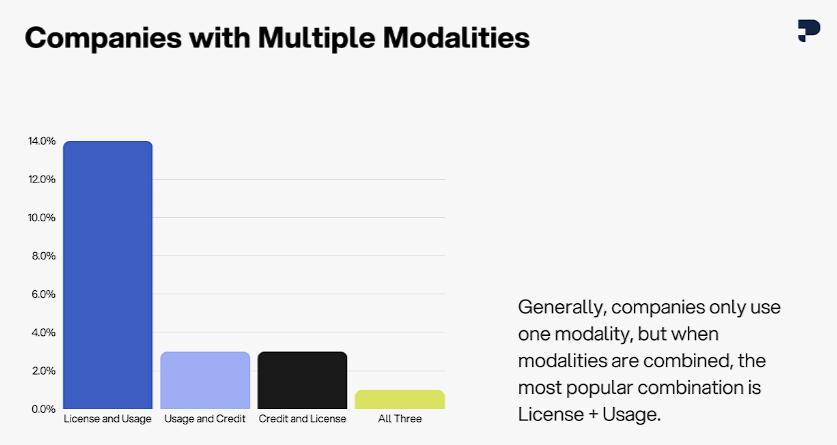
Core Insights - The software sector is experiencing a significant sell-off, termed "SaaSpocalypse," with major companies like Thomson Reuters and Salesforce facing steep declines in stock prices, with the S&P 500 Software and Services Index dropping nearly 13% over five trading days and 26% from its October peak [1] - The launch of Anthropic's Claude Cowork, a general AI agent capable of interacting with user files, has raised concerns about the viability of traditional SaaS business models, as users may achieve results comparable to expensive enterprise software through natural language commands [1] - The current market panic mirrors a previous incident involving DeepSeek, which also caused a rapid sell-off in tech stocks, highlighting a pattern of investor reaction to emerging AI technologies [2][3] Market Reactions - The sell-off triggered by Cowork has been more prolonged than the DeepSeek panic, with the latter's effects dissipating within a day, while Cowork's impact has spread over a week, affecting markets globally [5] - The Cowork panic is driven by a closed-source model from a U.S. company, contrasting with DeepSeek's open-source model from China, suggesting a deeper challenge to established software companies [4] SaaS Pricing Models - Traditional SaaS companies are transitioning from fixed pricing models to usage-based pricing due to the increased efficiency and accessibility of AI, with 79 out of 500 tracked companies adopting point-based pricing, a 126% increase year-on-year [8] - Companies like Salesforce have struggled with pricing strategies, leading to a shift towards usage-based models as they face rising operational costs [8] AI Integration Challenges - Traditional software companies face resistance to price increases associated with AI integration, as seen in Microsoft's case, where customers rejected higher fees for AI features [9] - Many established firms are struggling to effectively incorporate AI into their existing products, leading to inefficiencies and a lack of user engagement [9] Emerging Trends - The rise of Vibe Coding, which allows individuals and companies to create their own tools, poses a threat to traditional software sales, as businesses may prefer to develop customized solutions rather than purchase third-party software [11] - The demand for software is shifting towards solutions that address specific, non-standard needs, indicating a potential decline in the traditional SaaS model [13]

Claude一个插件吓哭华尔街,软件公司集体暴跌,2万亿元一日蒸发
量子位· 2026-02-05 11:20
Core Viewpoint - The emergence of AI tools, particularly Anthropic's "Claude Cowork," is perceived as a significant threat to the Software as a Service (SaaS) industry, leading to a dramatic sell-off in software stocks and a widespread belief that "SaaS is dead" [1][2][8]. Group 1: Market Reaction - The launch of Anthropic's "plugins" resulted in a loss of approximately $285 billion in market value for Nasdaq, with software stocks experiencing a 6% drop, the largest single-day decline since April of the previous year [3][4]. - Following the initial drop, the iShares expanded technology software ETF fell an additional 2%, indicating ongoing market distress [6]. - The overall sentiment on Wall Street has shifted to a pessimistic outlook, with many investors eager to exit software stocks regardless of current prices [8][28]. Group 2: AI's Impact on SaaS - Anthropic's "Claude Cowork" can automate tasks traditionally handled by various software, such as legal document review, significantly reducing costs for businesses from $50,000 annually to potentially just over $100 monthly [14][20]. - The introduction of AI capabilities is expected to disrupt numerous vertical industries, including finance, sales, and marketing, as more plugins are developed [23][30]. - The perception that AI will replace software has led to a reevaluation of the SaaS model, which was previously seen as a complementary relationship [25][38]. Group 3: Competitive Landscape - Anthropic's self-developed underlying model positions it as a formidable competitor, potentially undermining traditional legal services and existing startups in the legal automation space [17][20]. - Other companies, such as Harvey AI and Legora, are also active in the legal automation sector, but Anthropic's capabilities may give it a competitive edge [15][17]. - The market is witnessing a broader trend where AI is seen as a direct competitor to SaaS companies, challenging their traditional business models [27][39]. Group 4: Long-term Outlook - Despite the current turmoil, some industry leaders, like Jensen Huang, argue that software will remain essential as a tool for AI, suggesting that the notion of SaaS being "dead" is misguided [9][47]. - The future may see a transformation in the SaaS business model, where SaaS becomes a more foundational infrastructure rather than a direct user interface [48][49]. - The long-term viability of SaaS companies may depend on their ability to adapt and leverage proprietary data and robust systems to maintain their competitive advantage [42][44].

LegalZoom: Still Remain Cautious For The Near Term
Seeking Alpha· 2025-08-16 06:22
Group 1 - The individual investor focuses on managing personal capital accumulated over the years, utilizing a diverse range of investment strategies including fundamental, technical, and momentum investing [1] - The investor aims to leverage the strengths of various investment approaches to refine their investment process [1] - The purpose of writing on Seeking Alpha is to track the performance of investment ideas and connect with like-minded investors [1] Group 2 - There is no stock, option, or similar derivative position held by the analyst in any mentioned companies, nor are there plans to initiate such positions in the near future [2] - The article reflects the author's personal opinions and is not influenced by any compensation from companies mentioned [2] - Seeking Alpha does not provide recommendations or advice regarding the suitability of investments for particular investors [3]