
一体化供应链

Search documents
海外仓面积翻倍,京东物流2025年营收突破2000亿元大关
Bei Ke Cai Jing· 2026-03-06 02:00
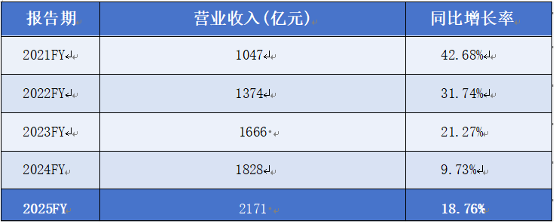
3月5日,京东物流股份有限公司(下称京东物流)发布2025年年度业绩报告,2025年,京东物流全年总 收入达2171亿元,首次突破2000亿元大关,同比增长18.8%,经调整后净利润达77.1亿元。 加码投入采购机器人,全职骑手等成本增加 全球化战略落地成效成为市场对京东物流本次财报的重要看点。财报数据显示,2025年,京东物流完 成"自营海外仓面积翻番"的战略目标,在美、英、法、沙特等多国新增海外仓,截至年末,全球保税 仓、直邮仓及海外仓总数近200个,总管理面积达200万平方米,覆盖全球25个国家和地区。 在本地化运营方面,公司在欧洲的英、法、德、荷等国及中东沙特核心区域推出自营快递品 牌"JoyExpress",实现"211限时达"服务全覆盖,构建起从仓储到末端配送的完整物流网络。英国首个海 外"智狼仓"投用后,凭借自动化设备支撑当地"当日达"履约需求,验证了技术方案的全球可复制性。 2025年京东物流毛利率为9.1%,较上年的10.2%下滑,报告期内,营业成本同比增长20.3%至1974亿 元,高于营收18.8%的增速。其中,员工薪酬福利开支达799亿元,同比增长29.8%。财报显示,全职骑 手及仓储 ...

京东物流高开逾6% 全年收入同比增长18.8% 首次突破2000亿元大关
Zhi Tong Cai Jing· 2026-03-06 01:33
京东物流(02618)高开逾6%,截至发稿,涨6.43%,报10.93港元,成交额1454.46万港元。 根据公告,截至2025年12月31日,京东物流运营超过1600个仓库,仓储网络总管理面积超过3400万平方 米。公司称,2025年,公司成功实现了"自营海外仓面积翻番"的战略目标,在美国、英国、法国、波 兰、韩国、越南、沙特阿拉伯等国家新开多个海外仓,截至2025年底已覆盖全球25个国家和地区。此 外,公司在沙特阿拉伯、英国、法国、德国和荷兰等核心国家区域推出了自营快递品牌"JoyExpress"。 消息面上,京东物流发布年度业绩报告,全年总收入达2171亿元,同比增长18.8%,经调整后净利润达 77.1亿元,业绩增长亮眼。过去一年,京东物流深耕一体化供应链核心赛道,继续保持行业领先地位, 其中第四季度一体化供应链收入同比增长44.5%,再次领跑行业。 ...
京东物流2025年全年营收2171亿元 一体化供应链能力持续完善
Zheng Quan Ri Bao Wang· 2026-03-05 13:16
财报显示,2025年的稳健高质量增长,得益于公司对一体化供应链能力的持续完善,以及对自动化与 AI技术的深入应用。不断优化的物流网络与技术能力,正有效推动行业乃至全社会的降本增效。 3月5日,京东物流股份有限公司(以下简称"京东物流")发布2025年年度业绩报告。报告期内,京东物 流全年总收入达2171亿元,同比增长18.8%,经调整后净利润达77.1亿元,业绩增长亮眼。 过去一年,京东物流持续深耕一体化供应链核心赛道,保持行业领先地位,尤其在第四季度,一体化供 应链收入同比增长44.5%。 不断完善供应链物流网络 随着供应链物流网络覆盖的进一步完善,京东物流一体化供应链实现亮眼增长,2025年,京东物流一体 化供应链物流服务收入达到1162亿元,同比增长33%。2025年,京东物流服务外部一体化供应链客户数 量超9万家,同比增长13%。 一位物流行业分析师对记者表示,京东物流正加速推进全球化布局,通过海外自营仓与跨境货运航线 的"仓网+运网"协同,将国内成熟的供应链模式向海外复制。全球仓储资源与多条新开国际航线,为其 服务中国企业出海及海外本地客户奠定了基础。总体而言,京东物流正凭借技术驱动的仓配网络,在国 ...
京东物流2025年营收同比增长18.8%,海外业务连续高速增长
Sou Hu Cai Jing· 2026-03-05 12:02
金融投资网记者 梅婧 3月5日,京东物流股份有限公司(股票简称"京东物流",股票代码:2618)发布2025年年度业绩报告, 2025年,京东物流全年总收入达2171亿元,同比增长18.8%,经调整后净利润达77.1亿元,业绩增长亮 眼。过去一年,京东物流深耕一体化供应链核心赛道,继续保持行业领先地位,其中第四季度一体化供 应链收入同比增长44.5%,再次领跑行业。 2025年,京东物流业绩持续稳健高质量增长,得益于京东物流始终推进完善一体化供应链能力,打磨极 致的服务体验以及自动化、AI技术的应用。如今,专业高效的服务让京东物流成为了众多海内外客户 可信赖的合作伙伴,不断完善的物流网络与技术应用持续推动行业乃至社会降本增效。 一体化供应链增长再次领跑行业 随着供应链物流网络覆盖的进一步完善,京东物流一体化供应链再度实现亮眼增长,2025年,京东物流 一体化供应链物流服务收入达到1162亿元,同比增长33%。具体看,第四季度一体化供应链客户收入同 比增长44.5%,持续领跑行业。2025年,京东物流服务外部一体化供应链客户数量超9万家,同比增长 13%。此外,包含快递、快运等在内的来自其他客户的收入为1009 ...
京东物流发布2025年度业绩,股东应占利润66.47亿元,同比增长7.2%
Zhi Tong Cai Jing· 2026-03-05 10:34
来自一体化供应链客户收入由2024年度的人民币874亿元增加33.0%至2025年度的人民币1162亿元。来 自一体化供应链客户收入增加主要归因于(i)来自京东集团的收入增加,主要受即时配送服务规模扩展所 带动,其使用公司自2025年二季度起开始招募及管理的全职骑手运力及2025年四季度收购本地即时配送 服务业务所获得的新增配送能力;(ii)受外部一体化供应链客户的收入增加带动,其来源于外部一体化供 应链客户数量的同比增加。于所示期间带来收入贡献的外部一体化供应链客户数量由2024年度的80,703 名增加至2025年度的91,161名。该等外部一体化供应链客户数量增长主要源自客户对公司服务的需求上 升以及公司持续提升的一体化供应链服务能力。公司的单客户平均收入于截至2025年12月31日止年度为 人民币393,907元,而2024年度为人民币400,156元。 来自其他客户的收入由2024年度的人民币955亿元增加5.7%至2025年度的人民币1009亿元,主要受快递 快运业务量增加所带动。 京东物流(02618)发布截至2025年12月31日止年度业绩,收入2171.47亿元(人民币,下同),同比增长 1 ...
京东物流2025年营收2171亿元,同比增长18.8%,海外业务连续高速增长
Ge Long Hui A P P· 2026-03-05 09:50
3月5日,京东物流股份有限公司(股票简称"京东物流",股票代码:2618)发布2025年年度业绩报告, 2025年,京东物流全年总收入达2171亿元,同比增长18.8%,经调整后净利润达77.1亿元,业绩增长亮 眼。过去一年,京东物流深耕一体化供应链核心赛道,继续保持行业领先地位,其中第四季度一体化供 应链收入同比增长44.5%,再次领跑行业。 2025年,京东物流业绩持续稳健高质量增长,得益于京东物流始终推进完善一体化供应链能力,打磨极 致的服务体验以及自动化、AI技术的应用,如今,专业高效的服务让京东物流成为了众多海内外客户 可信赖的合作伙伴,不断完善的物流网络与技术应用持续推动行业乃至社会降本增效,未来,京东物流 还将持续升级一体化供应链物流能力、强化技术升级并提升服务水平,推动降低社会物流成本,助力企 业、行业、社会高质量发展。 四季度同比增长44.5% 一体化供应链增长再次领跑行业 随着供应链物流网络覆盖的进一步完善,京东物流一体化供应链再度实现亮眼增长,2025年,京东物流 一体化供应链物流服务收入达到1162亿元,同比增长33%,其中第四季度一体化供应链客户收入同比增 长44.5%,持续领跑行业 ...
火锅食材龙头亮出黑科技!AI炒菜,锅圈的第二增长极?
市值风云· 2026-02-10 10:13
Core Viewpoint - The article discusses the successful implementation of AI in the restaurant industry, particularly through the case of Guoquan, which has achieved significant growth by focusing on cost-effectiveness and market expansion in lower-tier cities [3][4][5]. Group 1: Company Performance - Guoquan expects total revenue for 2025 to be between 7.75 billion and 7.85 billion yuan, representing a year-on-year growth of 19.8% to 21.3%, marking a historical high [5]. - The net profit is projected to be between 443 million and 463 million yuan, showing a year-on-year increase of 83.7% to 92.0% [6]. - The core operating profit is expected to be between 450 million and 470 million yuan, with a growth of 44.8% to 51.2%, also setting a new record [6]. Group 2: Market Strategy - The company has focused on expanding into lower-tier markets, with nearly 60% of its over 10,000 stores located in third-tier cities and below [9]. - By the end of 2025, Guoquan's total number of stores reached 11,566, exceeding its target of 1,000 new stores for the year, with significant contributions from rural stores [12]. - The average revenue per store in 2025 is approximately 674,400 yuan, reflecting a year-on-year increase of 5.8%, indicating effective management of new store operations [16]. Group 3: Cost Control and Supply Chain - Guoquan has developed an integrated supply chain ecosystem, reducing costs by eliminating intermediaries, which allows for competitive pricing [20][21]. - The company has established 19 central warehouses and invested in 7 core factories, enhancing its supply chain efficiency [20]. - Guoquan's core products are priced competitively compared to similar products, showcasing its cost advantage [22]. Group 4: AI Integration - Guoquan is leveraging AI to standardize Chinese cuisine through its "Guoquan Stir-fry" project, which utilizes smart cooking devices to replace traditional chefs [26][30]. - The project aims to reduce labor costs by 70% and overall store costs by 30%, while maintaining high-quality standards [27][28]. - The AI-driven cooking system allows for consistent quality and flavor, addressing the challenges of traditional cooking methods [29]. Group 5: Future Outlook - Guoquan plans to expand its "Guoquan Stir-fry" project to a scale of 10,000 stores, positioning it as a potential second growth curve for the company [32]. - The company has rapidly expanded since its establishment in 2017, becoming a major player in the community dining and food retail sector [33].
超60万人的体面
虎嗅APP· 2026-01-16 09:52
Core Viewpoint - The article highlights the transformation of JD Logistics from a labor-intensive model to a more efficient, technology-driven logistics provider, emphasizing employee welfare and operational efficiency as key competitive advantages [3][4][5]. Group 1: Employee Welfare and Growth - JD Logistics has maintained a stable workforce of over 600,000 employees, providing formal labor contracts and comprehensive benefits, which is rare in the logistics industry [4][8]. - The company offers various training programs and career development opportunities, allowing employees to enhance their skills and transition into new roles, such as warehouse management or drone operation [14][15]. - The implementation of a robust welfare system has enabled employees to achieve financial stability and plan for long-term goals, such as home ownership [9][11][13]. Group 2: Operational Efficiency and Cost Reduction - JD Logistics has successfully reduced the average number of times goods are handled from 7.2 to 5, leading to a decrease in logistics costs as a percentage of GDP from 18.9% to 14.1% [18][19][55]. - The company operates over 3,600 logistics warehouses, utilizing advanced inventory management and fulfillment capabilities to set industry benchmarks for efficiency [21][24]. - The integration of technology, such as the "Super Brain Model 2.0," optimizes the logistics process, allowing for faster and more efficient delivery [21][22]. Group 3: Technological Innovation - JD Logistics focuses on practical applications of technology, developing automated systems and robots that enhance operational efficiency and reduce reliance on manual labor [26][30]. - The company has pioneered innovations in warehouse management, such as the "up-storage down-picking" model, which optimizes space and improves inspection efficiency [32]. - The use of intelligent scheduling systems and eVTOL drones has significantly improved delivery times, particularly in challenging geographical areas [34][36]. Group 4: Global Expansion and Localization - JD Logistics is expanding its operations internationally, establishing automated warehouses in countries like the UK, which significantly enhance order fulfillment efficiency [39][41]. - The company adapts its logistics solutions to local markets, ensuring compliance with regional regulations while maintaining high service standards [45][48]. - The overseas expansion strategy emphasizes leveraging JD's established supply chain capabilities to support global e-commerce and enhance customer experience [51][57].

京东物流(02618.HK):多因素或致4Q盈利承压 长期仍看好公司增长
Ge Long Hui· 2026-01-08 20:38
Group 1 - The company is expected to achieve a revenue growth of 18% year-on-year in 2025, reaching 216.2 billion yuan, while non-IFRS net profit may decline by 4.2% to 7.59 billion yuan, resulting in a non-IFRS net profit margin of 3.5% [1] - The merger with Dada's instant delivery service is driving steady revenue growth, but sales pressure in certain categories of JD Retail may impact the revenue from internal orders in Q4 [1] - Q4 2025 revenue is projected to grow by 20% year-on-year to 62.5 billion yuan, with a slight deceleration compared to Q3 2025's 24% growth, primarily due to expected declines in JD Retail revenue [1] Group 2 - The company may incur a one-time inventory loss provision in Q4 2025, particularly related to overseas warehouses, which could temporarily pressure profits [2] - A strategic adjustment in the company's sub-groups is anticipated in the second half of 2025, leading to a 24% downward revision of Q4 2025 non-IFRS net profit to 2.23 billion yuan, remaining flat year-on-year [2] - Long-term growth prospects remain positive due to the company's leading integrated supply chain capabilities, rapid growth in overseas business, and deep integration of delivery and sub-group operations with core business [2] Group 3 - The profit margin is under continuous pressure due to upfront cost investments and domestic and international logistics demand may not meet expectations [3]
京东物流(2618.HK):即配加速营收高增 海外及科技双轮驱动一体化供应链增长
Ge Long Hui· 2026-01-08 20:38
Core Viewpoint - The company's fundamental logic remains unchanged, with capability building driving growth in new business scenarios. The rapid growth of the express delivery business is expected to exceed revenue forecasts, but short-term pressures from labor costs, administrative expenses, and resource investments are constraining profit release. In the long term, integrating rider management under JD Logistics to handle "express + instant delivery" can maximize labor efficiency. The future operational capacity will leverage a pool of approximately 450,000 couriers and over 150,000 riders to enhance JD Logistics' urban delivery capabilities [1] Event Highlights - On December 26, JD Logistics successfully completed its first overseas drone test flight, marking the company's first use of drones for cargo transport abroad, which is a significant step in "express delivery going global" - On the same day, the company's first overseas intelligent warehouse officially commenced operations in the UK - Starting January 1, 2026, the consumer goods recycling subsidy officially launched, with JD Logistics completing the first order fulfillment of the 2026 "National Subsidy" on the same day. On January 5, the first order involving robot-assisted delivery was completed [1] Business Performance - Currently, international business accounts for less than 5% of the company's revenue, with expectations for international revenue to continue a high growth trend of 25% in 2026. The company is steadily advancing the deployment of automation equipment (such as unmanned vehicles and drones) and various robots, with capital expenditure expected to gradually increase year by year. However, the company will manage the balance between automation investment and the benefits of technological efficiency to drive long-term profit improvement [1] Risk Analysis - The expansion of integrated supply chain business may slow down, as the company's strategic focus is on integrated supply chain services. The recovery of the macro economy and market demand in China in 2025 will be crucial for the growth of this business segment, particularly for small and medium-sized clients [2] - Internal network integration for cost reduction and efficiency improvement may not meet expectations, as the merger with Debon Logistics in 2022 aimed to reduce capital expenditure and ongoing losses in express and large parcel delivery, but the integration process faces uncertainties due to the complexity of the national network [2] - Rising labor costs and supply-demand imbalances pose challenges, as the logistics industry is labor-intensive and faces recruitment pressures due to an aging population and competition from flexible employment sectors [3] - The pace of industrial upgrading and commercialization of technology may not meet expectations, as the national strategy during the 14th Five-Year Plan encourages high-end industrial development, which presents opportunities for JD Logistics but also involves risks during the transformation process [3]