决策疲劳

Search documents
请避免这几个会让大脑变迟钝的坏习惯
3 6 Ke· 2026-01-23 05:19
经常看到不少人有这样的感慨: 记忆力变差了,刚看到的东西一转头就忘记,很多简单的事情都记不住; 总觉得脑子里装满了杂乱的信息,昏昏沉沉的,没什么精力思考问题; 1. 分心 你是不是有这样的习惯:一边工作,一边查资料,一边在网上闲逛,可能还看几眼视频,刷刷社交媒 体,同时抽空看微信,回一下别人的消息…… 如果是的话,请注意:这个习惯,可能正在悄悄拖垮你的脑力。 为什么呢?很多人会以「多任务」为荣,得意于自己可以同时做好几件事情。但实际上,大脑是没办法 真正进行多任务的。你看起来在同时处理几件事情,其实只是快速不断地在它们之间来回切换而已。 比如你在写作过程中转头查资料,大脑实际上做的是:关闭写作的任务,清理掉残余的信息,切换到搜 索资料的状态,加载所需要的信息,规划接下来要做的步骤,把它们写入工作记忆,指挥身体去做出行 动…… 你每进行一次切换,这个过程都会重复一次。 明明看了很多东西,学了很多东西,但用的时候总是想不起来…… 有些人可能会觉得,是不是自己年纪上去了,大脑变笨了?但其实不一定。 我们生活中有一些司空见惯的小习惯,看上去没什么,但其实是大脑非常害怕的。它们会加重大脑的损 耗和负担,让大脑工作在运转 ...
注意“用脑卫生”,打工人最应该戒掉的6件事
虎嗅APP· 2025-12-31 00:24
Core Viewpoint - The article emphasizes the importance of "brain hygiene" in the context of modern work environments, highlighting the need to reduce unnecessary cognitive load and allow the brain to recover from mental fatigue. Group 1: Multitasking and Cognitive Load - Multitasking is prevalent in modern work, with employees averaging only 11 minutes on a task before being interrupted, requiring about 25 minutes to refocus [9][10] - Constant task switching depletes glucose in the brain, leading to feelings of exhaustion [9][10] - Strategies to mitigate multitasking include using time management techniques like the Pomodoro Technique and creating a distraction-free work environment [10] Group 2: Information Overload - Excessive information intake, especially from social media, contributes to cognitive fatigue, with humans expected to spend approximately 1.6 million years of attention on social media daily by 2024 [13] - The brain's processing capacity is limited to 120 bits per second, leading to feelings of anxiety and stress when overwhelmed by information [13][14] - Recommendations include digital detox, simplifying information sources, and using external tools for task management [14] Group 3: Emotional Labor - Emotional labor involves managing emotions to meet social expectations, often leading to hidden fatigue [15][16] - This type of labor is frequently underestimated and can lead to significant mental strain, especially in communication-heavy roles [16][18] - To reduce emotional labor, individuals can set clear psychological boundaries and allow for natural social interactions without the need for constant reassurance [19][20] Group 4: Always Being On Call - The expectation to be available for work outside of regular hours creates a state of constant alertness, leading to anticipatory anxiety [22][24] - This state can result in overestimating potential threats and maintaining a heightened state of vigilance [24] - Strategies to manage this include setting specific offline times and creating rituals to transition into relaxation [25][26] Group 5: Decision Fatigue - Shopping and decision-making can lead to cognitive overload, with the "paradox of choice" indicating that too many options can paralyze decision-making [27][28] - Decision fatigue manifests as difficulty in making even simple choices and can lead to impulsive behaviors [28][29] - To combat decision fatigue, it is advised to shop at optimal times, create shopping lists, and limit participation in sales events [29][30] Group 6: Pursuit of Perfection - The pursuit of the "best solution" can lead to mental exhaustion, as individuals may become trapped in a cycle of over-analysis and self-doubt [32][33] - This tendency can prevent individuals from recognizing their achievements and maintaining a healthy mental state [33][34] - To address this, individuals can set deadlines for decisions, prioritize tasks, and focus on progress rather than perfection [34][36]


警惕:会让大脑悄悄变笨的生活方式
虎嗅APP· 2025-11-02 02:22
Core Points - The article discusses habits that can negatively impact cognitive abilities, emphasizing the importance of avoiding these habits to maintain brain health [6][7]. Group 1: Sedentary Behavior - Prolonged sitting is identified as a hidden harmful habit, with studies indicating that sitting for more than 2 hours can lead to cognitive decline due to reduced oxygen supply to certain brain areas [9][10]. - It is recommended to change positions or take breaks every 20-30 minutes to mitigate these effects [10]. Group 2: Television Watching - Research shows that watching television for extended periods can decrease performance on intelligence tests, with each additional hour reducing correct answers by 0.15 [12][13]. - The passive nature of watching TV leads to a lower state of brain engagement, contrasting with the active engagement required when using a computer [12][13]. Group 3: Smartphone Use - Frequent smartphone use, particularly on social media, stimulates the brain's reward pathways, leading to a preference for immediate rewards over long-term benefits, which can impair decision-making abilities [16][17]. - It is advised to limit time spent on smartphones and engage in more mentally stimulating activities [18]. Group 4: Lack of Exercise - Physical fitness is linked to cognitive function, with studies indicating that individuals with better physical health experience slower cognitive decline as they age [20][21]. - Regular aerobic and anaerobic exercise is encouraged to support brain health [21]. Group 5: Sleep Deprivation - Quality sleep is crucial for maintaining cognitive function, and sleep deprivation can lead to decreased mental performance [23][24]. - Creating a conducive sleep environment and avoiding screens before bedtime are recommended practices [24]. Group 6: Internal Inflammation - Chronic inflammation from certain foods can negatively affect cognitive abilities by diverting brain resources to manage inflammation [26]. - It is suggested to avoid pro-inflammatory foods such as high-salt and high-oil items [27]. Group 7: Nutritional Imbalance - A lack of essential nutrients like B vitamins, iron, and magnesium can lead to cognitive decline and fatigue [28][29]. - Maintaining a balanced diet with diverse food options is emphasized to support brain function [29][30]. Group 8: Overwhelming Tasks - Excessive daily tasks can lead to decision fatigue, reducing cognitive resources available for complex problem-solving [33][34]. - Implementing routines to automate minor decisions can help conserve cognitive energy for more significant issues [34]. Group 9: Repetitive Lifestyle - A monotonous lifestyle can lead to cognitive decline due to a lack of new stimuli, which is essential for maintaining brain engagement [36][37]. - Engaging in new activities and challenges is recommended to refresh cognitive function [37].

印媒:扎克伯格“灰T穿搭”背后的心理学
Huan Qiu Shi Bao· 2025-08-26 23:09
Group 1 - The article discusses the concept of "decision fatigue" and how successful individuals like Mark Zuckerberg simplify their lives by adopting a uniform style of clothing, such as gray t-shirts and jeans, to reduce the number of daily decisions they need to make [1][2] - It highlights that decision fatigue can lead to decreased decision-making ability over time, similar to the stress experienced when a phone battery is low, making subsequent decisions more challenging [2] - The article mentions other notable figures, such as Steve Jobs and Barack Obama, who also adopted a minimalist approach to their wardrobe to conserve mental energy for more critical decisions [2] Group 2 - The article suggests that individuals can learn from these successful figures by creating a personal "uniform" or classic outfit that is versatile and comfortable, applicable to most occasions [3] - It encourages those who enjoy fashion to find ways to vary their outfits while maintaining a core set of clothing, thus creating a memorable personal style and visual consistency [3]
从布鞋、灰T到皮夹克,大佬们为何都需要自己的独特衣着?
创业邦· 2025-07-25 09:42
Core Viewpoint - The article discusses how prominent business leaders use signature clothing to simplify decision-making and enhance their public image, reflecting their personal and corporate identities [3][4][8]. Group 1: Decision Fatigue and Simplification - Decision fatigue theory suggests that making numerous decisions depletes mental resources, leading to poorer decision quality over time [6][7]. - High-profile individuals often simplify their clothing and dietary choices to conserve energy for more significant decisions, as exemplified by figures like Barack Obama and Mark Zuckerberg [7][8]. - Surveys indicate that individuals spend considerable time daily choosing outfits, with women averaging 17 minutes and men 16 minutes, highlighting the impact of clothing choices on mood and efficiency [7][8]. Group 2: Symbolism and Identity - Business leaders utilize standardized clothing to reinforce their unique identities and create social symbols, with minimalist styles representing values like innovation and efficiency [8][10]. - Huang Renxun's choice of a leather jacket contrasts with the minimalist styles of others, creating a strong visual identity that aligns with Nvidia's culture of technological innovation [10][12]. - The clothing choices of entrepreneurs like Zong Qinghou and Huang Renxun serve as symbols of their personal and corporate philosophies, fostering emotional connections with consumers [12][14]. Group 3: Marketing and Recognition - Uniform clothing helps establish visual recognition and memory points, making it easier for the public to identify and remember these leaders [13][14]. - The article emphasizes that modern entrepreneurs often prefer "anti-authority" symbols, such as casual attire, to reshape power dynamics and promote a sense of equality and innovation [14][16]. - The significance of clothing extends beyond mere appearance; it reflects deeper social psychology and cultural expressions related to identity and belonging [14][16]. Group 4: Implications for Ordinary Individuals - While ordinary individuals can benefit from adopting a simplified wardrobe to enhance focus and personal branding, direct imitation of leaders' styles may not be appropriate due to differing contexts and meanings [16][17]. - The essence of emulating these leaders lies in understanding the underlying principles of decision simplification and authenticity rather than merely copying their external appearance [17].

不要在“理性决策”中耗尽自己 | 创业Lifestyle
红杉汇· 2025-07-20 03:10
Core Insights - The article discusses the decision-making challenges faced by entrepreneurs, highlighting the concepts of "decision fatigue" and the "paradox of choice" as significant factors that drain their mental energy [2][3] Group 1: Decision Fatigue - Decision-making is described as an invisible mental labor that requires constant weighing of various needs, leading to psychological exhaustion, especially for entrepreneurs [4][5] - Decision fatigue occurs when individuals make too many choices in a short period, resulting in a default state of seeking the easiest option, which can lead to impulsive or avoidant decisions [5][6] Group 2: Paradox of Choice - The "paradox of choice" suggests that having too many options can lead to paralysis in decision-making, as individuals may feel overwhelmed and anxious about missing out on better alternatives [7][8] - This phenomenon is illustrated by a classic jam experiment, where more options led to less actual purchasing, indicating that more choices do not equate to greater freedom [6][7] Group 3: Impact of Sleep on Decision-Making - Research indicates that decision-making quality declines with lack of sleep, as the brain's decision-making centers become impaired, leading to impulsive choices that prioritize immediate gratification over long-term benefits [8][9] Group 4: Strategies for Better Decision-Making - Entrepreneurs are encouraged to focus on their true standards and accept that uncertainty is part of life, which can alleviate the pressure of making the "perfect choice" [9][10] - Energy management techniques are suggested, such as simplifying low-value decisions, scheduling important decisions for peak mental energy times, and allowing for rest to recharge cognitive resources [10][11] - The article advocates for decision optimization through the 80/20 rule, focusing on core decisions that drive value while strategically abandoning less critical options [11][12] - Planning action strategies in advance can reduce cognitive load, breaking down larger decisions into manageable tasks to avoid procrastination [12][13] - Trusting intuition for non-critical decisions can save time and allow for iterative improvements based on feedback [13][14]
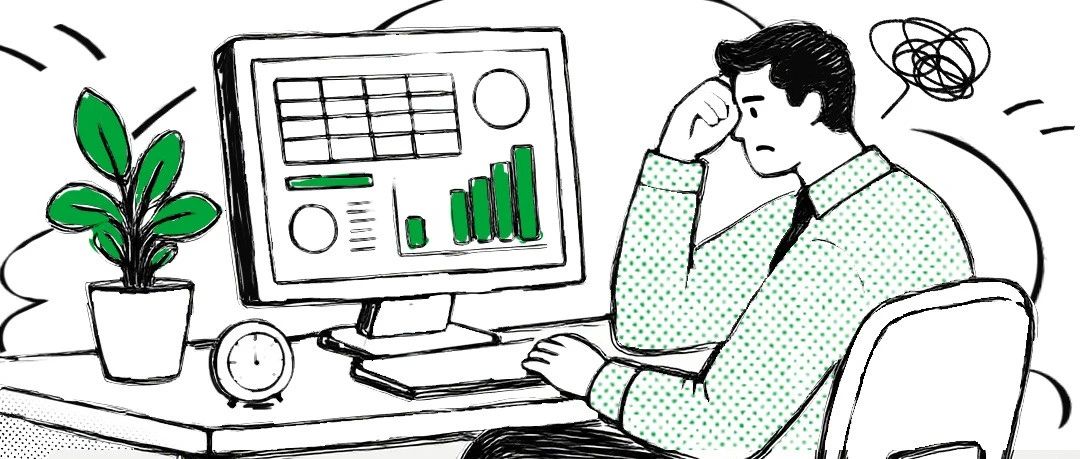
No-Buy July是美国中产阶级的焦虑练习
Hu Xiu· 2025-07-03 04:47
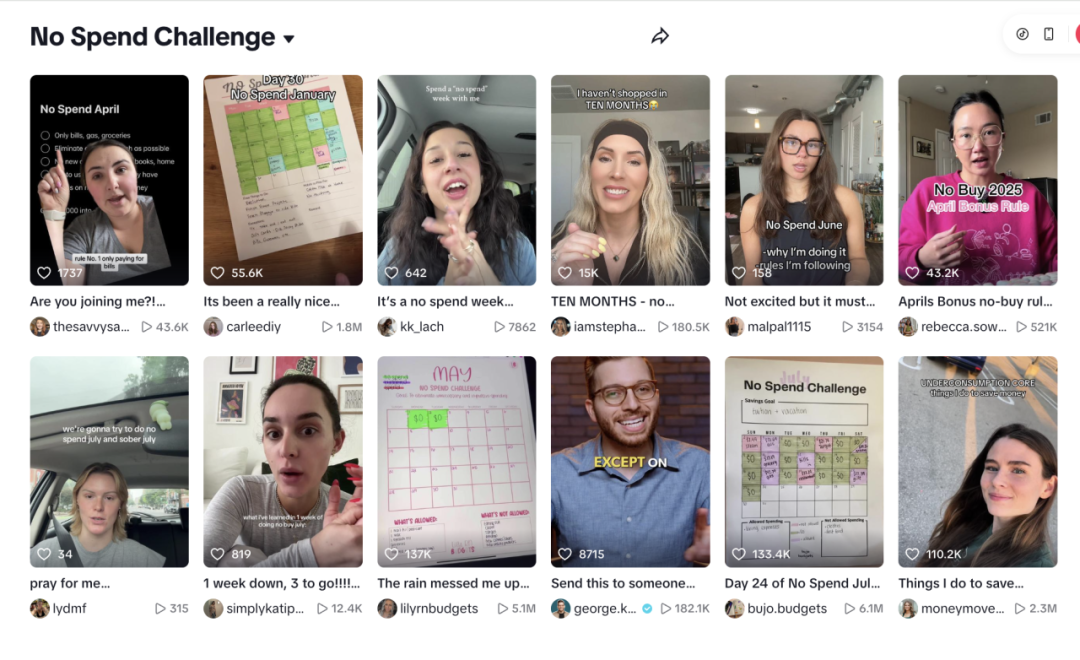
Core Viewpoint - The "No-Buy July" movement has emerged as a response to the overwhelming consumer culture in the U.S., where individuals challenge themselves to refrain from non-essential purchases for a month, reflecting a desire for financial control and a reassessment of personal values in a consumer-driven society [1][3][6]. Group 1: Consumer Behavior - July has become a month for financial restraint, contrasting with the traditional "Frugal February," as people seek to save money amidst rising living costs and economic instability [2][11]. - The movement is likened to a social media experiment, where participants engage in "fiscal fasting," pausing habitual spending behaviors to regain control over their finances [3][20]. - The act of not buying is seen as a rejection of consumerism, allowing individuals to reflect on their consumption habits and mental well-being [17][23]. Group 2: Societal Context - The U.S. is built on a "growth myth," where consumerism is intertwined with identity and success, making the choice to abstain from buying a significant statement against societal norms [7][8][9]. - The rise of "No-Buy July" reflects deeper societal issues, including economic inequality and the pressures of modern life, particularly for middle-class families facing stagnant incomes and rising costs [11][21]. - The movement resonates with conservative values that promote moderation and self-discipline, contrasting with the liberal middle class's response to systemic instability [13][15][14]. Group 3: Psychological Aspects - Participants report that the challenge alleviates "decision fatigue" and provides a sense of mental clarity, as they focus on what they already possess rather than what they lack [17][24]. - The practice of restraint is viewed as a form of empowerment, allowing individuals to redefine their relationship with consumption and prioritize meaningful experiences over material possessions [25][29]. - The movement highlights a class disparity, as those who can afford to participate in "No-Buy July" often have the luxury of choice, while many others live in a state of constant necessity [20][21].
如何把复杂的生活过简单?
3 6 Ke· 2025-06-22 23:16
Group 1 - The article emphasizes the importance of simplicity in achieving success and managing life effectively [4][5][12] - It discusses the concept of decision fatigue, where an overload of choices can lead to paralysis in decision-making [8][13] - The text highlights that many people fail not due to incompetence, but because they spend too much time clearing paths for smaller goals instead of focusing on significant objectives [7][14] Group 2 - The article suggests implementing the principles of simplicity on a weekly and monthly basis to prioritize essential tasks [9][15] - It introduces the 80/20 rule, stating that 80% of results come from 20% of efforts, encouraging focus on high-impact activities [10][16] - The need for clarity in goals and the courage to eliminate distractions is emphasized as crucial for achieving meaningful success [13][14]

什么才是好产品?
Hu Xiu· 2025-06-19 12:25
Group 1 - The article discusses the definition of a "good product" and emphasizes the importance of understanding what constitutes a good product before attempting to create one [2][14] - It uses the example of the hovering chair from the movie "WALL-E" to illustrate that a product can be technically perfect but still have negative long-term effects on users [5][6] - The article argues that a good product should ultimately grant users greater freedom, reflecting the creator's love and care for the users [14][21] Group 2 - The article critiques platforms like Douyin (TikTok), comparing them to the hovering chair, as they may lead to negative societal impacts despite their commercial success [22][23] - It highlights the psychological effects of free, random, and infinite offerings, which can lead to addiction and decision fatigue among users [26][34] - The article stresses the shared responsibility of technology companies, users, and regulators in addressing the negative consequences of excessive convenience and content consumption [41][42] Group 3 - The author proposes a formula for evaluating a product based on four dimensions: practical function, emotional experience, cost, and universality [72][75] - It emphasizes the need for a holistic view of both short-term and long-term benefits and costs when designing or purchasing products [73] - The article concludes with a wish for companies to create good products that enhance user freedom [74]

决策疲劳,正在消耗你的活人感
虎嗅APP· 2025-05-31 03:11
Core Viewpoint - The article discusses the phenomenon of "decision fatigue," which occurs when individuals are overwhelmed by the sheer number of choices they face, leading to poor decision-making and impulsive behavior [3][6][19]. Group 1: Understanding Decision Fatigue - Decision-making involves two systems: a fast, intuitive system and a slow, rational system, both of which consume mental energy [5][6]. - As individuals make more decisions throughout the day, their mental resources deplete, making it increasingly difficult to make further choices [6][8]. - Research indicates that decision fatigue can lead to impulsive choices or avoidance of decisions altogether, as seen in studies of parole judges whose decision-making deteriorated over time without breaks [7][8]. Group 2: The Impact of Choices - The increase in available choices does not necessarily lead to better outcomes; rather, it can create paralysis in decision-making [10][12]. - An experiment demonstrated that fewer options can lead to higher purchase rates, highlighting the paradox of choice [12][14]. - Everyday decisions, such as what to eat or wear, can become overwhelming, leading to indecision and frustration [13][14]. Group 3: Decision-Making at Night - People are more likely to make regrettable decisions late at night due to decreased self-control and cognitive function [16][17]. - Sleep deprivation significantly impairs the brain's ability to make rational decisions, increasing the likelihood of impulsive choices [17][18]. - The article emphasizes the importance of sleep for maintaining decision-making capabilities and overall mental health [18]. Group 4: Strategies to Mitigate Decision Fatigue - To combat decision fatigue, individuals can improve their daily rhythms by reducing unnecessary choices and optimizing decision-making processes [20][21]. - Taking breaks and allowing for rest can help refresh the mind when faced with difficult decisions [22][23]. - Making important decisions during the day when cognitive function is at its peak is recommended [24][25]. - Establishing default choices in daily life can alleviate decision-making pressure, allowing for focus on more significant matters [25][26]. - Preparing in advance and setting up decision frameworks can reduce cognitive load and enhance decision quality [28][29].