
华盛顿共识

Search documents
惊!华尔街如何凭借一场战争,奠定金融霸主地位?
Sou Hu Cai Jing· 2025-12-15 06:11
Group 1: Origin and Early Development of Wall Street - Wall Street originated from the establishment of a defensive wall in New Amsterdam, which later evolved into a financial hub as the area developed into a trading post due to its advantageous location as a deep-water port [1][3] - The first formal slave market was established at the intersection of Wall Street and Pearl Street in 1711, marking the initial commercial activities that would lead to the formation of Wall Street [5] - By 1792, 24 prominent brokers signed the Buttonwood Agreement, which laid the groundwork for a more organized and transparent financial market, transitioning Wall Street from informal trading to a structured financial system [6] Group 2: Civil War and the Rise of Wall Street - The Civil War (1861-1865) marked a pivotal shift in the U.S. from a decentralized agricultural economy to a centralized industrial power, with Wall Street playing a crucial role in financing the war [9][10] - The Union government raised $500 million in war bonds, significantly aided by banker Jay Cooke, who marketed these bonds to the public, showcasing the financial sector's influence on national events [8] - Wall Street became a central hub for connecting European capital with American industrial ambitions, facilitating the rise of major corporations through mergers and acquisitions during the Gilded Age [10] Group 3: Washington Consensus and Global Expansion of Wall Street - The Washington Consensus emerged in the late 1980s as a framework for economic reform in Latin America, promoting privatization and deregulation, which benefited Wall Street creditors [12] - The implementation of the Washington Consensus led to significant economic changes in countries like Thailand and South Korea, but also resulted in financial crises that highlighted the vulnerabilities of these economies [14] - Wall Street's influence through the Washington Consensus allowed it to control global resource pricing and ownership, reinforcing U.S. economic power while also revealing the risks associated with a finance-dominated economy [14]


别被特朗普骗了,美国两党达成一致,要让中国永远当第二
Sou Hu Cai Jing· 2025-12-12 15:43
Group 1 - The core viewpoint of the article is that the recent National Defense Strategy released by the Trump administration continues the bipartisan consensus that the U.S. must maintain its position as the world's largest economy, while China should remain in second place, reflecting a one-sided American perspective [1][3]. - The article highlights that both the Trump administration and previous administrations, including those of Obama and Bush, share a fundamental goal of preserving U.S. global leadership, particularly in economic and technological dominance, with no substantial disagreement between the two parties on this issue [4][6]. - The U.S. has developed a consensus on the necessity of maintaining its economic primacy due to anxiety over China's rapid rise, which threatens the established order and could undermine U.S. financial and military influence globally [7][9]. Group 2 - The article discusses the various strategies employed by different U.S. administrations to counter China's rise, including Obama's "Pivot to Asia," Trump's "Indo-Pacific Strategy," and Biden's "Build Back Better World," all aimed at containing China while sharing the same ultimate objective [6][10]. - It emphasizes that the ongoing tensions between the U.S. and China, including trade wars and technological restrictions, are manifestations of a deeper strategic consensus that transcends individual administrations, indicating a long-term structural competition [11]. - The article concludes that the U.S. goal of keeping China in a subordinate position is a subjective desire, and China's ability to surpass the U.S. will depend on its own development rather than U.S. permission, highlighting China's focus on its own progress rather than seeking to replace the U.S. as a global leader [12][14].
实际汇率在经济总量赶超中的作用:全球视角与对比分析
Sou Hu Cai Jing· 2025-12-07 09:11
Core Insights - The article examines the impact of real exchange rate appreciation on economic catch-up using data from 191 economies from 1960 to 2021, finding that a slight appreciation (around 4%) aids domestic economic growth and has a significant statistical effect on economic catch-up [2][4][6] - Economic growth is identified as the primary means to achieve economic catch-up, contributing nearly 80%, while the contribution of real exchange rate appreciation is about 20% [2][4][6] - During periods of rapid economic growth, real exchange rates have a more pronounced positive effect, while significant depreciation during crises hampers the speed of economic catch-up [2][4][6] - Countries with low economic growth, high nominal exchange rate volatility, and high inflation are more likely to fall into the "middle-income trap" [2][4][6] - Compared to Japan and South Korea, China faces greater pressure to catch up as its economic growth has noticeably slowed before crossing the "middle-income trap" [2][4][6] Economic Growth and Real Exchange Rate - Domestic economic stability is fundamental for achieving economic catch-up, with real exchange rates influencing growth through various channels [4][6] - Historical examples, such as Japan's experience from 1960 to 1995, illustrate that real exchange rate changes significantly impacted economic performance, with appreciation contributing 68% to GDP growth relative to the U.S. [4][6] - The analysis of China and the U.S. shows a notable decline in the GDP ratio from 80.66% in 2021 to 74.54% in 2023, primarily due to inflation differentials and nominal exchange rate depreciation [5][6] Statistical Role of Real Exchange Rate - The statistical contribution of real exchange rates to economic catch-up is significant, with an average contribution of 40.64% to GDP growth since 1960 [22][23] - The article highlights that real exchange rate fluctuations have a substantial impact on the nominal GDP growth rate, especially during periods of economic instability [22][23] - The findings suggest that while real exchange rate appreciation can enhance GDP growth, excessive volatility and depreciation can lead to adverse economic outcomes [22][23] Economic Catch-Up Dynamics - Economic growth is the dominant factor in achieving economic catch-up, with a contribution rate of approximately 80% when weighted by GDP share [27][28] - Economies characterized by high exchange rate volatility and inflation struggle to escape the "middle-income trap," as evidenced by the performance of various regions [28][29] - The article categorizes economies into different types based on their growth drivers, emphasizing that those reliant on real exchange rate movements often experience lower growth rates [27][28]

全球经济发展中的理念嬗变
Sou Hu Cai Jing· 2025-11-10 06:09
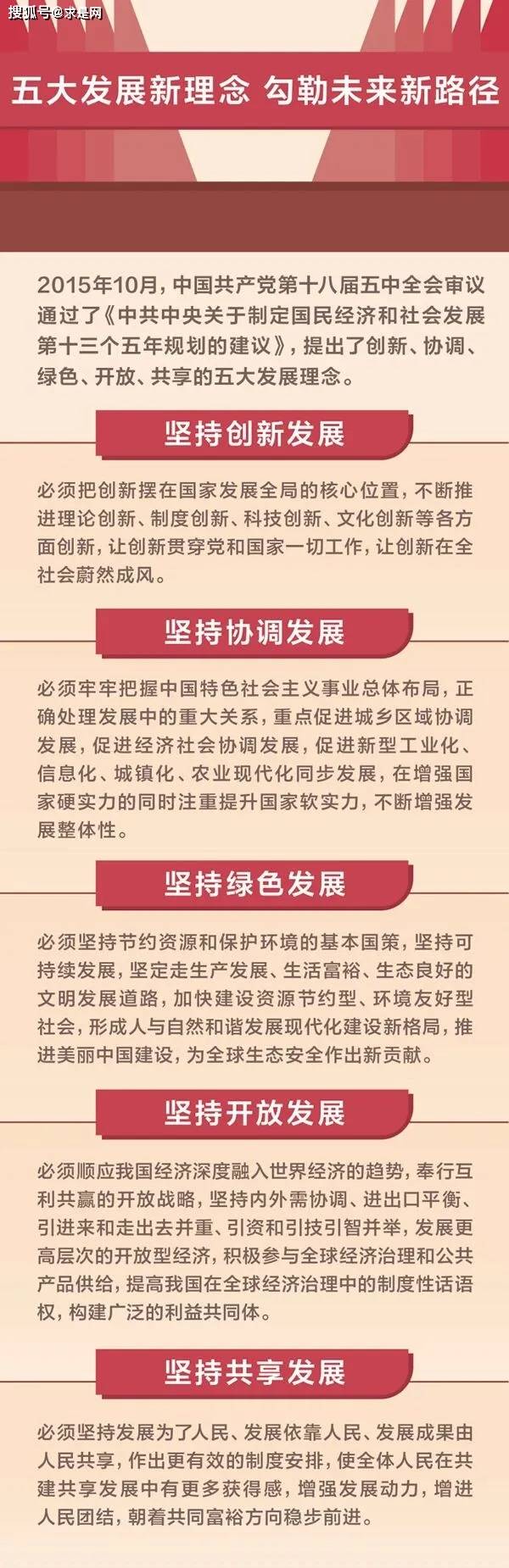
Core Viewpoint - The article discusses the evolution of development theories and practices across different historical contexts, emphasizing the need for innovative and adaptive approaches to economic development in response to changing global conditions [1][2][14][15]. Group 1: Historical Context of Development Theories - The transition to capitalism and industrialization in Western countries set a precedent for economic development, leading to the emergence of various economic theories that influenced global policies [1]. - Post-World War II, development economics emerged to address the urgent economic development needs of newly independent nations, drawing from Western industrialization experiences [2]. - Structuralism dominated development economics from the 1940s to the 1960s, advocating for government intervention and capital accumulation, but faced challenges in the 1970s leading to stagnation in developing countries [2]. Group 2: Shift to Neoliberalism - The rise of neoliberal economic theories in the 1980s, particularly the "Washington Consensus," promoted market liberalization and reduced government intervention, which ultimately led to significant failures in many developing nations [2]. - The period termed the "lost two decades" for developing countries highlighted the inadequacies of applying Western industrialization models to diverse economic contexts [2]. Group 3: New Development Concepts - The introduction of new development concepts by Xi Jinping emphasizes innovation, coordination, green development, openness, and sharing as essential for high-quality economic growth [14]. - These new concepts aim to address the contradictions and challenges faced by China in the context of rapid development and changing global dynamics, moving beyond traditional development paradigms [14][15]. - The new development philosophy is positioned as a solution to contemporary global issues such as economic inequality, environmental degradation, and the challenges of globalization [15].
温铁军直言:西方为啥恨中国体制?因为我们没照教科书玩!偏要走自己的路!
Sou Hu Cai Jing· 2025-10-29 01:47
Core Viewpoint - The article discusses China's unique economic model, which diverges from Western economic theories, particularly in its approach to crisis management and economic stability. It emphasizes China's ability to implement counter-cyclical measures to stabilize the economy during global downturns, contrasting this with the Western reliance on market self-correction. Group 1: Economic Management - China employs counter-cyclical measures during global crises, such as fiscal stimulus and infrastructure investment, to stabilize the economy [5][12][42] - The Chinese government initiated a 3.6 trillion yuan fiscal stimulus focused on infrastructure to counteract economic downturns [5][12] - Historical examples include the 1998 Asian financial crisis and the 2008 global financial crisis, where China successfully avoided economic collapse through strategic investments [7][15][42] Group 2: Global Economic Relations - China's integration into the global economy has evolved from passive participation to active investment and acquisition of foreign assets [1][26] - The shift in U.S.-China relations post-2010, with the U.S. designating China as a strategic competitor, has led to increased trade and technology tensions [2][25] - The article highlights the risks associated with deep integration into globalization, particularly in light of potential supply chain disruptions [26][27] Group 3: Rural Development and Poverty Alleviation - The article outlines China's strategic focus on rural revitalization and poverty alleviation as part of its domestic economic policy [30][31] - By 2020, China achieved the goal of eliminating rural poverty, showcasing the effectiveness of state-led initiatives [17][18] - Investments in rural infrastructure and agriculture are seen as essential for maintaining economic stability and addressing food security [32][34] Group 4: Financial Strategy - China's financial strategy emphasizes directing resources to the real economy rather than speculative financial markets, contrasting with U.S. approaches during crises [22][42] - The government has consistently prioritized financial support for manufacturing and infrastructure, particularly during economic downturns [20][22] - High savings rates in China are viewed as a buffer against economic uncertainty, providing stability in times of crisis [23]

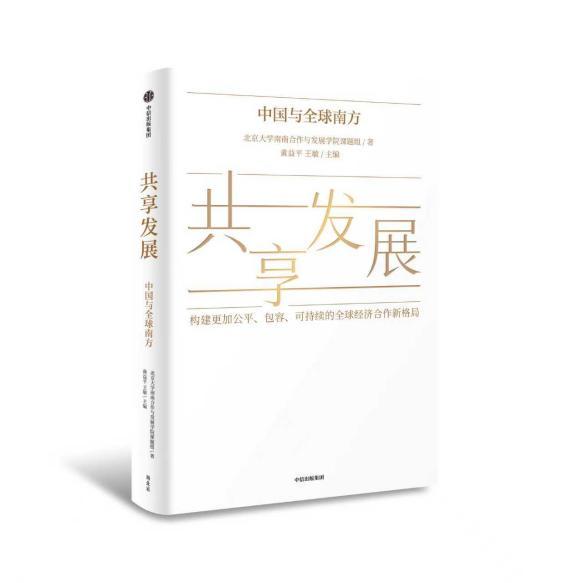
黄益平:“华盛顿共识”破产后,全球南方的发展路在何方?中国经验给出答案
Feng Huang Wang Cai Jing· 2025-10-15 07:39
Group 1: Tanzania's Economic Vision - Tanzania's President Samia Suluhu Hassan announced the "Vision 2050," aiming for a GDP exceeding $1 trillion and a per capita GDP of $7,000 by 2050, which requires an annual nominal GDP growth rate of 6.8% [1] - The vision includes strategic pillars and industrial policies focusing on logistics, energy, technology, digital transformation, and nine key sectors such as agriculture, tourism, and mining to create jobs and boost exports [1] - The announcement may be politically motivated ahead of the upcoming elections in October 2025, as it lacks specific strategies and pathways for implementation [1] Group 2: Development Challenges in Southern Countries - Many Southern countries, like Tanzania, face significant challenges in achieving rapid economic development, often falling into the "middle-income trap" as defined by World Bank economists [3][4] - The "Washington Consensus" proposed by international organizations has had limited success in guiding economic reforms in developing countries, contrasting with the successful policies of East Asian economies [5][6] - The lack of innovation capacity and persistent issues such as inequality, poor education, and inadequate infrastructure hinder sustained economic growth in many Southern nations [4][6] Group 3: Lessons from China's Economic Policies - China's economic growth, with an average GDP growth rate of 8.9% from 1978 to 2024, serves as a potential model for Southern countries aiming for rapid development [8] - Key differences between China's policies and the "Washington Consensus" include a significant state-owned sector and active government participation in economic activities, including industrial policies [8][9] - The pragmatic approach of Chinese reforms emphasizes adapting policies to local conditions rather than strictly following theoretical models, which could provide valuable insights for other Southern nations [21][24] Group 4: Global South Consensus - The "Washington Consensus" is becoming outdated, as both Southern countries and Northern nations like the U.S. have moved away from its principles, highlighting the need for a new framework for economic development [20][26] - A proposed "Global South Consensus" aims to establish basic principles for economic policy that are tailored to the unique circumstances of Southern countries, focusing on market-driven resource allocation and pragmatic government intervention [23][24] - Successful experiences from East Asian economies, particularly China, can inform the development of this consensus, emphasizing the importance of context-specific policies and the balance between market and government roles [21][26]
打破思想殖民枷锁 绘就文明多样图谱——智库报告揭示美国认知战的手段、根源及国际危害
Xin Hua She· 2025-09-08 01:01
Core Viewpoint - The article discusses the concept of "thought colonialism" as a strategy employed by the United States to exert ideological influence globally, revealing its historical roots and the serious international consequences of such actions [1][2][3]. Group 1: Historical Context and Development - The seeds of American thought colonialism were planted as early as the late 18th century, with actions like the westward expansion and the Monroe Doctrine, which aimed to establish U.S. dominance in Latin America [2]. - Post-World War II, the U.S. linked economic aid to ideological promotion through initiatives like the Marshall Plan, solidifying its influence over capitalist nations and countering Soviet power [2]. - The Cold War era saw the U.S. intensifying its ideological export through media outlets like Voice of America, which disseminated narratives promoting the "free world" [3]. Group 2: Mechanisms of Thought Colonialism - The U.S. employs a complex, multi-layered system for thought colonialism, characterized by government-led strategies, media manipulation, and collaboration with allies [4][5]. - A dual approach of promoting American values while undermining local cultures is evident, with the U.S. using both constructive and destructive tactics to achieve its goals [3][5]. - The U.S. has developed a sophisticated communication network that includes traditional media, digital platforms, and cultural exports to shape global narratives and perceptions [5][6]. Group 3: International Consequences - American thought colonialism has led to the erosion of local ideologies and the destabilization of governments, with the U.S. attempting to overthrow over 50 foreign governments since World War II [7][8]. - The strategy has also involved inciting geopolitical conflicts by spreading misinformation, as seen in the lead-up to the Iraq War [8]. - The long-term impact includes the loss of cultural identity in developing nations, where local elites may adopt pro-American stances, undermining their countries' sovereignty [9][10]. Group 4: Global Response and Future Outlook - There is a growing awareness and resistance among global South countries against American thought colonialism, with calls for independent development and cultural exchange gaining momentum [10][11]. - Initiatives proposed by countries like China aim to provide alternative frameworks for development and governance, challenging the dominance of American ideological narratives [10][11].
专栏|谁在制造“债务陷阱”?——一份英国报告揭示的真相
Xin Hua She· 2025-08-18 14:57
Group 1 - A recent report by the NGO "Debt Justice" indicates that from 2020 to 2025, 39% of external debt repayments from low-income countries will go to commercial lenders outside of China, while only 13% will be directed to China [1] - The report highlights that the narrative of China being the "largest creditor" in the global South debt crisis is misleading, as Western commercial lenders and multilateral institutions play a more significant role [1] - The report cites examples of Western commercial lenders, such as Glencore and Standard Chartered, taking a hardline stance on debt repayments, which contrasts with China's approach [1] Group 2 - Historical practices of Western countries have imposed significant impacts on developing nations, with the "Washington Consensus" in 1989 exemplifying how financial tools were used to enforce neoliberal policies that harmed economic sovereignty in Latin America [2] - To address the long-standing debt issues of developing countries, a focus on economic diversification and sustainable development is essential, with China supporting these efforts through infrastructure investments in Africa [2] - Chinese investments in Africa, including the construction of extensive road and rail networks, are viewed positively by African leaders, who recognize these efforts as mutually beneficial rather than a "debt trap" [2] Group 3 - The narrative surrounding the "debt trap" reflects a deeper geopolitical struggle for development rights and discourse, with Western debt systems constraining the economic autonomy of developing countries [3] - China's cooperative model offers a potential pathway to break free from these constraints and explore new avenues for development [3]
谁在制造“债务陷阱”?——一份英国报告揭示的真相
Xin Hua She· 2025-08-18 13:35
Group 1 - A recent report by the NGO "Debt Justice" indicates that from 2020 to 2025, 39% of external debt repayments from low-income countries will go to commercial lenders outside of China, while only 13% will be directed to China [1] - The report highlights that the narrative of China being the "largest creditor" is misleading, as the majority of debt is owed to Western commercial lenders and multilateral institutions [1] - The report cites examples of Western commercial lenders, such as Glencore and Standard Chartered, refusing debt relief to countries like Chad and Zambia, illustrating the aggressive stance of these creditors [1] Group 2 - The historical context shows that Western countries have imposed neoliberal policies on Latin American countries, leading to economic sovereignty loss and social tensions [2] - To address the long-standing debt issues of developing countries, economic diversification and sustainable development are essential, with China supporting these efforts through long-term investments [2] - China's infrastructure investments in Africa, including nearly 100,000 kilometers of roads and over 10,000 kilometers of railways, have significantly enhanced connectivity and modernization, countering the "debt trap" narrative [2] Group 3 - The construction and deconstruction of the "debt trap" narrative reflect a deeper geopolitical struggle for development rights and discourse power [3] - The Western-led debt system restricts the economic autonomy of developing countries, while China's cooperative model offers a potential pathway to break these constraints [3]
专栏丨谁在制造“债务陷阱”?——一份英国报告揭示的真相
Xin Hua She· 2025-08-18 10:53
Group 1 - A recent report by the UK NGO "Debt Justice" reveals that from 2020 to 2025, 39% of external debt repayments from low-income countries will go to commercial lenders outside of China, while only 13% will go to China [1] - The report highlights that Western commercial lenders and multilateral financial institutions are primarily responsible for the debt crisis in developing countries, contrary to the narrative that blames China as the largest creditor [1][2] - The nature and conditions of the debt are more critical than the amount itself, with Western lenders often imposing high-interest rates and strict repayment terms, leading to a "trap" for developing nations [1] Group 2 - Historical practices by Western nations have significantly impacted the development paths of countries in the Global South, with financial tools being used to impose conditions that undermine economic sovereignty [2] - To address the long-standing debt issues of developing countries, a focus on economic diversification and sustainable development is essential, with China supporting these efforts through long-term investments in infrastructure [2] - The narrative of the "debt trap" reflects a deeper geopolitical struggle for development rights and discourse, with China's cooperative model offering an alternative to the restrictive frameworks imposed by Western debt systems [3]