新消费模式

Search documents
中部雄起:武汉冲刺万亿消费城市,正打响新中产“逆袭”战!
Sou Hu Cai Jing· 2026-01-09 07:35
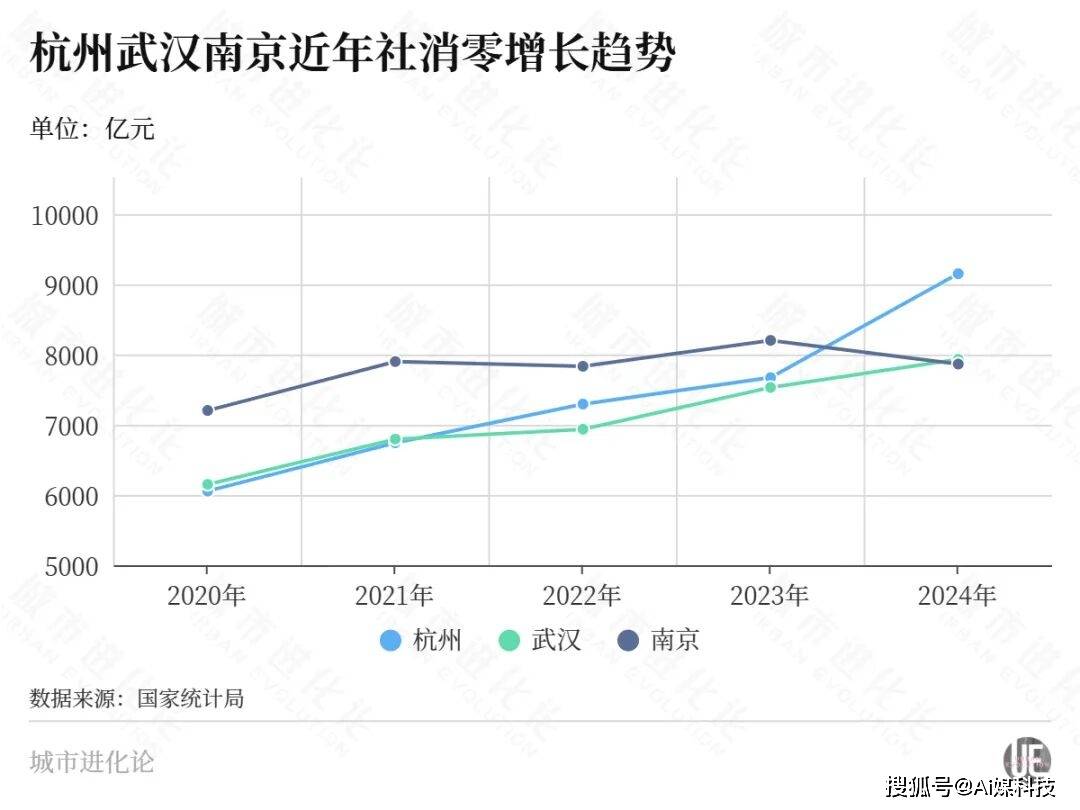
Core Insights - Wuhan is emerging as a significant player in the competition for a trillion-yuan consumer market, challenging the dominance of the Yangtze River Delta region [1][9] - The city aims for a GDP growth of approximately 6% by 2025, the highest in four years, with retail sales expected to exceed 900 billion yuan, marking a significant milestone [1][3] Economic Growth and Targets - Wuhan's government has set an ambitious target for social retail sales to surpass 1.07 trillion yuan by 2027, indicating a shift from a manufacturing hub to a consumption-driven economy [3] - The city has seen a notable increase in retail sales, with a projected growth of around 5% [1] Cultural and Tourism Development - Wuhan is leveraging local cultural IPs, such as the "Garlic Bird" plush toy, to attract younger consumers, achieving monthly sales exceeding 1 million yuan and over 100 million online exposures [3] - The cherry blossom season has transformed into a comprehensive consumer experience, with over 1 million visitors and significant external tourist spending, highlighting the city's ability to attract outside traffic [5] Consumer Behavior and External Influence - A significant portion of Wuhan's consumer growth is driven by external visitors, with over 77% of cherry blossom season tourists coming from outside the city, contributing to substantial local spending [5] - During the recent holidays, Wuhan received over 34 million tourists, generating a total tourism revenue of 21.7 billion yuan, reflecting a growth rate of 12.06% and 16.35% [5] Regional Economic Positioning - Wuhan's geographical advantage as a transportation hub enhances its ability to attract consumers from surrounding provinces, extending its market reach up to 1,000 kilometers [6] - The city's manufacturing sector is increasingly integrating with new consumption models, as seen in the transformation of traditional markets like Hanzheng Street [6] Challenges and Future Directions - Despite rapid growth, Wuhan still lags behind cities like Nanjing and Hangzhou in key consumer metrics, such as per capita tourism spending and disposable income [6][7] - To stimulate local consumption, Wuhan is exploring new consumer experiences, such as camping, and is focusing on developing the electric vehicle sector and high-tech industries to attract affluent consumers [7]

2025年东盟六国电商交易破1800亿美元 视频电商成增长引擎
Sou Hu Cai Jing· 2026-01-08 07:12
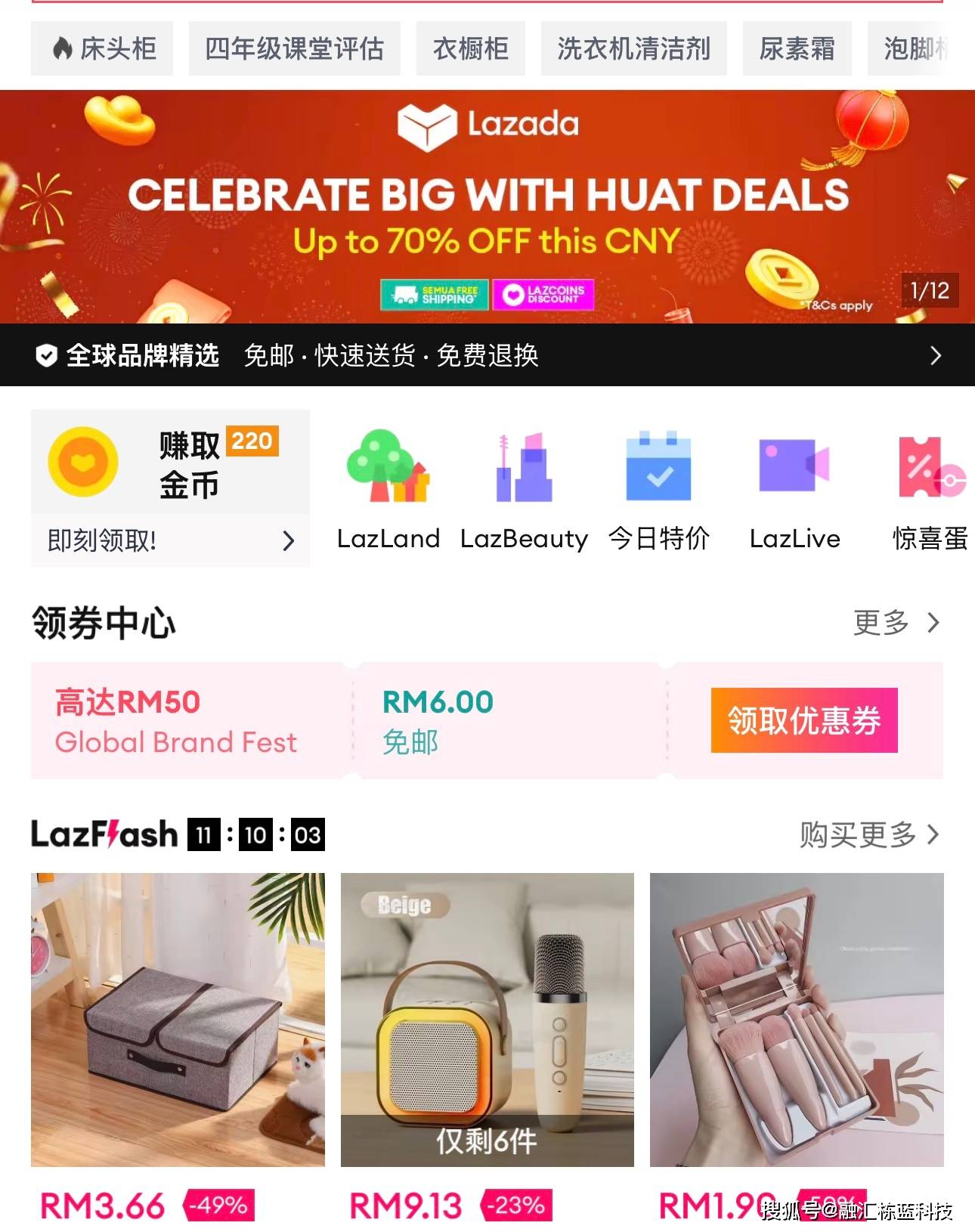
Group 1 - The core e-commerce market in six ASEAN countries (Indonesia, Malaysia, Philippines, Singapore, Thailand, and Vietnam) is projected to reach approximately $181 billion by 2025, reflecting a 16% growth from $156 billion in 2024 [1] - The overall digital economy in ASEAN is expected to grow by 15% year-on-year, reaching $299 billion, marking the second consecutive year of double-digit expansion [1] - The growth dynamics are shifting from a subsidy-driven model to a new consumption model centered around content, interaction, and algorithms [5] Group 2 - ASEAN has a population of nearly 700 million, with increasing smartphone and mobile internet penetration, leading to a unique shopping behavior that is deeply integrated with mobile and social platforms [6] - Video e-commerce is becoming a decisive variable, with projections indicating it will contribute approximately 25% to the overall e-commerce GMV by 2025, up from less than 5% in 2022 [7] - The rise of platforms like TikTok is accelerating this shift, as video content provides a more intuitive presentation of products, enhancing user trust and reducing decision-making time [7] Group 3 - The product category structure in ASEAN e-commerce is evolving, with increased online penetration of electronics, food, fresh produce, and home goods, driven by higher consumer trust in online shopping [8] - Consumers are breaking down psychological barriers regarding high-decision-cost products, indicating a shift in purchasing behavior [9] - Algorithms are becoming central to e-commerce efficiency, with platforms integrating short video content into the transaction process, creating a closed loop that enhances user engagement and conversion rates [10][11] Group 4 - The purchasing logic of ASEAN consumers is changing, with trust replacing price as the core decision factor, driven by the transparency offered by short videos and live streams [12] - Shopping is becoming more emotional and social, with users engaging in live interactions and community-driven consumption experiences [12] - The future of ASEAN e-commerce will be driven by content and intelligence, with a focus on video e-commerce as a foundational infrastructure and AI capabilities as a competitive threshold [13]
2025年前11个月我国航空货运整体形势持续向好
Yang Shi Wang· 2026-01-07 00:05
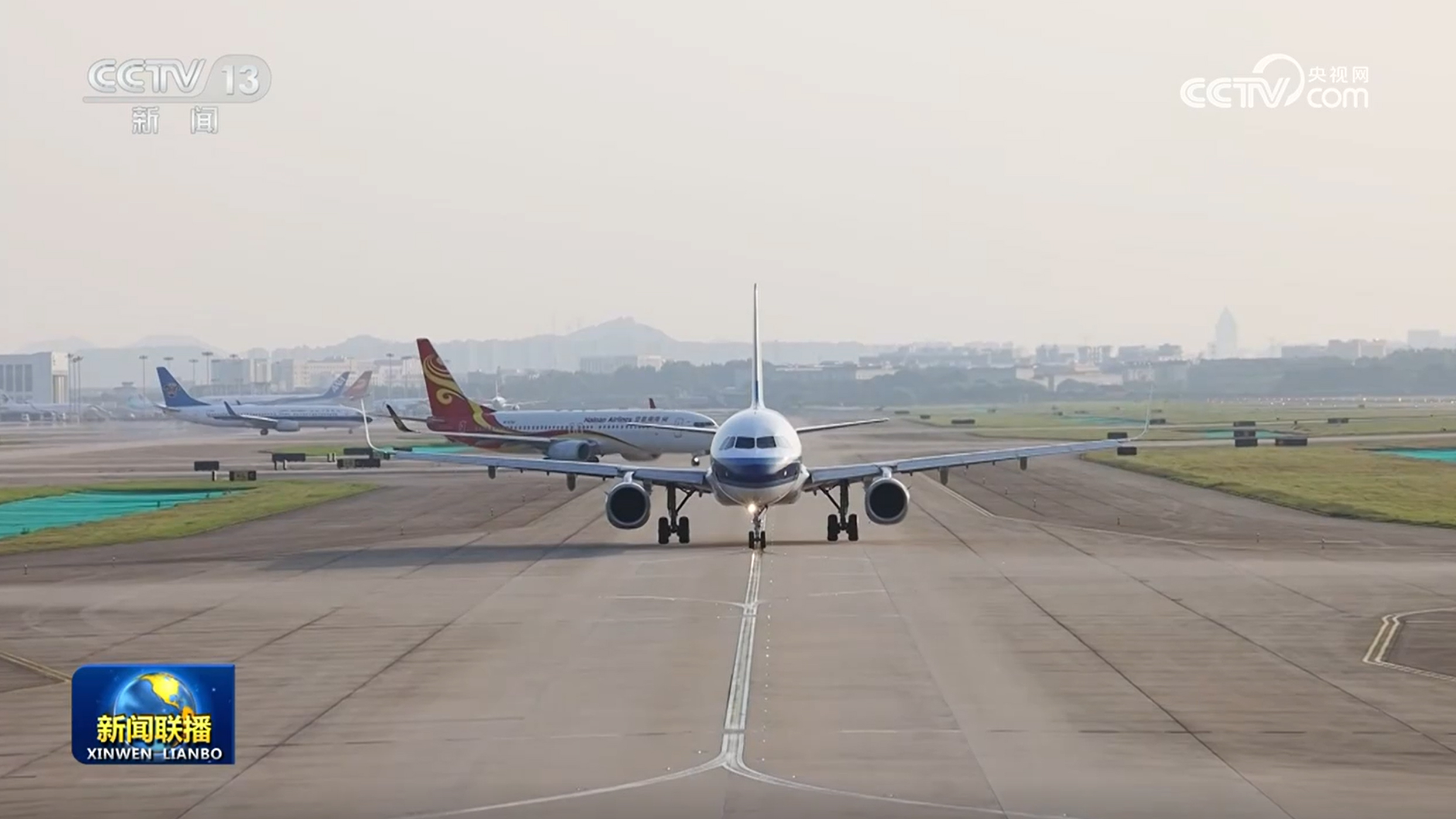
Core Insights - The overall situation of air cargo transportation in China has been improving since 2025, with a continuous expansion in business scale [1] Industry Performance - From January to November, the total cargo and mail transportation volume reached 9.243 million tons, representing a year-on-year growth of 13.6% [1] - The international cargo and mail transportation volume increased by 21.8% year-on-year, serving as the main driver for the rapid growth of the air cargo market [1] Flight Operations - By the end of November 2025, the number of cargo flights has continued to grow, with operations covering 70 countries and 170 cities, an increase of 8 countries and 27 cities compared to the previous year [1] - The average weekly flight volume has increased by 15.7% compared to last year [1] Market Drivers - The rapid development of new consumption models such as live streaming and instant retail has provided a significant source of stable demand for air cargo [1]
前11个月 我国航空货运整体形势向好
Zhong Guo Zheng Quan Bao· 2025-12-21 20:19
Core Insights - The overall situation of air cargo transportation in China is improving, with a continuous expansion of business scale before November 2025 [1] Group 1: Industry Performance - In the first 11 months, the civil aviation industry completed a cargo and mail transportation volume of 9.243 million tons, representing a year-on-year growth of 13.6% [1] - The international cargo and mail transportation volume increased by 21.8% year-on-year, serving as the main driver for the rapid growth of the air cargo market [1] - The number of cargo flights has continued to grow, with operations to 70 countries and 170 cities, an increase of 8 countries and 27 cities compared to last year, and a weekly flight volume increase of 15.7% [1] Group 2: New Consumption Models - The rapid development of new consumption models such as live streaming and instant retail has provided significant stable demand for air cargo [1] Group 3: Regulatory Developments - The Civil Aviation Administration of China has issued the "Implementation Measures for the Filing of Civil Aviation Cargo Transportation," which aims to establish a systematic framework for cargo transportation filing [1] - The new measures will enhance industry transparency and standardization, with requirements for the authenticity and timeliness of filing information, compelling companies to improve internal management and comply with regulations [1] - The measures will take effect on January 1, 2026 [1]
航空货运持续向好 前11月运输量同比增长13.6%
Jing Ji Ri Bao· 2025-12-21 01:18
Core Insights - The overall situation of air cargo transportation in China has continued to improve in the first 11 months of this year, with a significant expansion in business scale [1] Industry Performance - The civil aviation industry completed a total cargo and mail transportation volume of 9.243 million tons, representing a year-on-year growth of 13.6% [1] - International cargo and mail transportation volume increased by 21.8% year-on-year, serving as the main driver for the rapid growth of the air cargo market [1] Flight Operations - The number of cargo flights has continued to grow, with operations now covering 70 countries and 170 cities, an increase of 8 countries and 27 cities compared to last year [1] - The weekly flight volume has increased by 15.7% compared to the previous year [1] Market Drivers - The rapid development of new consumption models such as live streaming and instant retail has provided a stable demand source for air cargo [1] Regulatory Developments - The Civil Aviation Administration of China has issued the "Implementation Measures for the Filing of Civil Aviation Cargo Transportation Matters," which will take effect on January 1, 2026 [1] - The implementation of these measures is expected to enhance transparency and standardization in the industry, as well as improve the authenticity and timeliness of filing information [1]

前十一月运输量同比增长13.6% 航空货运持续向好
Jing Ji Ri Bao· 2025-12-20 22:07
Core Insights - The overall situation of air cargo transportation in China has continued to improve in the first 11 months of this year, with a significant expansion in business scale [1] Industry Performance - The civil aviation industry completed a total cargo and mail transportation volume of 9.243 million tons, representing a year-on-year growth of 13.6% [1] - International cargo and mail transportation volume increased by 21.8% year-on-year, serving as the main driver for the rapid growth of the air cargo market [1] - The number of cargo flights has continued to grow, with operations now covering 70 countries and 170 cities, an increase of 8 countries and 27 cities compared to last year [1] - The weekly flight volume has increased by 15.7% compared to the previous year [1] Market Drivers - The rapid development of new consumption models such as live streaming and instant retail has provided a stable demand source for air cargo [1] Regulatory Developments - The Civil Aviation Administration of China has issued the "Implementation Measures for the Filing of Civil Aviation Cargo Transportation Matters," which will take effect on January 1, 2026 [1] - The implementation of these measures is expected to enhance transparency and standardization in the industry, improving market transparency [1] - The requirements for the authenticity and timeliness of filing information will compel companies to improve internal management and comply with regulations [1]
前11个月我国航空货运整体形势持续向好
Yang Shi Wang· 2025-12-20 12:19
Group 1 - The overall situation of air cargo transportation in China has been continuously improving this year, with a significant expansion in business scale [1] - From January to November, the total cargo and mail transportation volume reached 9.243 million tons, representing a year-on-year increase of 13.6% [1] - The international cargo and mail transportation volume increased by 21.8% year-on-year, serving as the main driver for the rapid growth of the air cargo market [1] Group 2 - In the first 11 months of this year, the number of cargo flights has continued to grow, with operations to 70 countries and 170 cities, an increase of 8 countries and 27 cities compared to last year [3] - The average weekly flight volume increased by 15.7% compared to last year, indicating a robust demand for air cargo services [3] - New consumption models such as live streaming and instant retail have provided significant support for stable demand in air cargo [3]
老干妈不需要创新
Xin Lang Cai Jing· 2025-12-06 01:12
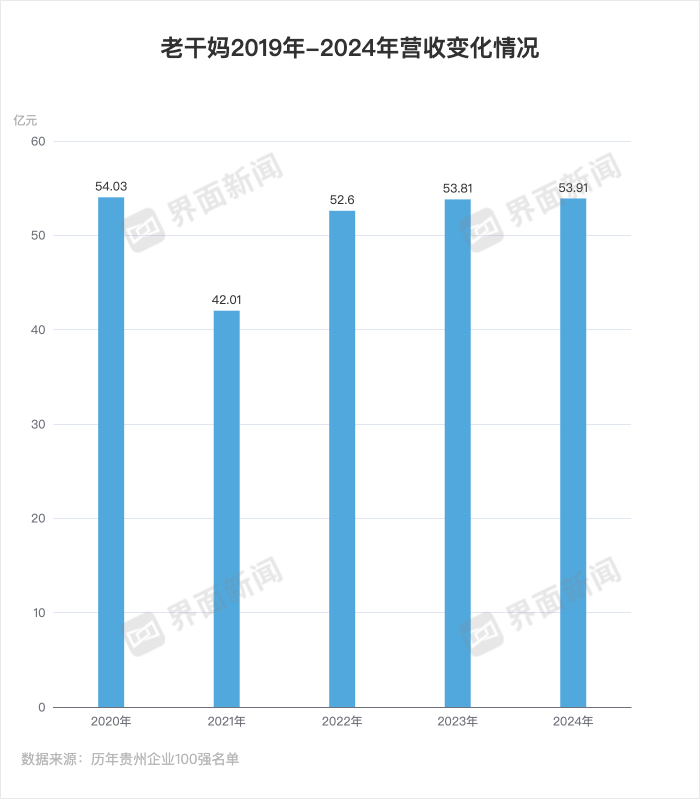
Core Viewpoint - Lao Gan Ma has maintained its dominance in the chili sauce market despite fierce competition from new brands and channels, achieving a revenue of 5.391 billion yuan in 2024, marking a continuous growth over the past three years [1][3]. Revenue Performance - Lao Gan Ma's revenue from 2021 to 2023 was 4.201 billion yuan, 5.26 billion yuan, and 5.381 billion yuan respectively, approaching its peak of 5.403 billion yuan in 2020 [1][3]. - The company has shown resilience in recovering market share after a significant drop in 2021 due to the emergence of new consumption models and brands [3]. Market Share - Lao Gan Ma holds a dominant market share of approximately 55% in the chili sauce category, with the second brand having a single-digit market share [3]. - In the broader category of Chinese condiments, Lao Gan Ma remains the market leader as of Q3 2025, followed by brands like Hai Tian and Xin He [3]. Marketing Strategy - The company has adopted a conservative approach to online marketing, with minimal presence on platforms like Douyin (TikTok), relying primarily on consumer repurchase rather than active promotion [4][9]. - Lao Gan Ma's official social media accounts have seen little to no updates, indicating a strategic retreat from aggressive online marketing [7][9]. Distribution Model - The traditional distribution model of Lao Gan Ma has been described as effective but may face limitations in the future due to shrinking profit margins for distributors [10]. - The company has made some adjustments to its distribution strategy by breaking down regions for more precise market management [10]. Product Range - Lao Gan Ma offers a variety of products beyond chili sauce, including spicy dishes, fermented tofu, and hot pot bases, but these products have lower market visibility and promotional incentives [10]. - The top three SKUs in the Chinese condiment category for Lao Gan Ma account for significant market shares, with prices ranging from 10 to 12 yuan [10]. Competitive Landscape - Newer brands like Hu Bang have successfully leveraged online channels and live streaming to grow their market presence, with Hu Bang achieving over 600 million yuan in revenue by October 2023 [11]. - Despite the rise of new brands, Lao Gan Ma's established reputation and solid offline distribution network provide it with a competitive edge in the current economic environment [11].
茉莉花开•与宁共赏丨南京赛虹桥街道“圆聚”烟火气 多元焕新消费力
Sou Hu Cai Jing· 2025-10-03 00:20
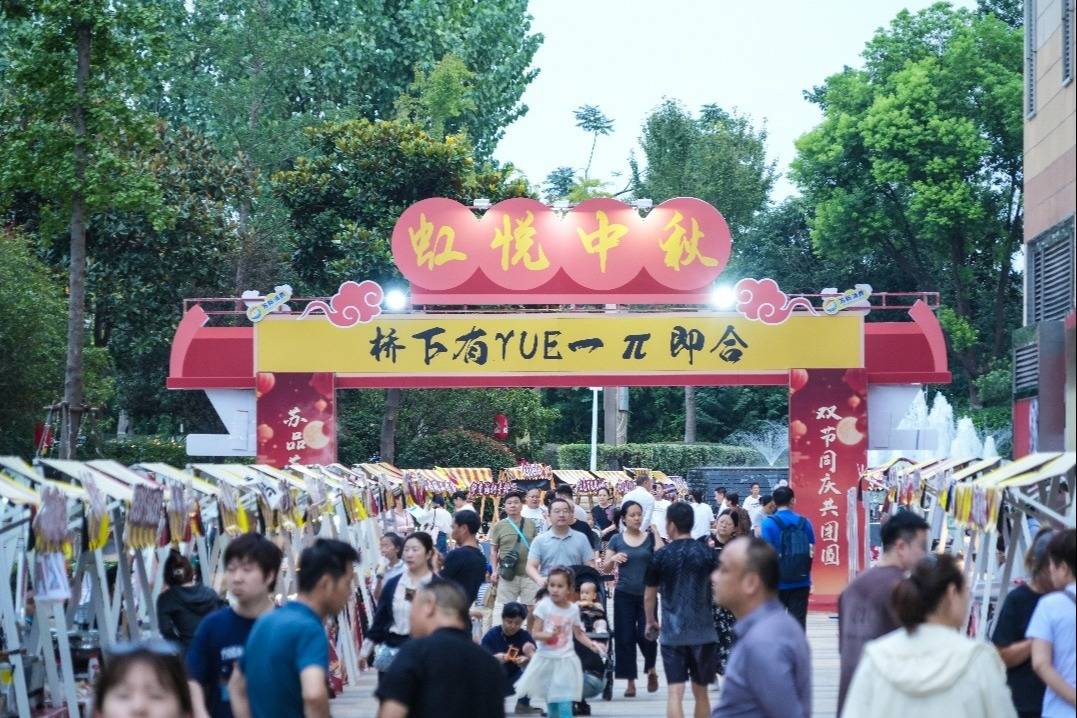
Core Insights - The article discusses the revitalization of the Saihongqiao area in Nanjing, highlighting the integration of traditional culture with modern consumer trends through innovative market practices and community engagement [2][14]. Group 1: Market Innovation - The "YUE·一π即合" Mid-Autumn Market showcased a blend of various business formats, enhancing consumer experience and acting as a micro-engine for regional economic development [3][12]. - The market emphasized experiential engagement, with food vendors offering free samples to attract customers, effectively converting market traffic into store sales [5][6]. - Cultural elements were deeply integrated into the market, transforming it into a vibrant platform for cultural dissemination, featuring traditional crafts and interactive experiences [5][9]. Group 2: Community Engagement - The market included performances by local artists, making high-quality cultural experiences accessible to the public, thus enhancing community engagement and cultural appreciation [9][14]. - Various business sectors, including sports, second-hand trading, and employment services, were incorporated into the market, creating a dynamic consumer ecosystem that supports new consumption models [12][14]. Group 3: Urban Revitalization - The revitalization strategy focuses on modernizing old commercial spaces to attract younger consumers, with initiatives like introducing popular brands and hosting community events [15][18]. - The transformation of the old Nanjing Fiberglass Research Institute into a multi-functional space is set to enhance the area's appeal, targeting young consumers and creative industries [19]. Group 4: Policy Support - The ongoing development in Saihongqiao is supported by local government policies aimed at enhancing the consumer environment and fostering new business opportunities [20][22]. - The success of local brands, such as "Mawuwang," illustrates the positive impact of targeted policy interventions in supporting business growth and differentiation in a competitive market [22][24].
【财经】(投资中国)专访欧莱雅兰珍珍:中国市场不仅是“支点”更是“窗口”
Zhong Guo Xin Wen Wang· 2025-07-17 16:29
Core Insights - The Chinese market is not only a "fulcrum" for L'Oréal's global supply chain but also a "window" for driving growth among global partners [1] - L'Oréal has been deeply engaged in the Chinese market for nearly 30 years, establishing strong connections with over 1 billion Chinese consumers through its 32 brands [1][3] - The rise of "self-value" among consumers indicates a shift from functional to emotional resonance in beauty product consumption, necessitating brands to enhance their supply chain capabilities [2] Industry Trends - The Chinese beauty market is becoming a significant force in leading global beauty transformations, with consumers increasingly seeking personalized, experiential, and sustainable products [3] - The digital ecosystem, social media environment, and e-commerce platforms in China are fostering new consumption models and accelerating industry changes [3] - L'Oréal is committed to long-term investments in China, having established two smart operation centers in Suzhou and Nantong, which emphasize automation, digitalization, and sustainability [3]