
无核三原则

Search documents
视频丨日本学者:扩军并不能提升日本的安全感
Yang Shi Xin Wen Ke Hu Duan· 2026-02-10 13:00
Group 1: Military Expansion and Security Concerns - The Japanese government is accelerating its "remilitarization" process by significantly increasing its defense budget, aiming to gradually break through the limitations of the "peace constitution" [1][3] - Scholar Hiroshi Shiratori argues that expanding military capabilities may not enhance Japan's sense of security but could instead undermine international trust in Japan [1][3] Group 2: Impact on Japan's Peaceful Image - Shiratori emphasizes that the expansion of defense forces could damage Japan's 80-year history as a peaceful nation and potentially erode the trust accumulated with East Asian neighbors [3] - The "Three Non-Nuclear Principles" are highlighted as a core tenet of Japan's identity as a peaceful country, and any reconsideration of these principles may signify a significant shift in Japan's image on the global stage [3] Group 3: Fiscal Policy and Social Inequality - Shiratori critiques the current government's fiscal policies, suggesting they may lead Japan into a fiscal crisis while exacerbating wealth disparity and social division [4][6] - The ongoing depreciation of the yen is noted as a factor that could worsen the fiscal situation, potentially diminishing external confidence in Japan's economy [6] - The wealth gap is expected to widen, with affluent individuals benefiting from rising asset values while middle and lower-income groups struggle with increasing prices [6]

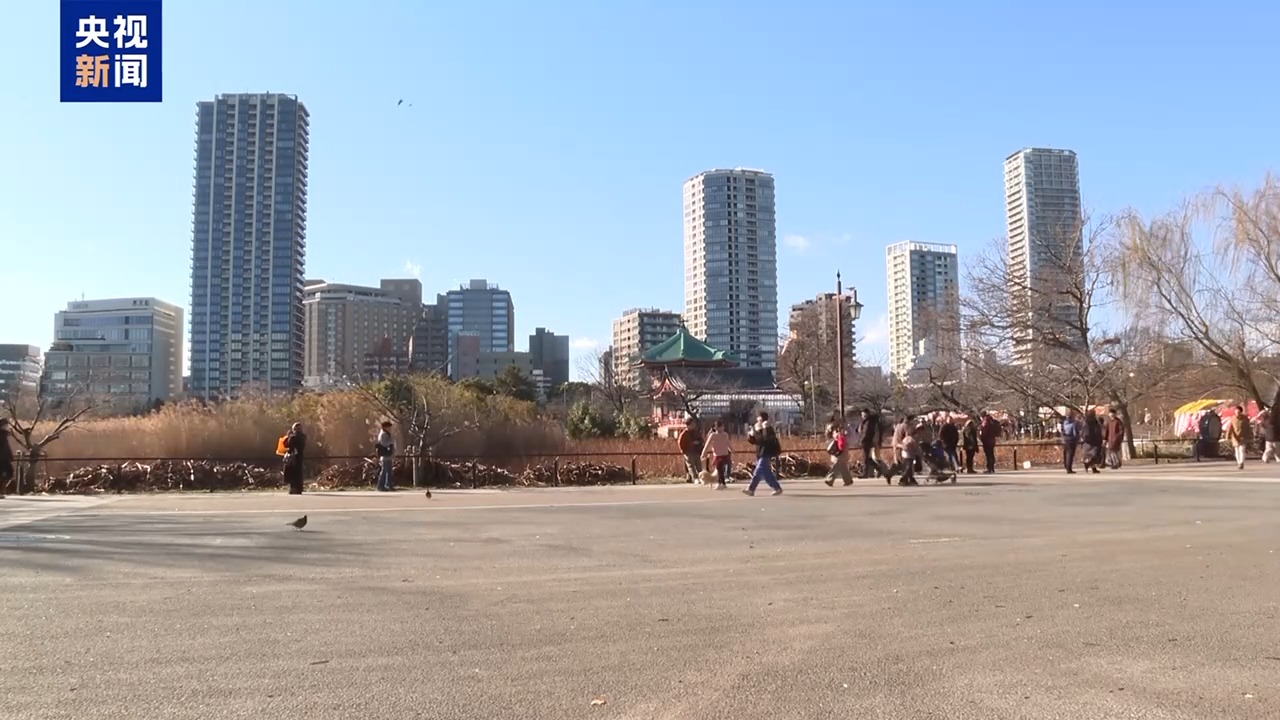
“高市早苗真正的考验才刚开始”
第一财经· 2026-02-10 07:56
Core Viewpoint - The recent Japanese House of Representatives election resulted in a significant victory for the ruling Liberal Democratic Party (LDP), which secured 316 seats, marking a historic achievement in post-war Japan. However, internal conflicts within the LDP and the challenges faced by Prime Minister Kishi Sanae raise concerns about the party's future direction and governance [3][4]. Group 1: Election Results and Political Landscape - The LDP's victory with over two-thirds of the seats is unprecedented in post-war Japan, indicating a strong mandate for the party [3]. - The opposition parties, including the Constitutional Democratic Party and the Komeito, formed a new coalition called the "Center Reform Alliance," which won 49 seats, while the Japan Innovation Party secured 36 seats [3]. - The political landscape is characterized by a shift towards a more right-leaning coalition, as the LDP seeks to align with the Japan Innovation Party following the dissolution of its long-standing alliance with the Komeito [8]. Group 2: Economic Policies and Challenges - Kishi's proposed "responsible active fiscal policy" aims to stimulate economic growth through increased deficits, interest rate suppression, and tax relief, amidst rising inflation [6]. - Japan's government debt is projected to reach approximately 230% of GDP by 2025, with interest payments alone amounting to 16 trillion yen, which is 180% of the military budget for 2026 [6]. - The lack of clarity regarding funding sources to address the substantial fiscal gap raises concerns about the sustainability of Japan's fiscal policies [6]. Group 3: Constitutional Revisions and Security Concerns - Kishi has expressed intentions to create an environment for a national referendum on constitutional amendments, particularly regarding Japan's nuclear policy and security documents [8]. - The potential revision of the "Three Non-Nuclear Principles" has sparked public protests, reflecting societal apprehension about the government's militaristic shifts [8]. - Analysts warn that the LDP's rightward shift could lead to increased tensions with neighboring countries, necessitating vigilance from regional stakeholders [8].

“高市早苗真正的考验才刚开始”,她还要面对这些问题
Di Yi Cai Jing· 2026-02-10 07:18
Group 1 - The core viewpoint of the article highlights the challenges faced by Japan's Prime Minister, Kishi, following the recent elections, including internal party conflicts and unresolved scandals [1][3] - The Liberal Democratic Party (LDP) won 316 seats in the House of Representatives, marking a historic achievement of over two-thirds of the seats, while opposition parties collectively secured 49 seats [1] - Kishi's economic policies have been criticized as lacking depth, particularly her shift from "active fiscal policy" to "responsible active fiscal policy," raising concerns about the sustainability of Japan's debt, projected to reach 230% of GDP by 2025 [2] Group 2 - Kishi's administration is under scrutiny for its ties to the Unification Church and unresolved financial scandals, which may impact her governance moving forward [3] - The proposed fiscal measures, including increased deficits and tax relief, have not disclosed specific funding sources to cover the anticipated fiscal gap, causing market unease [2] - Kishi's push for constitutional amendments and a shift towards a more right-leaning government coalition raises alarms among neighboring countries regarding Japan's security policies [4]
预告修改和平宪法,扬言营造“拜鬼”环境,高市早苗“赌”赢令多方担忧日本更危险
Huan Qiu Shi Bao· 2026-02-09 22:26
Group 1 - The Liberal Democratic Party (LDP) won 316 seats in the Japanese House of Representatives, exceeding two-thirds of the total, while the Japan Innovation Party secured 36 seats, indicating a strong political mandate for the LDP [1][3] - The newly formed "Center Reform Union" by the Constitutional Democratic Party and Komeito only obtained 49 seats, a significant drop from 167, highlighting a shift in the political landscape [1][3] - The election process was criticized for being overly focused on personal popularity rather than substantive policy discussions, with the LDP leader, Sanae Takaichi, framing the election as a vote of confidence in herself [4][5] Group 2 - The election results are expected to provide Takaichi with a "honeymoon period" in office, but she faces long-standing issues such as stagnant wages, rising prices, and sluggish economic growth that require actionable solutions [5][6] - Takaichi's core policy of "responsible active fiscal policy" lacks a clear implementation blueprint, raising concerns about the sustainability of increased government spending without defined funding sources [6][7] - There are apprehensions regarding Takaichi's foreign policy approach, particularly her comments on Taiwan and plans to revise security documents, which may strain Japan's relations with neighboring countries [7][8]

高市早苗的两个挑战和三个冲动
经济观察报· 2026-02-09 11:15
Group 1 - The core viewpoint of the article is that since taking office on October 21, 2025, as Japan's 104th Prime Minister, Sanna Takashi has faced two challenges and three impulses, with the remaining challenges being more complex and dangerous [2][3]. - The two challenges are political and economic, while the three impulses are related to constitutional amendments, nuclear issues, and the Taiwan Strait [3][4]. - Takashi's initial political challenge was the lack of a parliamentary majority, which she overcame by dissolving the House of Representatives and winning a subsequent election, significantly increasing her party's seats [4][5]. Group 2 - The economic challenge includes Japan's stagnant GDP growth and a government debt exceeding 250% of GDP, the highest globally, alongside rising core consumer prices and declining real wages [6]. - Takashi's economic strategy involves aggressive fiscal policies, including continued borrowing, maintaining low interest rates, and investing in strategic industries, which may stimulate growth but also pose risks of financial disaster [6]. - The first impulse is to amend the constitution, particularly to abolish the peace clause, which has been a long-standing goal of conservative and nationalist factions in Japan, with increasing public support for constitutional amendments [7][8]. Group 3 - The second impulse concerns nuclear issues, as there is a growing sentiment among right-wing factions in Japan advocating for nuclear armament, which Takashi has previously indicated may need to be reconsidered [9]. - The third impulse relates to the Taiwan Strait, where Takashi has suggested that Japan may intervene militarily if China takes non-peaceful actions regarding Taiwan, despite strong protests from China [10][11][13]. - This stance on Taiwan is viewed as potentially more dangerous than the impulses for constitutional amendments and nuclear armament [14].
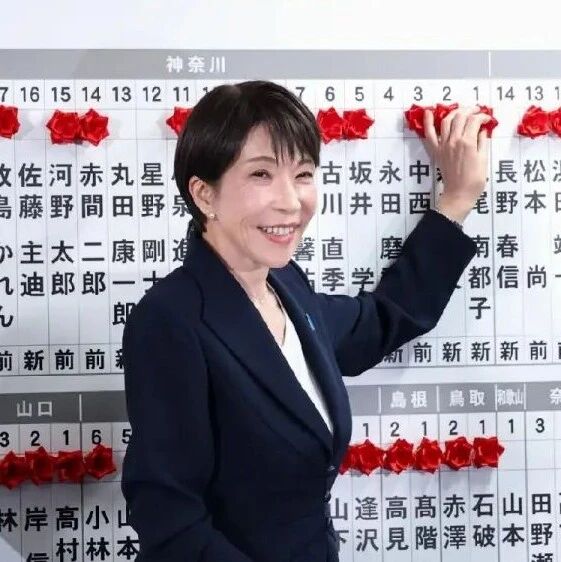
伟伟道来 | 高市早苗的两个挑战和三个冲动
Jing Ji Guan Cha Wang· 2026-02-09 07:37
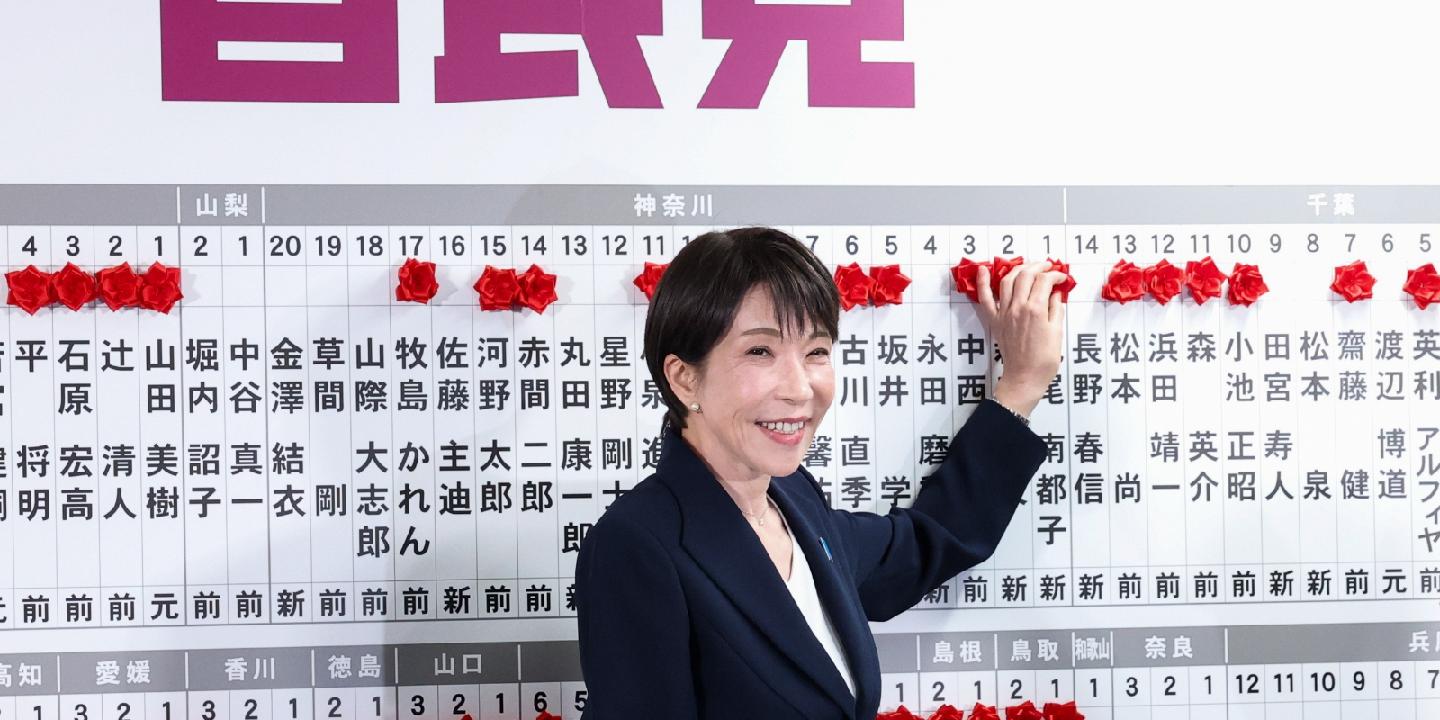
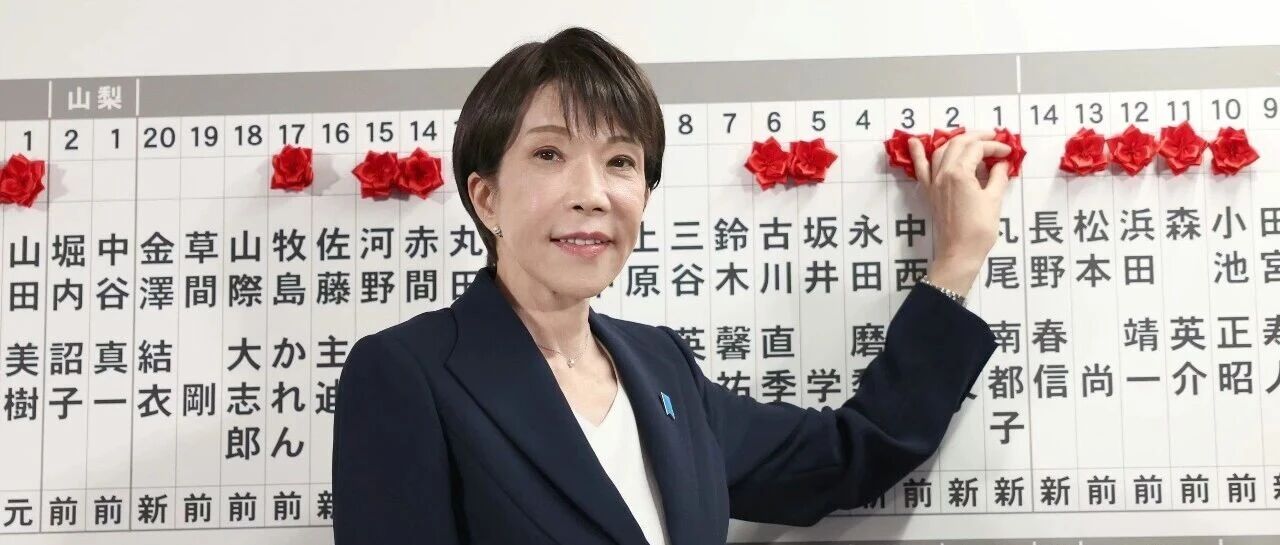
Group 1 - The core viewpoint of the article highlights the significant electoral victory of the Liberal Democratic Party (LDP) led by Prime Minister Sanae Takaichi, securing 316 seats in the House of Representatives, surpassing the previous count of 198 seats [2][3] - This election result marks the best performance for the LDP since its establishment in 1955, indicating a return to a dominant one-party system in Japanese politics [3] - Takaichi's leadership faces two main challenges: political and economic, with three underlying impulses related to constitutional amendments, nuclear policy, and Taiwan Strait issues [4][6] Group 2 - The political challenge stems from the previous lack of a majority in the House of Representatives, which Takaichi overcame by dissolving the House and calling for a new election [4][5] - Economically, Japan is struggling with low GDP growth and high government debt exceeding 250% of GDP, leading to rising public dissatisfaction due to increasing core consumer prices and declining real wages [6] - Takaichi's economic strategy, termed "Takaichi Economics," involves aggressive fiscal policies, including continued borrowing and low interest rates, which may stimulate growth but also pose risks of financial disaster [6] Group 3 - One of Takaichi's hidden impulses is the desire to amend the constitution, specifically to abolish Article 9, which renounces war and military forces, reflecting a growing public support for constitutional changes [7][8] - The second impulse concerns nuclear policy, with Takaichi's administration facing pressure to reconsider Japan's "Three Non-Nuclear Principles," amid rising calls from right-wing factions for Japan to develop nuclear capabilities [10] - The third impulse relates to the Taiwan Strait, where Takaichi has indicated a willingness for Japan to intervene militarily if China takes aggressive actions towards Taiwan, despite backlash from China [11][12]
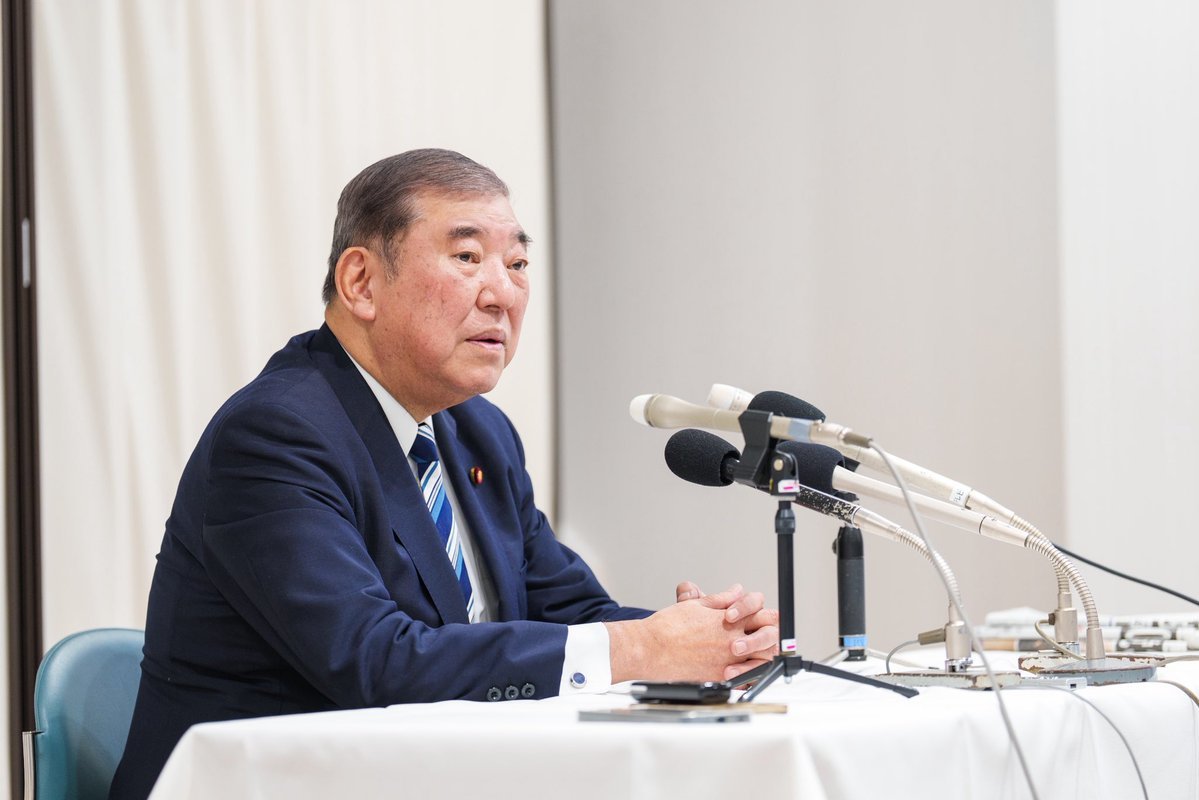
日媒:石破茂告诫高市早苗,众议院选举胜利不代表“你可以想做什么就做什么”
Huan Qiu Wang· 2026-02-09 07:03
Core Viewpoint - The victory of the Liberal Democratic Party (LDP) in the recent Japanese House of Representatives election does not grant the party the freedom to act without accountability, as emphasized by former Prime Minister Shigeru Ishiba [1][3]. Group 1: Election Results - The LDP secured 316 seats in the election, while its coalition partner, the Japan Innovation Party, obtained 36 seats, resulting in a majority for the ruling coalition [3]. - The opposition parties, including the Constitutional Democratic Party and Komeito, formed a new party called the "Center Reform Union," which won 49 seats, while the Democratic Party for the People gained 28 seats [3]. Group 2: Public Trust and Policy Concerns - Ishiba noted that the election results reflect public trust in the cabinet led by Sanna Takashi, but this trust does not equate to a blank check for policy implementation [3]. - He highlighted the importance of the government's ability to deliver tangible results, indicating that the public's evaluation of these outcomes remains uncertain [3]. Group 3: Economic Policy Warnings - Ishiba warned that proposed tax cuts by Takashi could harm the economy if not properly funded, potentially leading to a depreciation of the yen and rising prices [3]. - He emphasized that even basic economic principles, such as the need for funding to support tax cuts, should be understood by policymakers [3].
高市增强政策推动力,提参拜靖国神社
日经中文网· 2026-02-09 01:52
Core Viewpoint - The Japanese government, led by Prime Minister Sanna Takashi, is expected to enhance its policy implementation capabilities following significant gains in the House of Representatives elections by the ruling Liberal Democratic Party (LDP) [1][2]. Group 1: Tax Policy and Economic Measures - The LDP has committed to accelerating discussions on reducing the food consumption tax to zero within two years, utilizing non-deficit sources such as tax revenue [2][3]. - There are internal divisions within the LDP regarding the consumption tax, with about 20% of candidates preferring to maintain the current rate, indicating cautious sentiment amidst financial market sensitivities [3][4]. - The government plans to implement a "subsidy tax credit" system to alleviate the burden on low- and middle-income households while also pursuing social security reforms [4]. Group 2: Constitutional and Security Reforms - Prime Minister Takashi expressed intentions to amend the constitution, particularly regarding the Self-Defense Forces, following the LDP's acquisition of over two-thirds of the seats in the House of Representatives, which allows for constitutional amendment proposals [5][6]. - The government aims to enhance defense cooperation with the U.S. and other countries, addressing threats from China, Russia, and North Korea, and is considering increasing defense spending to over 2% of GDP [9]. Group 3: Legislative Process and Budget Priorities - The 2026 budget and tax reform bills are prioritized, with discussions expected in a special session in mid-February, although challenges remain due to the dissolution of the House of Representatives [6][7]. - The LDP's majority allows it to control all permanent committee chair positions, facilitating a more stable legislative process, although cooperation with opposition parties may be necessary for passing certain bills [7][8].
俄罗斯向日本发出“反制”警告
中国能源报· 2026-02-04 06:20
Core Viewpoint - Russia expresses concern over Japan's official statements, which are perceived as undermining Japan's "peace constitution" and deviating from the three non-nuclear principles [1][2] Group 1: Concerns Over Japan's Military Policy - Russian Deputy Foreign Minister Ryabkov states that certain viewpoints from Tokyo indicate a potential overturning of Japan's "peace constitution" and a gradual departure from its long-standing non-nuclear principles [1] - Ryabkov attributes these changes to the aggressive mindset of the U.S.-led camp towards perceived strategic rivals, suggesting that reckless military policies have become a norm for these nations [1] - He argues that claims regarding changes in regional power balance affecting Japan's security are unfounded and serve as excuses for an increasingly aggressive stance [1] Group 2: Warnings Regarding Missile Deployment - Moscow warns Tokyo that the deployment of land-based intermediate-range missiles will inevitably lead to Russian countermeasures [2] - Ryabkov emphasizes that strong diplomatic measures have been taken against Japan, and the deployment of certain systems, including land-based missile systems, will trigger military-technical retaliation from Russia [2] - He questions Japan's rationale for such actions, suggesting that they may believe it will enhance their security, but he believes the outcome will be counterproductive [2]

图谋让自卫队“入宪”,高市遭猛批
Xin Lang Cai Jing· 2026-02-04 05:07
Core Viewpoint - The upcoming Japanese House of Representatives election on October 8 is marked by Prime Minister Fumio Kishida's expressed desire to amend the constitution to include the Self-Defense Forces, which has sparked significant public criticism due to existing constitutional restrictions on military forces [1][2][3]. Group 1: Constitutional Amendment Intent - Prime Minister Kishida articulated the need to amend the constitution to recognize the Self-Defense Forces, emphasizing the importance of their dignity and strength [1][2]. - Kishida indicated that to advance discussions on constitutional amendments, the ruling party must increase its number of seats in the House of Representatives and secure the position of the chair of the Constitutional Review Committee [1][3]. Group 2: Legislative Challenges - The proposal for constitutional amendment faces procedural hurdles, as it requires support from more than two-thirds of all members in both houses of the National Diet [1][2]. - Following the ruling party's poor performance in the 2024 House of Representatives election, even with support from parties like the Japan Innovation Party and the Democratic Party for the People, the total number of pro-amendment lawmakers is unlikely to reach the required two-thirds [1][3]. Group 3: Opposition and Criticism - Opposition leaders, including Noda Yoshihiko from the Center-Left Reform Coalition, reaffirmed their commitment to the "Three Non-Nuclear Principles," advocating for a nation that does not provoke or engage in war [1][2]. - Criticism from local politicians, such as Yasunori Yamazaki from the Tokyo Metropolitan Assembly, highlighted concerns that a majority win for the ruling party could lead to aggressive military expansion and a reevaluation of the "Three Non-Nuclear Principles" [1][3]. Group 4: Regional Implications - Analysts suggest that Kishida's push for constitutional reform may serve as a political breakthrough, but it poses risks of destabilizing regional peace and security due to potential misinterpretations of historical context by right-wing factions in Japan [1][2]. - The Chinese International Studies Institute's expert emphasized that regardless of Japan's chosen path, it will bear the consequences, asserting China's confidence and capability to maintain its security and regional stability [1][3].