第六代移动通信

Search documents
科研生态圈|省级政府工作报告如何落子科技创新
Zhong Guo Qing Nian Bao· 2026-02-27 07:54
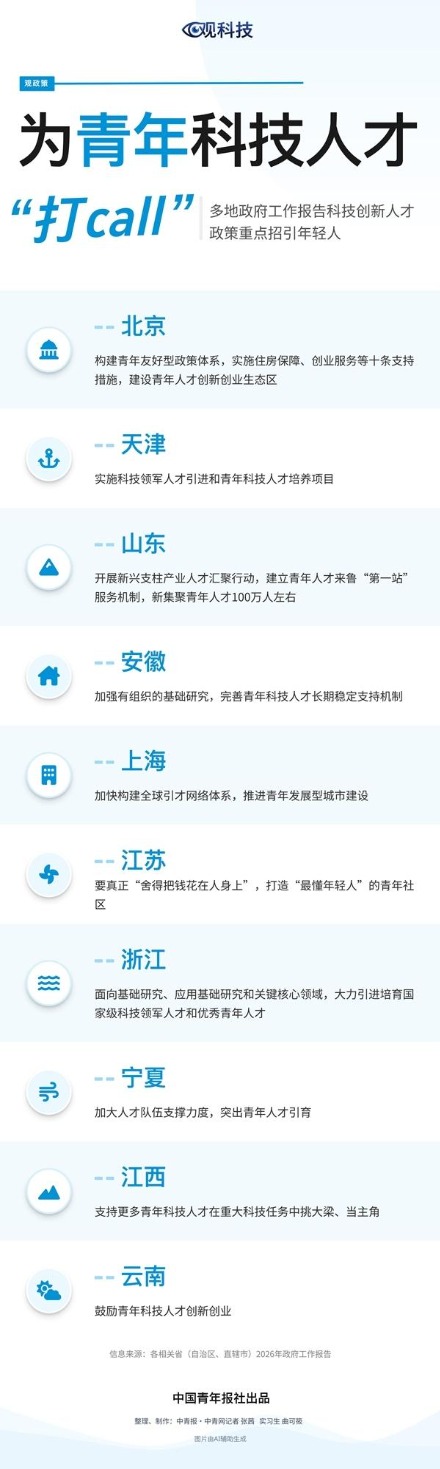
Core Insights - The majority of provincial government work reports for 2026 emphasize the importance of technological innovation as a key driver for economic development, reflecting a trend towards deeper integration of technology and industry, optimized local layouts, targeted technological breakthroughs, and refined talent support [1][3][5]. Group 1: Technological Innovation and Industry Integration - The integration of technological innovation and industrial innovation is increasingly emphasized, with reports indicating a strong focus on optimizing traditional industries and fostering new and future industries [3][5]. - Various provinces are actively promoting high-tech industries, such as artificial intelligence, integrated circuits, and advanced manufacturing, to inject new momentum into economic growth [5][9]. - The reports highlight a shift in management thinking from "project management" to "ecosystem building," indicating a comprehensive approach to innovation that includes spatial restructuring of innovation elements [7][8]. Group 2: Talent Development and Attraction - Talent is a recurring theme in the government work reports, with a particular focus on attracting and nurturing young talent, which is seen as crucial for driving innovation [10][11]. - Provinces are implementing targeted policies to enhance talent services, such as creating supportive environments for young innovators and establishing comprehensive talent support systems [10][11]. - The emphasis on investing in human capital reflects a strategic approach to align talent development with regional industrial needs, aiming to build a robust workforce for future growth [11].

两会前瞻丨“十五五”开局,中国经济如何“落子”?
Zhong Guo Xin Wen Wang· 2026-02-25 05:39
Group 1 - The year 2026 marks the beginning of the "15th Five-Year Plan," which is crucial for both current and future economic development in China [1] - The "14th Five-Year Plan" saw China maintain economic stability through consistent policy direction, achieving a GDP growth of over 140 trillion RMB by 2025 [2] - The external environment is becoming increasingly complex, with trade tensions and geopolitical conflicts posing challenges to global economic activities [2] Group 2 - Domestic demand is identified as a key focus for policy efforts, with an average contribution rate of 86.8% to economic growth from 2021 to 2024, and nearly 60% from final consumption expenditure [3] - The government is implementing various measures to stimulate consumption, including a new round of subsidies and initiatives to enhance service consumption and diversify consumption scenarios [3] - A strategic plan for expanding domestic demand from 2026 to 2030 is being developed to address structural imbalances in supply and demand [3] Group 3 - The Central Political Bureau's focus on future industries highlights the importance of strategic planning in the face of global technological and industrial changes [4] - The "15th Five-Year Plan" aims to promote emerging sectors such as quantum technology, biomanufacturing, hydrogen energy, and sixth-generation mobile communication as new economic growth points [4] - The role of private enterprises is emphasized, with increased policy support to stimulate innovation and development in future industries [4]
“加快培育发展未来产业”系列解读之七 “十五五”时期,创新之于未来产业有何意义?
Ren Min Wang· 2026-02-24 08:49
传统产业具有量大面广、产业链长的特征,支撑着我国经济的基本盘。创新正在成为我国传统产业转型 升级的主要驱动力:一是要善用"人工智能+"为行业赋能,在上一轮企业数字化转型基础上,加快人工 智能等技术改造升级,向传统产业要成效。二是要开拓全球新市场,鼓励更多行业"有组织走出去",沿 着"一带一路"国家和地区开拓新的市场,将有品质、有品牌的中国制造产品带到更多地方,塑造全球竞 争力标杆。新兴产业和未来产业是未来中国经济增长的活跃力量,创新本就是新兴产业和未来产业的底 色。新兴产业蓄势而发,紧抓新兴增长点的爆发,努力"未来 10 年将再造一个中国高技术产业"。未来 产业多元技术路线并进,颠覆性技术迸发,量子科技、生物制造、氢能和核聚变能、脑机接口、具身智 能、第六代移动通信等赛道的选择和竞逐正在成为全球焦点,也将为我国贡献爆发性的万亿级新赛道。 (作者系中国电子信息产业发展研究院未来产业研究中心副所长) (文章来源:人民网) 面向"十五五",中国经济新动能将主要依靠创新驱动。一方面,创新驱动的经济增长方式意味着彻底改 变我国传统依赖要素投入的"输血"方式,转向持续"造血"方式。随着中国经济规模和质量的提升,靠不 断增 ...
科学谋划未来产业
Jing Ji Ri Bao· 2026-02-23 23:53
习近平总书记在中共中央政治局第二十四次集体学习时强调,未来产业具有前瞻性、战略性、颠覆性等 特点,需要科学谋划、全局统筹。要聚焦"十五五"时期我国未来产业发展的主攻方向,科学论证技术路 线,提升前沿技术战略预判能力。要综合考虑国家战略需求、技术成熟程度、要素支撑条件等因素,因 地制宜、错位发展。要强化产业协同,推动未来产业同新兴产业、传统产业相得益彰。这为我们前瞻布 局未来产业提供了根本遵循和行动指南。 未来产业是代表科技与产业发展新方向,具有显著战略性、引领性、颠覆性和不确定性的前瞻性新兴产 业。未来产业高度依赖原始创新与颠覆性技术,多处于孕育或产业化初期,是科技含量高、绿色发展 足、产业关联强、市场空间大的产业。并非所有尚处于萌芽状态的前沿产业都是未来产业,真正的未来 产业是已初步具备未来技术发展趋势和一定市场规模的产业。 科学谋划统筹未来产业发展,要明确未来产业与新兴产业、传统产业之间的关系。今天的未来产业可能 就是明天的新兴产业,未来产业有望梯次发展成为新兴产业、主导产业和支柱产业。如果说,未来产业 引领技术与赛道方向,那新兴产业则着力壮大规模优势,传统产业聚焦筑牢场景、人才与市场根基。因 此,统筹谋 ...
新春走基层|为了不失联的信号
Xin Lang Cai Jing· 2026-02-20 16:32
Group 1 - The "14th Five-Year Plan" emphasizes the development of the sixth generation mobile communication, focusing on building an integrated network of air, land, sea, and space [1] - A key task currently is to enhance the coverage of the Tiantong satellite signal, which is crucial for the integrated network [1] - The testing of the satellite signal is being conducted in the Ali region of Tibet, showcasing the efforts to ensure better signal strength [3] Group 2 - The weather conditions during the testing were challenging, with forecasts predicting light to moderate snow, which ultimately turned into heavy snowfall [5] - The team faced difficulties in finding satellite signals and had to communicate with the Beijing monitoring center for signal adjustments [5][7] - Despite the adverse weather, the team successfully completed the satellite testing after overcoming significant obstacles, including a prolonged travel time due to the snowstorm [9]
2月20日晚间央视新闻联播要闻集锦
Yang Shi Xin Wen Ke Hu Duan· 2026-02-20 13:09
今日摘要 习近平总书记指出,新时代新征程农村一定会有更加光明的前景,农民会有更加火热的生活。系列报道 《情满中国年》今天播出《绘就宜居宜业和美乡村新画卷》。 春节假期,我国消费市场活力加速释放。 多彩活动庆新春,温暖祥和中国年。人们赏民俗,品非遗,欢度佳节。 春节假期第六天,全社会跨区域人员流动量预计超3.52亿人次,环比增长3.7%。 中国选手宁忠岩夺得米兰冬奥会速度滑冰男子1500米金牌,并创造了新的奥运会纪录。这也是中国在该 项目首枚冬奥金牌。 全球多地共庆中国新年。 内容速览 【情满中国年】绘就宜居宜业和美乡村新画卷 习近平总书记指出,新时代新征程农村一定会有更加光明的前景,农民会有更加火热的生活。党的十八 大以来,春节前夕,总书记多次走进乡村,看望慰问广大农民群众,和大家一起谋划增收致富之策,引 领神州大地山乡巨变。系列报道《情满中国年》今天播出《绘就宜居宜业和美乡村新画卷》。 新春消费亮点纷呈 市场活力加速释放 春节假期,我国消费市场持续火热。新业态、新场景不断涌现,市场活力加速释放,为中国经济注入澎 湃动能。 多彩活动庆新春 温暖祥和中国年 马年新春,各地活动精彩纷呈,传统与创新融合,人们赏民俗 ...
【新春走基层】为了不失联的信号
Yang Shi Wang· 2026-02-20 12:42
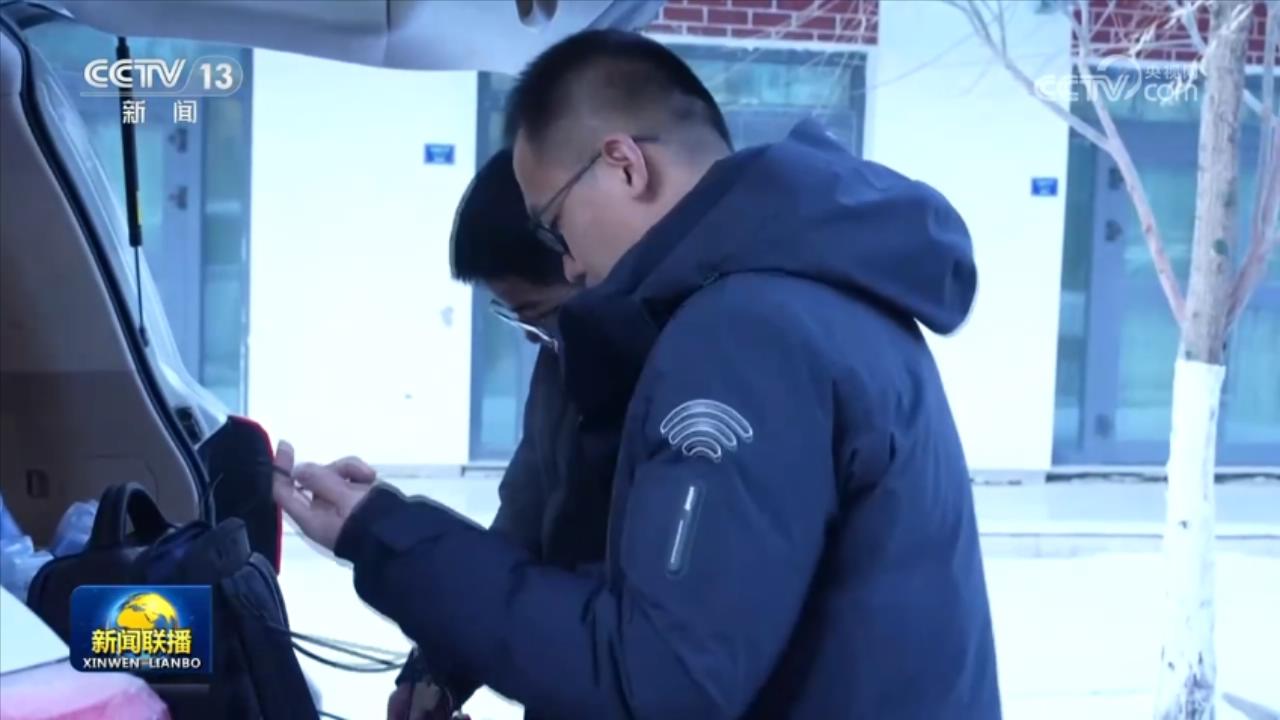
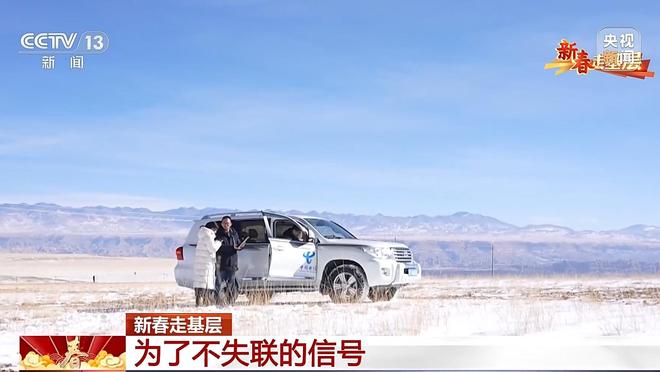
天刚亮,聂帅和同事们就已经收拾好行囊,准备出发了。 聂帅所说的卫星,叫天通卫星,是我国构建空天地海一体化网络的重要支撑。这次来阿里,就是为了排查卫星的信号强弱。 央视网消息(新闻联播):"十五五"规划建议提出,前瞻布局第六代移动通信,核心是构建空天地海一体化网络。当前的一项重要工作,就是推动天通卫星 信号实现更好覆盖。春节前夕,总台《新春走基层》记者跟随中国电信卫星工程师,前往西藏阿里地区展开信号测试。 但让人没想到的是,等车开到了测试的峡谷,小雪花已经变成了密集的雪粒。 按照流程,找不到卫星信号,就要和北京监控中心取得联系,让北京调整信号强度,聂帅他们再进行检测。但是眼下,峡谷里既没有卫星信号,也没有手机 信号,雪还越下越大,聂帅权衡再三,决定还是先到有手机信号的地方对接北京。 漫天风雪中,车灯只能照到前方三五米,原本一小时的路程,足足开了两个半小时才抵达峡谷附近。 天气预报显示今天多云,晚些时候还会有小到中雪,这样的气象条件适合检验卫星信号。 在这个罕见的暴风雪夜晚,这场天通卫星的测试顺利结束。按照计划,小团队在这里短暂休息后,将赶往下一个测试的地方,继续追寻信号的踪迹。 调整需要一个小时,可就在这个期间 ...
新春走基层丨为了卫星信号不失联 他们一直在做“难而正确的事”
Huan Qiu Wang Zi Xun· 2026-02-15 05:07
Core Viewpoint - The article highlights the importance of the Tiantong satellite in advancing China's sixth-generation mobile communication, emphasizing the goal of establishing an integrated communication network across air, land, sea, and space [1][19]. Group 1: Project Overview - The "14th Five-Year Plan" suggests a forward-looking layout for sixth-generation mobile communication, focusing on building an integrated network [1]. - A key task is to enhance the coverage of Tiantong satellite signals, with recent testing conducted in the challenging environment of Tibet's Ali region [1][5]. Group 2: Testing Challenges - The testing team faced significant challenges, including high altitude (over 4500 meters) and severe weather conditions, such as heavy snowfall and a sudden drop in temperature to -20°C [3][13]. - Communication with the Beijing monitoring center was necessary to adjust signal strength, which took considerable time due to the adverse weather [9][11]. Group 3: Engineering Efforts - Engineers have conducted extensive field tests across various extreme environments in China to ensure comprehensive satellite coverage, aiming to eliminate communication blind spots [17]. - The successful completion of the Tiantong satellite test in harsh conditions reflects the commitment of the engineering team to connect remote areas [15][21]. Group 4: Future Implications - The integration of the Tiantong satellite into the communication network is expected to benefit local communities, including herders and tourists, by providing reliable communication services [17]. - The engineers express pride in their work, recognizing its alignment with national development goals and the broader impact on society [19][21].

未来产业是“将来时”也是“进行时”
Ren Min Wang· 2026-02-13 02:48
Group 1 - The core viewpoint emphasizes the importance of forward-looking layout and development of future industries, including quantum technology, biomanufacturing, hydrogen energy, nuclear fusion energy, brain-computer interfaces, embodied intelligence, and sixth-generation mobile communication as new economic growth points [1][2] Group 2 - Future industries are crucial for seizing technological and industrial high ground, which is significant for maintaining development initiative and reshaping competitive landscape [2] - They represent a new quality of productive forces and are essential for building a modern industrial system, linking technological innovation with both emerging and traditional industries [2] - The development of future industries aims to enhance the quality of life for people and promote comprehensive social progress, focusing on talent cultivation and meeting the aspirations of the populace [2]
未来产业 乘风起势(新时代画卷)
Ren Min Wang· 2026-02-12 22:54
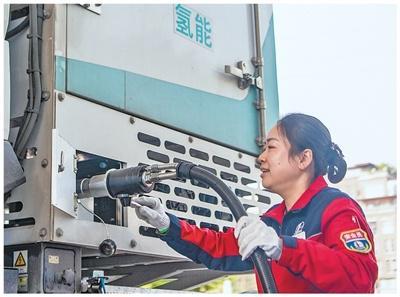
Hydrogen Energy and Nuclear Fusion - The Chongqing Jiulongpo District has staff refueling hydrogen fuel cell vehicles, indicating advancements in hydrogen energy infrastructure [2] - The "China Fusion Engineering Test Reactor" has achieved a breakthrough with a nuclear temperature of 117 million degrees Celsius and an electron temperature of 160 million degrees Celsius, marking a significant milestone in China's fusion research [4] Embodied Intelligence - The Guangdong Embodied Intelligence Robot Innovation Center showcases a pipeline inspection robot, highlighting developments in robotics technology [6] - In Sichuan's Bazhong Tongjiang County, students interact with robotic dogs, demonstrating the integration of robotics in educational settings [8] Biomanufacturing - The Hunan Biomanufacturing Pilot Base features a purification workshop where staff use flat-panel centrifuges for material dehydration, reflecting advancements in biomanufacturing processes [10] Quantum Technology - Researchers are experimenting with the "Zhuangzi 2.0" superconducting chip, discovering controllable patterns in the preheating phase of quantum systems, which is crucial for quantum technology development [12] - The Chinese Academy of Sciences' Quantum Information and Quantum Technology Innovation Research Institute in Hefei is a key player in advancing quantum research [14] Sixth Generation Mobile Communication - The Shanghai 6G Intelligent Communication Valley showcases a company's 6G smart terminal products, indicating progress in next-generation mobile communication technology [16] - In Nanjing, researchers at the Zijinshan Laboratory demonstrate a self-developed Bayesian learning baseband chip, contributing to the development of 6G technology [18] Brain-Computer Interfaces - In Wuhan, researchers utilize mixed reality technology to present the spatial relationship between brain-computer interface devices and rat brain structures, showcasing innovations in neuroscience [20] - At the Beijing Capital International Exhibition Center, visitors experience high-performance brain-computer interface devices, indicating growing interest and advancements in this field [22]