能源博弈

Search documents
俄伊石油暗战升级:1美元贴水背后的生死竞逐,中国稳坐能源棋局核心!
Sou Hu Cai Jing· 2026-02-27 15:53
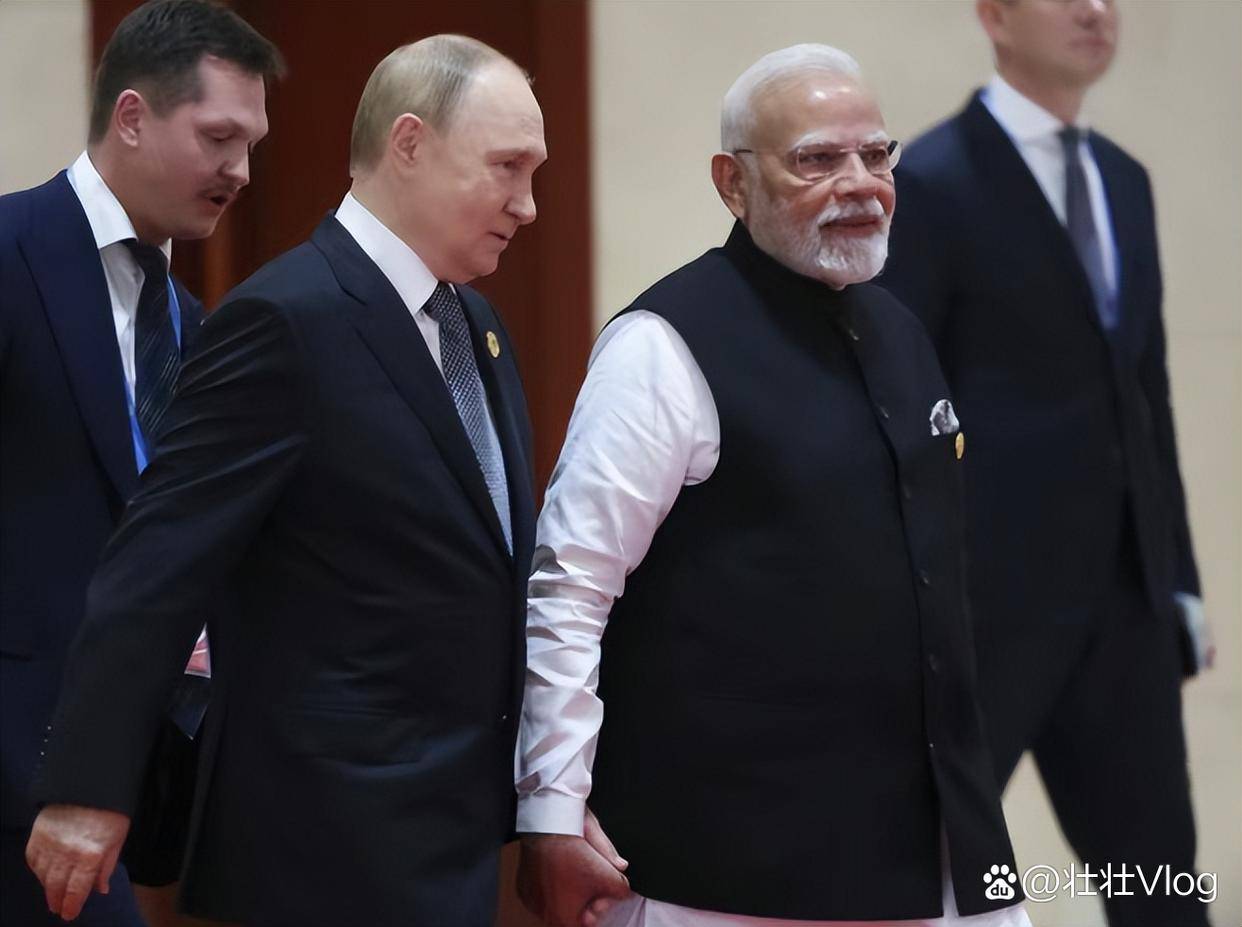
在能源市场的风云变幻中,俄罗斯与伊朗仿佛两位角斗士,正为了从中国这个能源消费巨擘手中攫取真金白银,展开了一场激烈而微妙的"石油价格拉锯 战"。 随着印度对俄罗斯原油的采购量大幅跳水,仿佛一夜之间,俄罗斯失去了一个重要的买家。据彭博社援引的第三方数据显示,2月里,印度对俄油的进口量 较一月锐减了4成有余,日均进口量仅60万桶,这一数字仅为巅峰时期的四分之一,也仅是去年年底水平的一半。这些原本流向印度的石油,如今纷纷调转 航向,涌向中国港口,与早已在中国市场深耕多年的伊朗石油狭路相逢。而此时的伊朗,也正面临着自身的经济困境,急需来自中国的资金注入以解燃眉之 急。于是,一场关于石油价格的"暗战"悄然拉开序幕。知情交易商透露,此前主要被印度青睐的乌拉尔原油,如今在中国港口的成交价较基准布伦特原油每 桶贴水已达12美元,相较于一月份的10美元贴水,这无疑是一个不小的降幅,可以理解为俄罗斯为了争夺市场而给出的"额外折扣"。短短一个月内,俄罗斯 就将自己主力出口原油的价格优惠提升了2美元每桶,这一举动无疑是对伊朗的直接挑战。而伊朗也不甘示弱,其对中国主力出口的伊朗轻质原油,贴水从 去年12月的八美元每桶,一路攀升至现在的1 ...

“友谊”输油管道输送中断 争端背后有哪些博弈?
Xin Lang Cai Jing· 2026-02-20 10:21
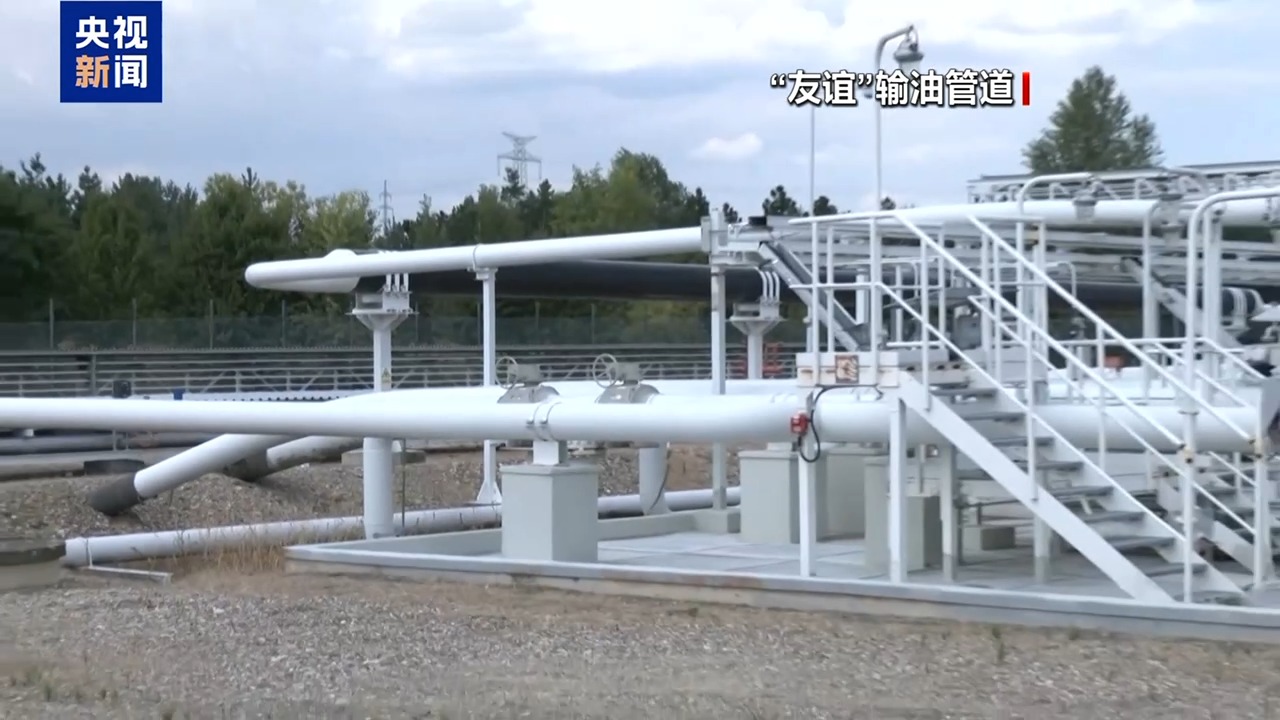
北京外国语大学欧盟与区域发展研究中心主任 崔洪建:当前,对匈牙利和斯洛伐克的能源供应已经构成了一定威胁,比如斯洛伐克已经启动了国内能源储 备。正是在这样的背景下,匈、斯两国急于采取行动,尽快迫使乌克兰方面恢复石油管道供应。 现在各方要同欧盟一道讨论、解决问题,但事态背景越来越复杂。这不仅关系到匈斯两国能源供应,还牵扯到匈牙利国内政治局势 ——匈牙利很快将在4月 举行选举,同时还涉及乌克兰未来加入欧盟的问题,匈牙利此前一直公开明确反对乌克兰加入欧盟。 在这样复杂的背景下,即将召开的会议很难在短期内取得明显效果。对欧盟而言,主要目的还是避免事态扩大,如果不能在乌克兰与匈牙利、斯洛伐克之间 达成解决方案,就会牵涉到各方面的问题。 新闻链接:"友谊"输油管道 本文转自【央视新闻客户端】; 当地时间19日,欧盟委员会宣布将于25日召开欧盟石油协调小组紧急特别会议,以解决匈牙利、斯洛伐克两国与乌克兰围绕"友谊"输油管道的争端。这一争 端背后有哪些博弈? 北京外国语大学欧盟与区域发展研究中心主任 崔洪建:之所以欧盟方面很快就采取了行动,背后的原因主要是,围绕匈牙利、斯洛伐克、乌克兰三方的能 源博弈已经持续了一段时间。 早在 ...
别被误导!地球上的石油储量够人类⽤三千年,能源战全是利益博弈
Sou Hu Cai Jing· 2026-02-19 21:33
Core Viewpoint - The G7's recent acknowledgment of nuclear power as a green energy source has sparked significant reactions, particularly from Germany, which has previously abandoned nuclear energy, leading to energy supply challenges [1][3][5]. Group 1: Germany's Energy Crisis - Germany's energy crisis began in 2011 after the Fukushima disaster, leading to the shutdown of nuclear power plants and a reliance on natural gas from the Nord Stream pipelines [3][5]. - The outbreak of the Russia-Ukraine war disrupted energy supplies, exacerbating Germany's economic struggles and highlighting the consequences of its decision to phase out nuclear energy [5][7]. Group 2: Global Energy Landscape - The current global proven oil reserves stand at 17,546 billion barrels, natural gas at 206 trillion cubic meters, and coal at 1,740 billion tons, with coal accounting for 58% of the total energy reserves [9][18]. - The competition for clean energy, particularly natural gas, is intensifying as countries seek to secure energy control amid geopolitical tensions [18][24]. Group 3: Nuclear Energy Potential - The Earth has proven uranium reserves of 5 million tons, which can yield energy equivalent to over 140 trillion tons of standard coal, indicating the vast potential of nuclear energy [28]. - The G7's shift in stance towards nuclear energy reflects its importance in the current energy landscape, especially as fossil fuels still dominate global energy consumption [26][28]. Group 4: Regional Energy Strategies - The U.S. remains the leading energy power, excelling in both nuclear energy and shale oil production, while countries like India are strategically purchasing cheaper Russian oil to benefit economically [32][34]. - Taiwan's energy strategy, which relies on renewable sources, faces challenges due to limited space for solar installations and mismatched energy supply and demand, leading to potential energy crises [30][32].
特朗普曾喊话中国,赶紧向美国臣服,将能得到3大好处!
Sou Hu Cai Jing· 2026-02-18 10:08
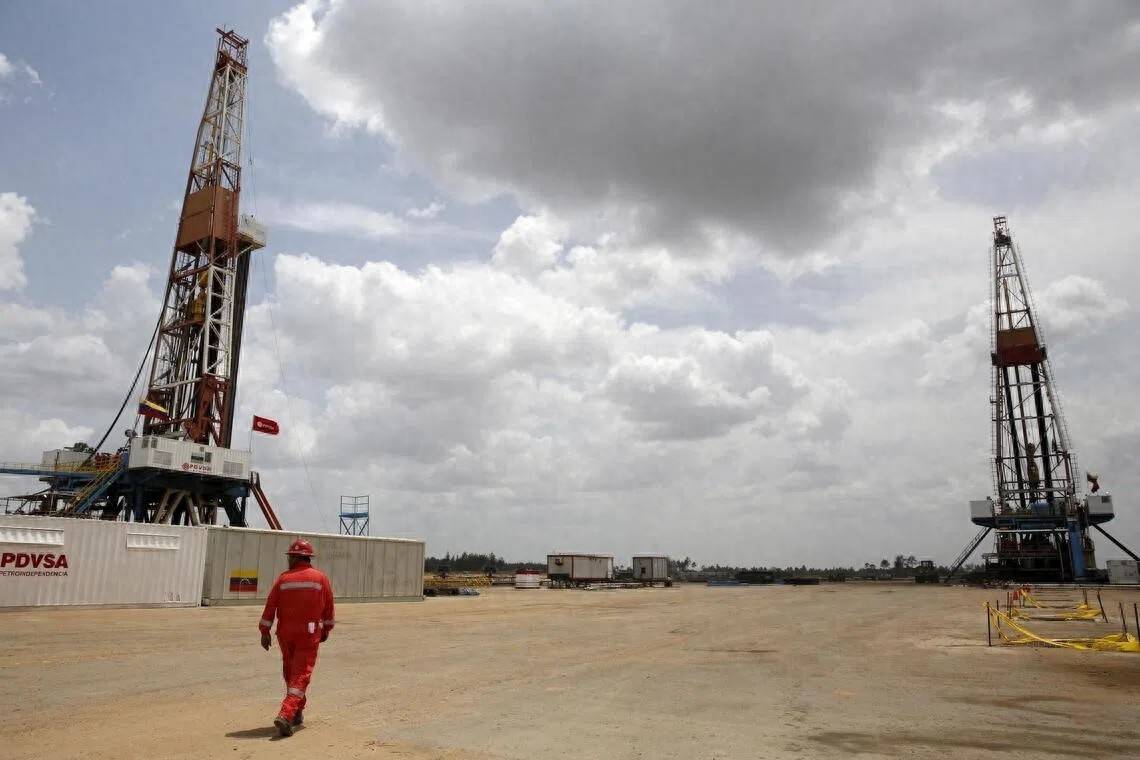
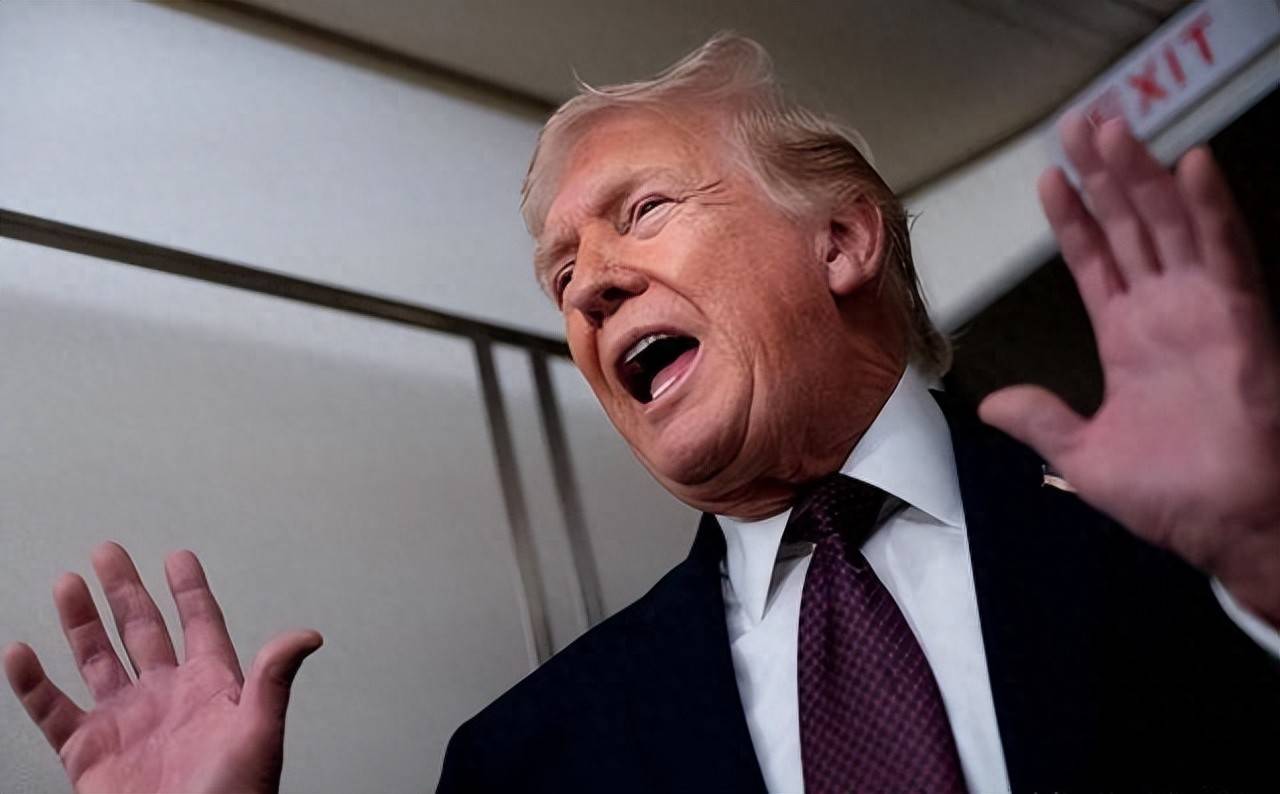
特朗普曾在面对记者的提问时,口气看似温和地拉拢中国,背后却隐约透出一股施压的味道。他急于在能源领域下手,宣称印度已不再购买俄罗斯和伊朗的 石油,而是转向委内瑞拉和美国的供应。接着,他顺势邀请中国也加入这场能源博弈,试图促使中国改变现有的供应链,按照美国的安排行事。表面上,他 许诺三大好处:美国市场将进一步开放,石油供应得以保障,并且会在国际舞台上给中国一些认可。然而,无论这些承诺如何包装,它们依然掩盖不了美国 想要掌控全球石油资源的野心。这场精心策划的交易,实际上不过是美国用巧妙的语言,想要将中国纳入其能源控制网络。 特朗普上任后,美国的能源政策明显倾向于化石燃料,放松环保限制,积极推动石油和天然气的出口。在他宣誓成为总统不久的2025年1月20日,他便签署 命令,允许在阿拉斯加进行石油钻探,并重启了与委内瑞拉的石油贸易。虽然委内瑞拉拥有全球最大储量的石油,但由于制裁,出口受到了极大限制。美国 试图通过掌控委内瑞拉的原油供应,来影响全球市场。特朗普还在专机上提到,印度已同意从委内瑞拉购买石油,以取代俄罗斯的供应。作为回报,美国将 印度的关税从50%降至18%。这一协议据称将在2026年1月正式生效,每月减少几 ...
冻死事小,失节事大,欧盟禁用俄罗斯天然气!中国成“救命稻草”
Sou Hu Cai Jing· 2026-02-13 15:05
2026年1月26日,欧盟正式通过理事会投票,决定逐步停止进口俄罗斯天然气。 禁令落地后,欧盟马上把目光转向挪威、美国和卡塔尔这些供应商。挪威增加海上产量,美国液化天然气船来回穿梭大西洋,卡塔尔也调整船期多送一些。 欧洲各国储气设施在2025年底基本都填满了,为2027年断供做缓冲。地下储气库和接收终端成了重点关注对象。 天然气价格虽然在2025年有所回落,但跟过去低点比还是高不少。工业企业调整生产节奏,居民用气也更注意节约,整体消费习惯在慢慢改变。 替代来源多了,欧洲市场供应格局彻底不一样了。美国液化天然气占比明显上升,挪威管道供应稳定,卡塔尔长期合同也给安心。 基础设施建设也没停,新终端站和内部互联管道陆续上马,就是为了让气体在成员国之间流通更顺畅,减轻断供冲击。 说白了,欧盟把这当成实现能源独立的关键一步,虽然短期要多花钱,但觉得值得。 法规定得清楚,俄罗斯液化天然气从2027年1月起彻底进不了欧盟市场,管道天然气则到2027年9月30日完全切断。 谈判过程里,欧盟委员会反复推动成员国提前准备储气计划,确保冬天供暖不出问题。大多数国家支持禁令,认为长远看能减少对单一来源的风险。 少数国家虽然有意见,但最 ...
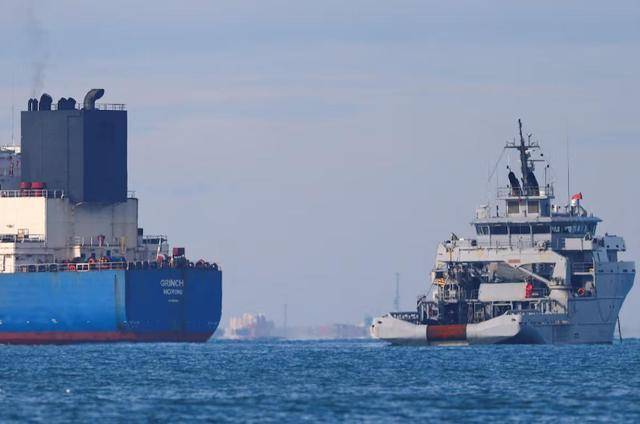
二月初,围绕俄中石油贸易的一则消息迅速引发市场关注。有贸易渠道披露,俄罗斯对华出口原油的报价突然明显下调,折扣力度达到近年少见的水平。表面看是价格变化,实则牵动的是印度采购取向、生计压力下的俄方财政需求,以及多方力量交织的能源博弈。在寒冷的波罗的海海域,一批装载乌拉尔原油的油轮长时间停...
Sou Hu Cai Jing· 2026-02-12 07:03
Core Insights - The recent significant price reduction in Russian crude oil exports to China has raised market attention, reflecting deeper geopolitical and economic dynamics rather than just price changes [1][2] Group 1: Russian Oil Exports - Russia has lowered its crude oil prices for exports to China, with discounts reaching levels rarely seen in recent years, indicating a strategic response to market pressures and geopolitical shifts [1] - The volume of Urals crude oil being exported has faced logistical challenges, with tankers lingering at sea for over two weeks, highlighting disruptions in Russia's export rhythm [1][2] - The pricing strategy adopted by Russia appears to be aimed at maintaining market share in China while addressing the financial pressures stemming from reduced demand from other buyers like India [1][2] Group 2: Geopolitical Dynamics - The U.S. has sought to reduce India's reliance on Russian oil by negotiating lower tariffs, aiming to increase its own energy exports to India and other regions [1][2] - India's energy procurement strategy remains complex, balancing its historical reliance on discounted Russian oil with the need to diversify its sources amid geopolitical pressures [2] - The interplay between Russia's pricing strategies and India's procurement decisions reflects a broader strategic interaction, where both countries are navigating their respective economic and geopolitical landscapes [2] Group 3: Global Oil Supply Chain - The global oil supply chain is undergoing a transformation, with Russia establishing new trade routes and India diversifying its oil sources to mitigate risks [3] - The situation remains fluid, with potential changes in discount rates and the flow of Russian oil in Asian markets as refining projects come online and demand shifts [3] - The ongoing energy, financial, and geopolitical negotiations indicate that the current dynamics are far from reaching a conclusion, suggesting continued volatility in the oil market [3]
特朗普再次喊话中国,赶紧向美国臣服,将得到3大好处
Sou Hu Cai Jing· 2026-02-12 06:41
中国对委内瑞拉石油一直有需求,但在1月的行动后,委内瑞拉石油的进口量显著下降。中国外交部多次表态,强调委内瑞拉作为一个主权国家,拥有对其 资源的永久主权,各国合法权益应当受到尊重。这一声明实际上是对美国单方面控制委内瑞拉石油销售的行为提出质疑,认为这种做法违背了正常的贸易规 则。面对美国的制裁压力,中国企业对于受美国监管的委内瑞拉石油表现出谨慎态度,几乎暂停了新的采购。特朗普显然试图通过委内瑞拉石油这张牌,削 弱俄罗斯的石油收入,同时将全球能源流向重新拉拢到美国的方向。印度减少俄罗斯石油进口,美国就通过减轻关税压力来促成交易;而如果中国也能转向 委内瑞拉石油,那么美国在全球能源市场中的影响力将得到进一步增强。可以看出,美国当前掌控着石油的销售权,而特朗普此举是希望迫使买家接受新的 交易规则。 尽管委内瑞拉拥有全球最大的石油储量,但其石油产量一直处于低迷状态。特朗普表示,美国公司将投入大量资金修复委内瑞拉的石油基础设施,目标是将 产量恢复并提升。而在这种收益分成模式下,美国不仅能够获得收益,还能进一步控制石油的流向。对于依赖进口的中国来说,这无疑增加了一个受美国监 管的供应来源,但中国的石油自主权却会受到显著限 ...
面对特郎普的威胁,连印度都不敢买俄油了,中国为什么还要接盘?
Sou Hu Cai Jing· 2026-02-11 05:21
Core Viewpoint - The article discusses the contrasting responses of India and China to U.S. sanctions on Russian oil, highlighting China's strategic acquisition of Russian oil amidst India's retreat due to pressure from the U.S. [1][3] Group 1: India's Response - India halted its purchase of Russian oil after U.S. President Trump's threats and the promise of reduced tariffs on Indian goods, indicating a significant reliance on the U.S. market [5][7] - The Indian government faced backlash from opposition parties, suggesting that the agreement with the U.S. compromised national interests [5][7] - India's economic dependency on exports and the U.S. market led to a painful decision to forgo cheaper Russian oil, creating a demand gap in the global oil market [7][8] Group 2: China's Acquisition - China seized the opportunity to increase its imports of Russian oil, with exports reaching a historical high of 1.86 million barrels per day in January 2026, a 46% year-on-year increase [10][15] - Russia became China's largest oil supplier, surpassing Saudi Arabia, with a 56% increase in oil shipments to China compared to Saudi exports [10][15] - The oil acquired by China is primarily high-quality ESPO crude, known for its low sulfur content and high refining efficiency, making it a valuable asset [12][13] Group 3: Energy Cooperation - The relationship between China and Russia in energy trade has evolved from simple transactions to a structurally deepened partnership, exemplified by the Shandong Yulong Refinery's reliance on Russian oil [17][23] - The refinery's shift to exclusively using Russian oil since October 2025 illustrates the growing interdependence in energy supply chains between the two nations [19][21] - China's strategic decisions in energy procurement reflect a calculated approach to ensure energy security and economic benefits, rather than mere opportunism [38][42] Group 4: Implications for Global Energy Dynamics - Trump's strategy to weaken Russia's oil revenue inadvertently strengthened the energy alliance between China and Russia, creating a more stable supply chain for China [31][44] - India's marginalization in the energy market raises concerns about its long-term strategic position, as it may need to resume Russian oil imports to avoid being sidelined [33][35] - The article concludes that China's actions in acquiring Russian oil are driven by rational economic considerations, ensuring energy security while navigating geopolitical tensions [42][44]
美国掌控委内瑞拉石油!委石油业全面开放,对华喊涨30%想卡脖子,不料竟是一手烂牌
Sou Hu Cai Jing· 2026-01-27 06:41
这是委内瑞拉石油产业几十年来最为剧变的一次。回顾过去,从查韦斯时代起,委内瑞拉便坚决推行石油国有化,曾直接没收了包括美国石油公司在内的外 资企业的设备,这也是导致美委关系恶化的直接原因之一。然而如今,凭借这项法案的出台,美国终于借机撬开了委内瑞拉石油产业的大门,彻底改变了这 片油田的游戏规则。 最近,美国对委内瑞拉的掌控彻底越界,这个南美能源大国的石油产业迎来了翻天覆地的变化。委内瑞拉议会近日突然宣布审议一项重磅法案,破天荒地允 许私营企业介入石油开采与生产,打破了长久以来的石油国有化政策。这一举动,无疑是对委内瑞拉几十年来的石油格局进行了一次彻底的颠覆。 更何况,中国的能源进口布局早已多元化。俄罗斯、沙特、伊拉克、阿联酋、科威特等国的石油供应网络坚如磐石,仅2024年,中国从俄罗斯进口的原油就 突破了1亿吨,是委内瑞拉供应量的近70倍。因此,委内瑞拉的石油在中国的整体能源布局中,几乎不值一提。即便委内瑞拉的石油彻底断供,中国的能源 安全依旧毫无影响。美国若试图利用这0.07%的微弱筹码逼迫中国让步,显然是高估了自己手中这张牌的分量。这场由美国一手挑起的石油争斗,本质上暴 露了美国对资源武器化的病态执念。 美 ...
特朗普喊话,要求中国高价购买委内瑞拉石油,能源霸权玩不转了
Sou Hu Cai Jing· 2026-01-27 05:20
然而,纸上谈兵和实际操作之间,往往存在巨大的差距。这一切看似顺利的计划在实际执行中遭遇了重重困难。特朗普成功地在政治层面对马杜罗政府施加 了压力,但随着事态的发展,问题迅速暴露出来。石油掌握在手后,如何处置这笔巨额资源,成为了他面临的最大难题。美国国内的大型石油公司对这一局 势保持极为谨慎的态度。企业们深知,委内瑞拉局势复杂多变,潜藏着法律与安全的双重风险。更重要的是,制裁政策的边界模糊不清,稍有不慎,后果不 堪设想。在这种情况下,资本自然不会轻易冒险。因此,特朗普很快意识到,美国自身并不具备处理这块石油的能力。于是,他转向中国,公开表示允许中 国继续购买委内瑞拉的石油,但价格必须提高。这一策略的背后,意图显而易见:美国试图将战略成本转嫁给中国,同时从中获利。然而,这一招却未能击 中中国的实际需求。如今的中国,能源选择多样,委内瑞拉并不是唯一的可选之地。更为重要的是,委内瑞拉的石油并不具备价格优势。中国没有理由为了 配合美国的战略而去承担额外的成本。而中俄之间日益紧密的能源合作,也使得这一策略更加难以奏效。近年来,俄罗斯对中国的石油供应持续增长,公开 数据显示,中俄之间的石油贸易量和价格条件都显得更加具备吸引 ...