花园城市

Search documents
多维度升级绿地空间 以绿色之美打造活力之城
Xin Lang Cai Jing· 2026-02-01 17:15
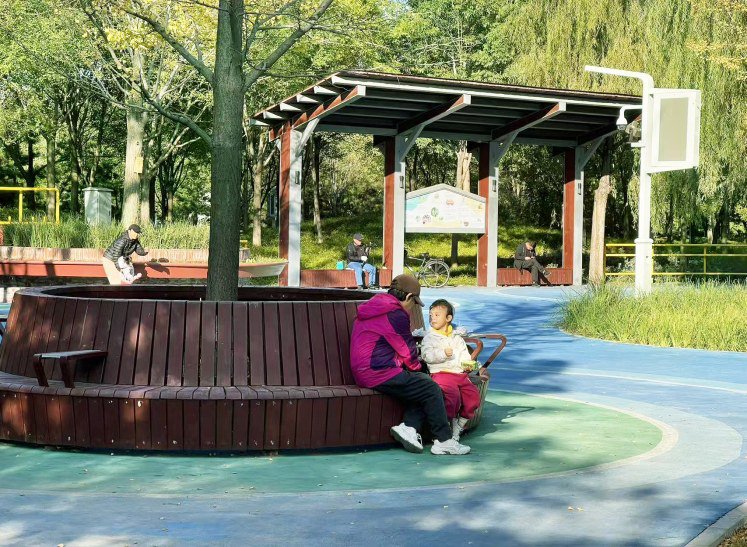
Core Viewpoint - The article highlights the transformation of Yongshun Town into a vibrant green space through the revitalization of parks and the creation of new recreational areas, responding to residents' needs for high-quality leisure environments [1][4]. Group 1: Park Revitalization - Yongshun Town has a total forest area of 3,050 acres, primarily consisting of urban green spaces, which have become increasingly important as urbanization accelerates [5]. - Liu Zhuang Park, covering approximately 270,000 square meters, was opened in 2018 and features over 20,000 trees and shrubs, evolving from a rural park to a more urban park due to rising local population density and cultural demands [5]. - The park management actively engages with residents to gather feedback, leading to improvements such as resurfacing 500 square meters of pavement and adding rain shelters and solar lights [6]. Group 2: New Park Developments - Yongshun Sports and Leisure Park, located under the Tongyan Expressway, spans 8.6 hectares and aims to integrate ecological enhancement, all-age accessibility, sports facilities, and cultural elements [9]. - The park includes various sports areas such as football and basketball courts, and plans for additional facilities like badminton courts in the second phase [9]. - The park design promotes seamless integration with surrounding neighborhoods, allowing free access and enhancing community engagement [10]. Group 3: Future Green Initiatives - Yongshun Town plans to utilize 15 underdeveloped plots, totaling approximately 600,000 square meters, to create more attractive recreational spots, including flower seas [12]. - The flower seas will feature a variety of vibrant flowers, including sulfur chrysanthemum and Persian daisy, designed to bloom from April to October, enhancing the visual appeal of the area [13]. - A 12-kilometer Citywalk route will connect various residential and commercial areas, providing opportunities for walking and cycling while enjoying the natural beauty and floral scents [13].

丰台区:全面跃升“三化五区”焕新丰台
Xin Lang Cai Jing· 2026-01-26 22:09
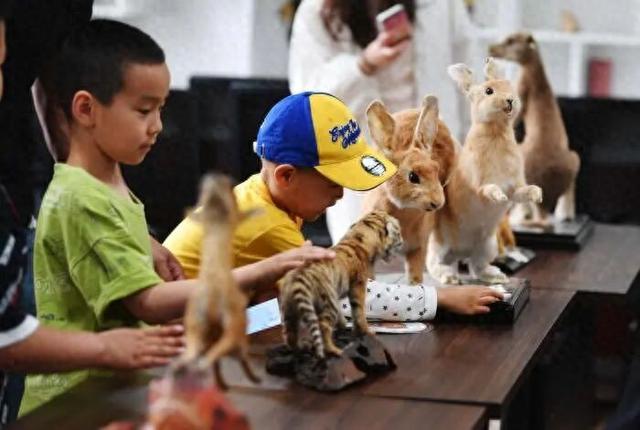
Group 1 - Fengtai District aims to promote urban renewal, industrial revitalization, functional enhancement, and governance innovation to achieve significant contributions to the city [1] - The district plans to build an integrated innovation zone, enhance the functionality of the South Central Axis area, and accelerate the construction of the first phase of the museum cluster [1][3] - Fengtai District will implement innovative cooperation models among central and local governments, universities, and enterprises to advance the Beijing-Xiong'an talent and innovation corridor [3] Group 2 - The district will focus on the "Green City Nine Methods" to promote garden city construction and expand the "Happy Learning Park" educational ecosystem [2][4] - By 2025, Fengtai District aims to complete major event service tasks and continuously optimize regional functional quality, demonstrating resilience and vitality in development [2] - The district will enhance the development capacity of the Lize Financial Business District and promote the construction of key projects such as the urban terminal [3] Group 3 - Fengtai District will deepen the integration of education, technology, and talent, and build platforms like "Scholars Returning Home" and "International Talent Port" [3] - The district will promote the "two healths" initiative and create a vibrant private economy zone by optimizing the business environment and implementing direct benefits from policies [4] - Fengtai District will explore urban renewal models and enhance rural revitalization through financial, technological, and legal mechanisms [4]
市属公园将引进高质量演艺项目
Xin Lang Cai Jing· 2026-01-25 19:17
Core Insights - The Beijing Municipal Park Management Center aims to enhance the quality and efficiency of municipal parks by focusing on hardware upgrades, ecological improvements, and cultural offerings, particularly in the context of the 14th Five-Year Plan starting in 2026 [1][2] Group 1: Environmental and Cultural Development - The "Garden City" concept will be implemented in municipal parks, with projects focusing on environmental, cultural, service, and order aspects to ensure effective outcomes [2] - The Beijing Garden City Special Plan (2023-2035) outlines initiatives such as the "Shared Garden" and "Harmonious Garden" to promote biodiversity and enhance the integration of natural landscapes with urban areas [2] - The National Botanical Garden has collected over 18,000 plant species, including 2,730 rare and endangered species, and aims to establish a resource bank with over 70,000 plant varieties by 2027 [3] Group 2: Cultural Heritage and Digitalization - The park management center will increase efforts in cultural heritage preservation, focusing on the restoration of historical buildings in sites like the Summer Palace and Beihai Park [4] - Digital initiatives will be enhanced, allowing visitors to access 3D models and historical narratives of cultural relics through scanning, thereby bridging the gap between history and the public [4] - New cultural activities and night-time experiences will be introduced to enrich visitor engagement and promote a vibrant cultural atmosphere in the parks [4] Group 3: Park Management and Visitor Experience - The park management center is developing detailed noise control measures to balance dynamic and static areas within parks, ensuring a harmonious environment for both active and passive visitors [6] - The overall strategy aims to leverage innovative measures to improve public life and promote high-quality development of park services, making parks a showcase of the capital's charm and a nurturing space for citizens [6]
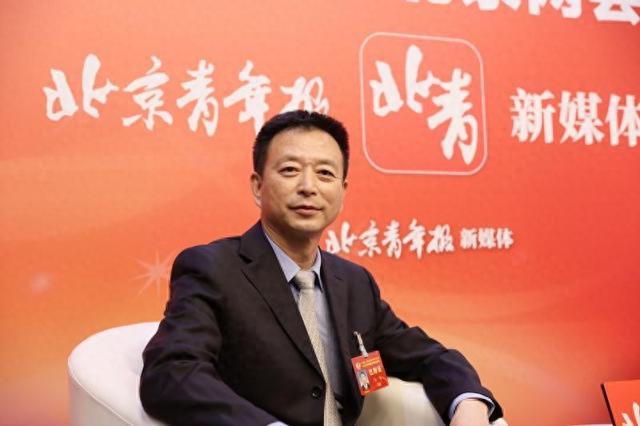
市政协委员、市公园管理中心主任张勇:市属公园将规划演艺空间
Xin Lang Cai Jing· 2026-01-25 07:58
Core Viewpoint - The Beijing Municipal Park Management Center aims to enhance the quality and efficiency of municipal parks by focusing on hardware upgrades, ecological improvements, and cultural offerings, particularly in the context of the "14th Five-Year Plan" starting in 2026 [1][3][11] Group 1: Environmental and Cultural Development - The "Garden City" concept will be implemented in municipal parks, with projects focusing on shared gardens, harmonious gardens, and natural gardens to promote a blend of nature and urban life [3][4] - The center plans to create comfortable and convenient shared gardens, vibrant harmonious gardens, and ecologically nurturing natural gardens to enrich the urban ecological landscape [3][6] Group 2: Infrastructure Enhancement - The National Botanical Garden, referred to as the "Noah's Ark" for plants, is set to be operational by 2027, with a total area of 11,000 square meters and aims to collect over 70,000 plant species [5][6] - Key projects include the renovation of the Peony and Medicinal Herb Garden and the construction of six garden city projects, including the East Dike of the Summer Palace [4][5] Group 3: Ecological Quality Improvement - The center will focus on creating three "most beautiful garden paths" this year, enhancing visitor experiences while protecting urban ecological heritage [6][11] - Ongoing projects include the protection of ancient tree groups in Xiangshan Park and the promotion of a unique flower breeding and display brand for each park [6][9] Group 4: Cultural Empowerment - The center will enhance cultural heritage preservation and digitalization efforts, including the restoration of historical buildings and the use of digital technology to engage visitors with cultural narratives [7][8] - Cultural activities will be expanded, including themed cultural weeks and the introduction of high-quality performance projects in parks [9][10] Group 5: Visitor Experience Enhancement - The center aims to improve visitor experiences through diverse cultural offerings, including seasonal activities and collaborations with professional teams for art and cultural events [9][10] - New initiatives will focus on night tours and experiences in historical gardens, integrating modern technology to enhance visitor engagement [9][10] Group 6: Park Order and Noise Control - The center is developing detailed noise control measures to balance dynamic and static areas within parks, ensuring a harmonious environment for all visitors [11]
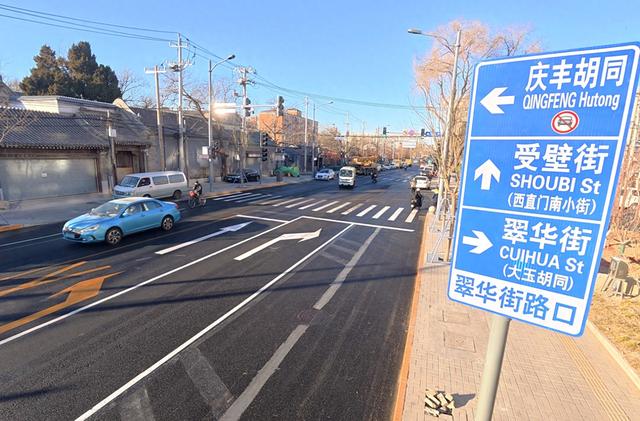
绕行15分钟变3分钟直达,白塔寺片区北侧的受壁街贯通了
Xin Lang Cai Jing· 2025-12-29 13:04
Core Viewpoint - The renovation and expansion of Shoubi Street has been completed, improving traffic flow and accessibility in the area, significantly reducing travel time and enhancing local infrastructure [1][3][5]. Group 1: Traffic Improvement - The previously narrow section of Shoubi Street, which was only 8-9 meters wide, has been expanded to 22-25 meters, allowing for two lanes of traffic and connecting Zhao Dengyu Road with the West Second Ring Road [5]. - Travel time to the main road has decreased from 15 minutes to just 3 minutes, benefiting over ten thousand residents from nearby communities, schools, and units [5][16]. Group 2: Infrastructure Development - The project includes the construction of two underground automated parking garages with a total of 181 parking spaces, designed to optimize space and efficiency [6][8]. - An integrated underground utility corridor of 824 meters has been established, allowing for streamlined maintenance of water, electricity, and telecommunications, reducing repair times from 72 hours to 4 hours [10][12]. Group 3: Community Enhancement - Three pocket parks and several small green spaces have been developed along the road, contributing over 5,000 square meters of green area, which is expected to absorb more than 50 tons of carbon dioxide annually [14][16]. - The project aims to introduce commercial establishments such as shops and cafes in the future, which will create additional job opportunities and economic benefits for the community [16].
北京公园年接待游客突破5亿人次,带动相关产业收益超百亿元
Xin Jing Bao· 2025-12-17 04:53
Group 1 - The core message of the news is the significant progress in Beijing's ecological and urban development, highlighting the city's commitment to creating a harmonious and livable environment through extensive park and green space initiatives [1][2][4] - Beijing now has a total of 1,136 parks, with annual visitor numbers exceeding 500 million, generating over 10 billion yuan in revenue for related industries such as dining, accommodation, and tourism [1][2] - Over 92% of residents can access green spaces within 500 meters from their homes, showcasing the city's efforts to enhance urban greenery and ecological beauty [2][3] Group 2 - The forest coverage in Beijing has reached 45%, with the completion of a two-phase afforestation project covering one million acres, and the establishment of 119 parks in the first green isolation area [2][4] - The city has introduced 710 small "pocket parks" and 63 urban forests, contributing to improved air quality and biodiversity, while also providing recreational spaces for residents [2][3] - The number of terrestrial wildlife species in Beijing has reached 620, including 527 bird species, with 24 new species added in the past five years, indicating a thriving urban ecosystem [4]
未来五年,北京这七类城怎么建?
Bei Jing Ri Bao Ke Hu Duan· 2025-11-30 07:13
Group 1: Cultural Development - Beijing aims to enhance its status as a "Museum City" by constructing a cultural landmark in the Dahuomen area, which will include three main museums and a cultural facility [1][2] - The "Book Fragrant Beijing" initiative focuses on promoting reading and supporting physical bookstores, with plans to improve reading spaces and enhance community engagement [11][13] Group 2: Skills Training - The "Skills Beijing" training initiative is designed to improve labor quality and income through a four-part model that includes job demand, skills training, evaluation, and employment services [4] Group 3: Environmental Initiatives - The "Waste-Free City" initiative aims to reduce waste and promote resource recycling, with a goal of achieving comprehensive waste management by 2027 and establishing a waste-free environment by 2035 [5] Group 4: Urban Development - The "Garden City" plan emphasizes the integration of green spaces and seasonal plant designs to enhance urban aesthetics and livability [6] - The "Smart Beijing" initiative focuses on the integration of digital technology and artificial intelligence to improve urban governance and service delivery [8] Group 5: Social Governance - The "Friendly City" initiative aims to improve social governance by addressing the needs of new employment groups, creating a supportive community environment [9]
这“七类城”,北京怎么建?
Bei Jing Qing Nian Bao· 2025-11-27 06:10
Core Viewpoint - The article discusses the comprehensive development plan for Beijing's economy and society during the 14th Five-Year Plan period, emphasizing cultural innovation, environmental sustainability, and social governance improvements as key areas of focus [1]. Group 1: Cultural Development - The plan includes the construction of a "Museum City," with the Dahuomen Museum Cluster expected to be completed during the 14th Five-Year Plan, featuring major cultural institutions [2]. - The initiative "Book Fragrant Beijing" aims to enhance public cultural services by supporting physical bookstores and promoting nationwide reading activities [8]. Group 2: Skills and Employment - The "Skills Beijing" training initiative is designed to improve labor quality and promote a performance-based compensation system, encouraging high-skilled workers to earn more [3]. - The program includes a four-part model for skill development, integrating job demand, training, evaluation, and employment services [3]. Group 3: Environmental Sustainability - The plan outlines the goal of building a "Waste-Free City" by 2027, focusing on solid waste management and pollution control, with a vision for full implementation by 2035 [4]. - The "Garden City" initiative aims to enhance urban greenery and biodiversity, promoting a harmonious living environment [5]. Group 4: Digital Transformation - The "Smart Beijing" initiative focuses on integrating digital technology and artificial intelligence to improve urban governance and service delivery [6]. Group 5: Social Governance - The establishment of a "Friendly City" aims to support new employment groups, addressing their specific needs and enhancing community integration [7].

北京开启新篇章!12部门一把手发声
Bei Jing Qing Nian Bao· 2025-11-18 03:53
Economic Development - The Beijing Municipal Committee's 13th Plenary Session emphasized the importance of deepening reforms and optimizing the business environment to enhance economic vitality [1] - The city aims to achieve a higher level of open economy and promote the complementary development of various ownership economies [1] Technological Innovation - Beijing plans to accelerate the development of a global technology innovation center, focusing on original innovation and key core technology breakthroughs [2][3] - The city will implement a technology achievement transformation system to support the development of new productive forces [3] Education and Talent Development - The education system will focus on integrating education, technology, and talent development, enhancing the quality of education from basic to higher levels [4][5] - There will be an emphasis on cross-disciplinary training to cultivate innovative talents that meet the needs of the capital's economic and social development [5] Digital Economy - Beijing aims to become a global benchmark city for the digital economy, focusing on high-precision industries and modern service sectors [7][8] - The city plans to develop emerging industries such as artificial intelligence and green advanced energy, targeting trillion-level industry clusters [8] Social Welfare - The city will prioritize employment as a key aspect of people's livelihoods, implementing policies to enhance job creation and social security systems [9][10] - There will be a focus on expanding social insurance coverage and improving the social security system to ensure reliable support for residents [10] Environmental Sustainability - Beijing is committed to building a beautiful city by enhancing pollution prevention and promoting green transformation in production and lifestyle [11][12] - The city aims to improve ecological quality and create a harmonious living environment through sustainable practices [12] Transportation Infrastructure - The transportation system will focus on building a modern, integrated transportation network that prioritizes public transport and optimizes travel efficiency [13][14] - Strategies will be implemented to enhance logistics efficiency and support the high-quality development of urban logistics [14][15] Urban-Rural Integration - The city will promote balanced urban-rural development and implement rural revitalization strategies to enhance agricultural productivity and rural living conditions [16] - Emphasis will be placed on modern agriculture and improving rural governance to ensure sustainable development [16] Cultural Development - Beijing aims to enhance its cultural influence by promoting public cultural services and fostering innovation in the cultural industry [17][18] - The city will focus on developing diverse tourism products and enhancing cultural tourism experiences [18] Health and Well-being - The city plans to improve its healthcare system and promote public health services to enhance the well-being of its residents [19][20] - There will be a focus on providing equitable and high-quality healthcare services across all demographics [20] Heritage Protection - Efforts will be made to strengthen the protection and transmission of historical and cultural heritage, ensuring the preservation of Beijing's unique cultural identity [21][22] - The city will enhance public cultural services and promote the development of a museum city [22] Urban Greenery - Beijing is working on a plan to develop a garden city, enhancing urban green spaces and improving the quality of public parks [23] - The city aims to create a harmonious integration of production, living, and ecological spaces through innovative landscaping [23]
擘画十五五 北京怎么干
Bei Jing Ri Bao Ke Hu Duan· 2025-11-17 22:42
Economic Reform - The city aims to deepen economic and public service reforms to enhance the vitality of various business entities and optimize the business environment [1] - The focus will be on promoting the complementary advantages of different ownership economies and accelerating the market-oriented allocation of resources [1] Technological Innovation - The city plans to enhance its status as an international technology innovation center by focusing on original innovation and key core technology breakthroughs [1] - There will be an emphasis on the deep integration of technological and industrial innovation, along with the establishment of a technology achievement transformation system [1] Education and Talent Development - The education system will expand high-quality educational resources and enhance the integration of education, technology, and talent development [2] - The focus will be on cultivating innovative talents and adapting education to meet the needs of the capital's economic and social development [2] Digital Economy - The city aims to build a global benchmark for the digital economy and develop high-end industries to promote high-quality economic development [3][4] - Plans include creating new trillion-level emerging industry clusters in artificial intelligence and green advanced energy [4] Social Security - The human resources and social security system will prioritize employment and enhance the social security system to ensure reliable and comprehensive protection for citizens [5] Environmental Protection - The city will focus on improving ecological environment quality and promoting green transformation in production and lifestyle [6] Transportation - The transportation system will adopt strategies to optimize and enhance the efficiency of the comprehensive transportation network [7] Urban-Rural Development - The city will implement rural revitalization strategies and promote balanced urban-rural development [9] Cultural Development - The cultural sector will enhance the influence of the cultural center and promote the integration of culture and tourism [10] Health Initiatives - The health sector will focus on improving the healthcare service system and promoting high-quality population development [11] Heritage Protection - The city will strengthen the protection and transmission of historical and cultural heritage [12] Urban Greenery - Plans are underway to develop a garden city with enhanced ecological functions and improved green spaces [14]