蓝碳经济

Search documents
共筑闽台蓝碳经济合作新格局
Xin Lang Cai Jing· 2026-01-30 18:44
Core Viewpoint - The article discusses the potential and challenges of blue carbon cooperation between Fujian and Taiwan, emphasizing the need for standardized frameworks and collaborative mechanisms to enhance the blue carbon economy [1][2][3][4][5] Group 1: Blue Carbon Resources and Cooperation - The ocean serves as a significant carbon sink, with blue carbon primarily stored in coastal ecosystems like mangroves, salt marshes, and seagrass beds [1] - Fujian has a favorable endowment of blue carbon resources and has established a complete blue carbon development chain, while Taiwan has a strong foundation in blue carbon research [1] - Initial cooperation between Fujian and Taiwan has been promising, highlighted by the establishment of a common blue carbon standard system and the first transaction of 1,926 tons of salt marsh blue carbon [1][2] Group 2: Challenges in Blue Carbon Cooperation - Fragmented standard systems hinder blue carbon cooperation, with differences in carbon accounting methods and monitoring indicators between Fujian and Taiwan [2] - The lack of unified standards creates barriers for cross-strait carbon credit trading, as Taiwan's carbon products struggle to meet mainland trading rules [2] - The flow of resources and professional talent is restricted due to limited mutual recognition of qualifications and high financing barriers for Taiwanese enterprises wishing to participate in Fujian's blue carbon projects [3] Group 3: Recommendations for Enhancing Cooperation - Establish a common standard system to facilitate trading and reduce barriers, including the creation of a blue carbon standardization technical committee [2][3] - Set up "Taiwan Blue Carbon Talent Stations" in Fujian to attract high-level talent and provide subsidies for professionals [3] - Develop a collaborative mechanism that integrates blue carbon cooperation into broader economic forums, ensuring streamlined project approvals and standardized applications [4] Group 4: Future Directions and Innovations - Explore integrated models combining blue carbon with tourism and renewable energy, such as marine ranching and wind power [4] - Promote international blue carbon products through global forums and showcase successful cross-border carbon credit projects [5]
广汇众智献良策 同心协力谋发展——省政协八届四次会议第二次全体会议发言摘登①
Hai Nan Ri Bao· 2026-01-29 02:42
Group 1 - Hainan aims to develop a blue carbon economy as a key strategy for implementing the "dual carbon" goals and enhancing the free trade port's construction [3][4] - The province received 329 speech materials during the provincial political consultative conference, with 14 members presenting ideas to promote Hainan as a significant gateway for China's new era of opening up [1] Group 2 - Hainan has a natural advantage in developing the blue carbon economy, which is essential for creating new growth points in the marine economy [3] - Recommendations include strengthening top-level design, enhancing market-oriented approaches, and leveraging the advantages of the free trade port for international development [4] Group 3 - Hainan's equipment manufacturing industry has shown rapid growth, with a 72.4% increase in value added in the first half of 2025, significantly outpacing the overall industrial growth [13][14] - Suggestions for the equipment manufacturing sector include attracting high-end engineering equipment manufacturers and optimizing the industry layout [14] Group 4 - The aging population in Hainan is projected to reach 1.83 million by the end of 2024, accounting for 17.46% of the total population, highlighting the need to address the challenges of "medical and nursing separation" [17] - Recommendations include enhancing planning for integrated medical and nursing services and expanding diverse elderly care services [18][19] Group 5 - The green energy storage industry in Hainan is developing rapidly, contributing to the green and low-carbon transition of the energy system [21][22] - Suggestions for the storage industry include establishing supportive policies, promoting project development, and enhancing talent cultivation [22] Group 6 - Hainan has the potential to become a core area for the digital sports industry, leveraging its unique advantages [26][27] - Recommendations include integrating digital sports into the overall digital economy development plan and attracting top-tier events to enhance the province's international profile [27] Group 7 - The low-altitude economy is identified as a new growth driver for Hainan's free trade port, essential for industrial transformation [40][41] - Suggestions include establishing a collaborative mechanism for low-altitude services and developing infrastructure for low-altitude economic activities [41]

大力发展蓝色碳汇 赋能海洋强省建设
Xin Lang Cai Jing· 2026-01-28 23:06
Core Viewpoint - The development of blue carbon economy is essential for achieving dual carbon goals and building a strong marine province, emphasizing the need for ecological protection and economic growth [2] Group 1: Blue Carbon Economic Development - A comprehensive plan for blue carbon economic development should be established, including a special action plan and a robust blue carbon economic system to accelerate the ecological transformation of marine industries [2] - Continuous promotion of marine ecological protection and restoration is necessary, establishing a full-chain marine governance system to enhance the carrying capacity of marine ecosystems and explore carbon sequestration potential [2] Group 2: Technological Innovation and Collaboration - There is a need to enhance blue carbon technological innovation capabilities by leveraging high-level research institutions and collaborating with enterprises to create high-energy marine innovation platforms and blue carbon technology centers [2] - Focus on technological breakthroughs in areas such as marine renewable energy development to facilitate the transformation of research outcomes [2] Group 3: Blue Carbon Trading and Financial Support - The advancement of blue carbon trading should be prioritized, including the development of a standard system for the blue carbon sector and supporting coastal regions in piloting ecological product value realization mechanisms [2] - Increased financial support is required to guide social capital participation in blue carbon trading [2] Group 4: Legal Framework for Blue Carbon - Strengthening blue carbon judicial work is crucial, including standardizing judicial applications for blue carbon subscriptions and promoting the construction of environmental resource trial think tanks [2] - Exploring alternative restoration methods through the purchase of blue carbon can contribute to improving the blue carbon ecological compensation mechanism [2]
构建“蓝碳经济”治理体系
Xin Hua Ri Bao· 2026-01-12 23:27
Core Viewpoint - The development of blue carbon economy is essential for addressing climate change and fulfilling international commitments, while also serving as a strategic pillar for building a maritime power [1] Group 1: Governance System - The primary task in constructing a blue carbon governance system is to clarify resource boundaries and responsibilities, as current blue carbon ecosystems like mangroves and seagrass beds face challenges due to unclear boundaries and dynamic changes [2] - A systematic survey and dynamic monitoring of blue carbon ecosystems are necessary, utilizing integrated methods such as satellite remote sensing and ground monitoring to establish a national blue carbon resource database for data sharing [2] - Accelerating rights registration and property definition is crucial to clarify the asset attributes and ownership of blue carbon resources, especially in collective and cross-administrative sea areas [2] Group 2: Legal Framework and Standards - A robust legal framework and standard norms are vital for the healthy development of the blue carbon economy, as current legal support is fragmented and lacks specific regulations for blue carbon [3] - There is a need for top-level design and legislative support to formulate national guidelines or special plans for promoting blue carbon economic development, including the establishment of specific clauses for blue carbon protection in relevant laws [3] - Developing a scientific and standardized accounting system for carbon credits is urgent, requiring the establishment of national guidelines for carbon credit accounting and verification [3] Group 3: Market Mechanisms and Policy Tools - Converting the ecological value of blue carbon into economic value requires effective market mechanisms and diversified policy tools, including exploring the establishment of blue carbon market trading mechanisms [4] - Financial policies should be strengthened to increase investment in blue carbon ecosystem protection and restoration, while also encouraging the development of green financial products [4] - Promoting an eco-environmental development model that integrates blue carbon ecosystem protection with related industries like coastal tourism and ecological health is essential for realizing value transformation [4] Group 4: Multi-Stakeholder Engagement - The governance of blue carbon economy involves multiple stakeholders and requires breaking down departmental barriers and regional boundaries to form a collaborative governance structure [5] - Establishing a cross-departmental and cross-regional coordination mechanism is necessary to address major issues in planning, policy, and project advancement [5] - Encouraging community participation and ensuring that local residents have rights to information, participation, and benefits is crucial for effective blue carbon governance [5] Group 5: Long-term Strategy - Building a blue carbon economic governance system is a long-term and complex project that requires historical patience and strategic determination to gradually develop a unique path for blue carbon economic development in China [6]
张芳:创新金融产品助力海洋经济高质量发展
Xin Hua Cai Jing· 2025-12-10 07:07
Core Insights - The conference highlighted the significant achievements in China's marine economy, with a projected marine production value of 10.54 trillion yuan in 2024, accounting for 7.8% of GDP [1] - The blue carbon economy is identified as a key focus area, with various regions implementing carbon trading practices related to mangrove forests [1] Group 1 - The development of the marine economy is supported by innovative financial products such as blue bonds from Bank of China and PPP projects from the National Development Bank [2] - Challenges in financial support for marine economic development include the lack of national blue carbon and blue finance standards, high risk assessment difficulties, and insufficient product adaptability [2] - Recommendations include establishing national blue finance standards, enhancing policy incentives, and developing a marine economic data platform to support risk pricing [2]
复旦大学成功举办第二届“开放包容与合作共赢的印度洋”国际研讨会
Guan Cha Zhe Wang· 2025-12-10 04:33
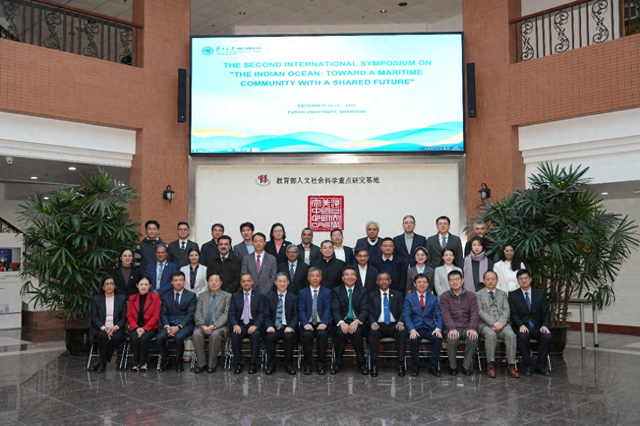
Core Viewpoint - The second "Open, Inclusive, and Win-Win Indian Ocean" international seminar was successfully held in Shanghai, focusing on security, development, and governance in the Indian Ocean region, aiming to build consensus for cooperation and explore win-win paths [1] Group 1: Key Insights from the Seminar - The peace and prosperity of the Indian Ocean are fundamental interests for all coastal countries, with China's "Community of Shared Future at Sea" providing important ideas for addressing common challenges [3] - Shanghai is transitioning from a port-centric city to a comprehensive marine city, emphasizing the importance of blue carbon economy and its potential to become a knowledge production and innovation center for marine governance in Asia [3] - The seminar featured seven thematic discussions, covering macro regional changes to specific areas of cooperation, including the strategic dynamics of the Bay of Bengal and the connection between the Indian and Pacific Oceans [9] Group 2: Actions and Initiatives - China is actively implementing the "Community of Shared Future at Sea" through initiatives like the Belt and Road blue economy cooperation and the establishment of the China-Indian Ocean Region Blue Economy Development Cooperation Forum [7] - The discussions aimed to clarify misunderstandings and highlight China's commitment to seeking cooperative and win-win outcomes in the Indian Ocean [7][10] - The seminar provided a platform for diverse perspectives, contributing to the understanding of the complex dynamics in the Indian Ocean and exploring paths for cooperation and mutual benefit [10]
农业银行东山支行金融活水润“蓝碳”闽南渔村绘就生态致富双赢画卷
Zheng Quan Ri Bao Zhi Sheng· 2025-12-07 15:11
Core Insights - The article highlights the transformation of Xiaxikeng Village into a "blue bank" through the development of the blue carbon economy, combining ecological protection with economic prosperity [1] Group 1: Ecological Practices - Xiaxikeng Village has implemented a comprehensive marine transformation, replacing traditional farming methods with eco-friendly practices, including the use of environmentally friendly plastic floats instead of foam ones [2] - The village cultivates high carbon-sequestering species such as kelp and seaweed, achieving a carbon fixation of over 16,000 tons annually, which is five times more efficient than tropical rainforests [2] Group 2: Financial Innovations - Agricultural Bank of Dongshan has introduced tailored financial services to address the funding challenges faced by aquaculture farmers, optimizing credit assessment to include farming facilities [3] - The maximum credit loan amount has been raised to 500,000 yuan, effectively alleviating financing difficulties for local farmers, with over 10 million yuan in loans disbursed to date [3] Group 3: Carbon Market Development - In April 2023, the village achieved a significant milestone with an annual carbon credit volume of 16,772.41 tons, valued at 946,100 yuan, and established the first village-level blue carbon economic service center in the province [4] - The village successfully facilitated the first on-site purchase of fishery carbon credits in the country, with a buyer acquiring 1,861.42 tons for ecological restoration purposes [4] Group 4: Economic Integration - Xiaxikeng Village has evolved from a traditional fishing village to a diversified economy, combining aquaculture with tourism, attracting nearly 500,000 visitors annually and generating over 20 million yuan in tourism revenue [5] - The collective economic income of the village has increased from 360,000 yuan to over 2 million yuan in five years, driven by initiatives such as digital aquaculture and the development of local seafood products [6]

专家学者建言“十五五”海洋经济可持续发展
Xin Hua She· 2025-11-20 09:06
Core Viewpoint - China aims to promote high-quality development of the marine economy, emphasizing the integration of ecological priorities and green development throughout marine resource utilization and protection [1][2]. Group 1: Marine Economy Development - The "Exploring the Path of Harmonious Marine Economic High-Quality Development" seminar highlighted strategies, pathways, and mechanisms for high-quality marine economic development [1]. - The concept of "ecological priority and green development" is essential for balancing marine development and protection, pollution prevention, and ecological restoration [1]. Group 2: Carbon Sequestration and Blue Carbon Economy - The ocean is recognized as the largest carbon sink, and enhancing its carbon sequestration capacity is crucial for achieving carbon neutrality [1]. - The development of "carbon sink fisheries" is proposed to utilize fisheries that can lower atmospheric CO2 levels, promoting sustainable practices in the fishing industry [2]. - Increasing ocean alkalinity has been identified as a method to accelerate CO2 absorption from the atmosphere, presenting significant application prospects in the context of carbon neutrality [2]. Group 3: Green Finance and Sustainable Development - Green finance is seen as a vital opportunity to support the sustainable development of the marine economy, including expanding offshore renewable energy and enhancing the global competitiveness of the green shipping industry [2]. - Financial support for the synergistic development of "marine industry + marine ecology" is suggested to improve the financing and sustainability of marine ecological protection projects [2].
全国首笔“中葡”碳汇交易落地珠海金湾
Nan Fang Du Shi Bao· 2025-11-04 07:37
Core Insights - The first "China-Portugal" carbon trading transaction has been successfully completed in Jinwan District, Zhuhai, marking a significant breakthrough in China's blue carbon economy [1][5] - This innovative practice connects local ecological resources with the international carbon market, creating a quantifiable path for transforming ecological value into economic benefits [1][2] Cross-Border Carbon Trading - The transaction represents a breakthrough in carbon trading mechanisms by combining local Jinwan mangrove carbon credits with internationally certified carbon credits from Portuguese-speaking countries, thus overcoming regional barriers [2][3] - The first transaction was completed between the Macau International Carbon Emission Rights Exchange and Zhuhai Maike Hotel, specifically for a low-carbon hotel project for the National Games, integrating ecological value with event economics [2][3] - A cooperation agreement was signed among five institutions from the Guangdong-Hong Kong-Macao Greater Bay Area to establish a comprehensive cooperation mechanism covering research, development, trading, and application [2] Ecological Transformation - The Jinwan District manages a 50,000 square meter mangrove ecosystem that sequesters a significant amount of CO2 annually, showcasing the ecological value of these resources [3] - The district has developed a specialized carbon measurement methodology, incorporating mangroves into the carbon accounting system, providing a scientific basis for ecological asset pricing [3] - The transaction adheres to the principles of "measurable, reportable, and verifiable," ensuring the authenticity of carbon credits and the accuracy of emission reduction values [3] Future Development - The completion of the first transaction is just the beginning, as Jinwan District plans to establish a cross-border carbon trading cooperation platform and innovate carbon development and trading mechanisms [4][6] - Future plans include expanding cross-border trading scenarios involving other blue carbon species such as mangroves and oysters, with a focus on applications in afforestation, soil improvement, and legal frameworks [6] - By 2025, the district aims to complete the first carbon accounting methodology for oyster fields in the province and initiate a mangrove carbon project in the Jiqimen water area by 2026 [6]
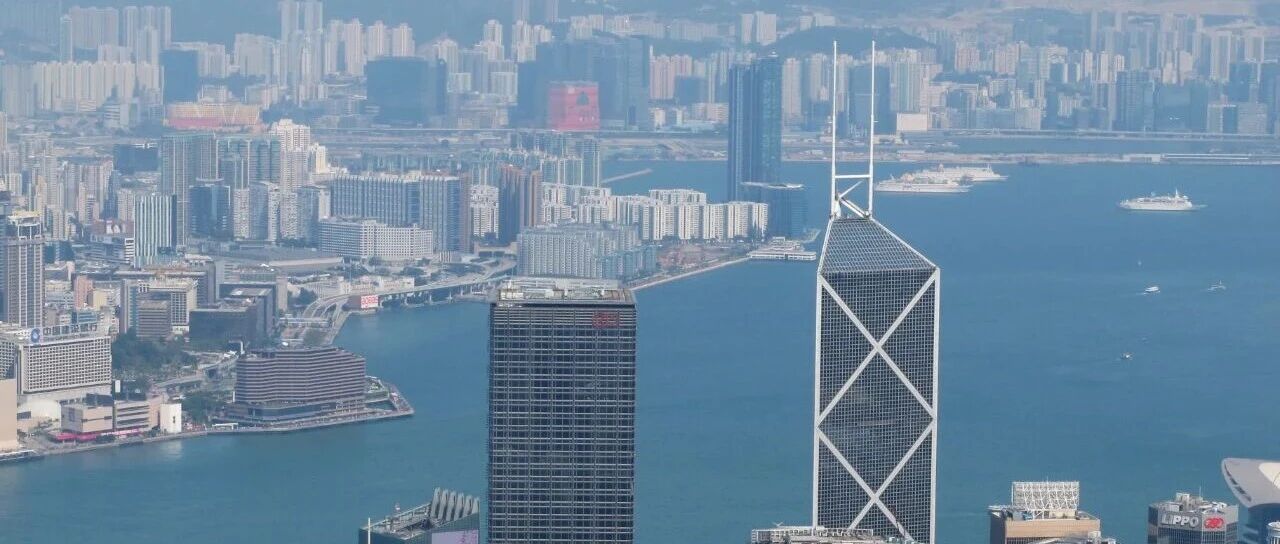
上海香港跻身全球海洋城市十强
第一财经· 2025-10-12 06:35
Core Viewpoint - The latest assessment report on the comprehensive competitiveness of ocean cities indicates that Shanghai and Hong Kong rank among the top ten global ocean cities, with Shenzhen and Qingdao also making it into the top 20 [3][4]. Group 1: Global Ocean City Competitiveness - The report evaluates 60 global ocean cities based on five dimensions: economic vitality, technological innovation, maritime services, international influence, and urban governance [4]. - The global ocean city competitiveness shows a clear distribution into four tiers, with London, Singapore, and New York leading the first tier as benchmarks for development [4][6]. - The second tier includes cities like Shenzhen, Houston, and Copenhagen, while the third tier consists of cities such as Helsinki and Osaka, and the fourth tier includes cities with weaker foundations like Dongguan and Ho Chi Minh City [6][7]. Group 2: China's Ocean Cities - China has 16 cities in the second and third tiers, representing over half of the total, highlighting the significant "Chinese power" in global ocean competition [7]. - Shanghai, Shenzhen, and Qingdao are identified as the three leading "ocean economic circle leaders" in China, with Shanghai ranking second globally in economic vitality and having the highest port cargo throughput [7]. - Shenzhen ranks fourth globally in technological innovation, supporting its ambition to become a "global ocean center city" through advancements in marine electronics and underwater robotics [7]. Group 3: Future Directions and Predictions - The report suggests a "four-dimensional enhancement path" for Chinese ocean cities, focusing on building an open economic ecosystem, becoming innovation hubs, deepening global governance participation, and innovating green low-carbon models [8]. - It predicts that from 2025 to 2030, technology-driven efficiency revolutions and green low-carbon transitions will dominate ocean city competition, with new business models like marine data centers and blue carbon economies emerging rapidly [8].