非遗产业化

Search documents
非遗好物热销,年味打包带回家
Da Zhong Ri Bao· 2026-02-19 00:55
Core Insights - The integration of intangible cultural heritage (ICH) products into consumer scenarios has made them popular among young people as "New Year goods" for the Year of the Horse [2][3] Group 1: Sales and Market Trends - Sales of ICH-related products for the 2026 Spring Festival have increased by 187% year-on-year, with products themed around the Year of the Horse being particularly sought after [2] - The "post-00s" generation accounted for over 30% of the overall transaction volume in the New Year goods market, marking them as the fastest-growing consumer group [2] Group 2: Market Dynamics and Consumer Behavior - Traditional definitions of New Year goods have evolved, with young consumers prioritizing emotional value and cultural identity over mere practicality [3] - The number of stalls at the "Andong ICH Market" is set to increase from 12 to 20, indicating a growing interest in showcasing ICH projects to the public [3] Group 3: Interactive Engagement and Cultural Connection - Many ICH projects are utilizing immersive interactive experiences to establish deeper emotional connections with young consumers [4] - The "Tai'erzhuang Ancient Town" has introduced various interactive roles and tasks, allowing visitors to earn rewards that can be used for cultural and creative purchases [4] Group 4: Cultural Innovation and Product Development - The "Ma Biao Biao" cultural product, inspired by Qi Baishi's artwork, has gained popularity among young consumers, showcasing the successful transformation of classic IP into contemporary cultural goods [6] - The use of intangible cultural heritage techniques in creating products like "Ma Biao Biao" reflects a blend of traditional artistry with modern consumer preferences [6] Group 5: Industry Growth and Employment - Shandong province has established over 2,600 ICH workshops, leading the nation in the number of such establishments, and has over 1.2 million ICH enterprises and operators, employing more than 4 million people [7]
守正创新 非遗产业“破圈”生长
Xin Lang Cai Jing· 2026-02-09 05:09
Core Insights - The traditional craftsmanship of gold and silver products in Wudui Village combines innovation with a commitment to cultural heritage, demonstrating that traditional industries can thrive in a modern economy [1][3] Group 1: Craftsmanship and Value Creation - The value of gold and silver craftsmanship lies in the meticulous handwork and the time-intensive processes involved, with some complex pieces taking months to complete, which enhances their uniqueness and scarcity [1] - Wudui Village emphasizes the importance of labor time in pricing, reflecting respect for artisans and rational pricing of scarce resources, allowing them to maintain a competitive edge in a market often driven by price wars [1] Group 2: Market Positioning and Diversification - The success of Wudui Village is attributed to its understanding of market demands, leading to a diverse product matrix that caters to various consumer groups, including cultural relic replicas, religious items, and everyday accessories [2] - This strategic positioning helps overcome the challenges of non-material cultural heritage, allowing gold and silver craftsmanship to penetrate multiple sectors such as consumption, business, and cultural exchange [2] Group 3: Innovation and Development - Wudui Village balances tradition with innovation, expanding product offerings to include various materials and appealing to younger consumers through creative products, while also enhancing distribution channels through immersive experiences and digital platforms [2] - The village's approach to preserving craftsmanship while fostering innovation has resulted in sustained revenue growth, demonstrating the potential for traditional industries to adapt and thrive [2] Group 4: Economic Empowerment through Heritage - The practices in Wudui Village illustrate that intangible cultural heritage can be a valuable asset for economic development, emphasizing the need to integrate traditional skills with modern market strategies for broader impact [3] - More non-material cultural heritage projects should follow the example of Wudui Village by preserving cultural roots, understanding market needs, and embracing innovation to achieve sustainable industrialization [3]
非遗有好“市”:内蒙古非遗年货节千种好物等你惠顾
Xin Lang Cai Jing· 2026-01-30 04:13
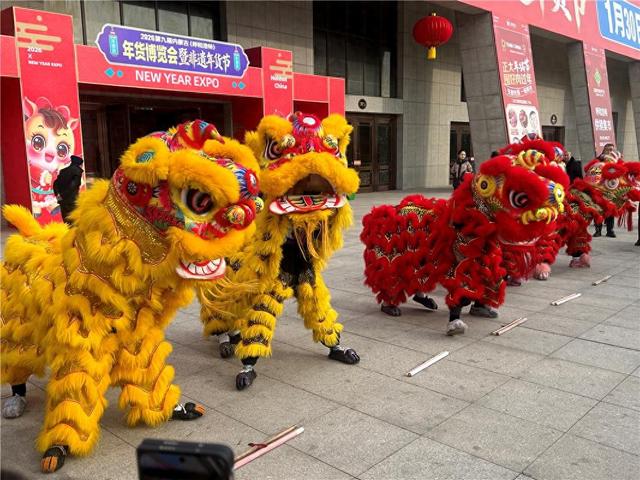
Group 1 - The "2026 Inner Mongolia New Year Goods Expo and Intangible Cultural Heritage New Year Festival" opened on January 30, aiming to promote cultural heritage, boost consumption, and enhance brand promotion [3] - The event features over 700 international and domestic standard exhibition booths, showcasing thousands of traditional New Year products, including various intangible cultural heritage items [8] - Activities during the festival include brand live streaming, interactive games, and a quality supervision service desk to ensure product quality, with the event running until February 11 [10] Group 2 - The festival aims to stimulate market vitality and consumer confidence, contributing to the industrialization and marketization of intangible cultural heritage [3] - A wide range of products is available, including traditional Mongolian art and crafts, providing a one-stop shopping experience for citizens and tourists [8] - The event emphasizes the importance of traditional culture in enhancing the festive atmosphere during the Spring Festival [10]

贵州省两会观察:非遗产品如何“叫好又叫座”?
Xin Lang Cai Jing· 2026-01-30 04:13
Core Viewpoint - Guizhou province is focusing on the commercialization of its rich intangible cultural heritage (ICH) to drive economic development, with significant attention from local representatives during the annual provincial meetings [1][3]. Group 1: Development of ICH Industry - Guizhou has thousands of representative projects of intangible cultural heritage, and the provincial cultural and tourism department has established 40 provincial-level ICH workshop demonstration sites, recognizing over 500 ICH workshops, which have created approximately 40,000 jobs and generated an output value of 2.6 billion yuan, showing a continuous growth trend [3]. - ICH workshops serve as platforms that combine heritage transmission and business operations, playing a crucial role in rural revitalization [3]. Group 2: Challenges and Recommendations - The development of ICH workshops faces challenges such as a lack of classification guidance, significant homogenization competition among similar regions, and over-reliance on tourist traffic leading to unstable customer sources [3]. - Recommendations include implementing classification guidance for ICH workshops based on their characteristics, developing differentiated growth paths to avoid homogenization, and encouraging workshops to diversify sales channels beyond relying solely on tourist traffic [3]. Group 3: Talent and Innovation - Talent is identified as a key factor for the transmission and innovation of ICH, with suggestions to establish a provincial entrepreneurship fund and short training courses on "ICH e-commerce operations" to attract youth back to rural areas [5][6]. - A public welfare project called "Minyi Village Creation" aims to address high design costs in local cultural product development by integrating quality design resources at lower costs [5][6]. Group 4: Market Expansion - There are calls to leverage international platforms and aesthetic advantages from Hong Kong and Macau to jointly develop cultural products that combine Guizhou's characteristics with international perspectives, facilitating broader market access for Guizhou's ICH products [6].
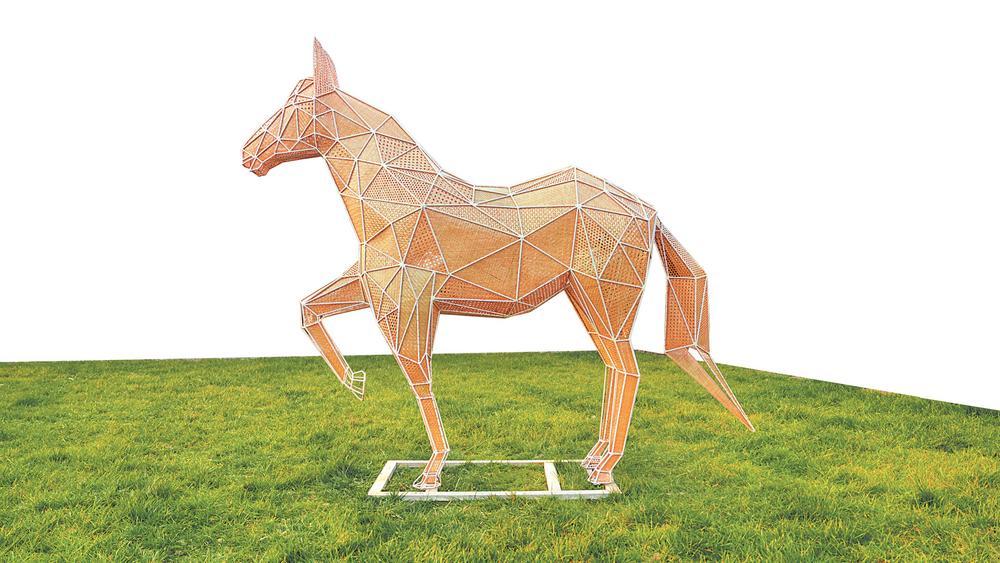
这匹马 从川西林盘“跃”入国家展馆
Xin Lang Cai Jing· 2026-01-19 18:12
Group 1 - The article highlights the unveiling of a 3-meter tall, 5-meter long bamboo horse sculpture named "Lucky Year of the Horse" at the China Intangible Cultural Heritage Museum, showcasing the innovative practices of Daoming bamboo weaving [2] - The bamboo horse was handcrafted over two weeks by inheritors Ding Zhiyun and Ding Chunmei, using local bamboo materials, and incorporates modern origami art inspirations in its design [3] - The bamboo weaving technique emphasizes traditional patterns to express the horse's texture and dynamism, with specific patterns symbolizing strength, muscle flow, and body tension [3] Group 2 - Daoming bamboo weaving has achieved a market value transformation exceeding 30 million yuan through collaborations with various sectors, including fashion and postal services [4][5] - The bamboo weaving tradition, with over 2,300 years of history, includes nearly 15 major categories and over 800 varieties, widely applied in production, life, and decoration [4] - Recent agreements with cultural creative companies aim to deepen the operational development of Daoming bamboo weaving as a national intangible cultural heritage, potentially transforming its designs into urban art installations and trendy toys [4]
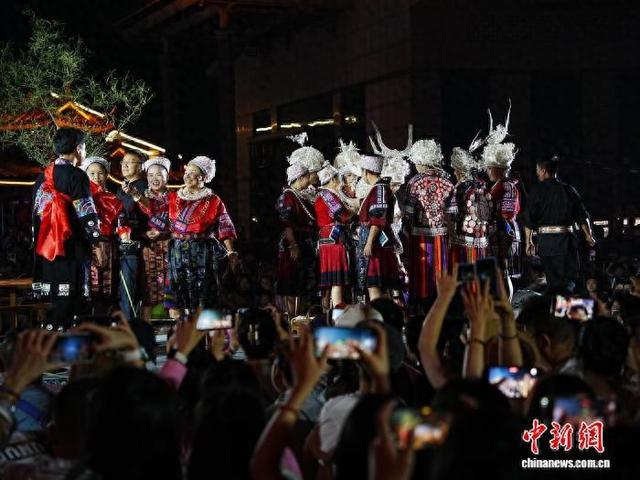
“三三行动”点亮文化振兴,清远瑶族婚俗T台秀"燃"动乡村
Nan Fang Nong Cun Bao· 2026-01-13 02:32
Group 1 - The "Three-Three Action" initiative aims to promote cultural revitalization in rural areas, particularly focusing on the Yao ethnic group's wedding customs through innovative events like the "Rice Field T-stage Show" [2][3][6] - The event in Niulu Water Village highlighted the integration of Yao, Han, and Zhuang cultural elements, showcasing intangible cultural heritage and fostering ethnic unity [4][5][6] - Local villagers participated as models in the T-stage show, wearing traditional attire adorned with exquisite Yao embroidery, which emphasized their cultural pride and connection to their heritage [8][10][11] Group 2 - The event featured a documentary exhibition titled "Embroidered Beauty of Yao Village: From Blood to Self-Sufficiency," displaying 108 pieces of fine Yao embroidery, showcasing the craftsmanship of local artisans [14][15][17] - The initiative has transformed traditional embroidery into a burgeoning rural industry, with 90% of the embroiderers being rural women, supported by ongoing training programs [15][17] - The event broke away from the traditional "sending performances to the countryside" model, creating a comprehensive experience that includes art, industry, and local agricultural products, thereby attracting significant visitor engagement [19][20][25] Group 3 - The event was organized under the guidance of various cultural and artistic associations, marking a significant step in extending cultural volunteer services to grassroots levels [28][32][34] - The initiative aligns with the goals of the "Cultural Empowerment + Industry Support + Sustainable Income" strategy, aiming to meet the spiritual and cultural needs of rural communities [25][37] - The event serves as a case study for the empowerment of rural cultural industries through artistic initiatives, exploring new pathways for the integration of intangible cultural heritage and rural revitalization [39][40]

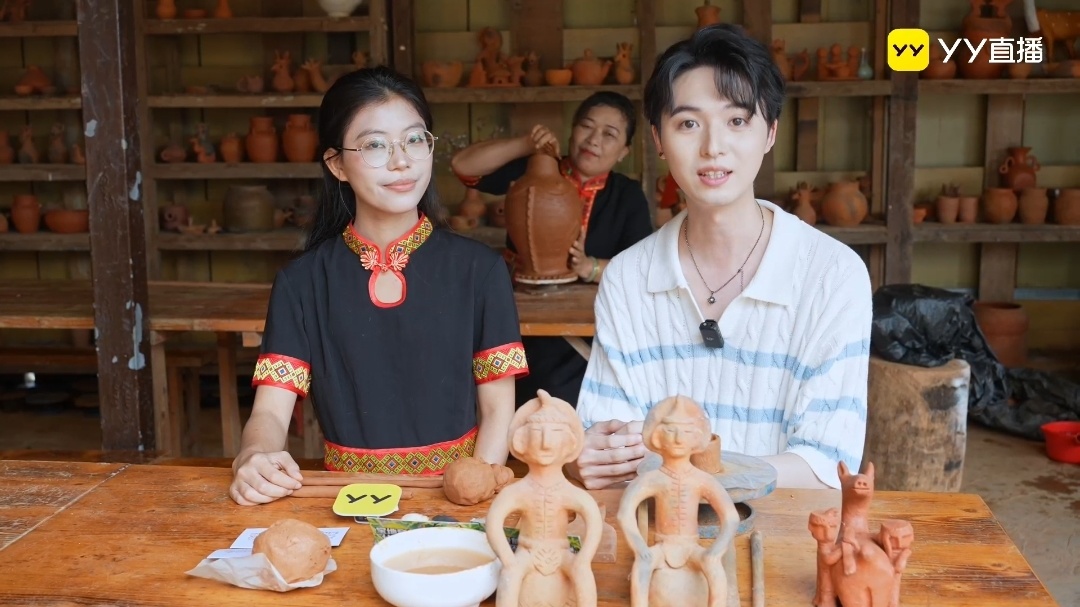
直播赋能非遗产业,黎族文化“活”起来又“火”出去
Huan Qiu Wang· 2025-11-11 08:14
Core Viewpoint - The integration of intangible cultural heritage (ICH) with digital platforms like YY Live is driving the revitalization and commercialization of traditional crafts, particularly in the context of the Li ethnic group's heritage in Hainan, China [1][5][8]. Group 1: Non-Heritage Industry Development - The live broadcast showcased the transformation of Li pottery and other traditional crafts into marketable products, with local artisans earning monthly incomes of 4,000 to 6,000 yuan [1][4]. - The Li pottery workshop aims to achieve sales exceeding 2 million yuan through e-commerce platforms in 2024 [1][7]. - The Li ethnic crafts have evolved from being used solely for personal purposes to becoming cultural gifts and tourism products, even reaching international markets [4]. Group 2: Cultural and Tourism Integration - The live broadcast allowed viewers to experience traditional performances and local cuisine, creating a closed loop of cultural dissemination, visitor engagement, and product sales [2][5]. - The establishment of non-heritage experience zones in tourist areas enables visitors to participate in the creation of Li pottery and textiles, enhancing cultural interaction [2][5]. Group 3: Digital Media and Market Activation - The "live broadcast + non-heritage" model facilitates the transition from cultural display to consumer engagement, significantly lowering the barriers to understanding and appreciating traditional crafts [7]. - The integration of live streaming with cultural heritage has attracted over 500,000 visitors annually to the scenic area, converting online cultural interest into offline tourism spending [7]. Group 4: National Strategy and Economic Impact - The development of non-heritage workshops is part of a broader national strategy to promote rural revitalization and cultural confidence, with over 11,000 workshops established nationwide, creating job opportunities for over 1.2 million people [8]. - The Li ethnic heritage's commercialization reflects a successful model of transforming traditional culture into a sustainable economic driver, contributing to local economic development [8][9].

江海“潮”经济 非遗“通”未来 南通市非物质文化遗产助力文旅产业发展微聚焦
Yang Zi Wan Bao Wang· 2025-09-15 03:35
Core Insights - Nantong's intangible cultural heritage (ICH) is experiencing a revitalization, transforming cultural "soft power" into a "hard support" for high-quality development, creating a new narrative of cultural and economic symbiosis [1] Group 1: Cultural Heritage Overview - Nantong boasts 12 national-level ICH projects, 93 provincial-level projects, and 183 municipal-level projects, along with 12 national and 35 provincial representative inheritors [1] - The Nantong Cultural Center focuses on five-dimensional experiences—visual, culinary, auditory, playful, and practical—to rejuvenate ancient heritage in contemporary life [1][2] Group 2: Experience and Engagement - Visual experiences include the integration of traditional symbols like "door god" paintings with modern designs, attracting younger audiences [1] - Culinary offerings feature local delicacies such as Xiting crispy cakes and Shigang fermented bean curd, showcasing artisan craftsmanship [1] - Auditory experiences are highlighted by the Meian school of guqin music and the Nantong kite performances, creating a natural symphony [2] - Interactive experiences are facilitated through ICH study bases and public courses, deepening visitors' appreciation for traditional crafts [2] - Practical applications of ICH include transforming blue printed cloth into fashionable items, making traditional culture relevant in daily life [2] Group 3: Innovative Consumption Scenarios - Nantong employs a multi-scenario fusion strategy to expand "ICH+" diverse business formats, creating a composite consumption environment with synergistic effects [3] - The "Urban ICH Reception Hall" in Wenfeng Square showcases 16 ICH projects through immersive exhibitions and workshops, transforming traditional display into a welcoming space [3] - Events like the "City South Fun" garden party integrate culture, tourism, and local cuisine, enhancing the multi-faceted consumption experience [3] Group 4: Nighttime Cultural Experiences - The "Tongcheng Night Banquet" event features various ICH foods, enhancing nighttime cultural tourism and expanding the temporal and spatial boundaries of ICH experiences [4] Group 5: IP Development and Economic Impact - Nantong systematically develops ICH IPs, converting cultural symbols into commercially viable brands, thus driving economic growth through cultural tourism [5] - The "Urban ICH Reception Hall" attracts thousands of participants, boosting sales of ICH cultural products [5] - The popularity of ICH-themed tourism is rising, with events like puppet shows and kite festivals reinforcing Nantong's brand as "Non-Heritage City" [6]
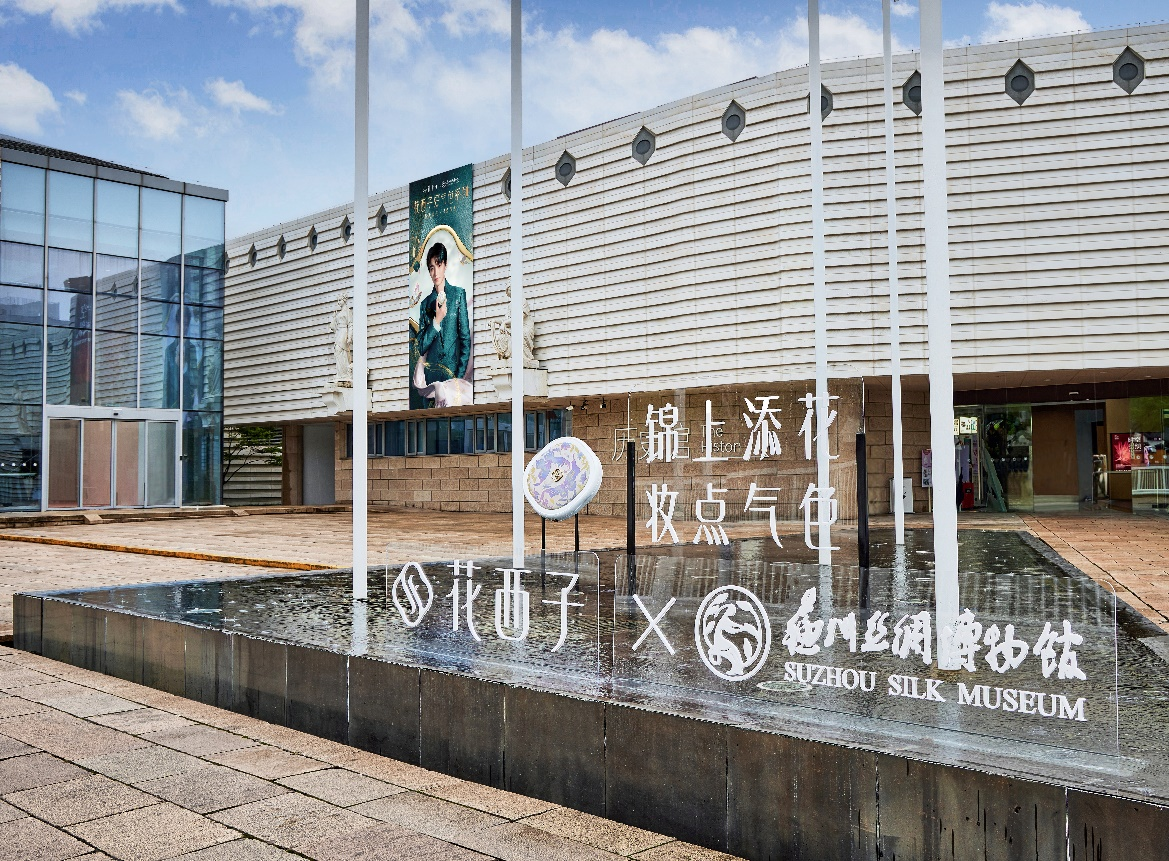
花西子携手苏州丝绸博物馆创新非遗产业化应用
Jing Ji Wang· 2025-08-06 03:02
Core Viewpoint - The introduction of the Songjin high-end beauty product series by Huaxizi represents an innovative application of traditional Chinese craftsmanship in modern beauty products, aiming to integrate intangible cultural heritage into everyday life [1][2]. Group 1: Product Launch - Huaxizi has launched the "Good Complexion" series featuring three products: "Good Complexion Sunscreen Powder," "Good Complexion Loose Powder," and "Good Complexion Cushion," which will be available nationwide starting August 2 and will enter overseas markets in October [1]. - The collaboration with Suzhou Silk Museum and intangible cultural heritage representative Wang Chen took 18 months to overcome challenges in pattern translation and standardization for mass production [1]. Group 2: Cultural Heritage and Innovation - The partnership aims to shift the paradigm of intangible cultural heritage protection from "rescue recording" to "productive innovation," integrating heritage with modern lifestyles [1]. - Wang Chen emphasized the importance of industrial empowerment for the sustainability of intangible cultural heritage, highlighting Huaxizi as the first beauty brand to deeply collaborate with her on promoting the beauty of the East [2]. Group 3: Technical Advancements - Huaxizi's CMF laboratory developed a unique "True Brocade Coating Technology" after testing nearly 10,000 samples, ensuring that pattern deviations are controlled within 2mm for a smooth application of Songjin fabric on curved surfaces [2]. - This marks the first successful application of genuine Songjin fabric in cosmetics, showcasing a significant technical achievement in the industry [2].
千年宋锦首次入妆 花西子携手苏州丝绸博物馆创新非遗产业化应用
Yang Guang Wang· 2025-08-04 04:55
Core Viewpoint - The article highlights the innovative application of Song Jin, a traditional Chinese brocade, in the beauty industry by the Chinese beauty brand Huaxizi, marking a significant step in integrating intangible cultural heritage with modern consumer products [1][3]. Group 1: Product Launch and Features - Huaxizi launched the "Good Complexion" series featuring three products: "Good Complexion Sunscreen Powder," "Good Complexion Loose Powder," and "Good Complexion Cushion," inspired by traditional Chinese patterns [1]. - The design incorporates elements like butterflies and lotus flowers, showcasing intricate patterns that blend Eastern elegance with modern fashion [1][6]. - The products will be available nationwide starting August 2 and will be sold overseas in October [1]. Group 2: Cultural Heritage and Innovation - The collaboration with Suzhou Silk Museum and representative inheritor Wang Chen aims to transform the preservation of intangible cultural heritage from mere documentation to productive innovation [1][3]. - Wang Chen emphasizes the importance of industrial empowerment for the sustainability of intangible cultural heritage, aligning with Huaxizi's mission to promote Eastern beauty [6]. Group 3: Technical Challenges and Solutions - The application of Song Jin in cosmetics faced challenges such as precise control of pattern alignment and color representation, requiring extensive testing and innovative techniques [7]. - Huaxizi developed a unique "True Brocade Coating Technology" to ensure the accurate placement of patterns within a 2mm tolerance, enabling standardized mass production [7]. Group 4: Cultural Promotion and Youth Engagement - Huaxizi has initiated the "Fire of Inheritance Plan," a public welfare project aimed at helping youth engage with and learn about intangible cultural heritage, impacting over 100,000 students since its launch in 2021 [8][9]. - The program has evolved from appreciation to practical skills transmission, fostering a sense of cultural identity among young people [9]. Group 5: Brand Representation - The brand has invited global makeup ambassador Wang Junkai to promote the beauty of Song Jin, aiming to attract more young people to participate in cultural heritage transmission [11].