
万物互联

Search documents
eSIM将给日常通信带来哪些新变化?
Xin Lang Cai Jing· 2025-10-16 02:44
Core Insights - The launch of eSIM mobile services in China marks a significant shift from traditional SIM cards, allowing users to download their phone numbers directly to a built-in chip without needing a physical SIM card [1][2][3] Group 1: eSIM Technology Overview - eSIM technology integrates the functionality of a physical SIM card into a chip within the device, enabling users to access communication services such as voice calls, data, and messaging without a physical card [1] - The adoption of eSIM is expected to lead to thinner and lighter smartphone designs, as the eSIM chip can be directly soldered onto the motherboard, enhancing durability against dust, water, and shocks [1] Group 2: Consumer Benefits - Users will benefit from simplified processes for activating and changing phone numbers without the need for a physical card, reducing the inconvenience of lost SIM cards and the hassle of swapping cards during international travel [1][2] - The eSIM rollout is anticipated to enhance the overall consumer experience and satisfaction, making connectivity more seamless and user-friendly [3] Group 3: Industry Impact - The introduction of eSIM services is expected to stimulate investment across the entire supply chain, driving demand for eSIM-enabled devices such as smartphones, tablets, wearables, and connected vehicles [2] - eSIM technology is projected to extend into various smart applications, including the Internet of Things (IoT), smart cities, and consumer electronics, facilitating digital and intelligent upgrades across industries [2] Group 4: Operator Initiatives - Chinese telecom operators are actively innovating and enhancing eSIM-related technologies and services, with China Unicom having launched eSIM for wearables and China Mobile focusing on domestic chip and operating system development [3] - China Telecom aims to provide a seamless experience for users with features like card-free activation, cross-device collaboration, and global roaming capabilities [3]



新华每日电讯:eSIM来了!手机“无卡时代”已近
Xin Lang Cai Jing· 2025-10-15 23:29
Core Viewpoint - The launch of eSIM mobile services by major Chinese telecom operators marks a significant shift towards eliminating physical SIM cards, enhancing user convenience and driving industry upgrades [1][2]. Group 1: eSIM Technology Overview - eSIM technology integrates the functionality of a physical SIM card into a built-in chip within the phone, allowing users to download their phone numbers over the air without needing a physical card [2]. - The introduction of eSIM will lead to lighter and thinner smartphone designs, as the eSIM chip can be directly soldered onto the motherboard, improving durability against dust, water, and shocks [2]. Group 2: User Benefits - Users will experience simplified processes for activating and changing phone numbers without the need for a physical SIM card, reducing the hassle of lost cards and the need for card eject tools [2]. - Frequent travelers will benefit from not having to change SIM cards when moving between countries, enhancing the overall user experience [2]. Group 3: Industry Impact - The rollout of eSIM services is expected to stimulate investment across the entire industry chain, leading to increased demand for eSIM-enabled devices such as smartphones, tablets, wearables, and connected vehicles [2][3]. - Telecom operators are actively innovating and upgrading eSIM-related technologies and services, with China Unicom already having adapted 75 devices for eSIM wearables and serving millions of users [4]. Group 4: Future Prospects - eSIM technology is anticipated to extend into various smart scenarios, including vehicle networking, smart cities, and consumer electronics, driving digital and intelligent upgrades across industries [3]. - The ongoing development of eSIM services aims to provide seamless experiences for users, such as card-free activation and global roaming capabilities [4].
新华鲜报 | eSIM来了!手机“无卡时代”已近
Xin Hua She· 2025-10-15 13:59
Core Points - The launch of eSIM mobile services by China's three major telecom operators marks a significant shift towards eliminating physical SIM cards [1][2] - eSIM technology integrates SIM card functionality into the device's built-in chip, allowing users to download their phone numbers over the air [2] - The introduction of eSIM is expected to enhance user convenience, streamline operations, and drive upgrades across the entire industry chain [2][4] Group 1: eSIM Technology Overview - eSIM technology allows for the integration of SIM card functions into the device, eliminating the need for physical SIM cards [2] - Users can expect to perform operations such as activating and changing numbers without needing a physical card, simplifying the process significantly [2] - The technology is anticipated to enhance device design by reducing space occupied by SIM card slots, leading to thinner and more robust devices [2] Group 2: Industry Impact - The rollout of eSIM services is expected to stimulate investment across the industry chain, including smartphones, tablets, wearables, and connected vehicles [2][3] - Telecom operators are actively innovating and upgrading eSIM-related technologies and services, with China Unicom already having adapted 75 devices for eSIM wearables [4] - The shift from physical SIM cards to eSIM technology is projected to improve consumer experience and satisfaction [4]
eSIM来了!手机“无卡时代”已近
Xin Hua She· 2025-10-15 13:56
Core Viewpoint - The launch of eSIM technology in China marks a significant shift from traditional SIM cards, enhancing convenience and driving industry upgrades [1][2]. Group 1: eSIM Technology Overview - eSIM technology integrates the functionality of a physical SIM card into a built-in chip within smartphones, allowing users to download their phone numbers over the air [2]. - eSIM-enabled devices will maintain the same communication services as traditional phones, including voice calls, data, and SMS [2]. Group 2: Benefits of eSIM - The adoption of eSIM technology will lead to slimmer smartphone designs by reducing the space required for SIM card slots, enhancing durability against dust, water, and shocks [2]. - Users will benefit from simplified processes for activating and changing phone numbers without the need for physical SIM cards, addressing issues like lost cards and the hassle of swapping cards during international travel [2]. Group 3: Industry Impact - The trial launch of eSIM services is expected to stimulate investment across the entire supply chain, potentially increasing the demand for eSIM-compatible devices such as smartphones, tablets, wearables, and connected vehicles [2][3]. - eSIM technology is anticipated to extend into various smart applications, including vehicle networking and smart cities, facilitating digital and intelligent upgrades across industries [3]. Group 4: Operator Initiatives - Chinese telecom operators are actively innovating and enhancing eSIM-related technologies and services, with China Unicom already offering eSIM services for wearables since 2018, supporting 75 device models and millions of users [4]. - China Mobile is focusing on domestic technology development for eSIM chips and operating systems, while China Telecom aims to provide seamless activation and global roaming experiences for users [4].
新华鲜报丨eSIM来了!手机“无卡时代”已近
Xin Hua Wang· 2025-10-15 13:44
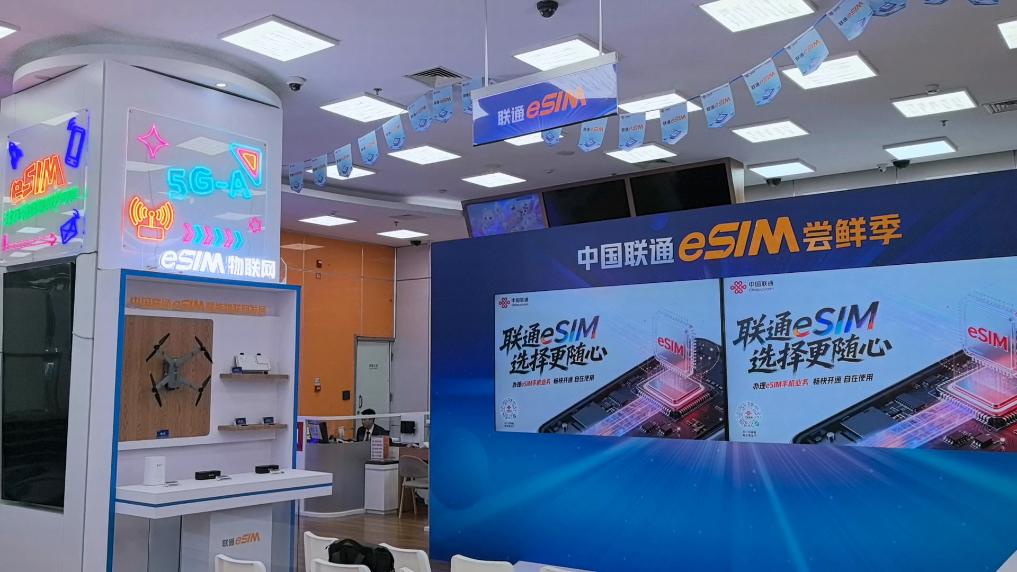
新华社北京10月15日电 题:eSIM来了!手机"无卡时代"已近 智能终端升级。随着技术升级迭代,手机SIM卡尺寸一直在缩小。eSIM技术可以进一步缩小SIM卡槽在手机等智能终端设备里的占用空间, 手机设计将更加轻薄。而且eSIM芯片将直接焊接在主板上,让手机在防尘、防水、抗震动等方面的能力变得更强。 使用更加便利。下一步,用户有望在无需实体卡的情况下进行开卡、换号等操作,显著简化业务办理流程;用户未来无需担心SIM卡遗失等 问题带来的不便,也不需要到处找卡针;对于跨国出行较多的人,也不需要频繁换卡…… eSIM落地不仅给消费者带来便利,更带来全产业链的升级契机。 新华社记者高亢、吴慧珺 无卡的eSIM来了,我们要跟手机SIM卡逐步说再见了。 近日,中国电信、中国移动和中国联通正式获得工信部eSIM手机商用试验批复许可,并在全国上线eSIM手机办理业务。 中国联通北京西单营业厅内的eSIM业务展示。(中国联通供图) 什么是eSIM? eSIM手机业务是一种将实体SIM卡功能集成到手机内置芯片中的技术。消费者购买具备eSIM功能的手机后,无需插入实体SIM卡,便可将电 话号码通过空中下载的方式写入手机内置eSI ...

机器人板块延续调整,机器人ETF易方达(159530)逆势获近1亿份净申购
Mei Ri Jing Ji Xin Wen· 2025-10-10 13:50
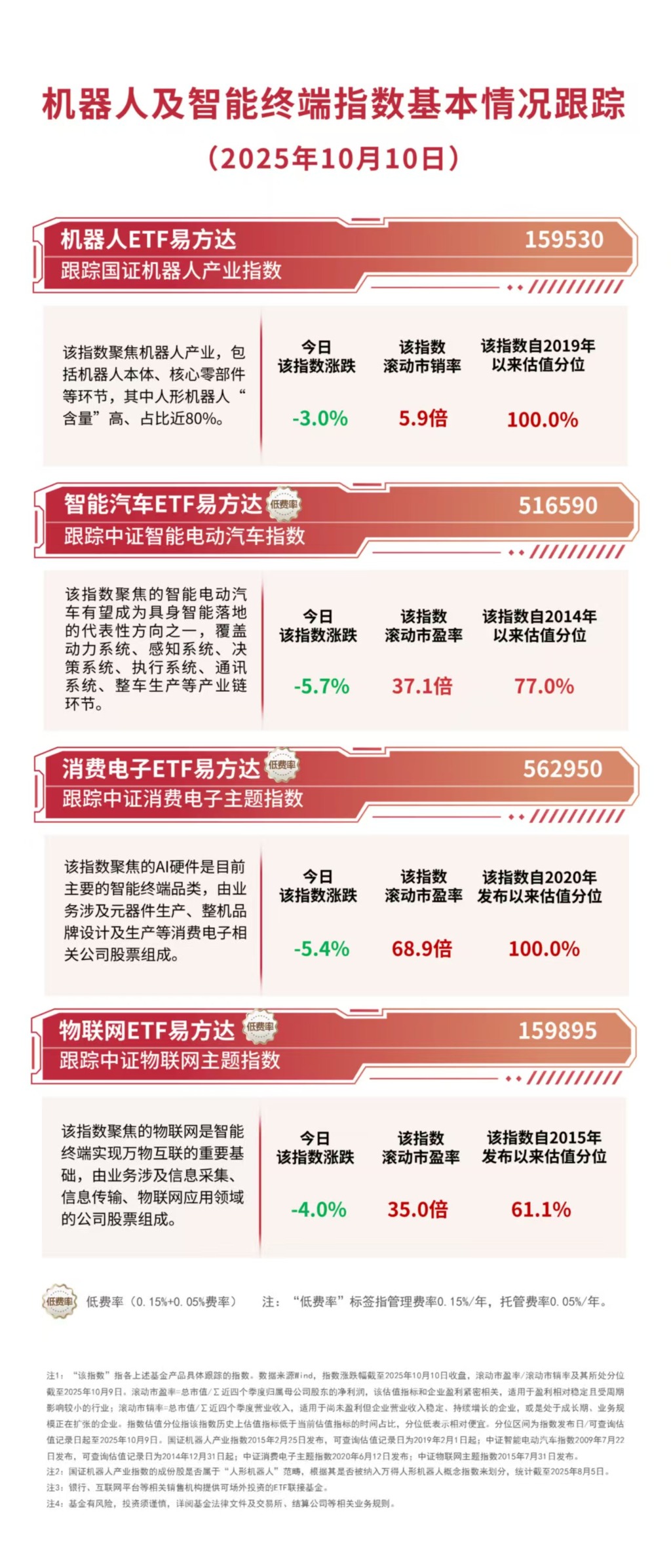
机器人板块今日延续调整,截至收盘,中证智能电动汽车指数下跌5.7%,中证消费电子主题指数下跌5.4%,中证物联网主题指数下跌4.0%,国证 机器人产业指数下跌3.0%,机器人ETF易方达(159530)逆势获近1亿份净申购。Wind数据显示,该产品近一月连续"吸金",合计超45亿元,最新 规模达133亿元,位居同标的ETF第一。 中信建投证券表示,当前Optimus三代样机发布及量产节奏指引积极,国产链条订单出货、资本化运作表现积极;市场整体流动性宽松下,看好机 器人重回科技成长配置主线。 | 主要的智能终端品类,由业 | 该指数涨跌 | | 滚动市盈率 发布以来估值分位 | | --- | --- | --- | --- | | 务涉及元器件生产、整机品 | | | | | 牌设计及生产等消费电子相 关公司股票组成。 | -5.4% | 68.9倍 | 100.0% | | 物联网ETF易方达 | | | 159895 | | 跟踪中证物联网主题指数 | | | | | | | | ··· | | 该指数聚焦的物联网是智能 | 令日 | 该指数 | 该指数自2015年 | | 终端实现万物互联的重要基 | ...

光通信子行业快速增长,坚定看好AI产业链投资机会 | 投研报告
Zhong Guo Neng Yuan Wang· 2025-10-09 01:33
Core Insights - The communication equipment industry experienced a revenue growth of 12.7% year-on-year in Q2 2025, indicating a recovery that began in Q4 2023, with AI computing power emerging as a new growth engine [1][2] - The net profit for the communication equipment sector grew by 19.0% year-on-year in Q2 2025, reflecting strong profitability amid the transition of growth drivers [1][2] Financial Summary and Outlook - The overall revenue for communication equipment in Q2 2025 increased by 12.7% year-on-year, with growth accelerating from Q4 2023 to Q3 2024, indicating a successful transition between old and new growth drivers [2] - The net profit attributable to the parent company in Q2 2025 rose by 19.0% year-on-year, showing consistent growth in Q1 and Q2 2025 after a decline in Q4 2024 [2] Key Industry Segments to Watch - The optical device segment saw a remarkable revenue growth of 72.81% year-on-year in Q2 2025, with net profit growth of 133.5%, driven by increased global demand for AI and optical modules [3] - The Internet of Things (IoT) sector continued to show good revenue growth in Q2 2025, confirming the ongoing recovery trend, with companies benefiting from the long-term trend of interconnected devices [3] - The fiber optic cable sub-sector reported a revenue increase of 16.5% year-on-year in Q2 2025, although net profit declined by 9.6% [4] - The main equipment sector reversed its downward trend in Q1 and Q2 2025, driven by strong demand for computing power, despite challenges in operator capital expenditures [5] - The satellite industry generated revenue of 1.12 billion yuan in Q2 2025, down 17.0% year-on-year, but is expected to enter a phase of regular launches following the establishment of satellite internet [5] - The Beidou and military communication sectors reported revenue of 5.31 billion yuan in Q2 2025, a decline of 7.1% year-on-year, but are anticipated to recover with new equipment entering service [5] Investment Recommendations - The company suggests focusing on investment opportunities in "AI + overseas expansion + satellite" sectors, particularly in optical modules and devices, as well as domestic computing power lines [6] - Key recommendations include companies in the optical device sector such as Zhongji Xuchuang and Tianfu Communication, and in the server and switch PCB sectors like Huadian Co. and ZTE [7] - The report highlights the potential of the satellite internet industry and encourages monitoring developments in this area [6][10]
互联互通,智能生活:2025年中国移动互联网用户趋势
央视市场研究· 2025-10-08 01:24
Investment Rating - The report does not explicitly state an investment rating for the mobile internet industry Core Insights - The overall user scale of China's mobile internet remains stable, with a projected growth in mobile internet users reaching 1.12 billion by mid-2025, reflecting a growth rate of approximately 1.1% [3][4] - The report highlights the stability of top applications, with a significant overlap among the top 100, 500, and 1000 apps, indicating a mature market [6][7] - AI applications are experiencing rapid growth, with AI-enabled smartphones accounting for over 51% of the market by mid-2025, showcasing a 380% increase in activation [14][15] - The short video segment is expanding, with a notable increase in user engagement and a demand for high-quality content [19][20] - The smart hardware market is thriving, driven by government subsidies and a growing consumer interest, with a projected market size of 793.8 billion yuan in 2025 [45][46] Summary by Sections Mobile Internet User Trends - The mobile internet user base is projected to grow steadily, reaching 1.12 billion by mid-2025, with a growth rate of 1.1% [3][4] - The report indicates a consistent increase in mobile internet users, with a year-on-year growth of 2.1% to 2.2% [3] Application Landscape - The overlap among the top applications remains high, with 88.0% for the top 100 apps, indicating a stable competitive landscape [6][7] - The report identifies the top six industries with significant monthly active user growth, including AI and short videos, with growth rates exceeding 200% for leading applications [9] AI Integration - AI applications are rapidly gaining traction, with over 5 billion AI-enabled smartphones expected by mid-2025, marking a 380% increase in activation [14][15] - The report emphasizes the importance of identifying new opportunities in AI applications based on maturity and frequency of use [16] Short Video Growth - The short video segment is characterized by diverse user preferences, with a demand for high-quality content despite its "fast food" nature [19][20] - Key factors influencing short video viewership include engaging plots and high production quality, while common reasons for abandoning shows include poor storytelling and lack of originality [25][23] Smart Hardware Market - The smart hardware market is experiencing robust growth, with a 20.5% increase in shipments in the first half of the year and a projected market size of 793.8 billion yuan by 2025 [45][46] - The report highlights the increasing variety and sophistication of smart hardware products, driven by consumer demand for interconnected devices [47][48]
智能驾驶行业来了个不得了的新公司
佩妮Penny的世界· 2025-09-30 12:50
Core Viewpoint - 2024 is seen as a harvest year for the intelligent driving industry, with several long-established companies going public and Robotaxi services starting to materialize in real life. This indicates a maturing market, yet a lesser-known company, Qianli Technology, has emerged as a dark horse, showcasing a remarkable turnaround driven by capital [1][4]. Company Background - Qianli Technology, previously known as Lifan Technology, was founded in 1992 and went public in 2010. The company rebranded in 2023 after a significant investment from Yin Qi, who became the chairman by the end of 2024 [3][4]. Industry Landscape - The intelligent driving sector is highly competitive, with major players like Tesla, Huawei, BYD, and various domestic car manufacturers investing heavily. The meeting between Yin Qi and Geely's chairman Li Shufu marked a pivotal moment, leading to a more cohesive strategy for Geely's investments in intelligent driving [5][6]. Strategic Partnerships - In March 2025, Qianli Zhijia was officially established in Chongqing, with investments from Qianli Technology, Geely, and Mai Chi, among others. The leadership team consists of key figures from these companies, indicating a strong collaborative effort [5][6]. Government Support - The Chongqing government plays a crucial role in this development, with the city aiming to become a hub for intelligent connected new energy vehicles, supported by a robust industrial ecosystem [6][7]. Financial Backing - In February 2025, the Chongqing Industrial Fund and other entities invested over 1.3 billion in Qianli Technology, highlighting the financial support for its growth [7]. Technological Advancements - Qianli Technology has launched its L2+ intelligent driving solution, which is already being integrated into various Geely brands. The company plans to release L3 and L4 solutions in the coming years, indicating a comprehensive product roadmap [16][22]. AI Integration - The company is collaborating with domestic AI model firms to enhance its intelligent driving capabilities, focusing on a multi-modal approach that integrates various technologies for improved performance [16][18]. Future Vision - Qianli Technology envisions a future where intelligent driving systems are deeply integrated with AI, creating a seamless experience for users. The company aims to establish a comprehensive ecosystem that combines technology, data, and real-world applications [27]. Market Potential - The Robotaxi sector is identified as a significant growth opportunity, with Qianli Technology planning to develop dedicated vehicles for this market and aiming for large-scale operations in multiple cities within three years [22][24]. Conclusion - Qianli Technology has rapidly established a presence across intelligent driving, smart cockpit, and mobility sectors, positioning itself as a key player in the evolving landscape of smart transportation [26][27].

实探国内最大多功能传感器生产基地—— 孝感,孝“感”!一条生产线的“链式反应”
Zheng Quan Shi Bao· 2025-09-29 22:22
Core Insights - Huagong Gaoli has become a leading manufacturer of multifunctional sensors, producing over 5 million sensor chips daily, with 70% of global temperature sensors used in home appliances sourced from this company [1][3] - The company achieved a revenue of 7.629 billion yuan in the first half of the year, marking a 44.66% year-on-year increase, with the sensor business contributing 1.942 billion yuan [2] - Huagong Gaoli is focusing on high-value sectors to reduce reliance on imported high-end products, aiming for technological breakthroughs and market expansion [4][5] Company Overview - Huagong Gaoli is a core subsidiary of Huagong Technology, specializing in sensor production and automation [2] - The company has a strong market presence, holding 70% of the global temperature sensor market and 60% of the domestic PTC heater market for electric vehicles [3] Production and Technology - The production line at Huagong Gaoli has been highly automated, requiring only one operator to monitor the process, which previously needed 18 [2] - The company invests 8% of its sales revenue in R&D, with 30% of its workforce dedicated to research, resulting in over 1,000 patent applications [5][8] Market Strategy - Huagong Gaoli aims to replicate its success in the temperature sensor market by entering the pressure sensor market, targeting high-profit segments and leveraging its technological capabilities [5][6] - The company plans to achieve a production capacity of 10 million pressure sensors annually by 2025, with revenue targets of 100 million yuan in 2025 and 200 million yuan in 2026 [6] Industry Development - The sensor industry in Xiaogan is expected to generate over 5 billion yuan in revenue by 2024, with a focus on high-value areas like magnetic sensors and MEMS [7] - The local government is implementing strategies to strengthen the industry ecosystem, aiming to develop several large-scale enterprises [7][8] Talent and Innovation - Huagong Gaoli has introduced incentive policies for R&D staff, including profit-sharing from new product lifecycles and competitive salaries to attract talent [8] - The company aims to achieve a production value of 10 billion yuan by 2027 and position itself among the top three global sensor manufacturers [8]
